5 Best DIY Home Decor Ideas that are Budget-Friendly
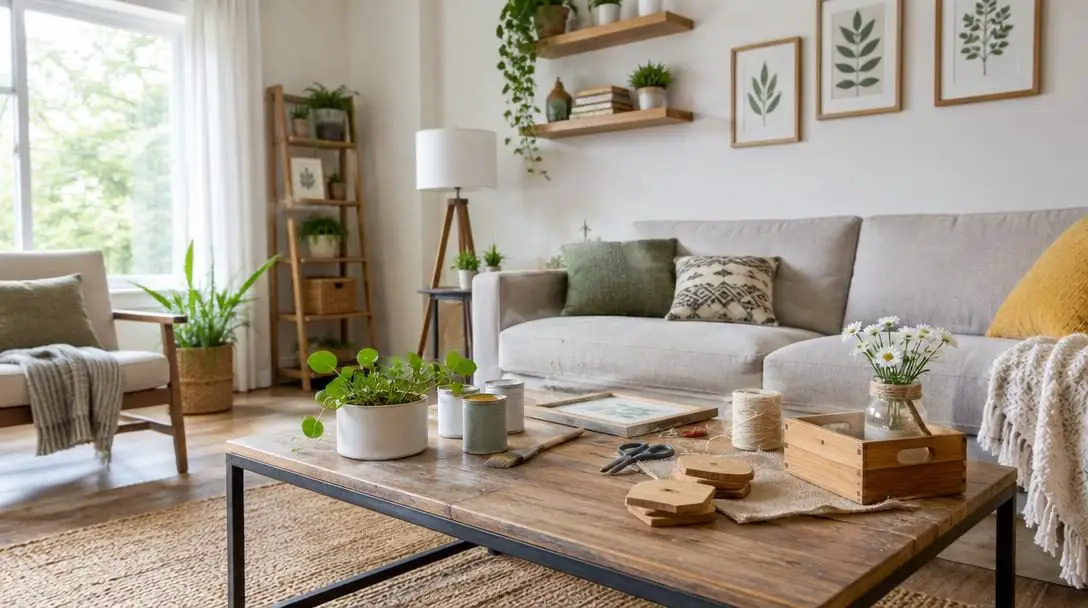
Decorating a home frequently carries the reputation of being an expensive, inaccessible endeavor. Conventional interior design advice often centers on purchasing brand-new showroom furniture, acquiring high-end gallery pieces, or hiring professional contractors to make structural modifications. Over time, these costs accumulate quickly, leading many people to stay with outdated, worn-out, or mismatched home designs simply to avoid large expenditures. However, revamping a living space does not require an immense financial commitment or professional design training.
Do-it-yourself decorating relies on resourcefulness, creativity, and the principle of upcycling. Instead of discarding worn items or purchasing mass-produced accessories, budget-conscious decorators uncover decorative potential in thrift store discoveries, discount retail goods, fabric scraps, and repurposed household items. By taking control of crafting and renovation processes yourself, you can bypass traditional retail markups while tailoring every color, size, and texture to match your individual taste.
Key takeaways
- Upcycling and handmade decor eliminate showroom markups while offering total aesthetic customization.
- Visual impact stems from strategic design techniques like texture layering, intentional focal points, and functional storage.
- Small-scale upgrades like painting an accent wall, swapping hardware, or hanging no-sew drapes produce dramatic transformations over a single weekend.
- Careful preparation, such as surface sanding and proper anchor selection, prevents common beginner mistakes.
The Principles of High-Impact, Low-Cost Decor
The core concept of low-cost decor is finding maximum visual impact through minimal resource investment. Many traditional showroom upgrades fail to justify their steep costs because standard, store-bought accessories lack distinct character and personal history. In contrast, handmade and upcycled projects stand out because they emphasize personal customization, tactile interest, and intentional design choices.
Achieving a cohesive, designer-level look on a modest budget relies on several foundational design techniques that transform everyday items into polished interior statements:
- Layering visual interest: Combining contrasting textures—such as placing smooth painted wood alongside natural woven textiles like macrame or heavy canvas—gives a room tactile depth and dimension.
- Establishing focal points: Guiding the eye toward key visual features, such as an accent wall, an eclectic gallery wall, or a statement light fixture, anchors the space and distracts from less appealing architectural quirks.
- Maximizing functional organization: Turning everyday storage items like glass jars, wooden crates, and hanging shelves into decorative room highlights merges utility with beauty.
- Repurposing discarded objects: Extending the functional life of cast-off goods by applying fresh coats of paint, swapping out dated hardware, or altering their primary purpose creates singular decor pieces.
Do-it-yourself decorating relies on resourcefulness, creativity, and the principle of upcycling to deliver maximum visual impact with minimal resource investment.
At a Glance: Top Budget-Friendly Decor Projects
| Project Focus | Primary Materials | Primary Room Impact | Key Advantage |
|---|---|---|---|
| Low-Cost Wall Art | Thrifted frames, mirrors, vintage teacups | Vertical interest and eye-level depth | Eliminates the high cost of framed art |
| Revamped Furniture | Sandpaper, paint, fabric remnants, knobs | Grounding pieces and seating areas | Extends the lifespan of sturdy structural frames |
| Unique Textile Accents | Drop cloths, fabric scraps, cord for macrame | Softness, sound dampening, color warmth | Allows seasonal updates without sewing skills |
| Creative Storage Solutions | Wooden crates, pallets, glass mason jars | De-cluttering surfaces and vertical storage | Customizes storage capacity for compact rooms |
| Decorative Upgrades | Paint, wire, drum shades, corkboards | Atmospheric mood and architectural focus | Fast single-weekend turnaround time |
5 Best DIY Home Decor Ideas that are Budget-Friendly
Transforming your home does not necessitate an all-or-nothing renovation. Focusing your efforts on distinct, manageable categories lets you upgrade your home room by room without overwhelming your schedule or your wallet.
Low-Cost Wall Art
Filling blank wall space with conventional framed prints or large commissioned canvases can quickly drain a decorating budget. Creating your own wall art is an affordable alternative that lets you customize your living environment to reflect your personal preferences without substantial investments.
A gallery wall is one of the most effective ways to showcase multiple art pieces simultaneously. By sourcing frames and artwork in varied shapes and sizes from thrift stores or discount retailers, you can construct an eclectic display that feels collected over time rather than purchased all at once. Laying out different frame styles adds depth to the wall, giving your room a unique, personalized feel that rigid, matching sets rarely replicate.
For those seeking alternative wall accents beyond standard framed prints, statement mirrors and hanging planters provide great options. A statement mirror can be made simply by outfitting an existing mirror with a bold frame or by applying a coat of paint in a bright, vibrant color to refresh the look. Mirrors also bounce natural light into dimmer corners, making rooms feel larger. Hanging planters introduce natural elements into your living space and can be crafted from thrifted or recycled objects, such as vintage teacups or salvaged light fixtures suspended with cord.
Revamped Furniture
Replacing worn or dated furniture items is rarely necessary when the core structure remains solid. Updating your current furniture provides a sustainable and budget-conscious alternative to buying replacements, allowing you to transform basic tables and chairs into modern statement pieces.
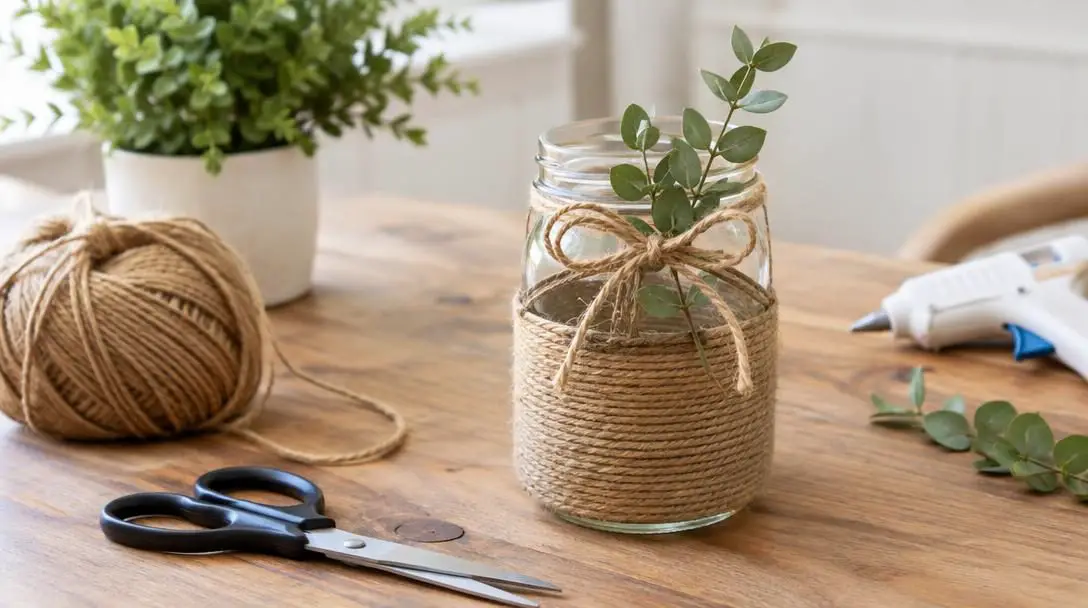
Applying fresh, bright paint colors can instantly modernize a tired piece of furniture. A wooden dining chair or an old side table that feels dull can take on a contemporary feel after sanding and applying a new finish. Paint is one of the most cost-effective tools available for changing the visual weight and style of a room, concealing minor surface blemishes while introducing an intentional accent shade.
For cushioned furniture, reupholstering provides an entirely new aesthetic without the cost of new furniture. If the thought of a complete upholstery project feels intimidating, starting with a smaller project is an ideal approach. Accessible options include:
- The padded seat of a standard wooden dining chair, which unbolts easily from the frame.
- The removable cushion on an entryway bench.
- The top cushion of an accent stool or footstool ottoman.
Another simple transformation involves changing out old hardware. Swapping standard cabinet pulls and drawer knobs for decorative replacements gives cabinets, dressers, and sideboards an instant face-lift with minimal effort.
Unique Textile Accents
Textiles introduce essential warmth, color, and softness into living spaces. Purchasing designer linens, custom drapes, and branded pillows can be expensive, but creating your own fabric accents gives you control over both pattern selection and total expenses.
Pillow covers are quick to assemble and easy to swap out when you want to update your palette. You can make pillow covers using fabric scraps, repurposed old clothing, or affordable remnants found at local fabric stores. Because pillow forms can be reused indefinitely, changing out the outer covers keeps your decor flexible and seasonal throughout the year.
For window treatments, advanced sewing skills are not a requirement. Affordable canvas drop cloths purchased from hardware stores or patterned shower curtains can easily be hung as no-sew curtains using clip rings, delivering floor-to-ceiling style at a fraction of the cost of custom drapery. In addition, incorporating macrame wall hangings and small area rugs introduces tactile variety and visual interest to hardwood or tiled rooms, dampening noise while softening hard floor surfaces.
Creative Storage Solutions
Clutter can quickly diminish the appeal of any home. Instead of buying generic plastic containers or expensive commercial storage units, building your own functional storage creates a custom fit for your home while enhancing your overall decor.
Building a rustic bookshelf using recycled components like wooden crates or discarded shipping pallets adds practical storage with an authentic, weathered look. Crates can be stacked, secured, and painted to fit unusual wall spaces or awkward nooks, providing compartments for books, potted plants, and small decorative items.
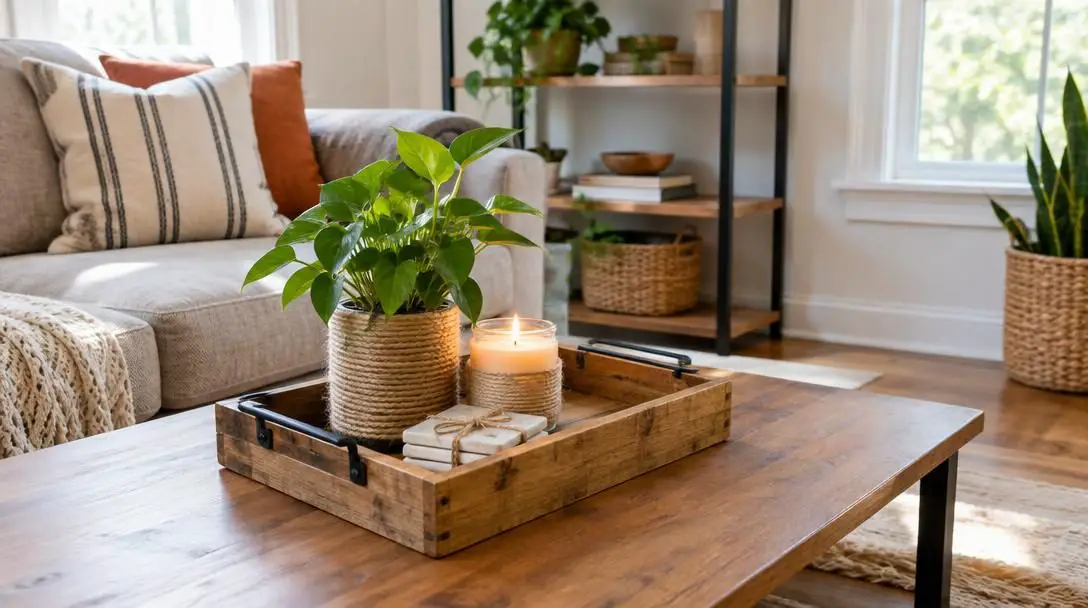
Additional creative DIY storage solutions include:
- Built-in wall storage: Ideal for compact rooms, built-in wall units provide organized, space-saving compartments while creating dedicated display zones for meaningful personal keepsakes.
- Decorative baskets: Sturdy woven baskets serve a dual purpose by adding warm color and rich texture to an area while keeping throws, pillows, or toys neatly arranged.
- Hanging mason jars: Attaching glass mason jars to wall-mounted boards creates practical storage for small essentials throughout the home, from bathroom supplies to office accessories.
Decorative Upgrades
Smaller, targeted upgrades can transform the atmosphere of an entire room without requiring extensive home renovations. Focusing on select accent pieces or small architectural focal points allows you to achieve noticeable results over the course of a single weekend.
Painting an accent wall is an ideal option if you want to experiment with rich, vibrant shades without committing to painting an entire room. A single wall finished in a deep or energetic hue acts as a visual backdrop that ties together the surrounding furniture and wall art.
Lighting is another crucial decor element that can be updated through creative crafting. Rather than settling for basic builder fixtures, you can build your own custom lights:
- A DIY chandelier can introduce a sense of glamour to a dining area or entryway.
- A handmade drum shade brings clean lines and sophisticated simplicity to an old desk lamp or overhead ceiling light.
Styling an open shelf offers a low-stakes, customizable way to arrange curated items, artwork, and greenery in balance. Additionally, setting up a DIY chalkboard or corkboard offers an attractive visual platform for displaying personal goals, inspirational quotes, daily notes, or sorting incoming mail efficiently.
Step-by-Step Implementation for DIY Projects
Tackling DIY home decor projects is most successful when approached methodically. Following a structured set of steps helps you stay within your budget, avoid material waste, and complete your updates efficiently:
- Evaluate the Room: Walk through your space and identify specific areas that feel unfinished, cluttered, or dated. Select one target area to focus on, such as an empty wall or an outdated side table, rather than scattering your attention.
- Take Accurate Measurements: Measure the wall space, floor dimensions, or furniture profiles before gathering materials. Proper dimensions prevent buying items that are too large or too small for the layout.
- Gather Supplies: Source items from around your home, local thrift stores, or discount craft and hardware outlets. Collect paints, fabrics, recycled pallets, or replacement knobs ahead of time so the workflow is uninterrupted.
- Prepare Your Work Surface: Clear a well-ventilated work area. Lay down protective sheets or drop cloths, wipe down surfaces, and sand down wood items if you plan to paint or stain them.
- Assemble and Install: Work through your project step by step, allowing adequate drying time between coats of paint or glue. Securely fasten hanging items like mirrors, wall-mounted jars, or shelving using proper hardware.
- Style and Arrange: Step back and assess the finished work. Add personal accents like family photos, small plants, or folded textiles to tie your new piece seamlessly into the surrounding space.
Common Mistakes to Avoid in DIY Decorating
While DIY decorating is accessible and forgiving, beginners often run into a few common pitfalls that can derail their design goals. Being aware of these issues helps ensure professional-looking, durable results:
- Skipping surface preparation: Applying paint or adhesive directly over dirty, dusty, or glossy surfaces leads to peeling and uneven finishes. Always clean, sand, and prime surfaces before painting furniture or frames.
- Poor wall art placement: Hanging gallery frames or statement mirrors too high disrupts the visual balance of the room. Aim to keep the center of your gallery display or statement piece at standard eye level.
- Overcrowding shelves and surfaces: Filling every inch of a shelf or display board creates visual clutter. Leave open space around books, baskets, and decorative items to let each piece stand out.
- Improper hanging hardware: Heavy items like wooden pallet shelves, statement mirrors, and loaded mason jars need secure anchoring. Avoid using weak hanging strips for heavy, solid objects.
- Neglecting color harmony: Introducing too many random colors across textiles, accent walls, and painted furniture can make a room feel chaotic. Select a cohesive color palette before sourcing fabrics and paints.
Frequently asked questions
What is the easiest DIY home decor project for a beginner?
Swapping out cabinet hardware and painting small furniture pieces, such as wooden dining chairs or side tables, are great starting points. Reupholstering a flat chair pad with a staple gun is also simple and requires no sewing experience.
How can I make drop cloths look like professional drapes?
Wash the drop cloths beforehand to soften the stiff fabric and remove natural creases. Once dried, iron or steam them thoroughly and hang them using metal curtain ring clips for an intentional, tailored drape.
What should I use to securely mount heavy DIY shelves and mirrors?
For heavy decor items like wooden crate shelves, pallet boards, or large framed mirrors, use drywall anchors rated for the object's total weight or screw directly into wall studs. Avoid relying on basic adhesive strips for load-bearing wood or glass.
How do I prevent my thrifted decor from looking mismatched?
Establish a cohesive color palette or material theme before buying items. Unifying thrifted frames or accessories with a single paint color or matching metallic finish instantly connects disparate shapes and styles.
Can recycled shipping pallets be used safely indoors?
Yes, but inspect them carefully. Look for pallets marked with an "HT" stamp, which indicates heat treatment rather than chemical fumigation. Thoroughly clean, scrub, and sand the rough wood to eliminate splinters before bringing it into your living space.
The bottom line
Creating an inviting, character-rich home does not require an extravagant budget or high-end showroom purchases. By leaning into the creative possibilities of upcycling, low-cost crafting, and smart organization, you can elevate your living space on your own terms. Whether you choose to assemble an eclectic gallery wall, revamp an old wooden side table, or build functional crate storage, focusing on texture, balance, and careful preparation yields rewarding results. As you complete initial projects, continue evaluating how lighting, colors, and daily traffic flow interact with your space to build a home that is both beautiful and uniquely yours.