Optimizing Your Online Presence to Make Professional Connections

In contemporary employment environments, physical drop-ins and unsolicited paper submissions have become largely obsolete practices. A vast majority of available positions are never published on traditional job boards or public company career pages, existing instead within an internal talent marketplace that organizations fill primarily through executive recruiters, direct sourcing, and professional networking. In fact, research demonstrates that more than 80 percent of modern jobs are secured through networking channels rather than cold applications, signaling a fundamental realignment in how hiring occurs.
Because of this structural shift, cultivating an intentional online presence is no longer an optional extracurricular activity for ambitious professionals; it is an operational requirement. An accessible, well-tended digital footprint allows executive recruiters and corporate talent acquisition specialists to discover your credentials, evaluate your portfolio, and assess your domain expertise firsthand without requiring you to submit a standard application or paper resume.
Key takeaways
- More than 80 percent of modern jobs are filled through professional networking rather than cold public applications.
- A dedicated personal website acts as an interactive resume that displays your portfolio, skills, and deliverables dynamically.
- Algorithmic visibility on platforms like LinkedIn and search engines depends on strategic keyword optimization across headlines, summaries, and work history.
- Active engagement through substantive comments and direct outreach creates far stronger professional relationships than passive scrolling and simple likes.
- Because handheld devices generate over half of all web traffic, digital portfolios must feature responsive, mobile-optimized designs.
Decoding the Modern Inbound Hiring Ecosystem
To leverage the internet effectively for career mobility, job seekers must understand how the modern digital ecosystem operates. A professional online presence is not merely an isolated profile or an uploaded digital document; it functions as an interconnected network of touchpoints where recruiters, industry peers, and organizational leaders encounter your professional capabilities. Modern corporate hiring strategies increasingly rely on inbound talent discovery rather than manual outbound application processing. When executive search firms and internal talent acquisition specialists seek qualified candidates, they scan the digital landscape for authoritative voices, up-to-date career summaries, and visible proof of execution.
This inbound recruiting ecosystem is driven by three foundational mechanisms:
- Algorithmic visibility: Professional networks and search engines use matching algorithms to recommend candidate profiles based on whether their skills, headlines, and written contributions align with the specific search terms entered by hiring teams.
- Passive recruiting: By maintaining a prominent, accessible online footprint, you position yourself to be discovered while occupied with your daily work, allowing opportunities to surface automatically.
- Reputational validation: When presented with a candidate, a hiring manager's typical instinct is to verify that person on the web; a professional footprint validates your track record and offers third-party confirmation of your work.
Auditing Legacy Accounts and Building Clean Profiles
For individuals born during the 1980s and 1990s, the inception and rise of social platforms coincided with their formative academic and early career years. During that era, social networks were treated almost exclusively as informal outlets for unfiltered thoughts, casual snapshots, and peer banter. Over time, those legacy accounts accumulate substantial archives of commentary, photographs, and discussions that can appear unprofessional when evaluated through the lens of modern corporate recruiting.
Working professionals addressing their legacy digital footprint typically choose between two primary paths forward:
- Deep archive audits: Scouring past feeds and archives for hours to scrub, hide, or delete outdated commentary, ambiguous photos, or unsavory interactions that could be misconstrued out of context.
- Fresh professional accounts: Entirely deleting or closing legacy personal pages and starting completely fresh, dedicating every facet of the new public profiles strictly to professional career objectives.
While general social platforms like Facebook are generally not considered premier destinations for building a corporate presence, business-oriented platforms such as LinkedIn are designed specifically for corporate outreach and career visibility. On LinkedIn, maintaining an accurate and fully updated resume is essential. Every post shared, article commented on, and update written must be polished, professional, and well-written to reflect high business standards.
A traditional resume can list tasks and detail past roles, but it cannot truly demonstrate what you are capable of achieving.
Key Platforms and Resources for Online Presence
Constructing a versatile digital presence requires choosing tools that balance technical flexibility, ease of maintenance, and discovery potential. The following platforms represent the standard building blocks for personal branding, domain management, and portfolio publishing.
| Platform or Resource | Primary Role | Key Features |
|---|---|---|
| WordPress | Website Builder | Visual templates, custom domain support, scalable publishing tools |
| Squarespace | Website Builder | Intuitive drag-and-drop design, portfolio layouts, integrated hosting |
| Wix | Website Builder | User-friendly site building, free starter plans, pre-made themes |
| GoDaddy | Domain & Site Builder | Domain registration, baseline hosting, beginner-friendly tools |
| Professional Network | Internal search matching, professional newsfeed, career summaries | |
| Fiverr | Freelance Marketplace | Budget-friendly setup support, custom design, technical maintenance |
WordPress

- Primary role: Website Builder
- Key features: Visual templates, custom domain support, scalable publishing tools
WordPress provides an adaptable web-building environment that accommodates everything from simple single-page resumes to extensive multimedia project archives. Its broad template selection and support for custom domains make it a staple for long-term digital publishing.
Squarespace

- Primary role: Website Builder
- Key features: Intuitive drag-and-drop design, portfolio layouts, integrated hosting
Squarespace offers a streamlined design interface that emphasizes visual presentation and portfolio arrangement. The platform packages integrated hosting with drag-and-drop editing tools, allowing professionals to showcase creative or analytical deliverables without writing manual code.

Wix
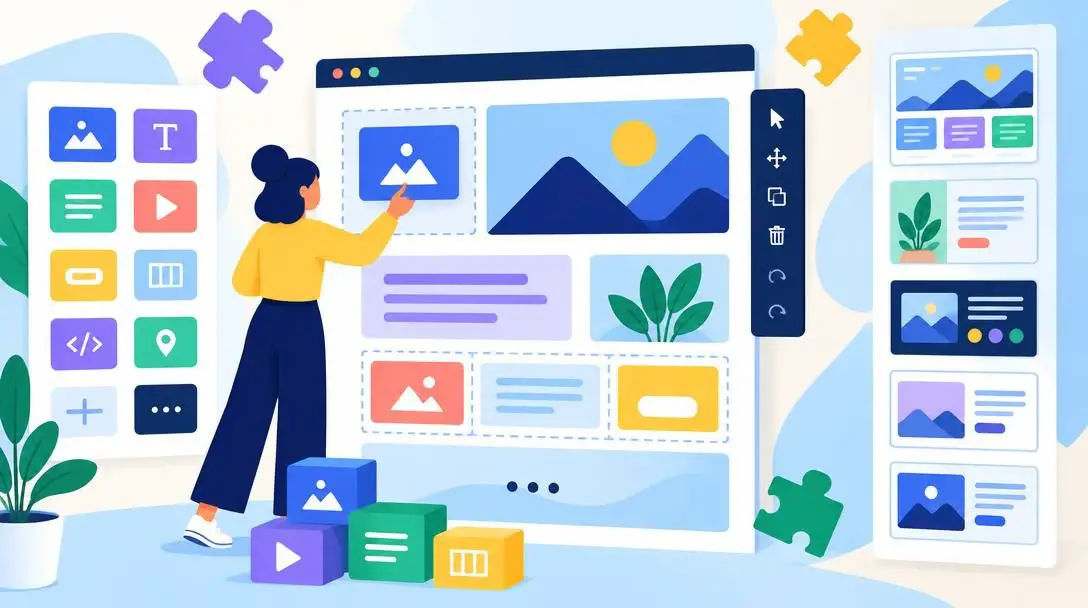
- Primary role: Website Builder
- Key features: User-friendly site building, free starter plans, pre-made themes
Wix focuses on accessible site construction through pre-made themes and intuitive building blocks. It provides free starter plans for testing page concepts before committing to a full domain deployment, reducing upfront barriers for entry-level candidates.
GoDaddy

- Primary role: Domain & Site Builder
- Key features: Domain registration, baseline hosting, beginner-friendly tools
GoDaddy operates as a centralized provider for securing custom domain names and baseline web hosting. Its integrated website tools allow users to establish an online home address under their own name quickly and affordably.
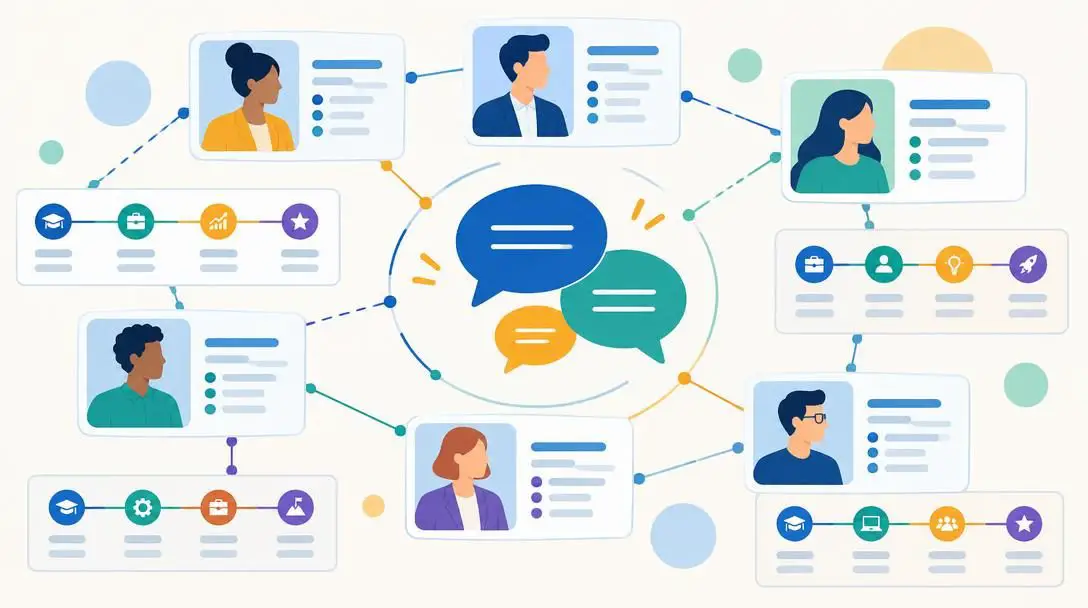
- Primary role: Professional Network
- Key features: Internal search matching, professional newsfeed, career summaries
LinkedIn serves as the premier hub for business networking and direct talent sourcing. Its platform architecture combines algorithmic internal search matching with interactive feeds, making it the primary venue where recruiters locate candidate career summaries.
Fiverr

- Primary role: Freelance Marketplace
- Key features: Budget-friendly setup support, custom design, technical maintenance
Fiverr links professionals with specialized freelance talent offering low-cost technical services. Job seekers who lack the time or inclination to build a site can hire freelance specialists on the platform for initial installation, graphic adjustments, or hosting configuration.
Transforming Your Resume Into an Interactive Personal Website
While a well-written resume summarizes your career timeline, it inherently faces structural limitations. A traditional paper or PDF document can list responsibilities, but it cannot truly demonstrate what you can achieve in real time. Creating your own website that doubles as an interactive resume bridges this gap by presenting your competencies dynamically.
Instead of cramming dense text onto a document that stretches several pages, a personal site allows prospective employers to interact directly with your portfolio, examine finished deliverables, and observe your design or writing abilities without having to check references or reach out to past employers for preliminary validation. You can embed project summaries, white papers, case studies, slide decks, or video presentations that demonstrate your working methodology.
Launching a personal website is more straightforward and affordable than it has ever been. You do not need to be well-versed in HTML or advanced coding languages to launch an attractive platform. Services such as Wix, Squarespace, WordPress, and GoDaddy offer intuitive website-building platforms equipped with user-friendly tools, visual templates, and extensive guides. Many of these providers even offer free plans to get started. Securing a custom web domain and baseline hosting costs only a few dollars, and freelance marketplaces like Fiverr offer access to support services at budget-friendly rates if you need setup help or ongoing technical maintenance.
Search Engine Optimization Across Sites and Social Channels
While you do not need to be an expert in computer science or HTML to create a web presence, learning some fundamental concepts of search engine optimization (SEO) will drastically enhance how easily recruiters find your content. When department heads and recruiters need to source specialized talent, they often input specific skills, titles, or technical qualifications into search engines such as Google or Bing. If your personal website is properly structured and optimized for these target queries, your site is far more likely to appear toward the top of organic search results, elevating your profile directly into the line of sight of key decision-makers.
These same SEO principles apply directly to social media and professional networks, especially LinkedIn. The internal search bar on LinkedIn operates on algorithmic rules that scan user headlines, "About" summaries, and work history blocks for matching search phrases. By carefully incorporating relevant industry terms and skills throughout your profile, you make your account stand out to the platform's algorithm, which increases your overall profile views and discoverability.

Engaging Authentically Beyond the Like Button
Having a well-designed resume, a modern website, and a clean professional profile will not guarantee visibility if you treat your online spaces as static brochures. You could possess the most visually appealing pages on the web, but prospective employers and partners may never cross paths with them if you fail to interact with others.
Platforms like LinkedIn use algorithmic newsfeeds to display content generated by your direct connections alongside recommended updates from users outside your direct network. Simply scrolling through and tapping the "like" button does little to set you apart or build a meaningful rapport. To create actual professional bonds, you must participate in discussions by leaving insightful, relevant comments that speak directly to the topic of the post or highlight relevant business ideas.
In addition to commenting on public feeds, do not hesitate to initiate contact directly by sending messages to professionals working in the sectors or positions you aspire to join. When reaching out, the worst-case scenario is simply that they choose not to respond. The best-case scenario, however, is that you open up an active dialogue with someone who has the power to offer guidance, share unadvertised leads, and advance your career.
Prioritizing Responsive Design for Mobile Recruiter Traffic
A frequent blind spot for job seekers building out their online platforms is focusing exclusively on desktop computer environments. While you might spend hours fine-tuning web pages, portfolios, and text layouts on a desktop monitor, you must remember that recruiters and hiring managers constantly review candidate materials on handheld devices.
More than half of all global web traffic originates from mobile devices. Despite this reality, numerous websites remain completely unoptimized for smaller screen sizes. If your website loads awkwardly, breaks text margins, or hides vital navigation menus on a smartphone, users will not spend time trying to decipher it. Most people have visited a broken webpage on their phone and immediately backed out due to poor design; you do not want an executive or recruiter having that experience with your personal page.
Step-by-Step Implementation Guide for Modern Job Seekers
Executing an online presence overhaul requires a systematic, structured approach to ensure no critical touchpoints are missed. Following an ordered implementation workflow prevents oversights and ensures a cohesive message across platforms.
- Run a digital inventory: Look up your name across major search platforms like Google and Bing to evaluate the top results, taking note of outdated biographical info, obsolete websites, or old social media accounts that need attention.
- Audit or replace personal profiles: Decide whether to clean up existing feeds or retire older social pages in favor of newly created, strictly professional versions that maintain an appropriate corporate tone.
- Establish your professional core on LinkedIn: Complete every section of your profile by bringing your career timeline up to date, writing an engaging summary containing your core competencies, and verifying that public posts are grammatically sound and industry-relevant.
- Pick a website builder: Select a tool that fits your technical comfort level—such as WordPress, Wix, Squarespace, or GoDaddy—and choose a clean, easy-to-navigate template designed to showcase professional work.
- Draft and publish your core pages: Include a clear summary of who you are, an interactive breakdown of your skills, past projects or work samples, and a direct method for visitors to contact you, tapping budget-friendly help from platforms like Fiverr if needed.
- Incorporate industry SEO keywords: Identify the common technical phrases, job titles, and specialized skills recruiters use when seeking talent in your niche, distributing them naturally across your website copy and your LinkedIn profile sections.
- Audit your mobile interface: Open your website using several smartphone models and browsers to verify page load speed, test all navigation menus, and confirm that contact forms and project samples render clearly.
- Establish a consistent interaction habit: Set aside time each week to read through your professional feeds, share informative comments, engage on industry posts, and send targeted, respectful direct messages to peers and leaders across your field.
Frequent Pitfalls That Undermine Digital Credibility
When curating a digital persona, candidates frequently make missteps that inadvertently undermine their credibility or limit their discovery potential. Avoid these common traps:
- Neglecting profile maintenance: Letting a personal website or LinkedIn profile go unedited for years creates the impression that your professional growth has stalled. Regularly update projects, tools, and recent accomplishments.
- Passive consumption: Relying solely on the "like" button when browsing professional feeds offers zero insight into your intellect or business acumen, whereas substantive thoughts demonstrate actual industry insight.
- Overcomplicating site navigation: Designing a website that hides basic contact information or buries portfolio samples behind complicated menus frustrates busy hiring managers; keep the interface simple and intuitive.
- Overlooking search optimization: Assuming your site will be found naturally without incorporating common industry search terms leaves your pages invisible to search engine crawlers.
- Inconsistent messaging across channels: Having conflicting job titles, differing employment dates, or contrasting professional bios between your website and your LinkedIn account raises red flags during background evaluations.
Frequently asked questions
Why is networking more effective than submitting traditional applications?
More than 80 percent of modern jobs are secured through professional networking rather than public postings. Most open positions are handled internally or through recruiters and are never advertised on traditional job boards, meaning candidates who rely exclusively on cold submissions miss out on the majority of available career opportunities.
Do I need advanced coding skills to build an effective personal website?
No. Modern website builders such as WordPress, Wix, Squarespace, and GoDaddy provide pre-designed templates, intuitive visual builders, and user-friendly interfaces that require no coding background. In addition, freelance platforms like Fiverr offer budget-friendly technical help for setup and customization.
How does search engine optimization (SEO) function on LinkedIn?
LinkedIn's internal search tool scans user profiles for specific keywords matching recruiters' queries. By strategically weaving standard industry titles, specialized certifications, and key technical capabilities into your headline, "About" section, and job descriptions, you significantly increase the chances that your profile will rank near the top of internal searches.
What is the best way to handle older personal social media accounts?
Professionals generally choose between conducting a deep archive audit—spending hours manually reviewing, hiding, and deleting casual snapshots or questionable historical posts—or completely closing down old personal pages and creating fresh accounts that focus purely on professional goals.
Why is mobile optimization so important for a candidate's portfolio?
Because handheld mobile devices generate more than half of all global web traffic, hiring managers and recruiters frequently review portfolios on smartphones. If a personal site is poorly formatted, breaks layouts, or hides navigation on smaller screens, reviewers will abandon the page immediately rather than trying to decipher broken content.
The bottom line
The transition from paper-based hiring to an inbound talent marketplace has transformed the job hunt from a seasonal chore into a continuous branding effort. Securing desirable career opportunities no longer hinges on sending hundreds of blind applications to unmonitored human resources inboxes. Instead, long-term career resilience depends on curating an authoritative, searchable digital presence that allows recruiters and decision-makers to discover your capabilities organically.
By pairing a keyword-optimized LinkedIn profile with a fast, mobile-friendly personal website, you provide tangible proof of your abilities while establishing a direct line of communication with industry peers. Coupled with genuine community engagement and regular profile maintenance, a robust digital footprint turns the broader internet into an active asset that consistently generates professional opportunities on your behalf.