5 Iconic Marketing Campaigns Used By Pepsi
For more than a century, the fierce rivalry between soft drink powerhouses has defined corporate competition. Known across the globe as the Cola Wars, this long-running duel for brand supremacy has pitted Coca-Cola against Pepsi in a nonstop battle for shelf space, market share, and consumer loyalty. While Coca-Cola traditionally leaned on nostalgia, heritage, and warmth, Pepsi carved out its identity as the energetic, culturally attuned challenger willing to take creative risks.
Advertising served as the front line of this rivalry. Rather than relying solely on product taste or standard commercial announcements, Pepsi turned to bold creative concepts, world-class musical talent, major sporting spectacles, and high-stakes customer promotions. By transforming ordinary product pitches into defining pop-culture moments, the company introduced several landmark campaigns that altered the trajectory of commercial advertising.
Key takeaways
- Pepsi distinguished itself in the historic Cola Wars by positioning the brand as a modern, youth-oriented alternative to traditional competitors.
- High-impact endorsements and marquee sponsorships, from supermodels to the Super Bowl halftime show, placed the company at the center of live mainstream entertainment.
- Catchy musical hooks and gamified consumer loyalty programs proved capable of capturing consumer attention far beyond the television screen.
- Ambitious promotional campaigns require airtight legal frameworks, as demonstrated by the famous legal battle over an unawarded military jet.
At a glance: Five landmark marketing initiatives
Over several decades, Pepsi experimented with diverse promotional formats ranging from packaging overhauls to live concert broadcasts and direct consumer prize catalogs. The table below outlines the focal points, key figures, and strategic goals behind these five defining campaigns.
| Campaign | Key figures or talent | Primary marketing format | Strategic objective |
|---|---|---|---|
| Cindy Crawford Packaging Redesign | Cindy Crawford, Lee Garfinkel | High-profile television commercial | Introduce redesigned bottles and cans |
| Super Bowl Halftime Show Sponsorship | Prince, Beyonce | Live sports broadcast sponsorship | Dominate massive live television audiences |
| "You Got the Right One, Baby" | Ray Charles, Arthur Takeall | Musical catchphrase and jingle | Promote Diet Pepsi with audio branding |
| Pepsi Stuff Loyalty Promotion | John Leonard | Points-redemption merchandise program | Drive repeat purchases via gamification |
| The Generations Platform | Michael Jackson, Britney Spears, The Spice Girls | Multi-decade demographic branding | Capture youth culture and market share |
Five marketing campaigns that defined Pepsi's cultural legacy
To differentiate itself from its primary competitor, Pepsi consistently built promotions that mirrored contemporary trends. These five initiatives highlight how the brand captured public attention and permanently influenced corporate marketing strategy.
Cindy Crawford and the Packaging Redesign
- Featured talent: Cindy Crawford
- Creative lead: Lee Garfinkel
- Primary product focus: Redesigned cans and bottles
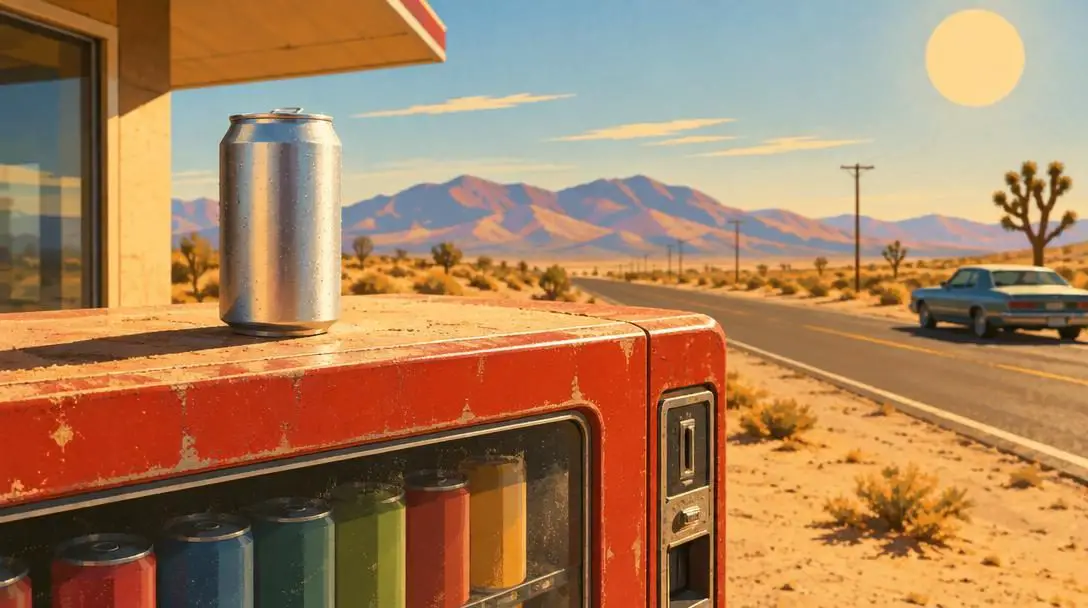
When soft drink companies redesign their physical containers, getting consumers to notice the new visual identity requires an immediate visual splash. In the early 1990s, Pepsi rolled out a major overhaul of its cans and bottles and needed an impactful way to unveil the updated aesthetic to the public. Creative lead Lee Garfinkel conceptualized an advertisement centered on supermodel Cindy Crawford pulling up to a remote roadside vending machine to quench her thirst with an ice-cold soda.
Garfinkel originally envisioned child star Macaulay Culkin appearing as one of the young onlookers mesmerized by the scene in the style of The Little Rascals. In the finished execution, two young boys stare in awe—not at the world-famous supermodel, but at the sleek aesthetics of the newly redesigned Pepsi can she is drinking. The humorous misdirection turned the commercial into an instant cultural touchstone. The spot proved so wildly popular throughout the 1990s that Pepsi spent heavily to bring Crawford back for multiple follow-up commercials across subsequent years.
The Super Bowl Halftime Show Sponsorship
- First sponsorship year: 2007
- Inaugural headliner under Pepsi: Prince
- Subsequent headliner: Beyonce
In American sports broadcasting, the Super Bowl halftime concert commands an unmatched global audience, drawing tens of millions of viewers who often tune in specifically for the musical performance rather than the game itself. During the early history of the event, halftime entertainment was considered a modest, secondary affair. Coca-Cola served as the first commercial sponsor of the halftime show in 1989, but after a later period without corporate sponsors, the event had settled back into a conventional television segment.
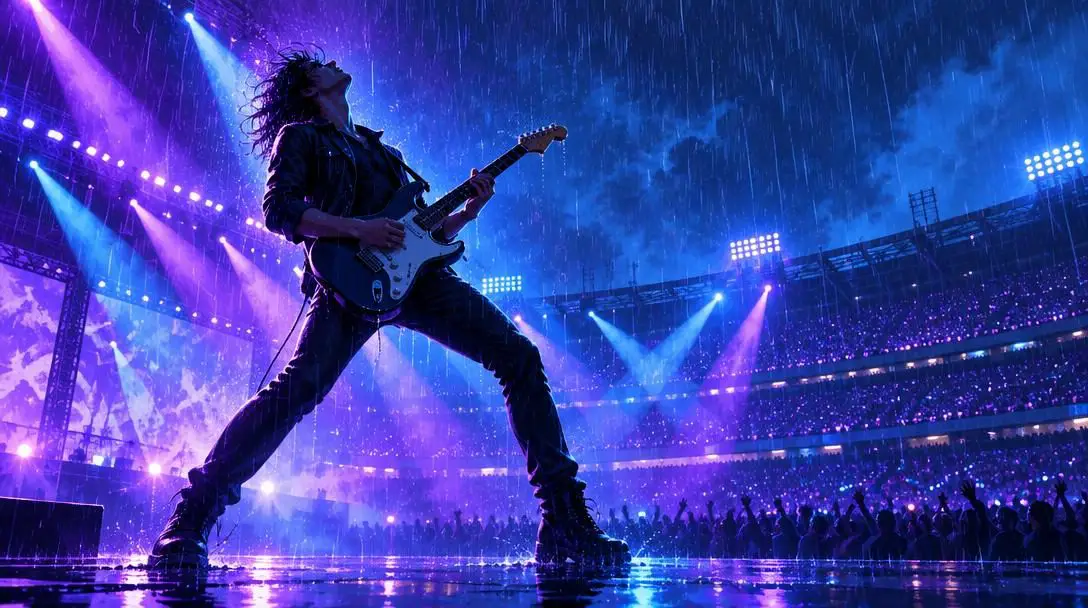
Pepsi dramatically elevated the spectacle in 2007 when it secured the halftime sponsorship for the game held in Miami. That broadcast showcased Prince, who delivered an iconic performance in the middle of a torrential downpour, creating what critics and viewers widely regard as the greatest live musical showcase in Super Bowl history. Pepsi later returned for a second tenure as the halftime show's primary sponsor, kicking off that chapter by partnering with Beyonce to anchor another celebrated stadium concert.
"You Got the Right One, Baby" Featuring Ray Charles

- Lead performer: Ray Charles
- Jingle creator: Arthur Takeall
- Product focus: Diet Pepsi
- Campaign duration: Three years
While Cindy Crawford provided a rare visual-led fashion endorsement, Pepsi spent the vast majority of its advertising history aligned with world-class recording artists. To start the 1990s, the brand kicked off a three-year advertising push for Diet Pepsi anchored by music icon Ray Charles. The centerpiece of the campaign was an infectious, soulful jingle built around the phrase "You Got the Right One, baby, Uh Huh."
The catchy tune was originally composed and performed on a local radio station by Maryland singer Arthur Takeall. Because Takeall held the legal copyright to the music, Pepsi secured the rights, resulting in substantial financial compensation for the songwriter. Accompanied by backing vocalists and Charles's signature charisma at the piano, the phrase became a national catchphrase. The campaign successfully gave Diet Pepsi a memorable identity, keeping the soda top-of-mind for shoppers long after the commercials aired.
A catchy musical hook can outlive traditional media buys, embedding a soft drink brand straight into daily conversational language.
The Pepsi Stuff Customer Loyalty Promotion
- Launch year: 1996
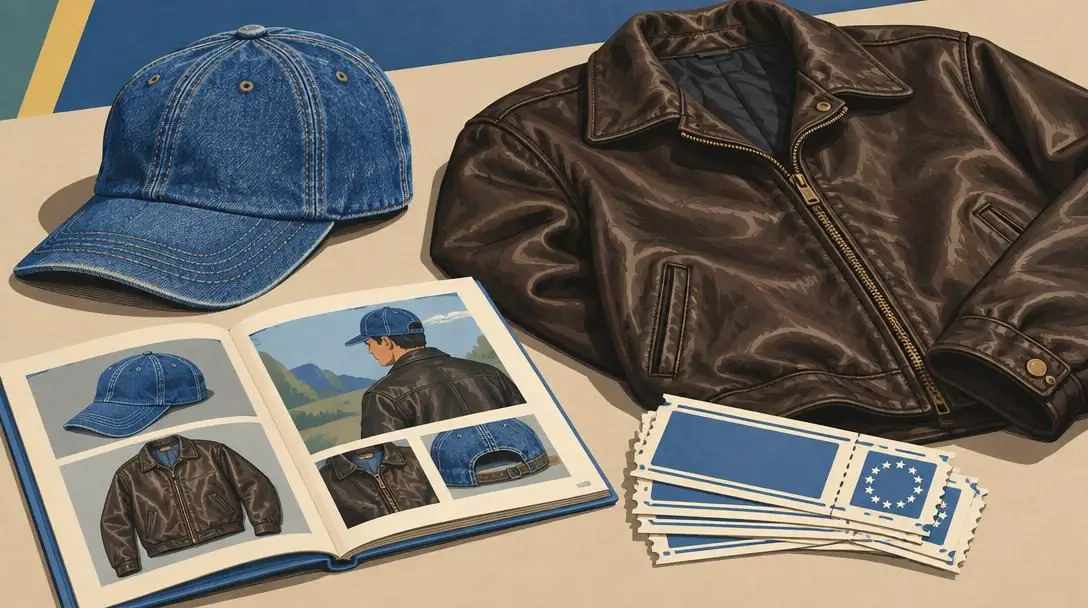
- Catalog rewards: T-shirts, hats, mountain bikes, leather jackets
- Controversial prize: AV-8 Harrier II jet (7 million points)
- Key litigant: John Leonard
In 1996, Pepsi launched one of the most ambitious consumer loyalty promotions in retail history with the debut of "Pepsi Stuff." Every can, bottle, and multipack case of soda carried point values printed directly on the packaging. Customers collected these points and mailed them in alongside order forms to redeem a wide range of branded lifestyle merchandise. Accessible items like t-shirts and baseball caps were within easy reach of casual shoppers, while higher point thresholds offered premium goods like leather jackets and mountain bikes.
To promote the catalog, television commercials included an outlandish, satirical joke: a military Harrier jet offered for 7 million Pepsi points. Executives intended the sequence as an obvious comedic exaggeration, but business student John Leonard spotted a potential legal loophole. Realizing that additional points could be purchased directly through the program's rules for a fraction of the jet's actual multi-million-dollar cost, Leonard gathered the requisite points and submitted an official order. When Pepsi refused to deliver the military aircraft, Leonard filed a lawsuit alleging false advertising. The court ultimately dismissed the case, ruling that no reasonable viewer would interpret the commercial as a genuine contractual offer.
The Generations Platform
- Initiative debut: Mid-1960s
- Key 1980s headliner: Michael Jackson
- Key 1990s headliners: Britney Spears, The Spice Girls
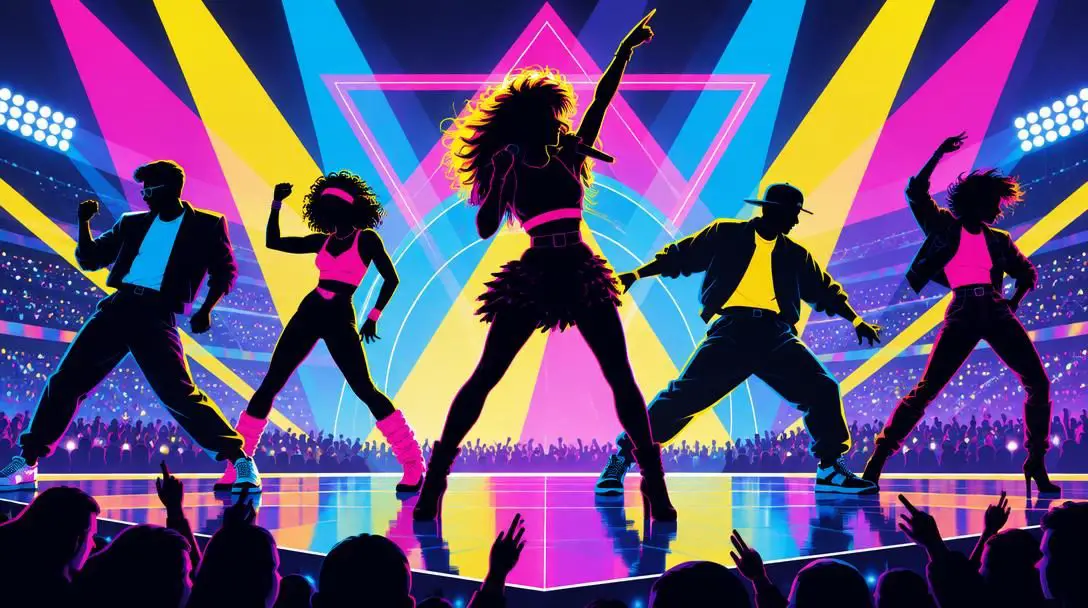
Pepsi's most enduring branding strategy has been positioning itself as the drink of the forward-thinking youth demographic. The approach originated in the mid-1960s with the launch of "The Pepsi Generation," a breakthrough campaign that framed soda consumption as an active, modern lifestyle choice and drove tremendous retail sales. Although generational messaging receded slightly during the 1970s, the concept resurfaced in a major way during the 1980s.

Riding the unprecedented global success of his record-smashing Thriller album, pop megastar Michael Jackson signed on to lead the revived push under the banner "The Choice of a New Generation." Jackson's television commercials blended high-energy choreography, adapted musical tracks, and stadium lighting, producing some of the most celebrated commercial spots of the decade. In the late 1990s, Pepsi evolved the concept once more with "Generation Next," recruiting top-charting pop acts like Britney Spears and The Spice Girls to keep the brand firmly aligned with the newest cohort of young consumers.
Key mechanisms of multi-faceted marketing campaigns
Examining these major corporate efforts reveals several marketing fundamentals that allow enterprise brands to steer public sentiment, outmaneuver competitors, and accelerate product distribution.
- Celebrity alignment: Teaming with prominent personalities like Michael Jackson, Cindy Crawford, or Beyonce allows a corporation to absorb the glamour, authority, and emotional connection already commanded by those cultural icons.
- Event integration: Sponsoring live events with massive viewership, such as the Super Bowl halftime show, guarantees focused attention in an era where fragmented digital media makes mass exposure difficult.
- Audio branding: Original musical jingles, like Arthur Takeall's hook for Ray Charles, lodge corporate slogans into the subconscious, ensuring automatic brand recall during everyday shopping trips.
- Incentivized volume: Loyalty initiatives like Pepsi Stuff turn basic commodity purchases into a rewarding game, motivating repeat buying habits through tangible rewards.
- Demographic framing: Claiming the youth mantle through long-term narratives like "The Pepsi Generation" subtly frames competitors as antiquated choices suitable only for older generations.
How to design an enduring promotional campaign
While small and medium businesses rarely possess the vast advertising budgets of global beverage conglomerates, the underlying framework of these historic campaigns can be adapted for organizations of any scale.
- Define the strategic purpose: Clarify the exact business objective behind the initiative, whether that means highlighting a visual package redesign, introducing a zero-sugar recipe, or increasing seasonal sales volume.
- Secure complementary partners: Select public figures, local influencers, or institutional partners whose personal brand and audience naturally align with the identity of your product.
- Create clear engagement incentives: Offer audiences a direct reason to interact with the brand, such as collecting reward tokens for exclusive merchandise or engaging with a unique creative contest.
- Audit promotional rules and disclaimers: Establish precise, transparent legal guidelines for all giveaways, contests, and advertisements to ensure creative jokes or prizes cannot be misconstrued as binding contractual commitments.
- Maintain a cohesive brand narrative: Build promotional concepts around an overarching theme that can be updated over several years, mirroring the multi-decade evolution of the "New Generation" platform.
Mistakes to avoid when launching large-scale promotions
Aggressive advertising strategies can quickly backfire if operational, legal, and creative details are overlooked during execution. When planning major commercial initiatives, organizations must navigate several common traps.
- Failing to seal promotional loopholes: The costly legal battle over the Harrier jet demonstrated the hazards of unvetted creative hyperbole. Brands must ensure fine print, terms, and redemption rules clearly govern all public contests.
- Overlooking rights and intellectual property: Arthur Takeall's copyright on his radio jingle ensured he received proper payment from Pepsi. Companies must meticulously secure and clear all intellectual property rights before broadcasting original songs or imagery.
- Relying exclusively on celebrity star power: A famous face cannot rescue an ambiguous product proposition. Cindy Crawford's successful commercials worked because her presence was paired with an explicit focus on the brand's newly redesigned packaging.
- Failing to update generational messaging: Youth marketing requires constant adaptation. Pepsi sustained its generational relevance across four decades only by transitioning smoothly from 1960s anthems to 1980s pop and late-1990s chart-toppers.
Frequently asked questions
Why did Cindy Crawford star in the famous 1992 Pepsi commercial?
Pepsi recruited Cindy Crawford to lead a high-profile advertising push intended to introduce consumers to its newly redesigned can and bottle packaging. The commercial used humor by showing two young boys who appeared to gaze at the supermodel, only to reveal they were admiring the new soda can design.
Who was the first brand to sponsor the Super Bowl halftime show?
Coca-Cola was the first commercial sponsor of the Super Bowl halftime show in 1989. Pepsi later took over the sponsorship in 2007, kicking off its tenure with an iconic live performance by Prince in Miami.
Did anyone ever win the Harrier jet from the Pepsi Stuff promotion?
No. A customer named John Leonard acquired the required 7 million points through program purchase options and sued Pepsi for false advertising when the company refused to deliver the military aircraft. The court dismissed the lawsuit, deciding the commercial offer was an obvious humorous exaggeration rather than a valid contract.
Who wrote the "You Got the Right One, Baby" Diet Pepsi jingle?
The jingle was composed and originally sung on a local radio station by Maryland singer Arthur Takeall. Because Takeall held a valid copyright on the music, Pepsi licensed the rights from him for the long-running Ray Charles commercial campaign.
What was "The Choice of a New Generation" campaign?
Launched in the 1980s as part of Pepsi's long-term generational marketing platform, "The Choice of a New Generation" featured pop icon Michael Jackson following the historic success of his Thriller album. The campaign framed Pepsi as the vibrant, modern beverage choice for younger consumers.
The bottom line
The prolonged duel of the Cola Wars demonstrated that beverage supremacy depends as much on cultural positioning as it does on retail distribution. By taking creative risks, embracing live television spectacles, and forging authentic connections with the defining musical and fashion icons of each era, Pepsi established an advertising playbook that continues to inspire modern marketing campaigns.