Pepsi Behind the Scenes: 5 Surprising Facts
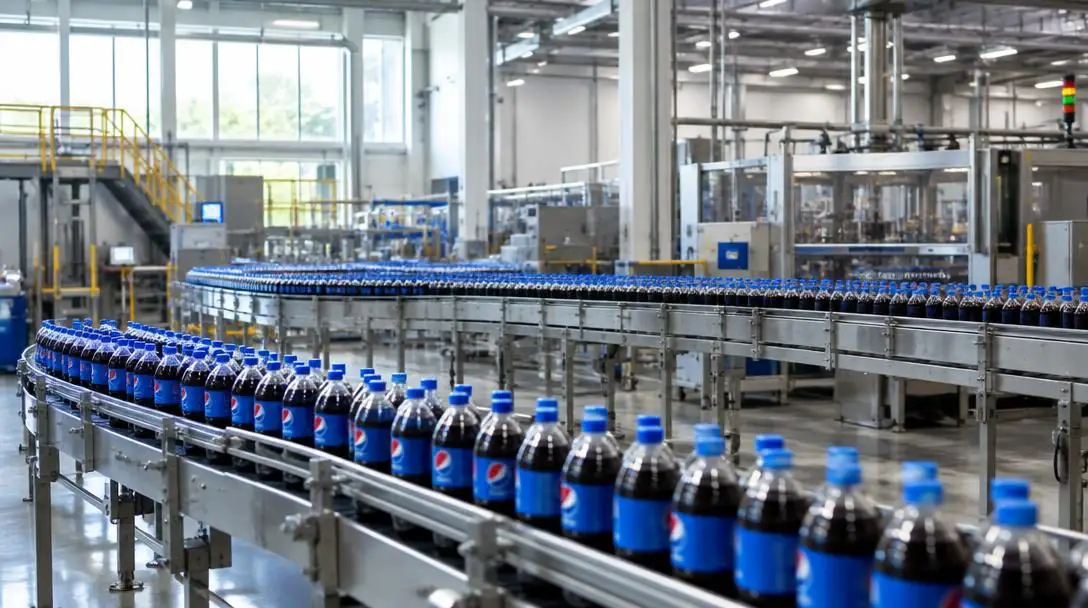
No matter where you travel across the globe, it is virtually impossible to escape the iconic blue, white, and red globe of Pepsi. From neighborhood supermarket aisles and remote roadside bodegas to dazzling neon city billboards and stadium fountain dispensers, the beverage enterprise is an inescapable commercial juggernaut generating an annual revenue exceeding $80 billion. While hundreds of millions of consumers view the brand merely as an everyday carbonated soft drink locked in a perpetual marketing war with Coca-Cola, the corporate history reveals an extraordinary, turbulent journey across global retail markets.
What began behind the counter of a modest late nineteenth-century pharmacy has transformed into an empire built on bold corporate gambles, sweeping restructuring moves, and ingenious brand adaptations. The real story behind the label encompasses everything from medicinal tonics and adventurous international flavor profiles to disastrous loyalty promotions, landmark federal lawsuits, and the creation of an independent restaurant empire that quietly continues to dominate global fast food.
Key takeaways
- Pharmacist Caleb Bradham first invented the soda in 1893 as a medicinal digestive syrup named Brad's Drink to treat dyspepsia.
- International markets feature hyper-localized formula experiments, including yogurt and cucumber sodas in Japan, apple soda in Poland, and coffee-infused cola in Thailand.
- Aggressive 1990s promotional campaigns caused unprecedented fallout, including a federal lawsuit over a military fighter jet and fatal riots in the Philippines.
- PepsiCo built an expansive fast-food empire during the late 1970s before spinning off Pizza Hut, Taco Bell, and KFC into the independent corporation now called Yum! Brands.
- The enterprise controls four of the world's ten top-selling beverage brands, anchored by flagship Pepsi, Mountain Dew, Gatorade, and Lipton.
Five surprising facts behind the scenes of Pepsi
To understand how a regional soda fountain syrup from coastal North Carolina evolved into a global powerhouse, one must examine the critical milestones that shaped its corporate identity. Each chapter in the company's development reflects tactical pivots designed to capture consumer attention, expand market share, and adapt to changing retail landscapes across more than a century of fierce competition.
Brad's Drink and Dyspepsia
- Formulation Year: 1893
- Original Name: Brad's Drink
- Inventor: Caleb Bradham
- First Renamed: 1898 (to Pepsi-Cola)
- Modern Name Adopted: 1961
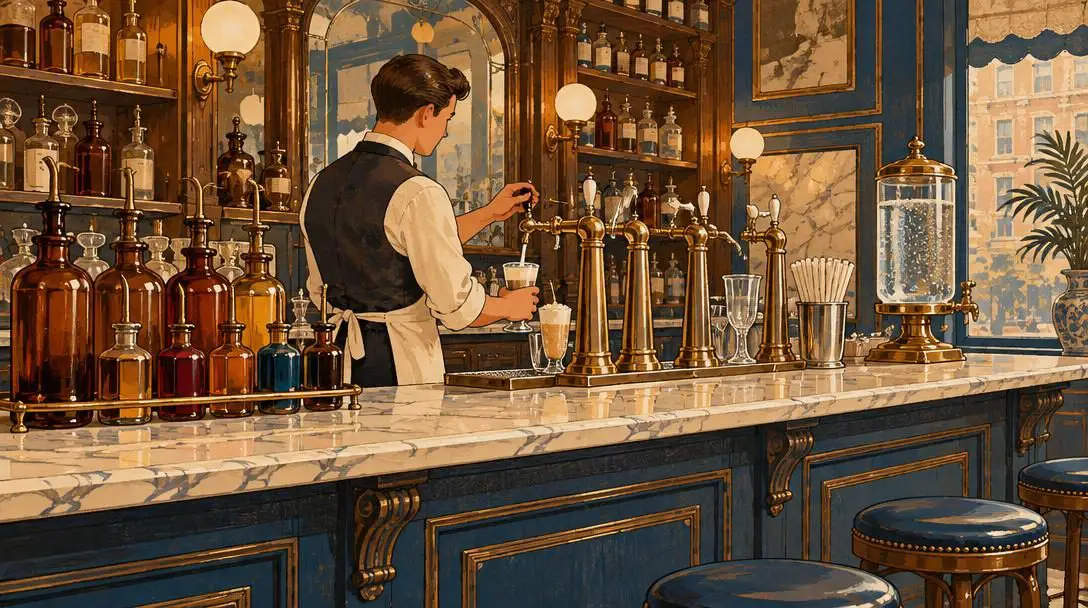
When shoppers pick up a chilled can of Pepsi today, they treat it purely as a sweet, carbonated indulgence without any medicinal pretense. However, like several iconic American fountain beverages of the late nineteenth century, the drink was originally formulated to alleviate physical illness. In 1893, pharmacist Caleb Bradham concocted the original syrup mixture behind the counter of his drugstore in New Bern, North Carolina. Initially known among local patrons as Brad's Drink, the beverage combined carbonated water, sugar, vanilla, rare oils, and kola nuts.
Bradham did not view his concoction simply as a recreational fountain refresher. Instead, he formulated the syrup to assist digestion and soothe the uncomfortable symptoms of dyspepsia, a prevalent medical diagnosis at the time referring to severe chronic indigestion and stomach distress. Convinced that the formula possessed legitimate therapeutic and digestive properties, Bradham sought a brand name that directly communicated this restorative purpose. In 1898, he officially renamed the product Pepsi-Cola, borrowing the root of the word directly from dyspepsia.
The rebranding gave the syrup immediate credibility among health-conscious customers seeking digestive comfort at local apothecary counters. Over the subsequent decades, as consumer preferences shifted toward recreational soft drinks and the parent enterprise grew into the corporate entity known today as PepsiCo, the medicinal claims faded into retail history. In 1961, executives decided to streamline the trademark for modern retail shelves, officially dropping the second half of the name to brand the flagship carbonated soft drink simply as Pepsi.
Exclusive Regional Flavors
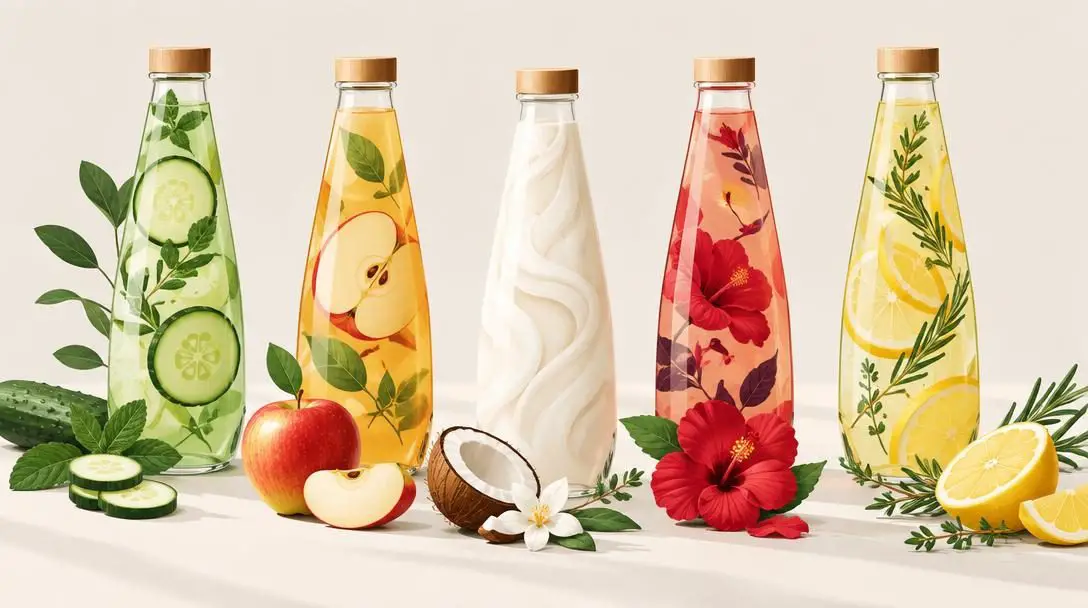
- Poland Exclusive: Pepsi Summer Chill (Apple)
- Italy Exclusive: Pepsi Twist Mojito
- Japan Exclusives: Pepsi White (Yogurt), Pepsi Ice Cucumber
- Thailand Exclusive: Pepsi Latte
North American retail beverage aisles adhere largely to familiar line extensions, giving shoppers standard choices such as Diet Pepsi, Pepsi Wild Cherry, and Pepsi Zero Sugar. Yet when the company distributes across overseas markets, regional product development teams actively abandon traditional American flavor conventions. To appeal to local culinary habits, dietary traditions, and cultural flavor preferences, international branches routinely engineer bespoke, localized limited-edition varieties that look and taste radically different from standard colas.
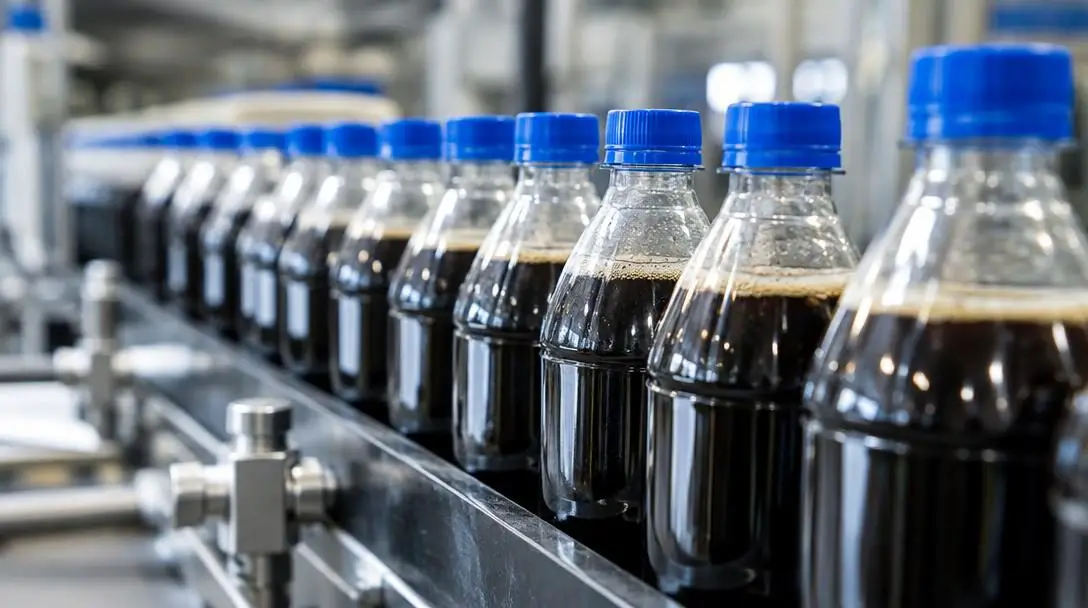
In European retail markets, product developers have leaned into crisp fruits and botanical herbs. Polish consumers were treated to Pepsi Summer Chill, an apple-infused formulation tailored to regional fruit preferences, while Italian markets received Pepsi Twist Mojito, blending standard cola notes with lime and mint accents. However, no international market has embraced experimental beverage development quite like Japan. Japanese retail shelves have seen headline-grabbing conceptual releases such as Pepsi White, a tart yogurt-flavored soft drink, alongside the light, vegetable-tinged Pepsi Ice Cucumber. Across Southeast Asia, markets such as Thailand introduced Pepsi Latte, which blended traditional carbonated cola notes with roasted coffee and creamy dairy-style undertones.
High-Stakes Loyalty Contests and Promotional Fallout
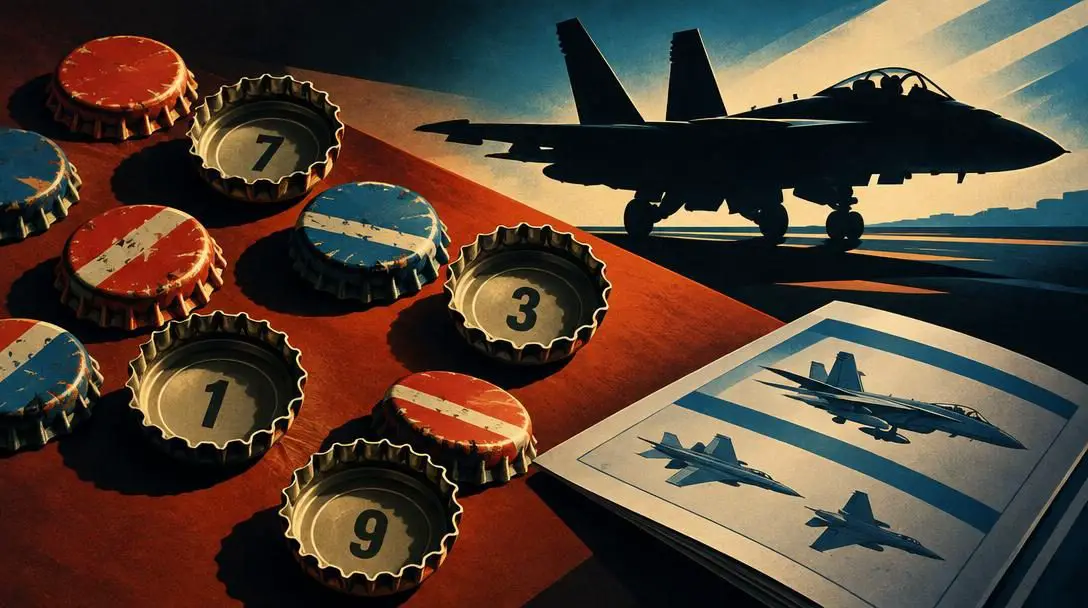
- Pepsi Points Debut: 1996
- Number Fever Year: 1992 (Philippines)
- Number Fever Grand Prize: $40,000
- Contest Casualties: 5 deaths
During the height of the modern Cola Wars throughout the 1990s, beverage conglomerates invested millions into aggressive consumer promotions designed to incentivize repeat retail purchases. In 1996, the company introduced Pepsi Points, an expansive catalog loyalty campaign that rewarded consumers who collected points from beverage packaging with apparel, leather jackets, and sporting goods. The promotion ran across three separate waves and became an enormous commercial hit, but it also produced one of the most famous legal disputes in modern corporate advertising.
In an accompanying television commercial, the company featured a humorous, tongue-in-cheek gag showing a high school student landing a military AV-8 Harrier II jet, displaying a facetious redemption cost of 7 million points. An enterprising business student recognized that contest rules permitted consumers to purchase points outright for ten cents each; he raised several hundred thousand dollars, submitted the required points, and formally demanded the fighter jet. When the corporation refused, the matter escalated to federal court, where a judge ultimately dismissed the lawsuit on the grounds that no reasonable viewer would interpret the commercial as a serious contractual offer.
While the Harrier jet litigation remains an amusing pop-culture anecdote of marketing excess, an earlier loyalty campaign in Southeast Asia ended in real-world catastrophe. In 1992, the company launched the Number Fever sweepstakes across the Philippines, printing numbers inside bottle caps with a life-changing grand prize of $40,000. When cap number 349 was publicly broadcast as the winning number, an internal computer glitch mistakenly caused approximately 800,000 caps bearing number 349 to be produced and distributed nationwide. Facing catastrophic financial liability if it honored every cap, the company rescinded the grand payouts and announced an alternate winner with only two legitimate pre-designated tickets. The decision triggered widespread civil unrest, street protests, factory firebombings, and riots that tragically claimed the lives of five people.
High-volume consumer loyalty contests carry immense operational stakes, capable of generating lighthearted courtroom folklore or sparking deadly national unrest.
The Fast-Food Empire and Yum! Brands
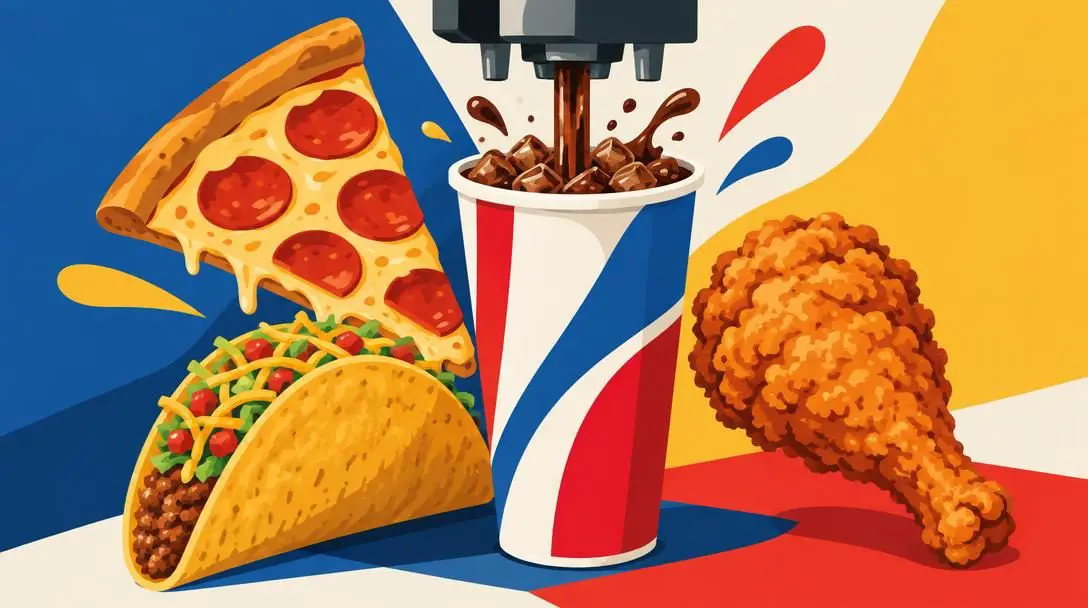
- Acquisition Period: Late 1970s
- Core Chains Acquired: Pizza Hut, Taco Bell, KFC
- Secondary Chains: California Pizza Kitchen, Hot 'n Now
- Spin-Off Entity: Tricon Global Restaurants (now Yum! Brands, Inc.)
- Spin-Off Timeline: Late 1990s
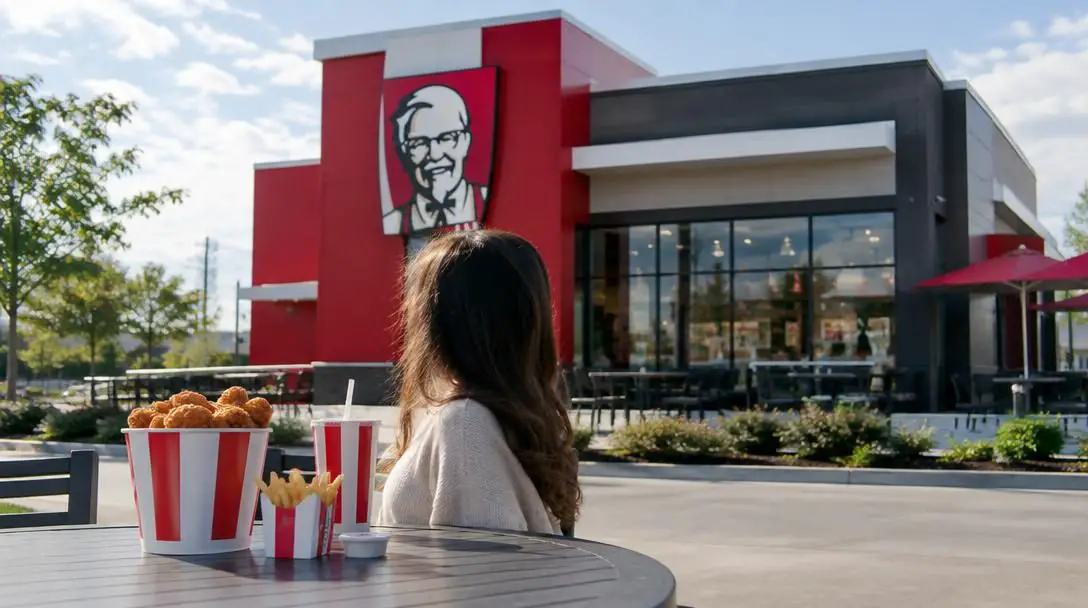
Consumers who visit fast-food dining rooms often observe an absolute divide: fountain dispensers pour either Coca-Cola products or Pepsi products, with almost no crossover. Millions of quick-service restaurant counters across the planet exclusively serve Pepsi beverages. This retail dominance is not an accident of local distributor negotiations; it is the direct legacy of an era when the beverage corporation outright owned and operated some of the world's most dominant fast-food restaurant chains.
Beginning in the late 1970s, the company pursued an aggressive vertical integration strategy. Rather than competing strictly for shelf space in grocery aisles, leadership recognized that owning restaurant chains guaranteed captive fountain distribution. The conglomerate acquired major national brands, beginning with Pizza Hut, followed swiftly by Taco Bell and KFC. Over the following years, the portfolio expanded further to incorporate brands like California Pizza Kitchen and regional drive-thru chain Hot 'n Now, transforming the parent company into one of the largest food-service operators on Earth.
By the late 1990s, corporate leadership recognized that operating labor-intensive, brick-and-mortar restaurant chains distracted executive focus and capital from high-margin packaged food and beverage manufacturing. To optimize balance sheets, the company engineered a massive spin-off in the late 1990s, bundling its dining holdings into a separate publicly traded company named Tricon Global Restaurants, which later changed its name to Yum! Brands, Inc. Crucially, as part of the separation agreement, the newly independent restaurant firm signed long-term, binding beverage distribution contracts. As a direct result, modern diners at KFC, Pizza Hut, and Taco Bell still fill their cups exclusively with Pepsi products.
Controlling Four of the World's Top Ten Beverage Brands
- Pepsi Global Rank: No. 2 soft drink brand
- Gatorade Global Rank: No. 6 drink brand overall
- Lipton Global Rank: No. 9 drink brand overall
- Other Top 10 Brand: Mountain Dew
Popular perception frequently reduces the retail soft-drink sector to a binary duel between Coca-Cola and Pepsi. When evaluating single, individual cola sales, Coca-Cola consistently leads the category. However, evaluating the business solely through the lens of carbonated dark colas misses the staggering breadth of PepsiCo's liquid refreshment portfolio. In reality, the parent conglomerate controls four of the world's ten top-selling beverage brands, giving it unmatched retail leverage across convenience stores, supermarkets, and international retail networks.
The core carbonated brand holds the global number two soft drink position worldwide, supported by a standalone brand valuation exceeding $20 billion. Yet the true engine of the company's sustained financial stability is its dominance across non-carbonated categories. Sports hydration powerhouse Gatorade is the best-selling sports beverage on the planet, claiming the sixth spot among all global beverage brands. In the ready-to-drink tea segment, the company's joint venture distribution with Lipton secures the ninth spot overall, serving consumers seeking alternatives to high-fructose syrups. Rounded out by citrus powerhouse Mountain Dew, which consistently claims its own top-ten global ranking, the corporation maintains deep, resilient category insulation against declining legacy soda sales.
Portfolio overview: Key brands and historical entities
The multi-brand empire built by the corporation encompasses global carbonated staples, athletic hydration beverages, ready-to-drink teas, and historical restaurant spin-offs. The following table highlights the operational roles and strategic market standing of the key properties that define the parent company's legacy.
| Brand or Entity | Primary Category | Historical Role or Status | Key Market Feature |
|---|---|---|---|
| Pepsi | Carbonated Soft Drink | Flagship product; debuted as Brad's Drink | Number two best-selling soda brand worldwide |
| Mountain Dew | Citrus Soft Drink | Long-term portfolio staple | Consistently ranks among the global top ten drinks |
| Gatorade | Sports Hydration | Major non-carbonated acquisition | World's top-selling sports drink; global rank No. 6 |
| Lipton | Ready-to-Drink Tea | Strategic health-conscious expansion | Ninth highest-selling beverage brand globally |
| Yum! Brands, Inc. | Restaurant Holding Company | Spun off from Pepsi in late 1990s as Tricon | Maintains long-term Pepsi pouring rights across chains |
Tracing the corporate strategy behind the bottle
Behind these dramatic historical events sits a calculated, decades-long retail strategy. Rather than relying on simple consumer habit, corporate management deployed specific structural playbooks to preserve its global footprint against fierce competition:
- Targeted Formula Localization: By empowering regional product development teams to design flavors like Polish apple soda, Japanese yogurt soda, and Thai latte cola, the business respects regional culinary traditions instead of forcing a uniform Western flavor profile onto international shoppers.
- Strategic Portfolio Diversification: By building market-leading positions across diverse categories—including sports recovery with Gatorade and iced teas with Lipton—the corporate parent remains insulated from macro-level consumer shifts away from standard carbonated soft drinks.
- Contractual Fountain Distribution: When offloading its capital-intensive fast-food chains in the late 1990s, executive leadership prioritized long-term pouring rights over restaurant ownership, safeguarding high-margin syrup distribution without the operational burden of managing physical dining rooms.
- High-Frequency Loyalty Marketing: By pioneering sweepstakes, cap codes, and catalog loyalty point campaigns throughout the 1990s, the company captured consumer mindshare, sustained purchase frequency, and established powerful cultural visibility.
Common misconceptions regarding Pepsi's history
Because the brand has occupied retail shelves for over 130 years, popular folklore and corporate rumors frequently distort its past. Clarifying these widespread misconceptions provides a clearer understanding of modern beverage commerce:
- Assuming PepsiCo still operates fast-food chains: Many consumers mistakenly believe that the parent company still owns and operates Taco Bell, Pizza Hut, and KFC. In reality, these brands were fully spun off in the late 1990s into Tricon Global Restaurants (now Yum! Brands) so the beverage firm could focus entirely on packaged goods.
- Believing the drink was conceived purely as a soda: Caleb Bradham did not develop Brad's Drink in 1893 as a casual supermarket refreshment. He formulated the syrup as an apothecary compound specifically intended to alleviate chronic dyspeptic stomach distress.
- Assuming the modern name was adopted immediately: Although the pharmacy tonic took on the name Pepsi-Cola in 1898, the company did not officially shorten the consumer trademark of the flagship soft drink to simply Pepsi until 1961.
- Overlooking non-carbonated drink strength: Viewing the organization solely as a soda company overlooks its broader beverage portfolio. Category leaders like Gatorade and Lipton generate vast revenue streams and cement the company's status as a top global food and beverage conglomerate.
- Dismissing promotional errors as harmless: While marketing blunders are often viewed as trivial advertising trivia, the contrast between the humorous 1996 Harrier jet lawsuit and the tragic 1992 Number Fever riots illustrates how promotional miscalculations can result in severe legal and real-world consequences.
Frequently asked questions
Why was Pepsi originally called Brad's Drink?
The beverage was named after pharmacist Caleb Bradham, who first formulated the sweet digestive syrup behind the counter of his pharmacy in New Bern, North Carolina, in 1893.
Where did the name Pepsi come from?
Caleb Bradham renamed the syrup Pepsi-Cola in 1898 because he designed the beverage to treat dyspepsia, the common medical term for chronic indigestion.
Does PepsiCo still own Taco Bell, Pizza Hut, and KFC?
No. Although PepsiCo acquired these fast-food chains during the late 1970s, it spun them off in the late 1990s into Tricon Global Restaurants, an independent corporate entity operating today as Yum! Brands, Inc.
What caused the tragic 1992 Number Fever disaster in the Philippines?
A computer error resulted in roughly 800,000 bottle caps being printed with the grand-prize-winning number 349. When the company rescinded the grand payouts and announced an alternate winner, violent nationwide protests and riots broke out, resulting in five deaths.
Which four top-ten global beverage brands belong to PepsiCo?
PepsiCo controls four of the world's ten top-selling beverage brands: flagship Pepsi (ranked second overall), sports drink Gatorade (ranked sixth), ready-to-drink tea Lipton (ranked ninth), and citrus soda Mountain Dew.
The bottom line
The global footprint of Pepsi represents far more than an ongoing battle against Coca-Cola over supermarket soda fountains. From its origins as an apothecary digestive aid called Brad's Drink to daring localized flavor experiments in Japan and Southeast Asia, the brand's history demonstrates a relentless willingness to evolve. By taking massive marketing gambles, navigating catastrophic international promotional crises, pioneering fast-food distribution through Yum! Brands, and assembling four of the world's ten most dominant beverage lines, the business has cemented its place as an enduring titan of global consumer retail.