5 Iconic Marketing Campaigns Used By KFC
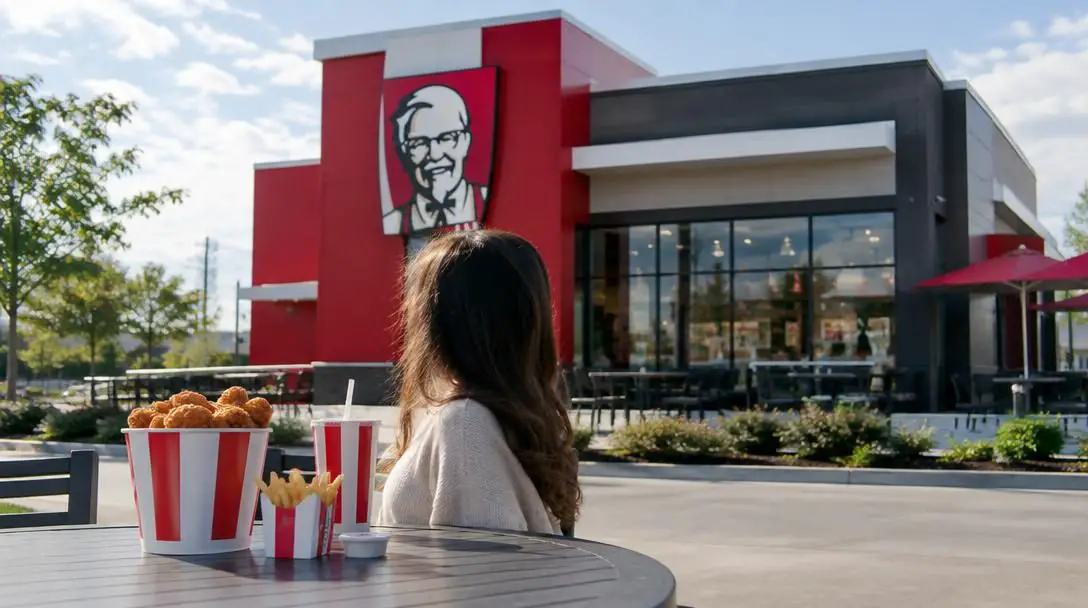
When Colonel Harland Sanders first established Kentucky Fried Chicken in the early 1950s, the enterprise operated far from the realm of modern viral advertising. Early growth across its initial footprint was powered largely by local reputation, authentic word-of-mouth enthusiasm, and the physical presence of the founder himself. The brand was built on a straightforward culinary premise rather than high-budget promotional theatrics.
As the business expanded across state lines and crossed international borders, it transformed into KFC, a global fast-food giant operating in virtually every major dining market. To maintain consumer attention in an increasingly crowded fast-food landscape, KFC stepped away from conventional restaurant promotions. Instead, the company embraced self-aware humor, bizarre pop-culture crossovers, and boundary-pushing stunts that turn everyday marketing into headline-dominating cultural events.
Key takeaways
- KFC transitioned from mid-century word-of-mouth reputation to hyper-creative stunt marketing to maintain global brand relevance.
- Iconic campaigns have leveraged mascot disruption, sensory novelty, and unexpected industry crossovers spanning cosmetics, fiction, and bath products.
- High-profile viral promotions rely heavily on earned media and manufactured scarcity rather than traditional paid advertising space alone.
- Audacious marketing initiatives succeed only when anchored to distinct, recognizable brand traits and executed with self-aware humor.
At a glance: Five standout KFC campaigns
Over the decades, KFC has pioneered promotions that defy standard fast-food advertising conventions. The table below outlines five of the company's most memorable and audacious marketing stunts.
| Campaign | Primary Format | Core Concept | Key Distribution Method |
|---|---|---|---|
| The Revolving Door of Colonels | Broadcast and digital video | Celebrities portraying Colonel Sanders in rotation | National television and digital media |
| Cocktails With a Twist | Culinary mixology | Savory drinks crafted using signature chicken gravy | Specialty recipe release and media features |
| KFC Bath Bombs | Novelty consumer product | Fried chicken-scented, drumstick-shaped bath fizzers | Exclusive 100-unit social media giveaway |
| Tender Wings of Desire | Romance novella | Mother's Day fiction starring a romantic hero named Sanders | Digital publication and seasonal promotion |
| Fried Chicken Flavored Nail Polish | Cosmetics | Edible nail lacquer tasting of Original Recipe and Hot & Spicy | Limited preview distribution to media outlets |
5 memorable marketing campaigns in KFC history
While KFC has produced dozens of creative initiatives worldwide, five specific campaigns illustrate the chain's willingness to take creative risks, subvert traditional brand mascots, and bridge the gap between fast food and unexpected lifestyle categories.
The Revolving Door of Colonels
- Debut actor: Darrell Hammond
- Total portrayers: More than 20 actors and performers
- Notable alumni: Reba McEntire, Rob Lowe, Norm MacDonald, Jason Alexander, Ray Liotta, Sean Astin
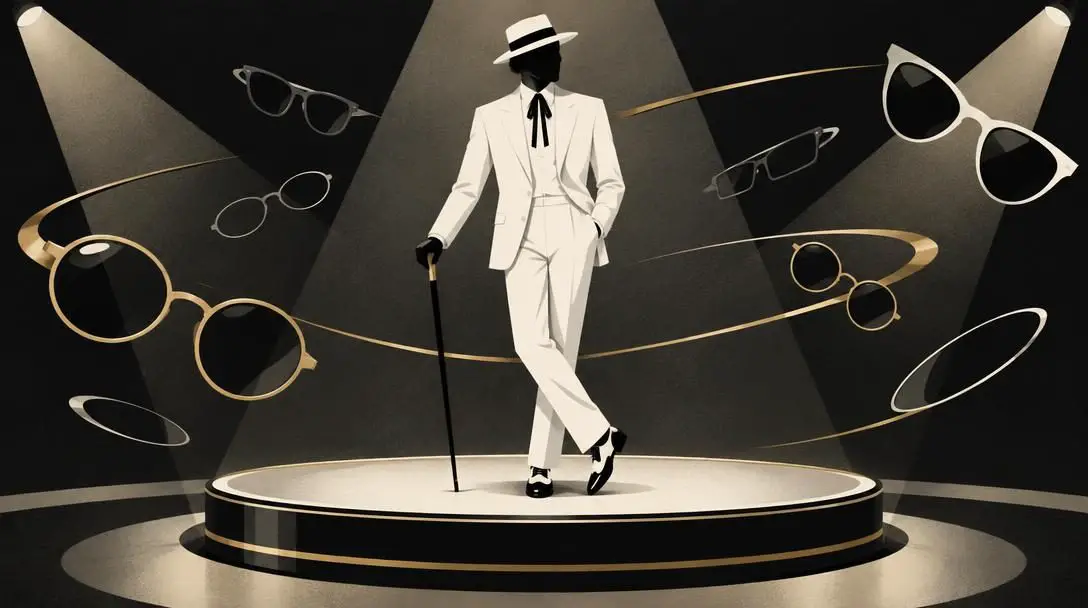
For decades, the historical image of Colonel Harland Sanders remained fixed in the public imagination: an elderly gentleman in a crisp white suit, black string tie, and spectacles. KFC dramatically refreshed this perception by introducing a campaign built around a constantly rotating cast of performers. Rather than anointing a single permanent ambassador, the brand transformed its founder into a versatile pop-culture role played by more than twenty recognizable celebrities.
The campaign began with impressionist and Saturday Night Live star Darrell Hammond, who initially believed he had secured a long-term role as the brand's face. KFC soon caught audiences off guard by replacing Hammond and inaugurating a rapid succession of guest Colonels. Performers such as Norm MacDonald, Rob Lowe, Ray Liotta, Jason Alexander, Sean Astin, and country music icon Reba McEntire—the first female Colonel—each contributed their own comedic spin to the character. By turning its legendary founder into an affectionate, self-referential parody, KFC revitalized a heritage mascot for a new generation of consumers.
Cocktails With a Twist
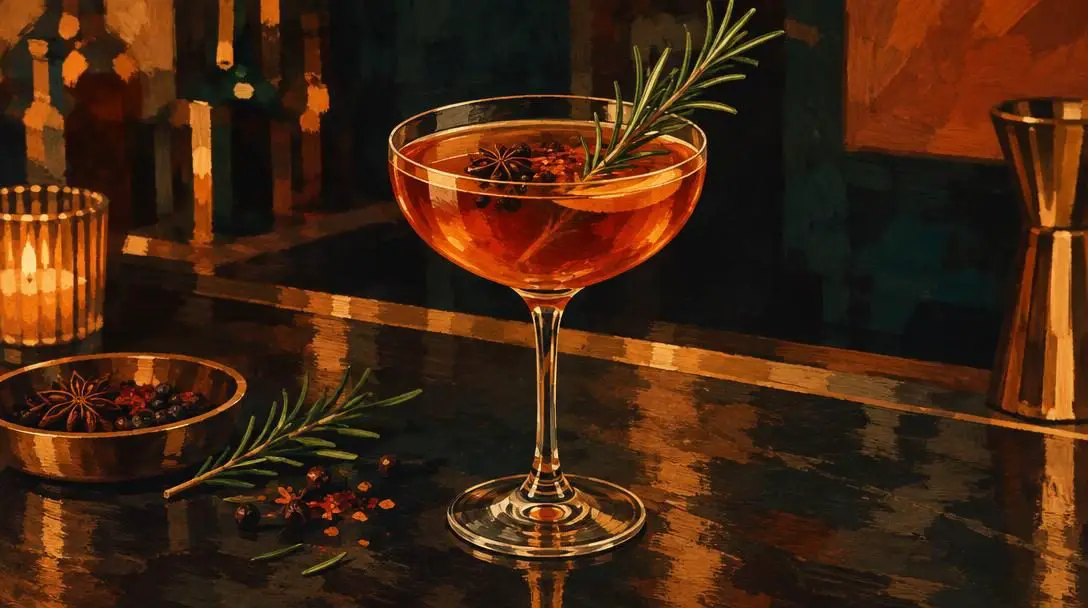
- Core ingredient: Signature KFC savory gravy
- Beverage genre: Savory "stocktails"
- Featured recipes: The Gravy Mary, The Finger Lickin' Sour, The Southern Twist
Fast-food chains frequently innovate around their food menu, but KFC took an adventurous turn into high-end mixology. Recognizing a long-running cultural running joke among devoted fans—that its signature brown gravy is so delicious it could be consumed straight from the tub—the chain developed a series of gravy-based cocktails.
Tapping into the growing food-and-beverage trend of "stocktails," which incorporate savory broths into mixed drinks, KFC released sophisticated recipes designed to surprise the palate. The lineup featured inventive combinations like The Gravy Mary (a savory riff on the classic Bloody Mary), The Finger Lickin' Sour, and The Southern Twist. By replacing standard sweet mixers with warm, seasoned gravy, the brand generated widespread consumer intrigue and sparked spirited debate across culinary and lifestyle platforms.
KFC Bath Bombs
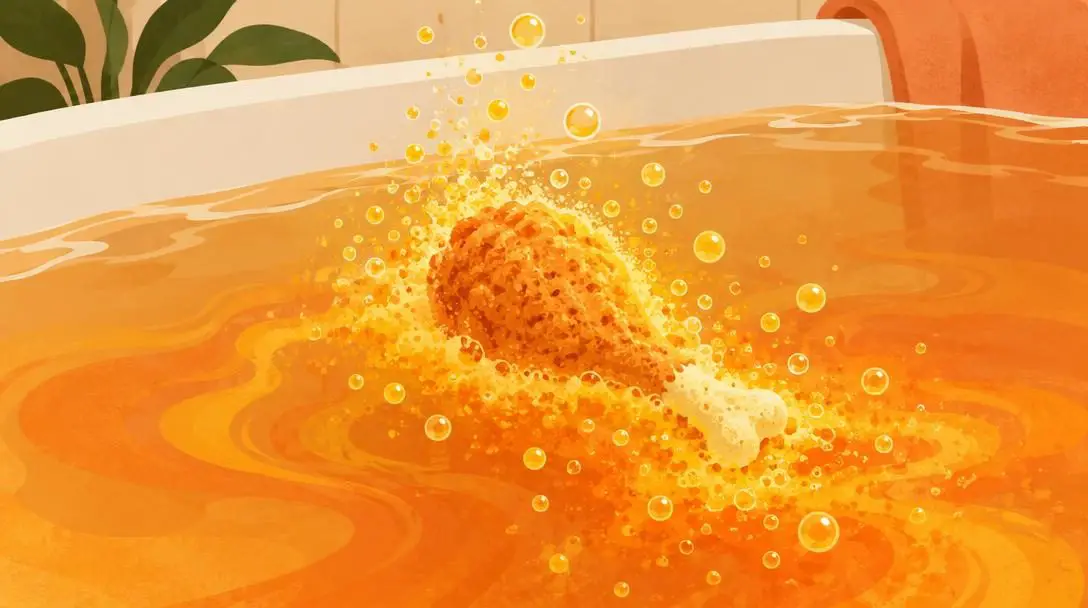
- Launch date: November 2017
- Target market: Japan
- Quantity produced: Exactly 100 units
- Product design: Drumstick-shaped, fried chicken-scented
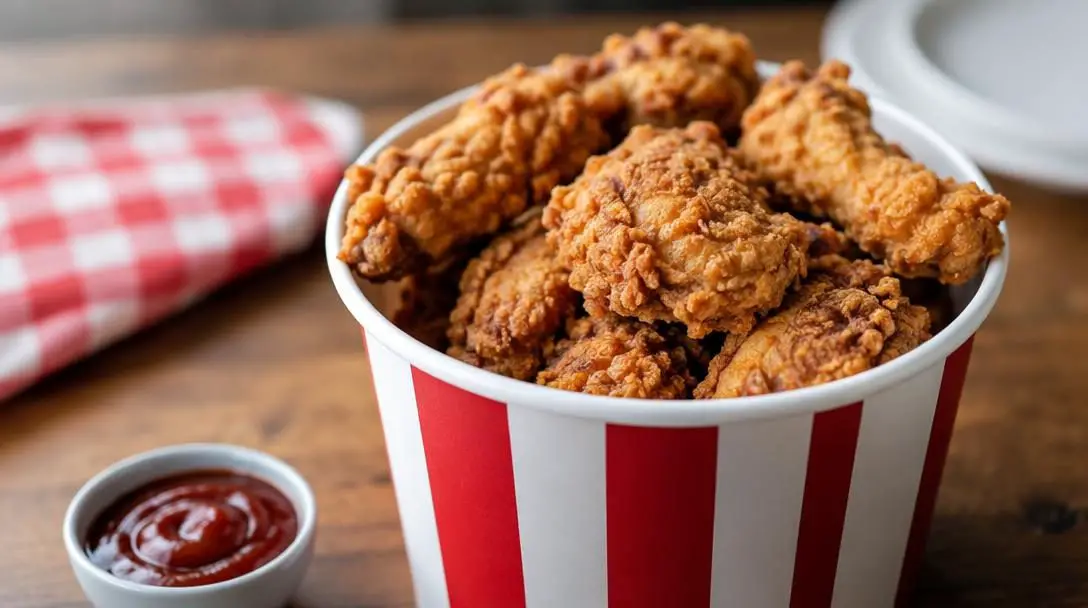
KFC maintains an extraordinary cultural presence in Japan, where dining on the chain's fried chicken has evolved into a celebrated holiday tradition. In November 2017, the brand leaned into this cultural devotion by orchestrating a viral promotional sweepstakes featuring fried chicken-scented bath bombs molded to resemble real chicken drumsticks.
Rather than mass-producing the unusual bath accessory, KFC Japan manufactured a strictly limited run of only 100 units. To enter for a chance to win one of the coveted novelties, participants had to retweet a dedicated promotional message on social media. The combination of intense scarcity, surreal product design, and the humorous visual of a drumstick fizzing in warm bathwater turned a regional stunt into a global social media sensation.
When an everyday bath accessory dissolves into the scent of seasoned fried chicken, novelty instantly eclipses conventional commercial advertising.
Tender Wings of Desire

- Release timing: Mother's Day 2017
- Format: Paperback and digital romance novella
- Main characters: Lady Madeline Parker and Sanders
- Setting: Historical Parker Manor and beyond
Mother's Day promotions in the restaurant industry typically revolve around family meal specials, greeting cards, or floral tie-ins. In 2017, KFC bypassed standard seasonal messaging by publishing a full-length historical romance novella titled Tender Wings of Desire, pitching it as an unconventional Mother's Day escape.
The story follows Lady Madeline Parker, an independent-minded heroine who flees her tightly controlled domestic life at Parker Manor in search of personal autonomy. Along her journey, she crosses paths with a charismatic, mysterious sailor named Sanders, sparking a whirlwind period romance. While literary critics did not shower the novella with awards, the project succeeded as an audacious, conversation-starting Mother's Day spectacle that captivated morning talk shows and online readers alike.
Fried Chicken Flavored Nail Polish

- Release year: 2016
- Flavor options: Original Recipe and Hot & Spicy
- Appearance: Speckled herb blend resembling seasoned glaze
- Commercial status: Promotional media preview only
In 2016, KFC made an unexpected entrance into the cosmetics industry by introducing edible, fried chicken-flavored nail polish. Developed to bring the chain's famous slogan about finger-licking good food into literal reality, the nail polish was packaged in high-end designer bottles and offered in two distinct varieties: Original Recipe and Hot & Spicy.
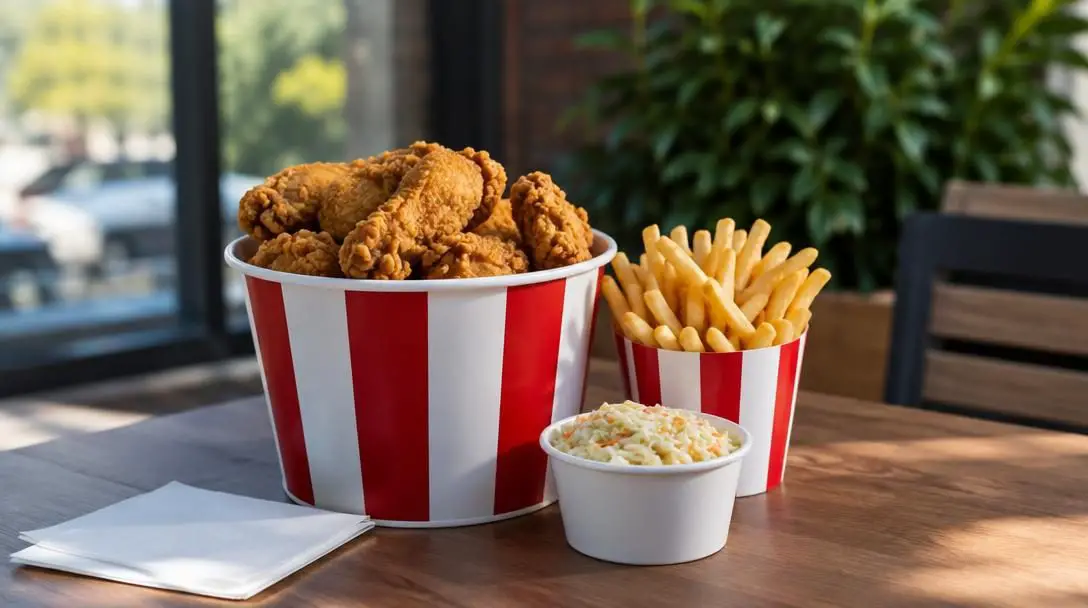
The nail polish dried into a glossy coat speckled with herbs and spices, visually reminiscent of a warm savory glaze. Once dry, wearers could lick their nails to taste the company's trademark spice blend. While food critics and beauty bloggers noted that the culinary flavor fell short of an actual meal experience, the conceptual dissonance between luxury cosmetics and deep-fried poultry secured enormous worldwide media coverage. The product was never sold directly to the public in retail stores; instead, it served as an experimental media kit designed to test engagement and generate earned coverage.
The strategic mechanics behind stunt marketing
Behind the absurd imagery of drumstick bath fizzers and edible manicures lies a disciplined marketing playbook. KFC's unconventional initiatives succeed because they operationalize four core behavioral and public relations principles:
- Pattern disruption and shock value: Modern consumers filter out hundreds of formulaic fast-food commercials every day. Introducing an edible cosmetic or an 80-page historical romance breaks cognitive patterns, compelling consumers to pause, inspect, and share the material.
- Massive earned media amplification: By inventing items that double as entertainment news, KFC minimizes reliance on traditional advertising buys. Lifestyle reporters, evening news anchors, and social influencers cover the campaigns organically, granting the brand millions of impressions for free.
- Self-aware cultural parody: Modern audiences frequently reject earnest corporate messaging. By casting comedic actors as its iconic founder and leaning into humorous internet tropes, KFC signals that it shares the audience's sense of humor.
- Engineered social scarcity: Capping production at 100 bath bombs or distributing nail polish exclusively to select reviewers creates an aura of exclusivity. Scarcity inspires fans to engage in social actions, such as retweeting or commenting, simply to secure a rare piece of pop-culture history.
How to build a bold marketing campaign
Organizations of any size can adapt the foundational concepts behind KFC's publicity stunts. Designing an unforgettable initiative requires moving systematically from internal brand assets to creative execution.
- Isolate recognizable brand assets: Catalogue the sensory, visual, and verbal hallmarks that define your organization. For KFC, these assets included the Colonel's white attire, the signature brown gravy, and the proprietary blend of secret spices.
- Identify high-contrast crossovers: Brainstorm partnerships or product categories that represent the exact opposite of your industry. Merging fast food with beauty products, literature, or luxury cocktails creates immediate curiosity through sheer juxtaposition.
- Define the primary objective: Clarify whether the project exists to drive immediate cash register sales or to generate earned media impressions. Unconventional stunts almost always function as top-of-funnel awareness drivers rather than direct sales mechanisms.
- Deploy controlled distribution: Mitigate production and supply chain expenses by treating experimental goods as sweepstakes rewards, limited PR mailers, or digital exclusives rather than full-scale commercial launches.
- Track sentiment and iterate: Monitor audience reactions across social channels in real time. Use small-scale media distributions to gauge whether the public finds the stunt delightful or off-putting before considering wider rollouts.
High-risk creative pitfalls to avoid
Aggressive viral marketing is inherently risky. When creative ambition outpaces strategic discipline, companies risk alienating loyal patrons or wasting valuable marketing capital. Teams should guard against several critical missteps:
- Prioritizing pure shock over brand identity: A campaign must always lead directly back to what makes your brand distinct. If an eccentric stunt attracts viral attention but obscures the underlying company or core product, the marketing effort fails to support commercial health.
- Neglecting user experience: Even novelty goods must offer basic functional appeal. When taste reviewers expressed distaste for the chicken-flavored nail polish, it illustrated that novelty items can produce mixed reactions if the sensory experience fails to deliver.
- Mishandling ambassador relationships: Transitioning between brand faces requires clear communication. Abruptly swapping out talent—as occurred when Darrell Hammond believed his tenure as Colonel Sanders was permanent—can trigger awkward public narratives that overshadow the campaign itself.
- Over-promising consumer access: Building widespread excitement for a product that ordinary shoppers cannot purchase can foster consumer frustration if expectations regarding scarcity and availability are not managed transparently from day one.
Frequently asked questions
Can you buy KFC's chicken-flavored nail polish in retail stores?
No. KFC's edible nail polish was never mass-produced for general retail sale. The company manufactured limited preview batches to distribute to media outlets and taste testers to evaluate market reaction and drive international earned coverage.
Who was the first celebrity to play Colonel Sanders in the rotating campaign?
Impressionist and Saturday Night Live cast member Darrell Hammond was the first actor cast in the modern campaign, initially believing he had signed on to portray the Colonel permanently before the role became an ever-changing celebrity showcase.
How many chicken-scented bath bombs were actually produced in Japan?
KFC Japan manufactured exactly 100 drumstick-shaped bath bombs for its November 2017 campaign. The ultra-rare items were awarded exclusively through a promotional sweepstakes that required fans to retweet a specific brand post.
What is the storyline of KFC's Mother's Day novella Tender Wings of Desire?
The novella tells the story of Lady Madeline Parker, a woman who abandons her stifling domestic life at Parker Manor to pursue personal freedom, only to fall in love with a mysterious and handsome sailor named Sanders.
What is a "stocktail" in the context of KFC's drink campaign?
A stocktail is a savory cocktail that uses culinary broth or savory pan drippings instead of traditional fruit juices or sweet syrups. KFC developed stocktails by mixing its signature brown gravy into drinks like The Gravy Mary and The Finger Lickin' Sour.
The bottom line
KFC's evolution from a small southern roadside franchise into an agile global brand owes much to its fearless marketing philosophy. Rather than treating its founding heritage as an untouchable relic, the chain turned its mascot, its signature gravy, and its secret spice blend into versatile comedic tools. By daring to produce romance novellas, cocktail recipes, bath bombs, and cosmetic polishes, KFC demonstrated that the greatest competitive advantage in modern advertising is the willingness to abandon convention, embrace the surreal, and become genuinely entertaining.