The Best Edible Flowers for a Beautiful and Tasty Garden
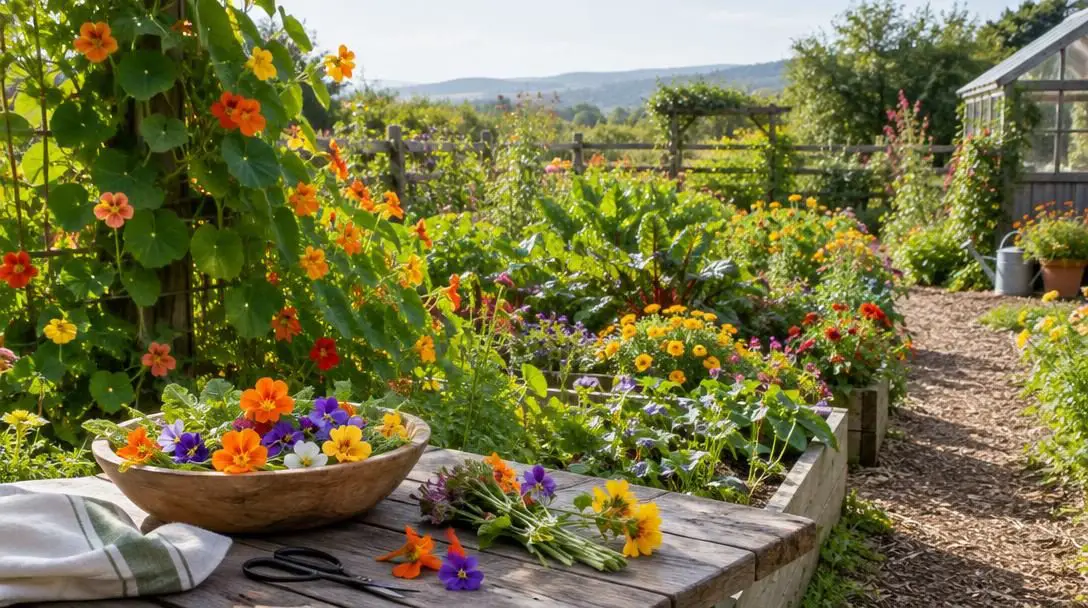
When planning a home garden, most growers naturally default to culinary staples like crisp salad greens, hearty root crops, juicy tomatoes, and familiar kitchen herbs. The idea of cultivating flowers is often kept strictly separate from food production, relegated entirely to decorative borders, raised aesthetic beds, and ornamental landscape displays. However, cultivating edible blossoms dismantles this arbitrary divide, offering an innovative approach to building an outdoor space that is visually striking, ecologically supportive, and deliciously functional.
Incorporating floral elements into cooking is an ancient culinary practice spanning global food cultures, serving as everything from vivid finishing garnishes to complex flavor bases, herbal infusions, and natural food dyes. Because standard grocery stores rarely stock fresh, untreated blossoms in their produce sections, many home cooks overlook the immense culinary potential growing right outside their back doors. Understanding which backyard blooms are safe, delicious, and reliable can completely transform your home landscape and bring fresh vibrancy to your dining table.
Key takeaways
- Edible flowers unite ornamental gardening and functional home food production in a single landscape.
- Culinary blossoms provide diverse flavors ranging from warm clove and crisp apple to peppery greens and tart cranberry notes.
- Specific plant parts, such as fibrous carnation stems and sap-filled dandelion stems, are bitter or inedible and require removal.
- Commercial florist blooms are unsafe to eat due to systemic pesticides and chemical preservatives, requiring home cultivation or food-grade sourcing.
- Fragile aromatic oils and pigments break down quickly under intense heat, making gentle handling and prompt harvesting essential.
The best edible flowers to grow for the kitchen
Curating an edible flower patch requires balancing dependable garden performance with desirable culinary attributes. Whether you are looking for vibrant natural colorants, subtle herbal undertones, or rich savory crunch, these eight versatile varieties bring reliable performance to your beds and an array of flavors to your kitchen creations.
Rose
- Flavor profile: Mild, perfumed, and classic floral
- Nutritional value: Vitamin A, vitamin C, and antioxidants
- Edible varieties: Over 150 safe varieties
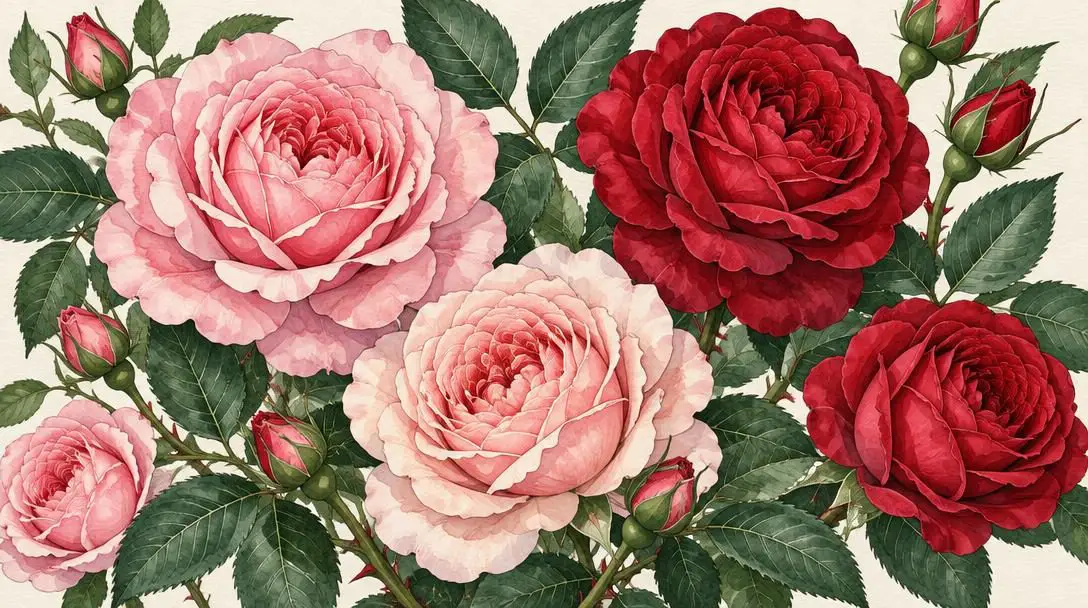
Roses are universally recognized for their classic beauty and sweet aroma, but their culinary versatility is equally impressive. With over 150 distinct varieties available to gardeners, every single rose is edible, provided the plant is cultivated without synthetic chemical sprays or systemic garden pesticides. Rose petals contribute a delicate, perfumed quality to dishes while delivering valuable doses of vitamin A, vitamin C, and cell-protecting antioxidants, traits that have earned them a lasting place in traditional herbal practices.
In modern home cooking, fresh rose petals can be scattered across fresh garden salads or layered atop frosted layer cakes for a sophisticated finish. Furthermore, concentrated rose water extracted from distilled petals remains an indispensable flavoring agent throughout international baking, adding floral depth to buttery pastries, chilled custards, and airy summer puddings.
Marigolds
- Flavor profile: Earthy, herbal, and mildly pungent
- Key culinary role: Natural food dye and warm savory seasoning
- Cultural significance: Prominent on Day of the Dead ofrendas
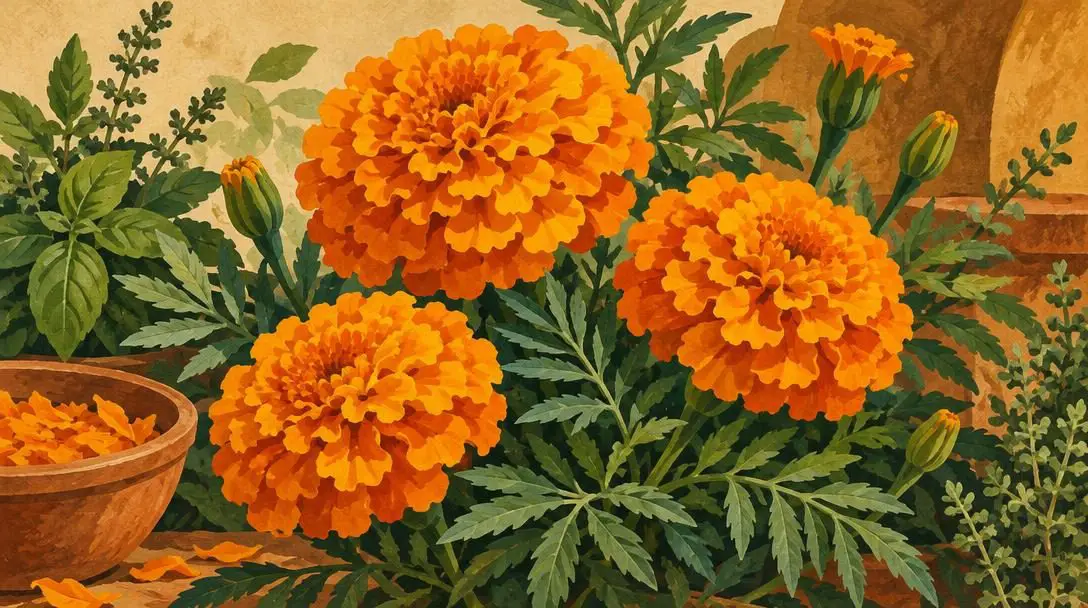
Famous for their fiery orange and yellow petals and their deeply rooted presence on traditional Day of the Dead ofrendas, marigolds are just as impactful in cooking vessels as they are in cultural ceremonies. These resilient blooms function as an exceptional natural food dye, lending a rich golden-orange tone to handmade artisan cheeses, savory broths, and specialty brewed teas when steeped in warm liquids.
Unlike fragile petals that disintegrate when warmed, marigolds hold up remarkably well against heat. The individual petals integrate smoothly into simmering meat braises, robust bean stews, and tomato-based pasta sauces. They can also be finely shredded and folded directly into baked goods like spiced cookies, rustic fruit tarts, and citrus cakes to provide both visual contrast and a subtle, herbal warmth.
Hibiscus
- Flavor profile: Vibrant, tart, and cranberry-like
- Edible components: Flowers, leaves, and seeds
- Wellness benefits: Rich in antioxidants; supports heart and liver health
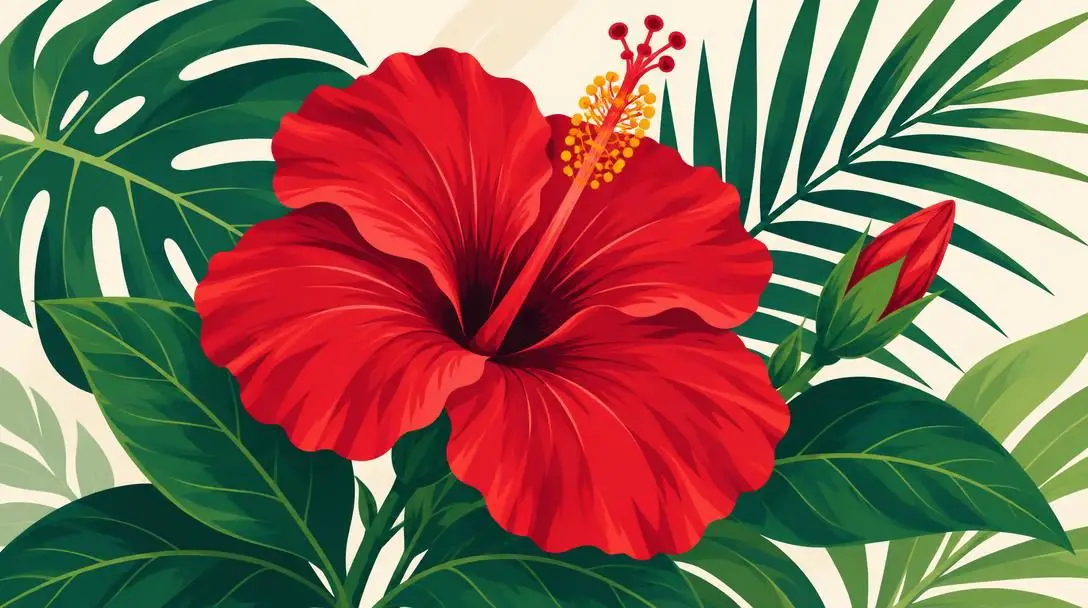
A beloved culinary flower celebrated throughout warm and tropical climates, hibiscus is cherished for its bright flavor profile and beneficial wellness properties. The blooms are most famous for creating a vivid, deeply tart herbal tea that offers a punchy alternative to sweetened beverages, enjoyed either steaming hot or iced over fresh summer fruit. The flower's natural, cranberry-like acidity cuts through rich dishes and complements sweet desserts effortlessly.
Hibiscus is an extraordinarily generous garden crop because virtually the entire plant can be eaten. The seeds, tender young leaves, and large petals are all suitable for raw consumption in salads or gentle cooking in savory sauces. Packed with protective antioxidants, hibiscus is frequently consumed to help support long-term heart and liver health.
Carnation
- Flavor profile: Mildly sweet with distinct nutmeg and clove accents
- Culinary application: Confectionery garnishes and savory plating
- Prep requirement: Stems must be completely removed
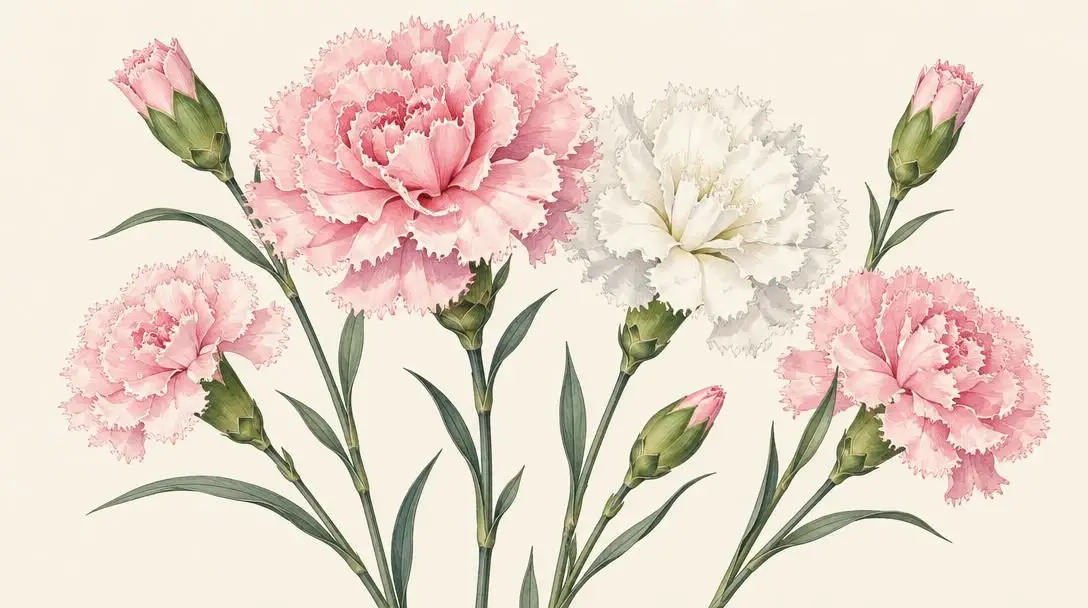
Often overlooked as an inexpensive filler in commercial cut-flower bouquets, homegrown garden carnations are a surprising gastronomic treat. Carnation petals possess a gentle natural sweetness backed by distinct undertones of warm baking spices, particularly nutmeg and aromatic clove. This unique spice profile makes them a fascinating secret ingredient in both sweet and savory recipes.
Thanks to their broad color spectrum, carnations serve as versatile decorations for celebratory confections, chilled fruit bowls, and savory charcuterie spreads. When preparing carnations for the kitchen, meticulous prep is necessary: the green calyx and fibrous stems are unpleasantly bitter and tough. Only the soft, ruffled petals should ever be allowed onto the dinner plate.
Dandelions
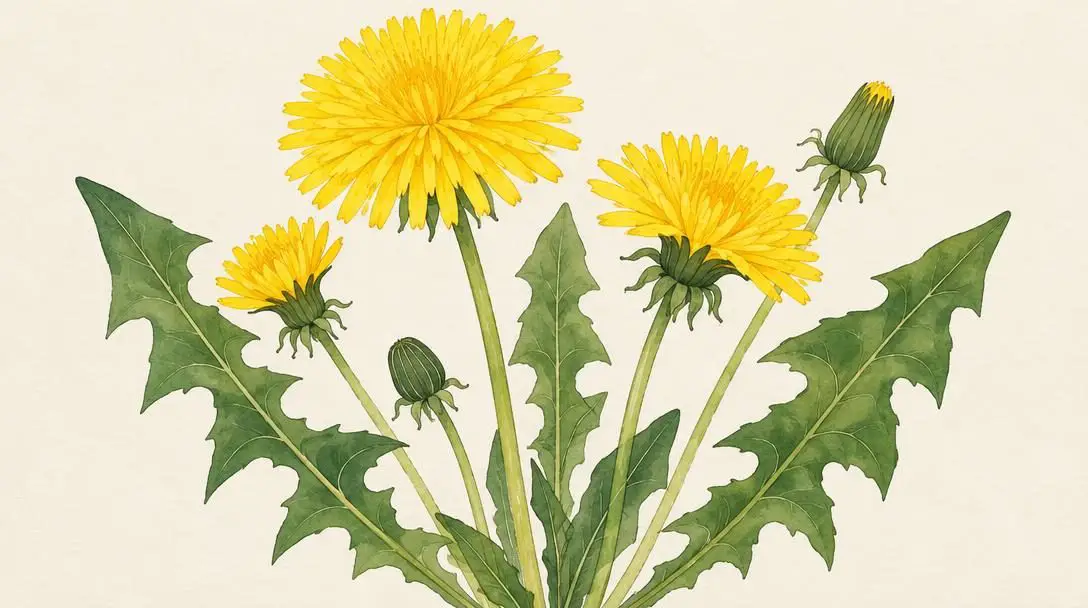
- Flavor profile: Tangy, herbal, and pleasantly bitter
- Common preparations: Floral jellies, infused syrups, and honey
- Prep requirement: Milky stem must be discarded
Though frequently cursed and pulled as an aggressive turf weed, the humble dandelion is treated as an exquisite culinary prize by experienced foragers and functional gardeners. The sun-yellow blossoms and tender early foliage carry a refreshing, slightly bitter tang that balances harmoniously against natural sweeteners like raw cane sugar, agave, and wildflower honey.
Culinary gardeners harvest dandelion petals in bulk to infuse delicate dessert syrups, golden spreads, and floral jellies that mimic the flavor notes of light clover honey. Thorough preparation is paramount: the hollow green dandelion stem contains a bitter, white milky sap that will ruin the delicate flavor of your dish. Always pluck the bright yellow florets entirely free from the green base before use.
Chamomile
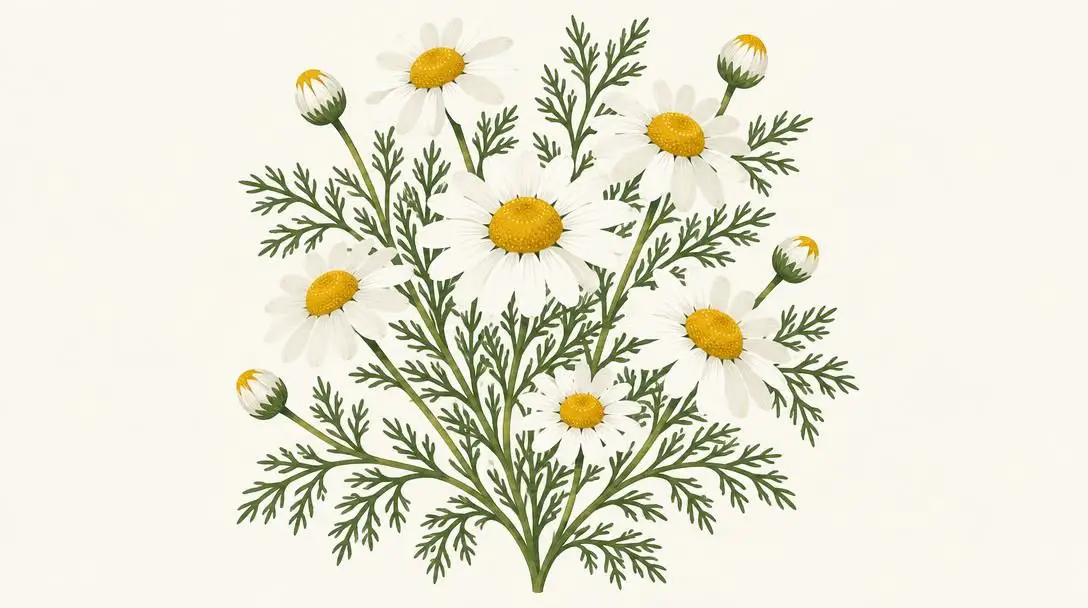
- Flavor profile: Mellow, floral, and reminiscent of apple and honey
- Primary use: Soothing herbal teas, jams, and infused pastry creams
- Wellness benefits: Promotes natural relaxation and digestive wellness
Cherished across centuries as a gentle herbal cure-all, chamomile yields an abundance of cheerful, daisy-like blossoms packed with soothing botanical properties. The flavor of the petite blooms is light, mellow, and naturally comforting, with clear hints of crisp green apple and sweet wild honey. It is an approachable blossom that introduces floral notes without overpowering neighboring ingredients.
While chamomile is most famous when dried and steeped as a restorative bedtime tea, the freshly harvested blossoms offer extraordinary culinary versatility. Fresh flower heads can be simmered into artisanal summer jams, folded into light pastry creams, or infused into cake batters to aid digestion and infuse baked treats with a calming, sweet perfume.
Squash Blossoms
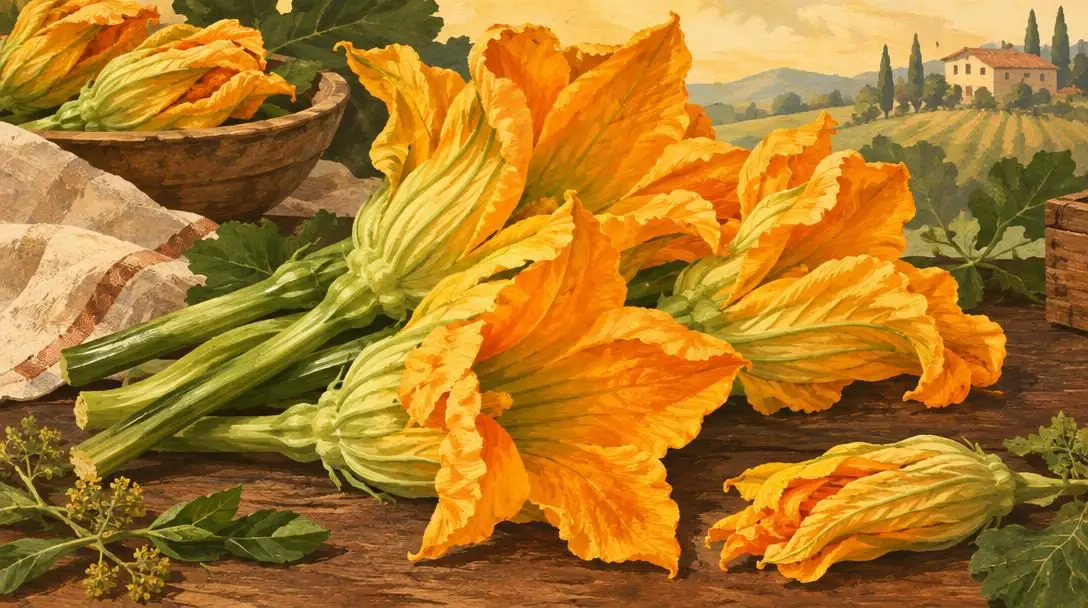
- Flavor profile: Delicate, sweet, and lightly vegetal
- Plant sources: Summer squash and spreading winter squash
- Signature prep: Tempura-battered and quick-fried
Harvested in abundance from sprawling zucchini mounds or winter squash vines, squash blossoms are large, dramatic, and universally celebrated as a seasonal gourmet delicacy. They offer a refined, subtle flavor that resembles an ultra-tender, slightly sweet version of the squash itself, making them an ideal bridge between leafy greens and floral harvests.
The definitive preparation for squash blossoms involves stuffing the hollow interior with soft cheeses and herbs, dipping the entire bloom into a light tempura batter, and executing a rapid fry in clean, hot oil. This technique forms an ethereal, crispy crust on the exterior while allowing the tender petals and interior cheese to meld into a rich, velvety bite.
Pansy
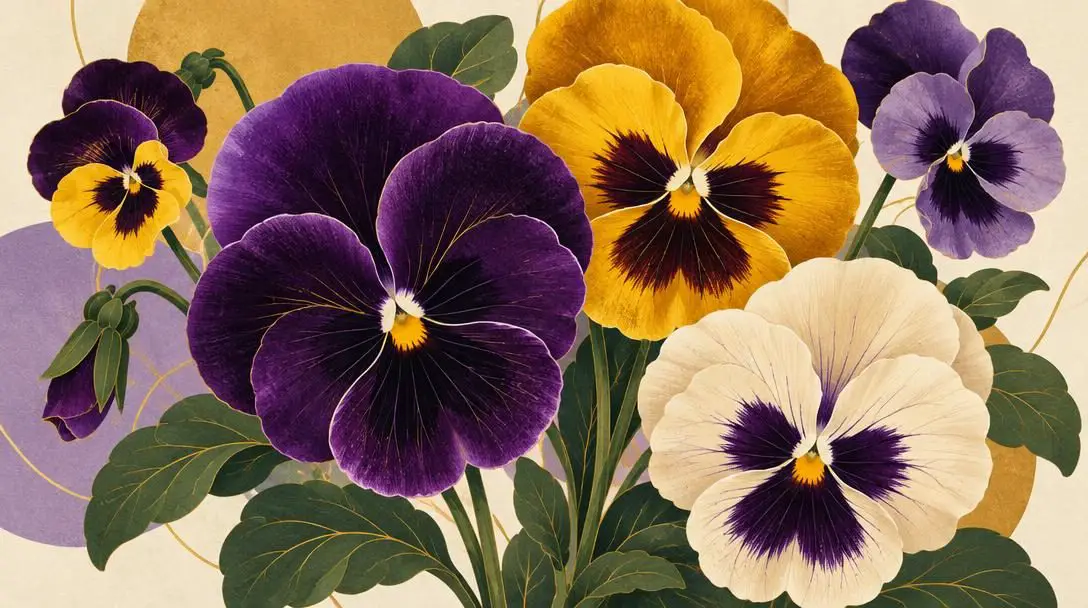
- Flavor profile: Mild and sweet with a peppery, evergreen finish
- Edible components: Entire bloom, including petals and sepals
- Best use: Raw garnish for sweet confections and savory dishes
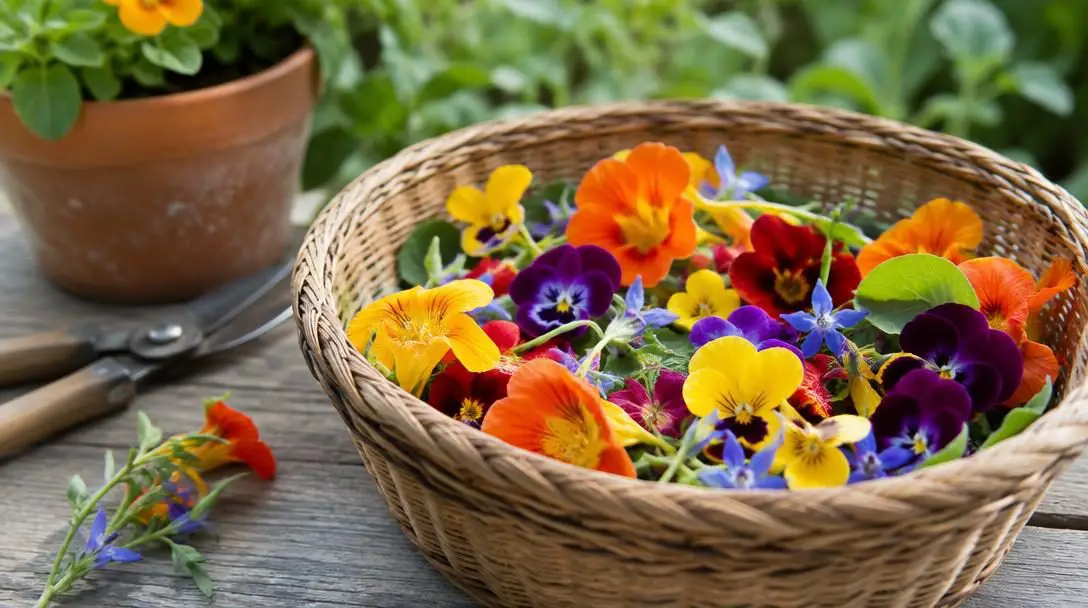
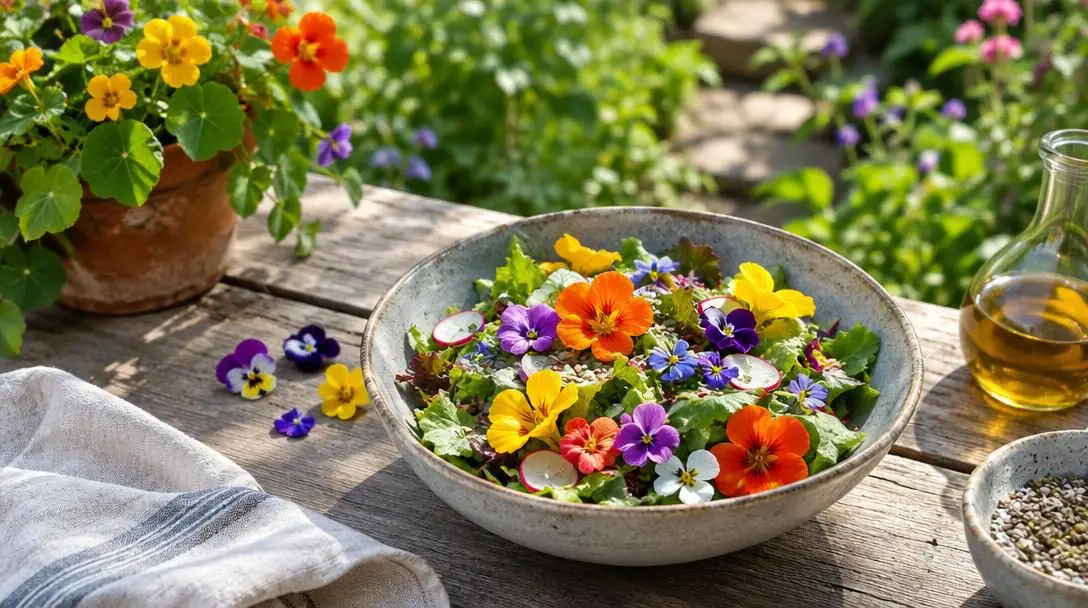
Pansies are among the most striking edible blossoms a home gardener can cultivate, displaying intricate, multi-hued faces that resemble miniature botanical watercolors. Because the flower structure remains tender from petal to stem connection, pansies require minimal breakdown; the whole blossom can be harvested and placed directly onto cakes, cocktails, or savory mains as an instant decorative accent.
The flavor profile of a pansy is surprisingly complex for its delicate size. The initial taste is soft and lightly sweet, which smoothly transitions into a refreshing, peppery bite with subtle undertones of woodland pine. This dual flavor dynamic enables pansies to transition effortlessly between sugary dessert platters and sharp, vinaigrette-dressed dinner salads.
Culinary profiles and preparation at a glance
To help you select the ideal blossoms for your home plot and kitchen preparations, consult this quick-reference overview comparing flavor dynamics, top kitchen applications, and essential handling rules.
| Flower | Primary Flavor Notes | Best Kitchen Applications | Key Preparation Rule |
|---|---|---|---|
| Rose | Perfumed, floral, mild | Pastries, rose water, raw garnishes | Remove bitter white petal bases if present |
| Marigolds | Earthy, herbal, citrus-like | Stews, braises, natural food dye | Separate petals from central green bases |
| Hibiscus | Bright, tart, cranberry-like | Infused teas, chilled drinks, raw salads | Use petals, seeds, or leaves fresh or dried |
| Carnation | Sweet, nutmeg, warm clove | Cakes, confections, savory plating | Discard tough stems completely |
| Dandelions | Tangy, bitter, earthy | Syrups, flower jellies, infused honey | Strip petals away from milky, bitter stems |
| Chamomile | Mellow, honey, crisp apple | Herbal teas, dessert creams, fruit jams | Use whole flower heads fresh or gently dried |
| Squash Blossoms | Mild, tender, sweet squash | Stuffed, battered, and fried appetizers | Remove inner pistil or stamen before frying |
| Pansy | Sweet, peppery, faint evergreen | Whole garnishes on cakes and salads | Serve whole; entire bloom is tender and edible |
The culinary science of cooking with blossoms
Working successfully with edible flowers requires the same precision and environmental awareness you would apply when handling delicate microgreens or rare culinary herbs. The unique chemical profile of each flower dictates how its color, texture, and aroma behave when introduced to heat, fats, or acidic dressings.
Excessive cooking heat quickly destroys the fragile aromatic compounds that give culinary blooms their signature taste.
The chemical compounds responsible for floral flavors—such as the warm, clove-like eugenol present in carnations or the delicate fruity esters of chamomile—are exceptionally volatile. Subjecting these blossoms to prolonged simmering or violent boiling drives these aromatic oils off into the air, leaving behind an unappealing, bitter vegetal remnant. Consequently, tender flowers like roses, pansies, and borage perform at their absolute peak when served fresh, raw, or added during the final moments of plating.
In contrast, select blooms possess fat-soluble pigments and structural properties that thrive when introduced to moderate kitchen heat. The rich carotenoid pigments found inside marigold petals disperse readily into warm oils, broths, and melted butter, transforming ordinary ingredients into golden culinary centerpieces. Similarly, the fibrous architecture of squash blossoms holds together under the thermal stress of deep frying, allowing the blossom walls to trap steam and cook delicate interior fillings without collapsing.
Step-by-step: How to grow, harvest, and prepare edible blooms
To ensure your homegrown flower harvest arrives in the kitchen fresh, visually immaculate, and entirely safe to eat, maintain a clean, organized routine from initial seed selection through final cold storage.
- Source chemical-free planting stock: Purchase untreated seeds or certified organic nursery starts explicitly intended for culinary gardens. Standard landscape stock often carries synthetic systemic treatments unsuited for food crops.
- Maintain completely organic growing conditions: Avoid all synthetic chemical fertilizers, commercial fungicides, and systemic insect sprays. Rely instead on nutrient-rich compost, physical row covers, and beneficial insects to maintain plant vigor.
- Harvest during early morning hours: Cut blooms just after the morning dew dries off the petals, but before midday heat warms the garden. Focus on vibrant, fully expanded blossoms free of torn petals or insect damage.
- Inspect and wash gently: Invert each flower and give it a soft shake over your palm to dislodge tiny garden insects. If soil is visible, submerge the blooms briefly in a basin of cool water instead of exposing them to forceful running tap water.
- Air dry on flat surfaces: Spread wet blossoms in a single, spaced layer across clean paper towels or lint-free kitchen cloths, letting them dry naturally away from intense, direct sunlight.
- Trim away inedible plant anatomy: Snip off the fibrous stems of carnations and remove green calyxes. Clip away dandelion stems to eliminate bitter white sap, and gently pinch the bitter white heel off rose petals.
- Store with light moisture: Arrange prepared flowers between barely damp paper towels inside a rigid, airtight food container. Store the container in your refrigerator's vegetable crisper drawer and use the flowers within two days.
Common mistakes when foraging and cooking garden flowers
Cultivating and cooking with your own flowers is a deeply rewarding culinary craft, but novice growers frequently stumble into common errors that ruin the flavor of a dish or introduce unnecessary health risks.
- Assuming all garden blossoms are safe to eat: Never ingest an unfamiliar bloom without verifying its absolute botanical identification. Numerous standard garden staples—including foxglove, oleander, and lily of the valley—contain potent toxins that cause severe illness if eaten.
- Eating the entire plant indiscriminately: While a blossom's petals may be tender and sweet, other structures on the very same plant can be unpalatable. Leaving the tough calyx on a carnation or the bitter stem on a dandelion will ruin the texture and taste of your recipe.
- Gathering blooms from chemically managed lawns: Foraging wild dandelions from neighborhood turf treated with synthetic weed killers, or picking blooms along busy roadside verges coated in automotive exhaust, exposes your dinner to dangerous chemical contaminants.
- Washing flowers under high-pressure water: Blasting delicate petals under a forceful kitchen faucet tears the cellular structure, washes away flavorful natural pollen, and leaves blooms waterlogged and limp. Always use gentle submersion.
- Adding blooms too early in the cooking cycle: Tossing fresh pansies, rose petals, or chamomile into a rolling boil will scorch their essential oils instantly. Reserve delicate blooms as unheated finishing accents.
Frequently asked questions
Can I eat fresh flowers purchased from a local florist or grocery floral department?
No. Commercial cut flowers sold in florist shops, supermarkets, and gift arrangements are grown purely for ornamental longevity, not food consumption. They are routinely treated with systemic pesticides, chemical fertilizers, and post-harvest floral preservatives that make them completely unsafe to eat. Only consume flowers explicitly labeled as food-grade or grown by yourself using organic methods.
Which part of an edible flower should I actually put in my food?
For the vast majority of edible flowers, including roses, marigolds, and carnations, only the colorful petals are eaten. Green stems, sepals, and calyxes often contain bitter, stringy, or unpalatable compounds. Exceptions include pansies and chamomile, where the entire open flower head is tender and flavorful enough to consume whole.
How long can fresh edible flowers be stored after harvesting?
Fresh blossoms are delicate and should ideally be eaten the day they are picked. However, if arranged between slightly damp paper towels inside a sealed, rigid container and placed in the refrigerator crisper drawer, most harvested blooms will remain crisp and flavorful for one to two days.
Are squash blossoms harvested from both summer and winter varieties?
Yes. Both summer squashes (such as zucchini) and sprawling winter squashes produce tender, edible blossoms. Home gardeners often harvest the male blossoms on long, thin stems for cooking, leaving the female flowers with swollen bases on the vine to mature into full squash vegetables.
Do edible flowers carry any nutritional or health benefits?
Yes. Many culinary blooms offer valuable nutritional benefits alongside their visual appeal. For example, roses supply vitamins A and C along with protective antioxidants, marigolds contain rich carotenoid pigments, and hibiscus provides compounds that support cardiovascular and liver wellness.
The bottom line
Edible flowers eliminate the traditional separation between practical vegetable gardening and decorative landscaping, allowing you to curate an outdoor space that pleases the eye while elevating home cooking. By selecting reliable, flavor-packed varieties like spicy carnations, tart hibiscus, earthy marigolds, and delicate squash blossoms, you can effortlessly introduce unique flavors and vivid natural hues to everyday meals.
Success starts with mindful cultivation: treat your floral beds with the same organic care you give your sweetest salad greens, harvest in the calm of early morning, and respect the delicate volatile compounds that give each petal its signature culinary charm. With proper identification, gentle preparation, and a spirit of culinary adventure, your backyard flower beds will quickly become your favorite culinary resource.