The Best Flowers for a Hummingbird Garden: Tips and Suggestions
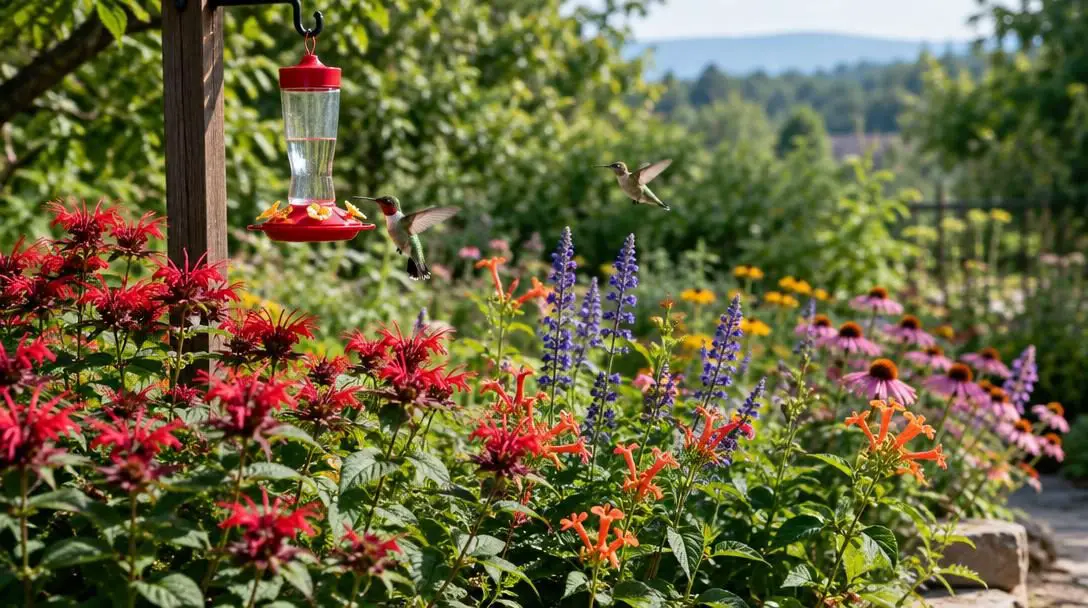
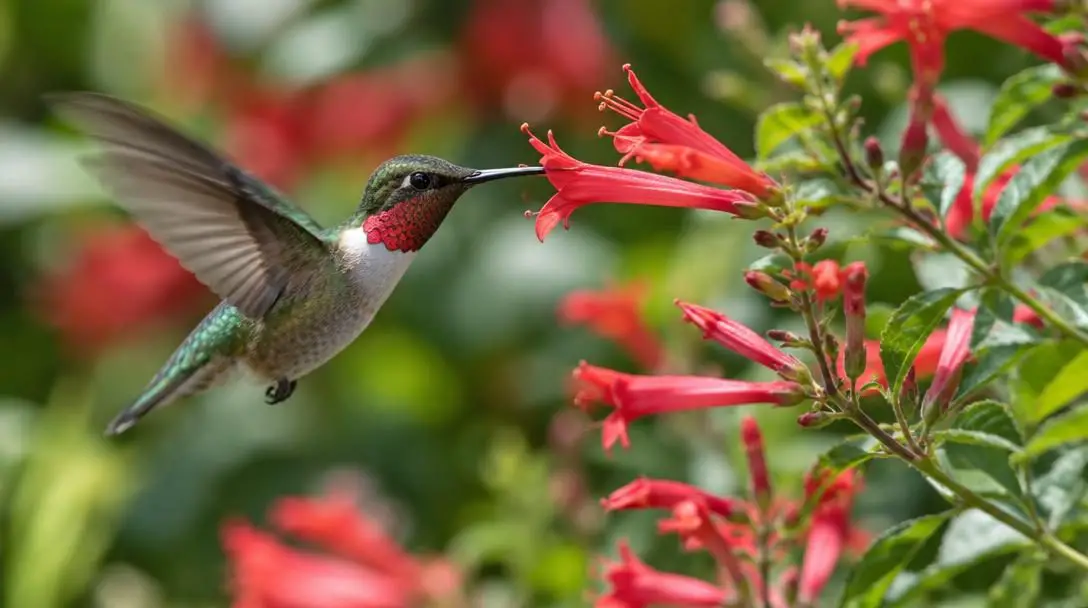
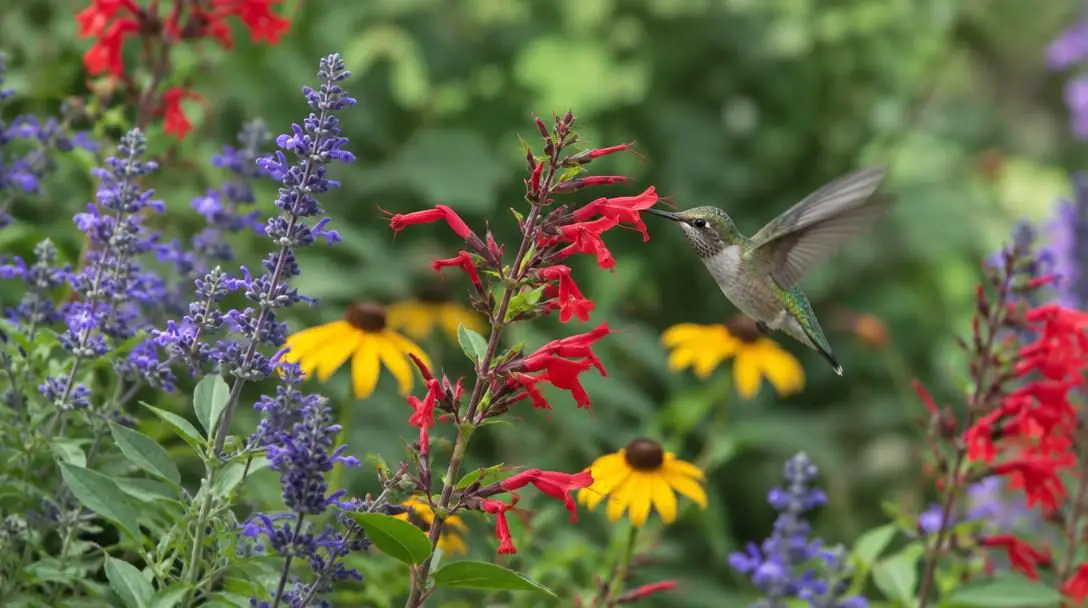
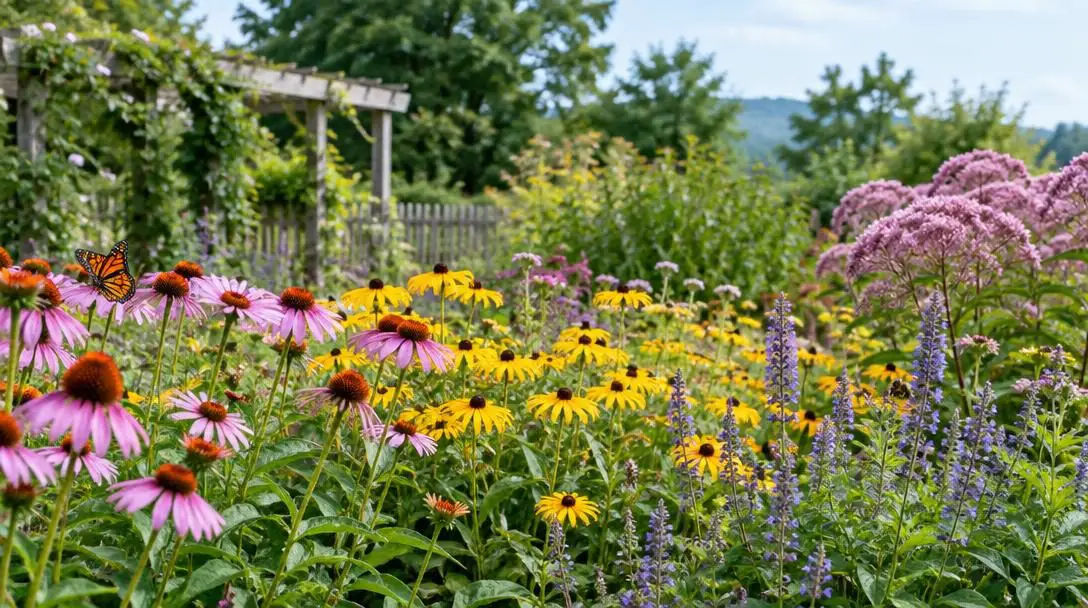
Few sights in a backyard match the sudden, electric arrival of a hummingbird. These tiny, iridescent creatures dart through the garden with astonishing velocity, stopping in a split second to hover motionless in mid-air while their plumage glints in the sunlight. Behind that visual spectacle lies an urgent biological imperative: hummingbirds possess extraordinarily rapid metabolisms, demanding near-constant refueling throughout the day to sustain their high-energy lifestyle. While commercial feeders filled with refined sugar water are common fixtures on porches, cultivating a vibrant, living flower garden creates a far richer and more self-sustaining habitat. Natural blooms do not simply provide liquid carbohydrates; they form a diverse micro-ecosystem that supplies shelter, fresh nectar, and a hunting ground for the small insects hummingbirds rely upon for dietary protein. By curating a landscape of targeted blossoms, you transform an ordinary yard into a thriving seasonal sanctuary. <div class="takeaways"> <h2>Key takeaways</h2> <ul> <li>Hummingbirds locate their meals primarily by vision rather than scent, displaying a keen attraction to vivid reds, pinks, purples, oranges, and warm yellows.</li> <li>Tubular, trumpet-shaped, and pendulous blossoms shield deep nectar reserves from shorter-tongued insects, reserving fuel for birds equipped with specialized beaks and tongues.</li> <li>Broad, flat-faced flowers like rose of Sharon supply supplemental nectar while acting as landing zones for tiny insects that birds hunt for essential protein.</li> <li>Arranging flowers in vertical layers, clustering blooms by color, and placing containers in key vantage points creates an accessible and secure feeding territory.</li> </ul> </div> <h2>The biological partnership between hummingbirds and flora</h2> <p>The dynamic between hummingbirds and their preferred garden blooms is one of nature's most refined evolutionary partnerships. Unlike bees and many butterfly species, hummingbirds have an extremely limited sense of smell. Instead of following sweet floral perfumes across the lawn, they navigate entirely by sight. They scan the environment for intense, saturated pigments that stand out sharply against green foliage, showing an instinctive affinity for fire-hued reds, corals, hot pinks, purples, oranges, and bright yellows.</p> <p>Their flight mechanics also dictate their floral preferences. Because hummingbirds feed entirely on the wing without needing a resting pad, they do not require wide horizontal platforms. In response, many hummingbird-adapted plants develop elongated, tubular, or trumpet-shaped corollas, as well as downward-drooping blossoms. This physical architecture serves an evolutionary purpose: it keeps nectar sealed deep inside the flower base, out of reach for broad-bodied or short-tongued insects. With their long, needle-like beaks and extensible tongues, hummingbirds harvest these isolated nectar deposits with pinpoint precision.</p> <blockquote class="pull">A balanced hummingbird garden provides a thriving micro-ecosystem offering shelter, sweet nectar, and protein-rich insects all season long.</blockquote> <p>This feeding interaction benefits the flora as well. When a hummingbird pushes its bill deep into a floral tube, the upper structure of the flower brushes against the bird's forehead and feathers. The blossom transfers a dusting of pollen onto the plumage, which the bird transports directly to the next bloom on its feeding circuit. Furthermore, an organic garden rich in botanical variety attracts tiny gnats, fruit flies, and aphids, giving hummingbirds the critical amino acids and fats they cannot get from pure nectar alone.</p> <h2>Eight essential flowers for a thriving hummingbird garden</h2> <p>Selecting the right mix of botanical shapes, structural heights, and color palettes ensures your garden accommodates the unique feeding habits of visiting hummingbirds throughout the growing season. The following eight plants offer a dependable foundation of heavy nectar yields, insect attractants, and vibrant landscape color.</p> <table> <thead> <tr> <th>Plant Name</th> <th>Bloom Shape</th> <th>Primary Colors</th> <th>Key Garden Value</th> </tr> </thead> <tbody> <tr> <td>Cardinal Flower</td> <td>Tubular petals</td> <td>Intense bright red</td> <td>High-visibility red beacons for passing birds</td> </tr> <tr> <td>Fuchsia</td> <td>Drooping, pendulous</td> <td>Deep pink and white</td> <td>Ideal for hovering beneath in hanging baskets</td> </tr> <tr> <td>Lupine</td> <td>Upward vertical spikes</td> <td>Intense pink and purple</td> <td>Spiky towers allow quick blossom-to-blossom darting</td> </tr> <tr> <td>Trumpet Honeysuckle</td> <td>Dangling trumpet</td> <td>Bright red and orange tones</td> <td>Climbing vine with deep center nectar bulbs</td> </tr> <tr> <td>Daylily</td> <td>Flared tubular petals</td> <td>Vibrant warm hues</td> <td>Copious nectar production in deep throat</td> </tr> <tr> <td>Rose of Sharon</td> <td>Wide, flat-faced</td> <td>Red, pink, purple, white</td> <td>Attracts small insects for essential dietary protein</td> </tr> <tr> <td>Zinnia</td> <td>Layered composite heads</td> <td>Red, orange, yellow, pink, purple</td> <td>Versatile sizes from 12-inch dwarfs to 4-foot varieties</td> </tr> <tr> <td>Petunia</td> <td>Wide-mouthed trumpet</td> <td>Broad spectrum of hues</td> <td>Heavy, accessible continuous blooms for beds and boxes</td> </tr> </tbody> </table> <h3>Cardinal Flower</h3> <ul class="facts"> <li><strong>Flower Structure:</strong> Tubular petals</li> <li><strong>Color Profile:</strong> Intensely bright red</li> <li><strong>Pollination Dynamic:</strong> Dusts pollen across the bird's head</li> </ul> <p>The cardinal flower is widely regarded as one of the ultimate botanical beacons for passing hummingbirds. The plant produces striking, upright spires smothered in vivid scarlet blossoms that can be spotted from impressive distances across open terrain. Each blossom features an elongated, tubular throat tailored precisely to the curve of a hummingbird's bill. As the bird hovers and reaches into the bottom of the flower to drink, the blossom's reproductive structures make direct contact with the feathers on the bird's crown, reliably depositing and gathering pollen as the visitor moves along the stem.</p> <h3>Fuchsia</h3> <ul class="facts"> <li><strong>Flower Structure:</strong> Downward, droopy habit</li> <li><strong>Color Profile:</strong> Deep, vibrant pink and white</li> <li><strong>Feeding Advantage:</strong> Discourages competing insect pollinators</li> </ul> <p>Fuchsia brings graceful architectural interest to the garden with its pendulous, weeping growth habit and contrasting petal tones. Because the blooms point directly toward the ground, they naturally exclude many conventional insect pollinators that must land on an upright surface to feed. Hummingbirds, however, easily position themselves directly beneath the hanging blossoms, using rapid wing adjustments to hover in place while angling their bills upward. The generous nectar wells tucked within these dangling, deep pink and white skirts make fuchsias prime candidates for elevated planters.</p> <h3>Lupine</h3> <ul class="facts"> <li><strong>Flower Structure:</strong> Spiky vertical towers</li> <li><strong>Color Profile:</strong> Intensely pink and purple</li> <li><strong>Stem Type:</strong> Sturdy, branch-like stem</li> </ul> <p>Lupines produce towering vertical spires that add dramatic structural height to garden borders. Packed tightly along a thick, upright central stem, the individual blossoms open in succession, providing an extended window of seasonal fuel. The dense, vertical arrangement allows hummingbirds to dart upward along the floral column, sipping nectar and sampling pollen from dozens of blooms in rapid succession without having to travel across wide horizontal spaces.</p> <h3>Trumpet Honeysuckle</h3> <ul class="facts"> <li><strong>Flower Structure:</strong> Dangling, trumpet-shaped blossoms</li> <li><strong>Growth Habit:</strong> Climbing woody vine</li> <li><strong>Nectar Location:</strong> Center bulb deep inside bloom</li> </ul> <p>Trumpet honeysuckle represents an optimal physical match for the feeding geometry of hummingbirds. The vigorous climbing vine produces clusters of elongated, flared blossoms in radiant tones of red and orange. Deep inside the swollen base of each floral tube lies a concentrated nectar reservoir that remains completely sheltered from rain and flat-faced garden bugs. Hummingbirds readily hover beside vertical fences or archways to probe these dangling center bulbs.</p> <aside class="callout tip"><strong>Tip:</strong> Train climbing vines like trumpet honeysuckle up trellises or along boundary fences to establish an elevated feeding corridor right at eye level.</aside> <h3>Daylily</h3> <ul class="facts"> <li><strong>Flower Structure:</strong> Flared tubular petals</li> <li><strong>Color Profile:</strong> Bright, eye-catching shades</li> <li><strong>Nectar Volume:</strong> Copious quantities</li> </ul> <p>Daylilies combine intense visual impact with generous internal fuel supplies. While some garden lilies display flatter profiles, daylily blooms form flared, tubular throats that narrow into deep, nectar-saturated chambers. The sheer volume of liquid sugar produced at the base of these bright, warm-toned petals makes daylilies an efficient stop for foraging birds, offering high caloric reward for minimal hovering effort.</p> <h3>Rose of Sharon</h3> <ul class="facts"> <li><strong>Flower Structure:</strong> Wide, flat-faced bloom</li> <li><strong>Color Profile:</strong> Red, pink, purple, and white</li> <li><strong>Special Function:</strong> Landing pad for insect prey</li> </ul> <p>While tubular blooms supply the bulk of a hummingbird's liquid energy, the wide, flat-faced flowers of the rose of Sharon play a distinct and complementary ecological role. Blooming in shades of red, pink, purple, and white, these broad hibiscus-like shrubs produce accessible nectar while serving as expansive landing pads for tiny insects. Hummingbirds visit these wide blooms not only to drink, but to hunt the small bugs attracted to the open petals, securing the critical dietary protein required to maintain muscle tissue and healthy plumage.</p> <h3>Zinnia</h3> <ul class="facts"> <li><strong>Height Range:</strong> 12 inches to 4 feet tall</li> <li><strong>Width Range:</strong> Up to 2 feet wide</li> <li><strong>Color Profile:</strong> Vivid red, orange, yellow, pink, and purple</li> </ul> <p>Zinnias are durable, sun-loving annuals that deliver continuous color across an exceptionally wide range of garden applications. Gardeners can select compact dwarf varieties that stay around 12 inches in height and width, or classic tall cultivars that stretch up to 4 feet tall and span 2 feet across. Their broad composite flower heads bloom relentlessly through the heat of summer, creating vibrant, multi-colored target zones that scouting hummingbirds can easily navigate across garden beds.</p> <h3>Petunia</h3> <ul class="facts"> <li><strong>Flower Structure:</strong> Open, nectar-rich tubes</li> <li><strong>Color Profile:</strong> Broad selection of hues</li> <li><strong>Planting Style:</strong> Garden beds and hanging containers</li> </ul> <p>Petunias are adaptable, fast-growing favorites that provide an abundance of accessible nectar tubes throughout the warm months. Available in a vast spectrum of vivid hues, they feature flared trumpet openings leading into sweet, nectar-bearing centers. Because petunias flourish equally well in border ground plantings, elevated window boxes, and hanging containers, they allow gardeners to distribute feeding stations across multiple heights and outdoor living spaces.</p> <h2>Strategic layout: how to design a hummingbird-friendly garden</h2> <p>Attracting hummingbirds requires more than simply digging holes and planting flowers. Thoughtful spatial planning ensures your visitors feel protected, find food easily, and can conserve valuable energy as they move through your yard.</p> <ol class="steps"> <li><strong>Select a prime sunlit location:</strong> Choose a planting area that receives generous, direct sunlight throughout the day. Full sun encourages flowering plants to manufacture higher concentrations of sweet nectar while highlighting bold petal colors for birds surveying the landscape from high altitudes.</li> <li><strong>Stagger planting heights across tiers:</strong> Build depth by organizing your beds in vertical layers. Position tall shrubs like rose of Sharon and climbing vines like trumpet honeysuckle against fences or the back perimeter. Place medium-height plants such as taller zinnias and upright lupine spikes in the center tier, and ground the front border with compact daylilies, cardinal flowers, petunias, and dwarf zinnias.</li> <li><strong>Integrate elevated hanging containers:</strong> Bring blooms up to eye level by filling hanging baskets and elevated porch boxes with pendulous fuchsias and trailing petunias. Elevating flowers puts them directly into the birds' customary flight paths and creates excellent close-range viewing opportunities near patios.</li> <li><strong>Mass plantings into bold color blocks:</strong> Rather than scattering single plants randomly across the lawn, group identical or color-matched varieties into dense clusters. Large swaths of intense red, orange, or purple generate a concentrated visual beacon that moving birds can identify from far away.</li> <li><strong>Incorporate nearby perching zones:</strong> Hovering consumes immense physical stamina. Situate your flower beds near woody shrubs, small trees, or sturdy trellises where birds can find shaded perches to rest between meals, groom their feathers, and keep watch over their feeding territory.</li> <li><strong>Maintain continuous seasonal care:</strong> Keep nectar production high by providing steady moisture and clipping away spent flower heads. Regular deadheading stimulates heavy producers like zinnias and petunias to generate fresh flushes of blossoms all summer long.</li> </ol> <aside class="callout note"><strong>Good to know:</strong> Hummingbirds burn fuel so fast that having secure perches within sight of their food sources allows them to defend their nectar supplies from rival birds without wasting energy on long flights.</aside> <h2>Common hummingbird gardening mistakes to avoid</h2> <p>Creating an inviting haven for energetic birds requires avoiding common landscaping missteps that can inadvertently disrupt their feeding routines or jeopardize their health:</p> <ul> <li><strong>Over-relying exclusively on flat blooms:</strong> While broad flowers like rose of Sharon attract insects and offer supplemental nectar, a garden populated solely by flat blooms leaves hummingbirds in direct competition with bees and butterflies. Always balance open flowers with deep tubular structures like cardinal flower and trumpet honeysuckle.</li> <li><strong>Applying chemical sprays and pesticides:</strong> Broad-spectrum insecticides, chemical sprays, and synthetic treatments poison natural nectar and eliminate the small insect population hummingbirds depend on for protein.</li> <li><strong>Ignoring bloom calendars across seasons:</strong> Hummingbirds need reliable fuel from their arrival in early spring until their departure during late-summer and autumn migration. Planting species that bloom simultaneously leaves long stretches of scarcity that drive birds elsewhere.</li> <li><strong>Crowding plants too densely:</strong> Squeezing specimens too close together restricts air movement, stunts root growth, and reduces blossom counts. It also creates tight physical barriers that obstruct hovering birds from maneuvering their wings comfortably around floral openings.</li> </ul> <aside class="callout warn"><strong>Watch out:</strong> Never use chemical pest sprays in or around plants intended for hummingbirds; synthetic residues can contaminate nectar and poison feeding birds directly.</aside> <h2>Expanding your backyard habitat</h2> <p>Once your flower borders are established and local hummingbirds become daily visitors, you can enrich your outdoor space by introducing water features tailored to their unique behavior. Hummingbirds rarely bathe in conventional, deep birdbaths because the standing water is too deep for their small bodies. However, they are enthusiastic fans of moving water. Installing a gentle misting nozzle near foliage or setting up a fountain with a shallow, rippling dripper provides them with an ideal way to flutter through the spray and clean their feathers during hot afternoons.</p> <p>You can also study how visiting birds interact with your specific landscape over time. Observe which specimens get the most daily traffic in your regional climate, whether they gravitate toward the trailing baskets of fuchsia, the vertical columns of lupines, or the elevated blooms of trumpet honeysuckle. Paying attention to these natural preferences allows you to expand high-performing plant groupings each spring, refining your backyard into an increasingly reliable wildlife refuge.</p> <section class="faq"> <h2>Frequently asked questions</h2> <details> <summary>Why do hummingbirds prefer tubular flowers over flat ones?</summary> <p>Tubular and trumpet-shaped blossoms hide nectar deep within their base, out of reach for most insects. Because hummingbirds have long beaks, extended tongues, and can hover without landing, they can effortlessly harvest this protected nectar without competition.</p> </details> <details> <summary>Do hummingbirds rely entirely on flower nectar for their diet?</summary> <p>No. While floral nectar supplies the high-energy carbohydrates hummingbirds need to fuel their hovering flight, they also catch and eat small insects for essential protein, fats, and amino acids.</p> </details> <details> <summary>How does flower color influence a hummingbird's feeding choices?</summary> <p>Hummingbirds have a weak sense of smell and hunt primarily by sight. They are drawn to bright, high-contrast colors like red, pink, purple, orange, and yellow because these shades stand out vividly against green foliage.</p> </details> <details> <summary>Can petunias and fuchsias be grown in containers to attract hummingbirds?</summary> <p>Yes. Both petunias and fuchsias perform exceptionally well in hanging baskets and window boxes. Elevating these nectar-rich blooms puts them directly in the bird's natural flight path and offers great viewing opportunities from patios and windows.</p> </details> <details> <summary>What should I do if hummingbirds are not visiting my flower garden?</summary> <p>Ensure your garden is planted in full sun so blooms produce maximum nectar and vibrant color. Group matching plants into large, visible clusters rather than isolated specimens, add perching shrubs nearby, and eliminate all chemical pesticide use.</p> </details> </section> <h2>The bottom line</h2> <p>Cultivating a hummingbird garden is one of the most rewarding ways to bring dynamic wildlife right to your doorstep. By pairing high-yield tubular blooms with broad insect-attracting shrubs, arranging beds in staggered heights, and eliminating toxic sprays, you build a sustainable micro-ecosystem that supports these energetic pollinators year after year.</p>