Gardening for Food Security: Tips for Growing Your Own Food and Reducing Waste
In an increasingly unpredictable world shaped by economic fluctuations, extreme climate events, and fragile distribution networks, food security has become an essential household priority. Genuine food security encompasses far more than simply having meals on hand for the immediate week; it requires ensuring consistent access, long-term affordability, and ecological sustainability. By producing fresh produce directly at home, individuals and families can decouple from brittle commercial supply chains and take ownership of their everyday nutrition.
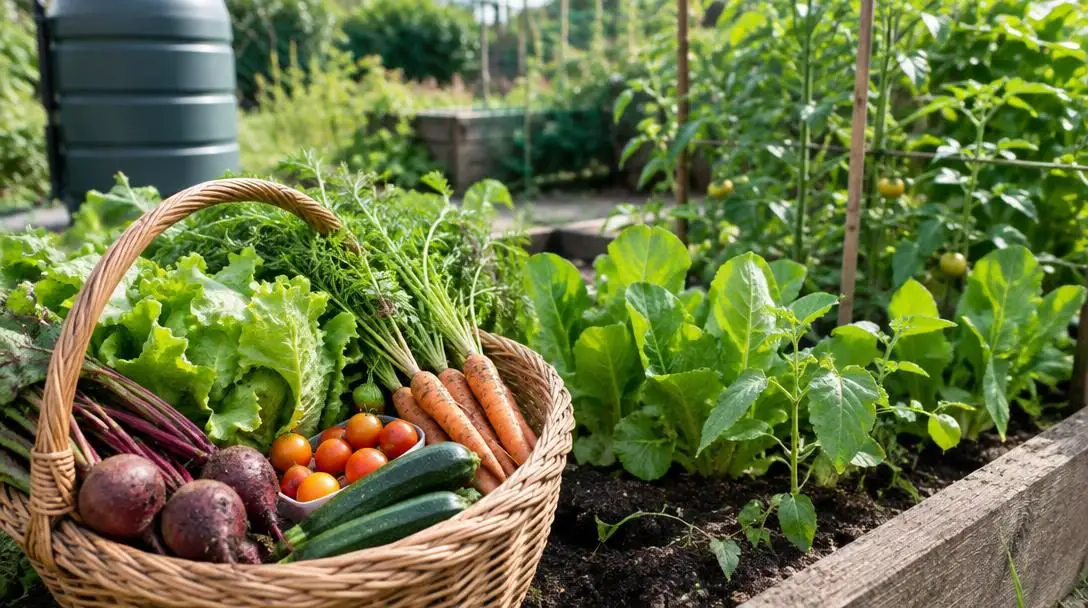
Home food cultivation adapts readily to almost any setting, from sprawling rural acreages and suburban raised beds to compact urban balconies and sunny indoor windowsills. Approaching home gardening through the lens of self-reliance fundamentally transforms how a household manages its resources. Everyday organic waste becomes rich soil nourishment, planting schedules align with realistic culinary routines, and seasonal bumper harvests are preserved rather than lost to spoilage.
Key takeaways
- Home food production protects household nutrition against global supply chain disruptions, soaring grocery costs, and unexpected market shortages.
- Building a homemade organic fertilizer bucket recycles kitchen scraps and yard trimmings into vital soil nutrients without synthetic chemicals.
- Limiting garden crops to varieties your household routinely consumes prevents unnecessary harvest spoilage and saves valuable labor.
- Investing in a greenhouse establishes a temperature-controlled microclimate that shields crops and extends growing potential throughout the year.
- Canning and jarring surpluses into shelf-stable spreads, jams, and salsas ensures dependable food security during lean winter seasons.
Understanding the Pillars of Food Security
Modern food logistics depend on interconnected international systems that function remarkably well under ideal conditions but stumble when exposed to sudden external shocks. When extreme weather events, broad economic swings, or public health emergencies intervene, retail supply chains experience freight bottlenecks, cost spikes, and bare shelves. Fresh, nutrient-dense produce is frequently the first category to suffer price volatility or distribution delays. Addressing these vulnerabilities requires understanding the core framework of food security, which relies on three fundamental pillars.
Availability
Availability represents the baseline requirement that an adequate supply of fresh, nourishing produce is consistently accessible where people live. When relying entirely on corporate grocery logistics, availability is subject to long-distance freight schedules, fuel prices, and regional warehouse inventories. In a home food garden, availability becomes immediate and reliable. Walking steps into the yard or onto a balcony to pick fresh greens bypasses commercial distribution networks entirely.
Affordability
Affordability focuses on securing reliable nutrition without exposing households to unsustainable financial strain or retail price gouging. Commercial produce prices fluctuate wildly based on distribution costs and seasonal availability, frequently making fresh vegetables and berries expensive luxury items. Growing produce at home mitigates these price pressures, turning small seed purchases and recycled compost into pounds of cost-free, high-grade nutrition.
Long-term Sustainability
Long-term sustainability requires cultivating food using restorative ecological methods that protect soil vitality rather than exhausting local resources. Industrial agriculture often depends on heavy synthetic fertilizers, chemical pesticides, and energy-intensive transit. By contrast, domestic gardening allows growers to manage soil biologically, eliminate harmful chemical runoff, and build a food production system that endures indefinitely.
| Pillar | Primary Objective | Commercial Vulnerability | Home Garden Solution |
|---|---|---|---|
| Availability | Consistent physical access to fresh, nutrient-dense produce. | Freight bottlenecks, transport delays, and regional grocery shortages. | Immediate doorstep harvesting from yard plots, raised beds, or containers. |
| Affordability | Nutritional access without severe household financial strain. | Retail inflation, price gouging, and fluctuating produce costs. | Minimal input costs using self-produced compost and modest seed packets. |
| Long-term Sustainability | Continuous production using restorative ecological practices. | Soil depletion, heavy synthetic chemicals, and fossil-fuel dependence. | Closed-loop biological soil management and zero-mile food production. |
Creating a Closed-Loop Fertilizer System
A resilient garden operates as a closed-loop system where biological byproducts are treated as valuable inputs rather than household trash. Every plant draws vital minerals and organic compounds from the soil as it develops flowers, foliage, and fruit. If those inputs are not continuously replenished, yields decline, plant defenses weaken, and future crops suffer from stunted growth and bland flavors. While routine soil amendments solve this depletion, commercial store-bought products carry serious drawbacks, often containing synthetic chemicals that disrupt native soil microbiology.
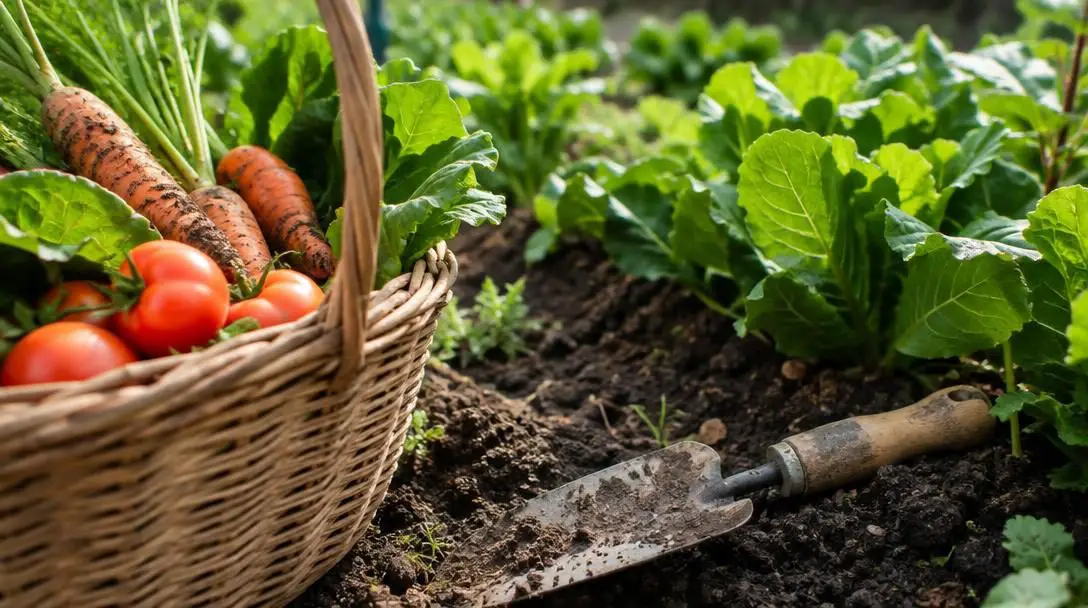
A far superior and economical solution is making your own homemade fertilizer bucket using household materials that would otherwise end up in the municipal garbage. A balanced biological mixture relies on three primary categories of organic waste:
- Kitchen scraps: Crushed egg shells, used coffee grounds, and raw fruit and vegetable peels that provide calcium, nitrogen, and trace elements.
- Yard materials: Fresh grass clippings, fallen leaves, and shredded small twigs that balance moisture, carbon, and aeration.
- Garden residues: Spent plant trimmings, pruned foliage, and non-diseased pulled vines that recycle previous garden growth.
Over time, microorganisms break down this mixture, transforming organic refuse into biologically active nourishment. Introducing this homemade decomposed matter into your soil directly improves the size, vibrant color, and flavor profile of homegrown produce. Embracing a closed-loop garden means viewing everyday household waste as an essential asset, eliminating commercial fertilizer bills while diverting heavy organic mass away from local landfills.
Maximizing Efficiency: Grow What You Will Eat
A classic pitfall among new growers is confusing seed diversity with genuine food security. The age-old adage waste not, want not remains true: avoiding unnecessary waste leads to greater contentment and lower household expenses. Wastefulness is often simply the product of poor planning or lack of knowledge regarding resource management. Garden space, irrigation water, and personal labor are finite resources that must be directed toward productive outcomes.
Planting large sections of your garden with crops your family dislikes simply because the seeds were cheap, accessible, or quick to sprout creates artificial abundance. These unwanted plants inevitably end up rotting in garden beds or filling trash bins. To build a practical food reserve, plan your beds deliberately around your household's actual culinary habits and consumption patterns. If your family eats leafy salads, garlic, and paste tomatoes weekly, prioritize those crops over novel varieties that hold little everyday kitchen appeal.
Extending the Growing Season with a Greenhouse
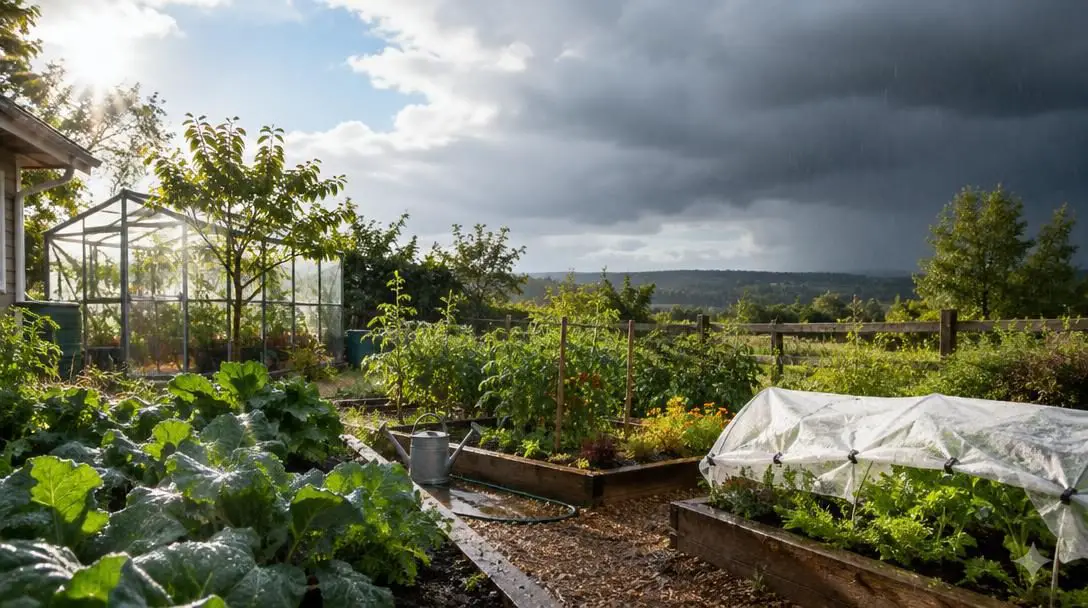
Outdoor cultivation leaves crops exposed to the unpredictable whims of nature. Late spring freezes, sudden autumn cold snaps, driving storms, midsummer heatwaves, and local pests can decimate months of garden labor in a single afternoon. If you intend to harvest food reliably irrespective of fluctuating outdoor weather, a greenhouse is one of the most effective investments you can make.
A greenhouse transforms seasonal gardening into an uninterrupted, year-round harvest cycle by shielding fragile crops from unpredictable outdoor weather.
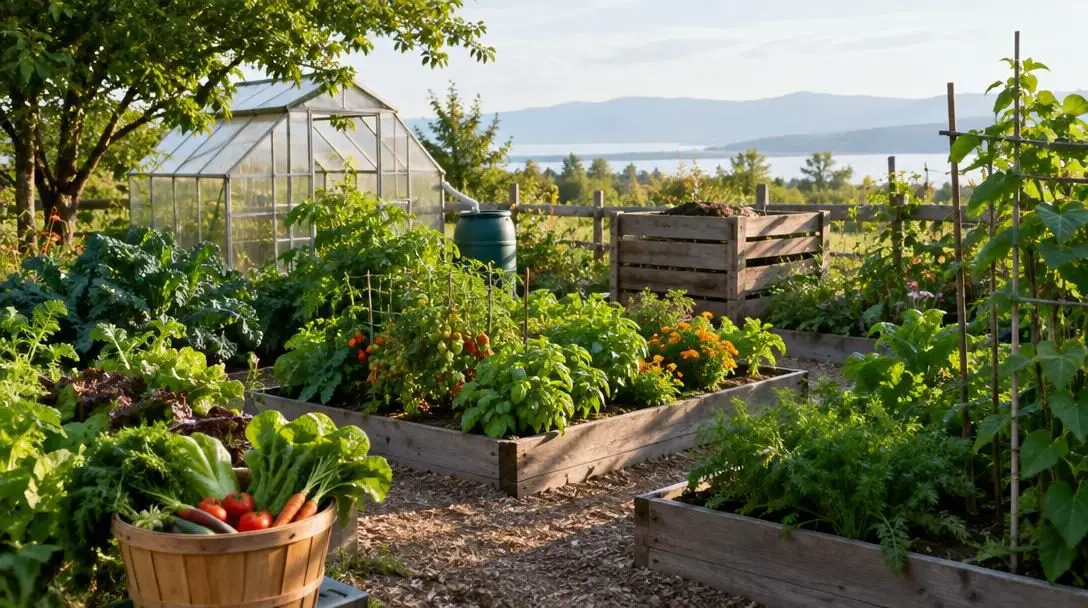
Greenhouses operate by collecting and trapping solar energy, blocking harsh winds, and stabilizing temperatures within an enclosed microclimate. This protection allows gardeners to start seedlings weeks ahead of seasonal outdoor planting windows and sustain productive growth long after the first killing frost of autumn has arrived. Greenhouses serve as plant propagation centers, cold-frame shelters for cool-season crops, and season-long protective sanctuaries for heat-loving vegetables.
Options exist across a broad price spectrum. Gardeners can spend a few hundred dollars for simple DIY hoop tunnels and walk-in plastic structures, or invest several thousand dollars for permanent, glazed glass installations. Selecting an option tailored to your space and financial budget eliminates seasonal downtime and keeps your household supplied with fresh produce across twelve months.
Preserving the Surplus: Jarring and Canning
A thriving garden rarely produces food in tidy, single-meal increments. Peak summer warmth frequently triggers massive harvest gluts, leaving gardeners with pounds of ripe produce simultaneously. While fresh produce is best enjoyed right after picking or cooked into daily meals, allowing excess vegetables and fruits to decay on the plant runs counter to self-reliance. Home canning and jarring provide a safe, straightforward way to lock in garden nutrition and ensure food availability during winter months or commercial supply disruptions.
Savory Preserves
Savory preserving methods transform surplus tomatoes, peppers, and aromatics into versatile staples like garden salsas, vegetable purees, and relish spreads. These preserves concentrate summer flavors and serve as ready-to-use bases for hearty winter soups, stews, and casseroles.
Fruit Preserves
Fruit harvests often ripen in concentrated bursts that overwhelm daily consumption. Boiling and processing these harvests creates shelf-stable berry jams, fruit jellies, and fruit butters that retain bright flavors and sweeten household pantries for months without requiring freezer space.
Culinary Toppings
Pickling excess cucumbers, green beans, and root vegetables produces tangy culinary toppings, specialized spreads, and concentrated sauces. Pickling utilizes natural acidity and brine solutions to maintain crisp textures and prevent bacterial decay.
Step-by-Step Guide to Establishing Your Garden
- Evaluate your physical space: Measure your available sunlight and spatial parameters, determining whether your garden will live in traditional rows, raised beds, or patio containers.
- Audit household produce consumption: List the vegetables, fruits, and culinary herbs your family eats regularly to design a purposeful planting layout.
- Build a fertilizer collection bucket: Set aside a ventilated bucket to collect kitchen vegetable peels, egg shells, coffee grounds, and yard trimmings for ongoing decomposition.
- Enrich your growing medium: Blend finished, decomposed homemade compost into your beds or potting soil to improve moisture retention, root development, and fruit flavor.
- Install protective growing structures: Choose and assemble a greenhouse or protective tunnel suited to your budget and seasonal climate goals.
- Cycle plant matter systematically: Prune dead foliage, pulled roots, and spent stems regularly, returning clean organic waste into your decomposition bucket to complete the nutrient loop.
- Harvest continuously at peak maturity: Pick vegetables when ripe for immediate culinary use, distribute excess to nearby friends, and prep remaining quantities for preservation.
- Can and jar seasonal surpluses: Follow safe, research-backed canning recipes to process excess produce into stable jars of salsas, jams, jellies, and fruit butters.
Mistakes to Avoid for Long-Term Food Security
Sustaining a productive food-producing garden involves navigating common pitfalls that undermine efficiency. Being mindful of these common missteps will keep your growing efforts productive, cost-effective, and waste-free:
- Cultivating low-utility crops: Planting vegetables purely for visual novelty or rapid growth, only to find no one in your household wishes to eat them.
- Purchasing synthetic chemical fertilizers: Spending money on store-bought blends that introduce harsh chemicals instead of utilizing free, nutrient-dense organic household scraps.
- Throwing kitchen scraps in the trash: Diverting nitrogen- and mineral-rich food remnants such as coffee grounds and egg shells into municipal landfills instead of recycling them into fertilizer.
- Leaving crops unprotected: Leaving plants vulnerable to abrupt late freezes, excessive wind, or intense weather swings instead of sheltering them under a greenhouse structure.
- Allowing bumper harvests to rot: Failing to prepare canning jars and supplies ahead of harvest season, causing extra produce to spoil on the counter.
- Ignoring canning safety guidelines: Attempting to preserve food without reviewing verified preservation methods, processing times, and acidity standards.
Frequently asked questions
Do I need a large yard to grow enough food to make a difference?
No, you do not need acres of farmland. Food security begins with scalable production; compact areas such as balconies, small patios, and windowsills can support productive containers of tomatoes, salad greens, radishes, and fresh herbs that noticeably offset weekly grocery purchases.
What items should I put in a homemade fertilizer bucket?
A balanced homemade fertilizer bucket utilizes clean kitchen scraps like crushed egg shells, coffee grounds, and fruit and vegetable peels, mixed with yard materials such as grass clippings, dried leaves, and small shredded twigs.
Why is a greenhouse recommended over simple open-air gardening?
A greenhouse provides a stable, temperature-controlled environment that shields fragile crops from heavy wind, storms, pests, and unexpected frost. It significantly extends the spring and autumn growing windows, allowing for more consistent harvest production throughout the calendar year.
How does home canning support household food security?
Canning and jarring capture surplus peak-season harvests and convert them into shelf-stable foods such as jams, jellies, salsas, and fruit butters. This locks in valuable produce nutrients and ensures your household has access to homegrown meals when garden beds are dormant.
What should I do if my garden produces more food than my family can eat or can?
Sharing surplus crops with friends, extended family, and local neighbors is an ideal solution. Distributing excess fresh food prevents waste, builds goodwill, and strengthens reciprocal relationships across your local community.
The bottom line
Cultivating personal food security does not require large-scale commercial farming or advanced agricultural machinery. It begins with the practical decision to manage household resources responsibly, understand the food your family consumes, and recycle organic materials rather than throwing them away. By creating your own chemical-free fertilizer from kitchen scraps, matching your crop choices to actual eating habits, investing in season-extending greenhouse shelter, and canning surplus harvests for the pantry, you build a resilient, closed-loop food system right at home.