How to Care for Your Garden in Extreme Weather Conditions
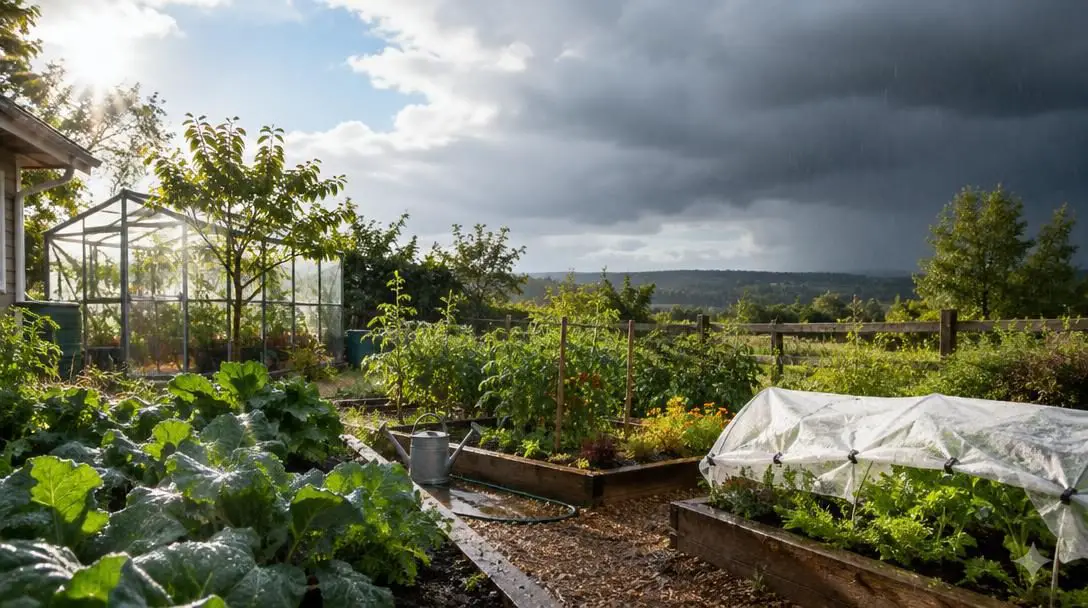
Most gardeners dream of tending an outdoor space blessed with a permanently gentle climate. The reality is that only a limited amount of land occupies regions that never experience severe environmental shifts. Across most of the world, outdoor growing spaces routinely encounter intense disruptions, ranging from violent storms, tornadoes, and blizzards to blistering heat waves and prolonged droughts. Living in an area prone to severe weather does not mean an outdoor space cannot flourish. With a structured approach and practical adjustments, you can maintain a vibrant landscape regardless of the harsh conditions each season brings.
Gardening successfully through severe weather requires recognizing that nature operates in cycles of severity. High winds, freezing air, torrential downpours, and scorching sunlight can compromise plant cellular structures, strip soil of nutrients, or physically break delicate stems. By shifting your mindset from passive maintenance to proactive protection, you can build resilience across all your garden beds and container displays. Understanding how external pressures interact with plant biology enables you to intervene effectively before unexpected weather leads to permanent plant death.
Key takeaways
- Severe weather threatens garden plants by damaging cellular structures, stripping topsoil, breaking stems, and suffocating or parching root networks.
- Proactive physical defenses—such as deep mulching, sturdy staking, and breathable shade cloths—create reliable thermal and mechanical buffers.
- Light-colored containers and protective covers reflect excess solar radiation, keeping root systems from overheating during summer heat spikes.
- Dynamic, weather-conscious watering prevents the dual hazards of root rot during storms and shallow dehydration during droughts.
- Controlled greenhouses and indoor relocation offer dependable sanctuaries for vulnerable plants when outdoor conditions turn catastrophic.
How Severe Weather Impacts Plant Systems
To implement protective measures effectively, it helps to understand the underlying mechanics of how harsh environmental extremes threaten your garden. In general, outdoor plants struggle when sudden temperature swings, excess moisture, intense radiation, or structural strains overwhelm their ability to regulate fluid exchange and maintain upright balance. Cellular respiration and transpiration are finely tuned biological processes that require stable conditions to operate smoothly.
During freezing episodes or blizzards, frigid air pushes down through unprotected topsoil, reaching root zones. When roots freeze, their vascular pathways shut down, rendering the plant incapable of drawing up sustenance once temperatures rise again. Ice crystals can form within plant cell walls, causing them to rupture and resulting in blackened, limp foliage when the thaw arrives.
Understanding how external forces disrupt root biology and moisture balance is the key to stopping severe weather before it causes permanent loss.
Conversely, during heat waves and droughts, the rate of evaporation accelerates drastically. Shallow moisture rapidly evaporates, leaving root tips parched and leaves scorched under excessive solar radiation. When ambient heat exceeds what a plant's vascular system can cool via natural transpiration, leaves crisp along the margins, drop prematurely, or curl inward in an effort to conserve cellular fluids.
Intense storms combine mechanical strain with water saturation. High winds bend flexible stems and snap top-heavy branches, while torrential downpours rapidly displace loose soil and flood root beds. If soil lacks sufficient drainage, water saturates the pore spaces between earth particles, essentially suffocating the root system by drowning out the plant. Simple adjustments like surface barriers, support structures, and thermal buffers directly counter these destructive forces.
Core Strategies for Weather-Resilient Gardens
Protecting a garden from climate extremes does not require an endless budget or rare materials. Instead, it relies on utilizing proven accessories, modifying daily habits, and establishing supportive physical structures across diverse environmental hazards.
Support with Stakes
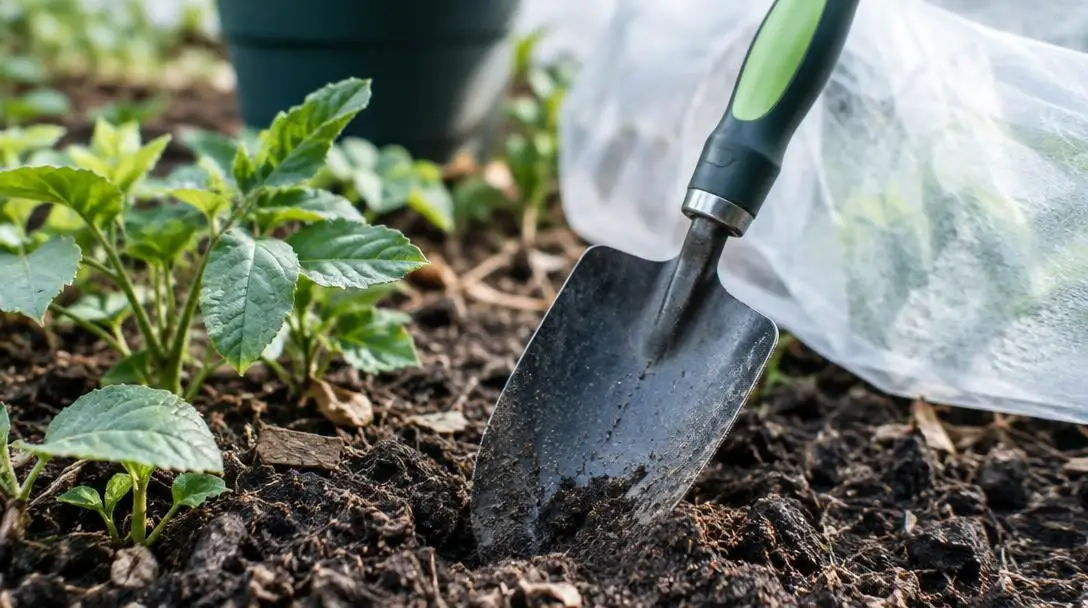
Garden stakes offer utility far beyond labeling the variety and placement of specific plantings. When severe weather hits, stakes serve as vital support pillars for weak, delicate, or top-heavy plants. By anchoring main stems securely, stakes keep your vegetation from bending or snapping during intense bouts of wind and heavy rain. Using stakes effectively accomplishes two tasks at once: keeping garden rows neatly identified and preserving physical plant stability when the weather turns rough.
Apply Protective Mulch
Spreading mulch around your plant beds creates a necessary buffer against fluctuating outdoor temperatures and unstable moisture levels. In cold seasons, distributing mulch helps prevent frigid air from reaching vulnerable root systems, a condition that could otherwise cause severe plant death. In times of hot, dry weather, this same mulch layer locks in essential moisture after watering, keeping plants thoroughly hydrated and shielded from decline. Additionally, a sturdy layer of mulch acts as a barrier that prevents soil disruption and keeps plants from being drowned out or washed away by powerful storms.
Practice Weather-Conscious Watering
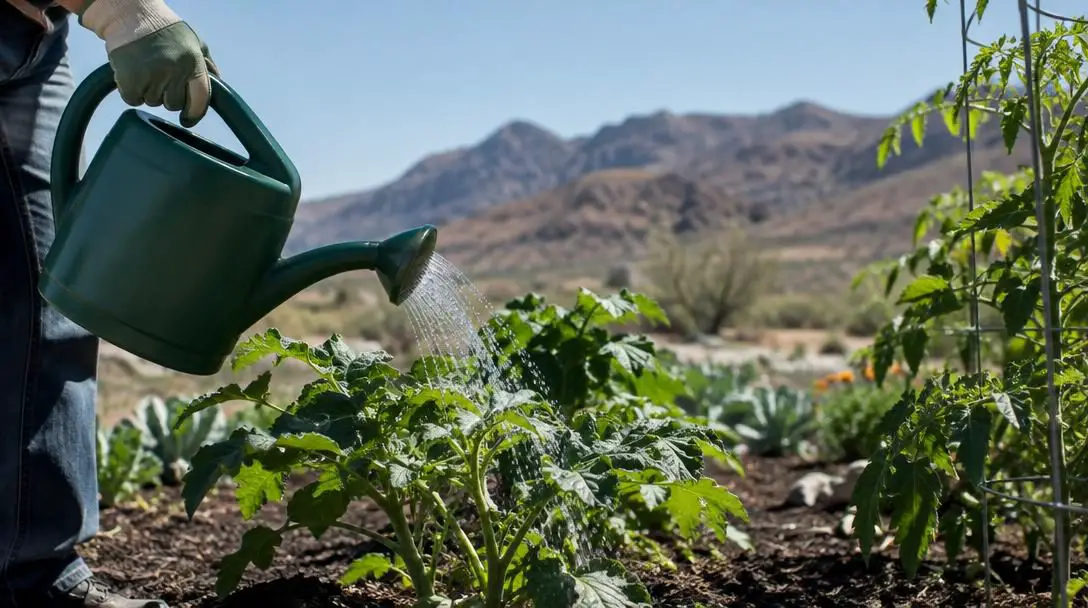
Hydration must be adjusted dynamically based on prevailing atmospheric patterns. Maintaining healthy plants requires caution and consistent weather awareness rather than following a rigid calendar. Keep close track of your local weekly forecast before reaching for the hose. If meteorologists call for a torrential downpour, skip manual watering and let nature handle the hydration. Conversely, if your region runs into extra dry and hot weather, adjust by watering more deeply and thoroughly so moisture penetrates down to root depth before surface evaporation occurs.
Select Light-Colored Containers
Color choice plays a significant physical role in heat absorption. Dark-colored materials naturally attract and retain high levels of heat, which can cook delicate root networks resting inside pots. During warmer months, avoid using dark-colored planters and yard accessories. If severe weather requires you to cover vulnerable outdoor plants temporarily with inverted pots or external coverings, ensure you select light-colored covers to reflect excess heat rather than trap it against foliage.
Bring Vulnerable Pots Indoors
When outdoor conditions turn hostile enough to endanger container specimens, bringing them inside provides an immediate and straightforward safeguard. While relocating heavy pots back and forth can feel like a chore, moving them indoors protects sensitive leaves and roots from devastating winds, frosts, or extreme thermal shifts. Prioritize having adequate interior floor space, sufficient ambient sunlight, and clean planters ready to ensure plants continue to thrive while sheltering inside.
Utilize Specialized Shade Cloths
Direct sun during intense heat spikes can quickly singe plant tissues. Shade cloths are affordable, versatile tools designed to soften this environmental impact. Available in numerous colors, fabric densities, and physical dimensions, shade cloths allow you to tailor the specific level of coverage to your garden's exact needs. By filtering varying degrees of sun, heat, and harsh elements, shade cloths serve as an indispensable line of defense against summer stress.
Invest in a Controlled Greenhouse
For growers looking to sidestep the hassle of repeatedly hauling plants indoors, a greenhouse offers a dependable sanctuary. While building or acquiring a greenhouse can cost a pretty penny, the structure delivers an unmatched level of safety and comprehensive environmental regulation. When outfitted with appropriate equipment, greenhouses allow gardeners to bypass harsh outdoor extremes altogether, maintaining fresh produce and thriving plants year-round.
Ensure Adequate Soil Drainage
Proper water flow away from root zones is fundamental to plant health. Without adequate drainage, soil becomes waterlogged, causing plants to bog down and drown. To regulate water absorption and prevent moisture overaccumulation, you can source specialized drainage devices, permeable planters, gravel, and porous soil online. These additions help balance moisture levels so that roots absorb what they need without sitting in stagnant runoff.
Weather Hazards and Protective Solutions
Different climate events demand distinct physical interventions. Evaluating your garden's vulnerability across changing seasons allows you to deploy the proper protective accessories before conditions turn hazardous.
| Severe Weather Event | Primary Risk to Plants | Recommended Defensive Strategy | Key Tools and Materials |
|---|---|---|---|
| Blizzards & Freezes | Root death from frozen soil; vascular shutdown | Thermal root insulation and indoor relocation | Deep mulch, permeable ground covers, indoor space |
| Heat Waves & Drought | Leaf scorching; rapid topsoil evaporation; root baking | Solar filtration, deep watering, heat reflection | Shade cloths, light-colored pots, organic mulch |
| High Winds & Storms | Snapped stems; dislodged roots; physical breakage | Mechanical stabilization and physical anchoring | Support stakes, soft ties, windbreaks |
| Torrential Downpours | Root suffocation; topsoil erosion; fungal rot | Accelerating water outflow and runoff management | Gravel layers, drainage devices, porous soil mixes |
Practical Steps to Prepare Your Garden Before Extreme Events
Protecting your garden requires clear, organized action before the weather turns dangerous. Rushing outdoors in the middle of a storm or during peak midday heat is inefficient and often ineffective. Following a logical preparation sequence allows you to safeguard your landscape smoothly.
- Review the upcoming forecast: Establish the habit of reviewing your weekly weather forecast every few days. Look specifically for sudden temperature drops, periods of high heat, or alerts for high wind and heavy rainfall.
- Inspect and tie off stakes: Walk through your garden beds to locate young, weak, or top-heavy specimens. Drive sturdy stakes into the soil alongside these plants, fastening stems carefully with soft ties to brace them against approaching windstorms.
- Replenish soil top dressing: Check your mulch distribution across all open beds. Spread an even layer around the base of your plants to insulate the underlying roots from freezing air or hot sun, making sure not to pile material tightly against woody stems.
- Incorporate drainage materials: For plants in containers or poorly draining garden sections, integrate loose gravel or permeable soil mixes to ease water movement. Verify that all container bases feature working drainage openings so excess storm runoff can exit unimpeded.
- Set up protective coverings: If heavy sunshine or excessive heat is predicted, erect shade cloths over exposed rows using appropriate cloth densities. If hail, light frost, or heavy wind threatens small plants, place light-colored pots or shelters over them securely.
- Stage containers for relocation: If storms, tornadoes, or blizzards are imminent, clear dedicated indoor staging areas near bright windows. Bring vulnerable, portable container plants inside your home to shield them from destructive outdoor pressures.
Common Mistakes to Avoid in Extreme Weather
Even well-intentioned gardeners can inadvertently expose their plants to additional stress during harsh seasons by overlooking fundamental rules of plant care. Avoiding these frequent missteps will significantly improve your garden's survival rate.
- Watering on a fixed schedule: Sticking to a rigid watering routine without checking atmospheric conditions is dangerous. Drenching plants right before a natural downpour saturates the soil completely, drowning roots. On the other hand, applying only a quick, light splash during hot, dry spells leaves deeper root zones parched because surface water evaporates immediately. Always adjust the depth and timing of your watering based on the weather report.
- Using dark pots in direct summer sunlight: Placing dark containers in exposed, sunny areas causes pots to absorb and trap excessive heat, transferring dangerous temperatures directly to root systems. Opt exclusively for light-colored planters during hot stretches to keep root zones cool.
- Using inadequate or dark overheads: Throwing dark-colored buckets or heavy blankets directly over plants in hot weather will cook the foliage underneath. When sheltering plants, always use light-colored coverings or breathable shade cloths designed to temper heat rather than concentrate it.
- Ignoring soil drainage needs: Believing that more water is always beneficial leads directly to root rot. Failing to utilize drainage devices, gravel layers, and well-aerated soil blends causes water to pool during prolonged downpours, ultimately killing vulnerable plantings.
- Forgetting indoor lighting and spacing: Moving pots inside without planning where they will sit can create new problems. Packing plants into cramped, dark corners where they lack light will cause them to wither indoors just as surely as severe outdoor weather would have damaged them outside.
Frequently asked questions
How does extreme cold kill garden plants?
During freezing episodes or blizzards, cold air penetrates unprotected topsoil and reaches the root zone. When root networks freeze, their vascular pathways shut down completely, making it impossible for the plant to draw up water and nutrients once warmer temperatures return.
Why should I avoid using dark-colored pots in the summer?
Dark materials absorb and hold significant amounts of solar heat. In hot weather, dark planters transfer this intense heat directly into the potting soil, effectively cooking delicate root networks and causing severe moisture stress.
When should I choose shade cloth over a solid cover?
Shade cloth is ideal during periods of intense sunlight and high heat because it filters excess solar radiation while maintaining airflow. Solid covers trap heat and block ventilation, making them unsuitable for daytime heat protection unless they are light-colored and used strictly for brief physical shelter.
How does mulch protect plants during both freezing weather and heat waves?
Mulch acts as a thermal buffer. In cold weather, it insulates the soil against frigid drafts that would otherwise freeze roots. During hot weather, the mulch layer shades the ground, reducing soil surface evaporation and locking in moisture from irrigation.
What are the main signs that soil drainage is inadequate during heavy downpours?
Inadequate drainage causes water to pool on the soil surface long after rain stops, saturating air spaces between soil particles. When roots sit submerged in stagnant water without oxygen, plants display wilting foliage, yellowing leaves, and eventual root rot.
The bottom line
Weather extremes are an inescapable reality for outdoor gardening, but environmental challenges do not have to dictate the health and longevity of your landscape. By pairing physical support mechanisms with thermal insulation and moisture regulation, you can build a resilient outdoor sanctuary capable of withstanding unexpected atmospheric shifts.
Success lies in proactive preparation rather than reactive salvage. Monitoring local forecasts, choosing reflective light-colored equipment, tailoring hydration routines to natural precipitation, and utilizing shade cloths or indoor shelter during peak emergencies ensure that your plants remain balanced, hydrated, and anchored through every season.