The Best Flowers for Attracting Bees and Other Pollinators
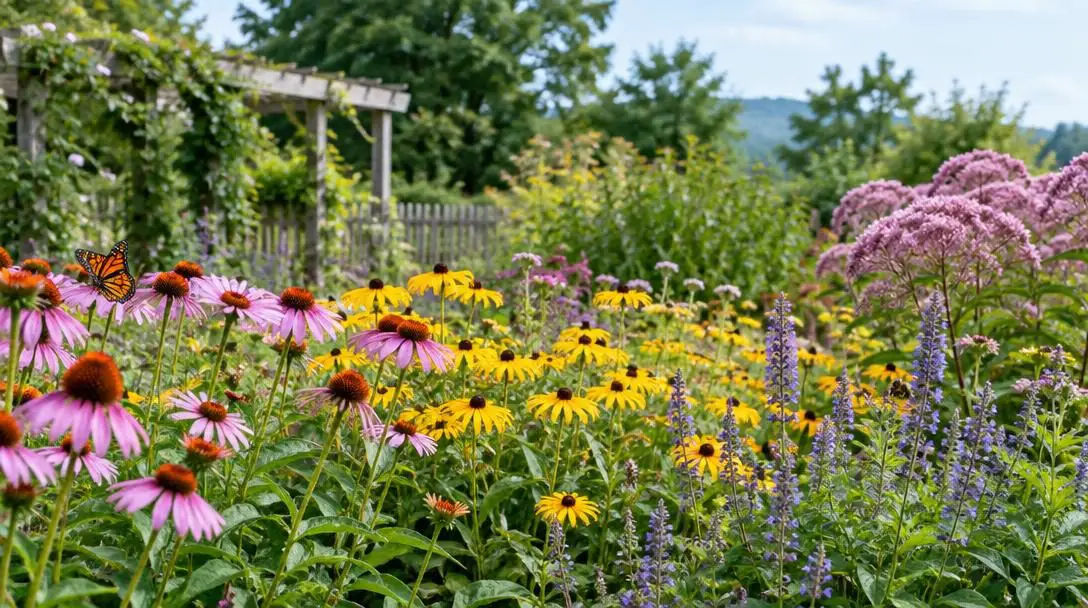
Gardening provides an unparalleled opportunity to appreciate vibrant natural aesthetics, sweet perfumes, and the dynamic life cycles of outdoor spaces. However, cultivating an abundance of blooms often leads to an inevitable reality: flowers attract insects, especially bees. For individuals who live with severe allergies to stings or who experience genuine fears around stinging insects, welcoming these winged visitors into the yard can feel daunting. Despite these reservations, animal pollinators serve as foundational pillars within our global ecosystem, working quietly behind the scenes to sustain terrestrial life.
More than one-third of the crops grown across the planet depend directly upon animal pollinators to produce food. Without the constant movement of insects and birds between blossoms, agricultural yields would plummet, disrupting food chains worldwide. By deliberately choosing and cultivating floral varieties that provide reliable food and sanctuary, home gardeners can actively preserve ecological health and bolster vital food security. Understanding how floral traits entice specific creatures enables anyone to build a humming, productive haven tailored precisely to their regional climate.
Key takeaways
- More than one-third of global food crops rely directly on animal pollinators for successful production.
- Pollinators require varied blossom shapes, from flat landing surfaces to deep bells and upright spikes, to accommodate their specific foraging habits.
- Matching garden selections to local climate conditions ensures healthier plants, stronger root systems, and higher nectar yields.
- Strategic plant zoning allows gardeners to support ecological health while keeping insect-heavy beds safely away from high-traffic household walkways.
The mechanics of floral attraction and pollination
Pollination operates as an elegant, mutually beneficial partnership between flowering flora and foraging wildlife. Plants generate eye-catching blossoms rich in luminous pigments, aromatic scents, and dense nutritional rewards like nectar and pollen. When insects and birds travel through a garden bed collecting sustenance, microscopic pollen grains adhere to their bodies and travel between plant reproductive structures. While several plant species retain the biological ability to self-pollinate, active visits from foraging creatures drastically accelerate fertilization, resulting in healthier, more resilient seed development and abundant fruit sets.
Different pollinators look for distinct physical traits when seeking nourishment. Honeybees, bumblebees, delicate butterflies, hovering flies, beetles, and hummingbirds all display unique foraging behaviors and physical requirements. Certain species seek out flat, expansive floral surfaces where they can linger and rest comfortably, whereas other foragers target hanging bells, spiky vertical plumes, or deep tubular corridors. By offering a diverse tapestry of blooming shapes, growth habits, and distinct colors throughout the seasons, gardeners ensure that helpful local wildlife finds continuous sustenance from spring through autumn.
While several plant species retain the biological ability to self-pollinate, active visits from foraging creatures drastically accelerate fertilization, resulting in healthier, more resilient seed development.
At a glance: Comparing pollinator-friendly flowers
Selecting the right floral varieties requires balancing the preferences of local insect species with your regional moisture levels and seasonal temperatures. The following table outlines how top pollinator plants compare across their target visitors, native environments, and distinctive structural forms.
| Flower | Primary Pollinators | Ideal Climate & Native Distribution | Distinctive Structural Feature |
|---|---|---|---|
| Sunflower | Honeybees, butterflies, hoverflies | Grown in 80+ countries; mid-U.S. plains | Broad landing disks with self-pollinating capacity |
| Lavender | Bumblebees | Dry western states; requires low humidity | Fragrant, nectar-packed purple spikes |
| Borage | Bees (account for 75% of visits) | Adaptable to all climates; Mediterranean native | Star-shaped blue flowers with fuzzy texture |
| Crocus | Honeybees | Cold winter climates; Mediterranean & Middle East | Vital early-season cup blooms in orange, cream, and yellow |
| Bee Balm | Bees of all types | Full sun; American Southwest (AZ, NM, NV, CA) | Tufted architectural blossoms rich in nectar |
| Fuchsia | Bees and hovering visitors | Cool, damp mist elevations (Andes) | Pendulous, multi-colored hanging blooms |
| Goldenrod | Bees, beetles, butterflies | Native from Great Plains to Atlantic coast | Hardy plumes suited to swamps, woods, and mountains |
| Daisy | Butterflies and bees | Found globally on every continent except Antarctica | Flat resting surface; tolerates lower direct sunlight |
| Marigold | Honeybees | Arid Southwest, Mexico, and Central America | Pest-deterrent companion plant with fiery petals |
| Liatris | Butterflies, hummingbirds, diverse bees | Humid Southeast; ranges from ND south to FL | Vertical fuzzy purple spikes; nearly year-round blooms |
Top flowers for bees and beneficial pollinators
If you want to support natural pollination cycles, choosing the right flora is the most effective place to start. The following plants stand out for their exceptional capacity to attract, nourish, and sustain beneficial insects and birds across diverse regional landscapes.
Sunflower
- Primary Visitors: Honeybees, butterflies, hoverflies
- Cultivation Range: Grown across more than 80 countries
- Key Benefit: Broad, accessible central disk supporting rapid fertilization
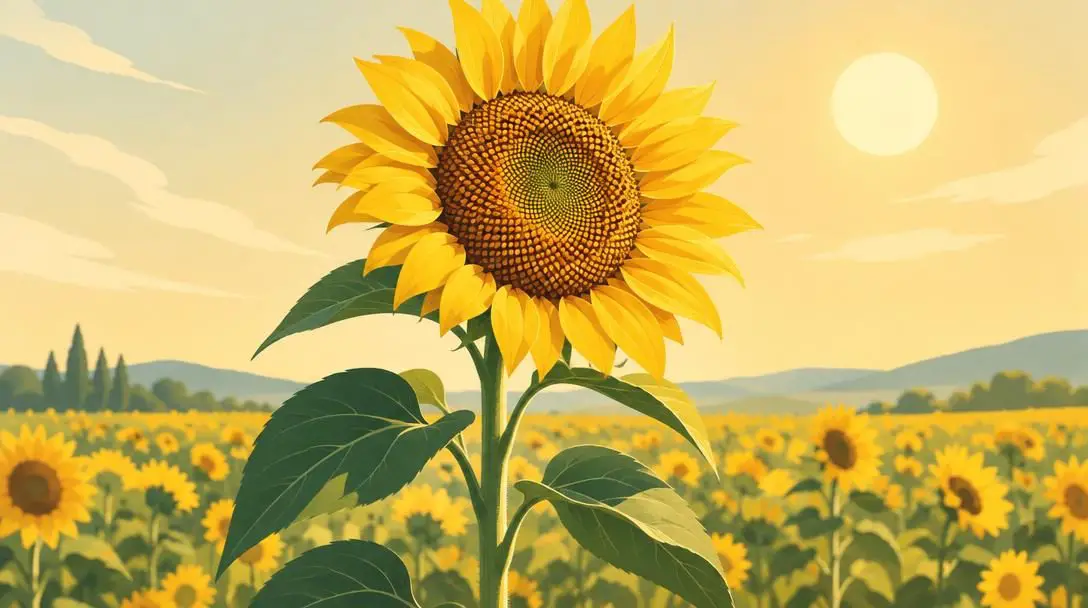
The iconic sunflower is instantly recognizable and serves as a bustling hub for visiting insects, especially honeybees. Although sunflowers possess the capacity to self-pollinate, visiting insects significantly speed up fertilization and enhance seed production. In addition to honeybees, vibrant butterflies and hoverflies frequently gather on the wide, accessible central disks of these majestic flowers, treating the dense composite flower heads as expansive feeding platforms.
Sunflowers are remarkably resilient and easy to grow, with successful cultivation documented across more than 80 countries worldwide. They feature prominently across vast agricultural expanses throughout the middle United States, where their towering stems and golden faces dominate open landscapes. Because they produce generous quantities of both pollen and nectar, planting even a modest row of sunflowers can visibly transform local insect activity.
Lavender
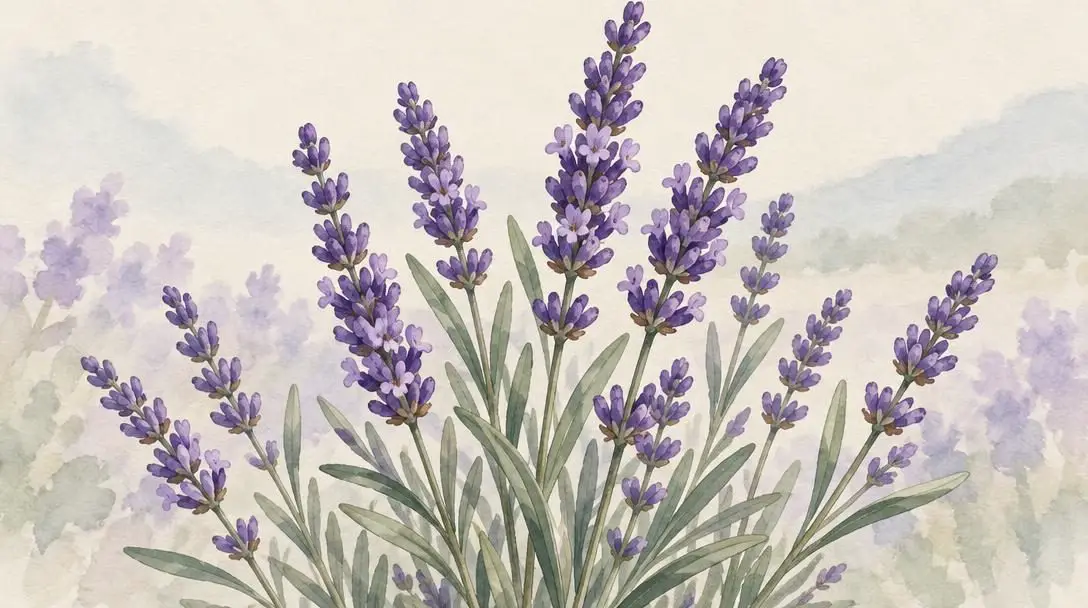
- Primary Visitors: Bumblebees
- Ideal Growing Conditions: Low humidity and well-drained soil
- U.S. Center of Cultivation: Dry western states
Bumblebees are widely regarded as a human favorite among pollinating insects due to their gentle demeanor and soft, furry appearance. Gardeners hoping to attract these gentle buzzers should prioritize planting lavender. This aromatic perennial herb produces fragrant spikes loaded with nectar that bumblebees find practically irresistible throughout its extended flowering window.
Lavender performs at its absolute peak in climates that lack humidity, requiring sharply well-drained conditions to flourish without root complications. Within the United States, lavender is most widely cultivated in dry western states where atmospheric moisture remains exceptionally low. Positioning lavender along sunny borders or rock gardens allows its aromatic foliage and purple blossoms to capture ample warmth.
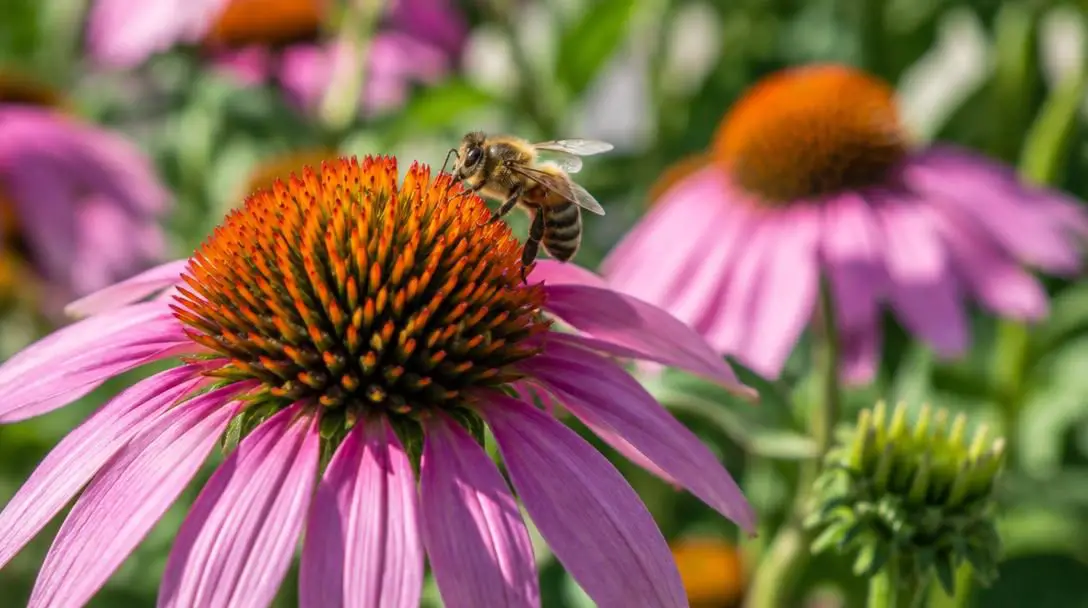
Borage
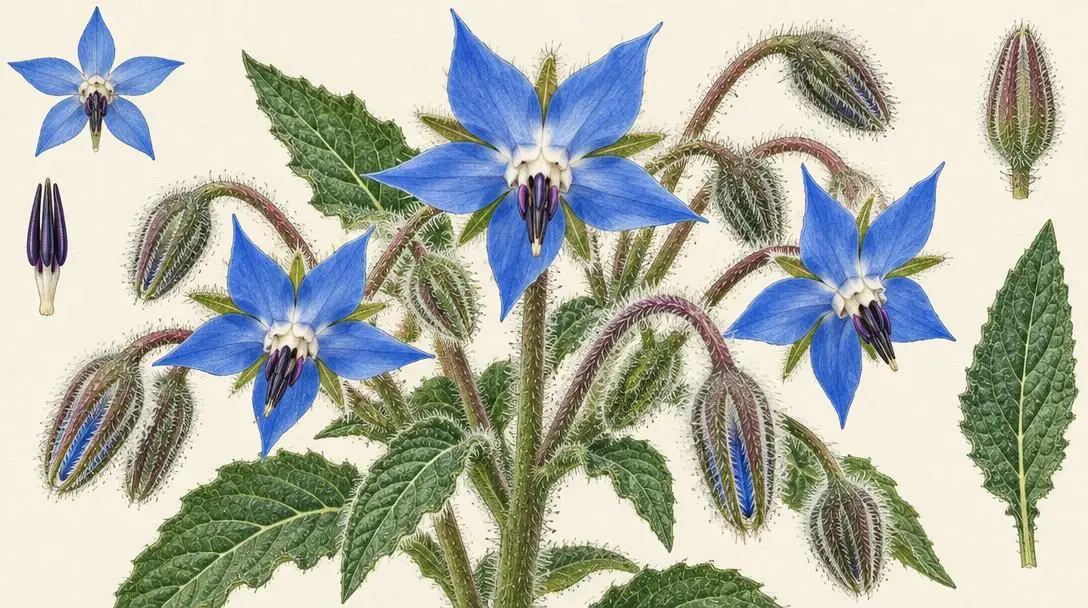
- Primary Visitors: Bees (roughly 75% of all visiting pollinators)
- Native Region: Mediterranean basin
- Visual Profile: Star-shaped blue blooms with a fuzzy surface
Borage features striking, star-shaped blue blossoms that carry a distinctive fuzzy texture often compared to a light dusting of mold. These unique blooms serve as an extraordinary draw for beneficial insects, with species of bees making up roughly three-quarters of all visiting pollinators. The plant refuels its nectar reservoirs rapidly, ensuring that foraging insects find a dependable supply of calories throughout the day.
While native to the Mediterranean region, borage demonstrates exceptional adaptability and can be grown easily in virtually any climate. Gardeners across the United States can successfully raise borage regardless of whether their local climate experiences high or low humidity levels. Its willingness to thrive in varied soils makes it one of the most reliable annual choices for quick pollinator support.
Crocus
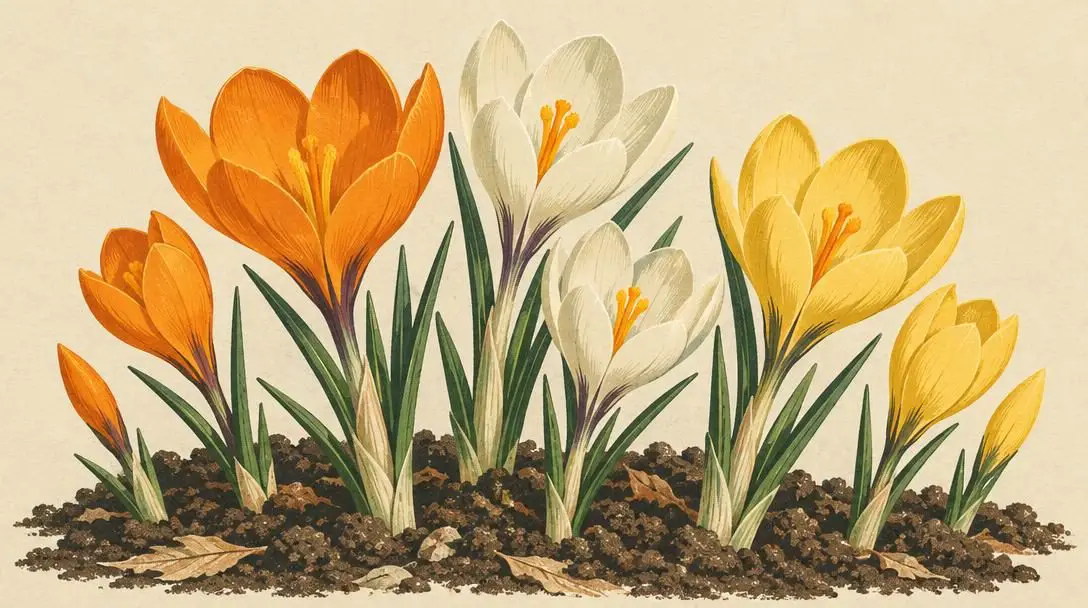
- Primary Visitors: Honeybees seeking early nourishment
- Color Range: Bright orange, soft cream, and cheerful yellow
- Peak Performance: Cold winter climates
Gardeners seeking brilliant, early-season color alongside exceptional pollinator support will find an ideal match in the crocus. Widely recognized as an essential favorite for honeybees emerging from overwintering, the crocus offers an exquisite color palette ranging through bright orange, soft cream, and cheerful yellow. When few other plants have begun to awaken, these low-growing corms push through the soil to supply critical early sugars and protein.
Native to the Mediterranean and the Middle East, crocus bulbs also perform wonderfully throughout the United States. Remarkably, regions and states characterized by colder winter climates often produce the most vigorous and impressive crocus blooms, as the chilling period encourages strong root establishment and vibrant floral pigment formation.
Bee Balm
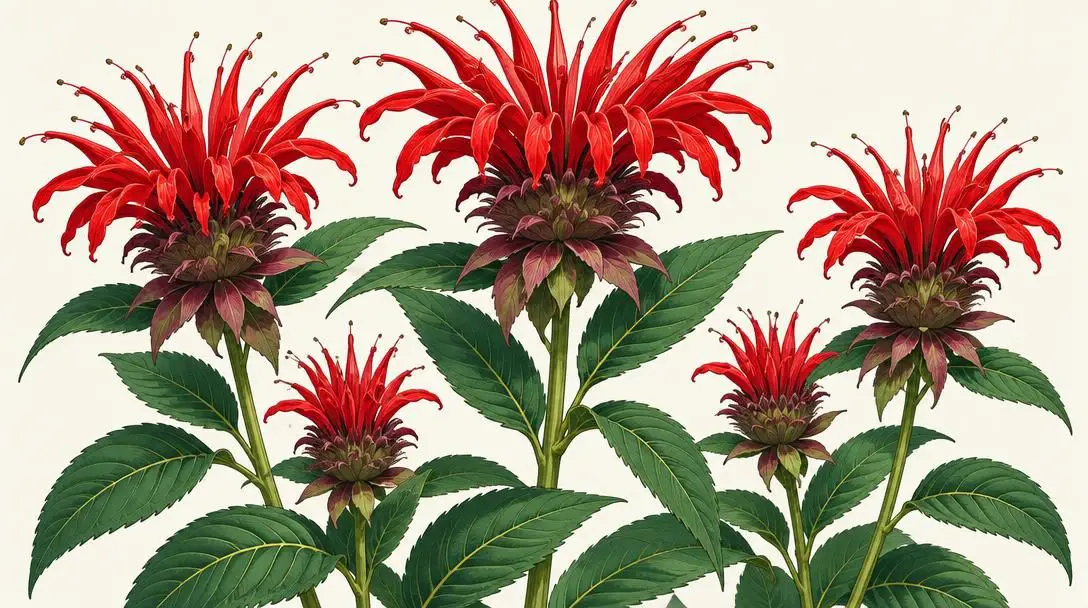
- Primary Visitors: Bees of all types
- Sunlight Requirements: Continuous, full sunshine
- Core Habitats: Arizona, New Mexico, Nevada, and California
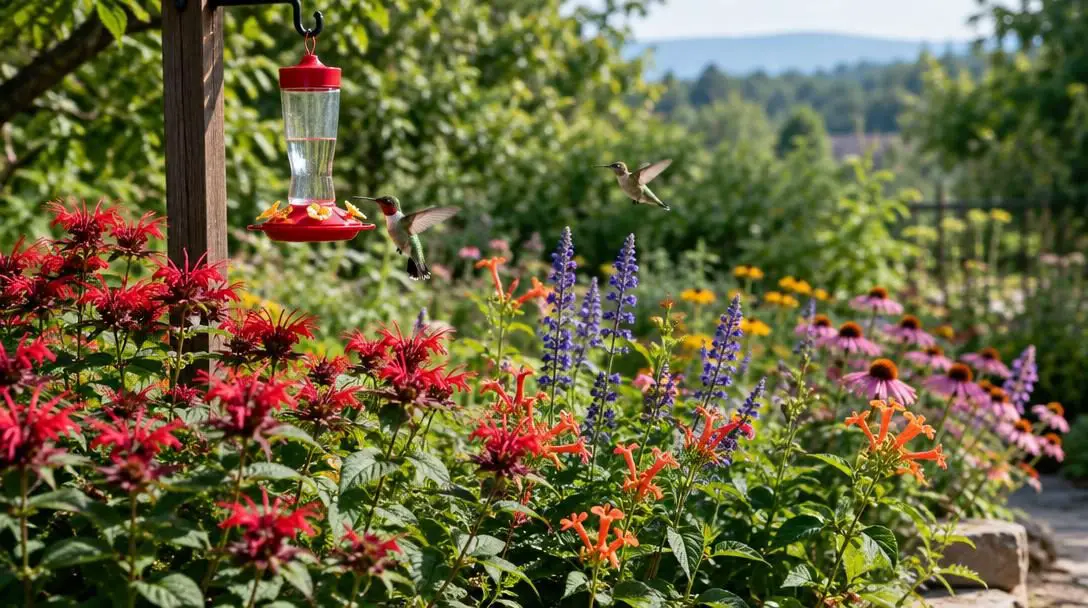
True to its descriptive common name, bee balm stands out as an irresistible lure for bees of all types. This architectural perennial features striking, tufted blossoms packed with sweet nectar, arranged in whorls that allow multiple insects to feed at the same time. The vivid crown-like florets make a commanding visual statement in any herbaceous border.
Because bee balm demands continuous, full sunshine to reach its full potential, it thrives across the southern United States, demonstrating particularly strong growth throughout the American Southwest. Naturalized stands of bee balm are especially prevalent in Arizona, with robust populations also found spanning New Mexico, Nevada, and California, where the intense sunlight fuels dense flower heads.
Fuchsia
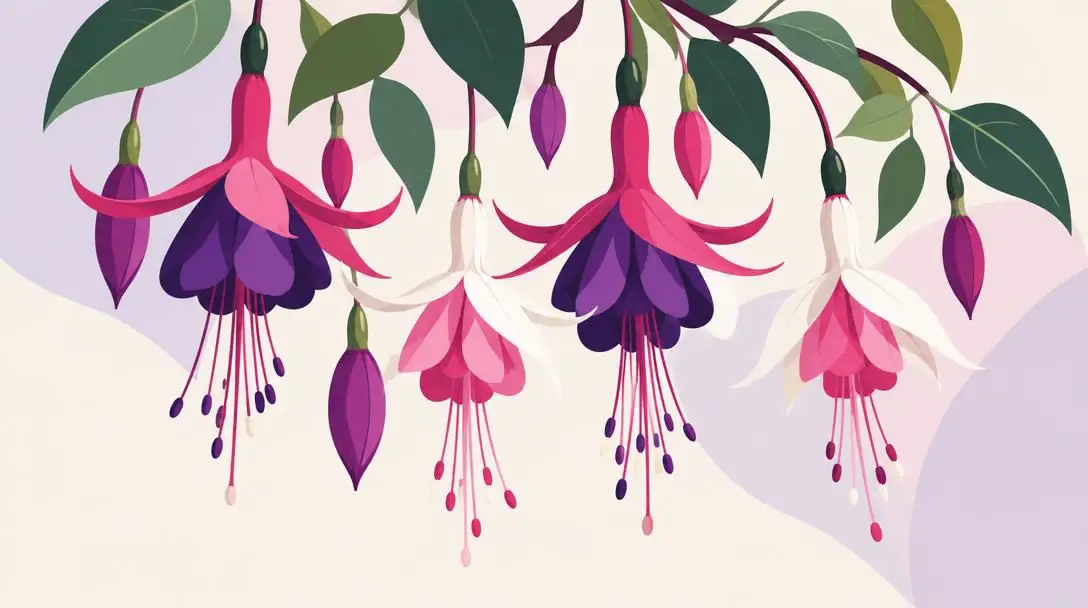
- Primary Visitors: Bees and hovering pollinators
- Native Habitat: Andes Mountains mist forests, Central & South America
- Flower Form: Pendulous bells in purple, pink, and white
Exhibiting a distinctive pendulous shape, the fuchsia is celebrated as one of the premier choices for attracting bees and other hovering visitors. Fuchsia blooms display dramatic combinations of purple, pink, and white petals that create a captivating visual statement in hanging baskets, shaded courtyards, or damp borders. The downward-facing bells require foraging visitors to approach from below, favoring agile fliers.
To find the largest natural distributions of fuchsia, one must look beyond the United States into Central and South America. In the cool, mist-shrouded elevations of the Andes Mountains, fuchsias thrive so abundantly in the damp air that they grow as prolifically as common weeds. Replicating these cool, moisture-rich conditions yields the greatest flowering success in temperate garden spaces.
Goldenrod
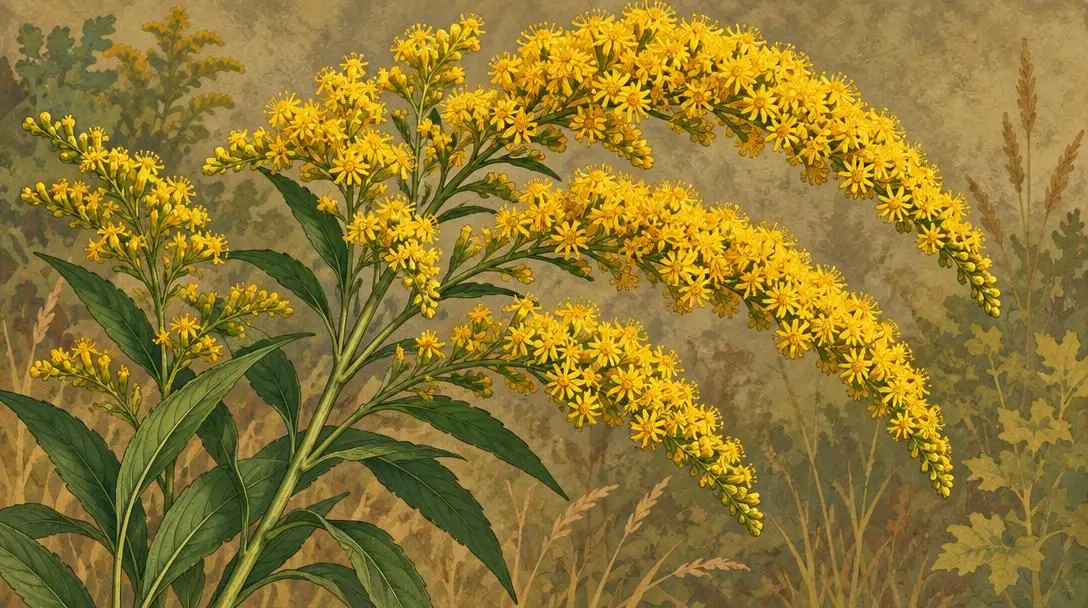
- Primary Visitors: Beetles, butterflies, and multiple bee species
- Geographic Range: Great Plains eastward to the Atlantic coast
- Favored Environments: Swamps, mountainsides, and open woodlands
Goldenrod acts as a veritable magnet for a wide variety of wildlife, drawing heavy traffic from beetles, butterflies, and multiple bee species. While exotic varieties like fuchsia require specialized microclimates, goldenrod is an abundant, hardy native presence throughout the United States. Its luminous yellow branching stems provide essential late-season sustenance when many summer-blooming perennials have faded.
Goldenrod displays its finest growth from the expansive Great Plains eastward to the Atlantic coastline, showing a notable affinity for swampy ground, rolling mountainsides, and open wooded regions. Because it tolerates moist soils as readily as rocky slopes, goldenrod is an indispensable, low-maintenance asset for naturalized meadows and wildlife corridors.
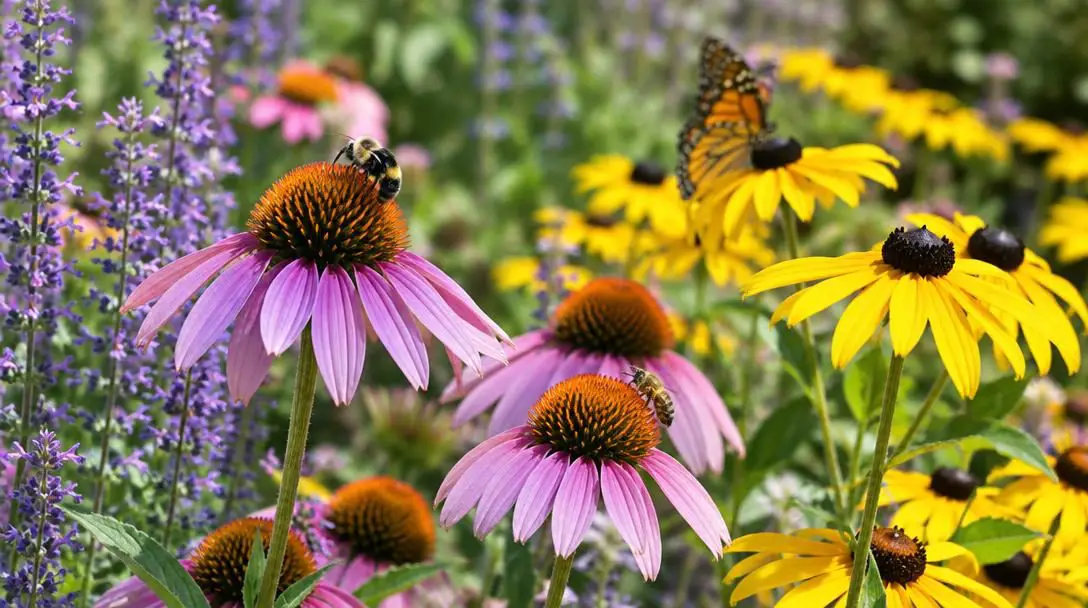
Daisy
- Primary Visitors: Butterflies and bees
- Global Reach: Native to every continent except Antarctica
- Sun Preference: Thrives in full sun but tolerates limited direct light
The timeless daisy remains a reliable staple for pollinator support, drawing steady numbers of bees while offering a comfortable, stable landing pad for butterflies that enjoy lingering on flowers for prolonged periods. The wide arrangement of ray florets surrounding a tight central disk allows insects of varying sizes to crawl easily across the bloom, sipping nectar without expending excess energy in flight.
Daisies are remarkably cosmopolitan plants, naturally found growing across every continent on the globe with the sole exception of Antarctica. While daisies prefer generous amounts of sunshine to produce their best show of petals, their hardy constitution allows them to grow successfully even in locations where direct sunlight is somewhat limited, giving gardeners tremendous flexibility.
Marigold
- Primary Visitors: Honeybees
- Color Spectrum: Rich orange, deep red, and golden yellow
- Key Function: Garden companion plant that deters harmful pests
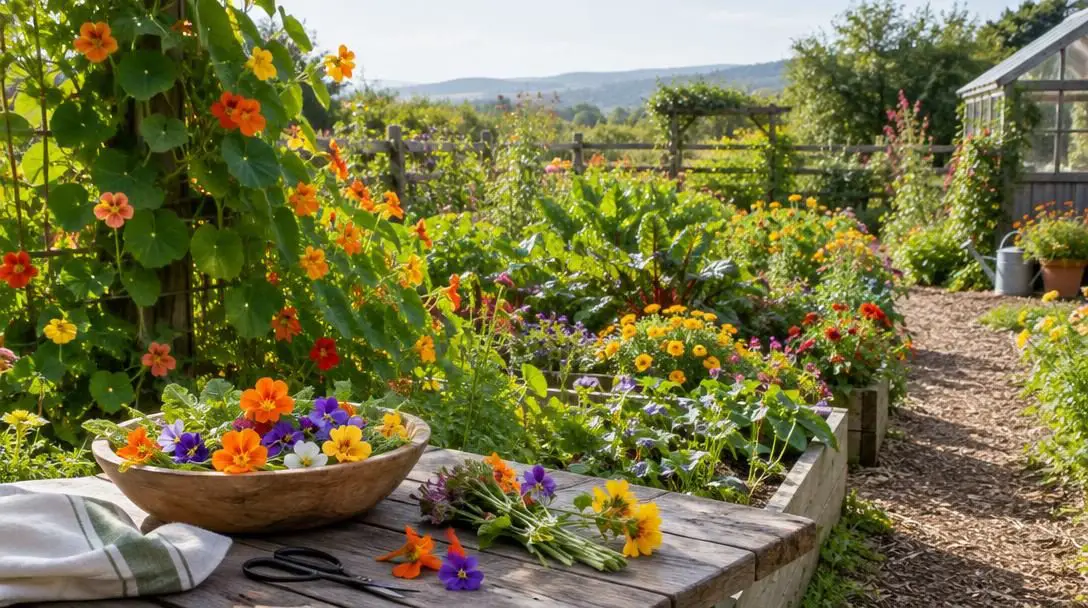
Reflecting the radiant warmth of the sun, marigolds boast fiery petals painted in rich shades of orange, deep red, and golden yellow. Honeybees flock to marigolds for their accessible pollen stores, while gardeners value them as exceptional companion plants that deter destructive garden pests when nestled near prized vegetable beds. Their aromatic foliage releases compounds that repel common garden invaders.
Marigolds prefer drier air, blooming with great vigor throughout Mexico, Central America, and the arid southwestern United States. In temperate northern zones, gardeners can still grow lovely marigolds during summer months that maintain lower humidity levels, using them along borders to safeguard nearby edible plantings while drawing pollinators to fruiting crops.
Liatris
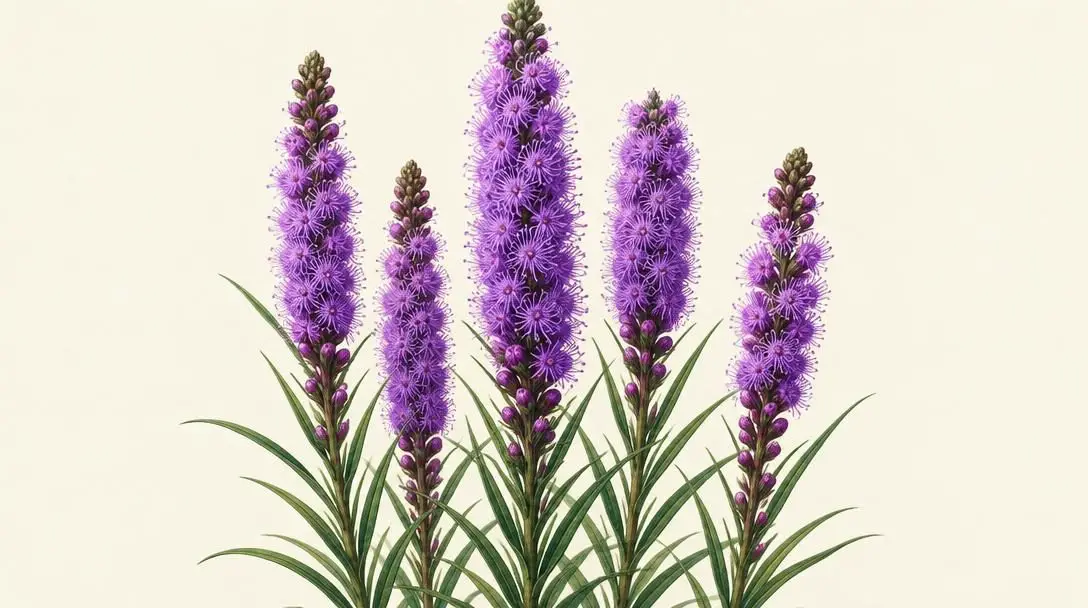
- Primary Visitors: Butterflies, hummingbirds, and diverse bees
- Alternative Name: Gayfeather
- Native Range: North Dakota south through Florida
Known commonly as gayfeather, liatris produces striking, vertical spikes of fuzzy purple flowers that offer reliable sustenance to butterflies, hummingbirds, and diverse bee varieties. Unlike most spike-forming flowers that open from the bottom upward, liatris opens its florets from the top down, creating an extended and unusual buffet. It maintains a long bloom period, consistently attracting pollinators on an almost year-round schedule in temperate environments.
In the United States, liatris is native throughout the central continent, spanning from the cold reaches of North Dakota straight south to Florida. Unlike plants that demand arid conditions, liatris flourishes in damp air, producing noticeably richer, more vivid blossoms across the humid American Southeast where summer moisture fuels robust perennial stems.
Strategic planning for a productive pollinator sanctuary
Creating a balanced landscape that nourishes beneficial insects while harmonizing with your regional environment requires purposeful planning. To set up an effective sanctuary for wildlife without creating friction with household routines, apply these structured design practices:
- Evaluate regional moisture and humidity dynamics: Review your local climate before purchasing seed packs or nursery containers. In dry western environments, emphasize drought-tolerant choices like lavender and marigolds; for gardens located in humid southeastern territories, lean heavily into moisture-loving liatris.
- Match plantings to available sun exposure: Carefully position sun-demanding varieties such as bee balm in beds that receive unabated sunlight throughout the day, while reserving partially shaded or variable exposures for versatile, forgiving flowers like the daisy or cool-climate specialists like fuchsia.
- Incorporate diverse floral architectures: Layer plants of different structures to accommodate the physical traits of various visitors. Interplant broad, flat resting surfaces like sunflowers and daisies with spiky liatris, tufted bee balm, and unusual pendulous blooms like fuchsia to feed honeybees, bumblebees, hoverflies, and butterflies alike.
- Use flowers as companion plants in vegetable patches: Take advantage of natural pest-deterrent qualities by tucking marigolds right alongside edible crops. This dual-purpose strategy repels unwanted garden pests while drawing honeybees directly toward crops that need active pollination to produce food.
- Implement safety-conscious garden zoning: Mitigate worries concerning insect stings by planting high-traffic pollinator beds along rear perimeter fences or distant sunny borders. Keep pathways, entry doors, and children's play areas framed with non-flowering shrubs or ornamental foliage.
When selecting your plant palette, also consider flowering timelines. Combining early-blooming crocuses that feed bees after winter with mid-summer bee balm and late-season goldenrod ensures your landscape supplies continuous pollen and nectar rather than a single short-lived feast.
Frequently asked questions
Why are animal pollinators so important to the food supply?
More than one-third of all crops grown across the globe depend directly on animal pollinators for successful reproduction. Without bees, butterflies, beetles, and birds transferring pollen between blooms, agricultural production would drop precipitously, threatening global food chains and nutritional security.
How can I attract bumblebees specifically to my garden?
Bumblebees are exceptionally fond of lavender. Planting this aromatic herb in sunny spots with well-drained soil and low humidity gives bumblebees a rich supply of nectar on upright flower spikes that suit their foraging habits.
Which pollinator flower works best as a companion plant in vegetable gardens?
Marigolds are widely considered the ideal companion plant. Their fiery orange, red, and yellow petals draw honeybees directly into the garden to pollinate vegetables, while their natural properties deter destructive garden pests from damaging nearby produce.
Can I plant pollinator flowers if someone in my home has a bee allergy?
Yes. Gardeners can support local ecology safely by practicing thoughtful garden zoning. Place bee-attracting flowers like sunflowers, bee balm, and goldenrod along distant property borders or unused corners, keeping main walkways, patios, and doorways clear of high-attraction blooms.
What early-season flower provides food for emerging honeybees?
The crocus is one of the most vital early-season flowers. Blooming in bright orange, soft cream, and yellow, it provides essential nourishment to honeybees waking from cold winters, especially in regions with frosty winter climates.
The bottom line
Transforming an outdoor space into a thriving pollinator habitat does not require sacrificing personal safety, comfort, or garden aesthetics. By understanding how diverse floral architectures, luminous pigments, and blooming schedules appeal to different insects, anyone can assemble a balanced botanical collection. Selecting climate-appropriate species—whether drought-hardy lavender for western beds, moisture-thriving liatris for the humid South, or universal companions like marigolds and sunflowers—creates an enduring sanctuary that sustains our global food systems from the ground up.