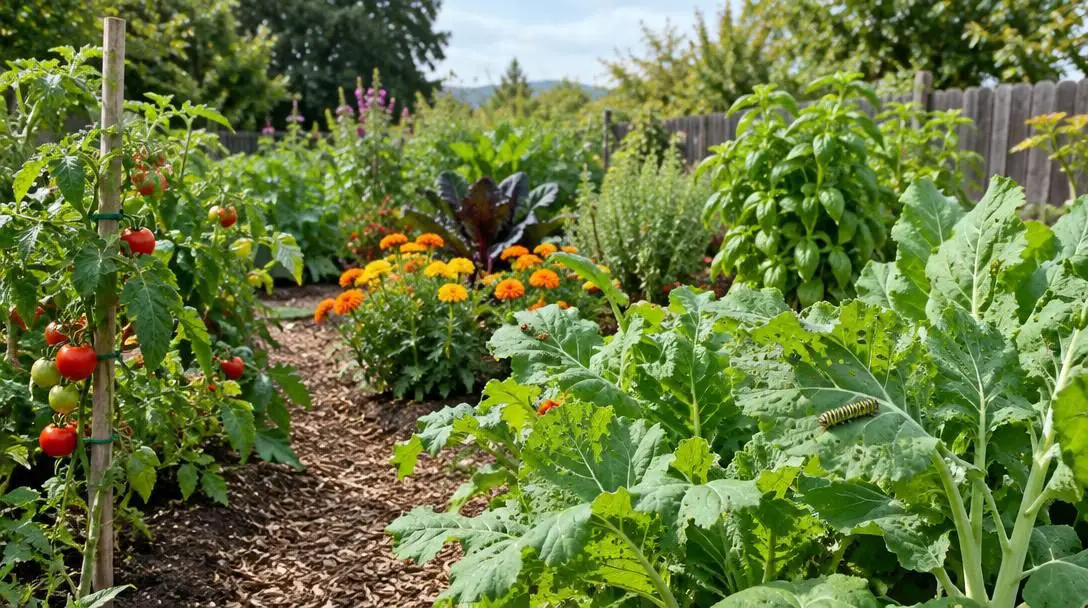
Garden Maintenance 101: Keeping Your Garden Healthy and Beautiful
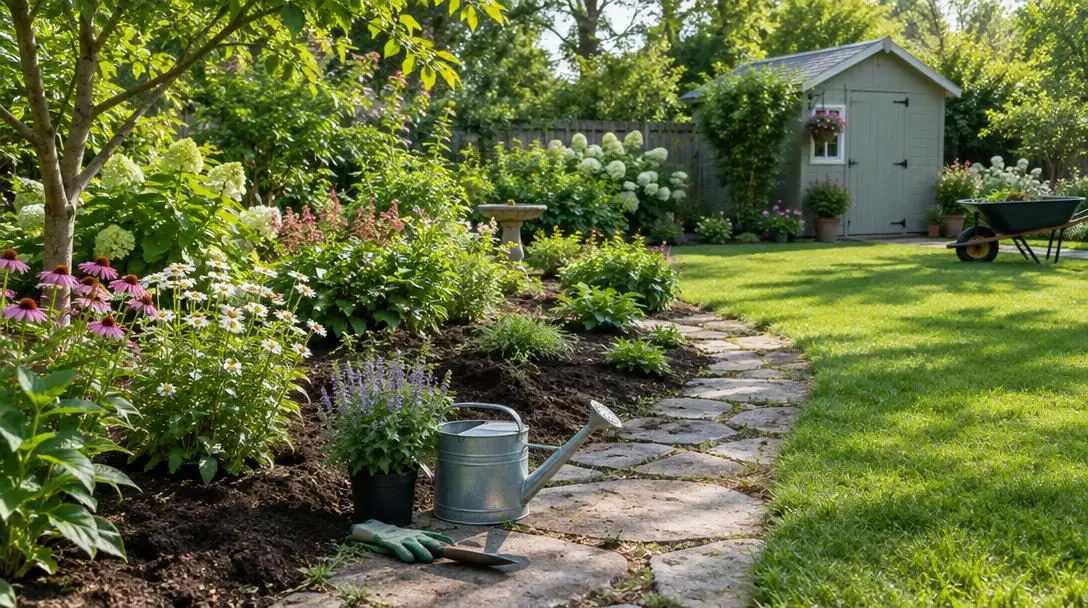
A well-maintained garden is an incredible sight to behold—a lush, vibrant oasis that brings natural beauty, architectural harmony, and a deep sense of serenity to any outdoor living space. Whether you are an experienced grower with seasons of harvest experience or setting out on your very first planting project, mastering the fundamentals of garden maintenance is essential for keeping your landscape flourishing, healthy, and resilient. Gardens are not static displays; they are dynamic, living systems that shift continuously alongside seasonal progressions, sudden local weather swings, and the natural life cycles of individual plant species.
When you treat landscape care as an ongoing, observational commitment rather than an occasional, reactive chore, you build strong root networks, improve flower vibrance, prevent catastrophic pest invasions, and boost homegrown produce quality for the long haul. Tending an outdoor space thoughtfully requires understanding how water, soil microbiology, nutrition, atmospheric conditions, and pest pressures interact above and beneath the ground. With consistent care and proactive intervention, any yard or plot can be transformed into a thriving botanical sanctuary.
Key takeaways
- Consistent, observational garden care catches nutrient depletion, moisture imbalances, and pest infestations before they cause permanent damage.
- Watering schedules must be customized according to individual plant species, sun exposure, soil drainage, and fluctuating weather conditions rather than kept on rigid timers.
- Monitoring soil pH with a dedicated meter ensures root systems can chemically absorb the vital nutrients provided by compost or commercial fertilizers.
- Proactive physical shields—including organic mulch, shade cloth, structural stakes, and greenhouses—protect delicate foliage from intense heat, droughts, high winds, and freezes.
- Gentle homemade pest remedies crafted from accessible household ingredients resolve infestations without endangering pollinators, pets, or family members.
The core pillars of landscape health
To cultivate an outdoor space that stays resilient year after year, it is vital to understand how primary environmental factors interact beneath the surface. Neglecting one pillar often undermines the success of the others, while balancing them produces self-sustaining vitality across your entire property. When these elements operate in harmony, plants develop higher natural resistance against environmental stress, fungal pathogens, and opportunistic pests.
Tending an outdoor space successfully comes down to five fundamental practices: managing moisture levels with precision, conditioning the subterranean ecosystem, supplying vital macro- and micronutrients, shielding plants from brutal weather shifts, and curbing invasive insect populations. Balancing these interdependent factors establishes a stable baseline where decorative blooms stay vivid and edible crops reach their maximum potential.
Consistent garden care transforms maintenance from a chore into a rewarding practice, establishing resilient plant foundations and long-lasting beauty.
Hydration management: moving beyond routine sprinkling
Water serves as the ultimate lifeblood of your landscape, but delivering the right amount of hydration is often trickier than simply turning on a hose or running an automated sprinkler on a fixed schedule. Every plant variety possesses distinct moisture demands. A rigid, uniform watering timetable will inevitably drown moisture-sensitive species while leaving deeper-rooted or thirstier varieties parched and declining.
Developing an intuitive, responsive hydration strategy requires evaluating several core environmental variables before reaching for the hose:
- Soil texture and drainage: Sandy soils let moisture drain away rapidly before plants can drink, while dense clay beds hold onto standing water, significantly increasing the risk of root rot.
- Sun exposure and heat: Plots under all-day, direct sunlight lose moisture via surface evaporation much faster than shaded, sheltered beds protected by canopies or fencing.
- Growth phases: Maturing plants actively developing fruit or blossoms consume water at a significantly higher rate than established perennial foliage with dormant or maintenance-level needs.
- Local precipitation: Rain gauges and automated timers help you adapt routines on the fly so you never create waterlogged beds right after heavy natural downpours.
Soil optimization: pH testing and custom substrate blends
The ground beneath your plants is far more than simple dirt; it is a complex biological network that dictates root expansion, gas exchange, and nutrient uptake. Successful gardens rarely rely on a single, uniform soil mix spread across every plot. Instead, they require tailored soil preparations created specifically for the separate varieties of flowers, ornamentals, and edible crops you choose to cultivate.
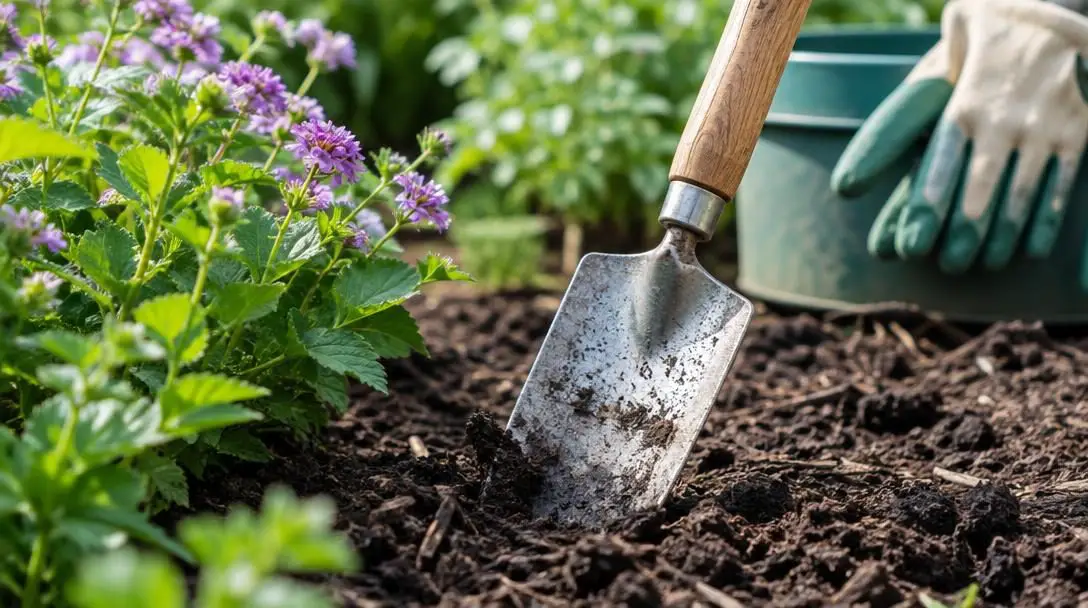
Investing in a dedicated pH meter takes the guesswork out of bed preparation. If your ground is excessively acidic or excessively alkaline, plants become chemically incapable of absorbing essential minerals, regardless of how much high-grade fertilizer you scatter around their base. Testing reveals whether your soil sits within the appropriate absorption window for each target plant group.
Gardeners can purchase specialized premade blends directly from a nursery or blend their own custom mixes. Incorporating components like peat, compost, and mineral amendments allows you to dial in ideal drainage speeds, underground aeration, and customized pH balances tailored to the specific rooting profiles of diverse plant species.
Fertilizer and nutrition strategies for sustained growth
Fertilizer acts like a sweet treat and vital fuel source that nourishes your plants from the tips of their roots to the edges of their stems. Without supplemental nutrition, plants inevitably exhaust the native mineral reserves in their beds. Over time, nutrient depletion manifests as pale or yellowing foliage, stunted structural growth, dropped blossoms, and bland, underwhelming homegrown produce.
Gardeners have the flexibility of blending organic inputs at home or picking up tailored bags of balanced commercial plant food from garden centers. Building a robust homemade compost pile turns ordinary kitchen and yard waste into nutrient-dense black gold. High-value organic amendments include:
- Decomposing fruit and vegetable scraps: Supply fundamental organic biomass and bioavailable trace elements to replenish depleted beds.
- Used coffee grounds: Provide rich organic matter that loosens packed dirt and steadily enriches soil structure.
- Crushed eggshells: Break down slowly over time to replenish vital calcium stores in the root zone, preventing physiological plant disorders.
- Dry and fresh grass clippings: Introduce nitrogen into the breakdown process, accelerating microbial composting activity and heating the pile naturally.
Protective weather tactics: buffering seasonal extremes
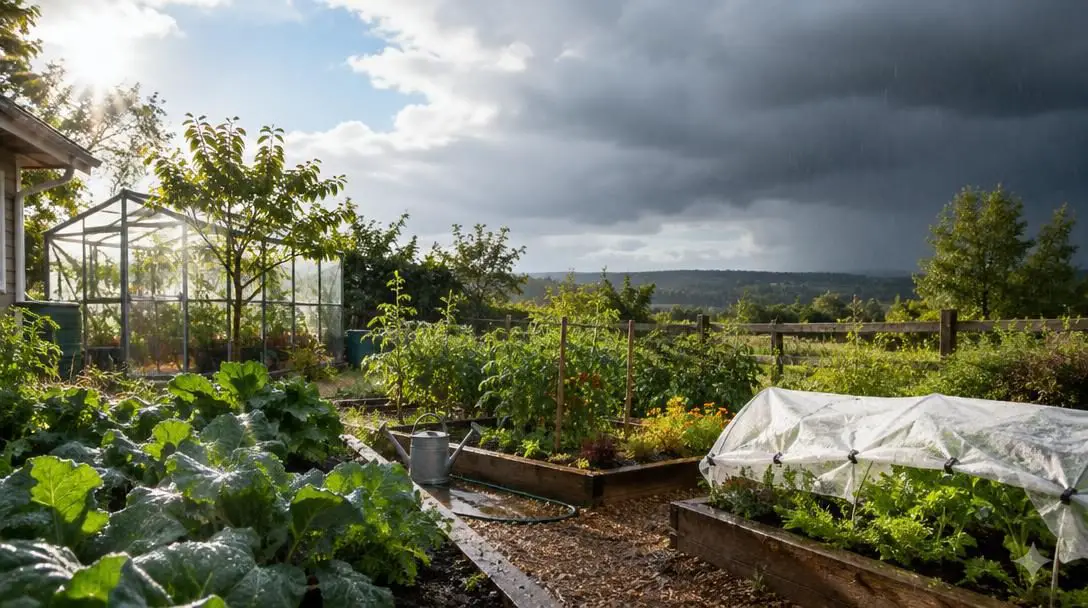
Sudden atmospheric swings can wipe out months of disciplined garden maintenance in an afternoon. Preparing physical barriers and structural supports ahead of time keeps sudden heat waves, sustained droughts, gale-force winds, and unseasonal deep freezes from inflicting irreversible stress on tender root networks and delicate leaves.
| Tool / Technique | Primary Weather Threat | Key Benefit to Plants |
|---|---|---|
| Shade cloth | Scorching summer heat waves | Filters harsh direct light to lower surface temperatures and reduce foliage scorch. |
| Organic mulch | Drought, heat, and winter freezes | Locks in soil moisture, moderates underground temperatures, and buffers roots. |
| Structural stakes | Heavy winds and torrential storms | Anchors tall stems and heavy vegetable branches to prevent snapped limbs. |
| Greenhouses / covers | Frigid winter cold snaps | Traps radiant thermal warmth to keep tender varieties safe from killing frosts. |
Deploying these tools reactively often results in preventable foliage loss. Checking short-term meteorological forecasts allows you to anchor tall stems with stakes or unfurl protective frost blankets before adverse weather arrives, ensuring uninterrupted development throughout tricky transitional seasons.
Plant-friendly pest management: safe and sustainable defense
Destructive garden pests can quickly turn lush, pristine vegetation into ragged, failing foliage. However, reaching immediately for harsh commercial chemical sprays carries significant long-term drawbacks. Broad-spectrum chemical interventions often eliminate beneficial predatory bugs and essential pollinators, while exposing pets and family members to unnecessary synthetic toxins.
Embracing plant-, human-, and pet-safe pest controls solves infestations safely and sustainably. Gentle homemade treatments can be whipped up using everyday pantry items and grocery store staples. Simple water-and-soap mixtures or naturally derived oils break down the protective outer coatings of soft-bodied insects without lingering dangerously in the surrounding soil or contaminating groundwater.
Furthermore, regular scouting lets you catch small clusters of bugs early. Make a habit of turning over leaves and checking stems closely. If certain beds or corners have suffered infestations in past seasons, you can pre-treat those high-risk zones before the insects take hold and multiply again.
A step-by-step routine for daily and weekly care
Turning broad gardening concepts into an actionable, repeatable sequence keeps outdoor maintenance manageable and deeply rewarding. Follow this structured roadmap to keep your outdoor beds balanced through every phase of the growing cycle:
- Evaluate individual plant conditions: Walk your landscape bed by bed, noting the unique hydration needs, drainage speeds, and sun patterns across different zones.
- Adjust your watering routine: Check ambient moisture levels with your fingers or a gauge, adapting your watering schedule to accommodate recent rainstorms or drying heat.
- Test soil chemistry: Use a handheld pH meter to check if each section is sitting within its optimal acidity or alkalinity range.
- Refine soil texture and drainage: Integrate premade nursery blends or custom-mixed soil components to match the exact rooting requirements of your ornamentals or produce.
- Spread an insulating mulch blanket: Lay an even layer of organic mulch across your planting beds to suppress weeds, retain moisture, and regulate root temperatures.
- Deploy physical protections: Stake up tall or top-heavy plants, hang shade cloths to ease heat stress, and prepare greenhouse covers ahead of freezing forecasts.
- Feed the soil: Distribute balanced commercial plant foods or your own homemade compost crafted from eggshells, coffee grounds, grass clippings, and kitchen scraps.
- Scout for invasive bugs: Closely inspect the undersides of leaves and leaf nodes for insect activity, paying extra attention to spots that had infestations in prior seasons.
- Apply gentle pest mixtures: Spray non-toxic, pet- and human-safe homemade solutions over affected areas, or pre-treat vulnerable plant varieties before pests settle in.
Frequent maintenance mistakes to sidestep
Even dedicated gardeners occasionally fall into habits that inadvertently stunt their plants and reduce harvest yields. Avoiding these common missteps will safeguard your hard work and keep your landscape flourishing:
- Uniform watering schedules: Treating succulents, lush perennials, and leafy vegetables with identical watering frequencies invariably leads to root rot or drought stress.
- Ignoring pH balance: Pouring expensive nutrients onto soil that sits at the wrong pH level wastes effort, because roots cannot absorb minerals when acidity is out of balance.
- Waiting on weather defense: Setting up shade cloth or protective frost covers only after a heatwave or deep freeze strikes leaves plants nursing permanent tissue damage.
- Skipping supplemental feedings: Relying solely on native soil without compost or balanced fertilizer results in dull blossoms, spindly stems, and poorly flavored crops.
- Neglecting historically troubled zones: Forgetting which beds harbored insect infestations during past years allows pest populations to rebound unchecked.
- Defaulting to toxic chemicals: Applying harsh synthetic pesticides when safe, pantry-based remedies could solve the problem unnecessarily risks pets, kids, and helpful insects.
- Overlooking specialized soil requirements: Planting diverse crops into generic, heavy soil without tailoring drainage or aeration guarantees poor rooting performance.
Frequently asked questions
How can I tell if my garden beds need water?
Rather than watering on a fixed timer, evaluate each plant's moisture needs, the drainage rate of the soil, and recent weather patterns. Checking the soil depth and monitoring for early wilting prevents both underwatering and waterlogged roots.
Why should I test soil with a pH meter?
A pH meter measures how acidic or alkaline your soil is. If the pH is outside a plant's preferred range, root systems are unable to absorb essential nutrients properly, even if you regularly apply rich fertilizer.
What household items make good garden fertilizer?
You can create a nutrient-packed homemade compost using everyday kitchen and yard items, including decomposing fruit and vegetable scraps, used coffee grounds, crushed eggshells, and lawn grass clippings.
How do I protect plants during sudden weather changes?
Use protective physical tools suited to the weather threat: hang shade cloth to block intense sun during heat waves, add organic mulch to lock in soil moisture and regulate temperatures, install stakes to support stems in wind, and use greenhouse covers to buffer against freezes.
Are homemade pest remedies really effective?
Yes. Simple homemade mixtures made with accessible grocery and household ingredients can effectively target invasive bugs while remaining completely safe for humans, plants, and family pets. They can also be used to pre-treat historically problematic areas.
The bottom line
A flourishing landscape does not happen by accident—it is the direct reward of consistent, thoughtful care. By mastering hydration schedules, tailoring soil mixtures with the help of a pH meter, nourishing beds with rich fertilizers and organic scraps, and putting up proactive shields against weather and pests, you set your plants up for durable success. As the seasons cycle, continue observing the subtle signals of your garden, adapting your maintenance routine to keep your outdoor haven healthy, resilient, and stunning year after year.