The Benefits of Gardening as a Community: Building Connections and Sharing Resources
In an era shaped by continuous screen time and fast-paced schedules, neighbors frequently find themselves living side by side without forming meaningful personal bonds. Daily life offers fewer spontaneous opportunities to speak with the people living down the street, leading to an isolating dynamic across modern residential areas. Communal gardening presents an inspiring, time-tested antidote to this social divide, reviving a tradition that brings people together across generational, cultural, and socioeconomic lines.
By setting aside common ground where residents can plant seeds, tend soil, and gather fresh food together, neighborhoods unlock an accessible path toward renewed friendship, improved nutrition, and cooperative local stewardship. Rather than working solely in private backyards, participants pool their physical energy, land access, and shared resources to transform vacant parcels, municipal spaces, or school grounds into welcoming green sanctuaries.
Key takeaways
- Shared agricultural spaces dissolve social divides by bringing diverse residents together around collective outdoor labor and shared harvest goals.
- Neighborhood gardens expand local access to fresh, nutrient-rich produce, offering vital nutritional support to households facing food insecurity.
- Transforming empty or neglected lots into flowering landscapes elevates community pride and visibly reduces neighborhood street litter.
- Tending community beds combines moderate physical cardiovascular exercise with calming outdoor focus, enhancing both physical and mental wellness.
- Long-term project success depends on clear operating rules, dependable water access, equitable chore distribution, and ongoing skill sharing.
How collective community agriculture functions
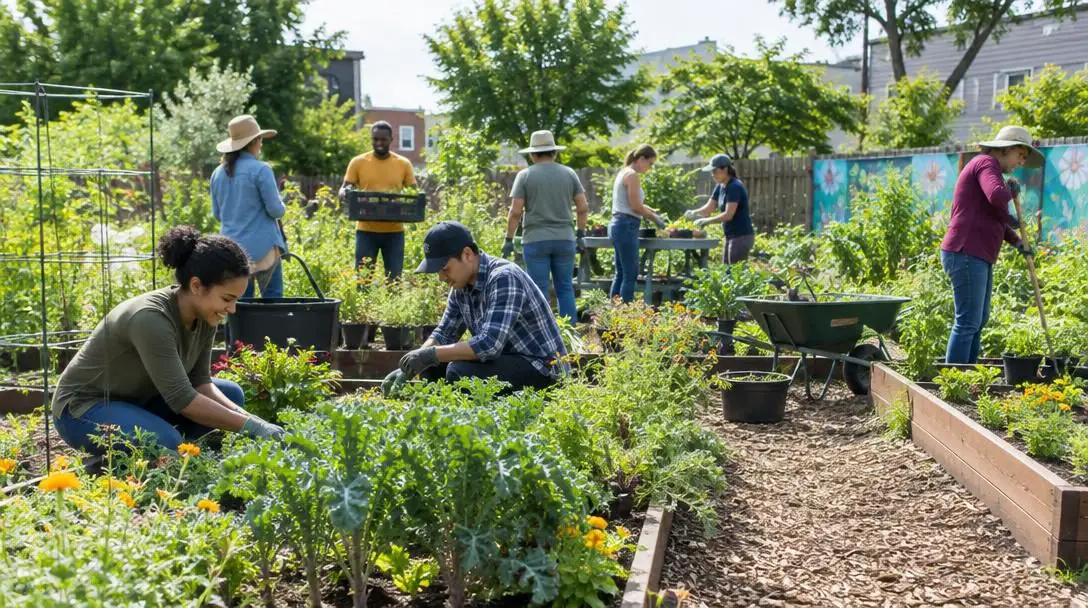
A community garden functions as a cooperative agricultural venture where neighbors pool their energy, land access, and physical resources to cultivate a shared piece of property. Rather than working in isolation behind backyard fences, participants collaborate on accessible ground such as municipal parcels, public school grounds, or neighborhood green spaces. These agricultural initiatives take many forms depending on how the organizing group chooses to manage the space, adapt to the terrain, and allocate harvests.
Depending on local priorities, the garden can be divided into individual family plots, managed as a single communal plot where everyone tends the rows together, or established as a hybrid blend of private garden boxes and communal orchard or herb zones. Regardless of layout, the operational core of any shared garden relies on distributed responsibilities. Essential tasks such as site clearing, bed preparation, seasonal planting, irrigation scheduling, weeding, pruning, and harvesting are shared across the volunteer roster.
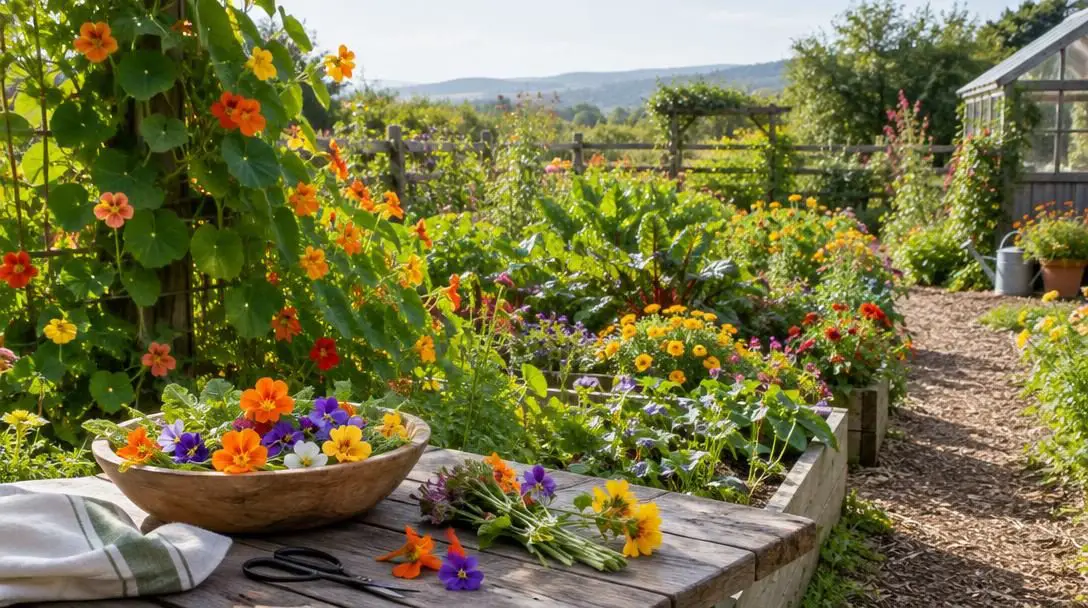
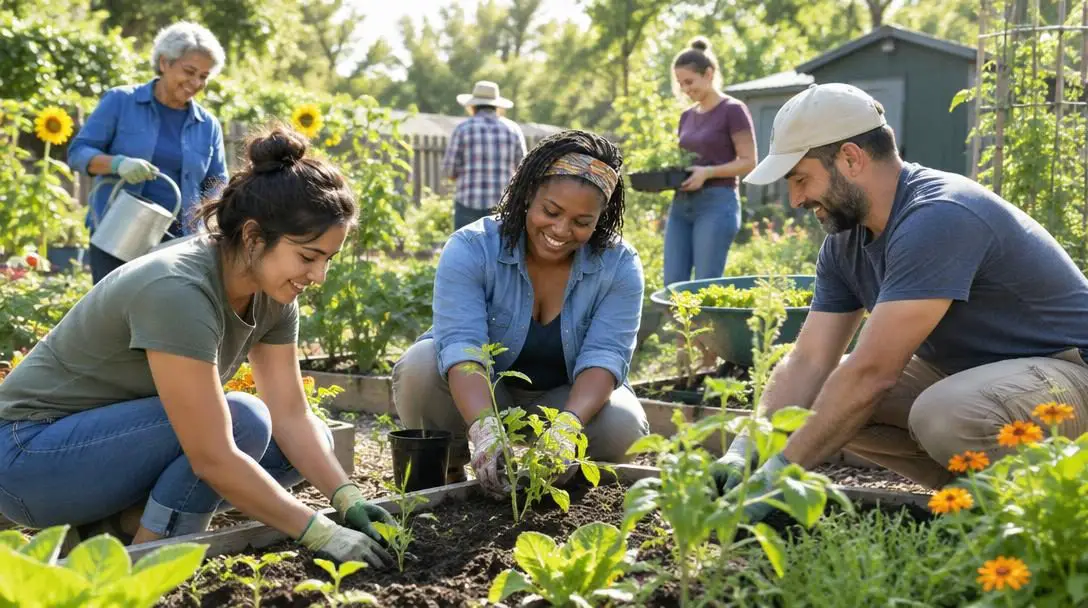
A communal garden transforms vacant parcels into vibrant neighborhood anchors where shared physical labor nurtures both fresh harvest and enduring human friendships.
Through this continuous collaboration, the garden functions not merely as agricultural land, but as an ongoing social compact. By sharing durable hand tools, seed packets, compost piles, and weekly workloads, neighbors remove the individual financial barriers often associated with home gardening while establishing an inclusive forum where lifelong friendships take root.
The core benefits of neighborhood gardening
When neighbors gather around a common physical purpose, the advantages touch social relations, household nutrition, local beauty, personal wellness, and surrounding cleanliness. Exploring these distinct benefits illustrates why shared horticultural spaces are so valuable to modern neighborhoods.
Camaraderie and social connection
Camaraderie is one of the strongest outcomes of shared cultivation. Gardening together brings together residents from all walks of life, allowing them to bond over similar interests and discover shared values that might otherwise remain hidden. Working side by side allows neighbors to trade horticultural knowledge, discuss growing techniques, and share practical tips that nurture both the communal beds and individual home gardens.
A resilient neighborhood is one that comes together to support members in areas where they need assistance. A fun, useful hobby like gardening bridges divides across diverse backgrounds, establishing common ground where individuals who might never otherwise cross paths can converse, build mutual trust, and develop long-lasting friendships based on shared effort.
Fresh produce for all
Direct access to wholesome, homegrown food is an essential advantage of neighborhood agriculture. The presence of a thriving community garden allows individuals and families in need to have consistent access to fresh produce. Whether residents are actively facing food insecurity or have simply never had the opportunity to experience vine-ripened crops, harvesting garden-grown food provides a welcome change for those who invest effort into the soil.
While modern society often feels divided across ideological lines, working together on a practical food garden unites people across political aisles. When people in need receive direct, tangible assistance, it creates an enduring bond that ties everyone together. Harvesting crisp leafy greens, sweet heirloom tomatoes, and flavorful herbs brings substantial nutritional value directly to neighborhood tables.
Improving the local landscape
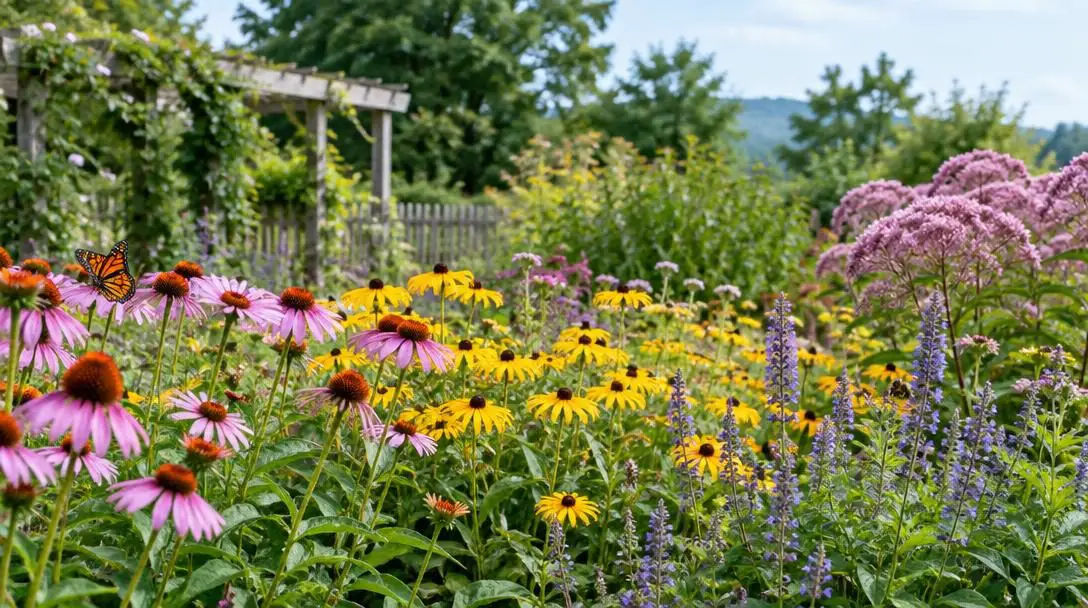
Transforming open space fundamentally elevates the daily neighborhood experience. A well-designed garden produces more than edible vegetables and culinary herbs; it also serves as a vibrant home for ornamental plants, native perennials, and blossoming flowers that improve the scenery throughout the district. A lovely landscape brings daily joy to local residents and visitors traveling through the area.
Taking pride in your surroundings begins with visible care. Replacing an empty, weed-strewn lot or neglected lawn with vibrant rows of blossoming flora, orderly paths, and thriving vegetable beds establishes an inviting atmosphere. Cultivating a cohesive, attractive aesthetic for an entire neighborhood is one of the most effective ways to foster community-wide identity and pride.
A healthy and useful hobby
Gardening provides a constructive, purposeful hobby that keeps residents focused, mentally stimulated, and engaged in creative outdoor activity. Working with the soil offers a relaxing pastime that brings participants down to earth, helping them connect deeply with nature, their personal routines, and the people around them. Cultivating plants requires steady attention, keeping participants focused on the process of nurturing crops from tiny seedlings through maturation.
The pride of growing a living organism from start to finish alongside your neighbors makes for an enriching activity that everyone benefits from. It channels leisure time into purposeful physical labor, teaching participants patience, observational skills, and practical agricultural techniques that can be passed along to friends, children, and grandchildren.
Mental and physical wellness
Mental and physical wellness are closely linked to communal outdoor work. Spending time in natural surroundings helps calm the mind, relieve mental fatigue, and positively influence overall emotional balance. Tending crops within a supportive community setting adds an uplifting layer of togetherness and social belonging that solitary gardening rarely provides.
At the same time, gardening promotes substantial physical health. The bodily movement required to weed, haul soil, spread mulch, and harvest crops across a large site quickly adds up over time. These steady motions get blood pumping, promote cardiovascular health, and encourage healthy outdoor exposure to sunlight and vitamin D. This synthesis of dynamic bodily movement and open-air focus serves as an exceptional holistic workout.
Encouraging a cleaner environment
Community gardening encourages a cleaner environment. When residents become actively involved in caring for a shared piece of ground, greater respect and protective concern for the surrounding neighborhood naturally follow. Tending plants and working in the soil helps gardeners realize the tangible importance of stewarding their shared ecosystem.
Once a shared garden takes root, nearby residents instinctively step forward to protect the surrounding space, even if they do not actively garden themselves. Neighborhoods with community gardens are often cleaner in general, demonstrating a massive reduction in litter as residents take increased pride in local cleanliness. Caring for local soil naturally expands into greater respect for the surrounding streets, parks, and waterways.
Comparing community garden impacts across neighborhood life
The positive outcomes of shared gardening extend across multiple facets of civic life. The table below illustrates how specific gardening activities generate practical neighborhood benefits and lasting communal change.
| Benefit Category | Primary Neighborhood Impact | Direct Community Outcome |
|---|---|---|
| Camaraderie & Connection | Unites diverse neighbors across cultural and political divides | Builds mutual trust and cooperative social networks |
| Fresh Food Access | Supplies homegrown vegetables, fruits, and culinary herbs | Eases food insecurity with nutrient-dense produce |
| Landscape Aesthetics | Replaces vacant lots with flowering plants and garden beds | Fosters neighborhood pride and inviting scenery |
| Constructive Hobby | Channels leisure time into purposeful plant care | Teaches practical agricultural skills and patience |
| Physical & Mental Health | Encourages cardiovascular movement and sun exposure | Lowers stress and boosts overall personal well-being |
| Environmental Care | Instills stewardship for local soil, air, and waterways | Significantly reduces neighborhood litter and debris |
Practical steps to organize a community garden
Launching a sustainable community garden requires thoughtful preparation, clear communication, and consistent follow-through. To build a garden that lasts and serves the neighborhood well, residents can follow these practical steps:
- Gather interested neighbors: Hold an open informational meeting to discuss community goals, gather input, and identify people willing to commit their time, resources, and skills to the project.
- Identify and secure an appropriate site: Find a parcel that offers adequate sunlight, reliable access to clean water, safe soil conditions, and official permission from the property owner or local municipality.
- Draft clear ground rules: Create a basic operating agreement covering plot assignments, weed control expectations, tool storage, safety guidelines, and general cleanup responsibilities.
- Design the garden layout: Plan out space for shared walking paths, communal tool sheds, composting stations, flowering borders, and dedicated growing beds for fruits, vegetables, and herbs.
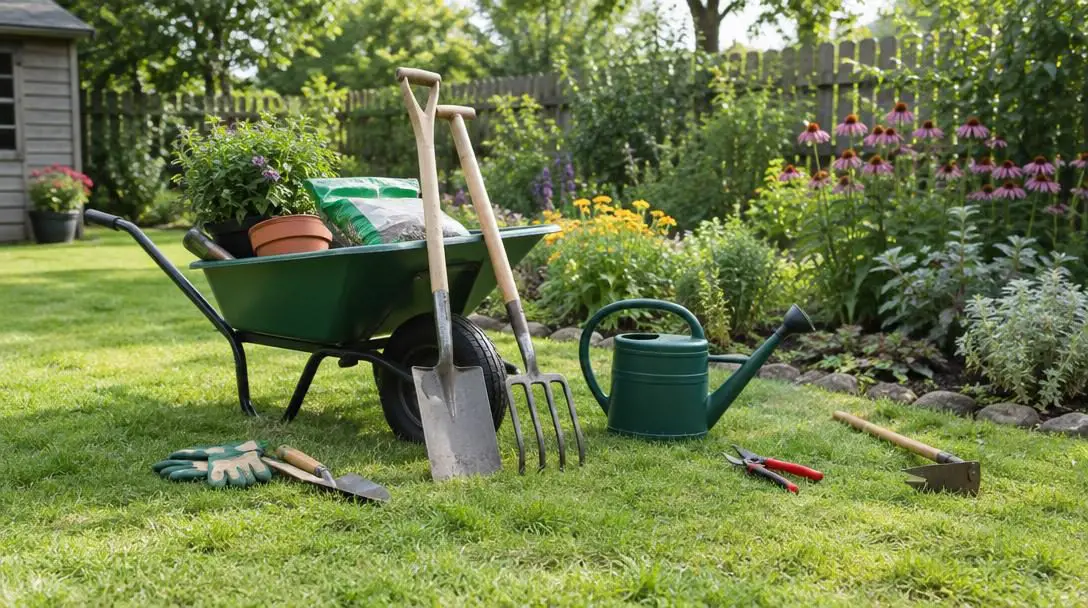
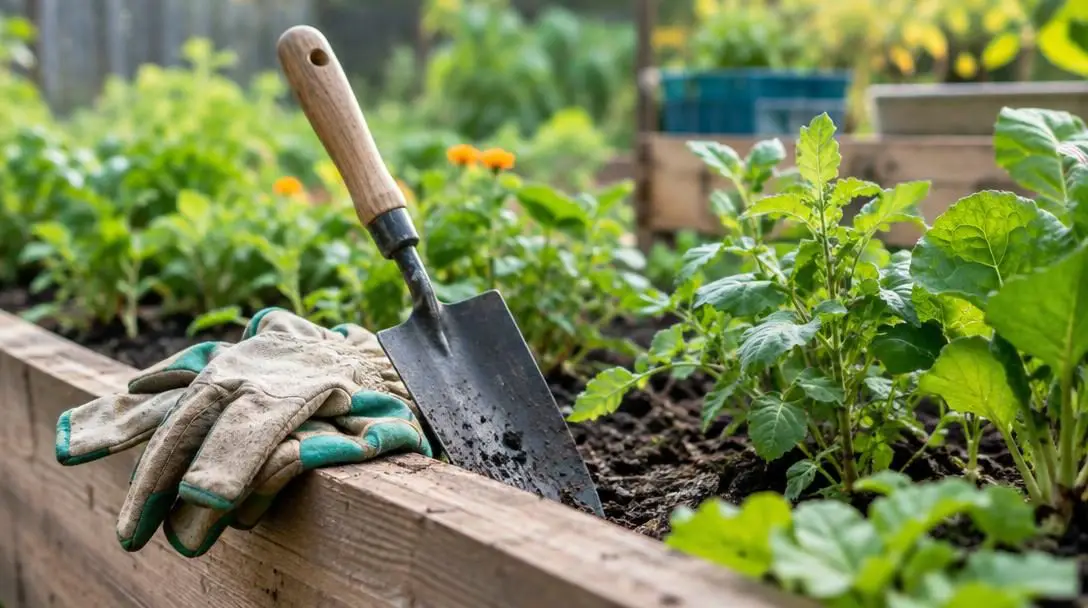
- Collect essential tools and supplies: Gather shovels, wheelbarrows, garden hoses, trowels, seeds, and seedlings through community contributions, donations, or local resource-sharing drives.
- Prepare the growing site: Clear trash and rocks, amend the soil with quality organic matter, and build sturdy raised beds or in-ground rows suited to the local terrain.
- Establish maintenance schedules: Create shared watering rotas, seasonal planting calendars, and group workday schedules so that maintenance tasks are distributed fairly across all members.
- Organize harvest distribution: Develop an equitable plan to distribute harvested food among active participants and ensure surplus produce reaches community members experiencing food insecurity.
Common mistakes to avoid in community gardening
Starting a community garden is an exciting endeavor, but enthusiasm alone is not always enough to keep a shared project thriving across multiple seasons. Being aware of frequent stumbling blocks can help the group prevent frustration, conflict, and crop failure down the road.
- Failing to plan for ongoing maintenance: Gardens require constant weeding, watering, and monitoring. Depending solely on initial startup enthusiasm without a long-term chore schedule often leads to neglected beds by midsummer.
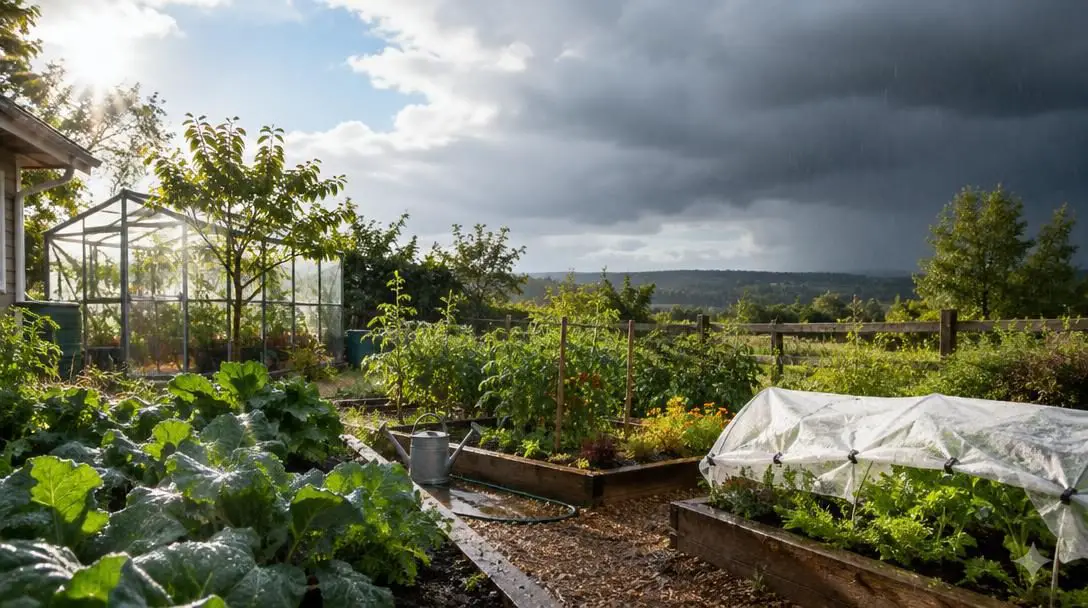
- Ignoring water logistics: Forgetting to secure an easy, reliable water source before planting can lead to plant loss during hot spells and place an exhausting burden on volunteers hauling water buckets.
- Lack of clear communication: When participants do not agree on expectations regarding weeds, pathway maintenance, and tool storage, minor disagreements can build into neighborhood friction.
- Overlooking soil safety: Planting directly into urban or unknown soil without assessing previous site usage risks exposing plants and gardeners to industrial contaminants.
- Unequal workload distribution: If the daily labor falls on only one or two dedicated neighbors rather than being shared across the group, those individuals quickly face burnout.
- Neglecting shared tools: Failing to designate a secure, organized place for hoses, rakes, and shovels results in lost, damaged, or misplaced equipment.
What to consider next for long-term success
Once a community garden is planted and producing, the next priority is ensuring that the project remains healthy and active year after year. Long-term sustainability requires regular evaluation of both the soil and the social structures supporting the space.
First, evaluate how well the harvest meets community needs. Groups should consider whether the varieties planted match the culinary preferences and nutritional needs of participating families, especially those experiencing food insecurity. Adjusting crop choices based on neighbor feedback keeps the garden relevant and deeply valued by the surrounding community.
Second, plan for educational growth. Over time, experienced gardeners can formalize skill-sharing sessions, teaching newer participants about seed saving, composting, pest control, and seasonal crop rotation. Mentoring newer members ensures that gardening knowledge continues to circulate and keeps newer generations engaged in tending the beds.
Finally, nurture the broader community bond that has formed. A garden is not simply an outdoor plot; it is an active neighborhood meeting place. Hosting seasonal harvest celebrations, regular clean-up days, and outdoor neighborhood gatherings around the garden keeps pride alive. By staying attentive to both the natural landscape and the social ties between neighbors, communities can ensure their shared garden flourishes for decades.
Frequently asked questions
How much time do I need to commit each week to participate in a community garden?
Time commitments vary based on plot size and garden structure, but most members spend between two to four hours per week. This time is typically split between tending personal or communal beds and participating in scheduled group maintenance chores such as path clearing or composting.
What should we do if our neighborhood site has contaminated soil?
If soil testing reveals heavy metals or pollutants, constructing raised beds lined with semi-permeable geotextile fabric and filled with certified clean topsoil and compost provides an immediate, safe growing environment for edible vegetables and herbs.
How do community gardens decide who gets the harvested food?
In individual plot layouts, gardeners keep what they grow. In communal plot arrangements, produce is either divided among active volunteers during workdays or donated directly to local food pantries and neighbors facing nutritional insecurity.
Can beginners without gardening experience join a community garden?
Yes. Community gardens are ideal environments for beginners because experienced neighbors are present to demonstrate practical techniques, offer advice on planting times, and share tools and resources.
How do community gardens help reduce neighborhood litter?
Transforming abandoned or unkempt lots into flowering, productive spaces instills widespread local pride. As neighbors see active stewardship in their surroundings, casual dumping decreases and residents become more proactive in keeping adjacent sidewalks and streets clean.
The bottom line
Communal gardening offers a straightforward yet profound solution to the isolation and disconnection of modern living. By exchanging screen time for outdoor collaboration, residents build enduring friendships, support families in need of wholesome nutrition, and transform neglected spaces into vibrant neighborhood assets. When neighbors work together in the soil, they cultivate not only fresh produce, but a healthier, cleaner, and far more connected community.