The Best Houseplants for a Healthy and Beautiful Indoor Garden
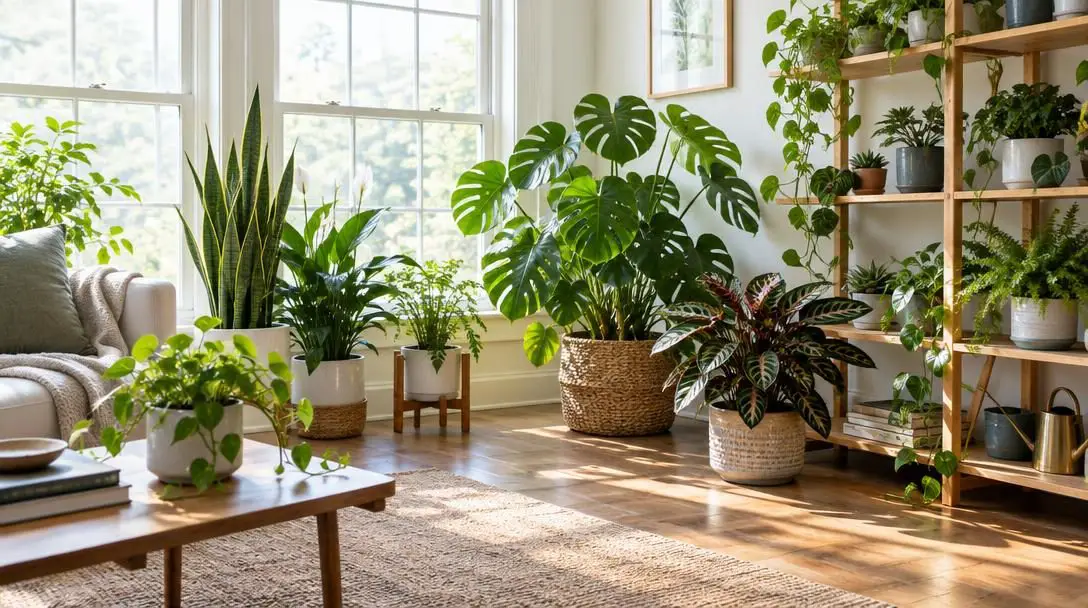
Indoor gardening has become one of the fastest-growing pastimes worldwide, particularly as younger generations look to bring the restorative beauty of nature into their living spaces. Filling an apartment or house with living greenery changes the atmosphere entirely, converting sterile rooms into dynamic, living sanctuaries. Houseplants not only make a domestic interior look visually appealing, but they also actively purify the air and provide mental health benefits by offering a calming, grounding routine that fosters focus and patience.
You do not need commercial greenhouse expertise to cultivate lush indoor foliage. The ideal domestic varieties strike an easy harmony between striking visual textures and straightforward care requirements. By selecting species that match your home's natural light levels and your daily schedule, you can build a thriving domestic ecosystem that brings lasting natural wellness into your living environment.
Key takeaways
- Houseplants elevate indoor environments by actively purifying the air and delivering mental health benefits through predictable, grounding routines.
- Different indoor species require specialized hydration and illumination, ranging from weekly moisture for ivies to multi-week dry intervals for succulents.
- Household placement requires careful planning, as specific varieties possess sharp spines or contain toxic compounds dangerous to pets and children.
- Maintaining container drainage, promoting ambient air circulation, and misting foliage help recreate a plant's native habitat indoors.
The Rise of Indoor Greenery and Domestic Wellness
The global shift toward cultivating indoor greenery stems from a fundamental human desire for wellness, organic beauty, and environmental connection. As modern lifestyles keep people indoors for work, study, and leisure, the separation from the natural world can leave living quarters feeling stark and disconnected. Cultivating foliage indoors bridges that gap, building residential micro-ecosystems that make interiors feel warmer, more inviting, and noticeably alive.
Cultivating foliage indoors bridges the gap between modern indoor living and the natural world, transforming ordinary spaces into serene sanctuaries.
Beyond visual interior decoration, indoor plants serve tangible functional purposes. Foliage works continuously to maintain a healthy living space by purifying the air you breathe every day. Concurrently, tending to plants provides a predictable, soothing routine that alleviates the pressures of modern life. This blend of visual beauty, atmospheric purification, and emotional restoration makes indoor plant care an enriching lifestyle choice for any household.
Top Resilient Houseplants for Visual Appeal and Wellness
Curating an indoor botanical collection starts with picking varieties that deliver unique shapes and colors while remaining manageable for everyday caretakers. The following five plants represent some of the most resilient, attractive, and beneficial species you can grow inside the home.
Cactus
- Watering frequency: Every 10 to 14 days
- Light requirements: Adequate sun exposure; protect from direct sunlight
- Maintenance level: Low
- Safety consideration: Keep away from pets and small children due to sharp spines
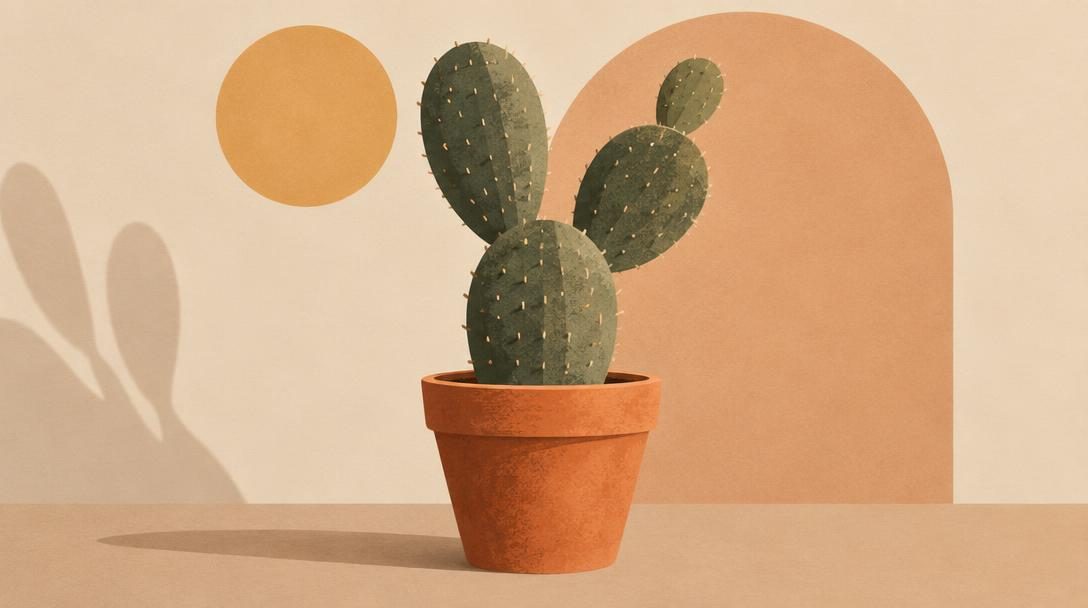
The cactus is a prickly, low-maintenance plant that serves as a fabulous choice for busy homeowners who sometimes forget to tend to their greenery. Because cacti store moisture within their structural tissues, they only require watering every 10 to 14 days, fitting smoothly into a relaxed schedule. Despite their intimidating appearance, they are not temperamental and are rather easy to manage overall.
Lighting requires thoughtful attention: while cacti need an adequate amount of sun exposure, they must be kept out of harsh, direct sunlight to avoid discoloration and tissue damage. It is also essential to position them safely away from pets and small children to prevent accidental injuries from their sharp spines.
String of Pearls
- Watering frequency: Every 2 to 3 weeks, or when soil is visibly dried out
- Light requirements: 6 to 8 hours of bright, indirect sun daily
- Temperature range: 55 to 80 degrees Fahrenheit
- Safety consideration: Poisonous to humans and animals
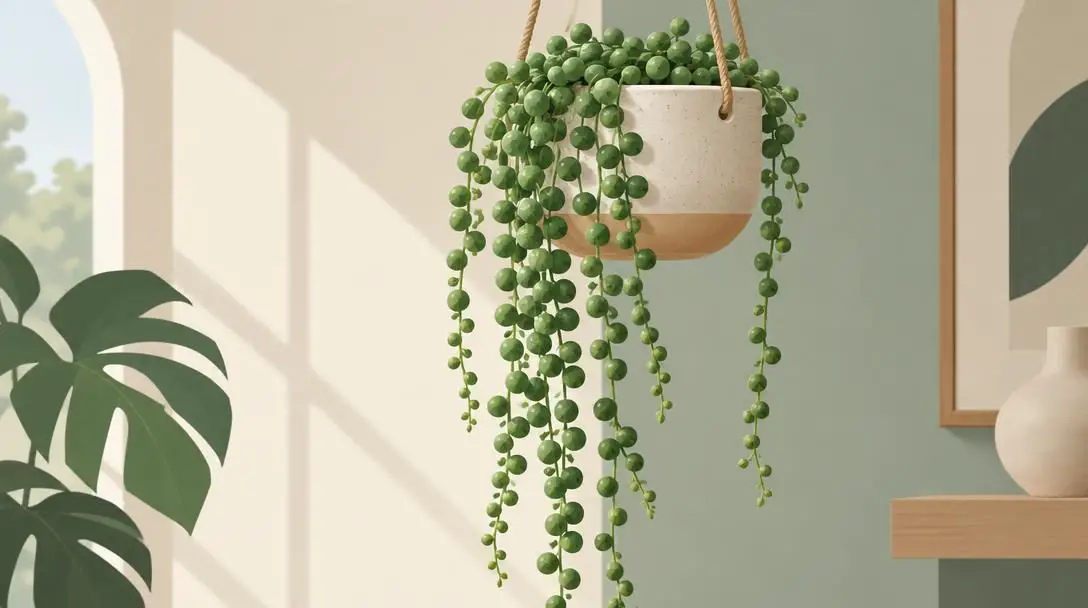
Characterized by its cascading, bead-like foliage, the String of Pearls is a real show-stopper that adds calming elegance to any decorative display. This unique succulent requires between 6 and 8 hours of bright, indirect sunlight every day to retain its vibrant form. It thrives best in moderate household climates where temperatures stay between 55 and 80 degrees Fahrenheit, away from cold, drafty hallways or exterior vents.
Watering is minimal, requiring attention only once every 2 to 3 weeks, or whenever the potting medium is visibly dried out. Keep in mind that this succulent is poisonous to both humans and animals. It should always be installed out of reach, making high shelves and hanging planters the safest locations for display.
English Ivy
- Watering frequency: Weekly; keep soil slightly damp but not soaked
- Light requirements: Bright, indirect sunlight
- Temperature range: 10 to 70 degrees Fahrenheit
- Care preference: Requires well-drained soil, good air circulation, and leaf misting
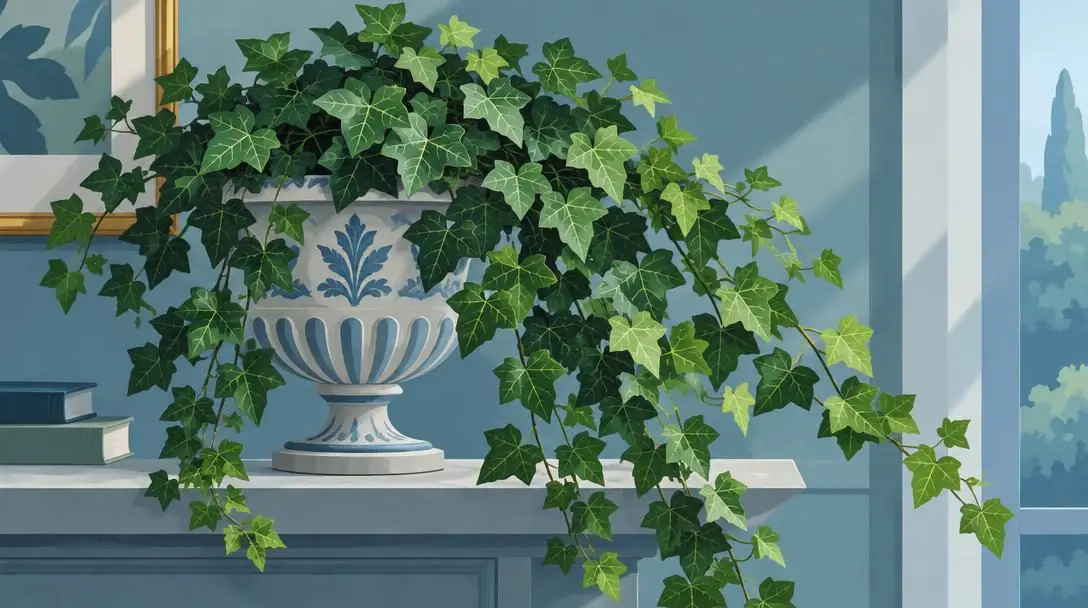
English Ivy is a dense, lush plant capable of growing indoors or outdoors. Its overflowing green leaves are remarkably hearty, withstanding colder climates and temperatures ranging from 10 to 70 degrees Fahrenheit. It thrives in cool environments provided with bright, indirect sunlight and plenty of air circulation around its stems and container.
To keep English Ivy healthy, water it once a week to ensure the soil remains slightly damp without becoming soaked. Using well-draining soil and a pot that allows moisture to escape will prevent saturated root zones. Caretakers can also mist the leaves periodically to provide hydration directly to the foliage without overwatering the soil.
Prayer Plant
- Watering frequency: Every 1 to 2 weeks, or when soil is dry to the touch
- Light requirements: Shady conditions with indirect sunlight
- Native habitat: Tropical rainforest understory
- Special trait: Leaves fold and raise upward at night
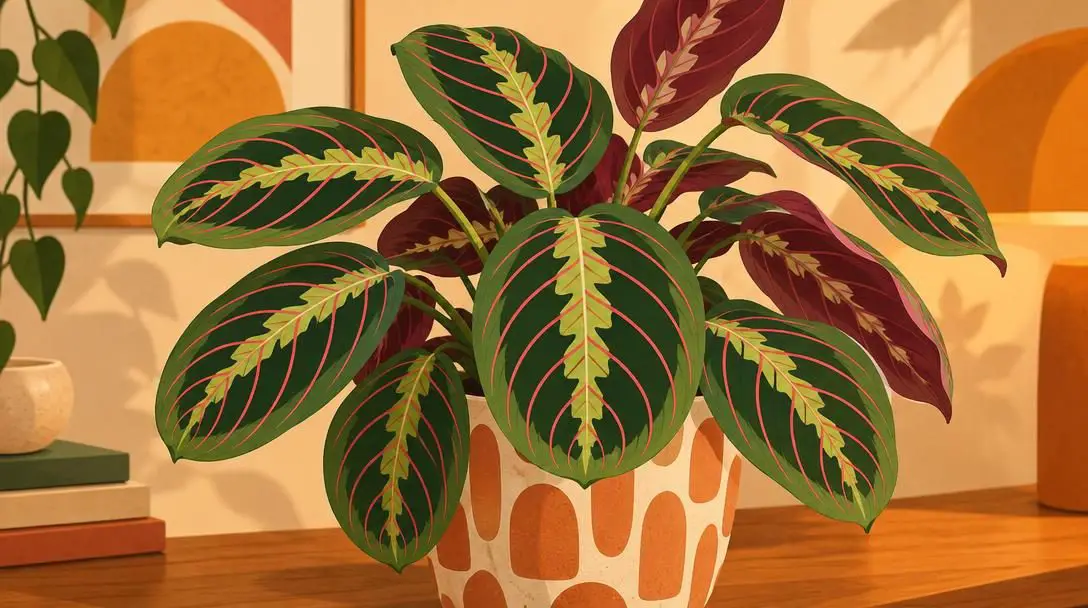
The striking colors and intricate patterns of the prayer plant make it stand out in any room. The species earned its name from its circadian leaf movement: each evening, its leaves raise and fold together to protect the plant from the chill of night, reopening the following day. Native to tropical rainforests, this variety prefers warm, humid, and shady conditions with indirect sunlight rather than bright exposure.
Water the prayer plant every 1 to 2 weeks, whenever the surface of the soil feels dry to the touch. Misting the foliage recreates the natural moisture of its native forest canopy, encouraging lush leaf patterns and helping the plant flourish as much as possible inside the home.
Spider Plant
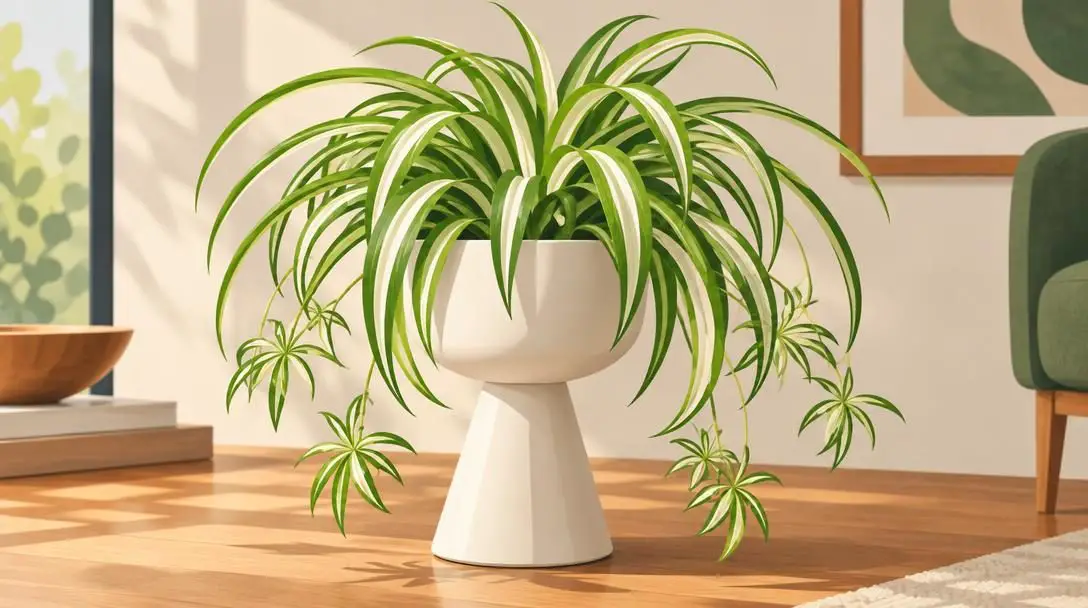
- Watering frequency: Once a week; keep soil slightly moist
- Light requirements: Bright, moderate sun exposure
- Lifespan: Up to 20 years
- Primary benefit: Improves indoor air quality
The spider plant is one of the most widely grown indoor species, frequently seen cascading from hanging porch pots and indoor shelves. In addition to being convenient and easy to keep healthy, spider plants actively improve indoor air quality by filtering the air inside living spaces. With a potential lifespan of up to 20 years, a single spider plant can endure longer than most household pets.
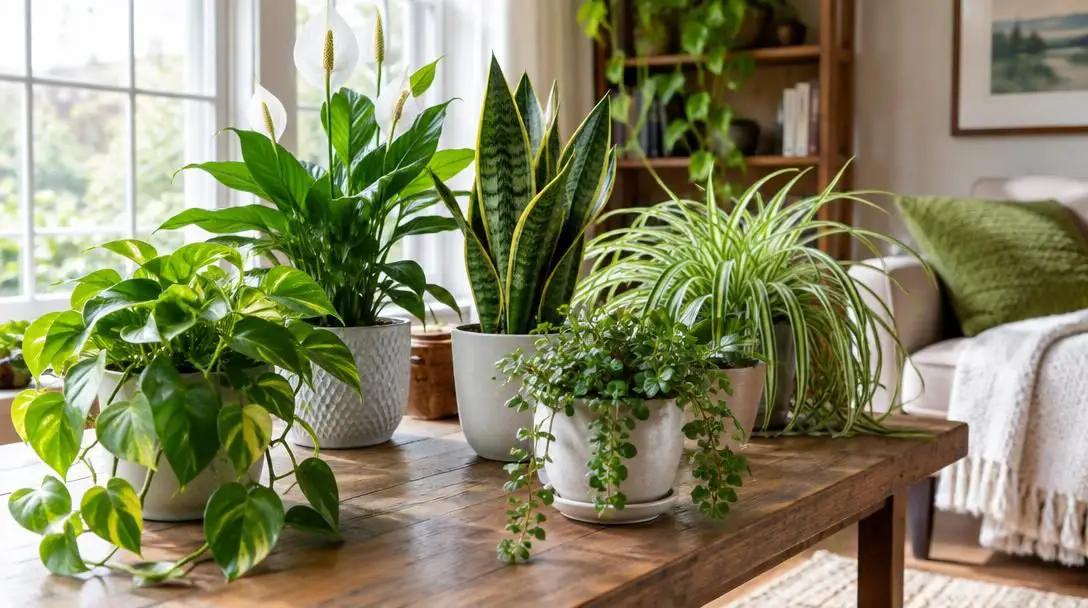
Care routines are straightforward: provide the plant with bright, moderate sun exposure in a room kept at a comfortable temperature. Water once a week so the potting medium remains slightly moist, ensuring the root container is never waterlogged.
At a Glance: Comparing Top Indoor Houseplants
Evaluating light requirements, hydration schedules, and safety considerations side by side makes it easier to match individual varieties with your home's layout and environmental conditions.
| Plant Name | Watering Schedule | Sunlight Preference | Temperature Range | Key Consideration |
|---|---|---|---|---|
| Cactus | Every 10 to 14 days | Adequate sun; no direct exposure | Standard household | Sharp spines; keep away from pets and kids |
| String of Pearls | Every 2 to 3 weeks | 6 to 8 hours bright, indirect | 55 to 80°F | Poisonous; avoid drafts |
| English Ivy | Once a week | Bright, indirect | 10 to 70°F | Prefers cool rooms and misting |
| Prayer Plant | Every 1 to 2 weeks | Shady with indirect sun | Warm and humid | Folds leaves at night; benefits from misting |
| Spider Plant | Once a week | Bright, moderate | Comfortable room temp | Cleans air; lives up to 20 years |
Understanding Botanical Mechanisms: How Indoor Plants Function in the Home
To provide proper care, it helps to understand how indoor plants function and interact with domestic living spaces. In natural environments, plants adapt to specific light intensities, ambient temperatures, and moisture levels. When moved into a house or apartment, plants continue these natural processes within a confined setting:
- Air quality maintenance: Houseplants interact with indoor air by exchanging gases through microscopic openings on their leaves. Plants like the spider plant actively support a cleaner indoor atmosphere, purifying the air inside residential living spaces.
- Water storage and moisture balance: Succulent varieties like the String of Pearls and desert species like cacti store moisture within their structural tissues, allowing them to endure periods of dryness without distress. In contrast, foliage plants like English Ivy or the rainforest-native prayer plant process water more rapidly, benefiting from higher ambient humidity or surface leaf misting.
- Protective behavioral adaptations: Physical movements in plants serve specific survival purposes. The prayer plant demonstrates this clearly through its circadian movement, folding and raising its leaves upwards as evening approaches to shield itself against the chill of the night.
- Lighting response: While plants need energy from the sun to survive, excess direct rays can cause cellular stress. Cacti, for instance, can experience discoloration and physical damage if subjected to intense direct sunlight, requiring adequate yet protected exposure.
Practical Steps for Setting Up Your Indoor Garden
Establishing an indoor garden requires no complicated tools, but it does benefit from deliberate planning. Follow these sequential steps to ensure every plant receives the right balance of light, moisture, and safety.
- Evaluate light and temperature conditions: Walk through your living space to identify microclimates. Find bright, indirect light for English Ivy and String of Pearls, moderate light for spider plants, and shady spots for prayer plants. Ensure String of Pearls stays between 55 and 80 degrees Fahrenheit, while cooler areas (10 to 70 degrees) can host hearty English Ivy.
- Select aerated containers and well-draining soil: Plant species like English Ivy and cacti in pots that allow excess moisture to drain freely. Adequate drainage and air circulation prevent roots from sitting in stagnant water.
- Position plants for household safety: Place sharp cacti away from corridors frequented by children and pets. Hang or elevate toxic varieties like String of Pearls high on walls or shelves where trailing stems cannot be reached.
- Establish species-specific watering routines: Avoid watering every container on the same day. Water English Ivy and spider plants weekly, check prayer plant soil every 1 to 2 weeks, water cacti every 10 to 14 days, and wait 2 to 3 weeks until soil is visibly dry for String of Pearls.
- Mist foliage to sustain humidity: Use a handheld spray mister to lightly coat the leaves of English Ivy and prayer plants, keeping their foliage hydrated without over-saturating the soil below.
Common Indoor Gardening Mistakes to Avoid
Even resilient houseplants will suffer if their fundamental biological needs are neglected. Watch out for these widespread mistakes to keep your indoor garden flourishing:
- Overwatering root systems: Saturating soil until it is soaking wet causes root decline. English Ivy and spider plants need slightly damp or moist soil, not waterlogged conditions. Giving plants too much water too frequently strips away necessary air circulation.
- Exposing sensitive foliage to direct sun: Placing plants in unshaded, direct rays can cause serious harm. While cacti need adequate sun exposure, placing them directly under scorching beams leads to discoloration and damage. Keep prayer plants, String of Pearls, and ivies under bright or moderate indirect lighting rather than harsh exposure.
- Neglecting drafts and temperature limits: Drafty corridors, exterior doorways, and sudden temperature drops can stress delicate succulents. String of Pearls must stay shielded from drafty spots and maintained in its preferred 55 to 80 degree Fahrenheit environment to prevent damage.
- Disregarding plant toxicity and physical hazards: Overlooking the physical spines on cacti or the toxic nature of the String of Pearls can result in harm to curious pets or young children. Failing to position these plants safely undermines the wellness benefits of an indoor garden.
- Relying solely on the calendar for moisture needs: Pouring water on a rigid schedule without checking the soil can lead to underwatering or saturation. Always observe the medium: inspect for visibly dried soil before watering a String of Pearls, and touch the soil before rehydrating a prayer plant.
Frequently asked questions
Which indoor houseplant can live the longest?
The spider plant is noted for its exceptional longevity, capable of living up to 20 years under proper indoor care, which allows it to outlive many household pets.
How can I tell if my cactus is getting too much sun?
If a cactus is placed under direct, unshaded sunlight indoors, it will show visible signs of distress, including tissue discoloration and surface damage. It should receive adequate light while being protected from harsh direct rays.
Where is the safest place to display a String of Pearls?
Because the String of Pearls is poisonous to humans and animals, it should always be placed well out of reach. High shelves and hanging planters in areas free of cold drafts provide the safest setup.
Why does the prayer plant raise its leaves at night?
The prayer plant exhibits a natural circadian movement where its leaves raise and fold together each evening. This adaptation shields the plant from the chill of the night before reopening the following morning.
Can English Ivy survive in cooler rooms?
Yes, English Ivy is remarkably hearty and can withstand cold temperatures ranging from 10 to 70 degrees Fahrenheit, provided it receives bright, indirect sunlight and adequate air circulation.
The bottom line
Cultivating an indoor garden is one of the most rewarding ways to elevate your home environment, enhance ambient air quality, and establish a restorative daily routine. Success relies on choosing plants that fit your living space rather than forcing delicate species into unsuitable conditions. By recognizing the differing moisture, light, and safety needs of resilient choices like cacti, String of Pearls, English Ivy, prayer plants, and spider plants, any homeowner can nurture a vibrant domestic sanctuary that thrives for years to come.