The Art of Fertilizing: Tips for a Healthier and More Productive Garden
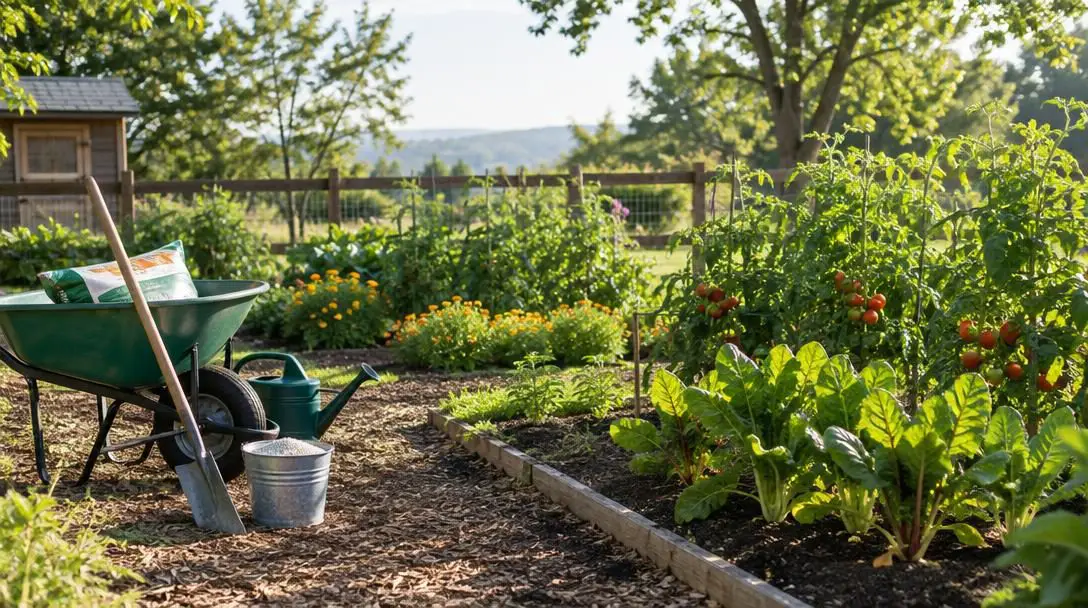
A flourishing garden bursting with lush foliage, vibrant blooms, and generous harvests is the direct reward of attentive plant nutrition. While wild flora adapts gradually to indigenous mineral balances over decades, home garden beds rely entirely on the gardener to replenish spent soil. Without intentional care, intensively cultivated soil quickly becomes depleted, leaving plants vulnerable, pale, and unproductive. Although neglected plots may survive with bare-minimum intervention, undernourished plants routinely display stunted stems, dull petals, and lackluster flavor.
Treating plant nutrition as an essential, recurring rhythm transforms ordinary soil into a thriving, self-sustaining ecosystem. Mastering this art requires understanding soil composition, plant biology, and proper application techniques to turn everyday household remnants into exceptional growing power. By working in harmony with natural decomposition cycles, any grower can cultivate resilient crops while avoiding the biological damage associated with synthetic commercial inputs.
Key takeaways
- Homemade composted fertilizer supplies essential primary macronutrients like nitrogen, phosphorus, and potassium without the chemical risks tied to synthetic options.
- Combining raw kitchen trimmings with yard waste in a dedicated bin creates a gentle, nutrient-dense soil amendment naturally over time.
- Fertilizer must always be thoroughly blended into native soil to prevent concentrated pockets that scorch tender root tips.
- Applications should occur during the cool hours of early morning or late evening and be repeated every three to four weeks across the growing season.
- Gardeners should wait one to two days after incorporating fertilizer before watering deeply so soil particles and amendments can properly settle.
What fertilizer is and how it powers plant development
At its foundation, fertilizer acts as the lifeblood of an active garden, functioning as a concentrated nutritional diet for developing root systems. Rather than an unnatural chemical additive, high-grade fertilizer is fundamentally a rich, decomposed compost blend created from everyday organic discards. When diverse organic items such as kitchen trimmings, yard debris, and crushed eggshells break down together, they form a fertile medium designed specifically to support microbial life and fuel cellular expansion.
The biological value of this decomposed blend rests in its delivery of the three primary macronutrients required for plant life: nitrogen, phosphorus, and potassium. Each of these core elements manages distinct physiological responsibilities across the lifecycle of a crop, dictating how effectively a plant captures light, builds tissue, and defends itself against external pressures:
- Nitrogen: Drives vigorous vegetative growth, stimulating the rich, dark green foliage and strong stems necessary for capturing sunlight and fueling photosynthesis.
- Phosphorus: Operates primarily below the surface early in the season to establish sturdy root networks, later powering the formation of vibrant flower blossoms, viable seed production, and dense fruit sets.
- Potassium: Serves as an overall regulator of internal plant vitality, facilitating nutrient and fluid circulation, reinforcing cell wall strength, and shielding plants against environmental stress.
Working in close harmony, these elements allow domestic crops to develop faster, attain larger physical architecture, and deliver substantially heavier yields than plants grown in depleted, raw dirt. Because composted organic matter releases its compounds gradually into the soil matrix, fine root hairs absorb the dissolved minerals steadily without shocking sensitive plant systems. Mastering the art of fertilizing requires much more than simply scattering amendments over the ground whenever you happen to remember; it demands a structured, observant approach to nourishment.
| Macronutrient | Primary Plant Function | Growth Stage Focus | Key Visual Benefit |
|---|---|---|---|
| Nitrogen (N) | Fuels vegetative growth, chlorophyll synthesis, and stem development | Early vegetative phase and foliage production | Lush, deep green leaves and thick, upright stalks |
| Phosphorus (P) | Directs energy transfer, root elongation, and blossom initiation | Seedling establishment, flowering, and fruiting | Extensive root branches and abundant, vibrant blooms |
| Potassium (K) | Regulates cellular fluid balance, enzymatic activity, and stress defense | Continuous throughout all active growing phases | Stout cell walls, drought resilience, and firm produce |
Why homemade composted fertilizer outperforms store-bought formulas
When seeking to replenish an outdoor plot, generating your own fertilizer directly at home offers massive advantages over commercial alternatives. Many growers assume that factory-sealed convenience equates to higher quality, but mass-produced fertilizers found on retail shelves are designed for extended warehouse storage rather than biological vitality. These packaged options frequently rely on synthetic chemical salts formulated for rapid, unnatural bursts of growth.
These synthetic chemical additives carry substantial hidden risks for living soil. High concentrations of chemical salts can burn delicate root tips, eliminate beneficial soil microfauna, and throw the natural balance of your garden bed completely out of alignment. Over time, an over-reliance on chemical products creates sterile soil conditions where plants become entirely dependent on artificial inputs just to survive.
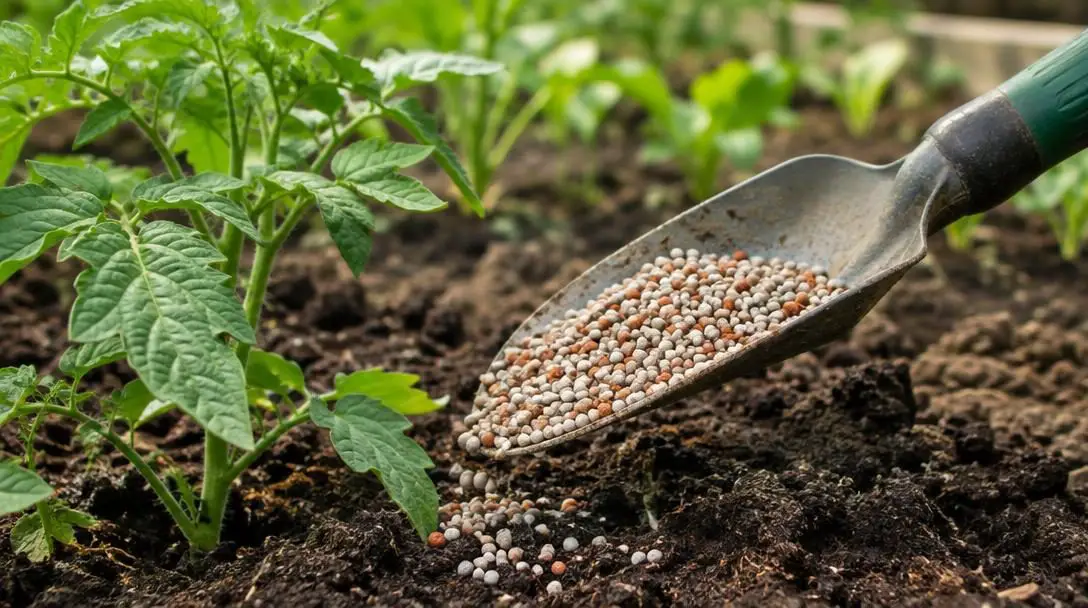
Conversely, homemade composted fertilizer utilizes natural biological degradation, releasing mild, sustained nourishment that enriches soil biology alongside nature rather than overriding it. As organic waste decomposes, it feeds indigenous earthworms, fungi, and beneficial bacteria. These organisms process raw material into humic substances that permanently improve soil porosity, moisture retention, and cation exchange capacity.
Homemade composted fertilizer utilizes natural biological degradation, releasing mild, sustained nourishment that enriches soil biology alongside nature rather than overriding it.
How to build rich organic fertilizer at home
Creating premium fertilizer at home demands neither complex industrial machinery nor advanced chemistry expertise. Instead, the process depends on establishing steady household habits and giving natural breakdown processes adequate time to work. Collecting balanced organic waste on an ongoing basis ensures a perpetual supply of wholesome plant food throughout the year.
- Secure a dedicated compost container: Set up a primary storage location by selecting a large outdoor container or assembling a spacious composting bin designed to hold sizable volumes of material over multiple months while allowing airflow.
- Gather everyday kitchen remnants: Systematically save raw food scraps generated during meal prep, focusing on wholesome items like vegetable trimmings, fruit peels, crushed eggshells, and spent coffee grounds. Collect them in a small countertop vessel before transferring them outdoors.
- Incorporate outdoor yard waste: Balance the moist, nitrogen-heavy kitchen materials by adding dry yard trimmings, including small sticks, fallen autumn leaves, and fresh lawn grass clippings to establish structural porosity.
- Blend the collected materials thoroughly: Stir and combine the ingredients within your primary compost bin so wet discards intermingle evenly with dry, woody carbon elements, encouraging natural airflow and uniform decomposition.
- Allow sufficient time for natural breakdown: Let nature run its course. Over time, the layered organic discards will gradually decompose, shifting from raw household scraps into a crumbly, dark, earthy compost ready to feed your garden beds.
The balance between kitchen scraps and yard trimmings provides a hospitable habitat for decomposers. Regularly turning the pile ensures oxygen reaches the center, preventing foul odors and accelerating the transformation of coarse waste into finely textured, crumbly humus.
Proper timing and techniques for soil application
Applying fertilizer successfully requires understanding both calendar timing and physical distribution. Even the highest-grade compost will yield subpar results if dumped carelessly or applied during stressful weather conditions. Applying amendments thoughtfully protects developing roots and optimizes nutrient availability throughout the season.
The ideal time to introduce fertilizer into garden beds is prior to the beginning of the growing season. Incorporating the mixture early creates an energized, fertile soil structure that supports young seedlings immediately upon transplanting. However, if early spring preparation was missed, applying amendments directly during the active growing season remains beneficial, provided you apply it without further delay.
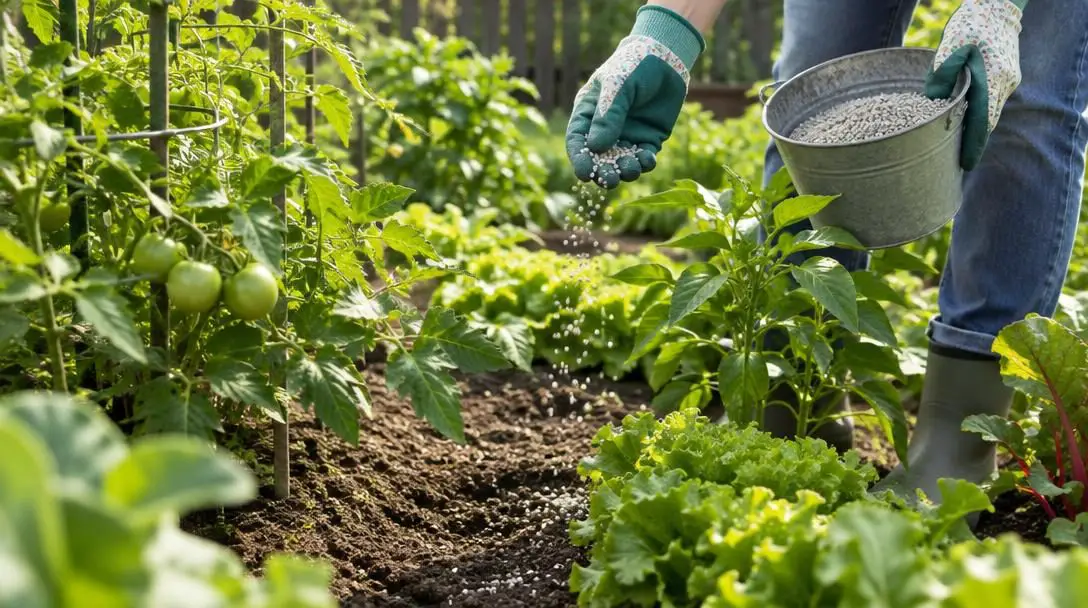
When applying fertilizer, distributing and integrating the material correctly is vital. You must blend the composted amendment entirely into the native soil mixture rather than leaving it in concentrated mounds around the base of the plant. Isolated pockets of unmixed fertilizer will harm tender roots, while isolated pockets of barren soil leave roots starving. Once combined, establish an ongoing rhythm by reapplying your organic fertilizer every 3 to 4 weeks throughout the peak growing season to maintain steady nutrient levels as plants expand.
Managing moisture: when and how to water fertilized beds
The relationship between newly applied amendments and soil moisture is frequently underestimated by home gardeners. Water acts as the vehicle that dissolves organic nutrients and ferries them toward thirsty root hairs, but saturating a freshly worked bed too soon can compromise your physical blending efforts.
After incorporating your fertilizer into the soil, wait 1 to 2 days before applying water. This deliberate pause gives the newly turned earth and organic particles adequate time to settle into an integrated matrix. Introducing heavy streams of water immediately after spreading amendments can break apart the delicate, soft soil structure and wash valuable nutrients away from the root zone before the plants can use them.
Once this settling window passes, water the planting area thoroughly. Deliver a deep soak so moisture penetrates several inches down into the soil bed rather than moistening merely the surface. Shallow sprinkling keeps plant roots lingering near the topsoil, where they are vulnerable to summer drought, whereas deep moisture drives root systems downward, helping plants access deep moisture reserves and well-blended nutrients during warm afternoons.
Frequent fertilization mistakes to avoid
Even diligent gardeners encounter unexpected plant issues when basic application principles are overlooked. Steering clear of these widespread pitfalls will safeguard your crops from avoidable setbacks:
- Relying on commercial synthetic fertilizers: Using packaged store-bought options for fast convenience introduces harsh synthetic salts that threaten root integrity and soil life.
- Failing to combine amendments thoroughly: Leaving dense pockets of pure fertilizer creates hot zones that burn plant roots; pure compost cannot support a plant on its own without native soil intermixed.
- Applying nutrients during peak daytime heat: Amending soil under blistering midday summer sun stresses plant foliage and evaporates valuable moisture rapidly; restrict feeding routines to early morning or twilight.
- Irrigating beds immediately after mixing: Drenching garden soil immediately following application destabilizes freshly tilled ground and disrupts the careful integration of organic materials.
- Superficial surface sprinkling: Lightly wetting only the top half-inch of topsoil prevents water from reaching deep feeder roots and discourages downward root exploration.
Frequently asked questions
What organic materials can I use to build homemade fertilizer?
You can craft excellent homemade fertilizer using kitchen scraps such as fruit peels, raw vegetable cuttings, leftover coffee grounds, and crushed eggshells, alongside yard waste like fallen leaves, small sticks, grass clippings, and seasoned manure.
Why should I avoid commercial synthetic fertilizers?
Commercial synthetic options contain industrial chemicals and concentrated salts that can burn sensitive root tips, kill beneficial microbes, and destabilize the natural biological balance of your garden soil.
How frequently should I fertilize my garden during the growing season?
To sustain steady growth and promote heavy yields, reapply your homemade organic fertilizer every three to four weeks throughout active periods of seasonal plant development.
Why is it important to wait one to two days before watering fertilized soil?
Allowing a short one-to-two-day resting period lets the distributed fertilizer settle into the surrounding dirt naturally without washing away or disrupting the soft, freshly prepared soil structure.
What time of day is best for applying fertilizer to the garden?
During warm summer months, apply fertilizer strictly during the cooler portions of the day—either early in the morning or late in the evening—to minimize environmental stress on your plants.
The bottom line
Cultivating a flourishing garden is not a game of chance or unguided labor. By steering clear of synthetic commercial shortcuts and building wholesome fertilizer directly from domestic discards, you protect soil vitality while giving crops the foundational nutrients they crave. Thorough blending, well-timed applications, and deep, patient watering will turn everyday kitchen discards into an abundant, high-yielding garden that thrives season after season.