Using Mulch in Your Garden: Benefits and Application
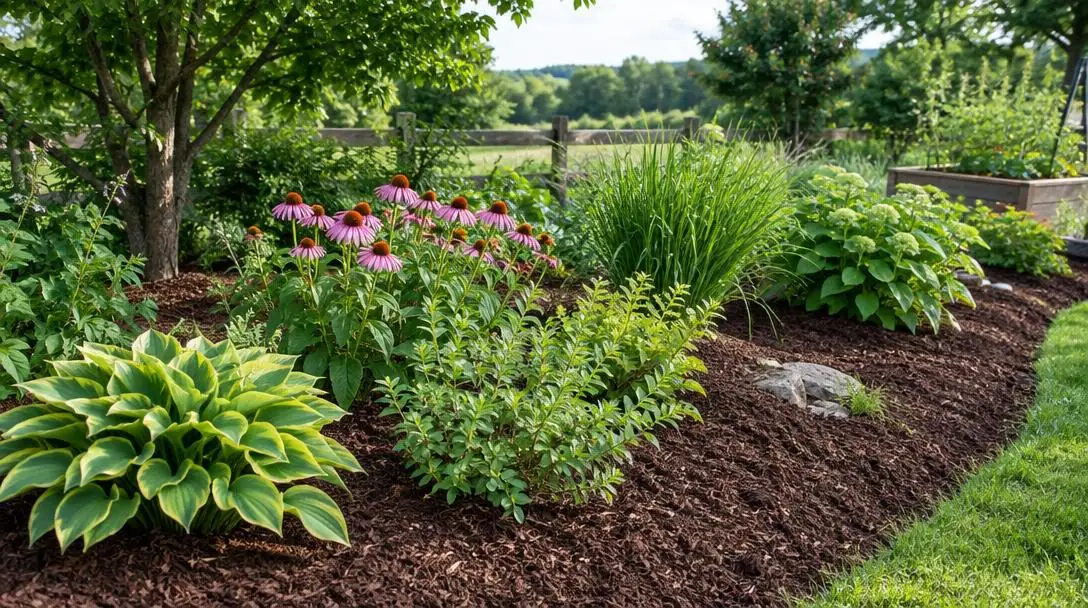
In the expansive discipline of horticulture, thoughtful ground care remains one of the fundamental cornerstones of long-term botanical vitality. Cultivating thriving perennial borders, lush shrubberies, and prolific vegetable patches requires far more than merely planting seeds and turning on an automated sprinkler system. At the core of deliberate ground stewardship lies the intentional use of mulch, a foundational practice that safeguards topsoil, nurtures subterranean root development, and harmonizes outdoor aesthetics across the landscape.
Uncovered topsoil faces relentless exposure to solar radiation, wind desiccation, and driving storm runoffs, which quickly deplete critical moisture reserves and degrade earth structure. By introducing a deliberate ground barrier, gardeners build a durable shield that cushions tender root zones against environmental volatility, turning vulnerable earth into a balanced, hospitable growing environment.
Key takeaways
- Mulch acts as a protective physical barrier that curtails soil moisture evaporation, regulates subterranean temperatures, and cushions earth against storm erosion.
- Applying a sufficient ground cover denies sunlight to dormant weed seeds, drastically reducing the need for chemical herbicides or intensive hand-weeding.
- Organic mulches decompose over time to deliver vital nutrients back into the soil, whereas inorganic materials offer durable, permanent weed suppression and pathway stability.
- Proper application requires hydrating the soil first, spreading an even layer, and keeping materials pulled back from plant stems and trunks to prevent moisture-induced rot.
Understanding Mulch and Its Role in the Garden
At its core, mulching involves the deliberate application of organic or inorganic materials across the surface of the soil directly around plants. In an un-mulched garden bed, bare topsoil sits wholly unprotected against atmospheric stressors. Intense afternoon sun bakes the surface crust, brisk winds siphon away vital water, and torrential downpours dislodge delicate topsoil particles. Over time, this unmitigated exposure triggers rapid water loss, dense surface compaction, aggressive weed invasions, and radical thermal swings that stress delicate root systems.
Introducing a protective layer establishes an indispensable buffer zone between the subterranean ecosystem and the atmosphere. By mediating external forces, mulch creates a stable, hospitable habitat where feeder roots, earthworms, and microscopic soil organisms can flourish without interruption. Understanding how this layer operates allows growers to work in concert with natural biological cycles rather than constantly battling soil degradation, compaction, and runaway weed growth.
Mulch establishes an indispensable buffer zone between the subterranean ecosystem and the atmosphere, creating a stable habitat where root systems can flourish.
Key Benefits of Garden Mulch
Applying mulch across landscape borders and agricultural rows provides a multitude of functional and ecological dividends. Rather than addressing garden problems piecemeal, covering bare earth simultaneously solves multiple structural challenges across the landscape:
- Moisture retention and water conservation: Mulch substantially curtails the rate of water evaporation directly from the soil surface. By locking in ambient moisture, it ensures plant roots enjoy steady, consistent hydration. This conservation reduces required watering intervals, lowers municipal utility consumption, and shields plants against intermittent drought stress.
- Weed suppression: By casting deep shade over the underlying earth, mulch establishes an effective physical barrier against opportunistic weed species. Because dormant weed seeds require sun exposure to germinate and sustain growth, blocking out sunlight dramatically curtails unwanted competition for soil moisture and nutrients, drastically cutting back the necessity for chemical herbicides or exhaustive hand-weeding sessions.
- Soil temperature regulation: Violent thermal fluctuations shock fragile root zones. Mulch serves as an insulating thermal blanket, cooling the ground during sweltering midsummer afternoons and retaining trapped subterranean warmth when ambient air temperatures plunge. This thermal equilibrium protects plants against sudden weather spikes, steep drops, and unseasonal freezes.
- Protection against torrential downpours: Fast-moving seasonal storms and abrupt heavy rains can cause severe soil flooding, wash away precious nutrient-laden topsoil, and drown delicate root networks. Mulch cushions the physical impact of descending raindrops, dispersing the kinetic energy of precipitation and allowing moisture to filter into the ground smoothly without eroding the landscape.
- Enhancement of soil health: When natural, biodegradable products are selected, the mulch layer slowly breaks down, contributing continuous organic matter and structural improvements to the ground below.
- Visual polish and aesthetic appeal: Beyond sheer utility, mulch ties an entire landscape together, creating clean borders, accentuating bright plant foliage, and framing garden beds with an intentional, tidy finish.
Organic vs. Inorganic Mulch: How They Compare
Gardeners generally choose between two primary categories of ground cover: organic and inorganic mulches. While both types function to protect the soil, regulate moisture, and suppress weeds, they differ substantially in their composition, longevity, and overall environmental contributions.
| Mulch Type | Primary Materials | Soil Nutrient Impact | Visual Aesthetic | Best Applications |
|---|---|---|---|---|
| Organic Mulch | Shredded bark, compost, dried leaves, grass clippings | Releases active organic matter and nutrients as it decomposes | Deep, rich, earthy brown providing vivid plant contrast | Vegetable patches, annual displays, and perennial flower beds |
| Inorganic Mulch | Gravel, decorative rocks, stones, landscape plastics, rubber chips | None; does not decompose or enrich soil biology | Rustic, clean, gray, or gravelly architectural textures | Walkways, permanent borders, patios, and modern hardscapes |
Organic Mulch
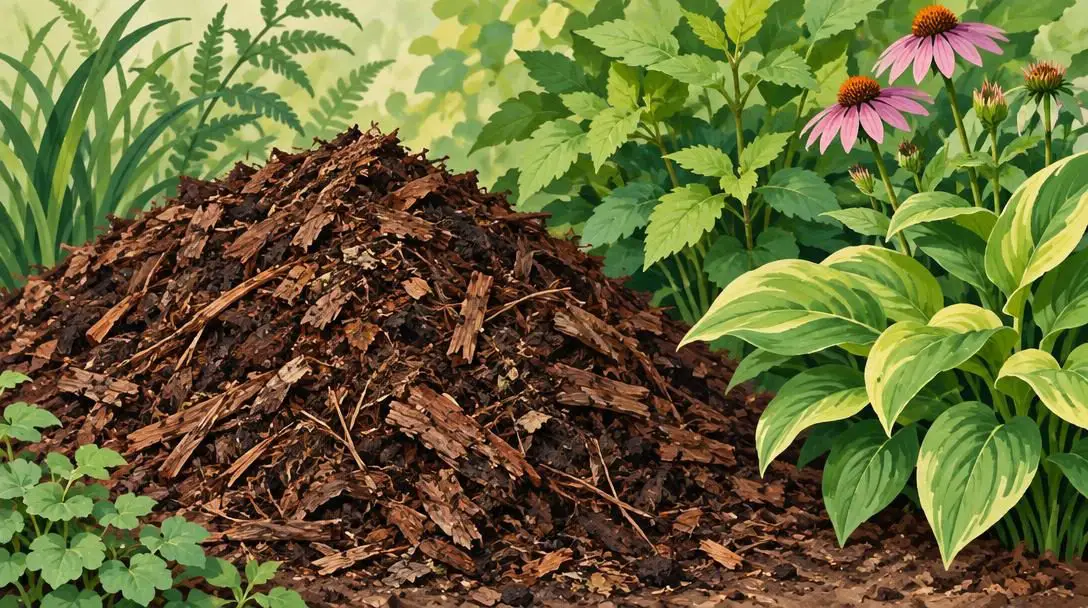
Organic mulches are derived from once-living botanical materials that decompose naturally over time through biological weathering. Standard examples include shredded tree bark, compost, dried leaves, grass clippings, and other plant matter. Because organic options break down, they provide a steady supply of nutrients and organic matter back into the ground, leading to a genuinely positive effect on the overall soil environment.
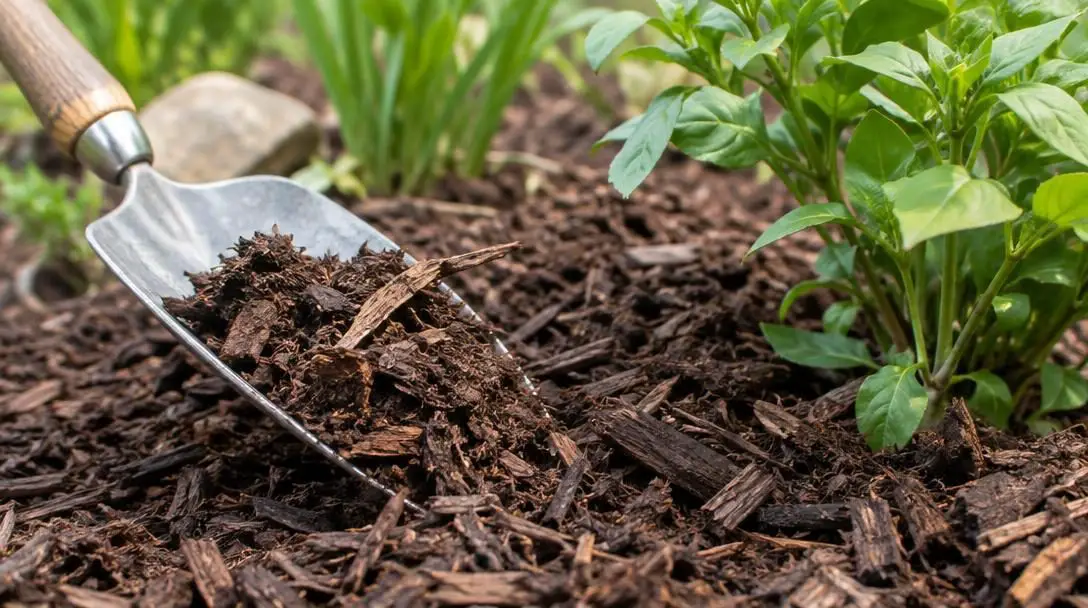
Visually, quality organic mulch typically boasts a rich, deep, earthy brown color. This dark hue creates a striking, high-contrast backdrop that makes the vibrant greens, purples, pinks, reds, oranges, and yellows of ornamental flowers and garden produce stand out beautifully. Furthermore, by fostering earthworm activity and boosting beneficial fungal colonies, organic mulch steadily builds spongy, rich loam over successive growing seasons.
Inorganic Mulch
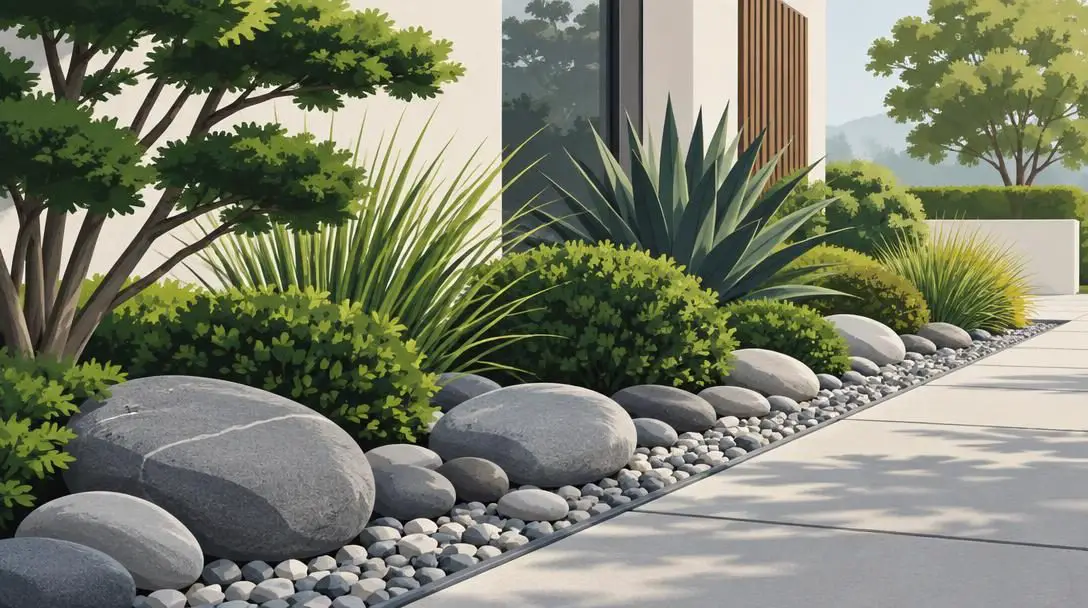
Inorganic mulches consist of non-biodegradable products such as gravel, decorative rocks, stones, landscape plastics, and recycled rubber chips. Because these materials do not rot or break down, they do not provide organic nutrients to the underlying earth. However, they are exceptionally durable and excel at blocking weeds, insulating the soil, and serving aesthetic design goals.
Inorganic mulch often delivers a rustic, gray, or gravelly texture that pairs smoothly with structural landscape elements. It is an ideal visual choice for lining outdoor pathways, defining specialized garden plots, edging patio spaces, or complementing clean-cut modern architecture. Its heavy physical presence ensures it will not blow away in strong winds or float away during heavy flooding, providing semi-permanent ground stability with minimal replacement costs.
How Mulch Protects Soil and Plant Systems
To fully appreciate the practical value of mulch, it helps to examine the physical processes occurring directly at the soil boundary. When water strikes un-mulched ground, ambient heat and moving air currents immediately draw that moisture back upward through simple evaporation. When a blanket of mulch covers the surface, it blocks direct solar radiation and wind contact, keeping the underlying ground damp and cool for much longer periods.
Mulch acts as a thermal buffer, slowing the rate of heat transfer into and out of the earth so that the soil experiences gradual, manageable temperature changes rather than violent shocks. Soil temperature is a decisive factor in plant longevity; if root zones get excessively hot during sunny afternoons or freeze rapidly during sudden cold snaps, delicate feeder roots can suffer cellular damage or die off entirely.
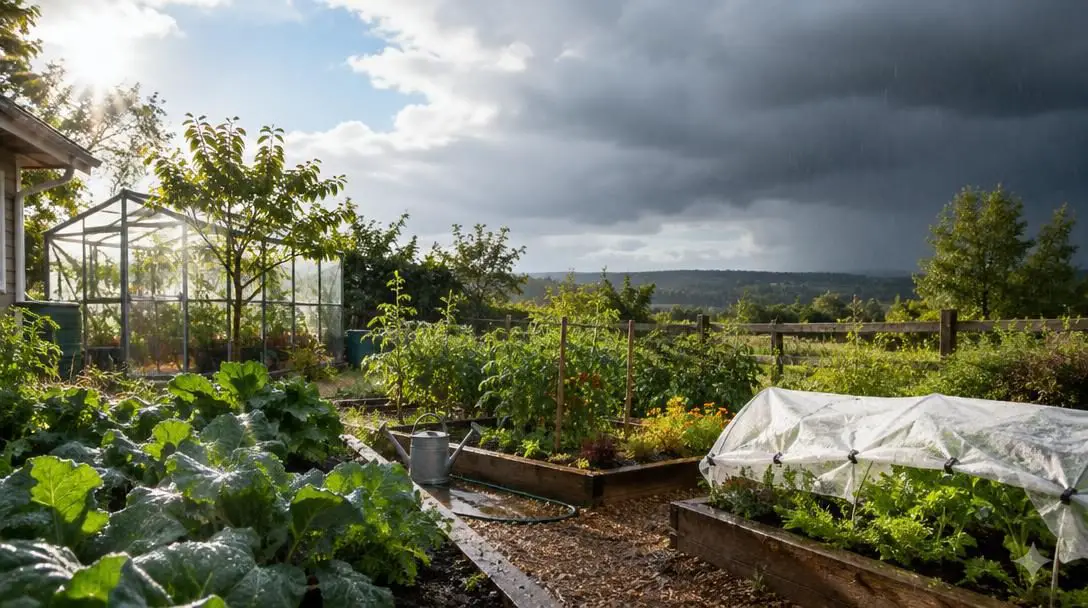
During intense cloudbursts, heavy raindrops strike exposed dirt with significant kinetic velocity, dislodging fine silt particles, creating hard surface capping, and encouraging soil erosion. A protective mulch blanket breaks this impact, dispersing rainfall into a fine mist that seeps downward steadily, preserving soil aeration and preventing standing water from suffocating underlying root networks.
Practical Steps for Applying Mulch to Your Garden
Applying mulch properly is straightforward, but following a structured approach ensures that you maximize all of its protective qualities while keeping your beds neat and healthy.
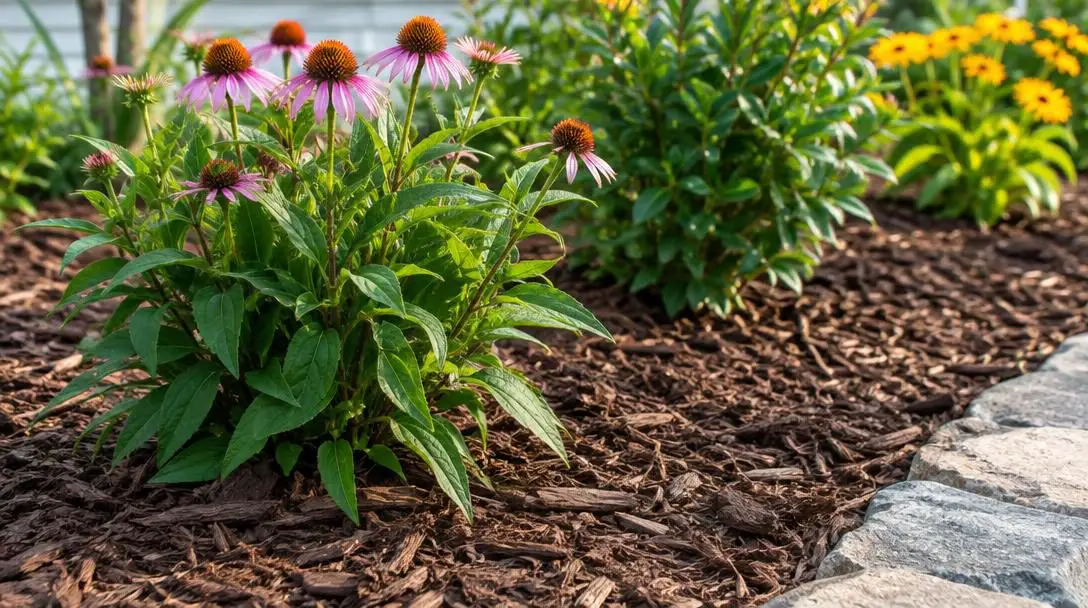
- Clear the area: Begin by removing any existing weeds, dead debris, and fallen branches from the planting bed. Pull unwanted plants out by the roots so they do not attempt to push through the fresh layer.
- Ensure adequate soil hydration: If the ground is bone-dry, give the entire bed a thorough watering prior to applying your mulch. Since mulch slows down water movement from the surface into the soil, starting with already-hydrated soil ensures that plants have immediate access to deep moisture.
- Select your mulch material: Decide whether your specific space calls for the nutrient-rich, earthy appeal of organic bark, compost, and leaf litter, or the clean, permanent, rustic gray aesthetic of gravel, rock, rubber, or plastic.
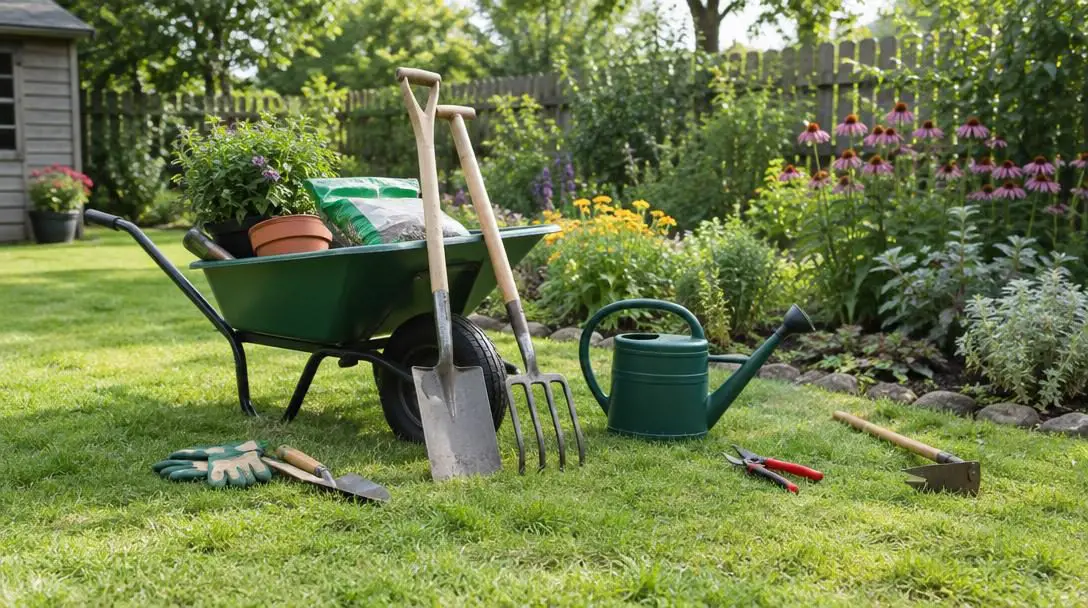
- Distribute the material evenly: Using a shovel, rake, or your hands, spread the mulch across the soil surface in a smooth, continuous layer. Strive for an even depth across the whole bed so there are no thin gaps that weeds can penetrate or thick mounds that stifle the ground.
- Leave breathing room around plant bases: Keep the mulch pulled back slightly from the direct stems of flowers, vegetables, and the bark of shrubs or trees. While the surrounding root zones should be well-covered, burying the plant's actual crown or trunk can invite fungal moisture problems.
- Tidy the edges: Use a garden rake or edge tool to establish clean separation lines between your mulched planting areas, adjacent grass lawns, and hard walkways. Clean placement adds to the overall aesthetic and keeps the outdoor space looking tight, orderly, and well put-together.
Common Mistakes to Avoid When Mulching
Even though mulching is straightforward, common errors can diminish its benefits or inadvertently cause harm to your plants. Keeping these pitfalls in mind will help you achieve the best possible results:
- Creating mulch volcanoes: One of the most frequent landscaping mistakes is piling organic mulch up high against the stems or trunks of plants. This practice traps excess moisture against the bark, which can encourage rot, diseases, and insect infestation. Always leave a small perimeter of clear space directly around plant bases.
- Spreading the layer too thickly: While adequate coverage is necessary to stop weeds and conserve water, an excessively thick layer can prevent rain and air from reaching the ground underneath, effectively suffocating the roots below.
- Spreading the layer too thinly: Applying only a light dusting of mulch will fail to block sunlight. If light can easily reach the soil, weed seeds will continue to germinate, and surface water will quickly evaporate into the air.
- Placing inorganic mulch where soil enrichment is needed: Using stones, gravel, plastic, or rubber in vegetable gardens or beds with heavy-feeding annual flowers can be counterproductive if the long-term goal is improving the earth. Inorganic materials do not break down or yield organic nutrients, making them better suited for pathways, patios, and purely decorative zones.
- Applying over completely dry, hard-packed earth: Putting mulch directly over baked, bone-dry soil creates a barrier that can make it difficult for light rain to penetrate. Always soften and hydrate dry ground before covering it.
Long-Term Landscape Considerations
Once you have incorporated mulch into your outdoor maintenance routine, think about how to manage and sustain your landscape over the coming seasons. A mindful approach to garden management requires observing how ground covers respond to changing weather, seasonal plant growth, and soil biological activity over time.
First, consider the natural life cycle of the mulch you selected. Organic materials, such as shredded leaves, grass clippings, and bark, will inevitably degrade as they enrich your beds. Check on your beds periodically to see if the layer has thinned out, planning to top it off with fresh organic matter whenever needed to maintain consistent moisture retention and weed prevention.
Second, think about the functional zones of your landscape. You might realize that a hybrid approach serves your property best: utilizing deep, brown, nutrient-dense organic mulch around your flowering perennials, shrub borders, and food-producing vegetable beds, while placing long-lasting, gray gravel or decorative stone across high-traffic footpaths, patio perimeters, and modern hardscape areas.
Frequently asked questions
How does mulch help reduce outdoor water consumption?
Mulch covers bare soil, protecting it from direct solar radiation and brisk winds that accelerate surface evaporation. By trapping subterranean moisture in the ground, it keeps the root zone consistently damp, which prolongs the interval needed between waterings and lowers utility use.
Can mulch prevent weeds without using chemical herbicides?
Yes. Mulch forms a dense physical barrier that blocks ambient sunlight from reaching the ground. Because weed seeds require light to germinate and thrive, shading the soil keeps those dormant seeds from establishing, drastically cutting the need for chemical sprays or manual pulling.
What is the difference between organic and inorganic mulch?
Organic mulch is made of naturally biodegradable plant matter like shredded bark, compost, dried leaves, and grass clippings, which slowly break down to enrich soil fertility. Inorganic mulch consists of non-decomposing materials like gravel, rocks, plastic, and rubber chips, which provide permanent ground cover and stability without releasing nutrients.
Why is it dangerous to pile mulch directly against tree trunks and stems?
Piling mulch against plant stems or trunks forms a "mulch volcano," which traps moisture directly against the bark and crown. This damp environment invites fungal infections, crown rot, bark disease, and opportunistic insect infestations that can weaken or kill the plant.
Should I water the soil before or after spreading mulch?
It is best to ensure thorough soil hydration prior to mulching, especially if the earth is dry. Because a fresh mulch layer can slow the penetration of light rainfall, laying material over pre-hydrated ground guarantees that plant roots have uninterrupted access to moisture immediately.
The bottom line
Mulching is far more than an optional cosmetic accent; it is an indispensable foundation of healthy, resilient gardening. By serving as an environmental mediator, a properly placed ground cover cushions root systems against violent temperature swings, shields topsoil from the erosive energy of torrential downpours, locks in precious moisture, and reliably keeps invasive weeds at bay.
Whether you choose rich organic barks that feed your soil biota over time or opt for durable, clean-edged stone around high-traffic paths, the key lies in attentive application. Clear your planting beds, hydrate the dry earth, maintain an even depth, and always leave ample breathing space around plant crowns and tree trunks. With those core practices established, your garden will enjoy lower maintenance demands and flourish across every season.