The Best Annual Flowers for a Colorful Garden
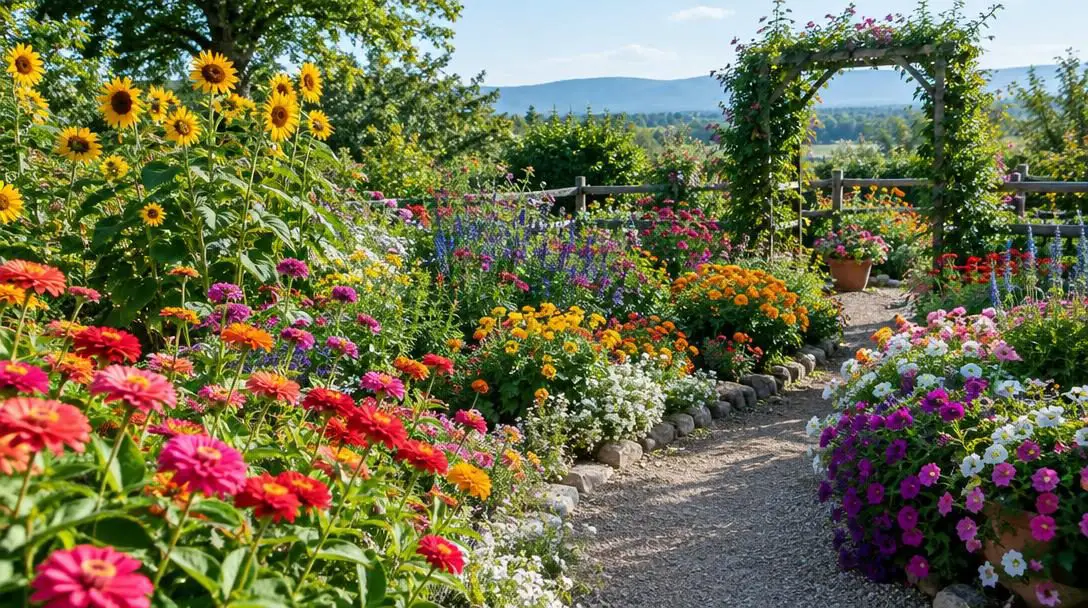
Creating an outdoor space filled with continuous, vibrant color is one of the most rewarding pursuits in gardening. Whether working with a sunny suburban backyard, a modest patio border, or a compact apartment balcony filled with pots and window boxes, the plants you select set the visual tone for the entire exterior. Selecting the right species allows any outdoor area to shift from a quiet green expanse into a lively, multifaceted display of contrasting shapes, textures, and hues.
To craft such a landscape, understanding life cycles is essential. Unlike perennial varieties that return year after year, annual flowers complete their entire journey—from germination and growth to flowering and setting seed—within a single season. Because their lifespan is brief, annuals expend tremendous energy producing prolific, show-stopping blossoms. This intense reproductive drive results in long-lasting, dramatic color displays that provide immediate curb appeal and allow for creative redesigns with every passing spring.
Key takeaways
- Annual flowers complete their life cycle in one season, dedicating their energy to continuous, intense blooms.
- Layering varied heights, from low-growing lobelia to towering six-foot cosmos and sunflowers, creates depth and visual balance.
- Specific environmental conditions, such as temperature thresholds for fuchsias and strict drainage for calibrachoa, determine success.
- Selecting flowers with open centers, such as cosmos and sunflowers, supports visiting garden pollinators with accessible nectar.
At a glance: Comparing top annual flowers
Matching plant attributes to your specific garden microclimates ensures consistent, healthy blooms from early planting through the arrival of autumn chill. The following comparison highlights key traits across these premier annual varieties.
| Flower | Primary Colors | Growth Habit and Height | Bloom Timing and Conditions |
|---|---|---|---|
| Pansy | Purple, pink, orange, yellow, blue, red | Compact bedding plant | Varied blooming with distinctive multi-color facial splotches |
| Dahlia | Lavender, white, peach, red, orange, pink, yellow | Bushy upright structure | Mid-summer until the first hard frost |
| Calibrachoa | Yellow, red, purple | Trailing container and basket specimen | All summer until the first autumn frost; full sun required |
| Sunflower | Bright yellow | Tall, architectural focal point | Blooms in 8 to 12 weeks; lasts midsummer through October |
| Fuchsia | Deep reddish-purple (fuchsia) | Delicate dangling blooms | Moist, cool climates; strictly under 85 degrees Fahrenheit |
| Lobelia | Deep purple, blue, red, white | Low-growing ground cover in dense bunches | Continuous cool-toned filler for open spaces |
| Cosmos | Pink, red, orange, yellow, white, maroon | Airy, branching stems reaching up to 6 feet | Summer-long daisy-like display; attracts pollinators |
| Marigold | Bright orange, yellow | Sturdy, upright bedding plant | Prolific, aromatic blossoms with edible petals |
The best annual flowers for lasting seasonal color
Every annual brings a distinct aesthetic personality to garden borders, raised beds, and hanging displays. By evaluating their individual bloom shapes, cultural backstories, and climatic preferences, you can easily pair complementary varieties across your growing space.
Pansy
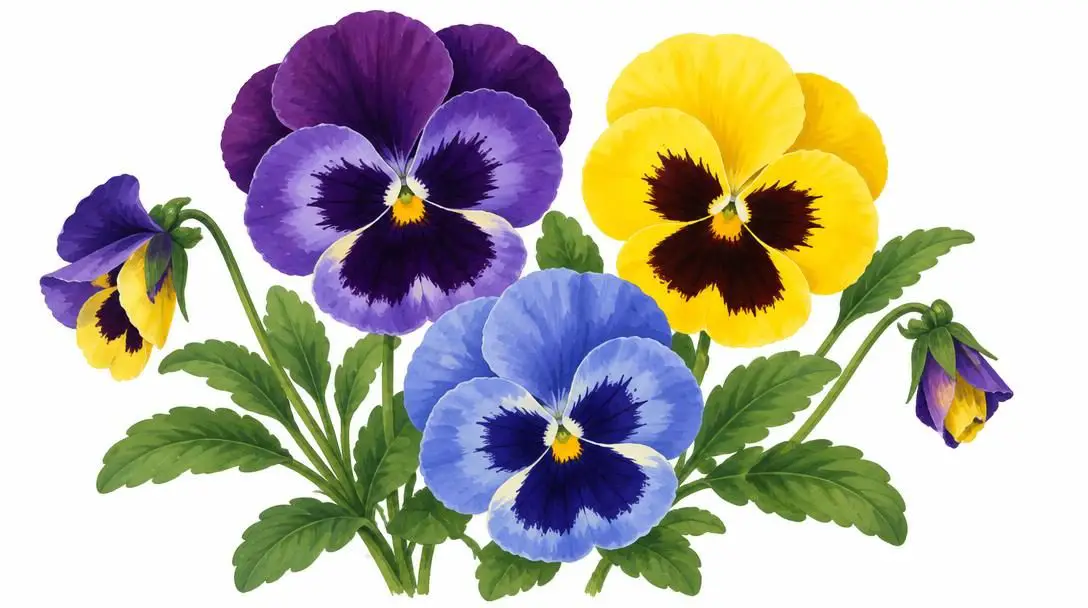
- Available Colors: Purple, pink, orange, yellow, blue, red
- Distinctive Feature: Multi-color blotches resembling individual fingerprints
- Ideal Placement: Drab garden beds and borders needing an instant pop of personality
If your garden beds need a rapid infusion of color, the pansy is an unbeatable candidate. These expressive flowers introduce an undeniable charm to areas that feel muted or bare. What makes pansies especially engaging to the eye is the presence of unique splotches of multiple colors across their petals. These patterns act as a sort of botanical fingerprint, guaranteeing that virtually no two blossoms look entirely identical across a single container or garden row.
Dahlia
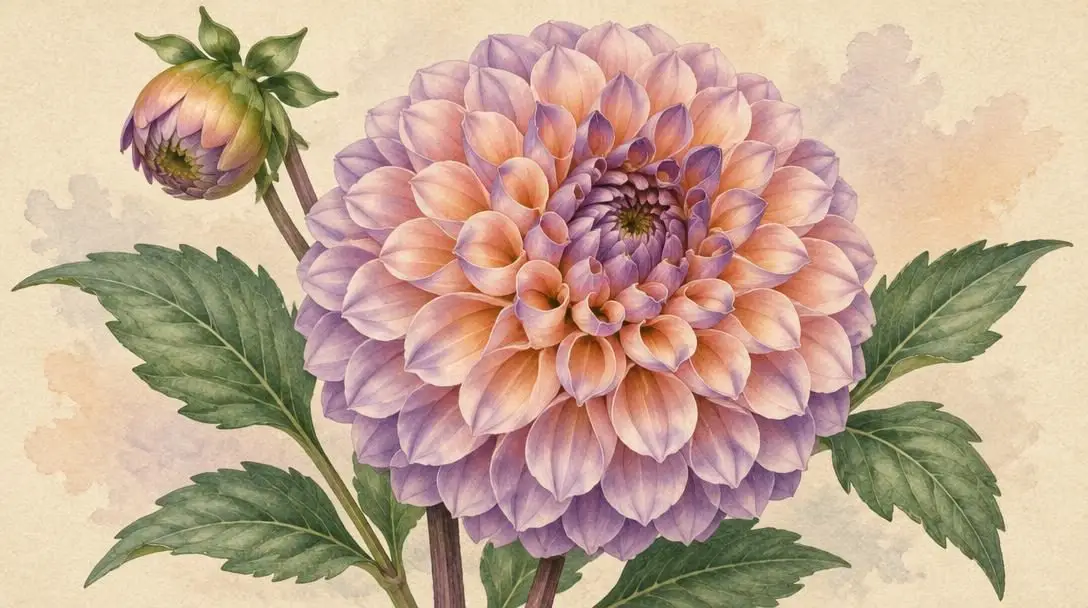
- Bloom Window: Mid-summer until the first hard frost
- Flower Form: Bushy, rounded pom-pom heads
- Color Spectrum: Lavender, white, peach, red, orange, pink, yellow
With their lush, rounded pom-pom profiles, dahlias stand out with bold theatricality among surrounding foliage. They are available in a rich variety of sizes and hues, ranging from soft peaches and lavenders to vibrant reds and oranges. Dahlias begin their display in mid-summer and persist reliably until freezing temperatures set in. Their substantial architecture serves as a natural visual anchor in mid-height garden zones, balancing softer foliage plants with structured floral symmetry.
Calibrachoa
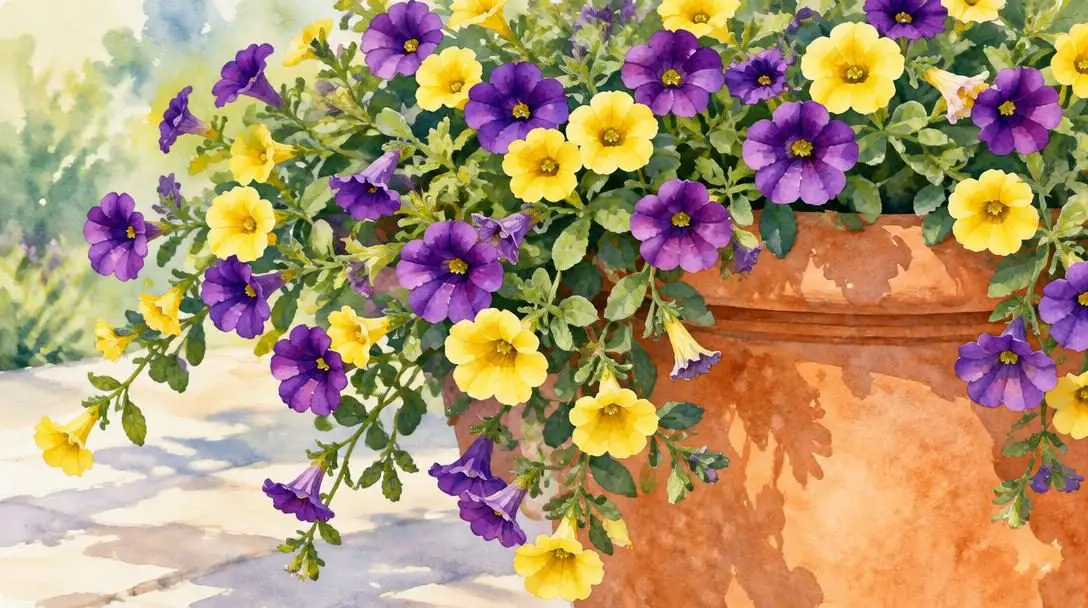
- Best Position: Hanging baskets and planters on sunny porches
- Drainage Requirement: Exceptional soil drainage strictly required
- Sun Exposure: Full sun
Calibrachoa produces an abundance of miniature, trumpet-like flowers that cascade gracefully over the edges of elevated containers, making them an enduring staple of sunny front porches and balconies. These vigorous annuals offer a cozy, homestyle appearance, accented by brilliant purples, yellows, and deep reds. They require full sun exposure and continuous light to maintain their compact, blanketed growth. Because their roots are sensitive to water retention, providing a porous growing mix and free-draining pots is non-negotiable for keeping them blooming through the tail end of fall.
Sunflower
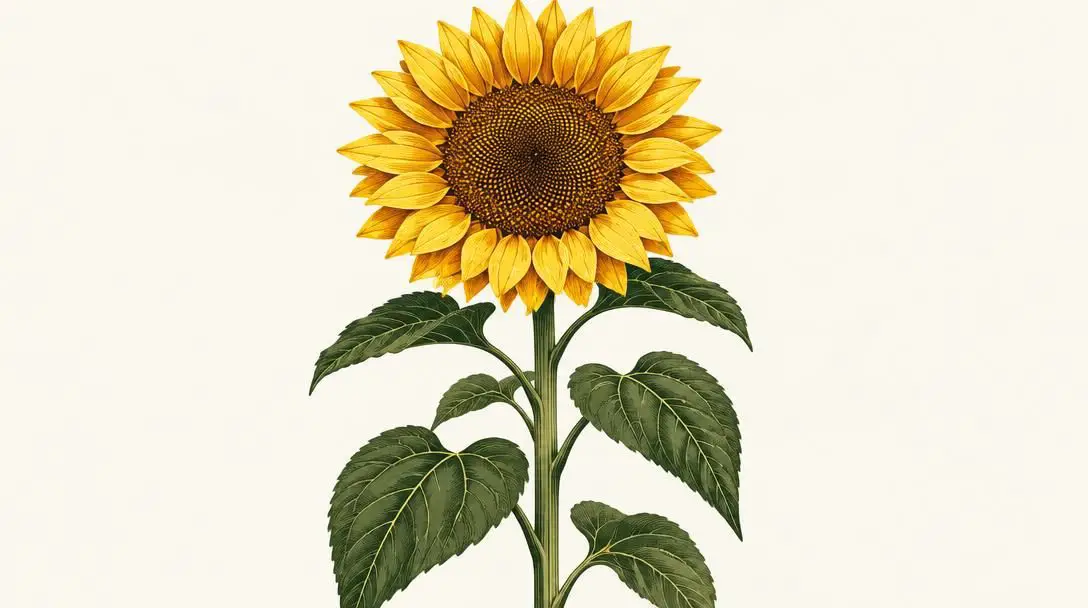
- Maturity Period: 8 to 12 weeks from planting to bloom
- Flowering Duration: Midsummer lingering into October
- Wildlife Value: Flat, broad landing spot for pollinators
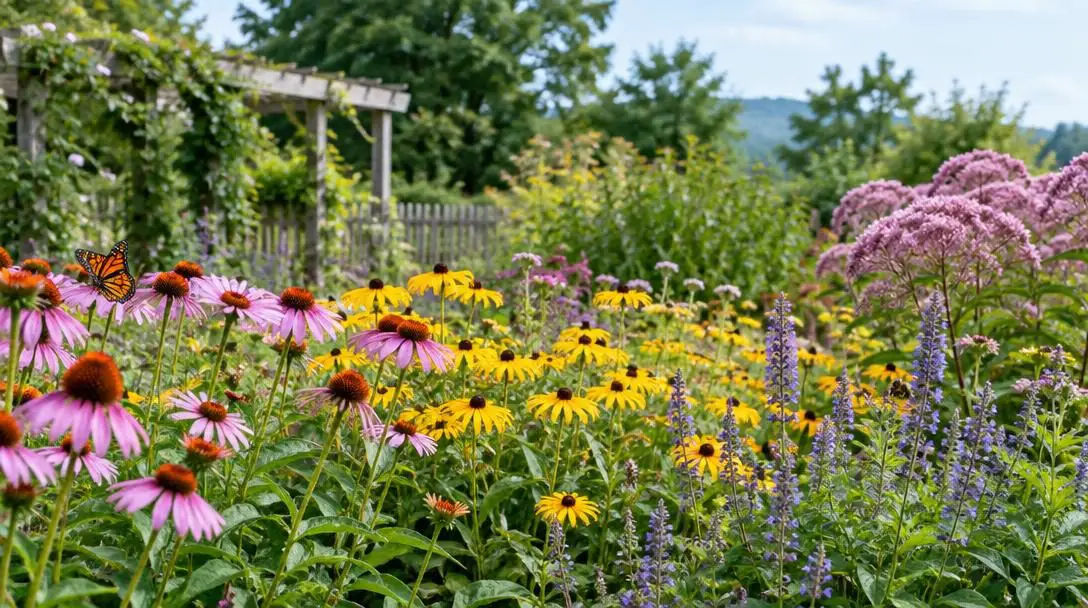
A quintessential summertime classic, sunflowers command attention through sheer vertical scale, impressive central disks, and saturated yellow petals. From the day seeds are planted, they take roughly 8 to 12 weeks to bloom, carrying their cheerful displays from midsummer straight through into October. The wide, flat structure of their flower heads serves an essential biological purpose, offering a spacious and stable platform where native insects and beneficial garden pollinators can land easily to feed.
Wide-open annual blossoms serve as biological landing zones, transforming colorful garden borders into vital hubs for foraging pollinators.
Fuchsia
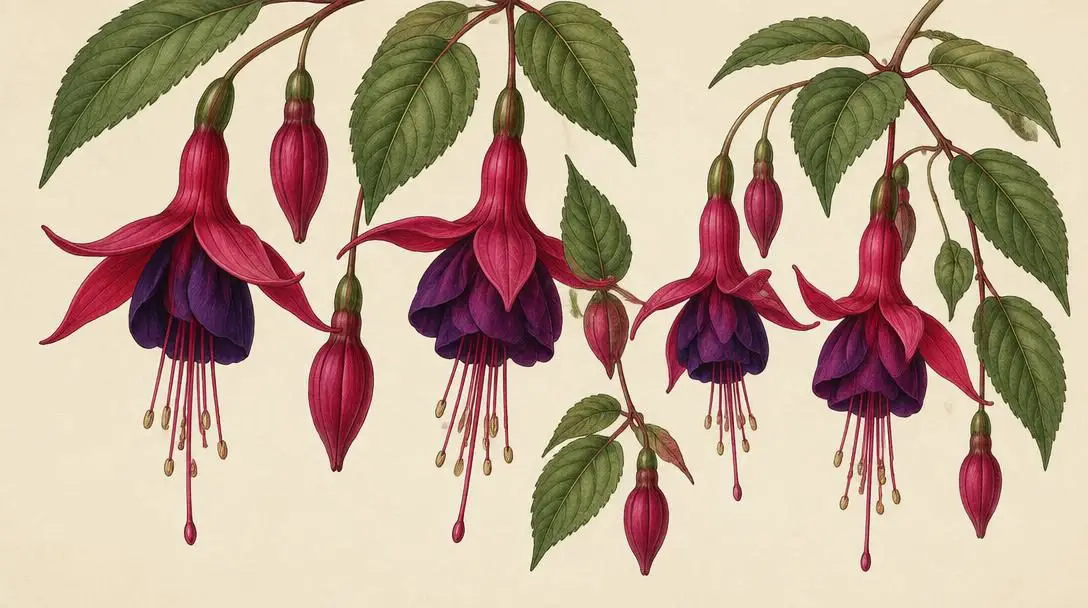
- Historical Namesake: 16th-century botanist Leonard Fuchs
- Primary Color: Iconic deep reddish-purple
- Climate Limit: Requires daytime temperatures below 85 degrees Fahrenheit
Named in honor of the 16th-century botanist Leonard Fuchs, fuchsia plants are famous for their rich, deep reddish-purple coloring. Their pendulous blossoms hang downward with intricate, bell-shaped petals that offer an unmistakably elegant aesthetic. Because they are delicate, fuchsias perform best in moist, temperate climates that do not exceed 85 degrees Fahrenheit during peak daytime hours. Their pendulous floral stems also require sheltered nooks protected from aggressive winds that could snap the trailing stems.
Lobelia
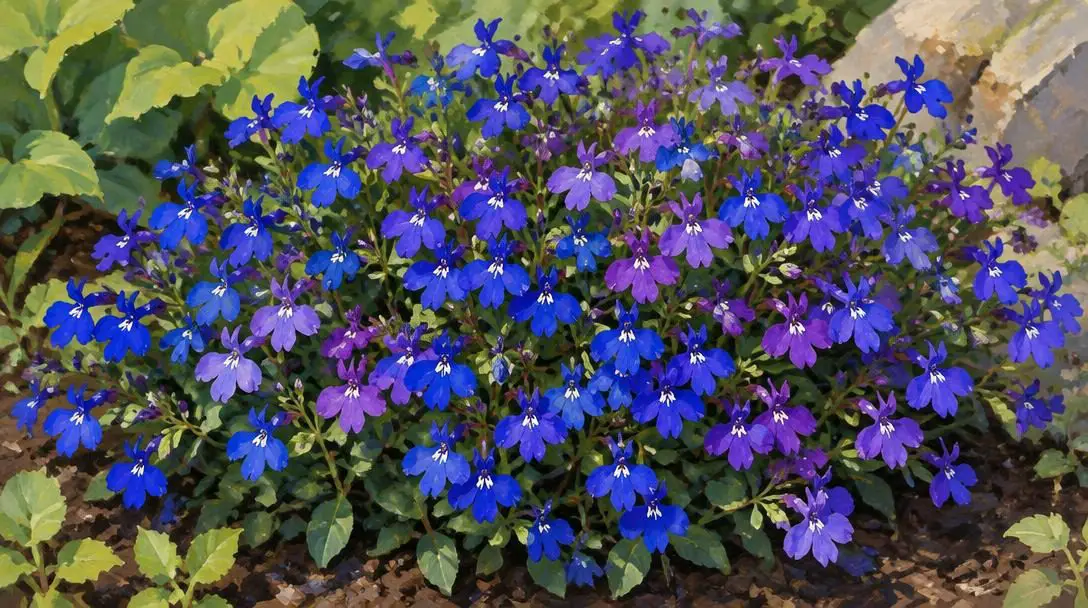
- Growth Habit: Dense, low-growing ground cover
- Petal Structure: Five-petaled delicate florets
- Shade Range: Deep purple, vibrant blue, clear red, pure white
For gardeners looking to fill empty gaps between taller plants, lobelia offers a calming carpet of dense color. These low-slung, five-petaled flowers gather in abundant clusters, spreading vibrant color across open soil patches, border edges, and container bases. Available in striking shades of deep purple, saturated blue, red, and crisp white, lobelia brings cool visual relief against higher-contrast orange and yellow varieties, effortlessly unifying mixed plantings.
Cosmos
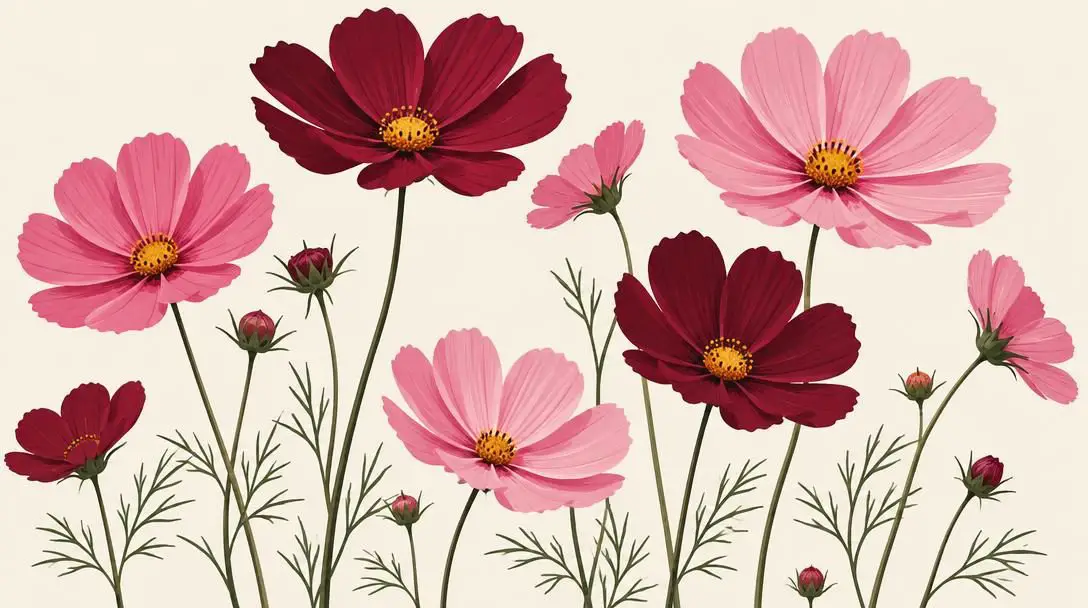
- Maximum Height: Up to 6 feet tall
- Botanical Relation: Shares a plant family with the sunflower
- Color Palette: Pink, red, orange, yellow, white, maroon
Cosmos are vibrant, daisy-like blossoms that belong to the same botanical family as sunflowers, which explains their remarkable capacity to shoot up to heights of 6 feet. Despite their height, cosmos maintain a light, airy presence with slender stems and wide-open blooms featuring exposed, nectar-filled centers. Available in an expansive palette that includes pink, white, maroon, and bright orange, they serve as another prime gathering spot for foraging garden pollinators seeking easy nectar access.
Marigold
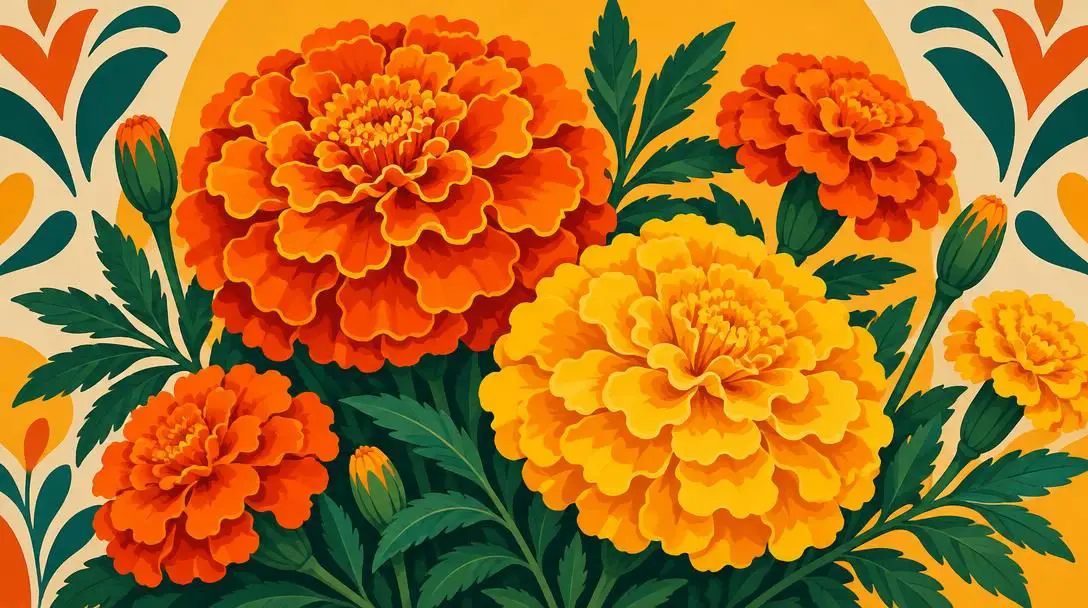
- Cultural Role: Featured on ofrendas for Mexican Day of the Dead ceremonies
- Scent & Color: Pungent aroma with rich orange and yellow tones
- Culinary Use: Fully edible petals for sweet and savory dishes
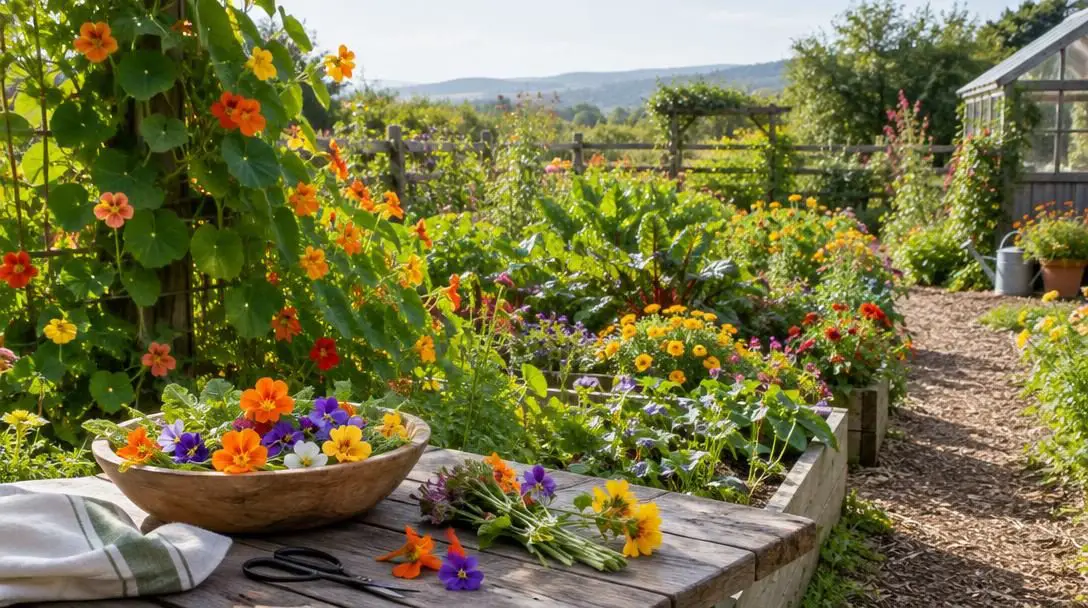
Marigolds are steeped in cultural significance, most notably for their time-honored role on traditional ofrendas during Mexican Day of the Dead festivities. The pungent, aromatic scent and vivid orange and yellow hues of the petals are traditionally believed to help guide visiting spirits back during the celebration. Beyond their rich heritage and eye-catching garden presence, marigolds are also entirely edible, making them an engaging ingredient for garnishing baked goods, flavoring savory dishes, and tossing into fresh summer salads.
How annual flowers work together in the garden landscape
Designing with annuals goes beyond simply grouping pleasant colors; it requires an appreciation of botanical architecture and ecosystem services. Because annuals must rapidly germinate, establish foliage, bloom, and set seed within a single year, their flowering display remains remarkably consistent compared to woodier shrubs or brief-flowering perennials.
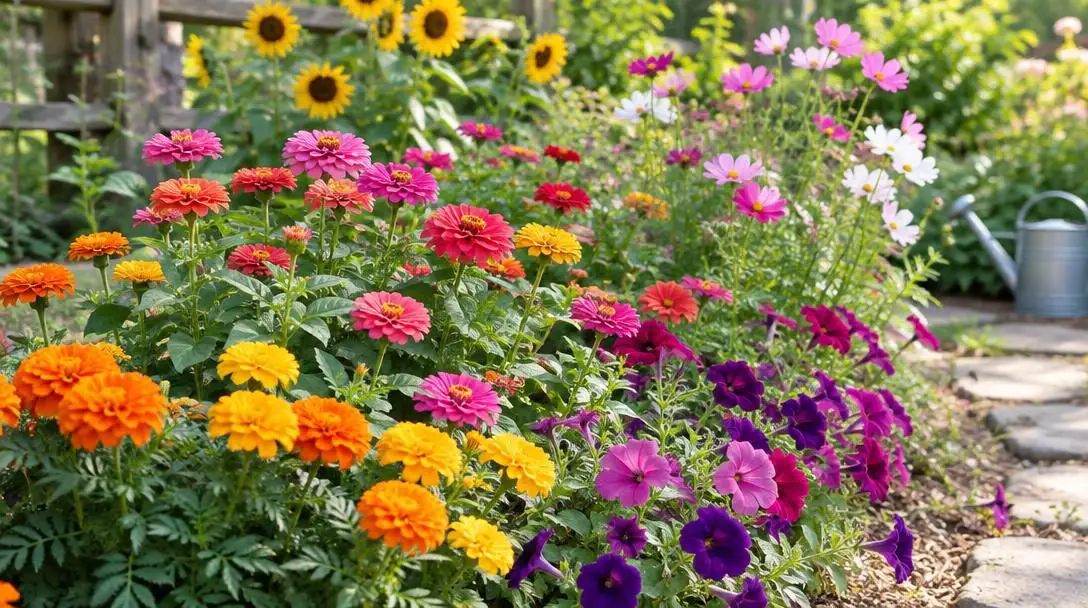
To establish a visually harmonious layout, gardeners organize annuals into distinct structural layers:
- The Foreground: Low-growing bunching flowers, such as five-petaled lobelia, carpet the bare soil along bed borders or container rims, creating a lush transitional edge.
- The Midground: Bushy, medium-sized specimens like dahlias and cascading calibrachoa occupy the middle space, delivering substantial body and dense clusters of blooms.
- The Background: Towering species that achieve significant vertical stature, such as sunflowers and cosmos reaching up to 6 feet, form a living backdrop along walls, fences, or garden bed centers.
In addition to spatial organization, annuals perform essential biological work. Broad, exposed blooms like those found on sunflowers and cosmos provide accessible perches for native pollinators. At the same time, aromatic varieties like marigolds contribute a secondary harvest directly to the kitchen, illustrating the dynamic interplay between ornamental garden beauty and practical utility.
Step-by-step: How to plan and grow an annual garden
A thriving display of annual flowers requires thoughtful groundwork prior to planting. Following a deliberate sequence helps maximize continuous blooming throughout the active growing season.
- Evaluate sunlight and microclimates. Map out your garden or balcony space to determine daylight patterns. Allocate open, full-sun zones for calibrachoa, cosmos, and sunflowers, while reserving sheltered, cooler areas where temperatures remain below 85 degrees Fahrenheit for delicate fuchsias.
- Select suitable containers and bed locations. Match your selected species to appropriate growing conditions. Ensure hanging baskets for calibrachoa have unobstructed drainage openings. For giant growers like sunflowers and cosmos, designate open beds or heavily weighted containers that will not topple under wind.
- Prepare the growing medium. Work aged organic amendments into native garden beds to loosen dense dirt and promote smooth root penetration. When utilizing pots or planters, use a light, free-draining potting soil that prevents moisture stagnation around young roots.
- Calculate timelines and maturation rates. Plan your garden layout around flowering schedules. Account for the 8 to 12 weeks sunflowers require to transition from seed to bloom, ensuring they peak alongside mid-summer dahlias and continue producing into October.
- Establish a consistent watering routine. Provide steady hydration that meets the divergent needs of your plants. Keep fuchsias cool and consistently damp, monitor hanging baskets closely as they dry out faster in warm winds, and prepare to transition dahlia and calibrachoa beds once hard frosts arrive.
Common annual flower mistakes to avoid
Even with attentive daily care, common structural and environmental oversights can truncate an annual garden's blooming cycle. Watch out for these four frequent pitfalls:
- Overlooking drainage holes: Confining moisture-sensitive plants like calibrachoa to decorative containers without functional drain openings invariably leads to waterlogged roots and sudden plant loss.
- Ignoring temperature ceilings: Placing delicate specimens like fuchsia in scorching afternoon heat that exceeds 85 degrees Fahrenheit causes drooping, scorch, and blossom drop.
- Crowding low-profile varieties: Planting low ground-huggers like lobelia directly underneath broad, aggressive annuals blocks daylight, starving the lower plants of necessary energy.
- Misjudging vertical clearance: Forgetting that cosmos can shoot up to 6 feet tall or underestimating the bulk of sunflower heads can cause them to overshadow garden walkways, smaller companion flowers, or low windows.
Frequently asked questions
What is the main difference between annual and perennial flowers?
Annual flowers complete their entire life cycle—from germination to seed production—within a single season, producing prolific blooms before dying off in the winter or cold weather. Perennials, by contrast, survive across multiple years, returning each spring from their established root structures.
How tall can cosmos plants grow in an annual garden bed?
Cosmos are members of the same botanical family as sunflowers and can grow to an impressive height of up to 6 feet, making them ideal as vertical accents for the backs of garden beds or along borders.
Which annual flowers are best for hanging planters and window boxes?
Calibrachoa and fuchsia are classic choices for hanging containers. Calibrachoa thrives in full sun with vibrant cascades of purple, yellow, and red flowers, while fuchsia offers delicate, dangling reddish-purple blossoms suited for cooler, sheltered spaces that stay under 85 degrees Fahrenheit.
Are marigold flowers edible?
Yes, marigold petals are fully edible and can be harvested to introduce rich color and flavor to both sweet and savory recipes, in addition to their traditional decorative and ceremonial uses.
How long do sunflowers take to bloom after planting?
Sunflowers typically take between 8 and 12 weeks from planting to open their blossoms. Once they begin blooming in midsummer, their flowers can linger in the garden until as late as October.
The bottom line
Annual flowers represent an extraordinary opportunity to reinvent an outdoor space every year. Because these dynamic plants invest all their resources into one glorious season of flowering, they reward gardeners with a prolonged, vibrant spectacle that few perennials can match. By respecting temperature tolerances, accommodating proper heights from low-growing lobelias to towering sunflowers, and maintaining good drainage, you can enjoy a dazzling garden tapestry from early summer until the final chill of autumn sets in.