Gardening with Kids: Fun and Educational Activities for Children
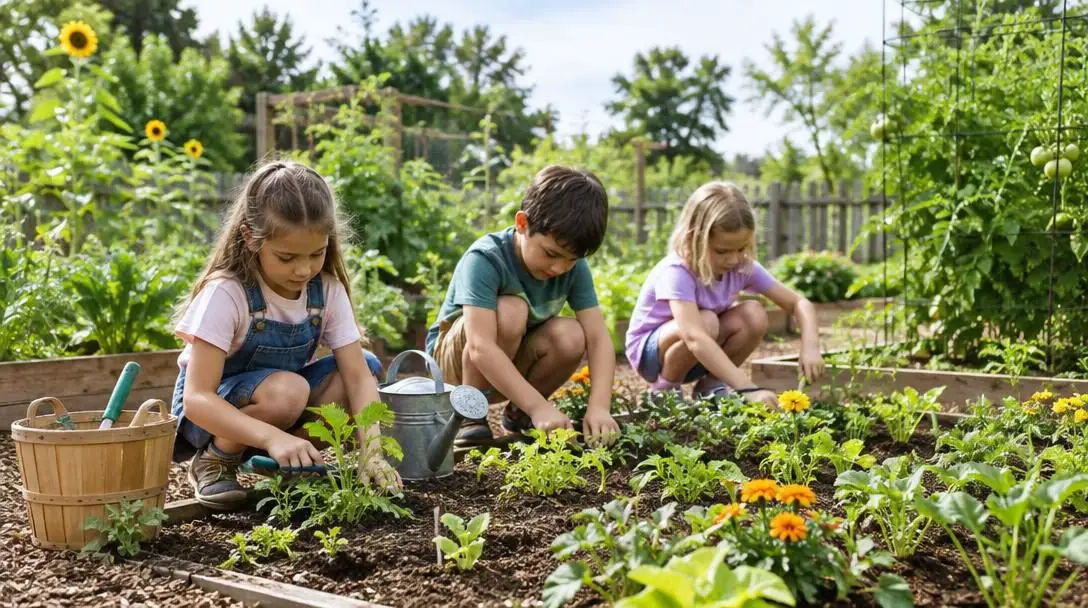
In an era dominated by screens and virtual experiences, there is an urgent need to foster a deeper connection between children and the natural world. Modern routines frequently keep young people indoors, surrounded by digital media and artificial entertainment that capture their attention without engaging their physical bodies. Stepping into a backyard plot, exploring a community green space, or even tending a few pots on an apartment windowsill exposes children to biological rhythms that cannot be replicated on a digital display.
Gardening provides an ideal platform for children to engage directly with living systems, discover how plants and ecosystems interact, and build a lasting sense of responsibility and appreciation for the environment. Beyond its scientific value, tending plants offers a wide variety of hands-on, creative activities that captivate young imaginations while quietly instilling patience, scientific curiosity, and ecological awareness.
Key takeaways
- Gardening offers sensory-rich, hands-on learning that teaches biological concepts, patience, and personal accountability.
- Upcycled household items like cardboard egg cartons and clear plastic cups turn everyday items into practical propagation tools.
- Making homemade fertilizer demonstrates natural decomposition and reveals how organic kitchen scraps enrich garden soil.
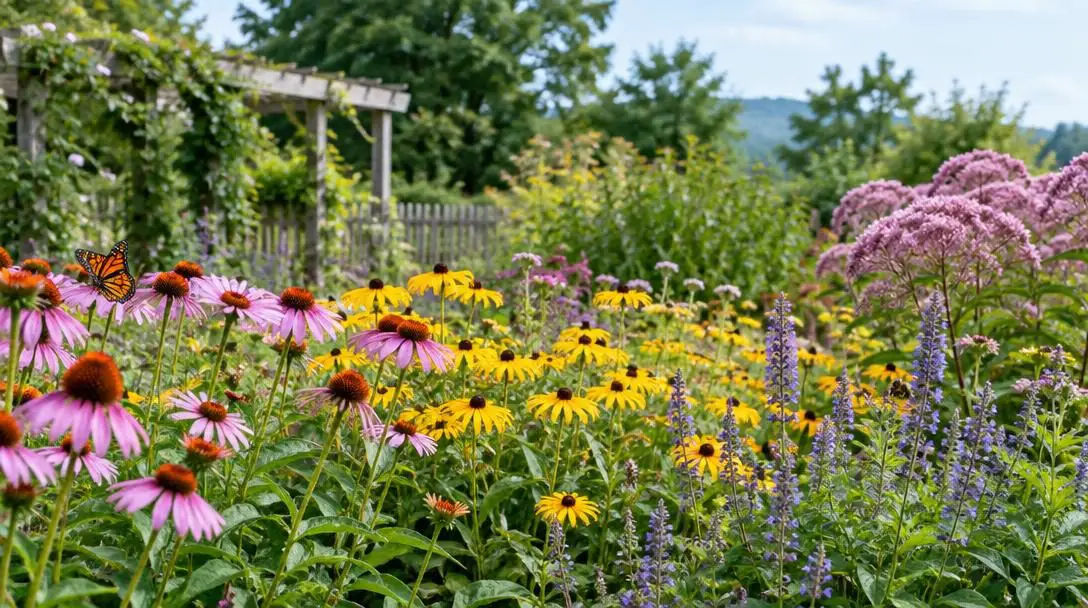
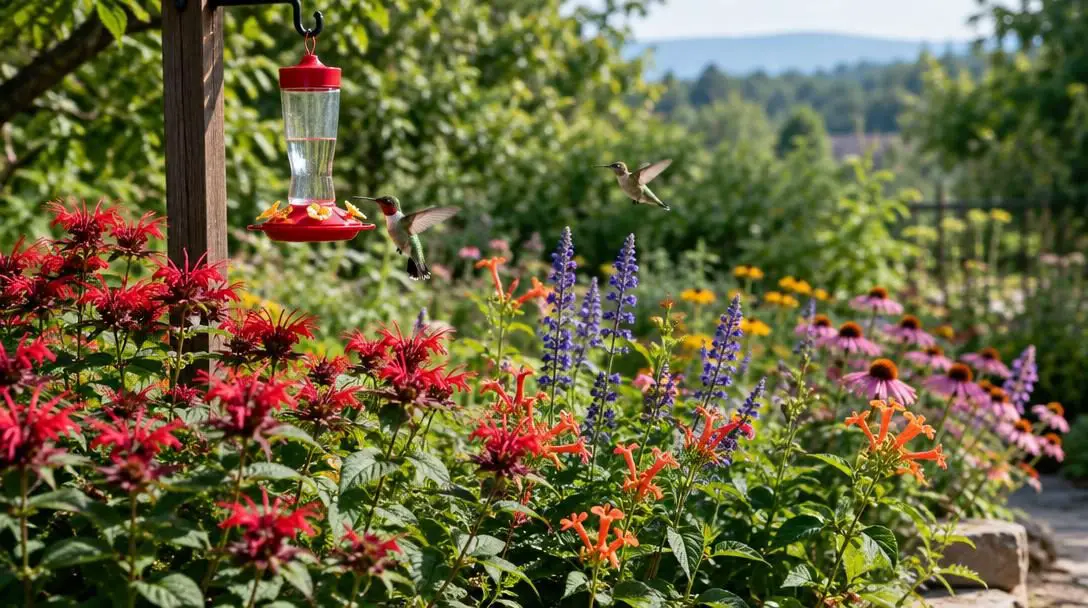
- Creating shallow, pebble-lined watering puddles provides safe hydration stops for local pollinators like bees and butterflies.
How garden-based learning supports development
Children absorb information best through immersive, tactile engagement where they can manipulate their surroundings. Theoretical science lessons often feel distant and abstract when confined to textbooks or video clips, but gardening turns these concepts into physical realities. By running their hands through cool soil, gauging moisture levels with their fingertips, watching dormant seeds split open, and observing local wildlife, young learners integrate lessons naturally across several critical developmental areas.
- Sensory stimulation: Gardening engages all five primary senses simultaneously. Children experience the damp softness of finished compost, the varied textures of dry seeds, the humming buzz of visiting pollinators, the brilliant emergence of green cotyledons, and the rich, earthy scent of active humus.
- Biological observation: Watching a dry, dormant seed awaken serves as a vivid real-time demonstration of botany. Kids watch seed coats crack under hydration pressure, radical roots push downward into the dark soil, and phototropic shoots twist upward toward sunlight.
- Cause and effect: Plants offer immediate, unvarnished feedback. When a seedling receives insufficient water, its turgor pressure drops and it wilts; when given balanced moisture, ventilation, and gentle light, it flourishes, creating an unmistakable link between attentive care and living health.
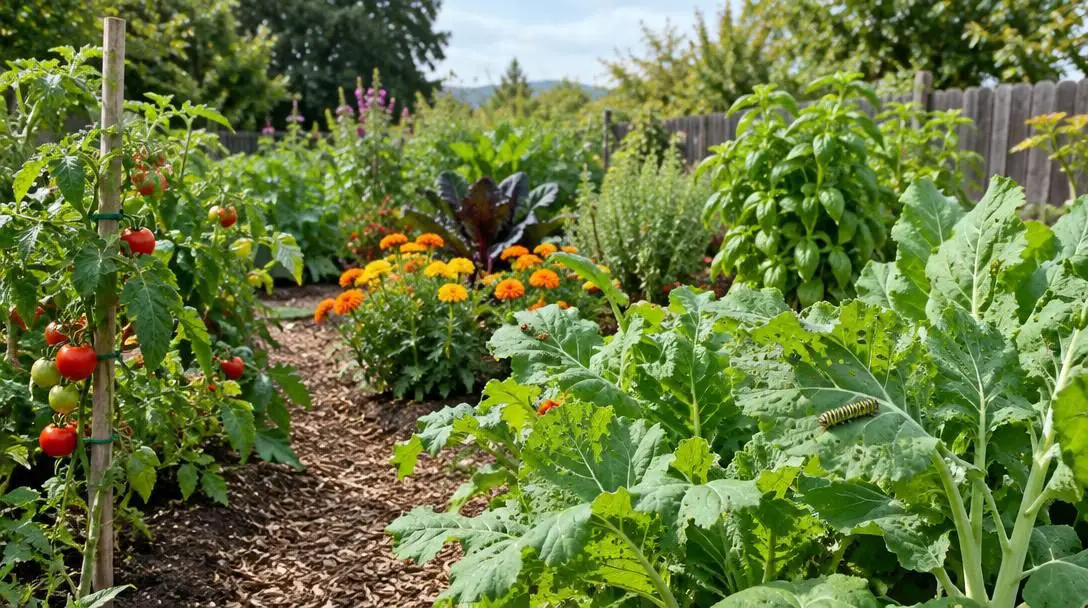
- Ecological interdependence: Young gardeners witness the vital roles played by decomposing organisms breaking down dead organic matter and pollinators visiting blooms, illustrating how soil quality, vegetative growth, and insect populations work together in harmony.
- Patience and delayed gratification: Because plants follow their own biological timetable rather than the instant responses of touchscreens, gardening introduces children to healthy expectations around sustained care, daily diligence, and time.
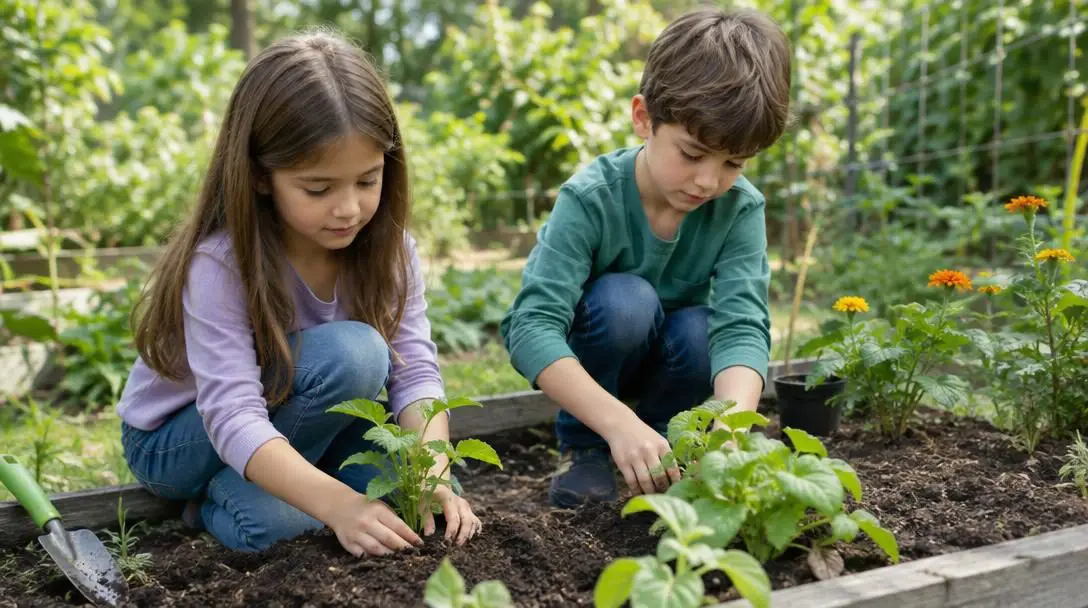
Gardening provides an ideal platform for children to engage with nature, learn about plants and ecosystems, and develop a sense of responsibility and appreciation for the environment.
Five fun gardening activities to do with kids
Getting young learners involved outdoors does not require expensive tools, commercial greenhouse kits, or professional training. Using simple materials gathered from around the home, parents and educators can guide children through five engaging, hands-on projects that illuminate the wonders of plant biology, soil stewardship, and ecological balance.
Egg carton seedling planter
Starting seeds in an egg carton is both an accessible afternoon project and a productive way to teach children about repurposing and recycling household materials. Cardboard egg cartons are fully biodegradable, non-toxic, and readily available in almost every kitchen, making them practical early propagation vessels. Children can decorate the outside of the carton cups using paint, markers, or stamps to personalize their miniature indoor nursery before adding any growing medium.
Because the fibrous paper cups break down naturally in the ground, young growers do not need to pry or pull fragile seedlings out of rigid plastic cells when transplanting time arrives. Instead, you can carefully cut the individual cups apart with household scissors and place each carton cell directly into a prepared garden bed or larger container. The surrounding cardboard soon softens and decomposes in the moist soil, allowing expanding taproots and root hairs to penetrate the paper without experiencing root shock.
Making homemade fertilizer
Making homemade fertilizer is a delightfully messy, hands-on activity that teaches children how natural matter breaks down to nourish living earth. By gathering kitchen scraps, dry twigs, and fresh grass clippings inside a large bin or ventilated container, children witness the biological transformation known as decomposition. They quickly learn that discarded vegetable ends, fruit peels, and yard trimmings are not useless garbage destined for a landfill, but valuable organic nutrients that feed the soil microbiome.
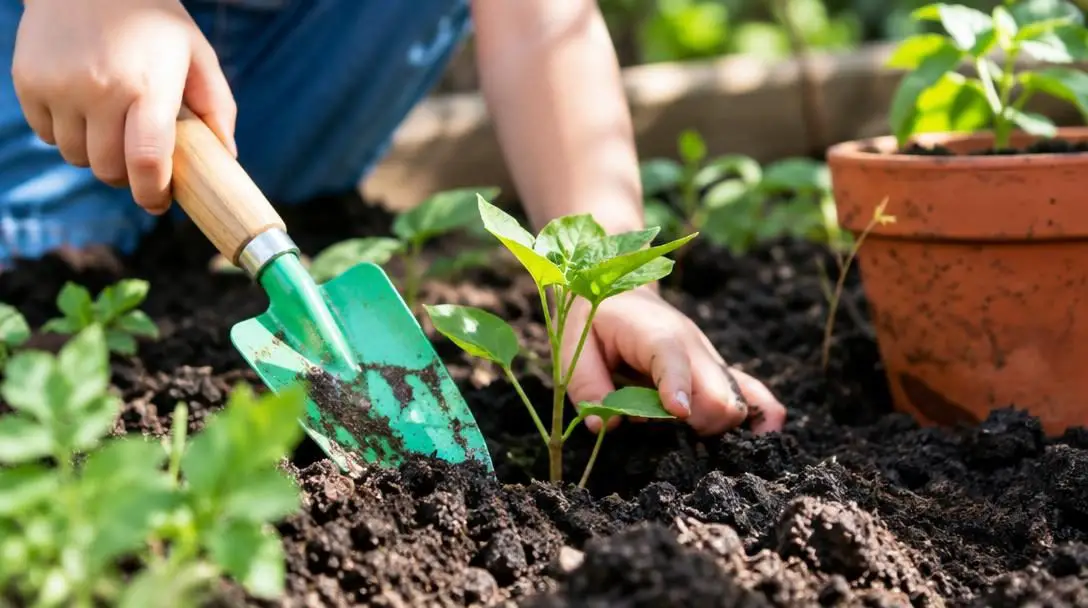
As the materials sit and break down over several weeks, children can track internal heat, monitor texture shifts from distinct food pieces into dark crumbles, and stir the pile to introduce oxygen. Once the mixture thoroughly decomposes into rich, earthy humus, kids can take trowels and blend the homemade compost directly into existing garden beds, learning firsthand how organic residues recharge depleted topsoil before planting new crops.
Decorating garden tools and markers
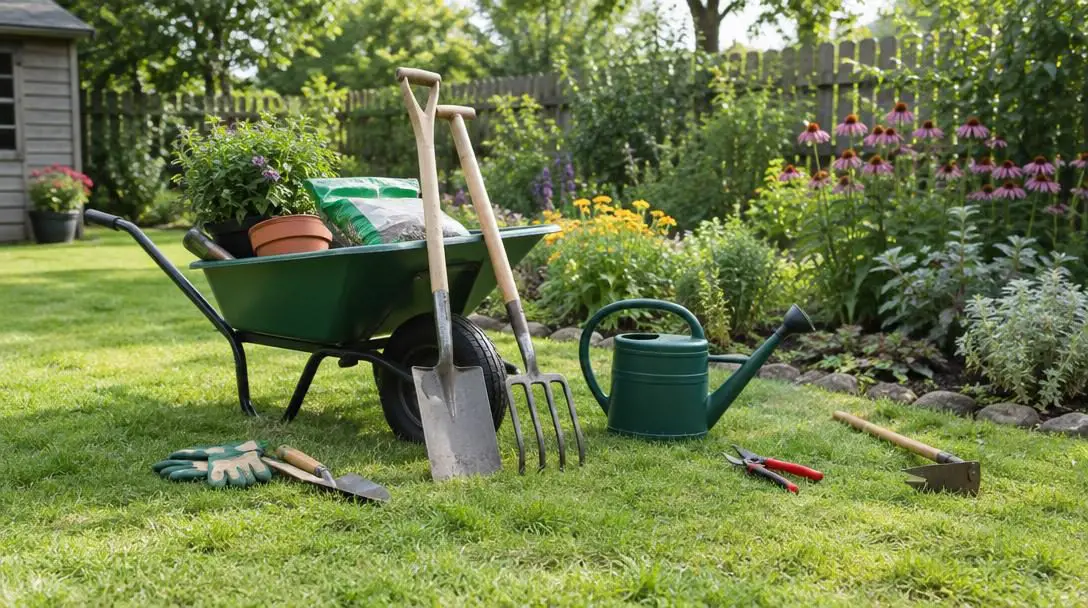
Personalizing wooden stakes, garden signs, terra cotta pots, and hand tools gives children a creative outlet that builds a profound sense of ownership over the garden. Handing children outdoor-safe paints, permanent markers, and colored pencils allows them to label plant varieties, paint botanical portraits, and leave their personal artistic signature on the growing space.
When young learners spot their own colorful handiwork standing proudly beside a patch of emerging carrots or climbing sweet peas, it creates genuine pride. This creative investment encourages children to revisit the outdoor space daily, check moisture levels, search for emerging sprouts, and monitor their designated plots without needing constant reminders from adults.
Clear container root viewer
Because the vast majority of a plant's early life happens out of sight beneath the topsoil, children frequently miss the most dramatic foundational stages of plant growth. Planting seeds along the transparent inner sides of clear plastic cups, glass canning jars, or clean food containers allows kids to watch the entire hidden germination sequence unfold day by day.
By moistening potting soil and pressing seeds firmly against the clear outer perimeter, children can observe the seed coat split open, watch fragile taproots anchor themselves downward, track the proliferation of fine root hairs, and follow photosynthetic shoots as they weave upward toward the sun. This direct view transforms abstract concepts like geotropism and moisture absorption into an observable daily phenomenon.
Pollinator watering puddle
Pollinators do wonders for outdoor ecosystems, and children can support local biodiversity by constructing a dedicated, shallow drinking station in the garden. Flying insects such as honeybees, native solitary bees, and butterflies expend substantial energy visiting flowers and require clean drinking water, but they risk drowning in standard birdbaths or deep garden buckets with steep, slippery sides.
Using a wide, shallow dish filled with no more than a few inches of water, children arrange rocks, smooth pebbles, and small twigs across the surface. These natural elements act as safe landing pads that keep beneficial insects safely above the water line while they sip moisture from damp stone crevices. Placing this puddle near flowering plants creates a welcoming hydration zone where children can safely observe visiting pollinators up close.
At a glance: project materials and learning focuses
Every hands-on garden activity highlights distinct scientific principles and requires different household items. Use this overview to select the best match for your child's age, interests, and available craft supplies.
| Activity | Primary materials | Key learning focus | Mess level |
|---|---|---|---|
| Egg carton planter | Cardboard carton, potting soil, seeds | Upcycling, seed germination | Low |
| Making fertilizer | Kitchen scraps, yard clippings, bin | Decomposition, nutrient cycles | High |
| Garden markers & tools | Stakes, plain tools, paint, markers | Artistic expression, garden layout | Medium |
| Clear container grower | Transparent cups or jars, soil, seeds | Root development, botany basics | Low |
| Pollinator puddle | Shallow dish, rocks, pebbles, water | Insect hydration, garden ecosystems | Low |
Step-by-step guide to setting up your garden projects
Turning spontaneous outdoor curiosity into a smooth, rewarding educational routine requires thoughtful preparation. Following structured steps ensures that children stay engaged, tasks stay safe, and the activities progress without unexpected interruptions.
- Prepare the workspace: Lay down old newspapers, broad cardboard sheets, or a washable plastic tarp indoors, or designate a specific, clear patch of ground outdoors where loose dirt, dropped seeds, and spilled water will cause zero stress.
- Gather supplies in advance: Collect cardboard cartons, clear containers, shallow basins, potting soil, seed packets, collecting bins, and craft materials before inviting children over, ensuring steady momentum throughout the project.
- Customize materials first: Allow children to decorate cardboard cups, paint wooden identification stakes, and mark tool handles before working with wet soil, giving inks and pigments ample time to dry completely.
- Fill seed starters: Add light potting soil to egg carton cups and clear containers, showing children how to make gentle indentations with their fingertips, drop in seeds, and cover them lightly with a thin layer of soil.
- Assemble the pollinator station: Place a broad, shallow basin in a partially shaded garden corner, arrange landing rocks and twigs across the bottom, and add a small amount of clean water that leaves resting perches dry.
- Establish a daily care routine: Set a consistent daily check-in time—such as early morning before school or immediately after afternoon dismissal—for children to inspect soil moisture, watch for emerging green shoots, and replenish the insect watering puddle.
Common mistakes to avoid when gardening with children
Gardening with kids is an ongoing learning journey for adults and young learners alike. Well-meaning parents and educators frequently encounter a few common hurdles that can easily dampen enthusiasm or derail delicate seedlings if not anticipated.
- Overwatering tiny seedlings: Children love using watering cans and spray bottles, but saturated soil deprives roots of vital oxygen and quickly causes delicate stems to rot. Teach children to feel the soil surface with their fingers before pouring water.
- Neglecting drainage: Clear cups, decorative jars, and upcycled containers often lack drainage holes, causing standing water to accumulate at the bottom and suffocate root tips. Monitor moisture levels closely whenever using non-draining containers.
- Prioritizing neatness over curiosity: Children will inevitably cluster seeds too close together, paint crooked plant labels, and spill potting mix across the floor. Focusing too heavily on rigid perfection can stifle natural enthusiasm and creativity.
- Rushing the decomposition process: Organic waste takes weeks to break down into finished plant food. Remind children that natural cycles follow their own timetable and cannot be hurried through impatient stirring.
Frequently asked questions
Why are cardboard egg cartons preferred over plastic ones for seed starting?
Cardboard egg cartons are biodegradable. When seedlings outgrow their cups, you can cut the carton apart and place each cup directly into the soil, where the cardboard breaks down naturally without disturbing tender root systems.
How deep should the water be in a pollinator watering puddle?
The container should hold no more than a few inches of water, and the liquid must remain shallow enough that rocks, pebbles, and twigs stay above the surface to provide safe landing platforms for bees and butterflies.
What organic materials work best for making homemade fertilizer?
Gather everyday kitchen scraps, small twigs, grass clippings, and crushed discarded eggshells in a large container. As these materials collect, they decompose into rich plant food.
How does growing seeds in a clear container help children learn?
Placing seeds against the edge of a transparent container reveals the root networks and early growth that normally occur hidden under the dirt, offering children a direct view of botanical development.
The bottom line
Introducing children to the rhythms of the natural world through hands-on garden activities builds lifelong environmental awareness, practical science literacy, and foundational life skills. By repurposing household items like egg cartons, crafting insect sanctuaries, and watching roots take shape through transparent containers, young learners discover the biological miracles occurring right beneath their feet.
As initial seedlings sprout and homemade fertilizer blends into garden beds, keep the momentum alive. Encourage children to maintain a simple garden journal, sketch new leaves, record daily changes, and assist during outdoor transplant days. These shared projects replace passive screen time with vibrant, sensory exploration, turning curious kids into confident stewards of the living earth.