Gardening for Health: How Gardening Can Improve Your Well-being
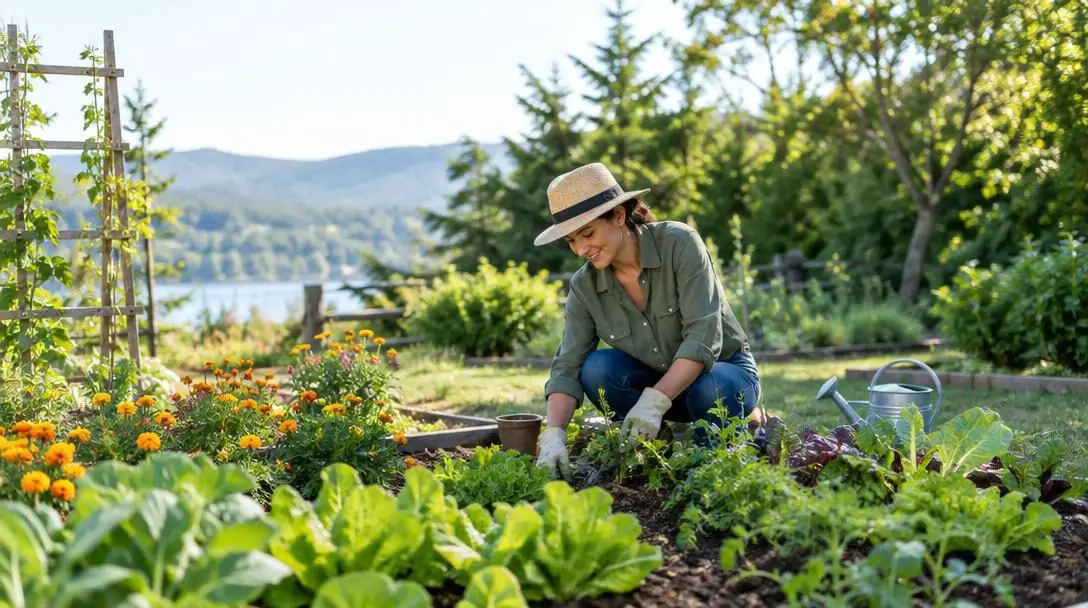
In an era defined by rapid technological innovation and persistent digital connectivity, daily routines often involve shifting between glowing screens, enclosed office workstations, and climate-controlled indoor spaces. While these modern advancements offer unprecedented convenience, they have inadvertently fueled an acute detachment from the natural environment. In response to cognitive overload and non-stop screen time, many individuals are actively seeking practical, intentional rituals that restore personal well-being and re-establish a grounded connection to the earth.
Amid this search for everyday renewal, gardening has re-emerged as a deeply restorative and transformative lifestyle practice. Far from being a mere decorative pastime or a mundane yard chore, tending to living plants acts as a holistic wellness modality that nurtures the body, quiets the mind, and enriches everyday nutrition. Returning to the soil allows us to align our routines with seasonal biological rhythms, unlocking an ancient activity that fosters physical vitality, mental clarity, and enduring personal resilience.
Key takeaways
- Gardening approaches human health holistically by simultaneously strengthening physical fitness, relieving chronic stress, and building emotional equilibrium.
- Everyday horticultural tasks serve as low-impact functional exercise that builds core stability, mobilizes major muscle groups, and promotes cardiovascular health.
- Unplugged time spent outdoors lowers nervous system tension, sharpens cognitive focus, and supports resilient immune function.
- Cultivating homegrown vegetables, fruits, and culinary herbs provides direct agency over food quality, ingredient freshness, and nutritional potency.
- Sustainable gardening begins with fundamental preparation, including analyzing natural sunlight patterns, conditioning the soil, and developing a steady maintenance routine.
The Holistic Mechanics: How Gardening Supports Mind and Body
Gardening approaches well-being from a genuinely integrated perspective, simultaneously engaging the musculoskeletal system, cognitive faculties, and emotional state. When an individual steps into a garden, they enter an interactive biological system. Understanding the physiological and psychological mechanisms at play explains why cultivating a backyard plot or tending a simple assortment of patio containers can produce such transformative health outcomes across every stage of adulthood.
From a physical standpoint, garden upkeep demands functional full-body movement that mirrors natural, ancestral movement patterns. Unlike the repetitive, single-plane motions often found on commercial gym machines, tending plants involves continuous variation: bending down to inspect foliage, lifting bags of compost, reaching across raised beds, digging planting holes, and steadily pulling weeds. These continuous actions mobilize major muscle groups, engage deep abdominal stabilizers, and support joint mobility, keeping the body limber while burning energy and promoting steady cardiovascular endurance.
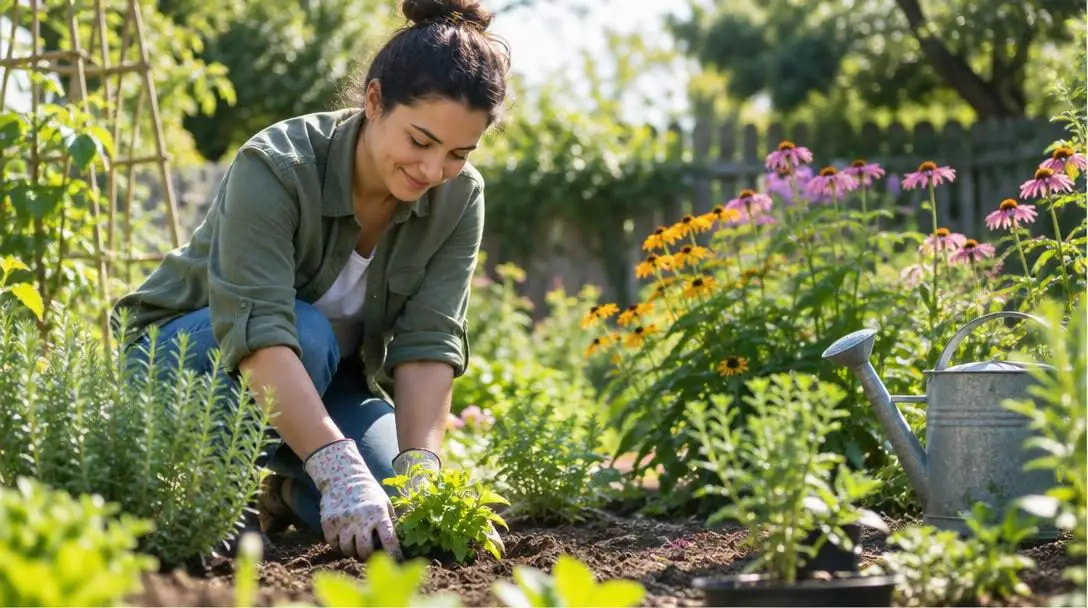
Returning to the earth to nurture living things allows us to tap into an age-old activity that harmonizes daily life with restorative biological rhythms.
Neurologically, outdoor cultivation triggers a profound shift in cognitive processing. Contemporary work life places continuous pressure on directed attention, leading to mental fatigue and heightened stress. When surrounded by foliage, moving air, and natural sunlight, the brain shifts into what environmental psychologists call involuntary attention or effortless fascination. This gentle sensory stimulation calms the sympathetic branch of the autonomic nervous system, decreases baseline cortisol output, and supports innate immune function by encouraging steady, restorative respiration.
Emotionally, the garden functions as a private, pressure-free sanctuary. The steady dedication required to sustain living organisms builds a grounded sense of personal accountability and quiet self-efficacy. Witnessing seeds break through the soil, mature into robust foliage, and yield fresh crops through one's own labor produces a tangible, deeply earned sense of achievement that counters chronic anxiety and elevates everyday self-worth.
Core Dimensions of Gardening for Wellness
The multifaceted nature of gardening delivers wide-ranging physical and mental advantages. By participating regularly in garden maintenance, individuals engage multiple dimensions of wellness that reinforce one another over time.
| Wellness Dimension | Primary Garden Activity | Health and Lifestyle Mechanism | Primary Benefit |
|---|---|---|---|
| Physical Fitness | Digging, lifting, carrying, weeding | Dynamic functional loading and balance challenge | Core strength, muscular endurance, and heart health |
| Nervous System Health | Outdoor immersion, sensory engagement | Downregulation of sympathetic stress responses | Lower cortisol levels and boosted immune function |
| Cognitive Clarity | Pruning, deadheading, soil aeration | Present-moment focus through rhythmic, tactile tasks | Relief from mental fatigue and digital overload |
| Emotional Well-being | Seed starting, nurturing, plant tracking | Direct connection between intentional effort and growth | Elevated self-esteem and renewed sense of agency |
| Nutritional Vitality | Harvesting edible crops and herbs | Immediate consumption of fully ripened whole foods | Maximal micronutrient retention and superior flavor |
Physical Fitness and Core Stability
Maintaining a garden provides a full-body workout that naturally builds strength without feeling like a chore. Routine tasks require functional movements that recruit the legs, back, shoulders, and deep abdominal wall. Maneuvering wheelbarrows across soft grass, kneeling and rising repeatedly, and steadying one's posture on uneven ground build balance and stabilizer strength, reducing long-term fall risks and promoting healthy cardiovascular function.
Stress Alleviation and Nervous System Support
Natural landscapes provide a gentle antidote to sensory overstimulation. Immersing oneself in the presence of natural greenery, fresh breezes, and changing light cues the body to exit the fight-or-flight state. This tranquil environment promotes deep, rhythmic breathing, lowers circulating stress markers, and encourages immune resilience by inviting the nervous system into a relaxed, recuperative baseline.
Cognitive Clarity and Emotional Peace
The rhythmic, repetitive cadence of gardening tasks—such as deadheading flowers, thinning carrot seedlings, or clipping back wild vines—acts as active meditation. This focused tactile engagement quiets mental chatter, interrupts rumination over daily deadlines, and clears cognitive clutter, leaving the mind centered, refreshed, and peaceful.
Empowerment, Agency, and Self-Esteem
Nurturing a fragile seed through to maturity presents practical problem-solving opportunities that foster personal agency. Successfully troubleshooting moisture issues, adjusting trellises, and watching tender shoots flourish under your care instills authentic confidence. Taking direct responsibility for living organisms builds pride that spills positively into other areas of personal and professional life.
Superior Nutrition and Culinary Flavor
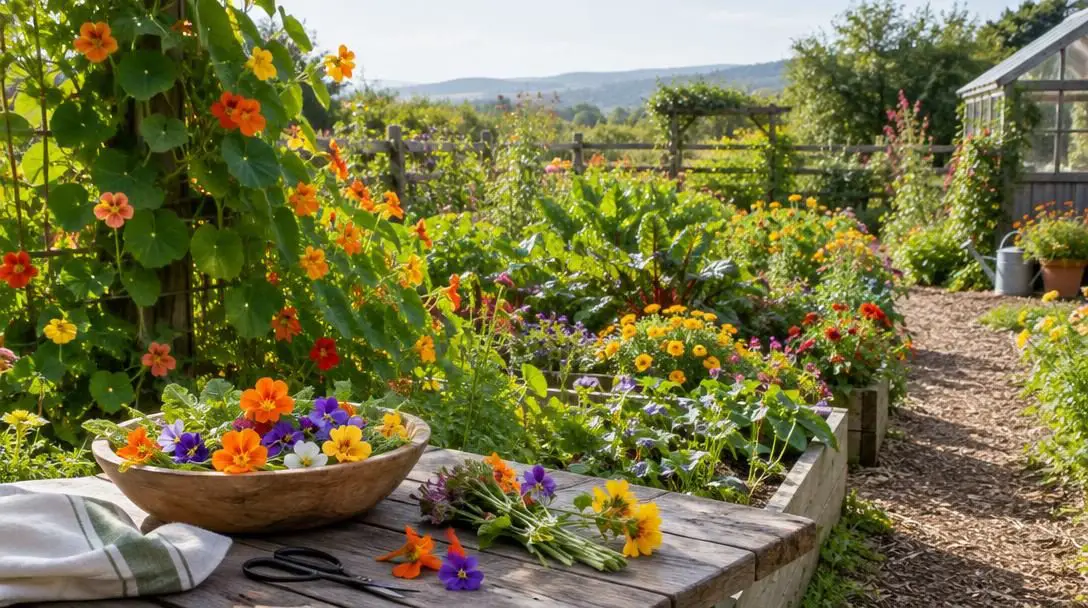
Growing your own fruits, vegetables, and edible flowers dramatically shortens the journey from farm to fork. Commercial produce is frequently picked before optimal maturity to withstand extended transit networks, leading to degraded flavor profiles and diminished vitamin counts. Homegrown harvests allow you to pick crops at peak physiological ripeness, ensuring your table is supplied with nutrient-dense, chemical-conscious, and exceptionally flavorful ingredients.
A Step-by-Step Guide to Establishing Your Garden
Launching a vibrant garden does not necessitate vast acreage, specialized machinery, or advanced horticultural training. Following a deliberate, structured framework enables beginners to design a sustainable growing space tailored to their specific environment.
- Evaluate your available space and sunlight. Carefully inspect your living environment to pinpoint where plants can flourish. Whether planning a spacious raised bed, a set of balcony containers, or a sunny kitchen windowsill, monitor how light moves across the area throughout the day. Most culinary herbs, fruiting vegetables, and flowering annuals need between six and eight hours of direct sunlight daily to produce abundant growth.
- Prepare healthy, nutrient-rich soil. The underground soil ecosystem dictates the vitality of everything growing above it. Ensure your soil or potting blend is aerated, loamy, and well-drained to avoid standing water around root zones. Blend in rich compost, aged organic matter, or balanced natural amendments to create a fertile base that retains moisture while feeding soil microbes.
- Select your plants thoughtfully. Match your plant choices to your regional climate, seasonal frost windows, and personal culinary preferences. Novices often find swift success with resilient leafy greens, crisp radishes, robust culinary herbs, and hardy pollinator-friendly edible flowers. Read plant tags and seed packets to verify each plant's mature size and spacing requirements before purchasing.
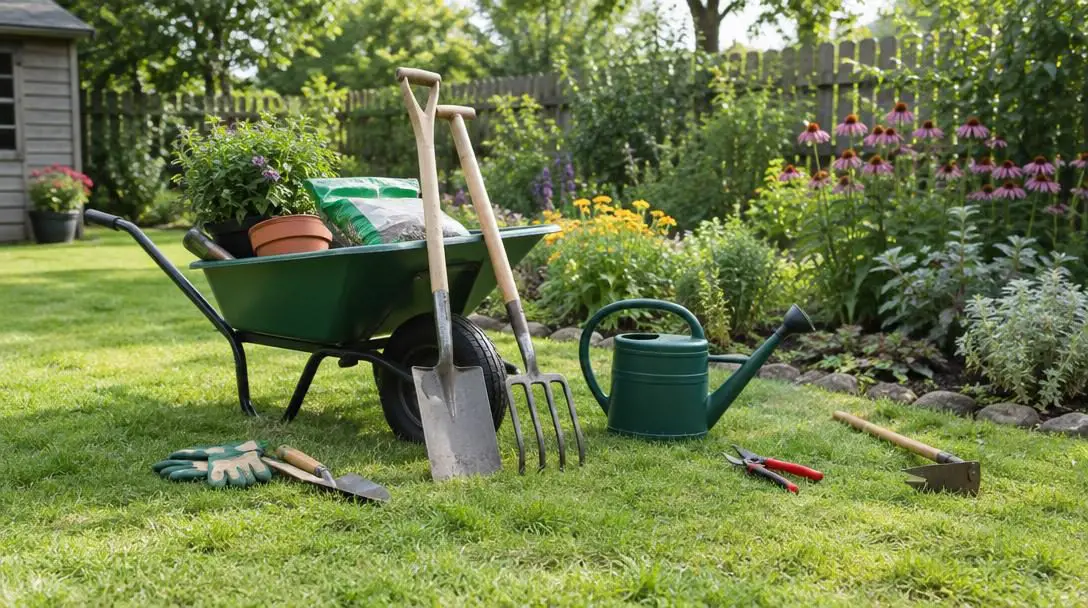
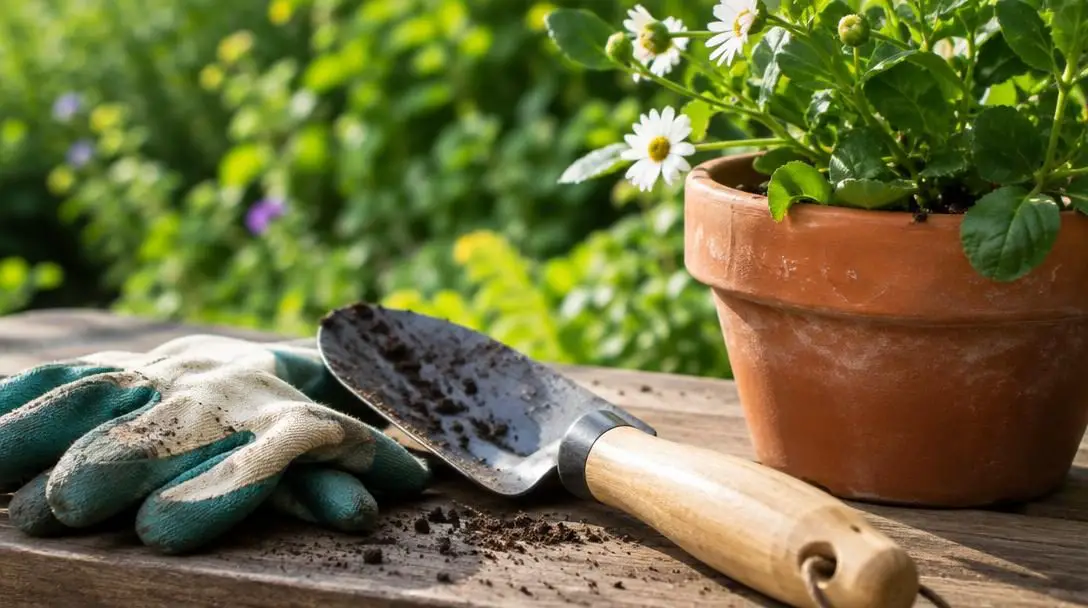
- Gather dependable, ergonomic tools. Equip yourself with a compact kit of durable tools designed to minimize physical strain on your joints. A high-quality hand trowel, a pair of puncture-resistant gardening gloves, a balanced watering can or hose wand with an adjustable spray nozzle, and sharp bypass pruners will comfortably handle the vast majority of seasonal tasks.
- Plant with care and precision. Follow recommended planting depths and spacing guidelines closely when setting seeds or nursery starts into the earth. Proper spacing ensures developing roots can expand freely without competing aggressively for hydration and minerals, while also leaving ample room for air to circulate between mature leaves.
- Establish a steady, mindful care routine. Thriving gardens depend on predictable, consistent observation rather than occasional intensive labor. Set aside a brief daily window to inspect moisture levels, pull emergent weeds while their roots are shallow, inspect foliage for unwanted pests, and apply organic feed as required. Use this dedicated window as an intentional break to unwind outdoors.
- Harvest at peak maturity and enjoy your yield. Gather your vegetables, fruits, and edible blossoms during cool morning hours when their moisture and sugar contents are balanced. Bringing produce directly from the garden bed into the kitchen provides a distinct sense of accomplishment while delivering exceptional texture, color, and culinary vitality to your meals.
Common Gardening Mistakes to Avoid
Every gardener encounters unexpected challenges throughout the growing season. Recognizing widespread beginner pitfalls helps safeguard plant health, minimizes physical frustration, and keeps the gardening journey rewarding.
- Overwatering or underwatering: Soil should remain consistently moist like a wrung-out sponge, not waterlogged or cracked and parched. Excess water suffocates fine feeder roots, cutting off oxygen, while chronic dehydration wilts plant tissues. Always test soil dampness several inches beneath the surface with your finger before applying water.
- Neglecting soil preparation: Sowing directly into heavy, compacted, or nutrient-starved dirt limits root expansion and staves off vigorous growth. Spending time amending the soil with compost and aerating dense clay beds prior to planting forms the cornerstone of seasonal success.
- Ignoring plant sunlight requirements: Setting full-sun crops like tomatoes or squash in shaded nooks leads to weak, leggy stems and poor flowering, while placing shade-preferring greens in harsh afternoon heat scorches their foliage. Match every species carefully to its optimal microclimate.
- Overcrowding the growing space: Cramming too many plants into a bed or container creates intense competition for soil nutrients, moisture, and light. Overcrowded canopies also trap stagnant humidity around leaves, setting the stage for fungal infections such as powdery mildew.
- Taking on too much too soon: Unbridled early enthusiasm often leads beginners to dig massive plots that quickly become overwhelming when peak summer weeding, watering, and pest management arrive. Starting with a modest, easily managed plot or a few containers keeps the experience joyful.
- Treating natural setbacks as failures: Pest pressures, freak weather patterns, and localized plant diseases are standard facets of the biological world. Viewing dying plants or poor yields as valuable learning experiences rather than personal shortcomings keeps your gardening mindset resilient and curious.
Deepening Your Gardening Practice Over Time
Once your initial garden takes hold and daily routines settle into an effortless pattern, you can discover creative avenues to deepen your horticultural knowledge and strengthen your connection to the broader environment. Growth in the garden occurs on both a botanical and personal level, opening ongoing pathways for outdoor recreation, culinary exploration, and environmental stewardship.
A natural progression involves implementing thoughtful seasonal planning. By learning how to adjust your garden for spring, summer, and autumn transitions, you can maintain continuous cycles of sowing, tending, and harvesting across a substantial portion of the calendar. Rotating heavy-feeding crops with soil-building legumes prevents nutrient depletion, keeps soil ecosystems balanced, and ensures your table continues to receive crisp, homegrown greens long after summer heat subsides.
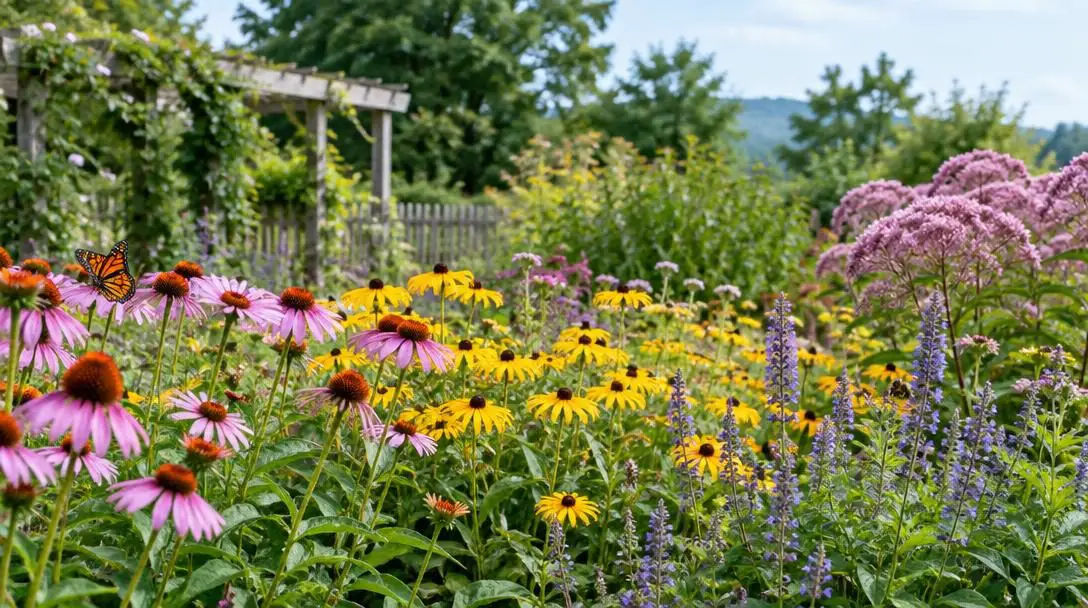
Gardeners can also introduce plant diversity by cultivating uncommon heirloom vegetables, culinary herbs, and native flowering perennials. Expanding the diversity of your plant species creates a vibrant, multi-layered habitat that attracts beneficial pollinators, predatory insects, and native birds. Successfully managing a broader range of plant species refines your observational skills, deepens your understanding of ecology, and introduces exciting colors, fragrances, and textures to your home cooking.
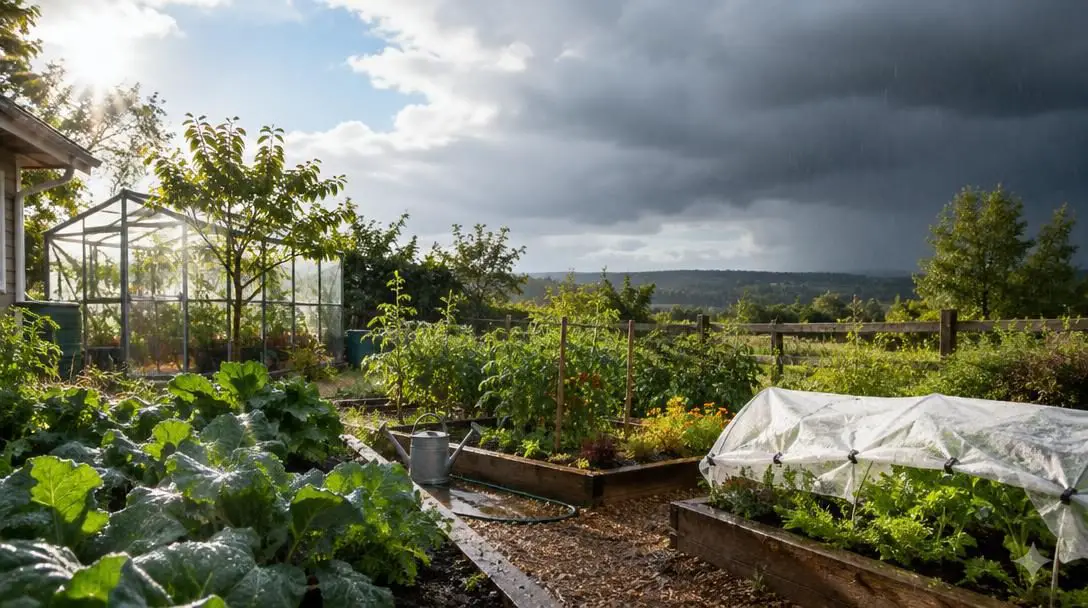
Finally, adopting regenerative home-gardening techniques honors the natural connection between human health and planetary vitality. Practicing rainwater catchment, turning kitchen scraps and yard trimmings into nutrient-rich compost, and strictly avoiding harsh chemical pesticides helps create an enduring, self-sustaining sanctuary. Over time, your garden transforms into more than just a source of personal wellness; it becomes a resilient biological haven that sustains you and your local ecosystem.
Frequently asked questions
Can I experience the health benefits of gardening without a large backyard?
Yes. You do not need extensive acreage or a sprawling yard to enjoy the physical and mental rewards of gardening. Cultivating compact raised beds, maintaining container gardens on a balcony, or tending to culinary herbs on a bright windowsill provides the same therapeutic tactile contact, stress relief, and access to fresh produce.
How does gardening provide a physical workout?
Gardening requires dynamic, functional movements such as lifting compost bags, digging, weeding, and bending. These compound actions recruit your core stabilizers, elevate your heart rate, improve lower-body mobility, and build muscular endurance without the monotony of indoor exercise machines.
Why does spending time in a garden reduce stress levels?
Being outdoors among greenery and fresh air shifts the brain out of high-alert, directed attention mode and calms the autonomic nervous system. The gentle sensory engagement lowers circulating stress hormones, encourages deep breathing, supports immune function, and fosters a restorative mental state.
How do I know when my plants need watering?
Rather than watering on a fixed calendar schedule, inspect the soil directly by inserting a finger two to three inches below the surface. If the soil feels dry and warm, it is time for a thorough soaking; if it feels cool and damp, postpone watering to protect roots from oversaturation.
What are the easiest plants for wellness-minded beginners to start with?
Beginners often find quick, rewarding success with fast-maturing crops such as radishes, loose-leaf lettuces, spinach, and bush green beans, as well as robust perennial culinary herbs like rosemary, mint, and chives, which require minimal fuss and yield prompt culinary rewards.
The Bottom Line
Gardening represents far more than an outdoor chore or an aesthetic hobby; it is a holistic wellness modality that addresses modern challenges like chronic stress, physical inactivity, and dietary disconnection. By engaging our bodies in purposeful functional movement, clearing our minds through unplugged outdoor observation, and enriching our meals with peak-ripeness produce, gardening cultivates personal vitality from the ground up.
Whether you begin with a handful of terracotta containers on a sunny porch or cultivate a multi-bed vegetable garden, the benefits begin the moment your hands touch the soil. Approaching the practice with patience, curiosity, and steady care establishes a lifelong wellness ritual that grounds your daily routines, restores physical well-being, and continuously deepens your relationship with the living world.