How to Choose the Perfect Plants for Your Garden
Stepping into a bustling local nursery or leafing through a vibrant, full-color seed catalog is one of the most exhilarating experiences for any gardener. However, the sheer volume of cultivars, colors, and promises of abundant yields can quickly lead to decision fatigue and impulse buying. Every single plant features distinctive growth habits, designated flowering periods, and unique environmental demands honed over thousands of years of evolution. Because living plants cannot simply be dropped into arbitrary locations and expected to flourish, successful cultivation starts well before the first trowel breaks ground.
Creating a vibrant, self-sustaining landscape depends entirely on harmonizing the biological needs of a specimen with the actual conditions of your soil and site. When you take a methodical look at your local climate, available square footage, routine maintenance schedule, visual preferences, and seasonal life cycles, you can transform an overwhelming nursery inventory into a structured, highly rewarding garden plan.
Key takeaways
- Matching plant selections to local weather limits prevents poor nutrition and high plant mortality.
- Researching mature height and spread protects neighboring beds from aggressive encroachment and root competition.
- Stakes and physical supports must be planned early to avoid damaging root systems on top-heavy plants later.
- A balanced layout pairs permanent multi-year specimens with single-season varieties according to your budget and labor tolerance.
Core Environmental and Spatial Factors for Garden Plants
The science of garden planning balances biological necessities against logistical boundaries. When you evaluate each dimension systematically, guesswork disappears, leaving a clear framework for every bed, border, and container on your property. A thriving garden is never an accident; it is the direct outcome of matching an organism's evolutionary adaptations to the setting you prepare for it.
Local Climate and Environmental Thresholds
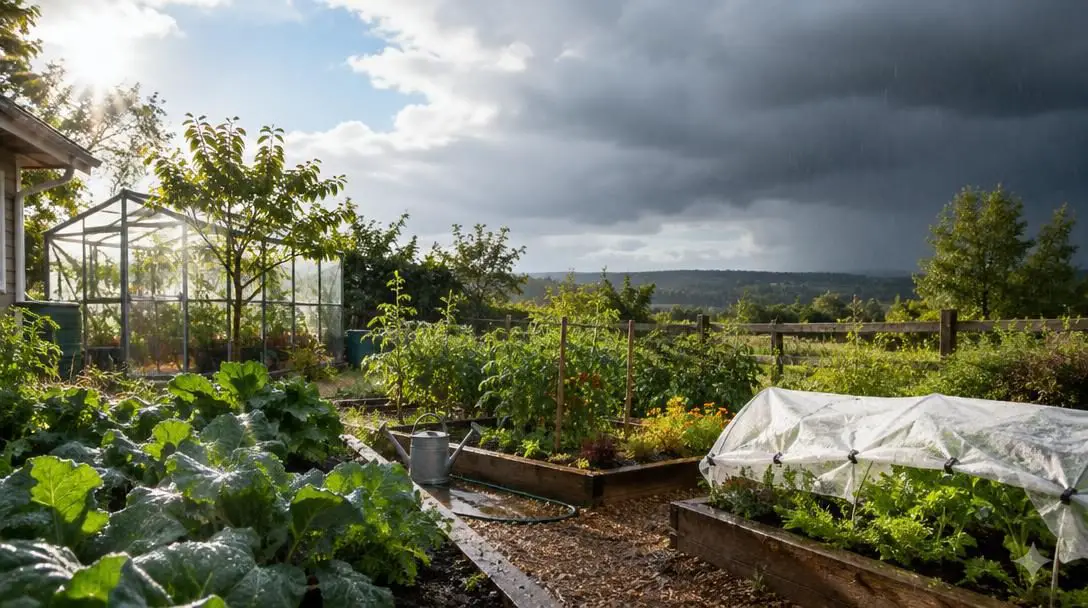
Every plant species relies on basic environmental thresholds that determine whether it can survive outdoor temperature extremes, seasonal rainfall patterns, ambient humidity levels, and the typical duration of the local growing season. Forcing an unsuited variety into an incompatible climate leaves it poorly nourished and perpetually fighting to survive. When natural conditions fall short of a specimen's evolutionary needs, gardeners must use deliberate interventions to bridge the gap. These interventions include operating a greenhouse, growing sensitive specimens indoors on sunny windowsills, or erecting temporary plant coverings to shield crops from unseasonal frosts and harsh seasonal shifts.
Physical Space and Mature Growth Dimensions
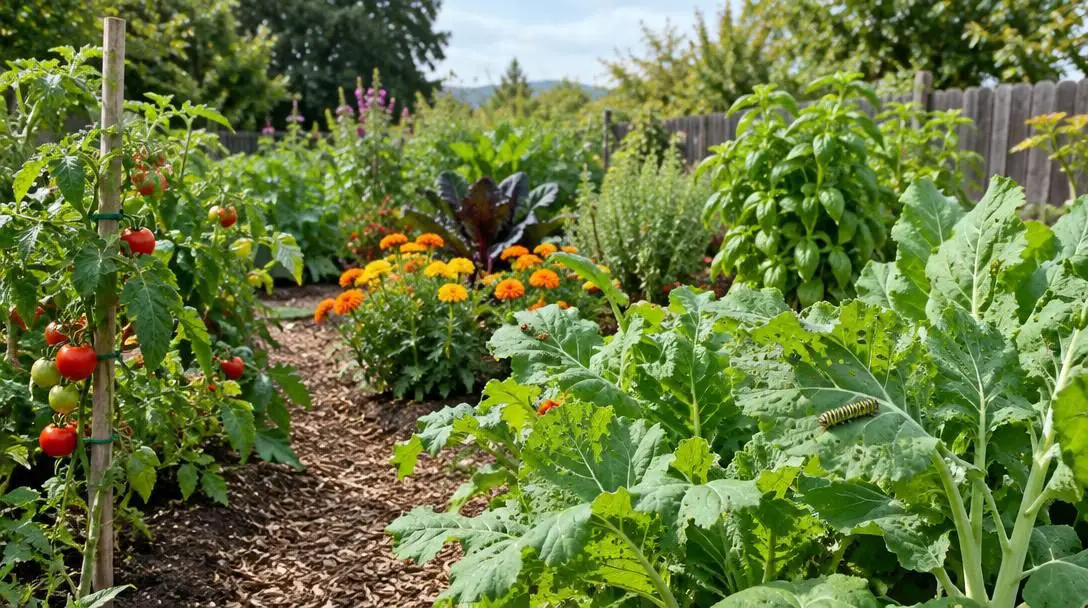
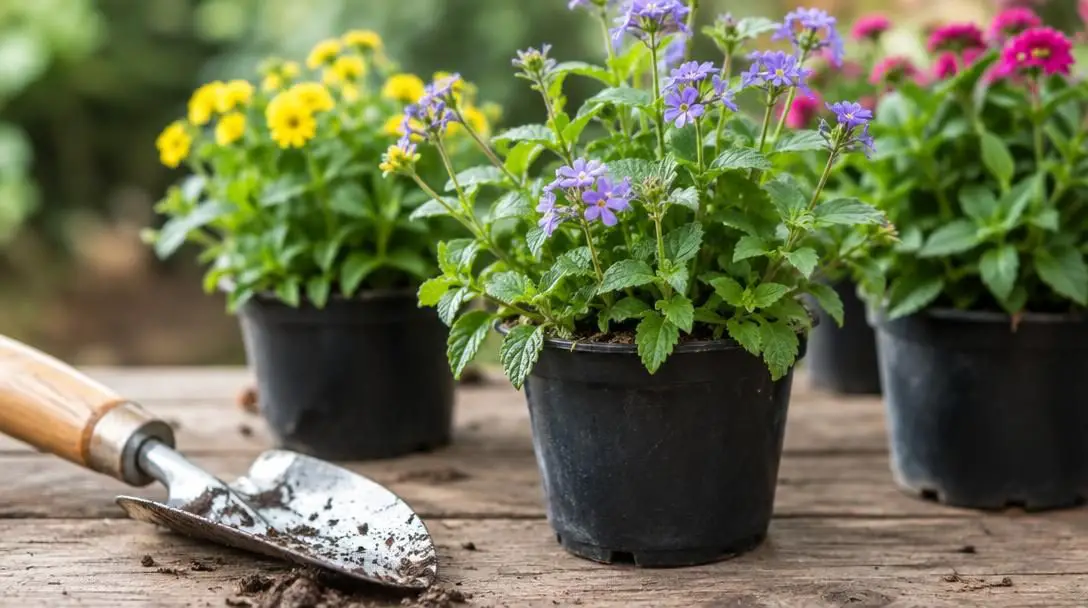
Available area dictates how comfortably roots and foliage can spread without triggering harmful crowding. Immature starts in small plastic nursery pots look deceptively modest, leading many well-meaning gardeners to underestimate just how aggressively an established plant can invade nearby soil. Crowded beds force neighboring species to compete intensely for limited soil nutrients, moisture, and essential airflow, dramatically increasing the likelihood of fungal infections and insect infestations. Furthermore, structural tools such as stakes, trellises, and support cages are frequently required to keep top-heavy flowering varieties and heavy-bearing produce plants upright as they approach full scale.
A thriving garden is never an accident; it is the direct outcome of matching an organism's evolutionary adaptations to the setting you prepare for it.
Maintenance Schedules and Labor Investment
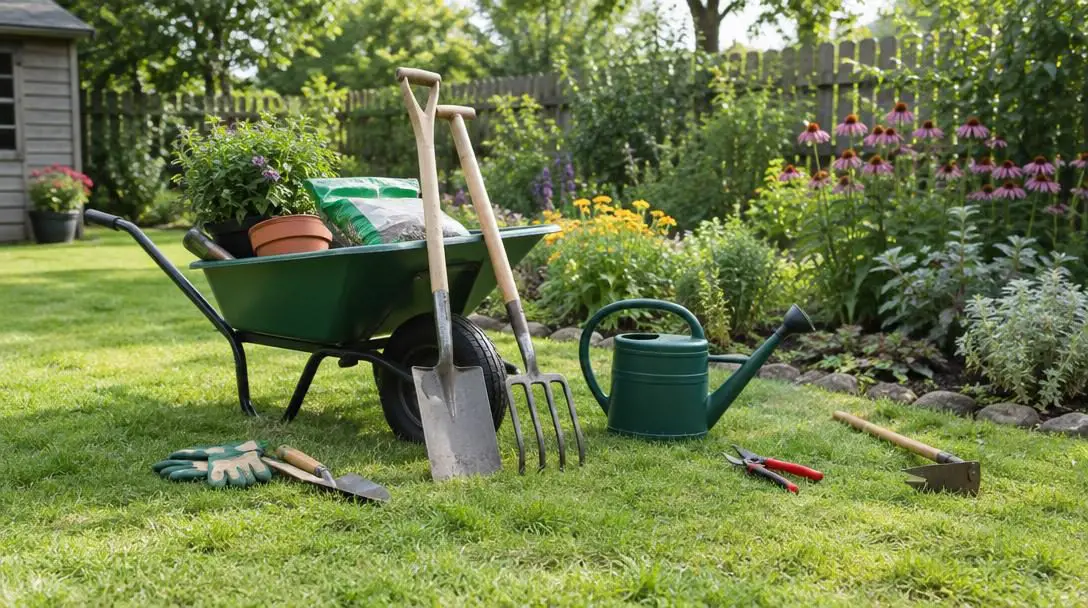
The plant kingdom includes a vast number of resilient, self-sufficient selections requiring minimal oversight, alongside demanding varieties that demand strict, consistent care schedules. Introducing high diversity into your garden directly amplifies your weekly workload, as each distinct variety demands separate attention and troubleshooting. Caring for high-maintenance selections often requires mixing homemade fertilizer, managing complex irrigation systems, and providing hands-on shielding when inclement weather strikes. Gardeners should honestly gauge their available hours to avoid creating an unsustainable maintenance burden.
Visual Design and Aesthetic Cohesion
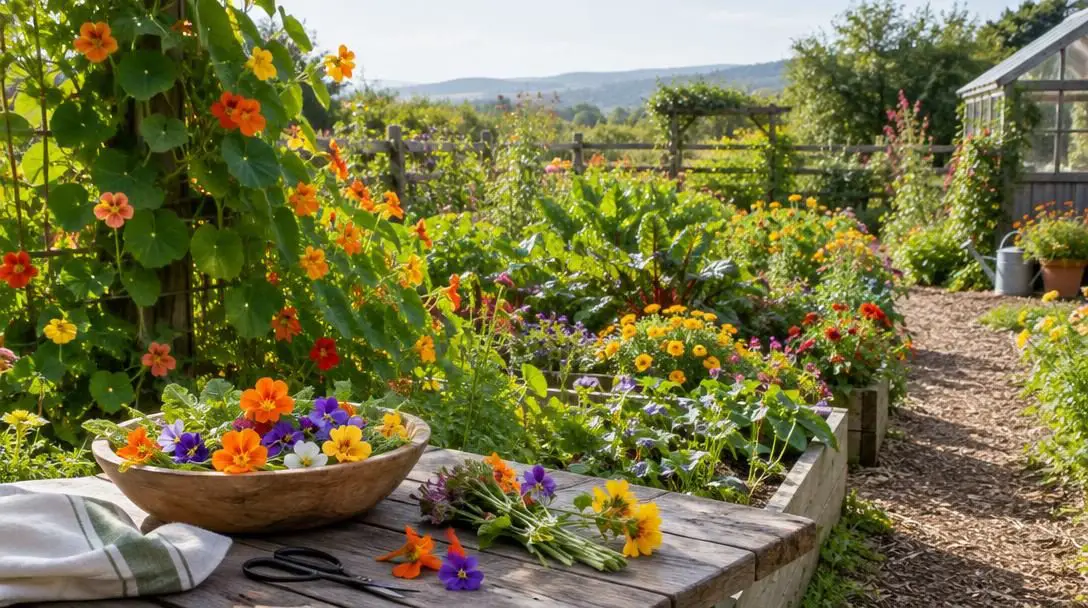
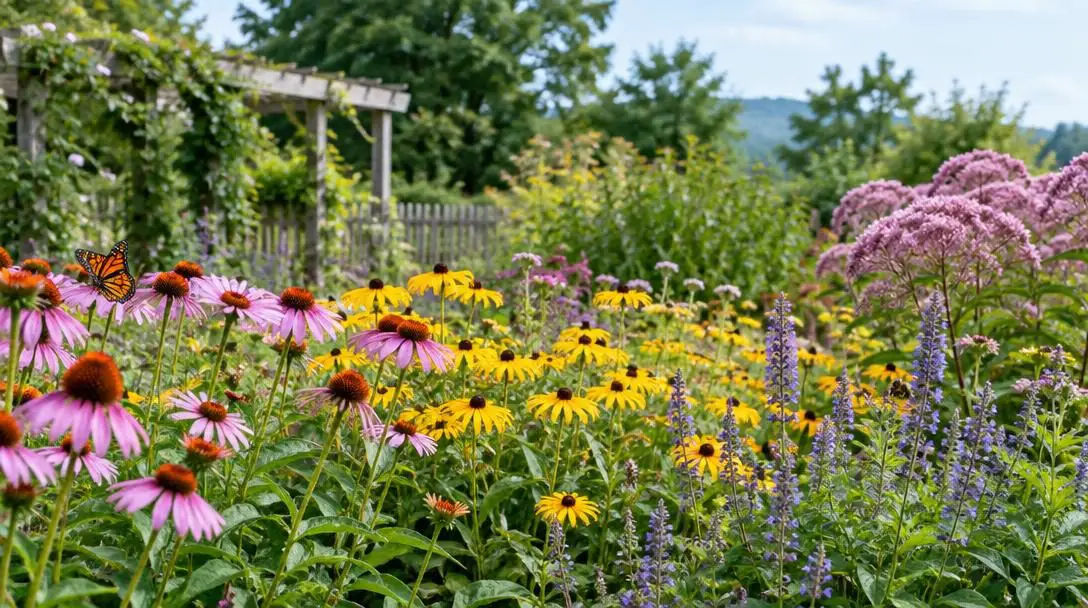
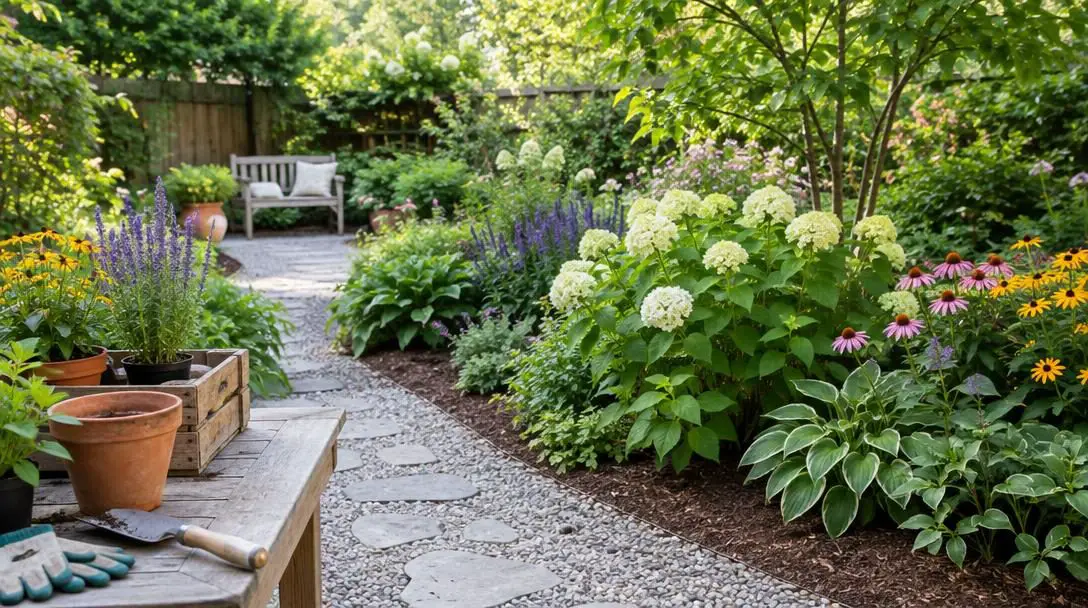
A flourishing garden should satisfy your aesthetic goals just as much as its ecological requirements. Cohesive outdoor themes develop when you choose primary plants that embody your preferred style and pair them intentionally with complementary neighbors. Successful compositions often rely on grouping specimens from the same botanical family, establishing a shared color scheme, or juxtaposing textures and leaf shapes to help individual varieties stand out without clashing. Thoughtful contrasts between broad, glossy leaves and fine, feathery foliage lend sophistication to both formal and informal beds.
Long-Term Perennials Versus Short-Term Annuals
Thoughtful garden layouts balance specimens based on their survival cycle. Long-term resident species establish deep root systems and reliably return year after year, forming permanent focal points in the yard. In contrast, short-term species complete their entire cycle within a single season and require replanting every spring. Deciding on the ratio between permanent fixtures and single-season varieties allows you to control annual nursery expenses and recurring labor requirements, giving your garden structure while still offering room for yearly experimentation.
Evaluating Garden Priorities Across Plant Categories
Before purchasing starts or ordering packets of seed, it is valuable to compare how different plant categories fit into your layout, schedule, and structural planning. Each group provides distinct benefits while imposing particular operational demands on your time and resources.
| Plant Category | Primary Benefit | Typical Lifespan | Maintenance Demands |
|---|---|---|---|
| Long-term landscape specimens | Permanent structural anchor | Multi-year returns | Moderate long-term pruning and seasonal protection |
| Short-term seasonal varieties | Flexible annual color and produce | Single growing season | Regular replanting, steady watering, and feeding |
| Top-heavy produce and flowers | High visual impact and food yield | Varies by species | Early structural support and routine tie adjustments |
Step-by-Step Guide to Choosing Garden Varieties
Moving from a bare patch of soil to an organized, blooming landscape requires a disciplined planning sequence. Follow these practical steps to refine your selections before investing time and money at the nursery.
- Assess local environmental limits: Research your region's temperature swings, seasonal rainfall averages, and frost dates. Decide whether your plants will rely entirely on open ground or whether you will incorporate a greenhouse, indoor growing rooms, or protective fabric covers to shield tender foliage.
- Measure available beds: Take precise measurements of your planting beds, raised borders, and patio containers. Compare these figures with the adult spread and height figures on plant tags to prevent aggressive encroachment and crowded root zones.
- Prepare structural supports early: Identify tall or top-heavy candidates—especially fruiting varieties and oversized blossoms—that need stakes or cages. Install these physical tools during bed prep so you do not drive posts through delicate roots later in the season.
- Conduct an honest maintenance audit: Calculate how many hours you can realistically dedicate to garden chores each week. Factor in whether you want to craft homemade fertilizer, adjust drip lines, or handle daily weather interventions when storms or heat waves roll in.
- Select an aesthetic direction: Settle on a unifying theme, such as a focused color scheme, combinations of shared botanical families, or contrasting leaf textures that highlight your showcase varieties without visual chaos.
- Set your lifespan ratio: Determine how much space goes to permanent, multi-year varieties versus short-term annuals that require annual replanting and financial reinvestment each spring.
- Finalize purchases and prep beds: Verify that every selected plant meets your spatial, labor, and climate criteria. Amend the soil, set up basic irrigation, install support structures, and space your plants according to their mature dimensions.
Frequent Planting Mistakes to Avoid
Even seasoned gardeners occasionally fall victim to hasty purchasing decisions or design oversights. Keeping these frequent pitfalls in mind will protect your investment and save hours of frustrating corrective work:
- Ignoring your native climate: Choosing varieties solely based on aesthetic appeal often leads to stunted, poorly nourished plants that cannot survive regional temperature extremes without costly protective workarounds.
- Underestimating mature spread: Setting young starts too close together results in dense, overgrown beds where adjacent roots and foliage compete for water, soil nutrients, and air circulation.
- Delaying support installation: Waiting to stake top-heavy blossoms and fruit-heavy stems until they lean or snap risks damaging the plant's structural core and slicing into its established root system.
- Overcommitting to demanding species: Filling your beds with varieties that require intricate irrigation layouts, specialized care schedules, and frequent homemade feeding routines can quickly lead to garden burnout.
- Assembling chaotic color schemes: Combining disparate species without considering botanical families, foliage forms, or cohesive color palettes creates a disorganized visual layout rather than a restful landscape.
- Misjudging plant life cycles: Neglecting to check whether a specimen is a long-term survivor or a single-season crop can leave unexpected bare patches across your yard every spring.
Frequently asked questions
How can I grow plants that are not suited to my local climate?
You can work around harsh regional climates by utilizing a greenhouse, moving delicate potted plants indoors, or setting up temporary covers to shield tender foliage from extreme heat, frost, and unseasonal weather.
Why is it bad to plant young starts close together?
While small starts look sparse initially, plants expand significantly as they mature. Inadequate spacing leads to severe competition for soil nutrients, moisture, and airflow, leaving plants susceptible to disease and stunted growth.
When should physical supports like stakes be installed?
Stakes and support frames should be put in place before or immediately during planting. Installing supports after a plant has matured can slice through developed roots and snap heavy, established stems.
What makes high-maintenance plants more time-consuming?
High-maintenance species often require meticulous care routines, including formulating homemade fertilizers, calibrating specialized irrigation systems, and providing frequent intervention during sudden weather shifts.
How do long-term plants differ from single-season varieties in garden planning?
Long-term plants establish permanent root systems and return across multiple years, serving as structural anchors. Single-season varieties complete their life cycle within one growing season, allowing visual flexibility but requiring recurring replanting, watering, and annual financial reinvestment.
The Bottom Line
A flourishing garden is an evolving landscape that responds continuously to the seasons. Long-term success does not come from impulse buying at the garden center; it comes from matching plant biology to the physical boundaries of your site and the time you have available. When you balance seasonal lifespans, anticipate mature dimensions, and prepare protective structures in advance, routine yard care shifts from a demanding chore into a predictable, highly rewarding practice.