The Best Perennial Flowers for a Low-Maintenance Garden
Cultivating an attractive landscape brings enduring tranquility to outdoor living spaces, yet the ceaseless maintenance demanded by high-maintenance flower beds often turns an enjoyable hobby into an exhausting routine. Constantly purchasing, bedding, weeding, and discarding seasonal annuals that expire after a single growing season requires substantial physical labor, ongoing financial expense, and precise timing. For homeowners balancing busy professional schedules, family commitments, or limited horticultural experience, this recurring cycle can quickly become overwhelming.
Perennial flowers offer a permanent, sustainable remedy to seasonal burnout. Unlike short-lived annuals, perennials survive across multiple years, returning reliably each spring to blanket garden borders in shifting color, dynamic texture, and architectural foliage. By investing thoughtful planning and focused care during the initial planting phase, gardeners can establish an enduring, climate-ready landscape that flourishes season after season with minimal hands-on intervention.
Key takeaways
- Perennials survive winter dormancy by storing moisture and vital carbohydrates within deep, self-sustaining root systems.
- Drought-adapted selections like yarrow, Russian sage, and coneflowers drastically reduce outdoor irrigation requirements once their root balls mature.
- Grouping species with compatible moisture and lighting needs eliminates uneven growth and streamlines routine garden maintenance.
- Deliberate first-year watering and proper plant spacing are crucial to prevent fungal problems and anchor young root crowns.
The subterranean mechanics of perennial longevity
To understand why mature perennial borders require a fraction of the maintenance demanded by seasonal bedding schemes, one must look beneath the soil surface. While annual plants exhaust their short lifespans pouring metabolic resources into rapid flowering and seed production, perennials prioritize expansive root architectures. These complex subterranean systems serve as dedicated biological storage vaults for carbohydrates, moisture, and essential minerals, shielding the plant from intense summer heatwaves and sub-zero winter freezes.
When autumn temperatures plunge and freezing conditions set in, the vegetative above-ground growth—including tender stems, foliage, and fading blooms—naturally withers back to the ground. Beneath the protective insulation of the soil line, however, the crown and root system remain fully alive in a state of suspended dormancy. As daylight lengthens and soil temperatures climb each spring, these underground energy reserves awaken, pushing vigorous new stems skyward without requiring supplemental planting or human intervention.
With each consecutive growing cycle, perennial root networks penetrate deeper into native soil strata. This expanding underground web allows mature plants to harvest moisture and ambient nutrients from deep reserves far beyond the reach of standard garden annuals. Consequently, an established perennial border naturally curtails the need for supplemental chemical fertilizers, heavy soil amendments, and daily irrigation.
Top low-maintenance perennial varieties for home landscapes
Curating an effortless landscape begins with choosing hardy, battle-tested cultivars suited to local sunlight and soil conditions. The following resilient perennial species combine reliable pest resistance, drought tolerance, and architectural presence to provide years of dependable visual impact.
| Plant Name | Sunlight Needs | Soil Moisture | Key Benefit |
|---|---|---|---|
| Peony | Full sun (6–8 hours) | Moderate, well-drained | Massive, fragrant blossoms |
| Black-Eyed Susan | Full sun | Moderate to dry | Pollinator platform, summer heat tolerance |
| Coneflower | Full sun | Dry to moderate | Rugged drought resilience, long bloom period |
| Catmint | Full sun to light shade | Low to moderate | Aromatic oils, pest deterrence, herbal uses |
| Russian Sage | Full sun | Dry, porous | Airy lavender-like spikes, extreme heat tolerance |
| Bee Balm | Full sun | Moist, well-drained | Hummingbird attractor, edible petals |
| Yarrow | Full sun | Dry to lean | Thrives in poor soils, needs sparse watering |
| Daylily | Full sun to afternoon shade | Adaptable, well-drained | Architectural foliage, rugged durability |
Peony
- Light requirements: 6 to 8 hours of direct, unfiltered sunlight daily
- Watering frequency: Moderate moisture; soil must drain freely
- Primary maintenance note: Requires early-season physical staking
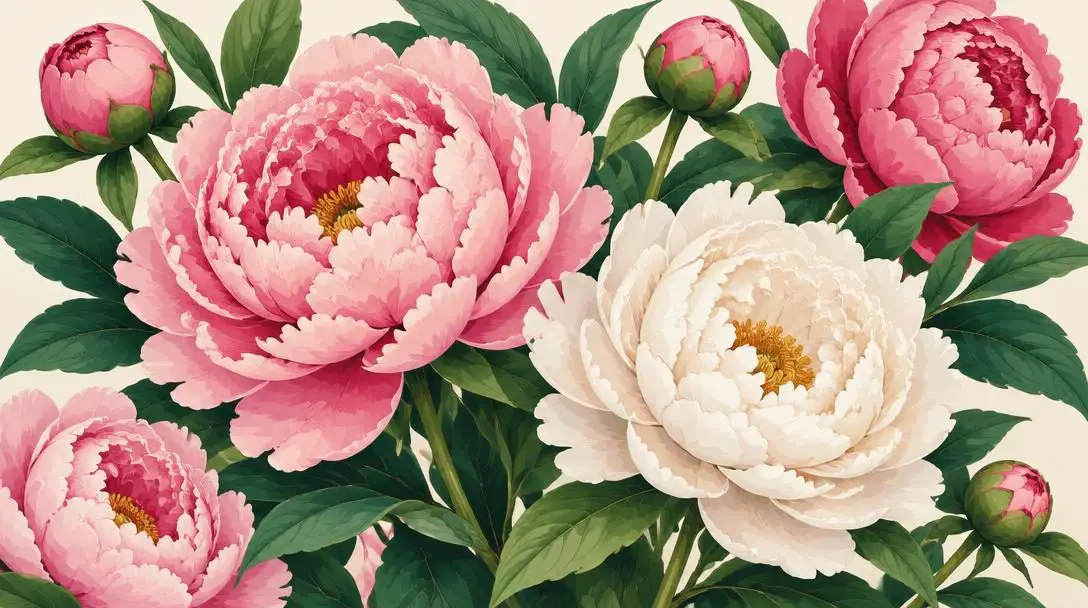
Renowned for producing enormous, richly scented blooms in shades ranging from soft blush to deep crimson, the peony represents a timeless cornerstone for borders seeking dramatic floral impact alongside uncomplicated care. Peonies demand a sunny planting site that provides consistent airflow to protect their lush foliage from persistent dampness. Because the massive floral heads hold significant weight and moisture, they can easily cause tender stems to buckle under their own grandeur. Gardeners should set sturdy circular rings or stakes around the plant base before early spring growth surges.
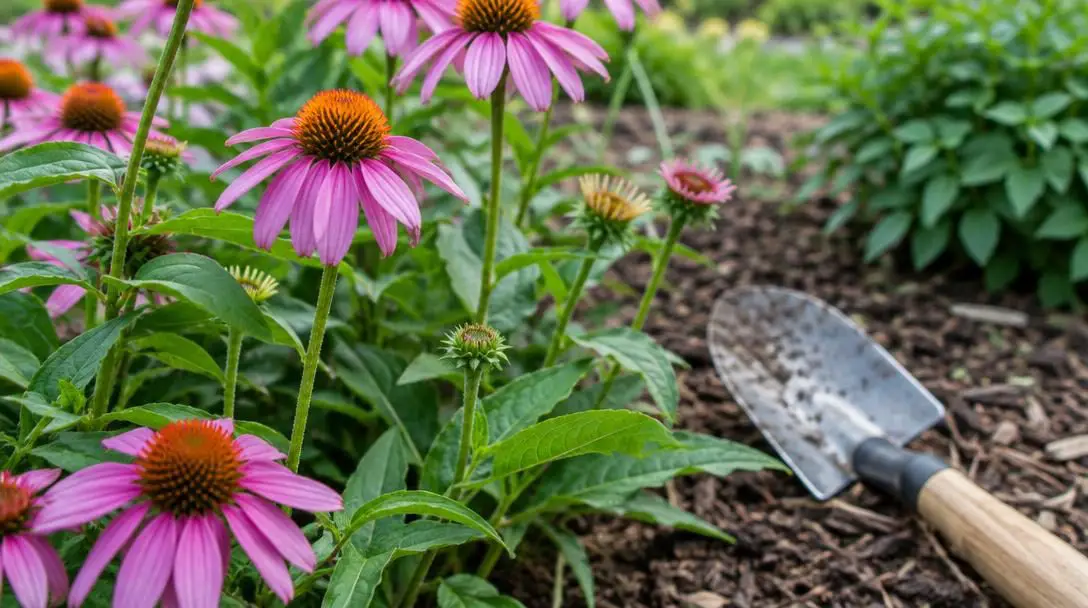
Black-Eyed Susan
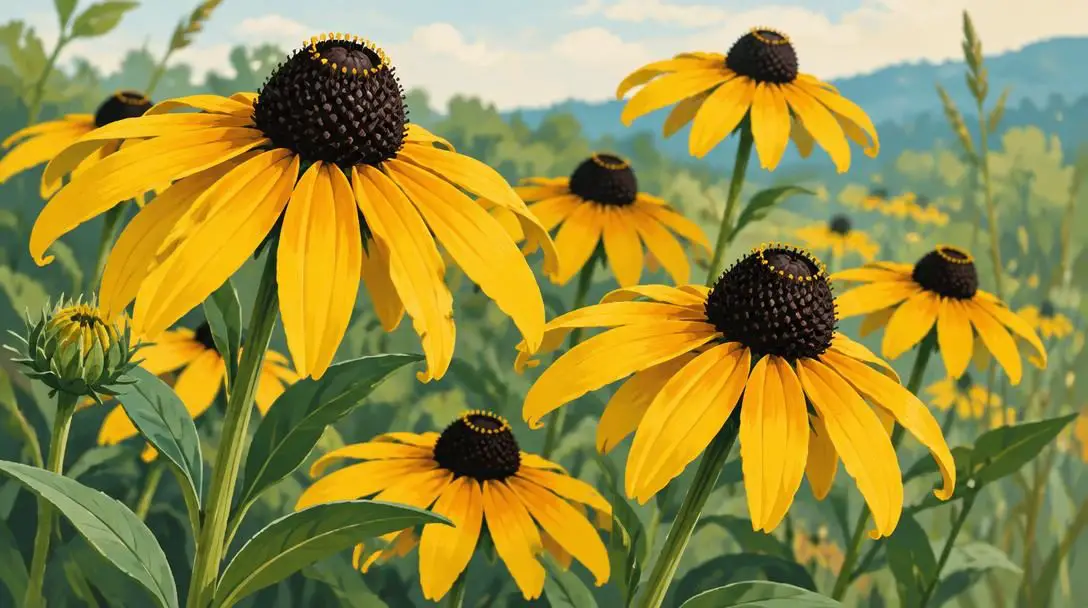
- Light requirements: Full, intense sunlight
- Watering frequency: Moderate to arid; highly drought-resilient
- Wildlife value: Central cone provides an accessible landing pad for pollinators
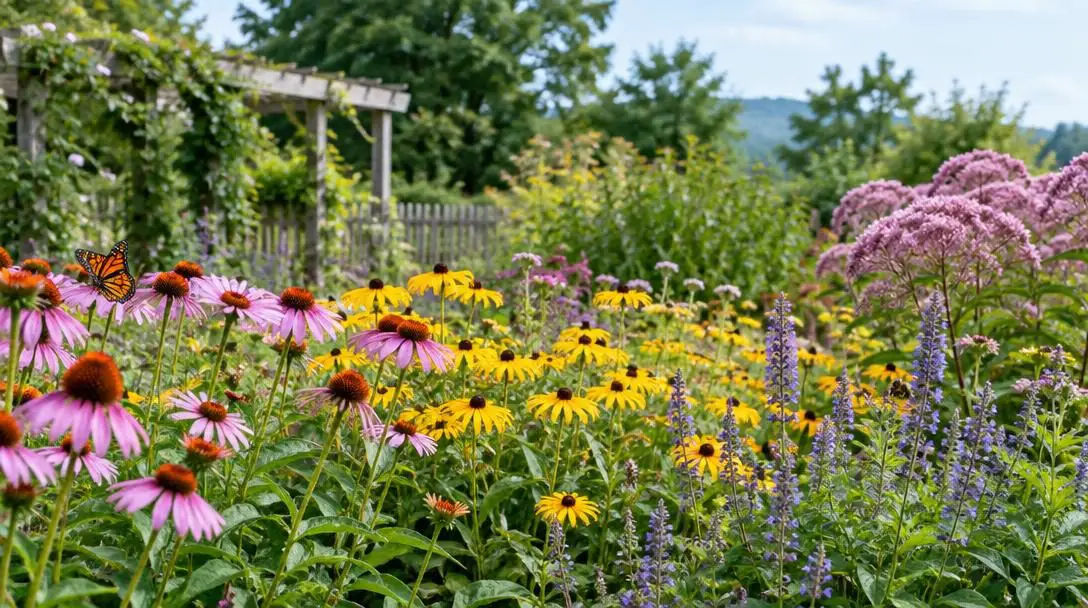
Black-eyed Susans bring radiant, golden warmth to summer borders while functioning as vital ecological hubs for regional wildlife. Featuring a raised, dark central disk, the flower serves as a convenient landing pad for foraging honeybees, native bumblebees, and butterflies seeking high-energy nectar. This species displays outstanding vigor when confronted with lean, sun-baked garden beds, shrugging off nutrient-depleted soils and extended summer droughts without losing its structural vitality or blooming cadence.
Coneflower
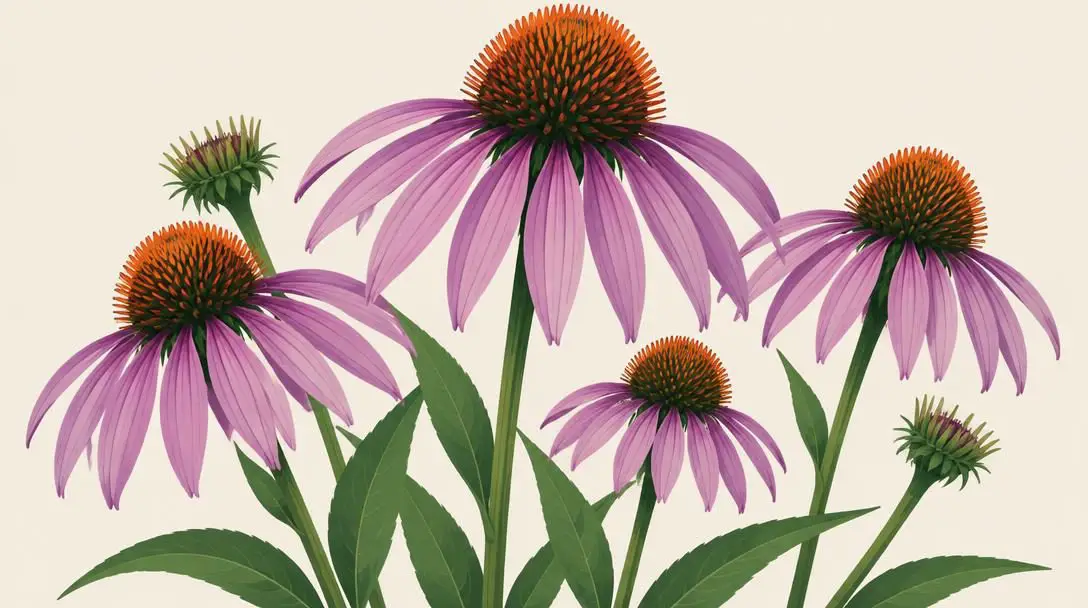
- Light requirements: Full sun
- Watering frequency: Low to moderate once established
- Flowering season: Midsummer through autumn
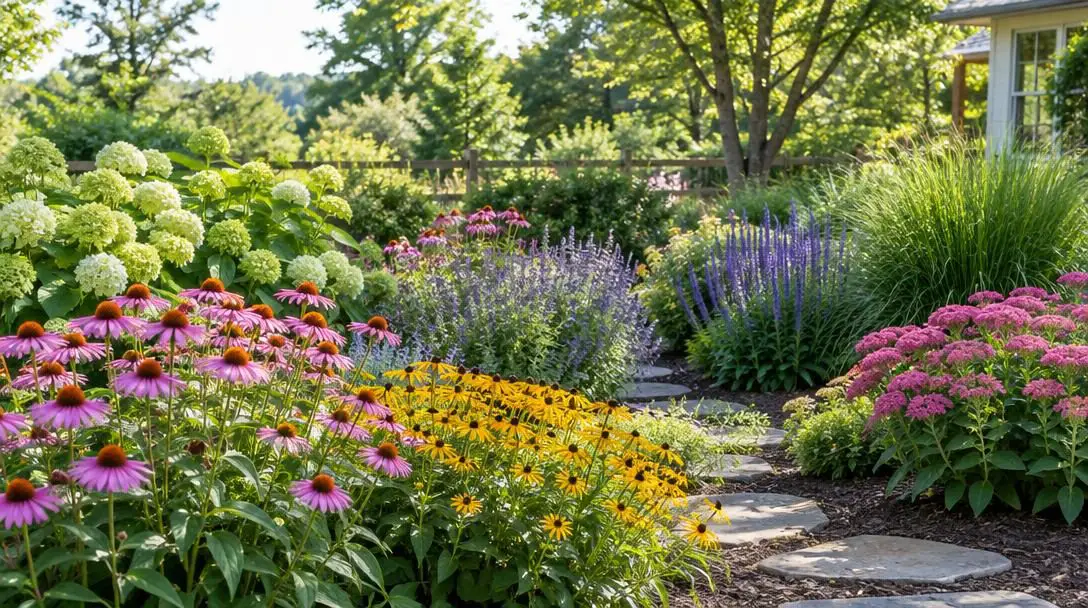
An indispensable choice for both beginners and master gardeners, the rugged coneflower delivers continuous bursts of color from midsummer through the arrival of autumn frosts. Much like the black-eyed Susan, the prominent elevated center of the coneflower offers abundant pollen and nectar to regional beneficial insects. After developing a deep root base during its primary season, this tough native cultivar easily handles sustained drought conditions, requiring only porous ground and occasional deep soakings to produce waves of vibrant blossoms.
Catmint
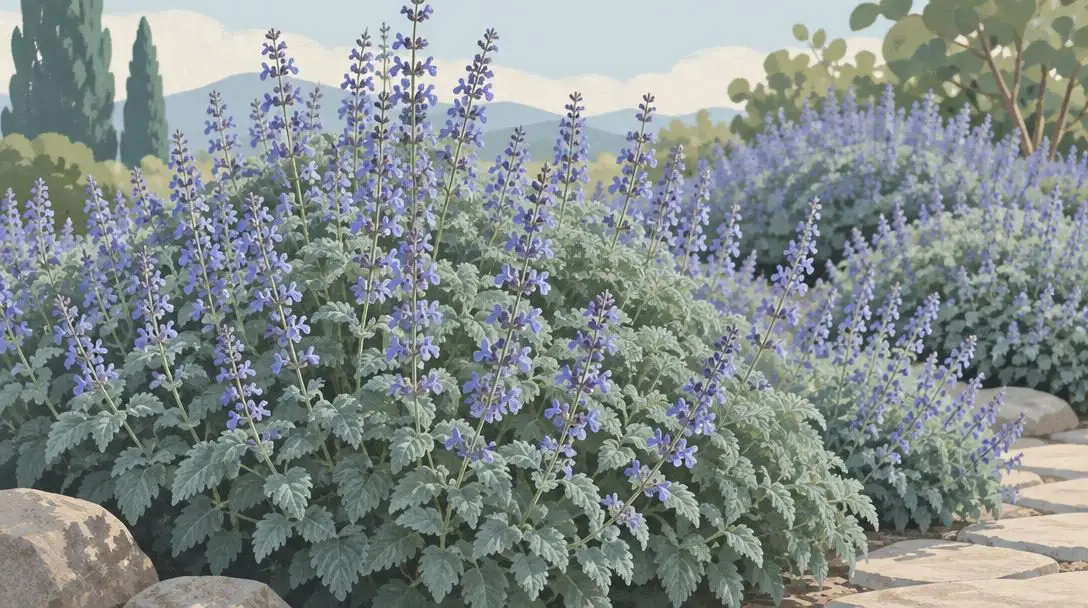
- Light requirements: Full sun; adapts to partial shade
- Watering frequency: 2 to 3 times weekly in year one; twice weekly once anchored
- Ethnobotanical value: Traditional remedy for digestion, cramps, and congestion
Catmint couples soft, billowing mounds of blue-gray foliage and lavender flowers with practical herbal utility. Historically harvested to brew soothing herbal teas for indigestion, nasal congestion, and cramps, the plant naturally releases potent aromatic oils that deter troublesome garden pests. Catmint withstands blazing heatwaves with ease once settled. To ensure smooth establishment, irrigate young specimens two to three times per week during their first growing season before tapering down watering as the roots grip the surrounding earth.
Russian Sage
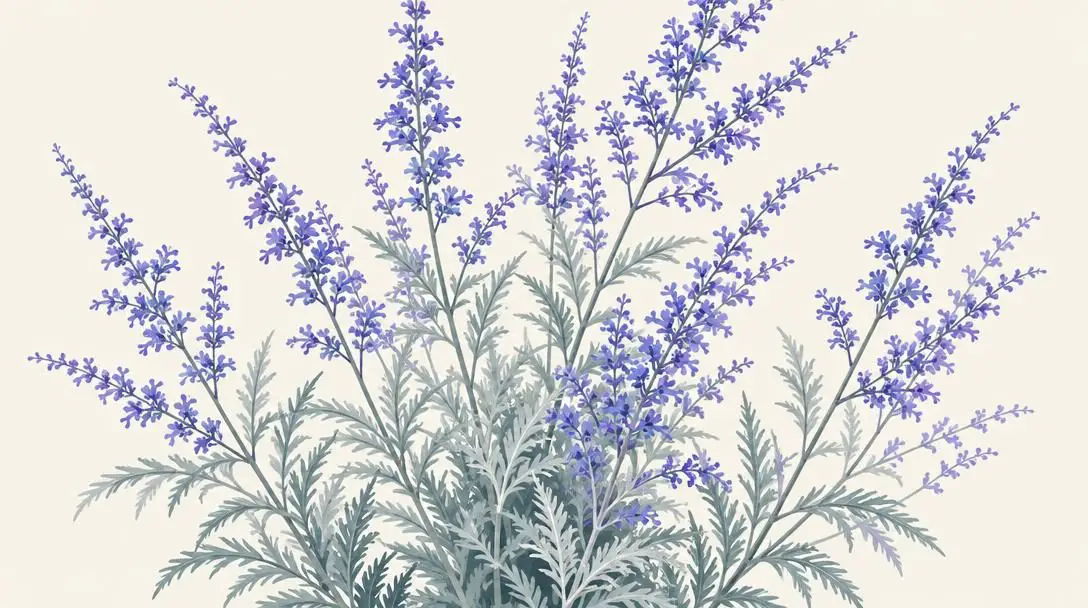
- Light requirements: Full, unobstructed sun
- Watering frequency: Extremely low; avoid overwatering
- Foliage appearance: Silvery, fine-textured stems with purple-blue blooms
Bearing an aesthetic similarity to Mediterranean lavender, Russian sage lends an airy, smoky haze of purple-blue flowers and finely cut, silvery foliage to challenging landscape microclimates. Highly suited to rain-shadowed or arid environments, it flourishes under blistering sunlight and lean, gravelly soil where other ornamental perennials falter. Gardeners must avoid overwatering Russian sage or siting it in damp, heavy ground, as chronic moisture saturates the crown, rots root fibers, and leads to floppy, weak stems.
Bee Balm
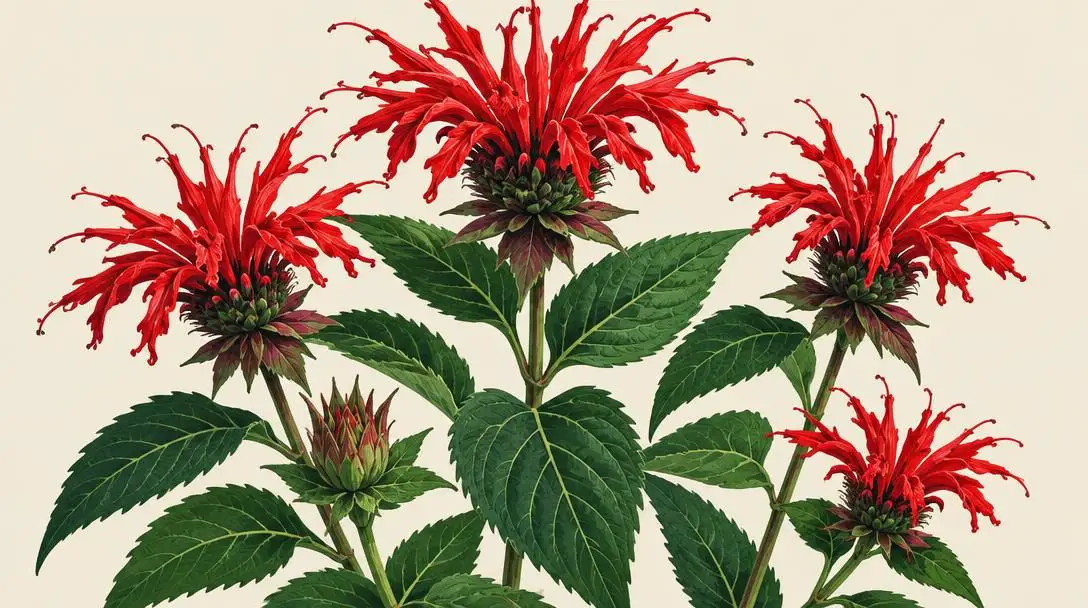
- Light requirements: Full sun
- Watering frequency: Moist, consistently well-drained soil
- Culinary and medicinal use: Edible petals; soothing remedy for nausea and sore throats
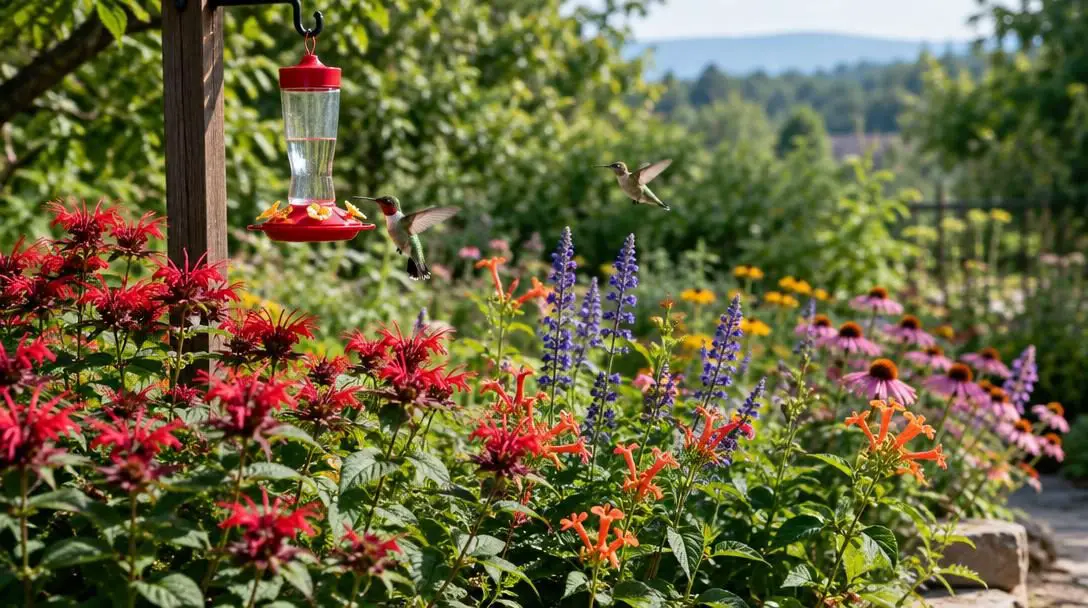
Featuring uniquely shaggy, firework-like blossoms, bee balm is an exceptional magnet for hovering hummingbirds and local pollinating insects. Aside from its ornamental vibrancy, bee balm holds an extensive ethnobotanical history: indigenous cultures and herbalists relied on its leaves to brew infusions for relieving sore throats, digestive cramps, and persistent nausea. Its colorful petals are also safe for human consumption, making colorful additions to seasonal culinary salads. Because dense foliage can fall victim to powdery mildew, plants must be spaced widely to promote brisk airflow around every stem.
Yarrow
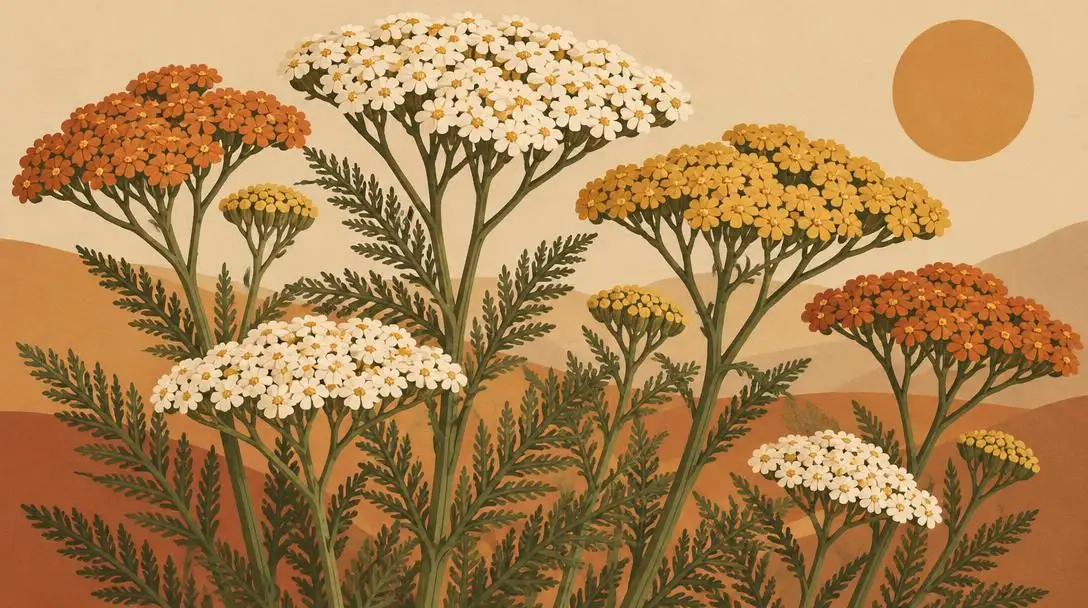
- Light requirements: Full sun
- Watering frequency: Deep, 1-inch soaking once per week during peak growth
- Soil preference: Dry, porous, nutrient-sparse ground
Yarrow serves as the gold standard for water-wise landscaping, effortlessly tolerating scorched earth, nutrient-deficient soils, and prolonged heat. It is engineered by nature for regions plagued by sparse summer precipitation. Yarrow asks for porous, fast-draining earth and modest supplemental hydration, needing only one inch of water delivered deeply once per week during the heat of summer. Avoid overwatering or planting in heavily enriched soil, as excess fertility prompts yarrow to spread uncontrollably and aggressively crowd neighboring perennials.
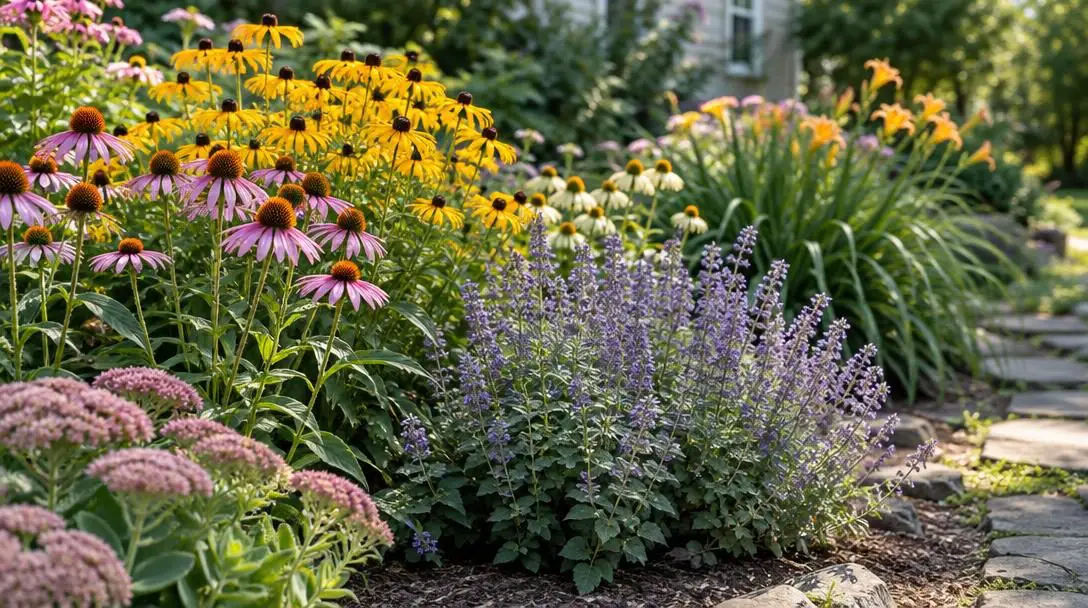
Daylily
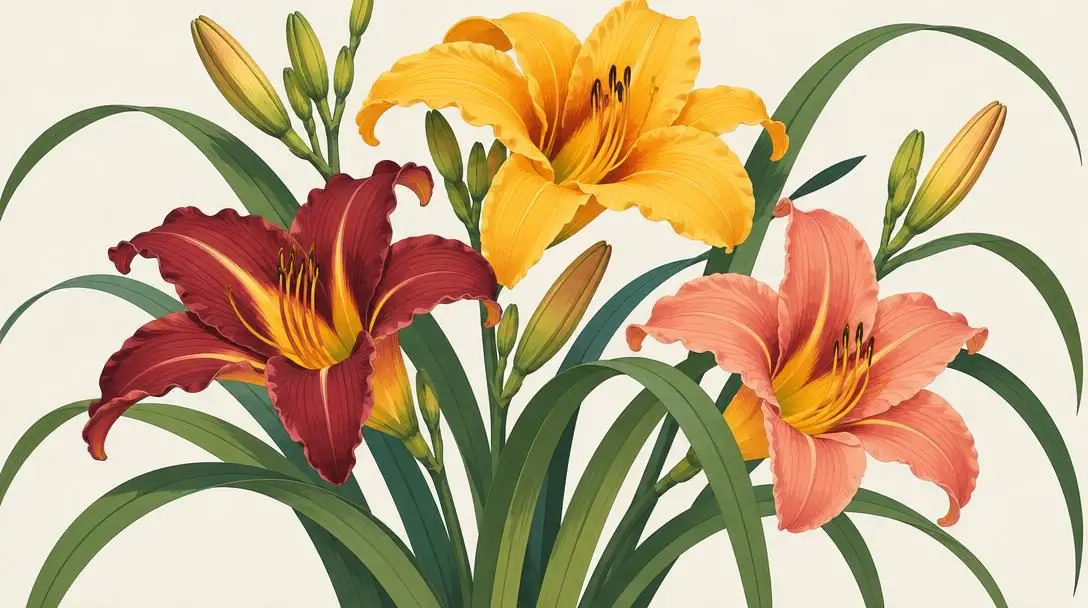
- Light requirements: 6 to 8 hours of sun; light afternoon shade for dark cultivars
- Watering frequency: Twice weekly in year one; once weekly thereafter
- Foliage structure: Broad, arching grass-like clumps
Renowned for their sword-like arching leaves and profuse flower production, daylilies represent one of the most indestructible additions to an easy-care landscape. Daylilies adapt to varied soil compositions provided drainage is adequate, asking for twice-weekly waterings while rooting, which can be safely reduced to a single weekly soaking in subsequent years. For varieties showcasing deeply saturated burgundy, purple, or dark red petals, providing filtered afternoon shade shields the flowers from solar bleaching and heat stress, while bright yellow and pale pastel types flourish in unfiltered sun.
Investing intentional care during the primary planting phase creates an enduring, self-sustaining garden that yields years of color and wildlife habitat.
Methodical steps for planning and planting a perennial border
The lifelong resilience of a perennial flower bed depends directly on the care exercised during site selection, soil preparation, and layout design. Approaching the installation with a systematic, organized plan simplifies ongoing upkeep and guarantees healthy root development.
- Map natural sunlight patterns: Monitor sun exposure across your yard throughout the day to calculate direct light hours. Ensure heavy bloomers like daylilies and peonies receive six to eight hours of direct light, while tucking adaptable selections like catmint into areas with partial afternoon shade.
- Aerate and amend the planting site: Dig into native garden beds to loosen compacted subsoils. Well-draining soil prevents root suffocation and crown rot, giving newly placed perennials the porous conditions they need to push roots outward.
- Zone plants by moisture affinity: Cluster species that share identical watering needs into synchronized beds. Group drought-tolerant selections like Russian sage, yarrow, and black-eyed Susans in warm, dry beds, while setting moisture-loving selections like bee balm together to streamline irrigation chores.
- Execute a foundational irrigation routine: Hydrate young specimens consistently throughout their maiden growing season. Provide catmint with moisture two to three times weekly and hydrate daylilies twice a week during their initial season to anchor their roots before tapering down.
- Install mechanical plant supports early: Set circular peony cages, wooden stakes, or wire armatures in the soil early in the spring. Allowing emerging foliage to grow through the supports naturally hides the hardware while preventing top-heavy flower heads from collapsing.
Mistakes that undermine low-maintenance perennial plantings
While perennial plants possess exceptional biological resilience, failing to respect their cultural requirements can lead to stunted growth, fungal outbreaks, or root rot. Gardeners can avoid unnecessary labor and plant loss by steering clear of several common pitfalls:
- Overwatering drought-tolerant varieties: Providing excessive water to moisture-averse species such as Russian sage or yarrow saturates roots, causing decay. In yarrow, overly wet or fertile ground triggers aggressive spreading that suffocates neighboring species.
- Crowding plants too closely: Planting perennials without factoring in their mature horizontal spread restricts air circulation. Stagnant moisture lingering on dense leaves accelerates the spread of fungal pathogens, particularly powdery mildew on vulnerable bee balm foliage.
- Overlooking cultivar-specific sunlight needs: While standard yellow daylilies bask comfortably in full sun, deep red or dark purple cultivars absorb significant heat. Siting dark cultivars in harsh afternoon sun bleaches delicate flower pigments and scorches petal margins.
- Neglecting root establishment in year one: Expecting freshly potted container plants to behave like established, drought-tolerant specimens often results in plant loss. Every perennial requires disciplined supplemental watering during its initial season to construct the deep root systems that support long-term hardiness.
Long-term garden evolution and ecological value
As the seasons advance, the gardener's routine shifts from active physical labor to simple observation and seasonal appreciation. As underground root networks spread, above-ground perennial canopies expand into dense, interconnected ground cover. This natural living mulch shades the underlying soil, moderating ground temperatures, preventing soil moisture evaporation, and denying weed seeds the sunlight they require to sprout.
Simultaneously, a mature perennial garden transforms into a dynamic refuge for native pollinators and beneficial insects. Cultivars like coneflower, black-eyed Susan, and bee balm provide vital seasonal nectar and pollen stores for wild bees, predatory beneficial insects, and hummingbirds. Combined with practical human uses—such as steeping catmint for traditional teas or garnishing recipes with edible bee balm petals—a well-curated perennial landscape creates a balanced, biodiverse ecosystem that rewards homeowners with beauty and resilience for years to come.
Frequently asked questions
How do perennials survive cold winter conditions without dying?
Perennials redirect their energy reserves below the soil line into expansive root systems and crowns before freezing weather arrives. While the above-ground foliage withers, these insulated underground structures enter a dormant state, utilizing stored carbohydrates to sprout fresh vertical stems when spring returns.
Do low-maintenance perennials need daily watering once established?
No. Mature perennials with established root systems forage efficiently for subterranean moisture. Highly drought-tolerant species like yarrow and Russian sage thrive with minimal water, while daylilies and catmint require only occasional, deep watering during prolonged dry spells.
Why is proper plant spacing important for disease prevention?
Allowing adequate space between plants promotes continuous airflow through the foliage. When plants like bee balm are packed too tightly, damp air stagnates, creating ideal conditions for fungal issues like powdery mildew to colonize the leaves.
How can I prevent top-heavy flowers like peonies from falling over?
Set up mechanical plant supports, such as circular metal peony rings or stakes, over the plant base during early spring. As the stems emerge, they grow through the framework naturally, securing heavy blooms against strong winds and rainfall without bending.
Can I plant catmint and bee balm for household or culinary use?
Yes. Catmint releases aromatic pest-deterring oils and has a rich ethnobotanical history for easing nasal congestion, cramps, and indigestion, while bee balm leaves have traditionally soothed sore throats and its colorful floral petals are completely edible.
The bottom line
Creating a vibrant, self-sustaining garden does not require relentless physical labor or an endless budget for seasonal bedding annuals. By selecting resilient perennial varieties like coneflowers, yarrow, catmint, and daylilies, homeowners build an enduring landscape that works in harmony with natural ecological systems. With proper initial soil aeration, variety-specific watering routines during the foundational first season, and mindful spacing to protect plant health, your perennial garden will mature into a low-maintenance, biodiverse oasis that reliably flourishes year after year.