The Art of Terrarium Making: Creating Miniature Gardens
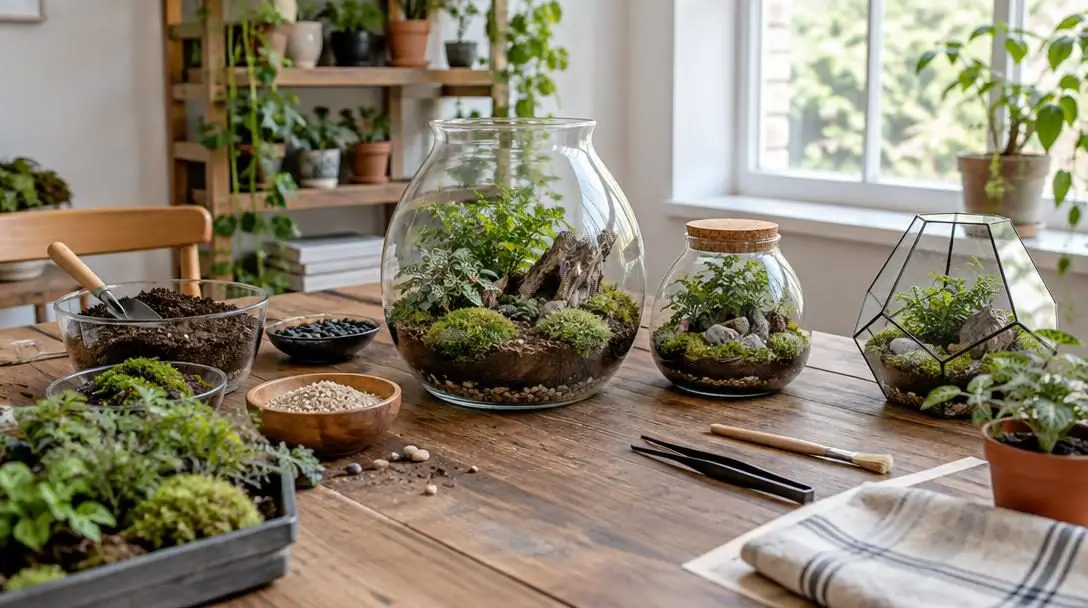
Terrarium making merges the delicate science of botany with the quiet artistry of interior design. By cultivating miniature gardens that flourish under carefully controlled microclimates, indoor gardeners can bring the enduring beauty of the natural world into any living space. Whether positioned in a compact urban apartment, a busy classroom, or a contemporary home, these self-contained botanical displays establish an isolated pocket of greenery that nurtures a calm atmosphere, lifts the daily mood, and fosters an immediate connection to living systems.
Originally engineered as practical transport containers designed to safeguard delicate, exotic flora from salty ocean spray and volatile weather during long, turbulent sea voyages, these protective vessels quickly captured public fascination. They soon shifted from functional maritime shipping crates into prized decorative centerpieces for refined interiors. Today, terrarium crafting is an accessible and deeply satisfying hobby that allows beginners and experienced horticulturists alike to construct balanced, miniature ecosystems within a remarkably small footprint.
Key takeaways
- Terrariums sustain miniature ecosystems using either self-contained precipitation cycles in sealed vessels or ventilated airflow in open containers.
- A dedicated subterranean drainage layer of gravel, sand, and pebbles is essential to protect roots from rot in containers lacking drainage holes.
- Container material influences climate management, with clear glass providing classic visual clarity and plastic offering lightweight, shatter-resistant durability.
- Successful arrangements require grouping plants with identical environmental needs, separating humidity-loving ferns and moss from arid-dwelling succulents.
- Enclosed terrariums must never be placed in direct sunlight, as clear walls trap solar heat and create lethal temperatures for delicate foliage.
Understanding the Science Behind Terrarium Microclimates
To build a vibrant, long-lasting terrarium, one must understand the distinct biological and physical mechanisms that govern life inside a transparent vessel. Unlike standard potted houseplants, which are exposed to variable room drafts, dry heating vents, and air conditioning cycles, a terrarium establishes an isolated microclimate. This protective enclosure shields sensitive greenery from erratic indoor conditions, allowing fragile species to thrive where they would otherwise struggle.
The internal environment behaves quite differently depending on whether the vessel is sealed or left open. In a closed terrarium, the ecosystem functions through a continuous, self-sustaining hydrological loop. Plant roots absorb moisture from the substrate, draw it through stems, and release it into the air through transpiration, while water also evaporates directly from the soil. Once the trapped atmosphere reaches full saturation, water vapor condenses against the cool interior walls and trickles back down into the substrate. This process mimics the natural water cycle, allowing flora to thrive for extended periods without frequent intervention.
The water cycle inside a closed terrarium functions as a continuous, self-sustaining loop where moisture transpires, condenses, and returns to the substrate like natural rainfall.
In contrast, open terrariums rely on active, unrestricted air circulation. Because the top of the container remains uncovered, moisture evaporates freely into the surrounding room, preventing ambient humidity from gathering around foliage. This constant airflow creates an arid, well-ventilated habitat. Such conditions are necessary for species that originate in dry climates, where persistent dampness and stagnant air would quickly lead to bacterial or fungal decay.
Because terrarium vessels lack bottom drainage holes, managing excess water is one of the most critical aspects of maintaining internal health. Subterranean layers of coarse mineral materials create a dedicated reservoir beneath the roots. Excess liquid filters safely into this lower zone rather than saturating the potting medium, preventing root suffocation while preserving balanced moisture levels above. Transparent walls allow ambient light to penetrate the container and stimulate photosynthesis, but they also retain thermal energy. While this gentle warming encourages lush growth, excessive heat buildup can quickly overwhelm the miniature ecosystem.
Choosing the Right Container Material
The container serves as both the architectural housing and the environmental barrier for your miniature garden. Choosing between glass and plastic involves balancing aesthetic expectations against practical everyday requirements.
Glass Containers
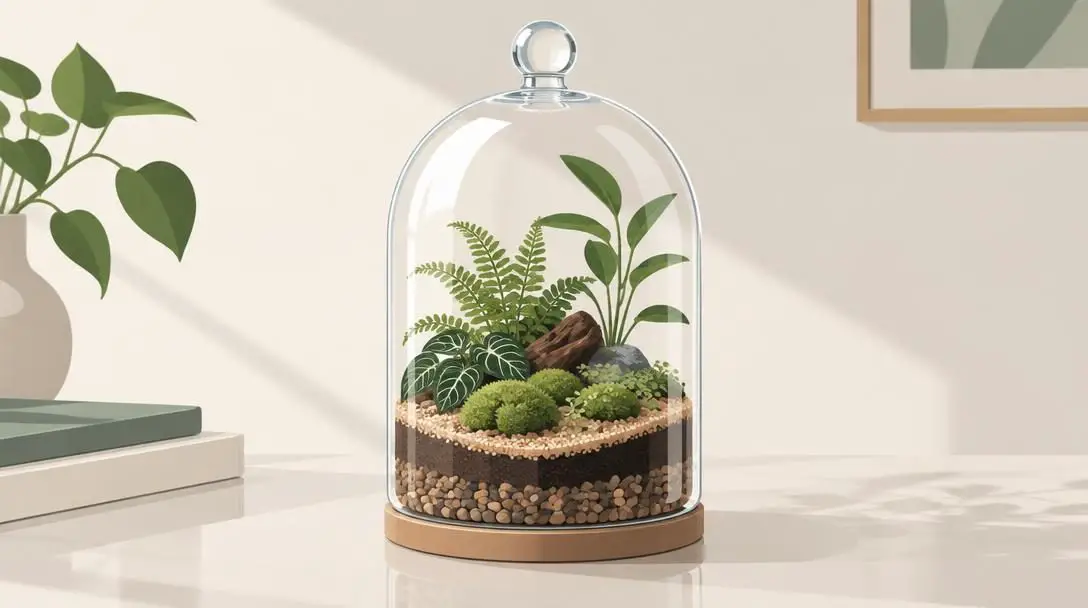
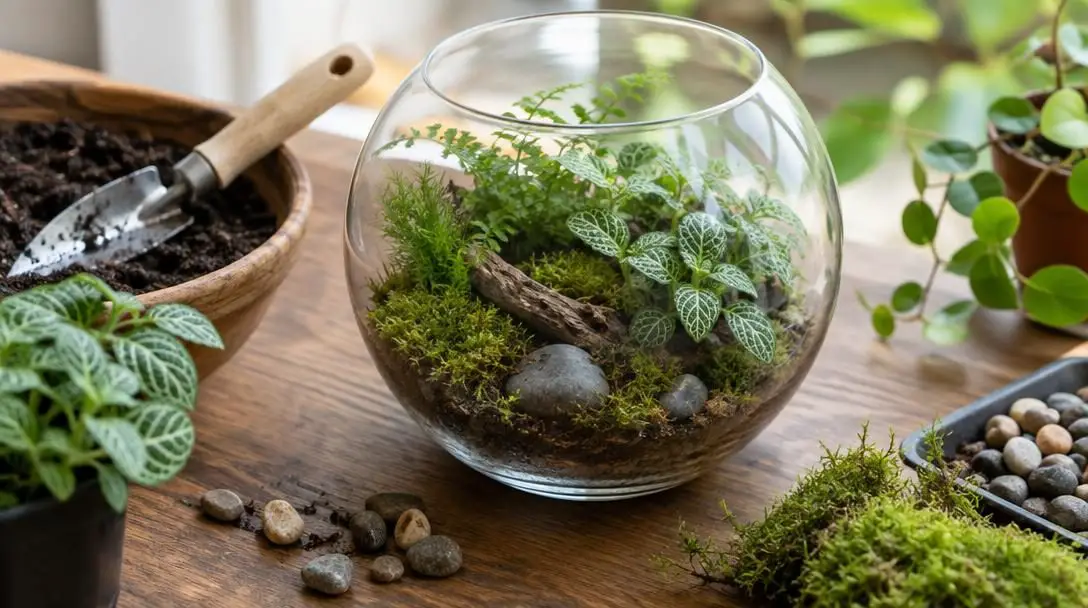
Glass remains the classic and most celebrated choice for terrarium construction, prized for its optical clarity and timeless elegance. Its transparent structure provides an unobstructed, crystal-clear view of subterranean soil striations, textural mosses, and delicate leaf structures. However, glass presents specific environmental management challenges. Dense glass readily absorbs and traps ambient warmth, which can make it more difficult to regulate internal humidity and temperatures if indoor light levels change abruptly.
Plastic Containers
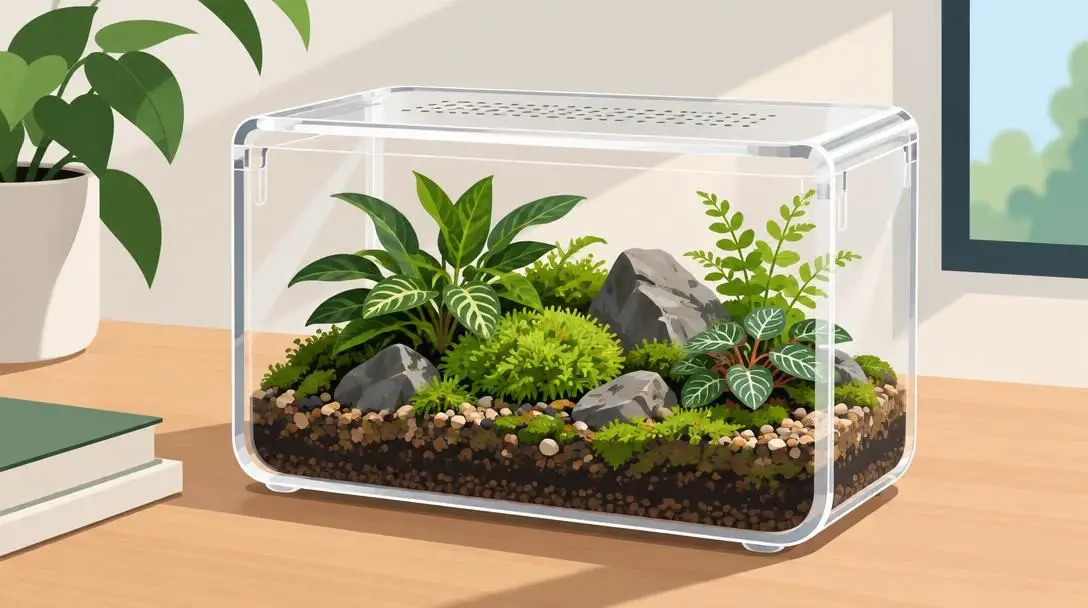
Plastic containers provide a lightweight, durable, and budget-friendly alternative to traditional glassware. Because plastic resists cracking, chipping, and shattering when accidentally bumped or dropped, it represents an outstanding option for beginners, active households with children, or school classrooms. While plastic vessels may lack the antique character and heirloom refinement of fine glass, their physical resilience and accessible cost make them exceptionally practical for a wide variety of miniature landscaping projects.
Selecting the Best Plant Varieties for Your Ecosystem
The longevity of an indoor miniature garden hinges on pairing plants that share the exact same temperature, light, and humidity preferences. Grouping flora with conflicting ecological requirements inside the same container will inevitably compromise the entire display.
Ferns
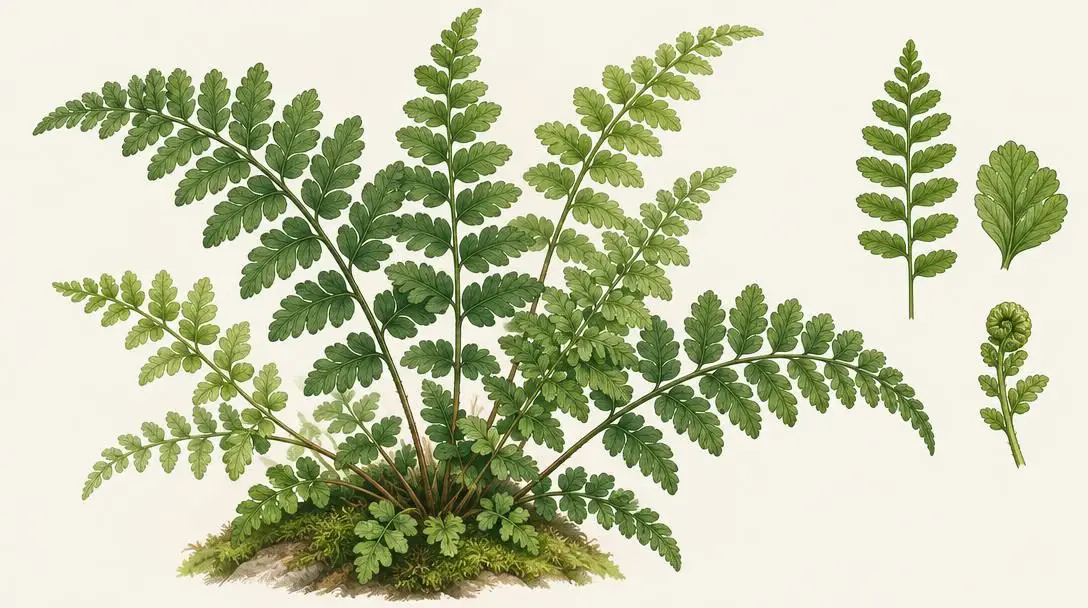
Ferns are classic moisture-loving plants that thrive in high-humidity setups. When placed in closed or semi-closed containers, these lush green specimens flourish under persistent humidity and gentle ambient warmth. Dwarf varieties of ferns adapt particularly well to compact glassware, offering fine, feathery texture without rapidly outgrowing the vessel.
Moss
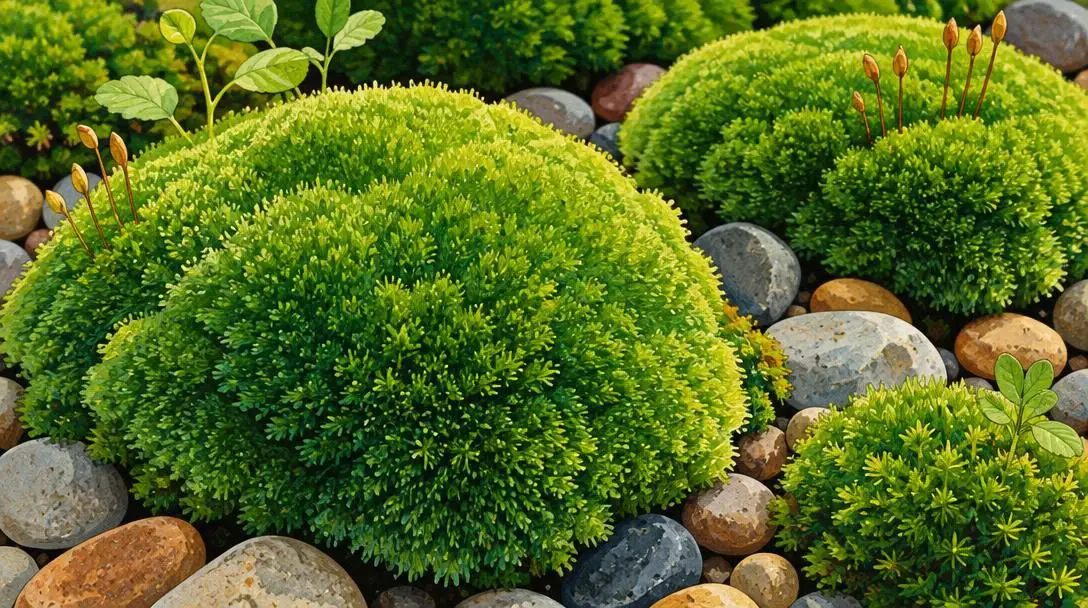
Moss functions as an exceptional living ground cover for humid terrarium environments. Thriving on consistent moisture and filtered illumination, moss forms velvety green carpets over bare soil, rocks, and miniature contours. Because mosses lack vascular root systems, they absorb moisture and nutrients directly through their delicate leaves, making them natural companions for ferns within closed, self-sustaining rainfall cycles.
Succulents
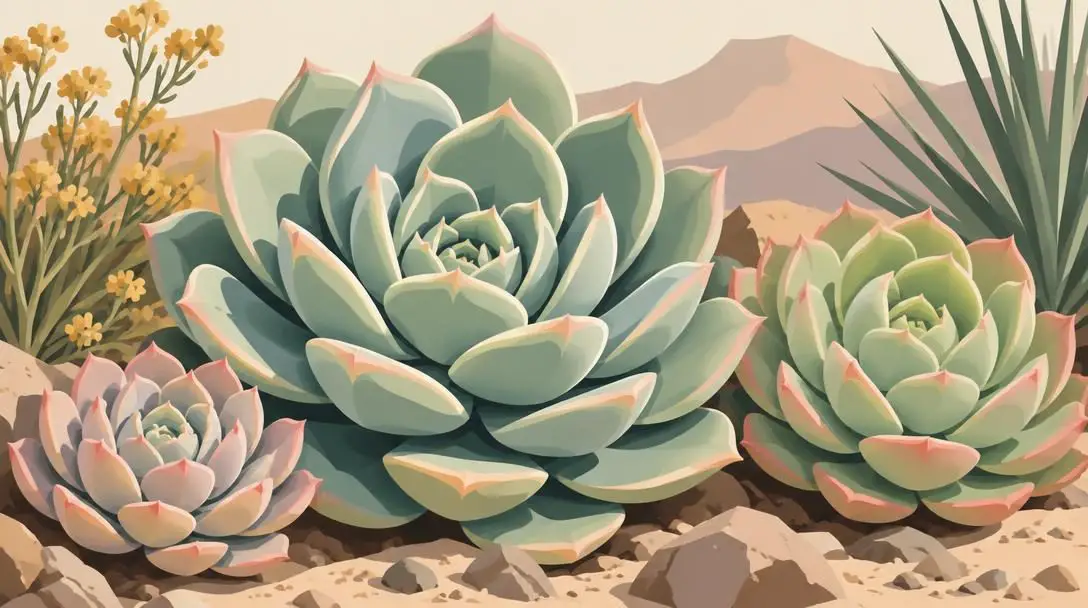
Succulents are dry-climate plants that require substantial air circulation and low humidity. Unlike moisture-loving varieties, succulents demand open containers where ambient moisture dissipates rapidly into the surrounding room. Planting succulents in open terrariums prevents moisture from clinging to their thick, fleshy leaves and stems, ensuring they remain firm, healthy, and rot-free.
Dwarf and Miniature Varieties
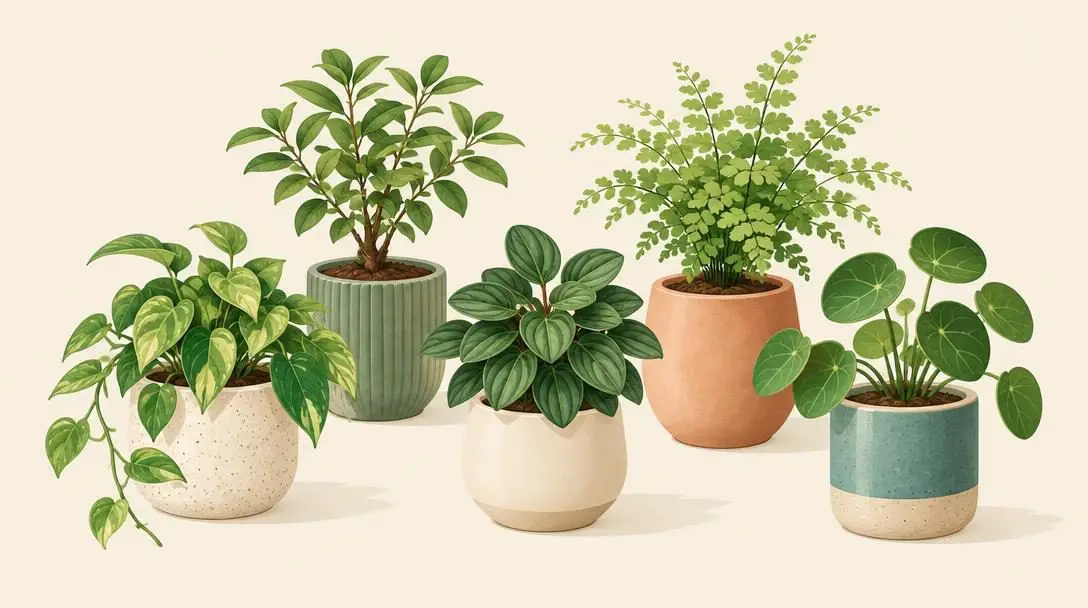
Scale and growth habit are essential considerations when designing a long-lasting terrarium layout. Miniature plants, such as dwarf varieties and naturally slow-growing species that remain small without constant pruning, are the most suitable selections. Opting for naturally compact plants preserves the proportions, balance, and visual artistry of your miniature garden as it matures over time.
tbody| Plant Category | Container Style | Humidity Preference | Water Dynamics |
|---|---|---|---|
| Ferns | Closed or semi-closed | High humidity | Requires consistent, cycle-based moisture |
| Moss | Closed or semi-closed | High humidity | Absorbs moisture directly through foliage |
| Succulents | Open container only | Low humidity | Needs dry soil and rapid evaporation |
| Dwarf and Miniature Varieties | Varies by species | Matched to plant origin | Controlled growth rate with minimal watering needs |
Essential Substrates and Structural Layers
Every flourishing terrarium relies on a carefully engineered foundation of subterranean materials. Gathering the correct components before planting guarantees structural support, effective drainage, and proper plant nourishment.
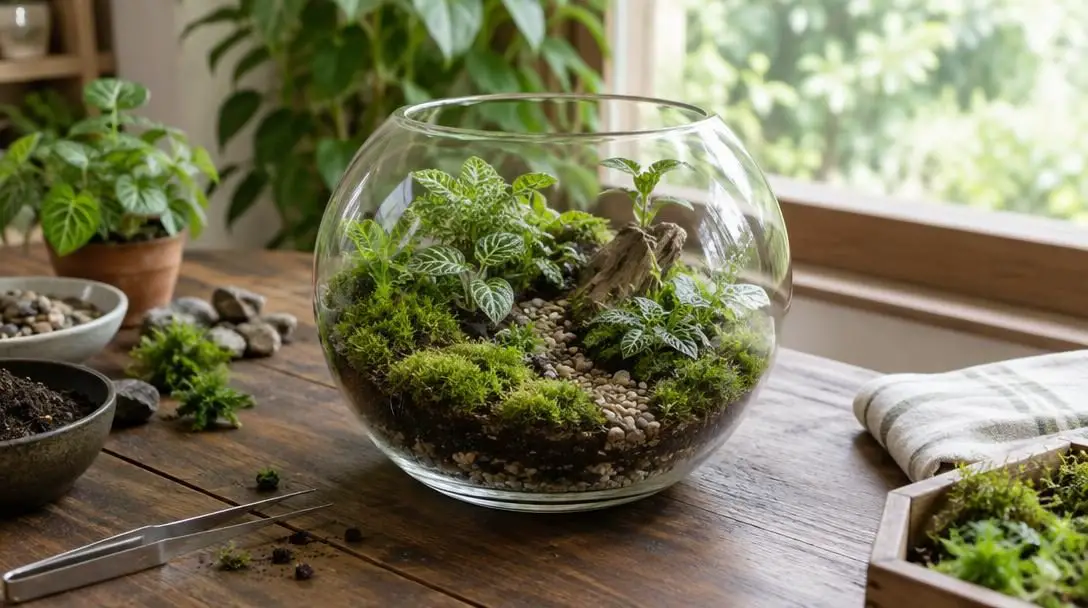
- Gravel, Sand, and Pebbles: Because terrarium containers do not feature bottom drainage holes, these coarse mineral materials form an essential drainage layer. Positioned at the very base of the vessel, this porous buffer gives excess moisture a place to collect safely away from vulnerable root structures.
- Balanced Soil Mix: The ideal planting substrate consists of a balanced blend of peat moss, potting soil, and sand. It is critical to avoid soils that are heavy or overly peat-based, as they do not manage moisture in a balanced way for delicate micro-environments. A well-aerated blend anchors miniature root systems while allowing water to percolate smoothly down into the drainage zone.
- Decorative Rocks and Aquarium Gravel: These mineral accents provide visual contrast, secure plant bases, and establish realistic topography across the miniature landscape.
- Figurines: Whimsical or architectural miniature figurines bring a sense of scale, story, and personalized character to the interior scene.
- Miniature Waterfall Feature: Integrating a tiny waterfall feature creates an eye-catching focal point, elevating the visual beauty and dynamic presence of your miniature garden design.
Step-by-Step Terrarium Assembly
Constructing a terrarium requires patience, precision, and an orderly approach to layering materials. Follow these steps to build a stable, healthy environment:
- Prepare the Vessel: Ensure your chosen glass or plastic container is spotless and completely dry. Wipe away lingering dust, oils, or residue that could cloud the walls or introduce contaminants into the enclosed space.
- Add the Base Drainage Layer: Pour a foundational base layer of gravel and pebbles across the bottom of the container. Ensure this layer is deep enough to safely accommodate excess runoff water.
- Introduce Sand for Filtration: Add a fine layer of sand over or alongside the gravel. This fine mineral layer helps filter particulates, keeps the soil above from washing downward into the drainage stones, and creates pleasing visual striations through the transparent walls.
- Add the Soil Foundation: Carefully introduce your soil mixture composed of peat moss, potting soil, and sand. Provide enough depth for the root systems of your dwarf plants, ferns, moss, or succulents to spread and anchor securely.
- Plan and Position the Plants: Arrange your miniature botanical specimens in an aesthetically pleasing composition. Form small depressions in the soil, gently seat the roots of each plant, and firm the surrounding substrate smoothly around their bases to hold them upright.
- Apply Decorative Touches: Complete your scene by arranging decorative rocks, aquarium gravel, figurines, or an intricate miniature waterfall feature to finish your living display.
Critical Mistakes and How to Avoid Them
Maintaining a thriving terrarium requires sidestepping several common horticultural pitfalls that disrupt the delicate balance of enclosed microclimates:
- Overwatering: Adding excessive water is one of the most frequent causes of plant death. When standing water saturates the soil without escaping, root systems suffocate and rot. Always introduce moisture gradually and with restraint.
- Underwatering: Inadequate moisture causes the soil to turn completely parched, prompting delicate foliage to shrivel and brown, especially among humidity-dependent species like moss and ferns.
- Mixing Incompatible Species: Combining arid succulents with high-humidity ferns or moss within the same container inevitably results in failure, as one species will perish from conditions necessary for the other.
- Placing in Direct Sunlight: Terrariums must never be placed in direct sunlight. Clear container walls act like a greenhouse and magnifying lens, trapping solar heat and raising internal temperatures to levels that will scorch and kill the plants.
- Selecting Overly Vigorous Plants: Choosing varieties that grow rapidly or reach large mature sizes will quickly crowd out the enclosure, disrupting the visual scale and overwhelming companion plants.
- Using Heavy, Overly Peat-Based Soils: Heavy or dense peat-laden soils fail to hold moisture properly within confined terrarium environments, leading to dense compaction and compromised root health.
Ongoing Maintenance and Display Strategies
While terrariums demand considerably less routine labor than traditional garden beds or standard indoor pots, consistent observation ensures their ongoing vitality. Tailoring your maintenance habits to the needs of the microclimate keeps the internal balance stable.
The ideal plan is to mist your terrarium every few days, allowing it to dry out a bit before adding water again. This light misting delivers refreshing atmospheric moisture without saturating the soil foundation. In closed designs, observe the clear walls for environmental clues: heavy, continuous condensation running down the glass indicates an excess of water, which should be corrected by lifting the lid briefly to permit evaporation. Conversely, completely clear walls paired with dry substrate indicate that a gentle misting is required.
Lighting demands thoughtful moderation. While terrariums must not be positioned in direct sunlight, the living plants inside still rely on consistent light to support photosynthesis. Gentle, filtered indirect light is ideal. Assess the natural light patterns throughout your home to identify spots that provide steady, bright illumination without generating trapped heat inside the vessel.
Display opportunities abound throughout the home. Flat indoor surfaces such as sturdy tables or quiet bookshelves make wonderful locations for compact desktop displays. Larger terrariums can serve as striking features on covered outdoor displays, protected from the elements. Furthermore, hanging terrariums have grown increasingly popular in recent times, offering an elegant way to display airborne botanical accents across interior rooms or protected exterior spaces. Wherever you choose to showcase your creation, stable ambient temperatures, gentle indirect lighting, and clear visibility will ensure you enjoy your miniature living world every day.
Frequently asked questions
What is the main difference between an open and a closed terrarium?
A closed terrarium is sealed, recycling moisture through a self-sustaining loop of transpiration, evaporation, and condensation. An open terrarium allows air to circulate freely, making it drier and suitable for succulents rather than moisture-loving plants.
How often should a terrarium be watered?
The ideal approach is to mist the terrarium every few days, allowing the environment to dry out slightly before adding more moisture. Closed terrariums require far less frequent watering once their internal rainfall cycle stabilizes.
Can succulents and ferns share the same container?
No. Ferns require persistent humidity and damp soil found in closed or semi-closed environments, whereas succulents rot under high humidity and require dry soil with rapid air circulation in open containers.
Why is direct sunlight harmful to terrarium plants?
Transparent glass and plastic magnify and trap thermal energy from direct sunbeams, creating a greenhouse effect that rapidly raises interior temperatures to levels that will scorch and kill enclosed flora.
Why must a terrarium have gravel or sand at the bottom?
Because terrarium vessels lack bottom drainage holes, a base layer of gravel, pebbles, and sand forms a crucial reservoir that keeps excess runoff away from delicate roots, preventing suffocation and rot.
The bottom line
Crafting a terrarium offers a creative and relaxing doorway into the world of botanical design. By carefully assembling foundational drainage layers, choosing an appropriate container, and pairing compatible plant species, you establish an enduring living artwork. With modest maintenance, filtered indirect light, and measured watering, your miniature garden will continue to provide serene greenery and natural beauty for years to come.