5 Iconic Marketing Strategies Used by Burger King
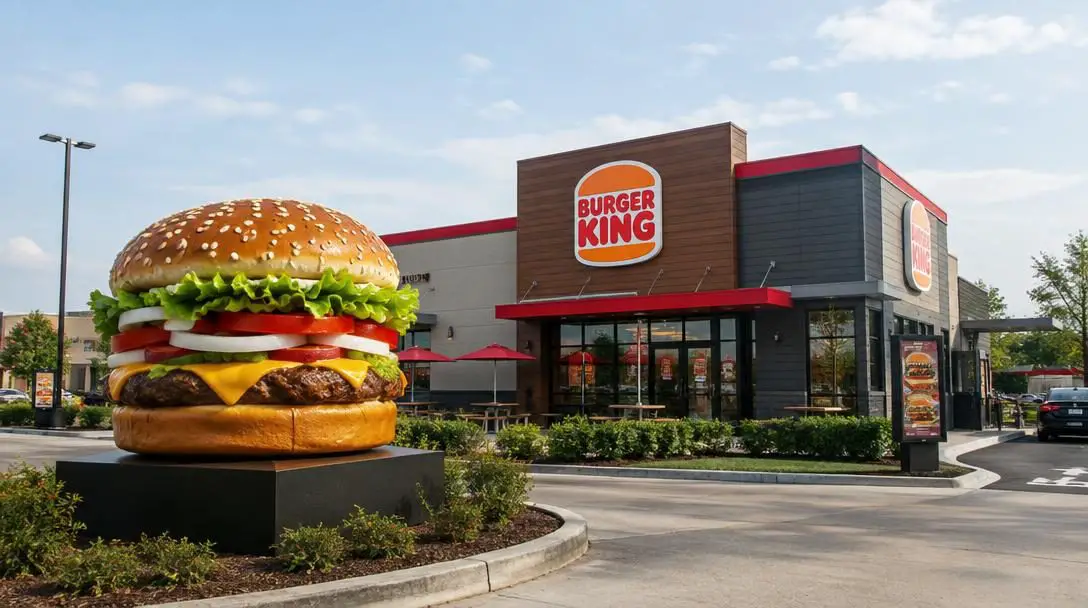
Founded in Florida in 1953, Burger King grew from a single regional restaurant into an international fast-food powerhouse operating roughly 20,000 locations worldwide. Achieving that level of global visibility inside a fiercely competitive quick-service market required far more than flame-broiled patties. Because the brand spent decades competing directly against industry leader McDonald's, quiet and conventional promotional tactics were rarely an option for securing market share.
Instead, Burger King established its reputation through an aggressive challenger-brand identity. By embracing disruptive messaging, operational innovations, and unforgettable pop-culture marketing, the company routinely broke through advertising clutter. Over the decades, these five foundational campaigns shaped consumer culture, changed how quick-service restaurants handle customization, and proved how high-risk, creative marketing can drive millions of dollars in revenue.
Key takeaways
- Operating as a challenger brand enabled Burger King to run audacious, comparative campaigns directly targeting industry leader McDonald's.
- Customer-centric operational shifts like "Have It Your Way" turned basic kitchen modifications into a defining competitive advantage.
- Memorable, polarizing brand assets—such as the live-action King mascot and the viral Whopper song—captured public attention across crowded media landscapes.
- Targeted initiatives like the 1990s Kids Club engaged youth demographics through relatable, inclusive character design.
- Consistent execution and strong alignment between internal operations and marketing claims remain vital to sustaining long-term promotional success.
At a glance: Five landmark Burger King marketing initiatives
Burger King's promotional history highlights how bold creative strategies can solve specific business dilemmas, from targeting younger audiences to launching direct product comparisons against established rivals.
| Marketing Strategy | Debut Era | Primary Objective | Defining Angle or Asset | Commercial Impact |
|---|---|---|---|---|
| Direct Rivalry Campaigns | Late 1990s | Challenge competitor dominance | Blind taste tests and anti-clown messaging | Drove immediate traffic gains against established menu items |
| Burger King Kids Club | Early 1990s | Capture youth and family demographic | Inclusive animated crew featuring Wheels | Sustained steady family foot traffic throughout the decade |
| The King Mascot | 2003 | Establish an unmistakable visual figurehead | Live-action royal actor with a frozen mask | Created an iconic, high-recall pop-culture presence |
| Have It Your Way | Early 1970s | Promote order personalization | Catchy musical jingle celebrating custom orders | Became an enduring corporate slogan and industry standard |
| The Whopper Song | 2022 | Revitalize core menu awareness | Repetitive, stripped-down audio branding | Propelled higher fourth-quarter revenue via sports broadcasts |
5 iconic marketing strategies used by Burger King
Over several decades of competition in the fast-food space, five strategic initiatives stand out for their creativity, cultural staying power, and bottom-line business impact.
The Battle Against McDonald’s
Occupying the number-two position behind McDonald's for most of its corporate existence, Burger King embraced its role as an energetic challenger. Instead of softening competitive comparisons, the brand leaned into direct confrontation. Burger King rolled out bold advertisements warning diners to never trust a clown and pointedly reminded burger fans that behind every Big Mac was a bigger Whopper. These ads took aim at the Golden Arches' most prized intellectual property—its smiling mascot and its flagship double-decker sandwich—framing Burger King as the hearty, mature alternative.
The most financially ambitious anti-McDonald's offensive arrived in the late 1990s. For decades, McDonald's held undisputed public acclaim for its French fries, an area where Burger King struggled to win consumer preference. To turn the tide, Burger King formulated an upgraded fry recipe and backed the rollout with an advertising push equivalent to $150 million in modern currency. Proclaiming itself the new fry king, the chain aired high-profile commercials centered on blind taste tests to demonstrate that its fries could rival or beat the market leader. The massive media blitz succeeded in generating significant consumer trial and driving notable traffic into restaurants.
Burger King Kids Club
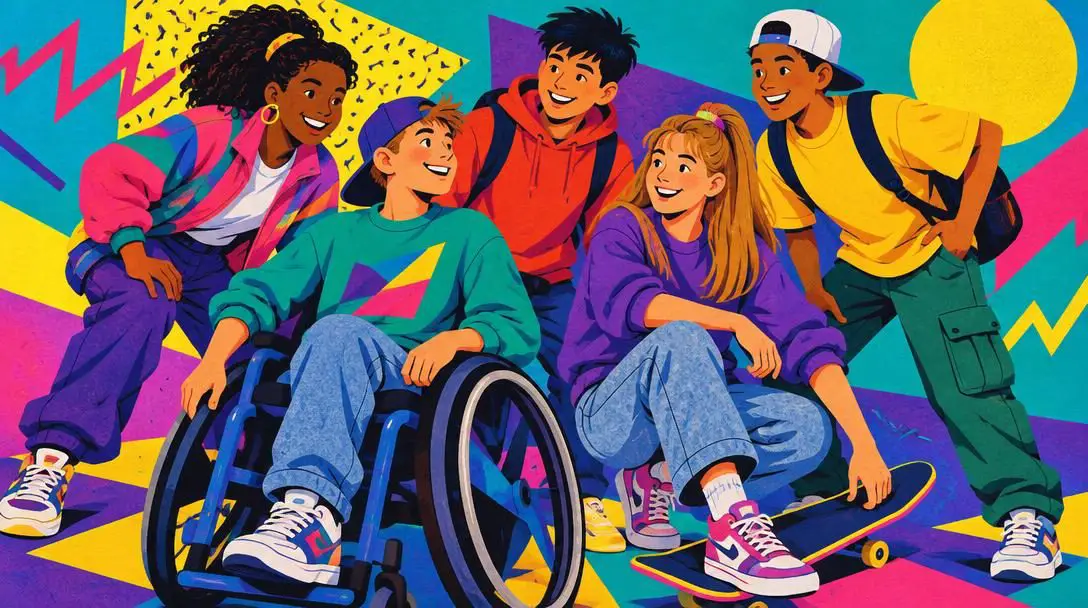
During the early 1990s, Burger King faced another steep hurdle: McDonald’s near-monopoly on younger diners via the Happy Meal. To challenge that dominance, the chain introduced the Burger King Kids Club. Rather than relying solely on transient movie tie-in toys, the initiative aimed to build a genuine sense of belonging, inviting children to feel like official members of an exclusive, entertaining clubhouse.
The heart of the program was a vibrant, diverse crew of animated characters. Long before diversity initiatives became standard corporate practice, the Kids Club prioritized authentic representation. Its roster prominently included Wheels, an active child in a wheelchair. This thoughtful character design resonated deeply with millennial children and their parents, sparking loyal family dining habits throughout the early and mid-1990s. However, toward the tail end of the decade, the program suffered from inconsistent promotional follow-through and declining implementation. Burger King officially retired the Kids Club in 1999, cementing the animated squad as a nostalgic touchstone of 1990s youth culture.
The King Mascot

- Debut year: 2003
- Visual style: Live-action actor in regal robes with a frozen-expression mask
- Initial retirement: 2010
- Brand revival: 2015
When Burger King initially launched, early marketing materials featured an illustrated cartoon monarch perched atop a towering hamburger while clutching a massive beverage. Over the ensuing decades of nationwide growth, that illustrated character faded from view, leaving the chain to rely on its clean, text-based logo tucked between two stylized buns. While Ronald McDonald served as a recognizable brand ambassador for its main rival, Burger King lacked a singular living mascot to lead its television spots.
That void vanished in 2003 when Burger King unveiled a live-action character known simply as "The King." Played by an actor dressed in velvet royal garments and sporting an oversized, frozen-expression caricature mask, the character became an immediate television sensation. Commercials showcased The King showing up in unexpected places—such as waking up beside consumers in bed—offering breakfast sandwiches with a silent, unblinking demeanor. While critics and viewers frequently labeled the character eccentric or even creepy, the visual contrast made the ads impossible to ignore. After retiring the persona in 2010, the company found that subsequent ad campaigns struggled to replicate that level of cultural stickiness, prompting Burger King to resurrect The King in 2015.
Have It Your Way
In the early 1970s, the quick-service restaurant industry operated on rigid standardization. Fast-food kitchens functioned as uncompromising assembly lines engineered for high volume and speed. Kitchen managers discouraged special requests or ingredient adjustments because customized tickets disrupted operational rhythm and slowed service times.
Recognizing that customers resented being forced into a one-size-fits-all meal, Burger King overhauled its operational mindset and unveiled the Have It Your Way marketing campaign. The promotion promised diners that they could order sandwiches tailored precisely to their tastes, adding or omitting sauces, toppings, and condiments without friction. Supported by an infectious musical jingle, the campaign proved to be an unprecedented success. Millions of diners visited Burger King specifically to enjoy custom fast food prepared on demand. The slogan became so synonymous with the chain that it remained a core brand pillar for decades. While virtually every fast-food restaurant today permits custom ordering, Burger King established the operational blueprint by championing it first.
By turning an internal kitchen capability into a customer-facing promise, Burger King transformed customization into an enduring brand philosophy.
The Whopper Song
In 2022, Burger King revived its sonic branding roots with an ad blitz that became one of the most visible campaigns in recent advertising history. Built around a minimalist, stripped-down track widely dubbed the "Whopper Whopper" song, the commercial delivered an inescapable earworm by repeating the sandwich name through an infectious, rhythmic cadence set to the classic "Have It Your Way" melody.
The campaign's success stemmed from its relentless television saturation during the 2022 football season. Airing repeatedly across broadcast commercial breaks for both college football matchups and NFL games, the track quickly exploded across social media feeds and online discussions. Even sports fans who rarely ate fast food found themselves humming the chorus. This audio frequency produced measurable commercial results: the intense visibility powered a standout fourth-quarter performance that delivered higher year-over-year revenue for the company.
Foundational principles behind Burger King's marketing success
Analyzing Burger King’s most enduring campaigns highlights several core marketing principles that translate across retail, hospitality, and consumer goods:
- Unapologetic challenger positioning: Instead of hiding from its second-place status, Burger King leveraged the dynamic to run irreverent, high-contrast promotions that framed its larger rival as corporate and rigid.
- Inclusive customer connections: Programs like the Kids Club demonstrated that thoughtful representation—such as introducing a character using a wheelchair—builds authentic goodwill and loyalty across families.
- Distinctive visual and sonic assets: From the unblinking, stylized mask of The King to rhythmic jingles, developing assets with instant sensory recall cuts through crowded media channels.
- Operational alignment with brand promises: The "Have It Your Way" campaign succeeded because restaurant kitchens adapted to support custom assembly, ensuring marketing claims held up during actual customer visits.
- Targeted media frequency: Concentrating ad placements across major sporting broadcasts allowed the 2022 Whopper song to reach critical mass quickly rather than diluting its budget across fragmented media buys.
How to execute a challenger-brand marketing strategy
Businesses looking to challenge entrenched competitors can follow a structured framework modeled on Burger King’s historic playbooks:
- Uncover operational vulnerabilities in the market leader: Examine the dominant player in your space to identify where rigid business processes frustrate consumers, much like Burger King spotted customer annoyance with standardized, non-customizable fast food.
- Formulate an audacious brand voice: Embrace the freedom that comes with challenger status. Craft marketing messages that are witty, memorable, and willing to draw direct, cheeky contrasts against industry conventions.
- Engineer high-recall creative assets: Invest in memorable character design, bold visual motifs, or catchy sonic branding that can be recognized within the first three seconds of an advertisement.
- Adapt backend operations to support advertising promises: Ensure customer-facing staff and logistical systems can deliver on campaign promises without degrading product quality or operational speed.
- Concentrate advertising spend for maximum saturation: Focus your budget on high-impact cultural moments or broadcast events to create a viral, shared experience rather than dispersing impressions thinly across channels.
Mistakes to avoid when launching high-profile campaigns
While bold advertising can produce remarkable revenue growth, aggressive strategies carry distinct risks if managed carelessly. Marketers should steer clear of these common missteps:
- Failing to sustain operational standards: The Burger King Kids Club gradually lost its competitive edge due to fading execution and inconsistent follow-through, eventually leading to its cancellation in 1999. Long-running campaigns require continuous creative refreshment and operational resources.
- Confusing bold creative with alienating visuals: Polarizing mascots like The King can capture massive attention, but brands must track consumer sentiment closely to ensure visual novelty does not drift into discomfort that drives customers away.
- Making comparative claims without product backing: Launching a multi-million-dollar comparative blitz—such as the late-1990s fry campaign—only succeeds if the redesigned product genuinely satisfies consumer expectations during blind taste tests and real-world trials.
- Overplaying repetitive creative without variation: Earworm jingles risk triggering severe audience fatigue if aired incessantly without subtle creative adjustments or rotating formats.
Strategic questions to evaluate before campaign launch
Before executing an aggressive promotional push inspired by Burger King's marketing history, brand leaders should consider several strategic questions:
- Who is the precise target audience? Are you attempting to solidify loyalty among your existing base, or are you trying to recruit a new generation of shoppers, as Burger King accomplished with millennial youth in the 1990s?
- Does the campaign have multi-year viability? Determine whether your creative concept is engineered as an ephemeral viral stunt or if it possesses the structural foundation to serve as an enduring brand philosophy for decades, similar to "Have It Your Way."
- Are marketing budgets sufficient for high-frequency placement? High-recall audio campaigns require sustained media investment during high-viewership programming to break through and generate commercial returns.
- What measurable metrics determine success? Establish rigorous Key Performance Indicators ahead of launch, evaluating not just social buzz and ad recall, but foot traffic, sales lift, and quarterly revenue growth.
Frequently asked questions
When was Burger King founded and how large is the chain today?
Burger King was founded in Florida in 1953. Since its inception, the fast-food brand has expanded across the globe, boasting approximately 20,000 locations worldwide today.
Why did Burger King introduce the "Have It Your Way" campaign?
In the early 1970s, fast-food kitchens operated on rigid assembly lines that resisted custom requests to preserve speed. Burger King created "Have It Your Way" to break that mold, encouraging diners to customize their orders with specific toppings and condiments, setting a precedent that reshaped standard fast-food practices.
Who was the character Wheels in the Burger King Kids Club?
Wheels was an animated character who used a wheelchair, featured as part of the diverse crew in the Burger King Kids Club during the early 1990s. The character showcased the brand's early emphasis on inclusivity, helping the chain build strong brand affinity with millennial children.
Why was The King mascot retired and later brought back?
The King, introduced as a live-action mascot in 2003, featured an actor wearing regal robes and an oversized, frozen-expression mask. While memorable, his unblinking presence was perceived by some as creepy, leading to his retirement in 2010. However, after subsequent marketing efforts lacked the same visual punch, Burger King resurrected the character in 2015.
How did the 2022 "Whopper Whopper" song impact Burger King's business?
Aired heavily across NFL and college football television broadcasts throughout the 2022 season, the repetitive earworm became an inescapable viral phenomenon. The high-frequency media blitz directly contributed to a strong fourth-quarter performance, generating higher revenue compared to the previous year.
The bottom line
Burger King's decades-long marketing journey proves that challenger brands do not have to settle for playing second fiddle in silence. From confronting McDonald’s head-on with blind taste tests to redefining fast-food customization with "Have It Your Way," the company consistently used bold advertising to turn operational capabilities into cultural touchstones. Whether deploying live-action mascots or saturating football airwaves with rhythmic jingles, Burger King's marketing history offers a masterclass in how audacity, clear positioning, and distinctive creative assets can capture lasting market share.