5 Iconic Marketing Campaigns Used By McDonalds
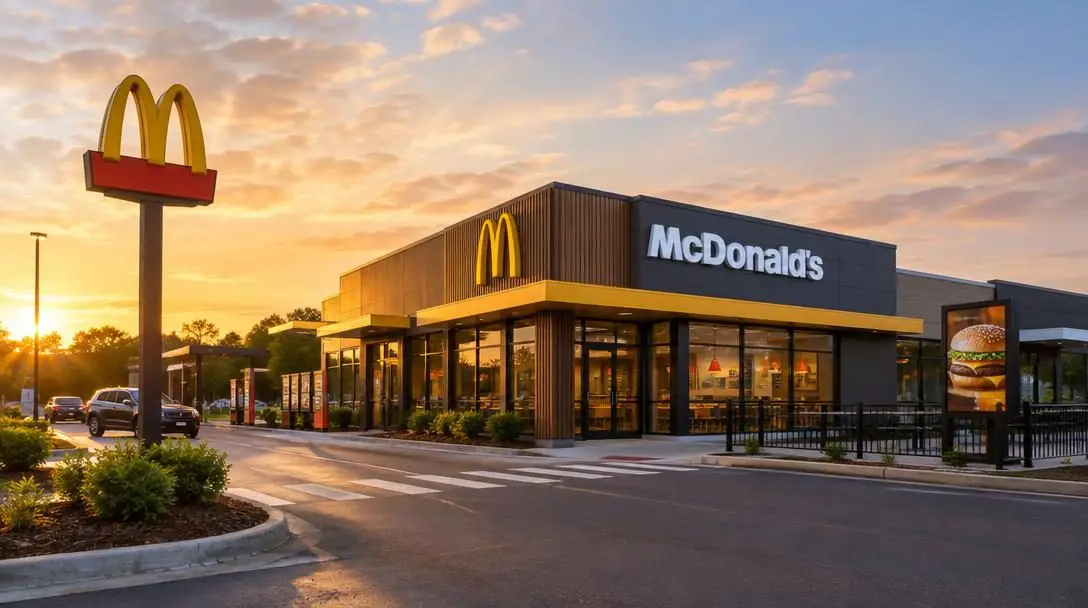
McDonald's has spent decades securing its place as one of the most recognizable consumer brands in the world. Operating within an intensely competitive global food industry, the fast-food giant has continuously developed innovative, high-impact marketing initiatives to protect its market share, adapt to cultural shifts, and differentiate itself from rival chains. Rather than leaning on a single promotional formula, the company balances high-profile celebrity partnerships, interactive gamification, operational service upgrades, and long-term brand repositioning.
The staying power of these promotional efforts comes from identifying societal trends and meeting consumers where they are, both emotionally and practically. From offering working families a sense of personal relief in the early 1970s to pioneering home delivery and entering the specialty morning coffee market, McDonald's demonstrates how promotional agility can secure lasting customer engagement across multiple generations.
Key takeaways
- McDonald's builds brand longevity by blending lifestyle messaging, gamified sweepstakes, service upgrades, and product line innovations.
- High-impact campaigns succeed by addressing core human motivations, such as emotional relief, convenience, and play.
- Operational logistics, such as delivery rollouts and packaging overhauls, can double as primary marketing drivers.
- Long-term commercial momentum requires turning successful temporary promotions into permanent operational brand pillars.
At a glance: Five landmark McDonald's promotions
Over the decades, McDonald's has explored an array of marketing mechanisms. The table below outlines five of the company's most influential campaigns, illustrating the evolution of its strategic priorities from 1971 through the late 2000s.
| Campaign | Launch year | Primary marketing format | Key figures or features | Core value proposition |
|---|---|---|---|---|
| You Deserve a Break Today | 1971 | Emotional lifestyle branding | Michael Jordan, Elle Macpherson | Personal reward and stress relief |
| Monopoly Promotion | 1987 | Incentive-driven gamification | Peel-off game pieces, property sets | Instant food prizes, cars, luxury vacations |
| 'Hey Good Lookin'' Campaign | Mid-1990s | Musical nostalgia and pop culture | Hank Williams Sr. song, Shaquille O'Neal, Jennifer Aniston | Multi-generational entertainment and familiarity |
| McDelivery Service | 2004 | Service utility and operational innovation | Online and telephone ordering channels | Doorstep convenience and time savings |
| Introduction of McCafé | 2009 | Sub-brand repositioning and aesthetic design | Bright yellow cups, sleek modern logo | Affordable, stylish specialty coffee |
Five iconic campaigns that shaped the Golden Arches
Each of the following promotional efforts achieved cultural prominence by tackling a specific commercial goal, ranging from capturing daytime dining traffic to expanding into modern beverage sectors.
The 'You Deserve a Break Today' Campaign
- Debut year: 1971
- Key talent: Michael Jordan, Elle Macpherson
- Core theme: Stress relief and everyday reward
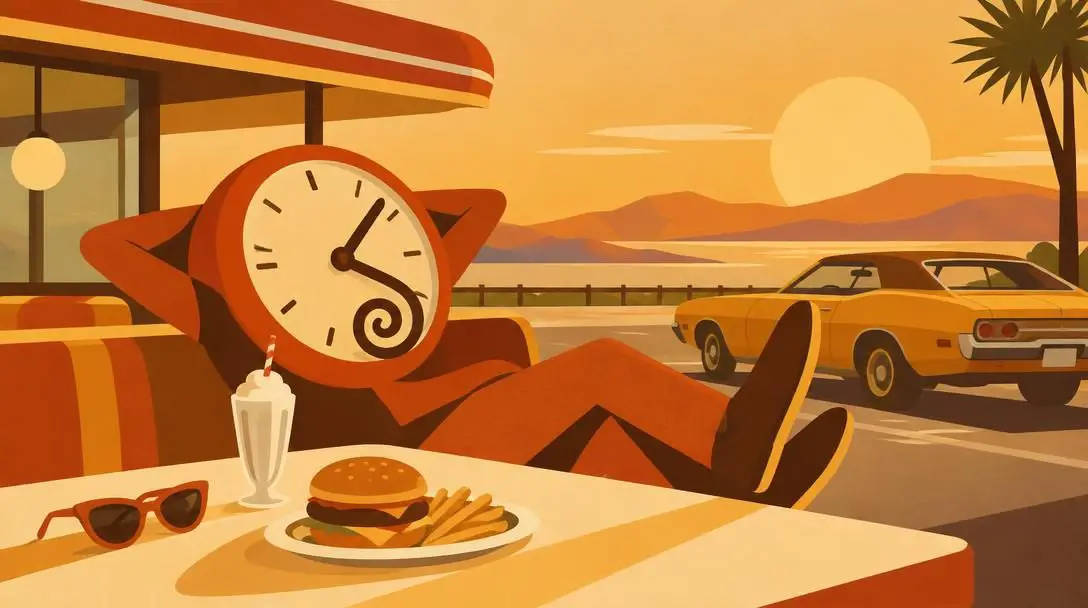
Introduced in 1971, the "You Deserve a Break Today" campaign became a defining cultural touchstone for McDonald's. Rather than simply advertising the ingredients or affordability of its menu items, the company centered its messaging on a universal human sentiment: that every individual, regardless of their daily responsibilities, deserves a moment to unwind and step away from life's everyday stresses.
The messaging positioned visits to McDonald's as an emotional refuge where consumers could recharge. To maximize visibility and audience reach, the campaign incorporated appearances from major cultural figures, including basketball star Michael Jordan and Australian model Elle Macpherson. By framing a quick meal as a personal reward rather than a mere commercial transaction, McDonald's established an enduring emotional bond with everyday consumers.
The McDelivery Service
- Launch year: 2004
- Initial availability: Select regional markets
- Ordering channels: Online platforms and telephone
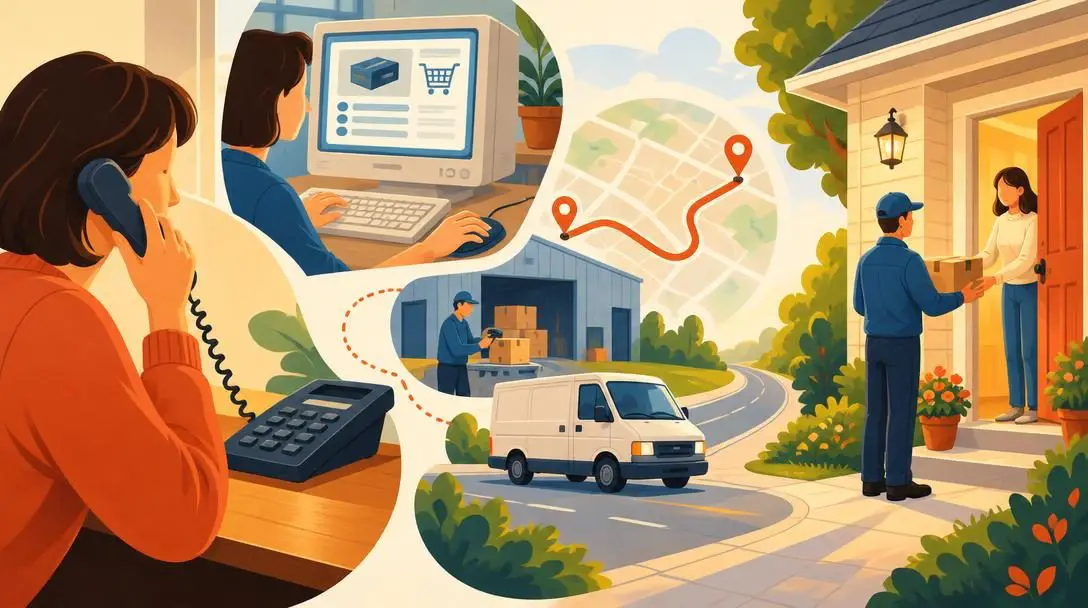
In 2004, McDonald's broke traditional quick-service conventions by rolling out its McDelivery service across select locations. At the time of its introduction, hot-food delivery was largely restricted to pizza chains. Offering burgers, fries, and shakes delivered directly to residential doorsteps via online and phone orders represented a massive leap in convenience.
This initiative served as a masterclass in using operational utility as a marketing hook. Instead of relying purely on conventional media commercials to convince consumers to visit a physical counter, McDonald's eliminated the friction of travel entirely. McDelivery generated immense media attention, outpaced competing fast-food chains, and proved that logistical convenience can serve as an exceptionally powerful branding message.
The 'Hey Good Lookin'' Campaign
- Era: Mid-1990s
- Musical foundation: Hank Williams Sr. classic song
- Featured ambassadors: Shaquille O'Neal, Jennifer Aniston
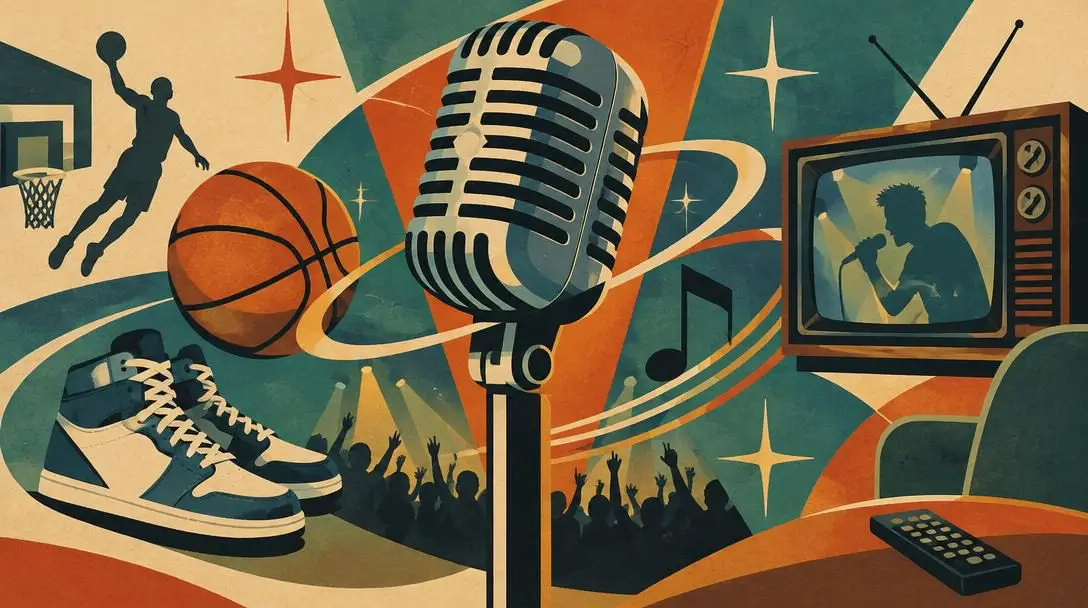
During the mid-1990s, McDonald's tapped into the dual power of musical nostalgia and contemporary pop culture with its "Hey Good Lookin'" promotional drive. The advertisements featured celebrities singing modern covers of the beloved country track originally written by Hank Williams Sr., giving the brand an approachable, playful tone.
The commercial spots united cultural icons across different entertainment spheres, pairing dominant basketball center Shaquille O'Neal with actress Jennifer Aniston, who was experiencing an explosive rise in stardom. By blending vintage Americana with rising television and sports talent, the campaign bridged demographic divides, captivating both older listeners fond of classic music and younger viewers tuned into modern media.
The Monopoly Promotion
- Launch year: 1987
- Game mechanic: Peel-off stickers on food packaging
- Prize spectrum: Free menu items up to cars and luxury vacations
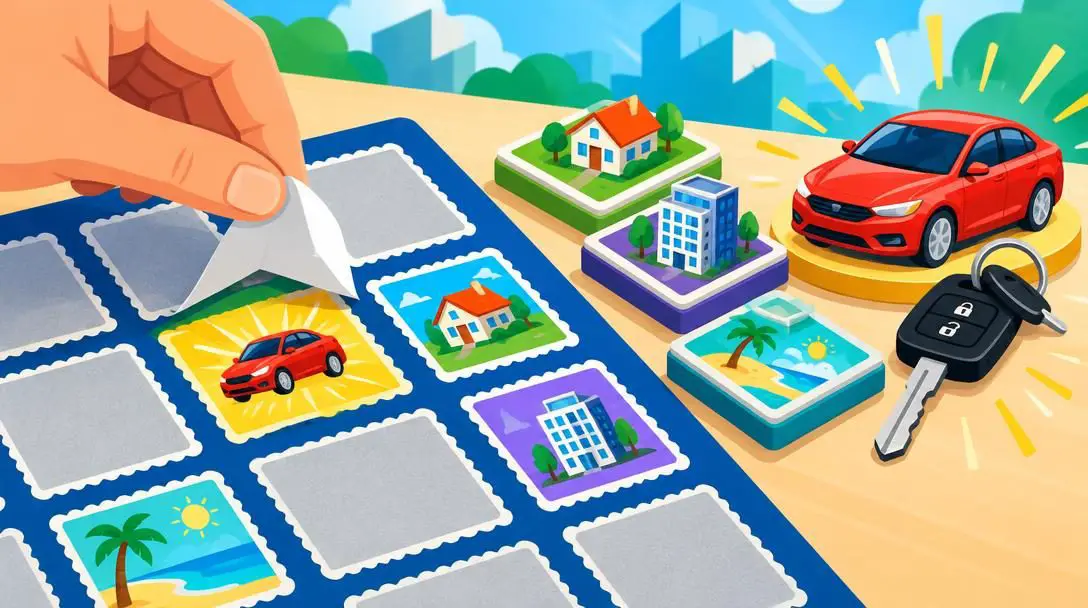
First unveiled in 1987, the Monopoly promotion transformed into one of the most profitable and enduring marketing vehicles in the history of the quick-service restaurant industry. By affixing peel-off game stamps directly to select beverage cups and meal containers, the company turned a standard lunch into an engaging game of chance.
The promotion combined instant gratification with long-range aspiration. Customers frequently won immediate food rewards, such as free burgers, which encouraged repeat visits, while also collecting rare property sets for the chance to win luxury vacations and brand-new cars. This gamified dynamic encouraged customers to size up their orders and visit more frequently throughout the promotional window.
Gamification transforms an ordinary dining transaction into an interactive chase that fuels repeat visits.
The Introduction of McCafé
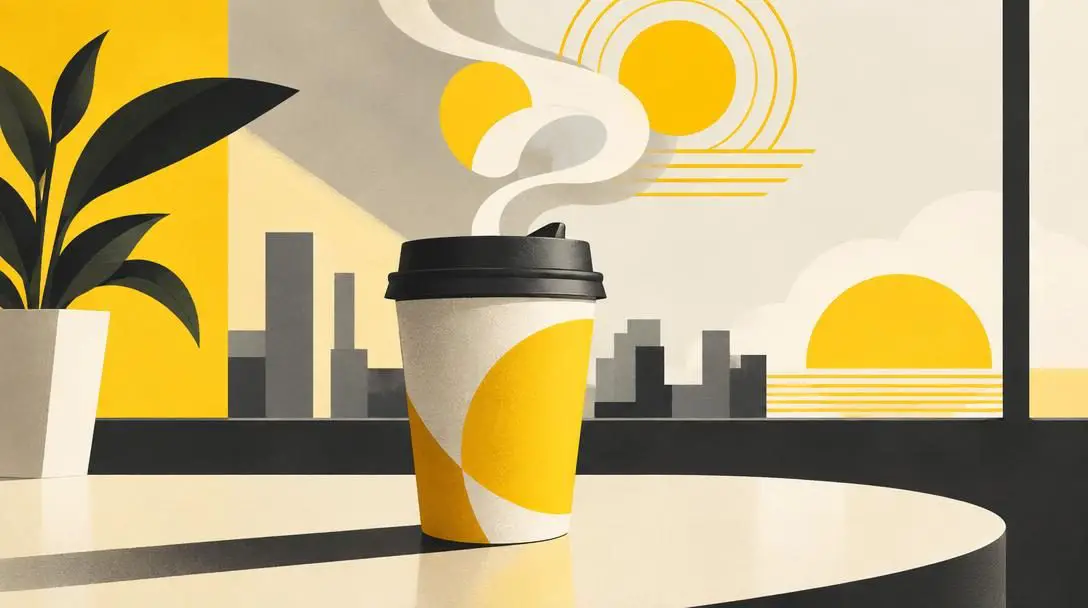
- Debut year: 2009
- Primary design feature: Bright yellow cups and sleek logo
- Target demographic: Millennials and specialty coffee consumers
In 2009, McDonald's formally challenged high-end coffee chains by introducing McCafé, a specialized line of espresso-based and brewed beverages. The sub-brand's name served as a direct, clever play on the company's established moniker, maintaining brand heritage while signaling an updated menu focus.
To differentiate McCafé from ordinary drip coffee, McDonald's invested heavily in contemporary visual aesthetics. Featuring bold, bright yellow cups and a minimalist, sleek logo, the packaging was specifically designed to appeal to millennial consumers seeking an aesthetic morning beverage. By pairing specialty brews with accessible drive-thru speed, the initiative allowed the brand to capture market share within the rapidly expanding morning coffee sector.
Behind the scenes: Why these marketing concepts worked
While memorable songs, peel-off game stamps, and famous faces grab attention, the true power of these campaigns lies in their strategic design. Each initiative successfully leveraged foundational principles of human behavior, branding, and operations.
- Emotional and lifestyle alignment: Campaigns like "You Deserve a Break Today" shifted the focus away from the transaction itself and toward the emotional benefit. By framing the restaurant as a sanctuary from work and family pressures, the brand cultivated deep psychological loyalty.
- Utility as a promotional weapon: With the 2004 launch of McDelivery, the advertising was built directly into the service upgrade. Solving the logistics of direct-to-door food delivery provided genuine consumer value that required little traditional persuasion.
- Cross-generational cultural anchors: The mid-1990s "Hey Good Lookin'" campaign demonstrated how to span demographic age gaps. Using Hank Williams Sr.'s music sparked fond memories for older generations, while appearances by Jennifer Aniston and Shaquille O'Neal kept the content relevant for youth audiences.
- Incentive-driven gamification: The Monopoly promotion leveraged balanced game theory. Combining low-barrier instant wins with grand aspirational rewards kept consumers actively invested, driving up order sizes and visit frequencies.
- Strategic brand repositioning: McCafé achieved success by entering an adjacent market without alienating regular fast-food patrons. The distinct yellow cups provided high street-level visibility and social media appeal while preserving standard McDonald's efficiency.
How to build an impactful promotional campaign
Businesses looking to create memorable marketing initiatives can apply the core lessons from McDonald's historic promotional playbook. The following framework guides the development of multi-layered campaigns.
- Define the primary customer motivation: Identify the specific emotional or practical need your campaign satisfies. Clarify whether your core value proposition centers on speed, financial value, relaxation, or novelty before drafting creative assets.
- Select an appropriate creative angle: Choose the communication vehicle that best aligns with your objective. Consider whether emotional storytelling, interactive gamification, or musical nostalgia will best resonate with your target demographic.
- Pick aligned brand ambassadors: If your initiative incorporates influencers or public figures, ensure their personal reputations align with your messaging. McDonald's carefully matched stars like Michael Jordan, Shaquille O'Neal, and Jennifer Aniston to concepts that felt authentic to their personas.
- Design recognizable physical and digital assets: Ensure your product packaging, mobile layouts, and physical collateral stand out in public. McCafé's bright yellow cups established immediate visual recognition on sidewalks and social feeds.
- Deliver genuine consumer value: Construct your incentives so the reward justifies the customer's effort. Sweepstakes and games require attainable prizes alongside aspirational awards to prevent consumer cynicism.
- Coordinate across multiple touchpoints: Align messaging across physical retail spaces, web portals, delivery networks, and mobile applications to create a cohesive brand experience.
Common marketing mistakes to avoid
Large-scale campaigns require precise execution. When brands attempt to replicate major promotional drives, they often fall into predictable structural traps.
- Overcomplicating game mechanics: Gamification initiatives must remain intuitive. The Monopoly promotion succeeded because peeling a sticker requires zero instruction; overly intricate scoring systems alienate casual shoppers.
- Over-relying on celebrity star power: Well-known figures draw initial eyeballs, but they cannot rescue an unclear value proposition. Celebrity involvement must support an authentic message rather than mask a lack of substance.
- Neglecting operational readiness: Rolling out service-based promotions like delivery before kitchen staff, delivery logistics, and technical infrastructure are fully vetted leads to delays and customer frustration.
- Misjudging demographic shifts: Campaigns aimed at younger demographics must feel authentic. McCafé appealed to millennials through quality brews and minimalist design rather than condescending advertising slogans.
- Diluting core brand identity: When launching specialized sub-brands, companies must retain their primary brand equity. McCafé's hybrid naming convention honored its fast-food roots while pursuing specialty café patrons.
Sustaining momentum after a major campaign
A marketing drive should never conclude abruptly when the promotional run finishes. The most profitable phase of any initiative lies in converting temporary participants into sustained, long-term patrons.
To retain momentum, teams should thoroughly analyze behavioral data gathered during the promotion. Campaigns like the Monopoly contest and the initial McDelivery deployment reveal critical insights into customer purchasing habits, popular ordering times, and menu preferences. Identifying which consumer cohorts responded most favorably allows marketers to tailor follow-up communications and fine-tune future inventory planning.
Furthermore, businesses should evaluate whether temporary promotional concepts can transition into permanent revenue channels. McDelivery started as an experimental offering in 2004 before transforming into an indispensable global operational channel. Similarly, McCafé began as a focused menu introduction in 2009 and matured into an established staple of morning trade. Identifying when an innovative campaign has the operational strength to become a permanent fixture is a proven pathway toward lasting commercial growth.
Frequently asked questions
When was the McDonald's Monopoly promotion first introduced?
The Monopoly game promotion was first launched in 1987. It quickly established itself as one of the company's most enduring and profitable initiatives by pairing peel-off stickers on food packaging with instant prizes and aspirational rewards like cars and vacations.
Which celebrities participated in the 'Hey Good Lookin'' campaign?
The mid-1990s campaign featured basketball star Shaquille O'Neal and actress Jennifer Aniston, who sang covers of the classic country song written by Hank Williams Sr. to connect with a multi-generational audience.
How did McDelivery change fast-food marketing when it debuted in 2004?
When McDelivery launched in select locations in 2004, hot food delivery was largely limited to pizza chains. By allowing customers to place orders online or over the phone, McDonald's turned an operational service upgrade into a headline-grabbing marketing campaign centered on customer convenience.
Why did McDonald's launch the McCafé brand in 2009?
McDonald's launched McCafé in 2009 to compete directly with specialty coffee houses. Featuring bright yellow cups, high-quality brews, and a modern logo, the line was tailored to attract millennial consumers looking for an aesthetic and accessible morning beverage.
What was the core message of the 1971 'You Deserve a Break Today' campaign?
The campaign centered on the universal human need for stress relief and relaxation. It positioned visiting McDonald's as an emotional reward and a well-earned break from daily responsibilities, using appearances by stars like Michael Jordan and Elle Macpherson to expand its reach.
The bottom line
McDonald's marketing longevity is rooted in its ability to adapt creative formats while consistently offering genuine value to the customer. Whether deploying interactive game stamps, tapping into the power of country music covers, pioneering modern food delivery, or introducing modern coffee lines, the company treats marketing not merely as advertising, but as an evolving extension of the customer experience. By prioritizing emotional relevance, operational innovation, and clear incentives, modern businesses can develop promotional campaigns that achieve lasting cultural relevance and commercial success.