5 Creative Ways to Get Free Haircuts and Salon Services
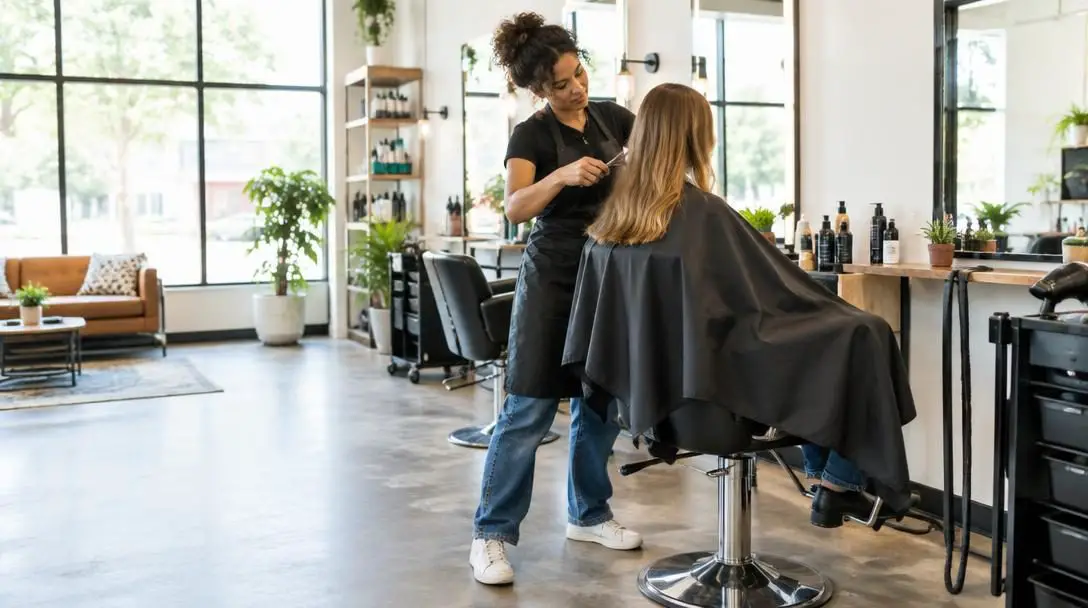
Personal grooming routines require consistent upkeep, demanding trips to a professional stylist every few weeks or months depending on hair length, texture, and style complexity. Over the course of a calendar year, recurring trims, color processing, specialized treatments, and styling sessions add up to a significant financial commitment. Because standard salon pricing must account for facility overhead, tools, commercial products, operational fees, and stylist expertise, consumers frequently search for practical ways to trim personal spending without letting their grooming lapse.
Fortunately, the beauty and wellness industry relies heavily on ongoing education, practical examination, artistic exhibition, and professional networking. Cosmetology schools, high-end salons, independent stylists, and event directors constantly require human participants to refine techniques, evaluate incoming staff, test innovative products, and showcase emerging trends. By understanding how the salon world operates behind the scenes, consumers and skilled professionals alike can tap into established industry pathways to secure quality haircuts and salon services completely free of charge.
Key takeaways
- Beauty schools and private salons routinely provide complimentary services to hair models who allow students and senior stylists to practice techniques on live subjects.
- Internal salon training programs offer free haircuts to clients willing to assist new hires and licensed staff in mastering signature salon methods under master supervision.
- Hair shows and regional conventions recruit attendees as stage models to display cutting-edge trends and styling products under live demonstration conditions.
- Licensed hair stylists can volunteer their professional craft to support local non-profit groups or trade services with other professionals to eliminate out-of-pocket grooming costs.
- Appointments in educational, showcase, or training settings require greater schedule flexibility and patience than typical retail salon visits.
At a Glance: Methods for Securing Free Salon Care
Every zero-cost salon pathway serves a distinct function within the beauty trade. Understanding the core mechanism and primary requirements of each option helps you choose the method that best aligns with your grooming goals and schedule availability.
tbody| Method | Primary Provider | Core Purpose | Ideal Participant |
|---|---|---|---|
| Hair Modeling | Beauty schools and private salons | Hands-on student practice and advanced technique demonstrations | Flexible individuals comfortable with educational supervision |
| Salon Training Programs | Established commercial salons | Internal quality control and onboarding for licensed stylists | Clients seeking high-end salon standards with extra time to spare |
| Hair Shows | Industry brands and event organizers | Live platform demonstrations of new trends and styling products | Adventurous participants interested in modern, trend-forward cuts |
| Stylist Volunteering | Non-profit groups and community shelters | Charitable grooming support for vulnerable and underserved groups | Trained hair professionals looking to give back to the community |
| Professional Trade Programs | Independent service providers | Direct bartering of specialized skills without cash transactions | Stylists seeking complementary services like bodywork or massage |
Five Creative Pathways to Free Salon Services
Securing no-cost personal grooming services does not require coupon clipping or searching for low-quality promotions. Instead, these five distinct approaches leverage the inherent training, demonstration, philanthropic, and bartering needs that drive the beauty and personal care industry.
Hair Modeling for Cosmetology Schools and Salons
Serving as a hair model is one of the most accessible routes to receiving complimentary haircuts, treatments, and styling. Cosmetology students must complete extensive, state-mandated practical hours on living human subjects before they can qualify for licensing examinations. While synthetic mannequin heads help beginners grasp basic scissor handling, they cannot mimic natural hair growth patterns, cowlicks, head contours, or diverse textures. Consequently, beauty schools actively seek out volunteer models who provide a real-world canvas for students working under the direct guidance of licensed instructors.
Beyond student academies, upscale private salons also recruit hair models. In these establishments, senior stylists and creative directors hold periodic masterclasses to teach advanced cutting, color placement, or chemical techniques to junior colleagues. By acting as a hair model, you trade your time and your hair for a free professional treatment, creating an arrangement where both the learner and the participant benefit equally.
Salon Apprenticeship and Training Programs
Many independent and high-end salons run structured internal training programs designed to maintain strict quality benchmarks across their staff. When a salon hires a new stylist—even one who holds an active state license and years of prior experience elsewhere—management frequently requires the stylist to complete an internal apprenticeship. This process guarantees that every team member can execute the salon's signature cutting systems, custom color formulations, and client consultation standards.
These internal programs rely on practice clients to test the stylist's capabilities. Because these sessions focus primarily on instruction, review, and quality assurance, salons waive standard service charges for participants. A master stylist or salon educator oversees the appointment from consultation to final styling, stepping in to offer guidance, check symmetry, and verify that the finished work meets the salon's published standards.
Hair Shows and Live Industry Demonstrations
Hair shows, regional beauty conventions, and product launch exhibitions are high-energy events where manufacturers, platform artists, and artistic directors showcase the latest styling techniques, tools, and fashion trends. Because these events draw audiences of salon owners and professional stylists seeking inspiration, live demonstrations demand dynamic presentation. Static mannequins cannot display how a precision cut falls during natural movement or how light interacts with hair on a stage.
To demonstrate their methods effectively, show organizers and guest artists recruit attendees and volunteers to undergo transformations live on stage or in intensive classroom workshops. Participants receive modern, trend-conscious haircuts and specialized styling from top-tier professionals without paying standard salon rates, while the artist gains an engaged subject to demonstrate product performance and cutting mechanics.
Volunteering as a Hair Stylist
For individuals who possess formal training or professional cosmetology credentials, giving back through community service offers a powerful way to deploy styling expertise where it is needed most. Many non-profit organizations, social service agencies, civic centers, and shelters organize community care initiatives that provide free personal care services to individuals experiencing financial hardship, housing insecurity, or unemployment.
By volunteering your skills as a hair stylist, you provide essential grooming care that can help boost personal dignity, support individuals preparing for employment interviews, and relieve financial strain for families facing hardship. While this approach centers on providing rather than receiving free care, it stands as a recognized pillar within the beauty trade for delivering professional grooming services at zero cost to participants.
Trade and Barter Programs
Independent professionals and small business owners frequently participate in informal or organized trade networks to acquire needed services without spending cash. If you work as a licensed hairstylist or possess specialized personal care skills, you can negotiate direct trades with professionals in complementary wellness and personal service disciplines.
For example, a hair stylist might establish a recurring barter agreement with a licensed massage therapist, providing regular haircuts, color maintenance, or blowouts in exchange for therapeutic bodywork sessions. Because both parties exchange their dedicated professional time and technical skill on an equal footing, neither individual incurs an out-of-pocket expense. Bartering allows service professionals to enjoy premium personal care while preserving their operating capital.
Understanding how the beauty industry operates behind the scenes transforms everyday educational and demonstration needs into zero-cost grooming opportunities.
How Training Environments Differ from Retail Salons
Stepping into a training academy, advanced apprenticeship session, or trade show stage feels markedly different from visiting a retail salon for a paid appointment. The most significant contrast involves the pace of the appointment. A routine haircut that takes forty-five minutes in a commercial salon can easily stretch to two or three hours in an educational environment. Stylists must pause to allow instructors to evaluate sectioning, inspect angle distribution, and review blending before moving to the next phase.
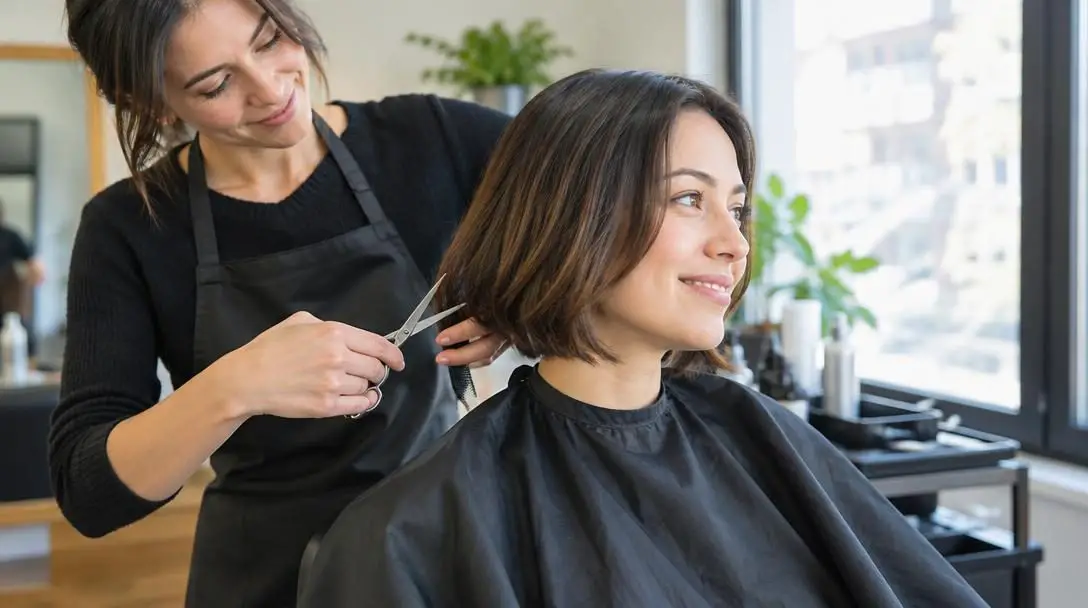
Furthermore, the creative direction of the service involves a distinct collaborative dynamic. While traditional paying clients dictate every nuance of their desired look, hair models and showcase participants often must fit within a specific curriculum module or artistic theme. If a class focuses on blunt bobs, layered texturizing, or dimensional highlighting, models must be willing to accept that specific treatment. Clear communication prior to the session ensures both parties agree on how much length will be removed and what techniques will be applied.
Step-by-Step Guide to Booking Free Salon Services
Accessing these opportunities requires proactive research and courteous communication. Following an organized sequence will help you connect with the right salons, academies, and event organizers in your area.
- Clarify your personal grooming boundaries: Determine how much length you are willing to lose, whether you are open to color or chemical processes, and how much time you can dedicate to an appointment.
- Identify local cosmetology schools and academies: Search for accredited beauty institutes, technical community colleges, and private styling academies located within traveling distance.
- Contact school administrative offices: Call or visit student clinic desks to inquire about upcoming curriculum calendars and ask how to sign up as a practice model for supervised student sessions.
- Inquire with upscale local salons: Reach out to independent salons in your city to ask if their management operates internal apprentice or advanced training programs that recruit public models for junior staff.
- Monitor industry event calendars: Search regional convention centers, trade publications, and professional beauty networks for upcoming hair shows, styling expos, and manufacturer demonstration workshops.
- Reach out to platform coordinators: Contact trade show organizers, exhibitors, or visiting educators ahead of scheduled events to volunteer as an attendee stage or classroom model.
- Connect with community non-profits: If you are a trained professional seeking volunteer opportunities, contact shelters, social service groups, and community outreach networks to offer your styling labor.
- Propose professional trade arrangements: If you hold styling credentials, approach complementary practitioners—such as massage therapists, estheticians, or nail technicians—to propose an ongoing barter relationship.
- Reconfirm all parameters before the date: Confirm the appointment time, location, expected duration, and exact service scope with the stylist or educator to avoid any misunderstandings on the day of the service.
Common Mistakes When Seeking No-Cost Salon Care
Navigating unconventional salon arrangements successfully requires adjusting your expectations and avoiding pitfalls that can compromise your experience or inconvenience the styling team.
- Failing to confirm service inclusions beforehand: While the primary cut or instructional demonstration is free, you should always clarify whether auxiliary services—such as deep conditioning, specialized toners, or blow-dry styling—are included without fees.
- Expecting rapid appointment turnover: Rushing a student or apprentice disrupts their learning process and can lead to uneven results; always budget substantial extra time on your calendar for training sessions.
- Refusing to clarify the stylistic plan: Sitting down without establishing firm limits regarding length removal, fringe shaping, or chemical processing can lead to unwanted styling outcomes.
- Showing inflexibility with scheduling: Educational modules, apprentice classes, and trade exhibitions operate on fixed dates that cannot adjust around individual model availability.
- Canceling on short notice or arriving late: Trainees, students, and platform artists depend on reliable models to pass course evaluations or complete scheduled stage demonstrations; missing an appointment directly jeopardizes their professional progress.
- Failing to uphold barter commitments: In trade programs, reciprocal fairness is essential. Delaying or failing to deliver your agreed-upon professional service damages trust and ends the arrangement.
Key Considerations Before Your First Free Appointment
Before committing to an educational appointment, hair showcase, or trade arrangement, take time to evaluate your personal tolerance for variation. If your personal aesthetic requires absolute precision with no room for instructional adjustments, standard retail appointments remain your best option. However, if you enjoy experimenting with your look and value learning about the mechanics of hair styling, participating as a model offers an engaging, educational experience.
Consider the long-term potential of cultivating positive relationships with salon managers, cosmetology educators, and apprentices. When you prove yourself to be dependable, patient, and easy to work with, educators and salon coordinators frequently add your name to an internal priority list. This can result in regular invitations for complimentary cuts, seasonal color updates, and specialized styling services whenever new apprentice cohorts begin or guest artists visit the facility.
Frequently asked questions
Are free haircuts at beauty schools safe and supervised?
Yes. Cosmetology schools operate under strict educational guidelines where licensed instructors continuously observe, evaluate, and guide students through every stage of the cutting and styling process to maintain safety and technique standards.
How much time should I plan for a training appointment?
You should plan for significantly more time than a commercial salon visit. While a standard haircut takes under an hour, training and educational appointments often last two to three hours because instructors must inspect work, demonstrate corrections, and explain methods.
Do I get to choose my own hairstyle when acting as a hair model?
It depends on the setting. While you can communicate your boundaries and preferences, educational modules and hair shows often focus on specific techniques, lengths, or trends required by the curriculum or stage demonstration.
Can licensed stylists get free services through trade programs?
Yes. Licensed hair stylists frequently barter services with other independent wellness professionals, such as massage therapists, exchanging cuts or styling for bodywork so neither party incurs out-of-pocket costs.
How can I find local hair shows looking for models?
You can locate hair show modeling opportunities by checking regional convention center schedules, monitoring beauty industry event listings, and contacting visiting brands or exhibitors directly before an event takes place.
The bottom line
Professional salon services do not have to create an ongoing burden on your personal finances. By recognizing the beauty industry's foundational needs for hands-on practice, staff development, public demonstration, and community outreach, you can access high-quality grooming at zero monetary cost. Whether you choose to sit as a model for a talented cosmetology student, assist an upscale salon apprentice, step onto the stage at a regional hair showcase, or trade your professional skills, these creative options deliver valuable grooming care while supporting the professional growth of stylists in your community.