5 Famous People Obsessed with Crossword Puzzles and Why They Love Them
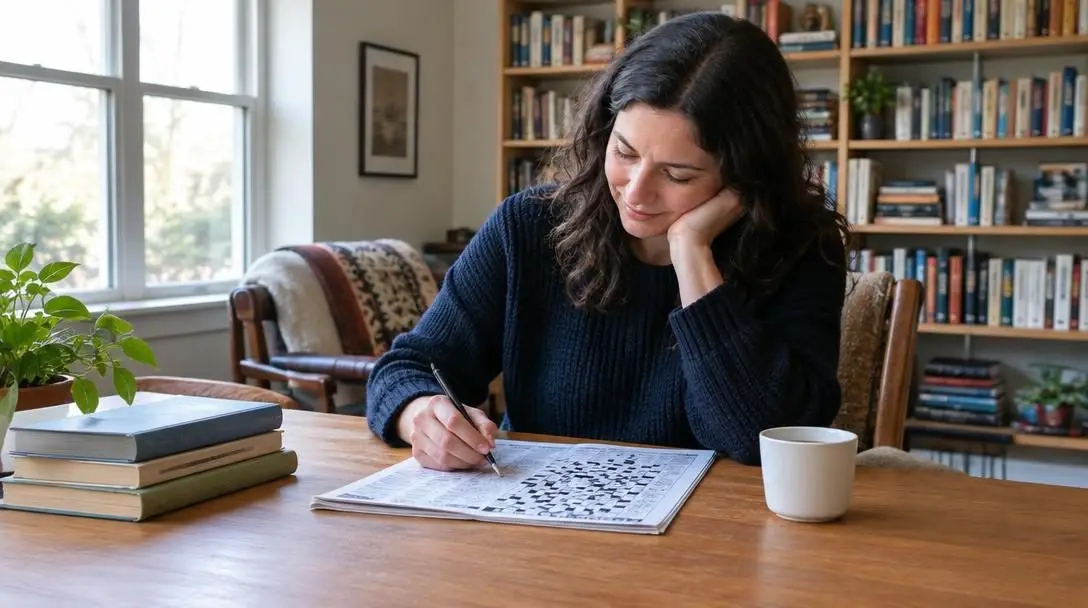
Every morning across the globe, an enduring ritual quietly unfolds across kitchen tables, commuter trains, and computer screens. More than 50 million people play crossword puzzles each day, turning to an impressive spectrum of print and digital outlets such as USA Today, the Washington Post, and the New York Times. Whether using a ballpoint pen on folded newsprint or tapping through interactive grids on a smartphone, solvers find themselves drawn into a centuries-old dance of language, trivia, and spatial reasoning.
Because the pastime casts such an enormous net across modern society, high-achieving figures from politics, cinema, music, and documentary filmmaking are equally devoted to the craft. For some, working through a word grid offers a meditative reprieve from the pressures of global attention. For others, it serves as a rigorous mental workout, a creative songwriting mirror, or an analytical model for high-stakes decision-making. Exploring the lives of notable figures reveals how these intersecting black-and-white squares provide both comfort and intellectual inspiration.
Key takeaways
- Over 50 million people solve crossword puzzles daily across physical newsprint and modern digital interfaces.
- High-profile figures rely on the grid to relieve stress, build mental discipline, and stay connected to broader cultural trends.
- Several celebrated performers and leaders have gone beyond solving to construct original crosswords for national publications like the New York Times.
- Solving strategies used by political leaders and world-class creators rely on tackling certainties first and expanding outward through intersecting letters.
The enduring appeal of the crossword puzzle
The universal draw of the crossword puzzle stems from its elegant combination of accessibility and complexity. Unlike many recreational activities that demand specialized equipment or extensive physical space, solving a word puzzle requires only a vocabulary, a curious mind, and a willingness to untangle misdirection. Solvers have the flexibility to play the traditional way using pen and paper, or they can opt for modern digital versions online that offer immediate verification and seamless timer tracking.
Beyond simple entertainment, crosswords function as cultural time capsules. The clues reflect the language, history, culinary trends, and popular figures of their era. For individuals working under constant scrutiny or in high-pressure leadership positions, the grid provides a contained universe with clear, objective rules: every dilemma has an exact solution, every entry aligns with its neighbors, and order always emerges from apparent chaos.
Celebrity crossword enthusiasts at a glance
| Enthusiast | Primary profession | Solving or construction style | Key puzzle milestone |
|---|---|---|---|
| Jesse Eisenberg | Actor and writer | Uses puzzles to relieve performance anxiety | Published a vegan-themed Thanksgiving grid for the New York Times |
| Bill Clinton | Former U.S. President | Solves outward from certainties to track public culture | Authored original crosswords for the New York Times |
| John Lithgow | Stage and screen actor | Collaborative construction to keep mind nimble | Co-created a puzzle featured on The Tonight Show |
| Ken Burns | Documentary filmmaker | Speed-focused daily solver tracking completion times | Completes Saturday editions in roughly 15 minutes |
| Lisa Loeb | Grammy-winning musician | Compares puzzle building to song composition | Co-constructed a themed grid for the New York Times |
5 famous figures obsessed with crossword puzzles
Jesse Eisenberg
- Career origin: Teenage acting debut in the late 1990s
- Breakout roles: The Social Network, Zombieland, Batman v Superman: Dawn of Justice
- Puzzle specialty: Constructed a 75th-anniversary New York Times grid
A native of New York City, Jesse Eisenberg rose to international acclaim through intense, character-driven performances. Throughout his demanding acting and writing career, Eisenberg has consistently relied on crossword puzzles to calm down, manage performance anxiety, and prepare mentally for taxing creative roles. Engaging with word grids allows him to remain grounded and attuned to modern cultural touchstones.
His passion eventually led him to construct an original grid for the 75th-anniversary celebration of the New York Times crossword. Expecting the puzzle to run near the Thanksgiving holiday, Eisenberg drew inspiration from his family's personal traditions. As dedicated vegetarians who celebrate what they call "ThanksLiving," he anchored the entire puzzle around a central theme of vegan dinner options, giving solvers an intimate peek into his household celebrations.
Bill Clinton

- Public service: Governor of Arkansas (1983–1992), 42nd U.S. President
- Historical distinction: Third-youngest president in American history
- Puzzle contribution: Published constructor for the New York Times
Serving two full terms in the White House, Bill Clinton navigated monumental geopolitical treaties and domestic policy debates with very little downtime. Yet, throughout his presidency and post-presidential career, he carved out dedicated hours to complete daily crossword puzzles. Clinton famously noted that he solved crosswords partly to see what the public was thinking about, using clues as a barometer for cultural trends.
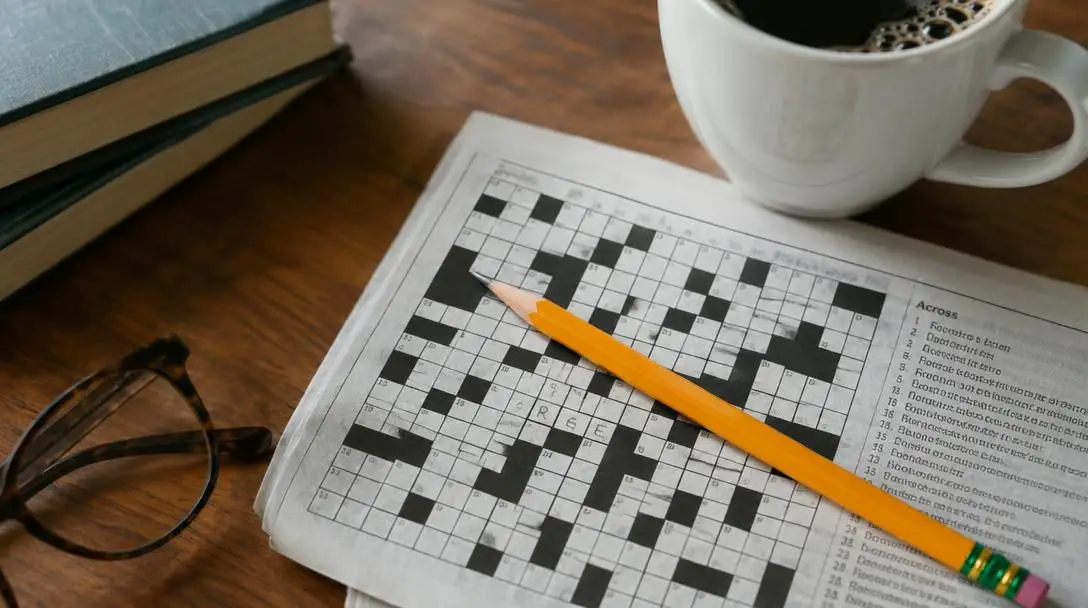
Clinton also connected the discipline of the grid directly to the art of governance. He described his problem-solving approach as identical to tackling a complex puzzle: one must start by filling in the answers known with absolute certainty, and then build progressively outward from that verified foundation. His lifelong mastery of wordplay culminated in authoring original puzzles for the New York Times.
An individual must begin with the answers they know for sure, and then build progressively outward from there.
John Lithgow
- Debut: Broadway stages in the early 1970s
- Signature credits: 3rd Rock From the Sun, The Crown
- Constructor partner: Brendan Emmett Quigley
Across five decades on stage and screen, John Lithgow has demonstrated extraordinary dramatic and comedic range. To keep his mental faculties sharp between intense rehearsals and long days on studio soundstages, Lithgow has long been an avid crossword solver. That passion transformed into active creation when he partnered with seasoned constructor Brendan Emmett Quigley to design a custom grid for the New York Times.
Lithgow described the construction process as thrilling and deeply rewarding, offering him unique insight into the mathematical precision and wordplay required to balance a symmetric grid. He celebrated the release of his puzzle on national television during an appearance on The Tonight Show Starring Jimmy Fallon, having cheekily woven the late-night program itself into the puzzle's clue list.
Ken Burns
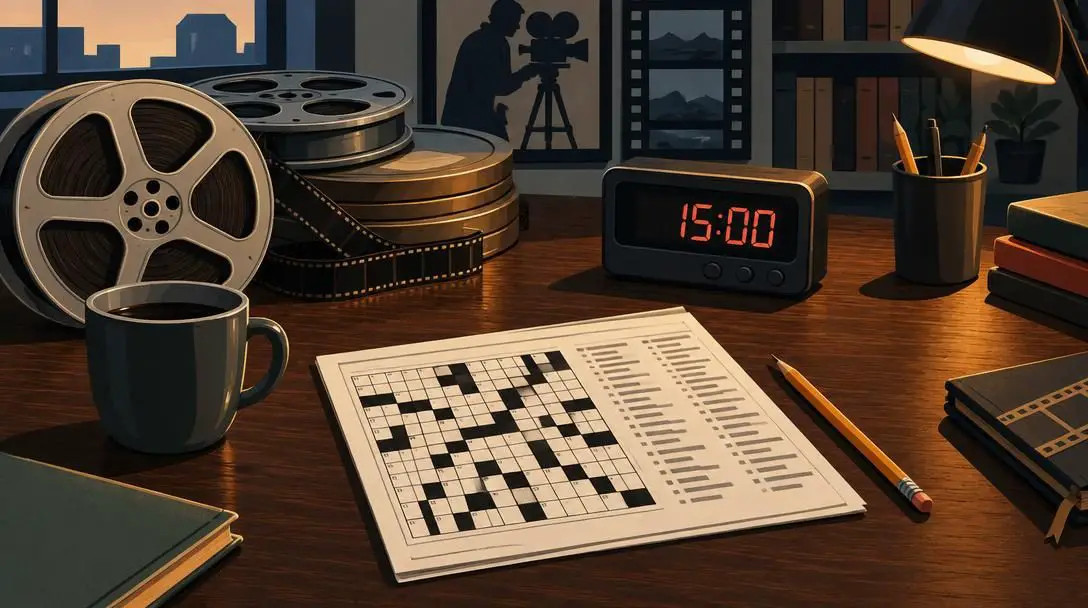
- Documentary subjects: Baseball, historical wars, American culture
- Accolades: Emmy Awards, Grammy Awards
- Solving speed: Aims for 15-minute completions on Saturdays
Renowned for epic documentary projects that examine the American experience, Ken Burns brings the same meticulous discipline to his daily puzzle habit. Burns solves the New York Times crossword without fail every single day, whether sitting down with physical newsprint or working digitally on mobile interfaces. He approaches solving almost like an athlete, closely monitoring his solving pace and tracking his times across different days of the week.
While most casual solvers find weekend editions overwhelmingly difficult, Burns considers Saturday puzzles to be among his smoothest solves, regularly wrapping them up in about 15 minutes. In contrast, he finds earlier midweek editions that lean heavily on cryptic misdirection to be far more demanding, occasionally requiring up to 25 minutes of concentrated effort.
Lisa Loeb
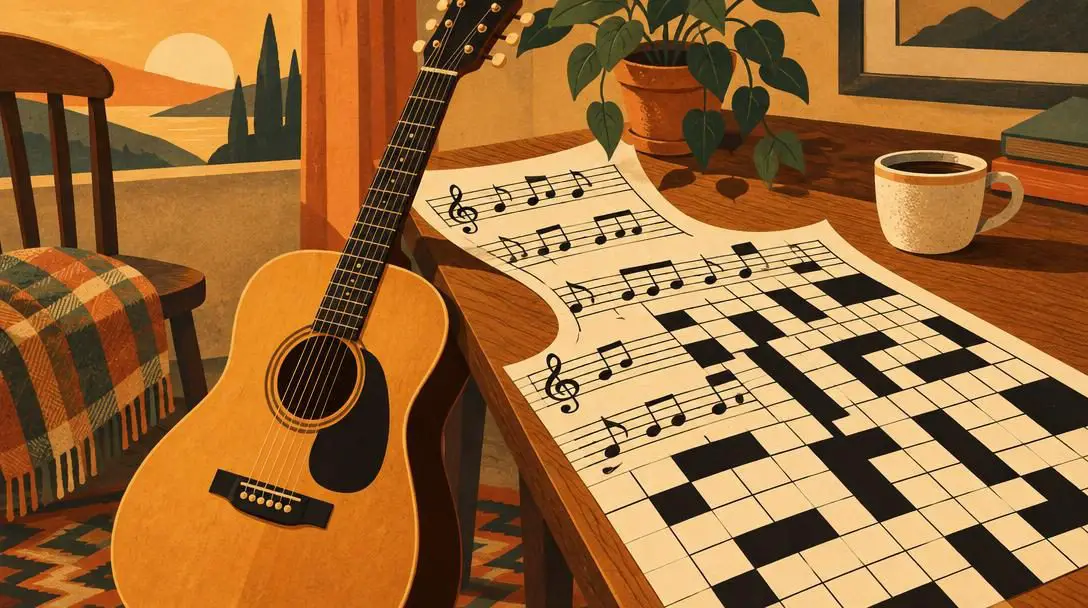
- Historic milestone: First unsigned artist with a Billboard number-one hit (Stay (I Missed You))
- Creative ventures: Children's author, voiceover artist, SiriusXM radio host
- Crossword role: Guest constructor for the New York Times
Singer-songwriter Lisa Loeb entered pop culture history in the mid-1990s before expanding her career into children's literature, television, and radio broadcasting. While her heavy touring schedule in the 1990s left little time for hobbies, Loeb developed a deep passion for crossword puzzles later in life when balancing quiet tour breaks with parenting.
Her enthusiasm led to an invitation to co-construct an original puzzle for the New York Times. Loeb immediately recognized the artistic harmony between building a crossword grid and composing a song. She observed that establishing thematic entries mirrors setting down foundational structural timber posts for a building, with creative collaboration, rhythm, and lyrical nuance bringing the finished product to life.
The mechanics of crossword construction and design
Understanding why notable thinkers and artists gravitate toward the crossword requires examining the structural architecture of the grid. Every standard American crossword relies on intersecting entries that must align without error across spelling, theme constraints, and spatial symmetry.
- Rotational symmetry: Standard newspaper puzzles maintain 180-degree rotational symmetry. If the puzzle board is turned completely upside down, the arrangement of black and white squares remains identical.
- Thematic architecture: Themed puzzles establish three to five long answers based on puns, idioms, or cultural concepts. These entries are placed across the board first, dictating the remaining layout.
- The fill: Once the primary theme entries are locked down, constructors build out the surrounding shorter words, known as the fill. The goal is to eliminate obscure abbreviations and awkward letter combinations.
- Clue drafting: Constructors and editors write clues ranging from direct definitions to deceptive wordplay. Clues containing question marks signal intentional double meanings, requiring solvers to look past literal interpretations.
Practical steps to build your daily solving routine
Adopting a consistent daily routine can turn what seems like an intimidating grid into a rewarding intellectual exercise. Following a structured methodology helps new solvers build confidence and vocabulary.
- Choose your medium: Decide between newsprint and digital apps. Physical paper provides a tactile, distraction-free environment, while digital platforms offer automatic error checking, streak tracking, and built-in solve timers.
- Conduct an initial sweep: Read through the entire list of across and down clues without pausing too long on any single prompt. Fill in obvious trivia answers and direct definitions first to establish an immediate foothold.
- Work outward from crossings: Return to the clues that intersect with your guaranteed answers. Having even one or two confirmed letters can instantly unlock a challenging or unfamiliar word.
- Match grammatical tenses and forms: Analyze clue phrasing carefully. Past-tense clues always require past-tense answers, plural clues require plural answers, and clues containing abbreviations signal abbreviated answers.
- Deconstruct wordplay and question marks: When encountering a clue with a question mark, discard literal definitions. Search for alternate meanings, puns, homophones, or clever compound words.
- Review missed entries: After finishing a grid or revealing solutions, take time to study recurring terms. Building a mental library of frequent crossword vocabulary dramatically improves future solving speed.
Common mistakes when solving crossword puzzles
Many intermediate solvers encounter plateaus because of simple behavioral traps. Recognizing these common errors helps maintain solving momentum across demanding puzzle editions.
- Fixating on a single entry: Staring endlessly at a stubborn clue causes mental fatigue. Move to an isolated corner of the grid to gain fresh momentum before circling back.
- Forcing incorrect letter counts: Entering a speculative word that does not match the exact length requirements disrupts surrounding crossings and creates confusing errors.
- Refusing to erase provisional guesses: Clinging to an unverified guess can blind your brain to obvious crossing words. When intersections stall, erase your entries and reconsider the clues with an open mind.
- Ignoring secondary word definitions: Words like "rose," "lead," "bank," or "crane" can act as nouns, verbs, or adjectives. Failing to consider alternative parts of speech makes solver misdirection far more potent.
Frequently asked questions
How many people solve crossword puzzles each day?
It is estimated that more than 50 million people across the globe solve crossword puzzles daily, utilizing both traditional newsprint syndications and modern digital puzzle applications.
Why do Saturday crossword puzzles seem different from weekday editions?
Saturday puzzles in publications like the New York Times are typically themeless grids featuring longer entries, open corners, and less reliance on pun-based themes, requiring a wide vocabulary and deep trivia recall.
How does writing music relate to crossword puzzle construction?
As songwriter Lisa Loeb observed, both crafts require placing sturdy foundational structures first—such as melodic hooks or central theme entries—before layering supporting details and conversational nuance around them.
What does a question mark at the end of a crossword clue mean?
A question mark indicates that the clue employs wordplay, misdirection, or double meanings rather than a literal dictionary definition, prompting the solver to look for puns or figurative phrasing.
Which famous president authored crosswords for the New York Times?
Bill Clinton, the 42nd U.S. President, frequently solved crosswords to relax and observe public cultural trends, eventually authoring original puzzle grids for the New York Times.
The bottom line
From oval offices and soundstages to recording studios and film editing suites, the crossword puzzle continues to captivate some of society's most creative and strategic minds. Its enduring appeal lies in the rare gift it offers the human brain: a structured, orderly problem where logic and imagination unite to produce a singular, satisfying conclusion. By picking up a pencil or launching an app, everyday solvers join a rich, global community that bridges generations, backgrounds, and disciplines one square at a time.