Life Hacks for a More Eco-Friendly Home: 5 Tips for Sustainable Living

Living a sustainable lifestyle has transitioned from an idealistic ambition into an urgent necessity. As climate change and environmental degradation accelerate, the cumulative impact of individual households plays a pivotal role in determining the health of our planet. While global environmental crises often seem daunting and beyond individual control, real progress routinely originates right where we spend the majority of our hours: inside our homes. Every residence operates as a miniature ecosystem that consumes electricity, burns fossil fuels, draws municipal water, and generates solid waste.
Every domestic decision—from the lighting fixtures illuminating your living room to how food scraps leave your kitchen counter—influences natural resource depletion and carbon emissions. Transforming a living space into an eco-friendly sanctuary does not require a sudden, overwhelming overhaul of daily life. Instead, meaningful change is built on understanding residential resource flows and adopting practical life hacks that conserve energy, eliminate unnecessary waste, and cultivate a healthier living environment.
Key takeaways
- Household sustainability relies on shifting from a linear consumption model to a circular, closed-loop system that cuts waste and conserves inputs.
- Simple behavioral adjustments like running full appliance loads, unplugging idle electronics, and taking shorter showers yield immediate savings on utility bills.
- Upgrading home fixtures to low-flow aerators, programmable thermostats, and LED lighting locks in passive resource conservation over the long term.
- Replacing disposable goods with renewable alternatives and growing high-yield vegetables cuts supply chain emissions and keeps trash out of landfills.
How Household Sustainability Works
To make meaningful ecological upgrades to a living space, it helps to understand how energy, water, physical goods, and food circulate through a home. Standard modern living operates primarily on a linear consumption model: raw resources are extracted, converted into goods or utility power, delivered to the home, used once, and discarded into municipal waste streams or released into the atmosphere as emissions. An eco-friendly home reconfigures this flow into a balanced, closed-loop approach centered on minimizing input demands and intercepting potential waste before it exits the household system.
True household sustainability relies on closed-loop thinking that treats resources as circular rather than disposable.
Electricity consumption directly impacts national power generation networks, where power plants frequently burn fossil fuels to satisfy residential demand. Lowering household power draw preserves regional grid capacity and avoids the release of greenhouse gases. Water conservation functions under a matching dynamic: municipal tap water requires significant electrical energy to purify, pump across subterranean distribution networks, and heat for domestic tasks. Reducing water waste conserves vulnerable freshwater reservoirs and relieves pressure on wastewater treatment facilities. Similarly, curbing physical waste and embracing localized food production shields marine environments and landfills from durable plastics while removing long-distance freight hauling from the dinner table.
Five Essential Life Hacks for Sustainable Living
Adopting sustainable domestic practices yields dual dividends: it protects wider natural ecosystems while noticeably lowering monthly household operating costs. The following five life hacks form the cornerstone of an environmentally sound residence.
Reduce Energy Consumption
Curtailing electrical consumption represents one of the fastest, most effective avenues for shrinking a home's environmental footprint. Fossil fuel combustion remains a predominant driver of electric utility generation, meaning every kilowatt-hour saved prevents pollutants from entering the atmosphere. Minimizing energy usage also shields household budgets from escalating utility rates.
Targeted adjustments can dramatically lower electricity usage throughout the day:
- Deactivate idle fixtures: Switch off lights, entertainment systems, and computers when leaving a room to prevent phantom energy drain from devices lingering in standby mode.
- Transition to LED illumination: Replace traditional incandescent bulbs with light-emitting diodes (LEDs), which consume a fraction of the electricity and boast exceptional operating lifespans.
- Maximize natural illumination: Open blinds and window curtains during daylight hours to illuminate interior living areas without flipping an electrical switch.
- Install a programmable thermostat: Automate heating and air conditioning routines so climate controls dial back output automatically when occupants are asleep or away at work.
- Choose energy-efficient appliances: When upgrading refrigerators, dishwashers, and washing machines, look for models engineered to provide superior mechanical performance with minimal power draw.
Reduce Water Usage
Freshwater is a finite ecological resource that demands tremendous infrastructure and energy to treat, deliver, and heat. Conserving tap water protects local aquatic ecosystems, preserves municipal water reserves during dry spells, and delivers immediate relief to monthly utility statements.
Consider these straightforward tactics to preserve clean water inside and outside the home:
- Inspect and repair plumbing: Routinely check valves, toilet flappers, and supply lines, repairing minor drips and running toilets that waste hundreds of gallons over time.
- Fit low-flow fixtures: Install low-flow showerheads and aerated sink faucets, which mix air into the stream to maintain strong pressure while significantly lowering total gallon throughput.
- Operate full appliance loads: Run dishwashers and clothes washers only when completely full to ensure optimal resource efficiency per cleaning cycle.
- Curtail shower durations: Shorten showers by several minutes to curb both total freshwater volume and the fuel required by the water heater.
- Time exterior irrigation: Water lawn areas and garden beds in the early morning or late evening, preventing irrigation water from rapidly evaporating in midday heat.
Reduce Waste
The prevailing disposable culture places unprecedented stress on municipal landfills and marine habitats. Millions of tons of synthetic packaging and non-biodegradable plastics enter the waste stream every year, where they persist for centuries. By prioritizing reusable materials and diverting organic refuse, households can substantially shrink their physical waste production.
Practical routines to minimize solid waste output include:
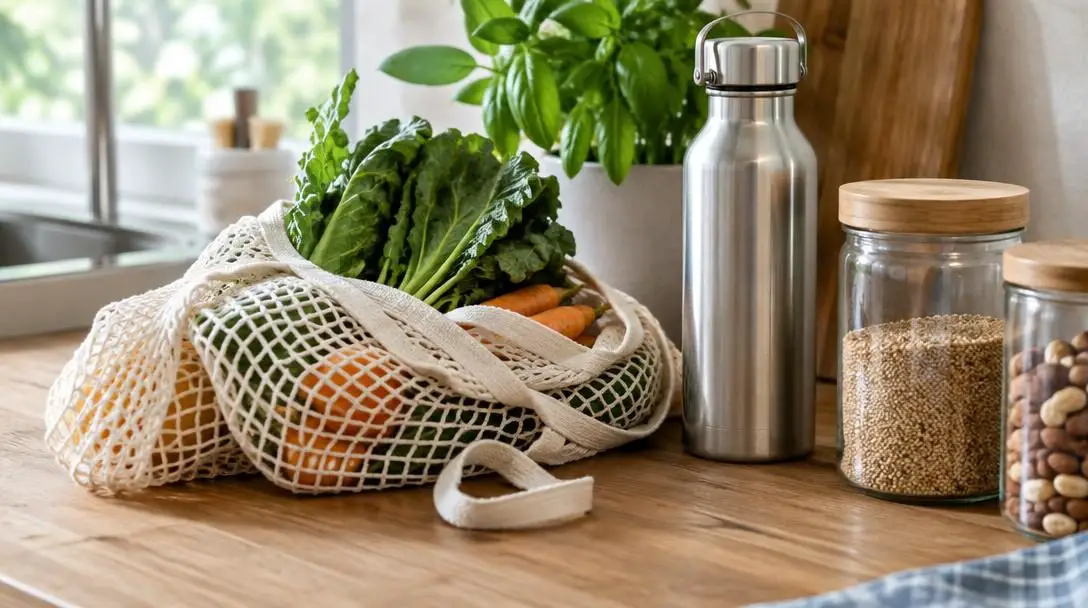
- Adopt durable reusables: Carry canvas shopping bags, stainless steel water bottles, and reusable travel mugs to avoid disposable convenience items.
- Recycle accurately: Clean, sort, and process household packaging in strict accordance with local municipal recycling directives.
- Compost organic materials: Channel kitchen vegetable trimmings, coffee grounds, and yard waste into a compost pile, converting organic waste into rich soil rather than allowing it to generate methane in landfills.
- Purchase pantry staples in bulk: Buy non-perishable foods and household supplies in larger quantities to reduce individual plastic wrappers and cardboard containers.
- Phase out single-use plastics: Refuse plastic drinking straws, single-use cutlery, and throwaway takeaway sacks in favor of durable home alternatives.
Use Eco-Friendly Products
Every commercial item bought brings environmental consequences tied to raw material extraction, industrial chemical processing, and transport logistics. Choosing products made with non-toxic, responsibly sourced ingredients directly fosters sustainable manufacturing practices while keeping harsh synthetic chemicals out of domestic living spaces.
Incorporate earth-friendly alternatives through these practical product swaps:
- Switch to washable cloth: Replace single-use paper towels and dinner napkins with washable cloth alternatives that can be cleaned and reused for years.
- Choose renewable materials: Select household goods made from rapidly renewable bamboo or verified post-consumer recycled plastic.
- Clean with natural pantry items: Mix basic cleaning solutions using white vinegar and baking soda to sanitize countertops, sinks, and glass surfaces without noxious synthetic cleansers.
- Prioritize minimal packaging: Buy items packaged in minimal, unbleached, or fully recyclable cardboard packaging.
- Rely on certified standards: Look for trusted environmental labels when shopping, such as the Energy Star rating for appliances and the Forest Stewardship Council (FSC) certification for responsibly harvested wood and paper products.
Grow Your Own Food
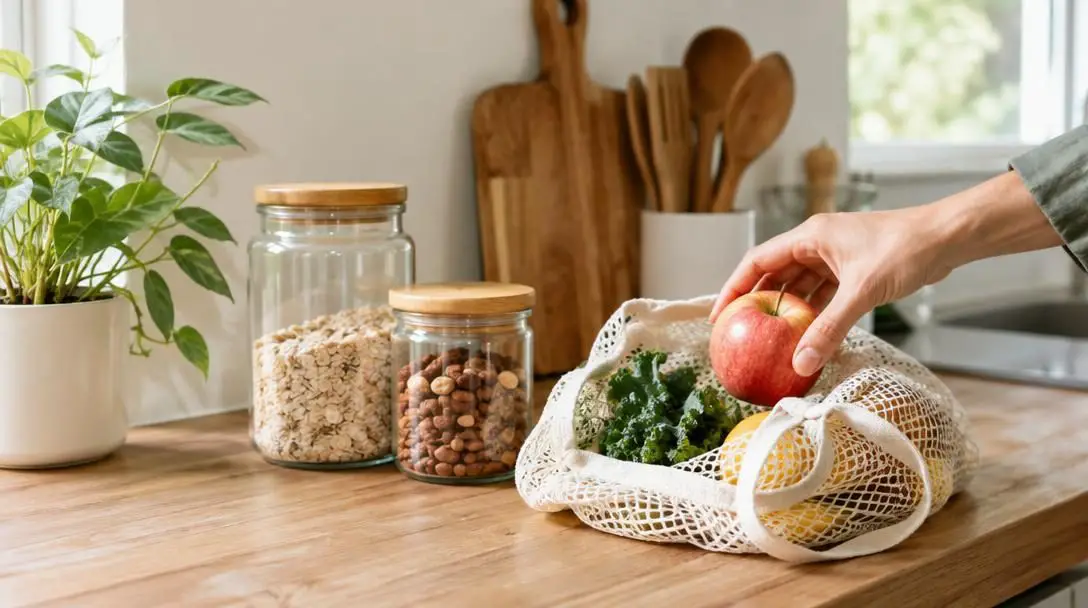
Industrial agriculture consumes massive volumes of transportation fuel to chill, package, and transport fresh produce across extensive domestic and global supply networks. Cultivating a modest kitchen garden provides hyper-local nutrition, cuts transportation-related emissions, and eliminates unnecessary plastic grocery wrapping.
Beginner gardeners can find reliable success with several resilient, productive crops:
- Tomatoes: Thriving in bright, sunny areas, tomato plants yield an ongoing supply of fresh fruit throughout the warm summer months.
- Lettuce: A fast-maturing leafy green that tolerates partial shade and can be trimmed repeatedly for fresh salads throughout the growing season.
- Basil: A hardy culinary herb that adapts well to sunny kitchen windowsills, producing flavorful leaves for regular meal preparation.
- Cucumbers: Prolific producers when supplied with consistent moisture, cucumber vines yield abundantly when trained up simple vertical trellises.
- Peppers: Both sweet bell varieties and fiery hot peppers flourish in warm container soils, making them ideal for small patios and sunny decks.
| Life Hack | Primary Target | Key Action | Primary Environmental Benefit | Household Advantage |
|---|---|---|---|---|
| Energy Conservation | Electricity and heating | LED transitions and programmable thermostats | Reduced fossil fuel emissions from power plants | Lower monthly electric bills |
| Water Conservation | Domestic plumbing | Low-flow aerators and timely leak repairs | Preservation of natural freshwater reservoirs | Reduced municipal water utility expenses |
| Waste Reduction | Physical consumables | Composting organics and bulk purchasing | Diverts plastic and organic mass from landfills | Less household clutter and trash handling |
| Eco-Friendly Goods | Household products | Natural cleaners and renewable materials | Curbs synthetic chemical manufacturing run-off | Chemical-free indoor living spaces |
| Home Food Production | Produce supply chain | Growing high-yield crops like herbs and greens | Eliminates commercial transit emissions | Instant access to fresh, packaging-free food |
A Step-by-Step Implementation Roadmap
Shifting an entire home toward sustainable practices works best through a methodical rollout. Attempting to revamp every habit overnight often produces burnout and abandoned projects. Follow this structured roadmap to turn basic eco-friendly habits into lasting routines:
- Conduct a room-by-room home survey: Walk through every room in your home to log immediate problem areas. Spot forgotten incandescent bulbs, listen for dripping faucets, check for drafty window casings, and inspect kitchen trash bins to identify high-volume disposable items.
- Enact zero-cost behavioral habits: Start with simple operational adjustments that cost nothing. Turn off unused electronics, open daytime window blinds for lighting, trim your shower times by three minutes, and adjust your thermostat settings by a couple of degrees.
- Replace goods and fixtures as they expire: Avoid discarding functional household goods. Instead, swap out incandescent bulbs for energy-efficient LEDs as they burn out, buy reusable shopping bags when old carriers tear, and mix vinegar-based cleaners once synthetic bottles run dry.
- Set up household sorting and flow stations: Create dedicated, convenient collection zones for recyclables and kitchen compost scraps. Attach low-flow aerators to bathroom and kitchen faucets to lock in automatic water savings without disrupting water pressure.
- Establish a small beginner garden: Procure starter seeds or seedlings for straightforward crops such as basil, loose-leaf lettuce, or cherry tomatoes. Position them in basic planters on a sunny windowsill, porch, or patio to enjoy your first homegrown harvests.
Common Sustainable Living Pitfalls to Avoid
While adopting green life hacks is straightforward, homeowners frequently run into common pitfalls that reduce the effectiveness of their efforts. Being mindful of these mistakes will keep your transition smooth and impactful:
- Discarding functional items prematurely: Tossing usable plastic containers, paper goods, or working appliances simply to replace them with eco-friendly alternatives creates unnecessary waste. True conservation means using existing items until the end of their useful lifespans.
- Contaminating recycling and compost streams: Tossing greasy cardboard, unwashed plastics, or non-recyclable goods into recycling bins can ruin entire batches of recyclable materials. Similarly, misbalancing compost moisture and organic matter can create foul odors and slow down decomposition.
- Ignoring subtle plumbing leaks: A dripping faucet or silent toilet flapper leak might seem minor, but an unchecked leak can waste hundreds of gallons of water each month, inflating utility bills.
- Starting an overly complex garden: Beginners who plant sprawling garden plots often struggle with weed pressure, water requirements, and garden pests. Sticking initially to compact, resilient crops like lettuce, basil, and peppers ensures consistent success.
- Overlooking phantom energy loads: Simply turning off appliances does not prevent them from pulling electricity while remaining plugged in. Failing to address standby power drain leaves avoidable electrical waste active around the clock.
Next Steps for Long-Term Home Sustainability
After cementing these five foundational life hacks—curbing electricity usage, cutting water consumption, trimming trash volumes, buying eco-friendly supplies, and growing basic culinary greens—you can explore deeper home infrastructure improvements.
Consider carrying out a thorough audit of your home's thermal envelope. Inspect exterior doors for missing weatherstripping, examine window perimeters for air leaks, and evaluate the insulation depth inside your attic. Air leaks allow conditioned air to escape, forcing heating and cooling equipment to run continuously and undermining the efficiency gains of a programmable thermostat. Sealing these drafty breaches maintains stable interior temperatures year-round with far less effort from your climate systems.
You can also extend thoughtful purchasing standards to larger home investments. When furnishing or renovating, look for durable bamboo fixtures, components crafted from recycled plastic, and lumber certified by the Forest Stewardship Council. When aging water heaters, refrigerators, or washing machines reach the end of their functional lifespans, research replacements bearing the Energy Star certification ahead of time. Planning these major purchases ensures you make deliberate, environmentally sound choices rather than rushed replacements during an unexpected domestic breakdown.
Frequently asked questions
Do I need to replace all my working appliances to make my home sustainable?
No. Replacing fully functional appliances creates unnecessary manufacturing demand and adds bulky waste to landfills. The most sustainable approach is to maintain your existing appliances properly, use them efficiently with full loads, and upgrade to certified Energy Star models only when current units reach the end of their useful service life.
How do phantom energy loads impact my electric bill?
Many modern electronics, such as televisions, audio equipment, and computers, draw electrical current continuously in standby mode to power internal clocks, sensors, and remote receivers. While small individually, dozens of connected devices running standby power draw continuous wattage 24 hours a day, needlessly inflating electric bills.
What makes vinegar and baking soda effective alternatives to commercial cleansers?
Distilled white vinegar is naturally acidic, making it exceptional at cutting through mineral deposits, soap scum, and grime, while baking soda functions as a mild abrasive and deodorizer. When used together or separately, they clean surfaces without introducing synthetic chemicals into indoor air or municipal wastewater.
Why is watering outdoor plants during midday considered wasteful?
Midday sun and peak ambient temperatures cause applied water to evaporate into the air before it penetrates deeply into the root zone. Watering during early morning or late evening allows moisture to soak into the soil effectively, hydrating roots with far less total water volume.
Which vegetables are best suited for beginner gardeners with limited space?
Lettuce, basil, peppers, and cherry tomatoes adapt exceptionally well to container gardening on sunny patios or windowsills. They require minimal ground space, grow quickly, and deliver productive yields without demanding elaborate agricultural equipment.
The bottom line
Building an eco-friendly home is not an all-or-nothing proposition that demands sudden lifestyle sacrifices. Rather, sustainable living is an evolving, practical journey grounded in consistent, sensible choices. By managing your energy draw, conserving municipal water, cutting down disposable packaging, adopting non-toxic household products, and cultivating your own fresh produce, you establish a resilient, closed-loop domestic routine. In doing so, your home becomes cheaper to run, healthier to live in, and fundamentally aligned with the preservation of our natural world.