Taking Care of Those Affected in Times of Tragedy
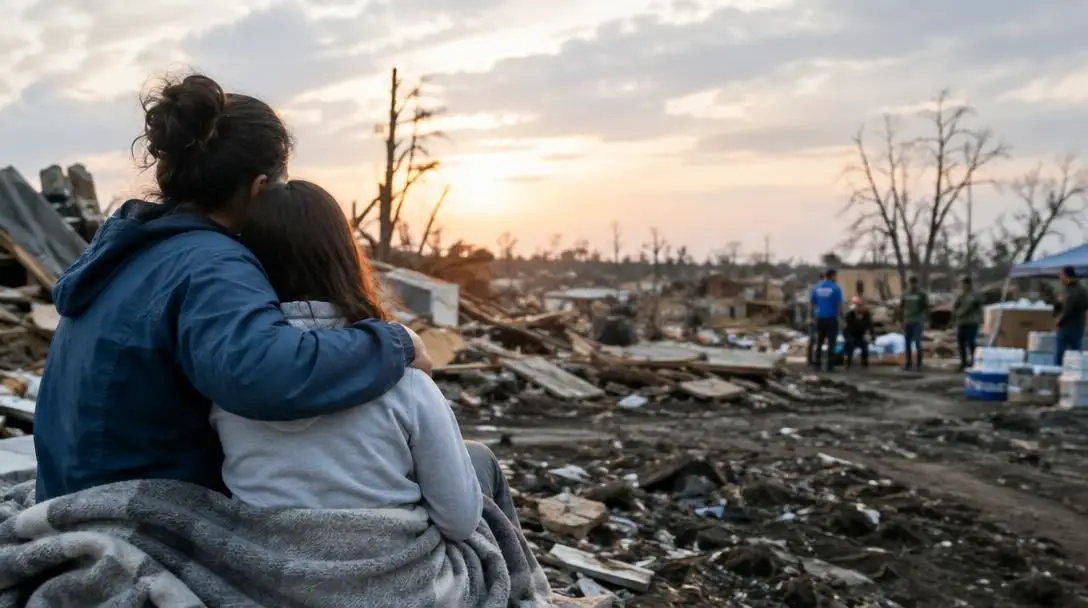
Catastrophic events strike without warning, leaving individuals, families, and entire neighborhoods scrambling to cope with the aftermath. Whether caused by natural disasters like hurricanes and earthquakes or human-generated crises such as mass shootings and acts of violence, these disruptions instantly shatter the rhythms of daily life. In an instant, communities are forced to confront severe physical danger, structural devastation, profound grief, and sudden displacement.
Effectively addressing the fallout of these events requires a coordinated, compassionate societal response. Relief cannot stop once physical hazards are contained; instead, it demands an enduring commitment that spans rapid emergency response, sustained structural and economic rebuilding, and long-term psychological healing. Understanding how to organize, execute, and sustain care ensures that vulnerable populations receive both urgent life-saving interventions and the continuous support necessary to reclaim stability.
Key takeaways
- Effective tragedy response begins with immediate life-preserving aid, including emergency medical care, food, and temporary shelter.
- Long-term community restoration relies on sustained counseling services and flexible financial assistance for families who lost homes or livelihoods.
- Shared memorial events and peer-led support groups counter isolation by creating safe spaces for collective mourning and solidarity.
- Uncoordinated physical donations and abrupt withdrawals of aid after the news cycle moves on represent major pitfalls in disaster relief.
- Proactive community resilience requires strengthening mental health infrastructure, training emergency personnel, and addressing root causes of instability.
The Multi-Layered Impact of Unexpected Crises
When an unexpected catastrophe strikes, the damage ripples outward across every facet of community life. The most obvious impacts are physical: demolished homes, shattered commercial buildings, disrupted power grids, and broken transit corridors. Primary sources of income can disappear in seconds, leaving hourly workers, business owners, and salaried professionals alike without financial anchors. The sheer physical wreckage often isolates neighborhoods, making the delivery of vital supplies and medical care deeply challenging.
Alongside the physical and economic chaos lies intense psychological disruption. Survivors must immediately process overwhelming shock, fear, disbelief, and profound grief. For many, the sudden loss of family members, friends, or life savings causes an acute crisis of safety and security. Recognizing that emotional harm is just as debilitating as physical injury allows aid organizations and municipal authorities to plan holistic interventions that preserve human dignity rather than treating survivors merely as logistical challenges.
The Core Pillars of Tragedy Response
Navigating the transition from acute disaster to stable normalcy involves distinct phases of care. While the earliest moments focus exclusively on physical survival, true recovery necessitates a multidimensional support framework that continues for months or even years.

| Response Phase | Primary Objectives | Key Actors | Critical Needs Addressed | Major Operational Challenge |
|---|---|---|---|---|
| Immediate Aid | Preserve human life and stabilize acute crises | First responders, medical staff, disaster volunteers | Emergency medical care, food, water, temporary shelter | Chaotic logistics, hazardous environments, triage pressure |
| Ongoing Recovery | Rebuild livelihoods and restore emotional equilibrium | Community organizations, government bodies, therapists | Trauma counseling, housing subsidies, small-business aid | Securing sustained funding after public attention fades |
| Collective Healing & Prevention | Re-establish social trust and mitigate future risks | Civic leaders, peer groups, local advocates | Public vigils, peer support groups, policy reforms | Overcoming survivor isolation and civic complacency |
The primary response phase represents the foundation of any disaster response effort. During this period, trained emergency personnel, municipal workers, and grassroots volunteers work under unpredictable and hazardous conditions. Their immediate goal is rapid rescue, critical medical triage, and distributing life-sustaining essentials like potable water, shelf-stable food, and secure sleeping arrangements. This swift intervention stabilizes panicked environments, giving survivors the security needed to process their immediate circumstances.
Once physical conditions stabilize, relief efforts shift toward ongoing recovery and structural support. A common failure in disaster management is treating emergency relief as a sprint rather than an ongoing marathon. When outside aid evaporates too quickly, survivors find themselves struggling to pay medical bills, replace lost tools or equipment, or secure permanent housing. Comprehensive ongoing recovery incorporates flexible financial relief funds paired with accessible, trauma-informed psychological counseling tailored to the distinct needs of children, adults, and seniors.
Finally, recovery requires fostering community solidarity. Major crises often cause deep feelings of alienation and loneliness. Displaced individuals can easily feel invisible as normal civic functions resume around them. Establishing regular public rituals, memorial ceremonies, and structured survivor support circles validates personal pain while reinforcing the broader civic community's shared commitment to collective recovery.
Taking care of those affected by tragedy is an essential component of building resilient communities, demonstrating compassion, resilience, and an enduring commitment to human dignity.
Practical Steps for Providing Meaningful Care
When catastrophic events occur, civic organizations, faith groups, neighbors, and volunteers frequently rush to help. However, without systematic coordination, good intentions can inadvertently obstruct critical operations. Establishing an orderly, step-by-step framework ensures that relief operations function efficiently and address survivors' real-world priorities.

- Establish dedicated supply distribution channels: Secure centralized, safe depots to organize the intake and delivery of vital necessities, including clean drinking water, non-perishable groceries, hygiene supplies, and weather-appropriate clothing.
- Coordinate with certified emergency personnel: Align all volunteer operations with municipal authorities, paramedics, and disaster agencies to ensure that critical search, rescue, and triage operations proceed without civilian interference.
- Deploy trauma-informed mental health resources: Partner with licensed therapists, social workers, and crisis counselors early in the process to provide psychological first aid and identify individuals showing severe acute stress reactions.
- Mobilize and disburse direct financial aid: Set up transparent relief funds to help families manage immediate out-of-pocket costs, replace destroyed work equipment, and cover emergency housing or funeral costs.
- Host public ceremonies and community vigils: Plan communal gatherings and memorial events that allow affected neighborhoods to openly mourn, remember lost loved ones, and show solidarity.
- Organize structured peer-to-peer support circles: Provide secure, quiet meeting environments where survivors can meet regularly to exchange coping strategies and discuss ongoing emotional hurdles without judgment.
- Implement managed volunteer scheduling: Route individual volunteers through established community groups to prevent overcrowding at relief stations and ensure volunteer availability remains steady over several weeks.
Common Pitfalls in Tragedy and Disaster Relief
Even the most generous relief efforts can produce counterproductive results if planners overlook the complexities of crisis management. Avoiding frequent missteps helps communities use limited resources wisely and protects survivors from unnecessary distress.
- Abandoning efforts when public attention shifts: Media coverage inevitably diminishes within days or weeks of a disaster. Withdrawing resources prematurely leaves communities stranded just as complex structural rebuilding and deep emotional trauma begin to emerge.
- Prioritizing physical reconstruction over mental health: Repairing bridges, streets, and houses is essential, but ignoring the psychological fallout leaves long-lasting scars. Untreated trauma can lead to depression, anxiety, substance misuse, and chronic social dysfunction.
- Flooding disaster zones with uncoordinated donations: Sending unsolicited clothing, used toys, or miscellaneous household items frequently overwhelms distribution warehouses and diverts volunteers from dispensing urgent medical and nutritional supplies.
- Bypassing local agencies and grassroots organizers: Outside groups that attempt to run independent aid missions without consulting local leadership risk duplicating existing efforts while overlooking vulnerable or marginalized community segments.
- Underestimating long-term economic dislocation: Expecting families to quickly recover their financial independence without targeted assistance ignores the lasting burden of lost wages, business interruptions, and catastrophic property loss.
Addressing Long-Term Trauma and Building Prevention
The emotional ramifications of catastrophic occurrences rarely resolve according to a tidy calendar. For thousands of survivors, the psychological reverberations—such as intrusive flashbacks, sleep disorders, hypervigilance, and unresolved grief—persist for months, years, or decades. Continuous, easily accessible mental health services must be woven into regional public health networks to assist individuals as they transition through various stages of recovery.
At the same time, maintaining a resilient society requires translating the lessons learned from tragedy into proactive prevention and disaster mitigation. While some natural events cannot be avoided, their severity can be significantly minimized through diligent preparation and social investment. A resilient approach emphasizes several key priorities:
- Expanding public mental health services to support vulnerable individuals and mitigate behavioral crises before they escalate.
- Increasing ongoing municipal funding and resources for emergency medical personnel, search-and-rescue teams, and community disaster preparedness exercises.
- Addressing the underlying social, civic, and economic factors that contribute to neighborhood instability, alienation, and violence.
- Strengthening rapid-response communication networks and warning systems connecting local government authorities, emergency organizations, and the general public.
Frequently asked questions
What is the most helpful way for individuals to assist immediately after a tragedy?
The most effective initial support involves contributing financial donations directly to established, verified relief agencies and coordinating volunteer efforts through vetted local organizations, rather than sending unrequested physical items.
Why is long-term counseling essential when physical needs appear more urgent?
Physical injuries and structural damage are easily visible, but untreated psychological trauma, such as acute stress, depression, and grief, can disrupt survivors' health and ability to rebuild their lives for years if left unaddressed.
How do community vigils and memorial services aid the healing process?
Public vigils and ceremonies provide a structured, shared outlet for collective mourning, reducing feelings of personal isolation and publicly validating the grief of those who experienced significant loss.
What causes the "secondary disaster" of unsolicited physical donations?
When unrequested goods arrive at a disaster area, relief teams must divert critical time, storage space, and personnel from life-saving operations to sort, clean, and store items that survivors may not actually need.
How can communities remain prepared for events that cannot be entirely prevented?
Communities maintain resilience by investing in ongoing emergency training, reinforcing municipal warning systems, supporting local mental health networks, and fostering strong civic bonds among neighbors.
The bottom line
Unexpected tragedies test the fabric of society, shaking our sense of safety and upending communities overnight. Yet, the road to recovery does not depend on immediate heroism alone. True resilience is built through sustained, compassionate care that continues long after the initial crisis fades from the headlines. By combining rapid emergency aid with structured financial relief, ongoing psychological care, and proactive disaster prevention, communities can navigate devastating losses and build a safer, more supportive future for everyone.