The Surprising Benefits of Gratitude You Never Knew

Gratitude is fundamentally a simple yet transformative emotion that holds the capacity to alter everyday life across physical, mental, and social dimensions. At its core, the practice involves pausing to acknowledge the good things in our lives. While human nature frequently leads individuals to fixate on unmet desires, unsolved problems, or daily hassles, expressing gratitude shifts that internal focus toward recognizing existing support, comfort, and positive experiences.
Historically and culturally viewed as a polite virtue, a social custom, or a moral duty, gratitude is far more than a formal phrase spoken upon receiving a favor. When gratitude moves beyond an automatic social script and becomes an active internal mindset, it rewires how we interpret our surroundings, respond to adversity, and interact within our communities. Because gratitude requires no financial investment, specialized equipment, or disruptive schedule changes, it remains one of the most accessible lifestyle practices available for overall well-being.
Key takeaways
- Gratitude shifts attention away from chronic rumination and perceived deficits toward existing support and positive reality.
- Regular practices of thankfulness yield measurable physical benefits, including improved sleep quality, reduced stress, lower blood pressure, and stronger immune defenses.
- Psychologically, intentional appreciation fosters happiness, alleviates symptoms of depression and anxiety, and builds resilient coping mechanisms.
- Sharing appreciation deepens social bonds, improves interpersonal communication, increases empathy, and curbs competitive envy and aggression.
- Sustainable gratitude requires authentic emotional engagement rather than mechanical repetition, forced positivity, or waiting for life-changing milestones.
How Gratitude Works in the Mind and Body
To understand the profound reach of gratitude, one must examine how deliberate appreciation interacts with our internal biology and cognitive architecture. When we intentionally acknowledge the positive elements around us, we disrupt persistent negative thought loops. The human brain naturally pays close attention to perceived threats, deficits, and frustrations. By shifting conscious attention toward elements that provide safety, comfort, and relief, the mind breaks free from chronic cycles of tension, establishing an internal climate that supports physical equilibrium and emotional stability.
The mind and body exist in a state of continuous interaction. When internal thoughts are dominated by acute worry or persistent dissatisfaction, the body responds by maintaining an elevated state of physiological alert. Over extended periods, this alert state strains the cardiovascular system and depletes energy reserves. In contrast, experiencing genuine thankfulness prompts the nervous system to ease back from high alert. This shift allows physiological resources to redirect toward essential cellular maintenance, tissue repair, and systemic restoration.
Shifting our internal attention from perceived deficits to existing support disrupts chronic tension and creates an enduring foundation for physical and emotional health.
On a cognitive level, regularly acknowledging positive events builds neural patterns that make constructive interpretations readily accessible. The brain reinforces whatever patterns of thought are practiced regularly. When an individual deliberately looks for things to appreciate, the habit of noticing supportive details becomes increasingly automatic. Rather than blinding someone to real difficulties, a grateful perspective serves as an emotional anchor, allowing a person to retain balance and clarity even in the face of demanding life circumstances.
Physical Benefits of Cultivating Thankfulness
While gratitude is frequently categorized as an emotional or philosophical exercise, its physical dividends are substantial. By altering how the body handles ongoing stress and restorative downtime, intentional thankfulness influences several vital physiological functions.
Improved Sleep Quality
One of the most immediate physical advantages of practicing gratitude is improved sleep. Research demonstrates that individuals who cultivate gratitude on a regular basis fall asleep more easily, experience deeper and more restful sleep, and awaken feeling more refreshed. When the mind is occupied with thoughts of appreciation rather than racing with nighttime worry, the central nervous system settles, facilitating a smoother transition into restorative rest.
Reduced Stress Levels
Chronic tension and burnout take a heavy toll on the human body, contributing to physical exhaustion and heightened vulnerability to illness. Cultivating gratitude helps individuals release unnecessary bodily tension by fostering emotional balance. By downregulating the stress response, the body is spared the wear and tear of continuous hormonal activation, protecting vital organs and preserving daily energy levels.
Lower Blood Pressure
As stress levels subside through regular thankfulness, the cardiovascular system experiences immediate relief. Heightened anxiety and chronic worry cause blood vessels to constrict and heart rates to climb. Over time, generating feelings of genuine appreciation eases this physical strain, leading to lower blood pressure and reducing the long-term burden placed on the heart and arterial walls.
Enhanced Immune Function
A body locked in a perpetual state of stress diversion cannot allocate adequate resources to internal defense. When the nervous system shifts out of persistent crisis mode, immune defenses operate far more effectively. A regular gratitude practice supports the body's natural defense mechanisms, boosting resistance against common illnesses and speeding recovery when health challenges do arise.
Psychological and Emotional Advantages
Beyond its physiological impacts, gratitude serves as a cornerstone for sustained mental health. Directing conscious awareness toward favorable conditions reshapes emotional outlooks and provides sturdy psychological buffers against adversity.
Increased Happiness and Life Satisfaction
Studies show that individuals who maintain regular gratitude practices consistently report higher levels of happiness and everyday fulfillment. When attention is systematically directed toward what is already functioning well, people experience a heightened sense of abundance. This reduces the perpetual dissatisfaction that comes from continuously chasing new desires without ever acknowledging current blessings.
Relief from Symptoms of Depression and Anxiety
Persistent anxiety and low mood often feed on repetitive cognitive cycles centered on inadequacy, impending threat, or hopelessness. Introducing deliberate moments of appreciation interrupts these negative spirals. By highlighting concrete evidence of present support, safety, and personal progress, gratitude acts as a counterweight against intrusive, catastrophic thoughts.
Greater Emotional Resilience
Practicing thankfulness does not insulate someone from grief, loss, or hardship. However, it significantly enhances personal resilience. Grateful individuals possess the capacity to identify enduring sources of support even during severe crises. This ability to spot silver linings and maintain perspective acts as an internal protective buffer, enabling people to cope with hardship and bounce back from setbacks without surrendering their sense of agency.
Social and Interpersonal Rewards
Gratitude is not solely a private, solitary discipline; it is an inherently relational act. The ways we express appreciation directly alter the health and stability of our social networks.
Deeper Relationship Bonds
Openly acknowledging the contributions, kindness, and presence of others fosters trust and mutual affection. When friends, partners, or coworkers hear sincere words of appreciation, they feel seen and valued. This validation creates emotional closeness and intimacy, reinforcing personal and professional partnerships over time.
Clearer Communication
Interactions grounded in genuine appreciation tend to be substantially more constructive than those framed by criticism or impatience. When gratitude sets the tone for dialogue, individuals feel secure enough to listen attentively and speak candidly. This climate of psychological safety sharply decreases the defensive reactions and misunderstandings that frequently fracture relationships.

Greater Empathy and Compassion
Reflecting on the kindness and effort of others increases awareness of our mutual interdependence. Recognizing that personal well-being is continually supported by the actions of family, friends, and colleagues awakens deeper sensitivity to the needs of those around us. This awareness naturally fosters greater empathy, patience, and supportive behavior.
Reduced Aggression and Envy
Social comparison is a frequent source of bitterness, resentment, and interpersonal friction. When people focus on appreciating their own circumstances, the tendency to harbor competitive envy toward others declines. Replacing resentment with genuine goodwill softens social interactions and creates a harmonious, cooperative environment in homes and workplaces alike.
Core Gratitude Practices Compared
Adopting an effective gratitude habit does not require complicated methodologies. Below is an overview of four accessible practices that can be integrated into everyday living.
| Practice | Primary Focus | Ideal Setting | Core Benefit |
|---|---|---|---|
| Gratitude Journaling | Reflecting on specific daily events or comforts | Quiet morning or evening routine | Builds cognitive habits of noticing positive details |
| Mindfulness | Observing present-moment sensory details without judgment | Daily commutes, walks, or pauses between tasks | Enhances appreciation for simple, overlooked experiences |
| Direct Expression | Communicating explicit thanks to another person | Conversations, written notes, or quick messages | Deepens mutual trust, intimacy, and social connection |
| Volunteering and Giving Back | Contributing time or skills to assist others | Community programs or civic initiatives | Expands personal perspective and builds purposeful meaning |
Four Step-by-Step Ways to Cultivate Gratitude
Implementing a long-term gratitude practice is straightforward and adaptable. Using these practical methods helps build a flexible routine tailored to your personal schedule.
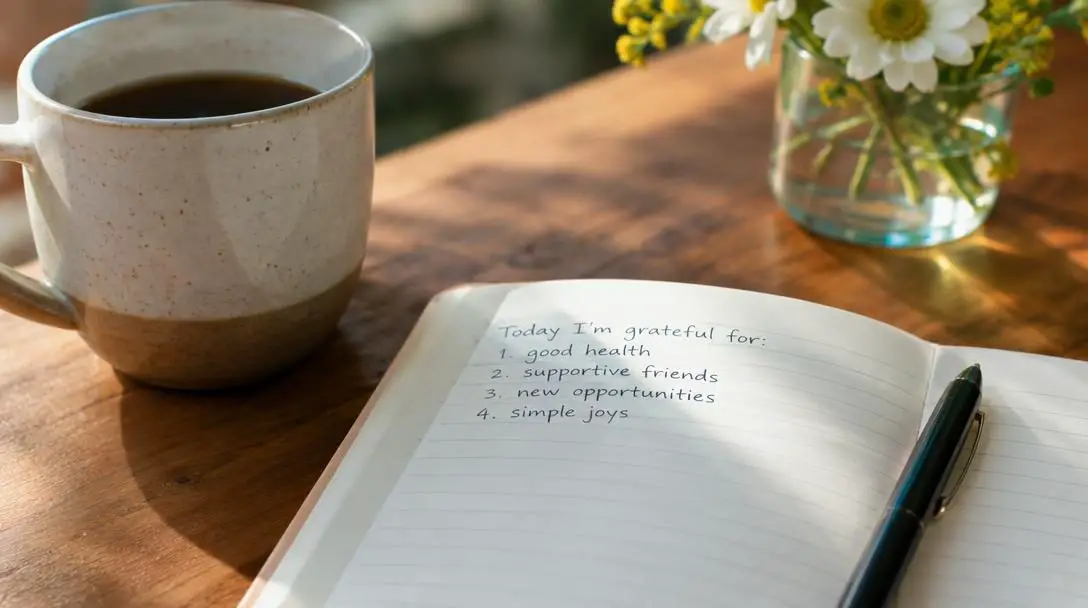
- Keep a daily gratitude journal: Dedicate five minutes each day to write down three specific things you appreciate. These need not be monumental; a hot cup of coffee, a pleasant conversation, or an evening sunset are ideal subjects. The key is to focus on vivid details that evoke a genuine feeling of thankfulness.
- Practice present-moment mindfulness: Train yourself to pause throughout the day and observe your immediate environment without judgment. Notice the warmth of sunlight, the comfort of your chair, or the sounds of nature. Grounding yourself in the present moment uncovers small gifts that are normally overlooked during busy routines.
- Express appreciation directly to someone: Make a deliberate effort to thank people who have offered assistance, encouragement, or kindness. Whether speaking to a coworker, family member, or a store clerk, articulate precisely what their contribution meant to you. Expressing thanks benefits the recipient while reinforcing gratitude within yourself.
- Volunteer and give back to your community: Actively sharing your time, resources, or skills with people in need shifts your focus beyond personal concerns. Helping others provides valuable perspective on your own circumstances, cultivating deep appreciation for what you have while instilling a strong sense of purpose.
Common Mistakes and Misconceptions
While thankfulness is an intuitive concept, several widespread misunderstandings can prevent people from experiencing its full benefits. Avoiding these common traps ensures your practice remains authentic and sustainable.
- Treating gratitude as toxic positivity: Practicing gratitude does not mean denying genuine pain, sadness, or frustration. Forcing artificial cheerfulness or ignoring legitimate difficulties is counterproductive. True gratitude acknowledges that positive elements can coexist alongside genuine challenges.
- Falling into mechanical, rote routines: Writing down the exact same list every day without connecting to the underlying emotion robs the exercise of its power. If journaling begins to feel like a meaningless administrative chore, change your focus or switch to a different practice.
- Waiting for massive milestones: Delaying appreciation until major life events occur—such as landing a promotion, buying a home, or completing an expensive trip—deprives you of everyday resilience. The most consistent physiological and psychological gains arise from noticing humble, ordinary comforts.
- Keeping appreciation entirely private: While solitary reflection is valuable, failing to share your thankfulness with others leaves an essential dimension untapped. Outward expression is necessary to unlock the relational benefits of trust, intimacy, and enhanced communication.
- Expecting immediate, permanent transformations: Gratitude is an ongoing cognitive discipline, not an overnight cure-all. Expecting a single journaling session to instantly banish chronic stress or cure sleep disturbances leads to premature frustration. Meaningful results require patient, regular repetition.
Frequently asked questions
How long does it take to notice the benefits of gratitude?
While a single moment of appreciation can create immediate emotional relief and ease physical tension, lasting benefits such as lower baseline stress, deeper sleep, and improved resilience develop over several weeks of consistent, daily practice.
Can gratitude help during severe personal adversity or grief?
Yes. Gratitude does not eliminate suffering or demand that you view tragic events favorably. Instead, it provides an emotional anchor by reminding you of enduring support, personal capabilities, and small comforts that remain intact even during hard times.
What should I do if I cannot find anything to be grateful for?
Start with the most basic, fundamental realities available in your immediate environment. You can appreciate a steady breath, a glass of clean water, the softness of a blanket, or the absence of an immediate emergency. Gratitude does not depend on grand achievements.
Is writing in a journal required, or can I just think grateful thoughts?
While simply pausing to think appreciative thoughts is beneficial, writing engages cognitive processes that solidify memory and emotional impact. Putting words on paper prevents your mind from drifting back into routine worries.
Does expressing gratitude make someone look vulnerable or weak?
Far from signaling weakness, expressing genuine thankfulness demonstrates confidence, self-awareness, and emotional maturity. It signals that you are secure enough to acknowledge the contributions of others, which strengthens social standing and mutual respect.
The bottom line
Gratitude is far more than polite etiquette or passive sentimentality; it is a powerful, science-backed lifestyle habit that enhances physical health, sharpens psychological well-being, and revitalizes interpersonal connections. By purposefully noticing and celebrating everyday positives, you relieve stress on your cardiovascular system, bolster your immune defenses, and cultivate deeper emotional resilience.
Beginning this practice does not require large investments of time or complicated procedures. Start today by choosing a single habit—whether jotting down three specific highlights of your day, taking a mindful pause during a commute, or sending a sincere note of thanks to a friend. Consistent, small acts of appreciation will gradually rewire your perspective, establishing a healthier, more fulfilling foundation for your entire life.