Why Community Is Important, No Matter Your Personality Type
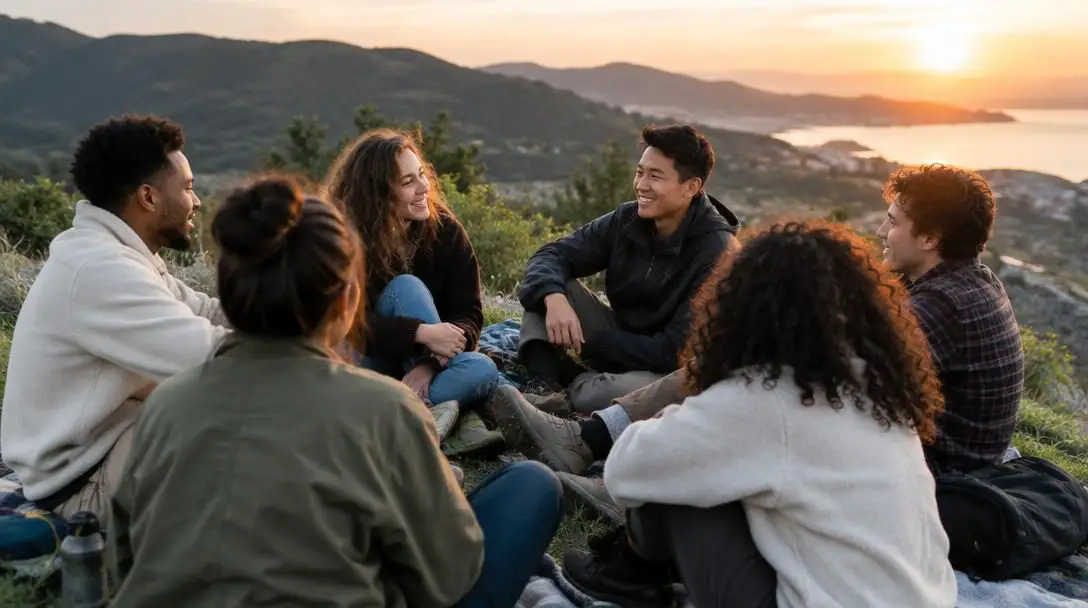
Throughout human history, the survival and upward progress of our species have hinged on our capacity to collaborate, protect one another, and build enduring mutual systems. When individuals gather around a shared purpose, they establish an informal safety net of shared resources, collective wisdom, and emotional support. This communal resilience equips people to weather personal, financial, and physical trials that would easily crush an isolated household. The fundamental human need for belonging and reciprocal care is baked into our biology, serving as the bedrock upon which stable societies are founded.
Yet in contemporary life, authentic local cohesion has become increasingly rare. Modern society trades communal connection for hyper-convenience and constant digital stimulation, wrapping individuals in insulated bubbles where food, entertainment, and essential services can be secured without speaking to a neighbor. While this isolation feels comfortable in the short term, it erodes social reflexes, fuels situational anxiety, and leaves neighborhoods fragmented. Rebuilding these local ties is not a matter of romantic nostalgia; it is an urgent human necessity that requires deliberate, everyday participation from people of every disposition.
Key takeaways
- Strong local communities provide the emotional reassurance, pooled resources, and physical safety nets necessary to weather life crises.
- Modern conveniences and screen-based distractions isolate households, turning once-habitual neighborly interactions into sources of social anxiety.
- Healthy communal networks depend equally on public-facing leaders, analytical organizers, and quiet background contributors.
- Engaging hesitant, shy, or introverted neighbors requires low-pressure, gentle invitations rather than forced social participation.
- Prioritizing collective wellbeing alongside personal ambitions strengthens the entire neighborhood and offers a vital remedy to chronic loneliness.
The Modern Erosion of the Communal Fabric
Human beings evolved in cooperative groups where daily existence required constant communication, physical proximity, and shared duties. Whether tracking game, harvesting crops, or defending against hazards, collective survival depended on the premise that no single person could navigate the world entirely alone. In contrast, modern society operates largely on isolation. Suburban architecture, personalized digital feeds, and on-demand delivery apps minimize the practical necessity to cross paths with those who live on the same street.
This relentless convenience carries subtle psychological consequences. When people go days or weeks without engaging in spontaneous, unstructured conversations with neighbors, social interaction shifts from a normal, reflexive routine into a source of apprehension. Everyday encounters that previous generations took for granted—such as waving over a fence, introducing oneself to a new arrival, or stopping on a sidewalk to discuss a local issue—increasingly trigger hesitation, self-consciousness, and avoidance.
Over time, this retreat into private enclosures creates a dangerous illusion of complete self-reliance. While it is possible to order groceries, stream entertainment, and work remotely without ever learning a neighbor's name, this lifestyle leaves households uniquely vulnerable when unexpected emergencies occur. Without an established foundation of mutual trust and familiarity, seeking help during a sudden crisis becomes daunting, reinforcing the very isolation that produces distress.
The Village Concept and Reciprocal Growth
The time-tested truth that it takes a village to navigate life remains as relevant today as it was in ancestral times. When a household confronts job loss, serious illness, grief, or the relentless daily demands of raising children, solitary efforts frequently fall short. An engaged circle of neighbors provides a buffer against despair, offering practical solutions ranging from emergency childcare and cooked meals to emotional reassurance and experienced advice.
Community life transforms environments by creating clear, open pathways of dialogue. When residents regularly converse, small neighborhood difficulties—such as unsafe crosswalks, damaged infrastructure, or neglected recreational spots—are identified and resolved before they degenerate into lasting problems. Rather than letting shared spaces deteriorate, proactive groups come together to build, clean, and maintain public parks, athletic fields, and local gardens where families can gather safely.

This dynamic extends naturally into local educational spaces. By taking part in Parent-Teacher Associations (PTAs) and attending school assemblies, residents champion the academic and emotional growth of neighborhood children while backing local educators. Active civic participation helps residents cultivate a shared sense of ownership, reinforcing the understanding that individual prosperity cannot be separated from the health of the broader area.
When one person is left behind in a community, the community at large is left behind, as every missing link diminishes the strength of the entire social fabric.
Labor leader and civil rights activist Cesar Chavez highlighted this mutual responsibility, observing: "We cannot seek achievement for ourselves and forget about progress and prosperity for our community…Our ambitions must be broad enough to include the aspirations and needs of others, for their sakes and for our own." Elevating the communal standard of living does not diminish personal freedom; instead, it provides a stable, resilient platform that protects every resident.
Welcoming Every Personality Type into Local Networks
A frequent misconception about neighborhood organizing is that it belongs strictly to charismatic, highly extroverted personalities. In reality, a functioning community requires a rich spectrum of temperaments, skills, and perspectives. Different personality types counterbalance one another, ensuring that initiatives are both visionary and practically sustainable.
Public-Facing Leaders and Coordinators
Highly sociable and outgoing residents bring energy, enthusiasm, and public presence to neighborhood initiatives. These individuals naturally gravitate toward outward-facing tasks, such as chairing public forums, moderating neighborhood assemblies, rallying attendance for block events, and liaising directly with municipal leaders. Their primary strength lies in building momentum, breaking the ice among strangers, and ensuring that community plans are clearly articulated and enthusiastically pursued.
Behind-the-Scenes Planners and Organizers
Analytical, detail-oriented, and introverted individuals provide the essential operational backbone that keeps local projects from unraveling. While they may prefer to avoid the public spotlight, these residents excel at managing accounting records, drafting committee agendas, designing flyers, researching grant opportunities, and coordinating the logistics of supply chains. Without their focus on practical execution, public enthusiasm often fades into disorganization.
Quiet Observers and Hesitant Participants
Many neighbors maintain a cautious stance toward local activities due to deep-seated shyness, introversion, or past social anxieties. These residents often care deeply about their living environment but feel intimidated by large gatherings or aggressive recruitment tactics. Welcoming these individuals requires patience, respect for their boundaries, and gentle, low-pressure invitations that make it clear their presence is valued whenever they choose to join.

Challenging Personalities and Conflict Resolution
In any diverse gathering of residents, interpersonal friction is inevitable. Some individuals are stubborn, skeptical, or simply tough to love due to contrasting communication styles or past grievances. Navigating these relationships requires diplomacy, patience, and a steadfast focus on shared outcomes rather than personal disputes. Learning to work alongside difficult neighbors teaches collective resilience, ensuring that minor disagreements do not fracture broader cooperative goals.
| Personality Style | Primary Strengths | Ideal Neighborhood Roles | Best Engagement Method |
|---|---|---|---|
| Extroverted Communicators | Charisma, high energy, verbal persuasion | Hosting meetings, greeting new arrivals, organizing rallies | Direct invitations to lead discussions and coordinate social events |
| Analytical Organizers | Attention to detail, financial skill, logistical planning | Budget management, digital coordination, schedule maintenance | One-on-one requests for specific administrative or planning tasks |
| Quiet Stewards | Patience, manual diligence, observational insight | Garden maintenance, park cleanups, trail repairs | Open-ended, self-directed tasks with flexible time commitments |
| Cautious Neighbors | Thoughtfulness, personal discretion, steady presence | Attending open forums, voting on initiatives, local updates | Low-pressure, casual notes and friendly sidewalk greetings |
Practical Steps to Build and Strengthen Your Local Network
Transforming an alienated, quiet street into an active, supportive network does not require professional training or vast financial resources. It relies instead on structured, repeatable actions that turn spontaneous goodwill into lasting organization.
- Assess shared neighborhood needs: Start casual conversations on sidewalks, front porches, or community boards to discover what physical improvements, safety considerations, or social gatherings local families actually want.
- Establish a focused working committee: Gather a dedicated core of reliable residents to turn informal suggestions into clear agendas, meeting periodically to distribute tasks and track community progress.
- Revitalize local physical environments: Schedule regular volunteer workdays to clear overgrown public trails, plant neighborhood vegetable gardens, remove litter, and repair community playground structures.
- Partner directly with area schools: Attend local PTA meetings, volunteer for extracurricular mentoring, and support initiatives that supply neighborhood educators with necessary classroom resources.
- Organize transparent local fundraisers: Host friendly contests, bake sales, garage sales, and raffles to collect funds for physical park maintenance, shared equipment purchases, or neighborhood emergency funds.
- Extend calm, low-pressure invitations: Ensure all informational flyers, digital messages, and verbal invitations clearly communicate that attendance is optional, encouraging introverts and shy residents to participate at their own comfort level.
- Construct an emergency relief network: Establish an informal roster of neighbors prepared to drop off meals, run errands, shovel snow, or watch children whenever a local family faces sickness or bereavement.
Pitfalls to Avoid in Community Organizing
Well-intentioned neighborhood efforts frequently stall or collapse when organizers overlook the diverse temperaments and boundaries of the people living around them. Steering clear of these common missteps preserves goodwill and keeps projects moving forward:
- Assuming a universal communication style: Expecting every neighbor to respond enthusiastically to boisterous public forums or fast-paced group chats alienates thoughtful, cautious communicators.
- Pressuring reluctant residents into participating: Demanding attendance, assigning public roles without consent, or shaming residents who prefer privacy breeds deep resentment and withdrawal.
- Neglecting shared physical infrastructure: Letting parks, walkways, and shared green areas fall into visible disrepair signals that nobody cares about the neighborhood, discouraging informal outdoor gatherings.
- Focusing strictly on personal household priorities: Concentrating exclusively on one's own property while ignoring wider neighborhood conditions leaves the surrounding environment vulnerable to decay.
- Dismissing difficult or prickly neighbors: Writing off residents who are hard to get along with deprives the group of their potential contributions and creates lingering neighborhood feuds.
- Allowing isolated residents to be forgotten: Ignoring quiet seniors, struggling families, or reclusive neighbors weakens the social fabric, as every neglected resident represents an avoidable point of failure.
- Operating without structured organization: Relying solely on casual, unstructured good intentions without a committee or clear plan leads to project burnout and unfulfilled promises.
Frequently asked questions
Can an introvert participate in neighborhood building without speaking in public?
Yes. Introverted residents perform critical background functions that do not involve public speaking or large crowds, including balancing financial accounts, planning project timelines, planting gardens, designing informational flyers, and maintaining shared green spaces.
How can residents engage neighbors who seem cold or unapproachable?
Approach challenging neighbors with steady patience, simple courtesy, and clear boundaries. Offering casual, low-pressure greetings on the street and seeking their input on shared physical issues—such as street maintenance or park cleanliness—often softens resistance over time.
Why does modern convenience contribute to social isolation?
On-demand shopping, streaming entertainment, and digital delivery services remove the practical requirement to leave home and interact with local merchants or neighbors. Over time, the lack of everyday, casual social contact can turn normal neighborly interactions into sources of hesitation and anxiety.
What is the easiest first step to organize an uncoordinated street?
Begin with low-stakes, informal conversations during daily routines like walking a dog or tending the yard. Inquiring about shared concerns—such as speeding cars, dark streetlights, or messy public areas—readily identifies common interests and reveals who might want to form a small organizing committee.
How do physical public spaces impact neighborhood cohesion?
Clean, well-maintained parks, walking trails, and playgrounds serve as the physical foundation for spontaneous interaction. When shared public amenities fall into neglect, families stay indoors, eliminating the casual social encounters that build trust across generations.
The Bottom Line
At some point in life, even the most fiercely independent individuals encounter challenges that exceed their private capabilities. Experiencing prolonged illness, dealing with home crises, navigating financial strain, or simply carrying the weight of everyday existence becomes far lighter when supported by observant, empathetic neighbors. Nobody thrives living in isolation, wondering whether anyone in their immediate surroundings would notice or care if an emergency struck.
Author Kurt Vonnegut underscored the profound significance of this collaborative work when he observed: "What should young people do with their lives today? Many things, obviously. But the most daring thing is to create stable communities in which the terrible disease of loneliness can be cured." Chronic loneliness cannot be resolved by digital conveniences or remote social networks; it requires the grounded, face-to-face establishment of dependable, physical neighborhoods where people watch out for one another.
Moving toward a more connected existence starts with small, deliberate choices. Take a closer look at the schools, parks, and individuals right outside your front door. Whether you volunteer to lead a neighborhood committee, lend a hand during a local cleanup, contribute to a school PTA, or offer a friendly greeting to an introverted neighbor, your presence matters. By weaving individual talents into a unified communal network, we build resilient, welcoming environments where every personality type finds a place to belong.