5 Artists Who Were Caught Lip Syncing
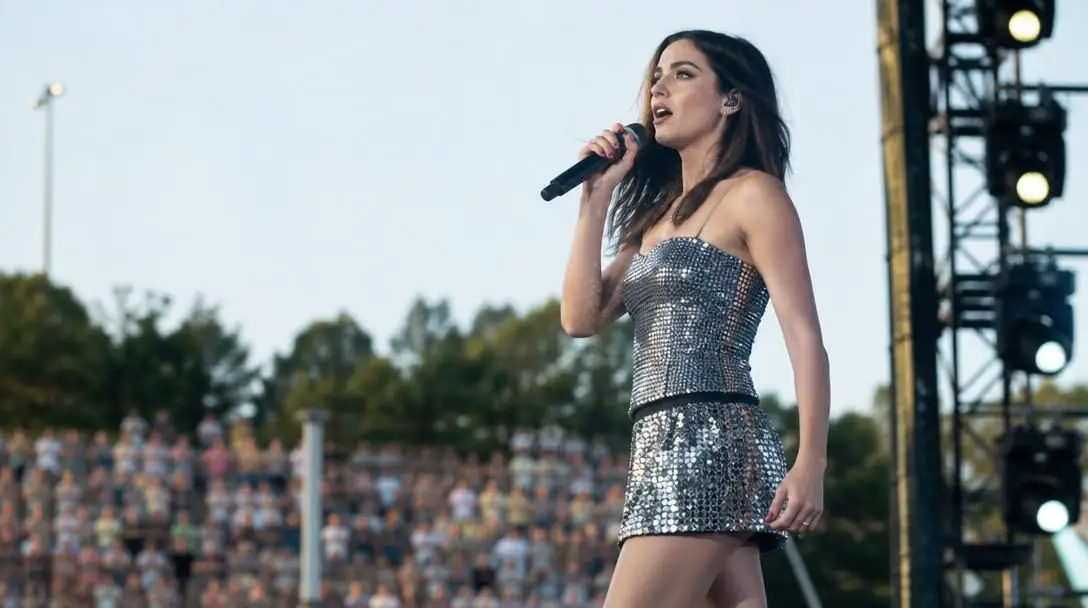
Lip-syncing has occupied a controversial yet persistent space in commercial music for decades. As live concerts transformed from simple acoustic gatherings into massive multimedia spectacles, the pressure on vocalists to deliver pristine, album-quality sound increased exponentially. Today, millions of viewers routinely watch stadium tours and televised broadcasts where artists execute intricate choreography while navigating unpredictable acoustic environments. Under such conditions, maintaining flawless vocal pitch and steady breath control becomes an extraordinary physiological challenge.
To preserve sonic quality during high-stakes broadcasts and stadium tours, the entertainment industry has increasingly turned to backing tracks, vocal stems, and prerecorded audio. However, the delicate contract between performer and audience rests entirely on the illusion of live musical creation. When technical equipment fails or an unexpected audio glitch shatters that illusion, the consequences can range from lighthearted social media banter to career-altering scandal.
Key takeaways
- Modern live performances frequently blend live microphones with prerecorded stems to overcome venue acoustics and the physical demands of athletic dance routines.
- Audiences tend to tolerate backing tracks during complex dance spectacles, but unannounced or deceptive vocal replacement often triggers intense public backlash.
- High-profile technical failures have derailed rising careers while barely leaving a dent on established performers with proven vocal credentials.
- Reliable concert productions depend heavily on redundant audio systems, custom in-ear monitor mixes, and disciplined rehearsal routines.
At a glance: High-profile lip-syncing incidents
| Artist | Event / Setting | Track Involved | Primary Breakdown | Career Repercussion |
|---|---|---|---|---|
| Milli Vanilli | 1989 MTV performance | Girl You Know It’s True | Backing track skipped repeatedly | Disbanded; surrendered 1990 Grammy Award |
| Ashlee Simpson | Saturday Night Live (2004) | Pieces of Me / Autobiography | Incorrect vocal track triggered | Severe setback to early recording career |
| Mariah Carey | New Year’s Rockin’ Eve (2017) | We Belong Together | Faulty in-ear monitors and playback mismatch | Widespread viral scrutiny; quickly resumed live shows |
| Britney Spears | Las Vegas Residency (2014) | Perfume | Songwriter Sia’s guide vocals played over PA | Minimal impact; core fanbase unaffected |
| Beyoncé | Presidential Inauguration | The National Anthem | Prerecorded studio take utilized | No reputational damage after candid explanation |
5 artists caught in high-profile playback mishaps
While studio trickery and live assistance are standard tools in contemporary music, live technical glitches have occasionally pulled back the curtain in spectacular fashion. These five incidents reveal how different artists, sound engineers, and audiences have responded when live audio illusions unravel on stage.
Milli Vanilli
- Members: Fab Morvan and Rob Pilatus
- Breakthrough hits: Blame It On the Rain, Girl You Know It’s True
- Accolade: 1990 Grammy Award for Best New Artist (surrendered)
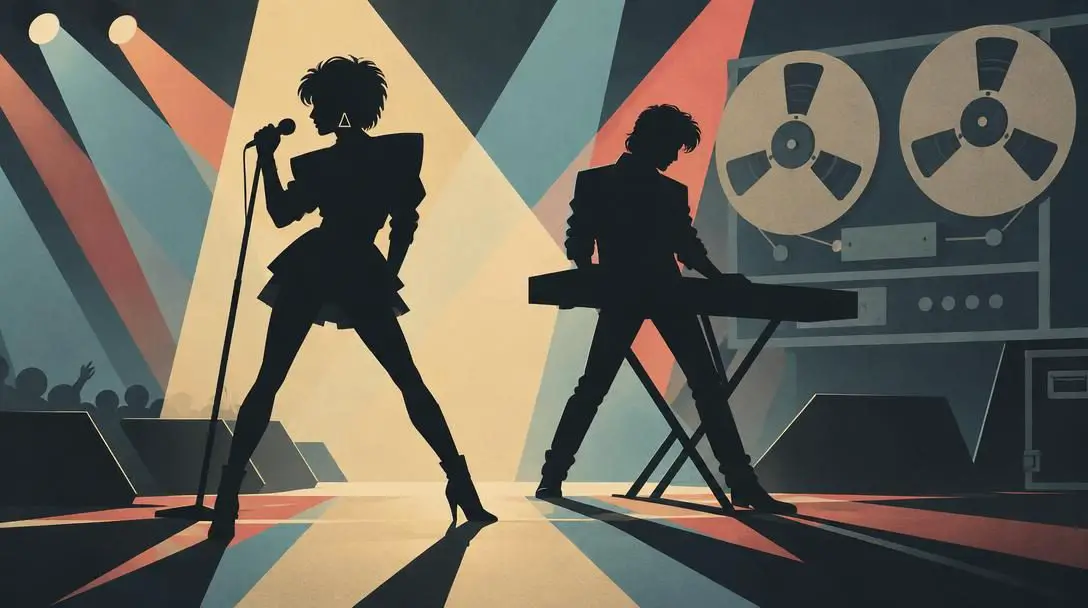
There is perhaps no more dramatic example of lip-syncing destroying an act than the saga of Milli Vanilli. The European pop duo, composed of Fab Morvan and Rob Pilatus, conquered international pop charts in the late 1980s with an irresistible combination of polished dance-pop production, striking visual style, and athletic music videos. Their commercial momentum culminated in winning the prestigious 1990 Grammy Award for Best New Artist. However, the foundation of their success was entirely illusory.
The turning point arrived during an outdoor performance broadcast live on MTV in July 1989. While the duo performed their signature track “Girl You Know It’s True,” the digital backing track malfunctioned. The audio system locked into a continuous loop, blaring the same brief vocal fragment across the venue speakers over and over again. Overwhelmed by panic, Pilatus fled the stage. Although initial onlookers treated the event as a minor broadcast glitch, the crack in the facade soon widened. Investigative pressure forced the revelation that Morvan and Pilatus had never sung on their hit records at all. Instead, producer-selected vocalists, including Charles Shaw and Brad Howell, had provided the actual recordings. Facing immense public backlash and professional disgrace, Milli Vanilli disbanded and officially surrendered their Best New Artist Grammy Award.
The line between acceptable stagecraft and outright deception depends heavily on the performer’s vocal reputation and how transparently mistakes are handled.
Ashlee Simpson
- Debut album: Autobiography
- Key tracks: Pieces of Me, La La
- Setting: Saturday Night Live musical guest appearance
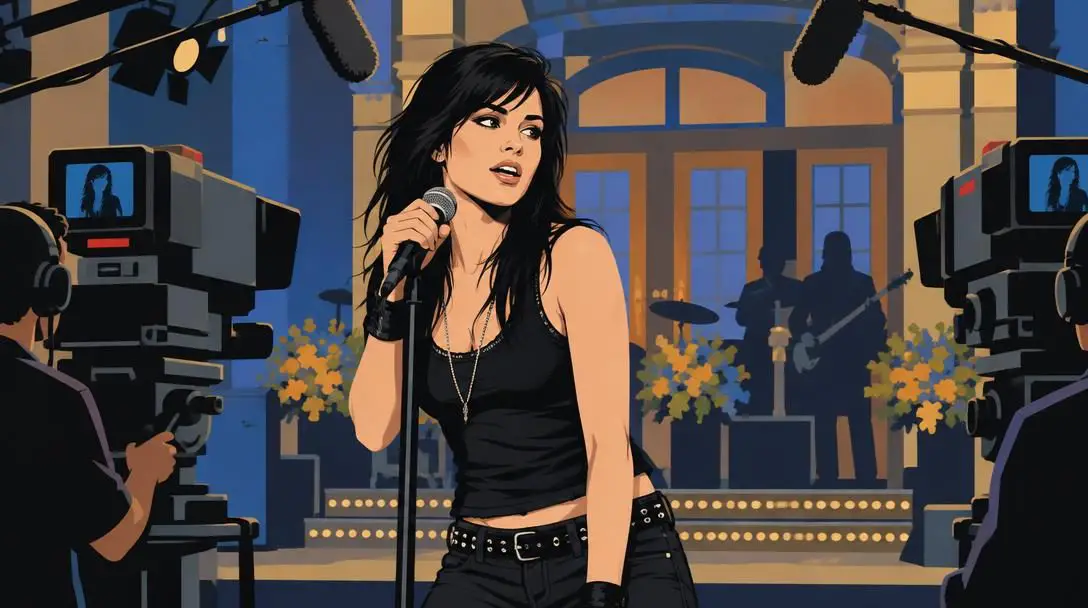
Emerging in the mid-2000s in the shadow of her sister Jessica, Ashlee Simpson established her own lane by marketing a distinct pop-rock sound. Her debut album, Autobiography, achieved immediate chart success, fueled by the popular lead single “Pieces of Me.” This commercial momentum secured her a high-visibility booking as the musical guest on the live television sketch comedy program Saturday Night Live.
Simpson successfully completed her first musical performance of the evening, delivering “Pieces of Me” without incident. However, when she stepped back onto the studio stage for her second scheduled song—the album's title track, “Autobiography”—the sound booth triggered the prerecorded vocal track for “Pieces of Me” once again. As her earlier vocals boomed through the studio monitors while her microphone rested at her side, the technical error revealed that her first performance had relied on recorded playback. Flustered by the unscripted exposure on live television, Simpson danced an awkward impromptu jig before walking off the stage, leaving her backing band to play through the confusion. Simpson later explained that severe acid reflux had damaged her vocal cords, leading her team to rely on backing vocals. Nonetheless, the high-profile television mishap dealt a massive blow to her nascent career, essentially ending her music run just as it was getting started.
Mariah Carey

- Signature catalog: Vision of Love, Fantasy, We Belong Together
- Event: Dick Clark’s New Year’s Rockin’ Eve (welcoming 2017)
- Venue: Times Square, New York City
Even possessing one of the most celebrated vocal ranges in modern music history does not insulate a performer from live technical difficulties. Mariah Carey, renowned worldwide for her multi-octave range and decades of chart-topping anthems, encountered an excruciating production failure while headlining the live television broadcast of Dick Clark’s New Year’s Rockin’ Eve in Times Square as audiences prepared to welcome in 2017.
Performing in freezing outdoor conditions, Carey immediately experienced catastrophic monitoring failures. The pre-programmed vocal tracks played across the international broadcast mix, but Carey could not hear the audio in her custom earpieces. Recognizing that she could not sync her lip movements to tracks she could not hear, Carey lowered her microphone, stopped attempting to mouth the lyrics, and began pacing the stage while speaking directly to the crowd. The televised meltdown generated massive social media scrutiny and heated public debate. Carey voiced deep frustration with the production team, noting that malfunctioning in-ear monitors made it impossible to stay on beat or on pitch. Defending her professional approach, Carey insisted, “It’s not going to stop me from doing a live event in the future,” while adding, “But it will make me less trusting of using anyone outside of my own team.” Because her generational vocal talent had already been documented across decades, Carey weathered the storm without lasting damage to her legacy.
Britney Spears
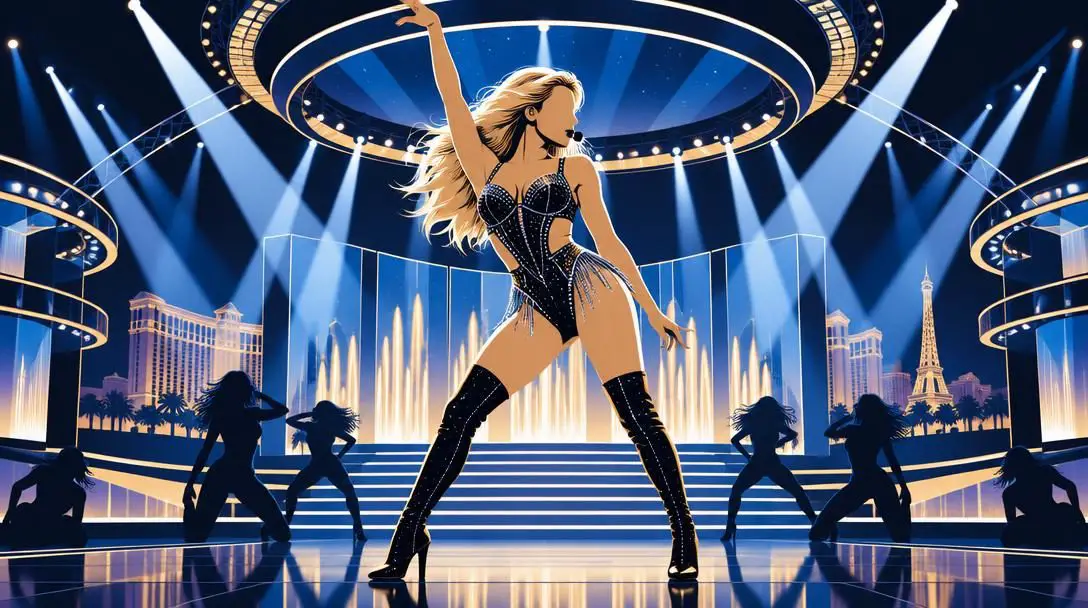
- Industry title: The Princess of Pop
- Signature hits: …Baby One More Time, Toxic, Womanizer
- Incident location: Las Vegas concert residency (2014)
Known throughout the global music industry as the Princess of Pop, Britney Spears built a career anchored in groundbreaking music videos, record-breaking pop anthems, and athletic, stadium-scale choreography. Because her live shows focus relentlessly on complex dance routines, audiences have long acknowledged that her concerts rely on backing tracks to sustain energy throughout a multi-hour set.
Even within an environment where track assistance was widely accepted, a notable incident during her 2014 Las Vegas residency drew intense scrutiny from fans and industry observers. During a performance of the emotional ballad “Perfume,” the audio operator inadvertently triggered an alternate studio guide track. Instead of Spears’s recorded voice, the venue's house speakers blasted a demo version sung by the song's co-writer, Australian recording artist Sia. Recognizing that an entirely different singer’s voice was filling the auditorium, Spears’s management team took swift measures to scrub the audio from online platforms. However, concertgoers had already distributed the footage across social media. Despite the indisputable audio mismatch, Spears suffered minimal career fallout. Her fans had long embraced her concerts as visual and dance spectacles rather than raw acoustic recitals, allowing her residency to remain a lucrative commercial success.
Beyoncé

- Event: Second Presidential Inauguration of Barack Obama
- Performance: The Star-Spangled Banner
- Venue: United States Capitol, Washington, D.C.
Widely regarded as one of the most technically gifted and disciplined vocalists in pop history, Beyoncé rarely faces questions regarding her live vocal competence. Yet even the most accomplished vocalists occasionally deploy prerecorded audio when the logistical stakes of an event leave no room for technical error.
The situation unfolded during the ceremonial proceedings for the second presidential inauguration of United States President Barack Obama at the Capitol. Tasked with delivering the national anthem before a global television audience, Beyoncé offered an immaculate, pitch-perfect rendition. Shortly after the ceremony concluded, reports emerged that she had lip-synced alongside a prerecorded studio track rather than singing completely live. Demonstrating remarkable poise, Beyoncé addressed the media directly and confirmed the reports. She explained that due to tight scheduling and her simultaneous preparations for the upcoming Super Bowl halftime show just days later, she had not had sufficient time to rehearse alongside the United States Marine Band. Unwilling to risk an audio compromise during such an important historical moment, she chose to use her recorded safety track. Because she handled the admission with complete candor and possessed indisputable live vocal talent, the public and music critics dismissed the controversy almost immediately.
How live audio systems and playback actually work
Modern live sound production is a complex engineering discipline where acoustic variables, wireless radio frequencies, and computer automation interact in real time. Understanding why artists rely on playback requires a closer look at the underlying technology supporting large-scale concert tours and television broadcasts.
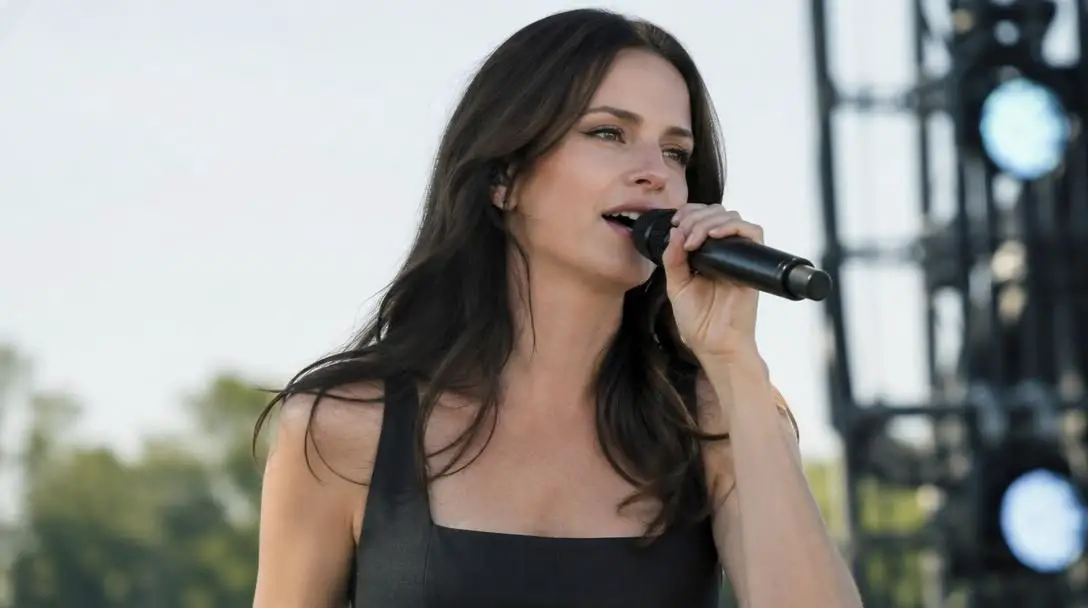
At the center of any modern stage configuration are in-ear monitors (IEMs). These custom-molded listening devices sit inside the performer's ear canals, replacing traditional floor wedge speakers. IEMs provide a personalized mix of the vocalist’s own microphone, key pitch reference instruments, and click tracks that keep musicians locked into the proper tempo. In an arena filled with screaming spectators and reverberant echo, an artist relying on ambient sound alone would struggle to maintain pitch. If the IEM system drops out, experiences radio interference, or delivers a distorted mix, a vocalist can easily lose their place in the song.
Behind the soundboard, audio engineers utilize dedicated software to run separated vocal and instrumental stems. Rather than relying on a single stereo track, production crews split recordings into distinct elements:
- Guide vocals: A complete, prerecorded vocal pass used for sound checks or emergency track replacement.
- Vocal doubles and harmonies: Recorded vocal layers that support the artist’s live voice during energetically demanding choruses.
- Click and slate tracks: Inaudible audio cues that count musicians into sections and guide lighting automation.
- Live lead microphone: An active microphone channel processed with real-time compression and EQ, managed by the front-of-house engineer.
Depending on the artist's physical exertion and the venue's broadcast constraints, audio engineers can smoothly blend these stems. In some instances, the live microphone remains wide open while recorded doubles reinforce the chorus. In high-risk television appearances, the production team may choose full playback, muting the physical microphone entirely and routing a pre-taped studio master directly to the broadcast truck to guarantee sonic perfection.
Practical steps for performers managing live sound challenges
Delivering a consistent live performance while minimizing the risk of catastrophic audio glitches requires clear technical preparation and seamless communication between the artist and crew.
- Establish independent monitoring routines: Work directly with a dedicated monitor engineer prior to performance day. Dial in a custom in-ear mix that emphasizes pitch-reference instruments, such as piano or rhythm guitar, and ensure crowd-bleed protection is active.
- Conduct thorough on-site sound checks: Test the acoustics of the venue directly. Rehearsing in an empty arena allows engineers to pinpoint frequencies that cause feedback, evaluate acoustic latency, and adjust equalization curves to compensate for venue reflections.
- Structure setlists around vocal endurance: Arrange musical sequences strategically. Intersperse intense, choreographed dance tracks with stationary ballads to allow the performer adequate time to catch their breath and maintain vocal cord control.
- Deploy failsafe playback systems: Run redundant, synchronized computer playback rigs simultaneously. Professional tours utilize automated switchers so that if the primary playback machine crashes, the secondary machine seamlessly assumes the audio stream without drops or skips.
- Establish clear stage signals: Develop subtle, non-verbal hand gestures between the performer, monitor engineer, and musical director. Discrete gestures can signal the need for more vocal volume in the monitors or indicate that a microphone has lost power without alerting the audience.
Common mistakes when handling live playback
When live productions fail, the breakdown rarely stems from the decision to use backing tracks alone; rather, it results from poor technical execution, human error, or inadequate emergency planning. Production teams frequently stumble into several recurring traps:
- Mislabeling audio stems and setlists: Operating digital playback software without rigorous naming conventions can lead an engineer to trigger the wrong song or cue an unapproved vocal take over the main sound system.
- Failing to prepare live backup alternatives: Leaning entirely on automated playback without preparing the band to transition into an unassisted live arrangement leaves an artist completely helpless if the computers freeze.
- Panicking during an unexpected malfunction: When technical glitches happen, running off the stage or performing incongruent movements immediately signals to the audience that a deception has collapsed, transforming a technical hiccup into a viral headline.
- Relying on unfamiliar house personnel: Touring artists who do not travel with their own dedicated monitor and front-of-house engineers often face miscommunications with venue staff who are unfamiliar with the show's complex audio cues.
- Mismatching live and studio equalization: Blending an uncompressed, dynamic live microphone with an overly polished, heavily compressed studio backing track creates a jarring acoustic difference that exposes vocal replacement immediately.
Frequently asked questions
Why do talented, world-class singers use lip-syncing during live events?
Even exceptional vocalists encounter practical limitations, including extreme dance choreography, illness, severe weather, and difficult stadium acoustics. In high-stakes broadcast environments like the Super Bowl or a presidential inauguration, production producers often mandate prerecorded tracks to prevent unpredictable audio errors.
What is the difference between vocal doubling and full playback?
Vocal doubling involves a singer performing live into an active microphone while a prerecorded backing track plays underneath to thicken choruses or add harmonies. Full playback occurs when the live microphone is muted or absent, and the performer simply mouths along to an existing studio recording.
Can an artist lose an award for lip-syncing?
Yes. The most prominent example is Milli Vanilli, who were stripped of their 1990 Grammy Award for Best New Artist after it was revealed that they did not sing on their records. However, modern awards rarely penalize artists for using backing tracks during live promotional performances.
Why do faulty in-ear monitors cause artists to stop singing?
In massive concert arenas, ambient crowd noise and delayed sound reflections from the back of the venue make it impossible for singers to hear themselves naturally. If an in-ear monitor fails, the artist cannot hear the key or tempo, making it nearly impossible to sing on pitch.
Why did Beyoncé choose to use a recorded track at the Presidential Inauguration?
Beyoncé chose to use a prerecorded take because she had insufficient time to rehearse with the Marine Band prior to the ceremony. Balancing her schedule against rehearsals for the upcoming Super Bowl halftime show, she used the safety track to ensure an error-free performance for a historic global broadcast.
The bottom line
Lip-syncing and vocal augmentation remain complex, deeply scrutinized aspects of modern entertainment. While audiences appreciate the unvarnished authenticity of an unassisted vocal, contemporary stadium tours and high-profile television broadcasts demand visual pageantry, relentless physical movement, and studio-grade sound. When technical breakdowns expose the machinery behind the performance, the outcome depends on the artist's transparency and established vocal talent. While technical failures can extinguish a rising career that relies on deception, seasoned performers who maintain honesty and proven vocal ability can overcome an on-stage glitch and preserve their artistic legacy.