5 Bone-Chilling Call of Duty Swatting Incidents
Competitive online gaming in titles like Call of Duty has long featured intense rivalries, boasting, and trash talk. Decades of competitive gaming have established banter as a common fixture of multiplayer lobbies, but as digital ecosystems have evolved, the boundary between virtual competition and real-world danger has increasingly blurred. Anonymity, combined with unchecked toxicity and fragile egos, creates an environment where petty digital disagreements can quickly spill over into genuine physical danger.
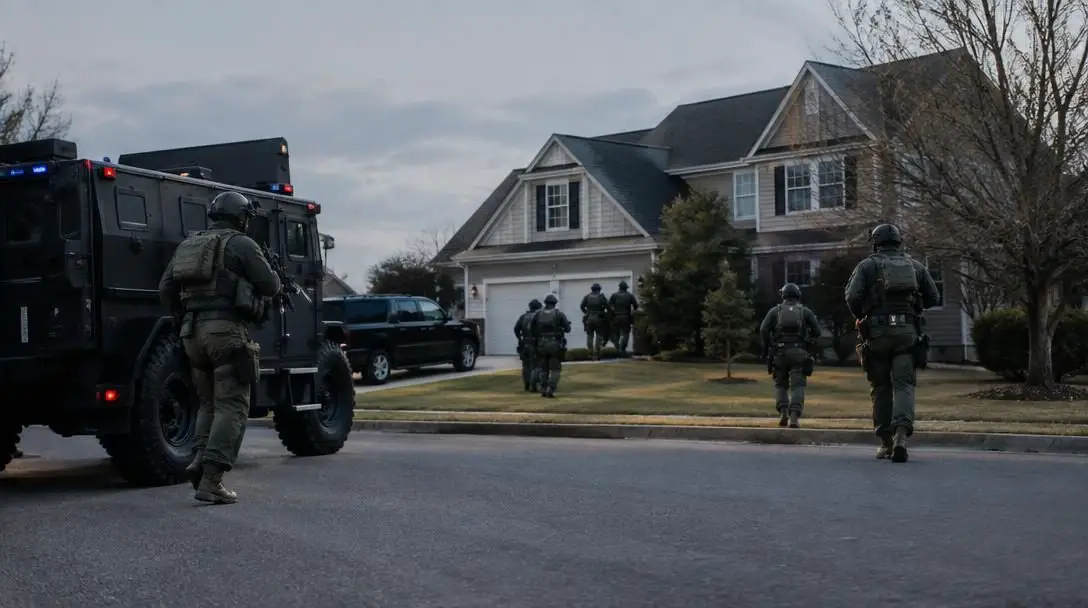
The most hazardous manifestation of this toxicity is swatting, a deceptive harassment technique where an individual contacts emergency dispatchers with fabricated reports of catastrophic crimes. By claiming that an active hostage situation, homicide, or explosive threat is unfolding, perpetrators trick local police departments into deploying heavily armed tactical units to an unsuspecting target's home. These armed encounters take place under peak tension, where any minor movement can trigger catastrophic consequences for innocent players, streamers, and bystanders.
Key takeaways
- Swatting weaponizes municipal emergency dispatchers by fabricating high-priority crises like hostage situations, homicides, or bomb threats to trigger tactical police responses.
- A petty Call of Duty wager match dispute directly led to the 2017 fatal police shooting of Andrew Finch, an innocent bystander who had no connection to the game.
- Perpetrators utilize voice-over-IP services, caller ID spoofing, and anonymizing proxies to mislead dispatchers and evade law enforcement detection.
- Audience size offers no immunity against swatting attacks, with victims ranging from nationally ranked esports professionals to creators with only a few dozen viewers.
- Proactive digital hygiene, including network masking, scrubbing personal records, and refusing to escalate toxic in-game interactions, remains the most effective defense against doxxing.
High-profile Call of Duty swatting incidents at a glance
Over the years, several high-profile incidents have demonstrated the extreme hazards associated with malicious emergency hoaxes within the Call of Duty community. The following table highlights the targets, context, and ultimate outcomes of these encounters.
| Target | Player profile | Reported emergency | Outcome and resolution |
|---|---|---|---|
| Andrew Finch | Uninvolved bystander | Fictitious armed hostage scenario | Fatally shot by responding police; caller received 20 years in federal prison |
| Brad Overbey | Gaming content creator | Fabricated violent domestic crisis | Targeted twice during live broadcasts; safely de-escalated armed police response |
| James Eubanks | Professional esports athlete | Repeated bomb and hostage claims | Swatted more than six times; caller identity shielded by advanced proxy tools |
| Max and Victoria Zeisberg | Small-scale live streamers | Fictitious spousal homicide confession | Tactical weapons pointed at home; suspects never identified despite small viewership |
| Rafael Castillo | Casual competitive gamer | Fabricated matricide and shooting threat | Two-hour neighborhood standoff involving 60-plus officers while victim wore headphones |
Documented Call of Duty swatting incidents
While swatting has impacted many online gaming communities, the high-stakes, fast-paced nature of Call of Duty has repeatedly served as the catalyst for these dangerous encounters. Examining specific cases illustrates the extreme volatility of these hoaxes.
Andrew Finch
- Year: 2017
- Location: Wichita, Kansas
- Key figures involved: Tyler Barriss, Casey Viner, Shane Gaskill
- Primary sentence handed down: 20 years in federal prison
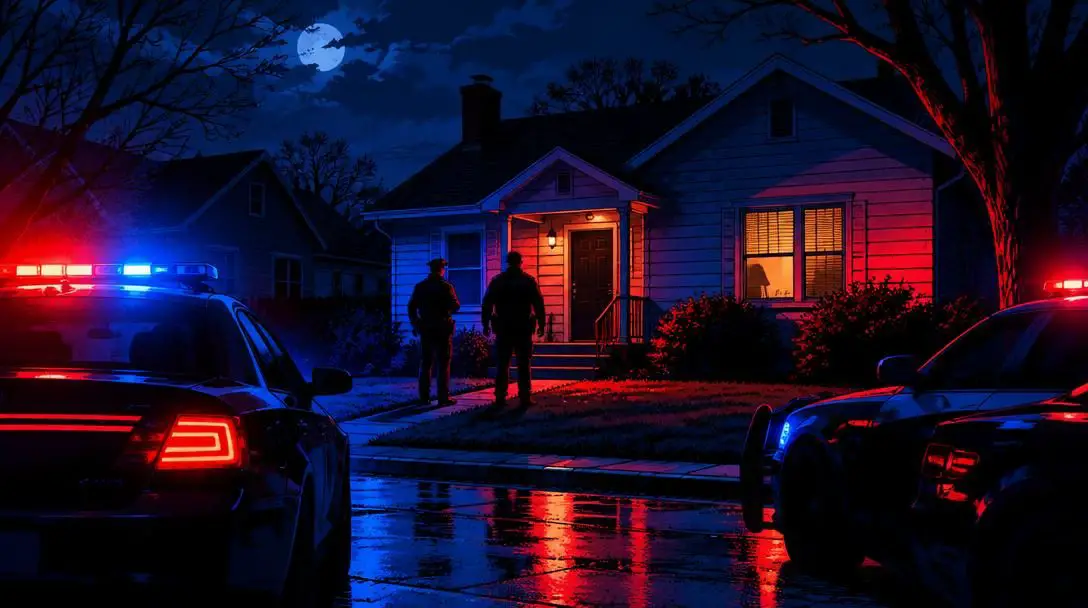
The December 2017 death of Andrew Finch stands as the most devastating swatting event in gaming history. The incident originated not from high-stakes criminal intrigue, but from an ordinary, petty disagreement between two Call of Duty players, Shane Gaskill and Casey Viner, following an online match. As the argument escalated, threats of swatting were exchanged. Gaskill mocked Viner, daring him to execute the threat, and provided an old address associated with his past residence to test Viner's resolve.
Rather than dropping the argument, Viner solicited Tyler Barriss, a serial swatting perpetrator with a history of calling in fake threats. Barriss placed a fraudulent call to the Wichita Police Department, claiming that an active hostage situation was underway and that a family member had already been murdered inside the residence. When tactical officers surrounded the property, they believed they were confronting a dangerous, armed killer. When Andrew Finch, an innocent man completely unaffiliated with Call of Duty, Gaskill, or Viner, walked out onto his porch to investigate the flashing lights outside, an officer discharged his weapon, fatally striking Finch. The legal aftermath resulted in historic penalties: Barriss received a 20-year prison sentence, Viner was sentenced to 15 months, and Gaskill received an 18-month sentence.
Brad Overbey

- Incident years: 2019 and 2020
- Platform: YouTube live stream
- Target profession: Gaming video creator
- Frequency: Targeted on two separate occasions
Online video creators and live streamers represent frequent targets for swatting due to the public nature of their broadcasts. Brad Overbey experienced this terror firsthand while playing and broadcasting Call of Duty matches to his community. In both 2019 and 2020, bad actors contacted emergency services with fabricated claims regarding Overbey's residence, prompting heavily armed law enforcement teams to mobilize to his front door.

Because these calls occurred while Overbey was broadcasting, he had to abruptly cut his stream short and navigate the dangerous process of de-escalating an armed police response. Explaining to officers that an emergency report is entirely fraudulent requires absolute composure, as any sudden motion can be misinterpreted as hostile by officers trained to handle active threats. While Overbey managed to resolve both incidents without physical harm, the psychological toll was profound. He continues to produce content centered on shooting games, though he maintains constant vigilance against future harassment.
Because responding tactical units operate under the assumption that they are entering an active, deadly shootout, split-second misunderstandings can turn routine gaming sessions into fatal disasters.
James Eubanks

- Competitive standing: Nationally ranked professional player
- Total incidents: More than six separate occurrences
- Nature of threats: Hostage situations and explosive devices
As an elite, nationally ranked competitor in the Call of Duty scene, James Eubanks regularly streamed his gameplay to showcase top-tier competitive mechanics and team strategies. However, his prominent profile in competitive esports made him an ongoing target for persistent harassers. Over the course of his gaming career, Eubanks has been swatted more than a half dozen times at his home.
The callers responsible for targeting Eubanks escalated their claims to guarantee maximum emergency response levels, informing dispatchers that he was holding hostages at gunpoint or preparing to detonate explosive devices. Each fabricated report forced local law enforcement into a state of high alert, repeatedly placing Eubanks and his household in extreme jeopardy. Despite multiple investigations, the individuals behind these repeated harassment attacks have eluded capture, utilizing advanced digital masking software to obscure their geographical origin and identities.
Max and Victoria Zeisberg
- Incident year: 2014
- Audience size: A few dozen active viewers
- Fabricated report: Impersonation confession of spousal murder
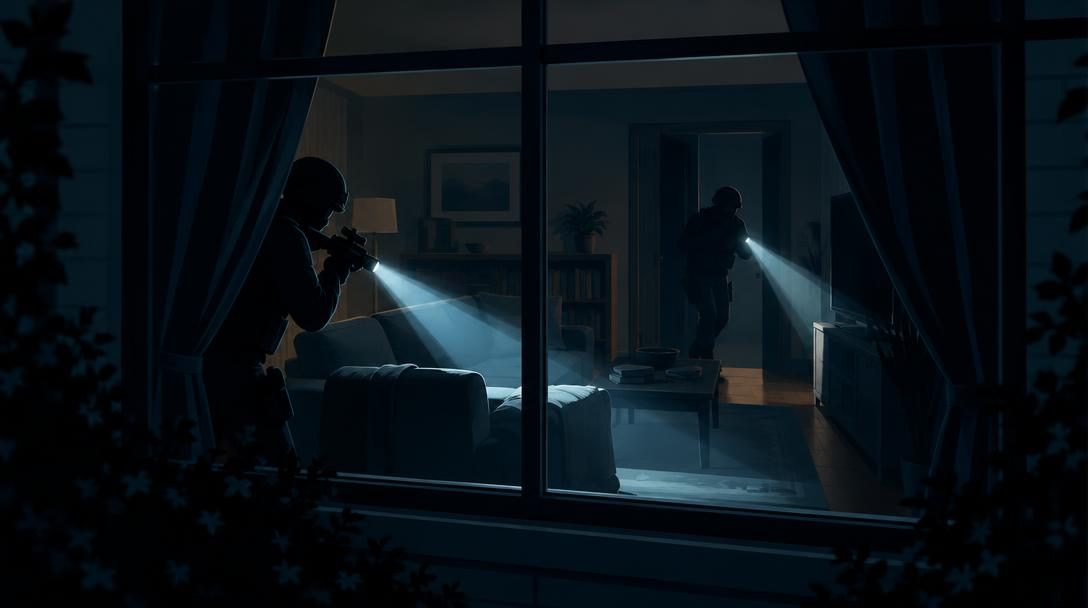
A prevalent misconception within the streaming space is that swatting only affects widely known public figures or top-tier influencers. Max and Victoria Zeisberg proved that assumption wrong in 2014 when their modest broadcast became the target of a full-scale tactical raid. While broadcasting a gaming session to an audience of only a few dozen spectators, a bad actor contacted emergency dispatchers while impersonating Max, claiming he had just murdered his wife.
Local law enforcement surrounded the couple's home, drawing shotguns, handguns, and tactical rifles directly toward the house. After a harrowing confrontation, police searched the residence, verified that Victoria was alive and uninjured, and determined that the call was entirely fabricated. Despite the tiny audience size, an anonymous bad actor was able to orchestrate a major emergency mobilization, demonstrating that hobbyist creators with modest followings face the same risks as massive gaming stars. The perpetrator behind the hoax was never captured.
Rafael Castillo

- Location: Long Island, New York (Nassau County)
- Tactical response: Special Operations unit and over 60 officers
- Standoff duration: Approximately two hours
- Catalyst: Defeated opponent in an online match
The incident involving Rafael Castillo underscores how petty resentment over a lost match can spiral into a massive waste of public safety resources. After securing a hard-fought victory in Call of Duty, Castillo's defeated opponent took the loss personally. Refusing to accept defeat, the disgruntled competitor identified Castillo's address and contacted local authorities, impersonating Castillo and reporting that he had just murdered his mother and intended to kill others inside the residence.
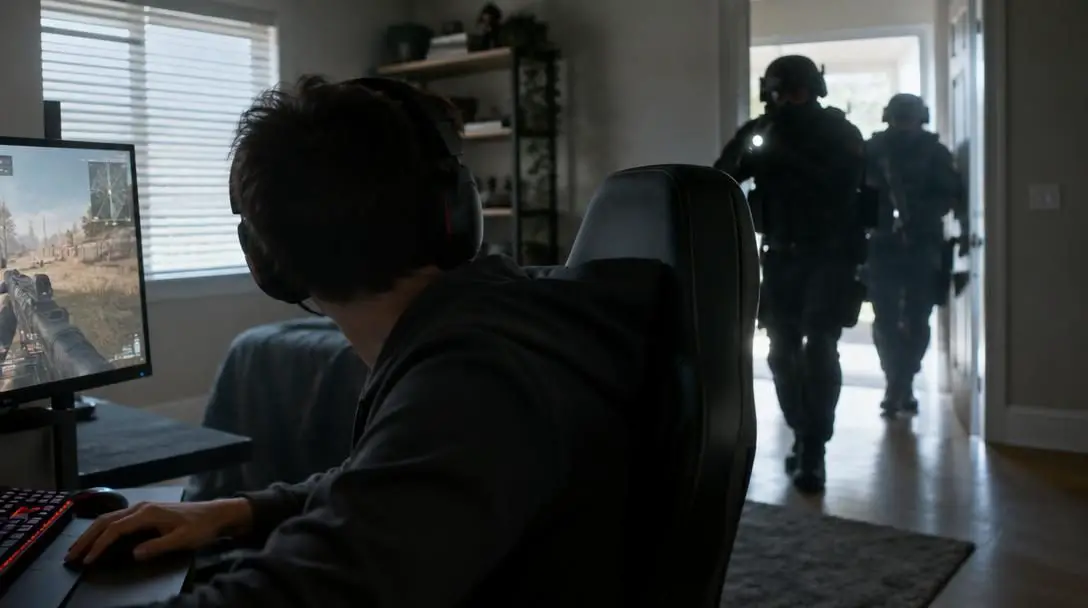
Nassau County law enforcement took the threat with utmost seriousness, dispatching over 60 police officers alongside their Special Operations unit, effectively shutting down the surrounding residential neighborhood. Throughout the initial stages of the response, Castillo was completely unaware of the massive police presence outside because he was wearing noise-canceling gaming headphones. A tense two-hour standoff unfolded outside the home while officers prepared for a potential shootout. The situation finally resolved when officers confirmed his mother was completely safe and unhurt, establishing that the entire event was an elaborate hoax. The caller behind the incident remains unidentified.
How swatting hoaxes exploit emergency dispatch systems
Swatting is far more complex than an ordinary prank phone call; it is a calculated manipulation of municipal public safety infrastructure designed to force an armed confrontation. Attackers systematically exploit structural vulnerabilities within emergency response protocols to achieve their goals.
- Caller ID spoofing: Malicious callers use Voice over Internet Protocol (VoIP) platforms and caller-spoofing software to falsify their transmission data. This leads dispatch computer screens to display the victim's personal phone number or home address, creating the false impression that the call is originating from inside the residence.
- Fabrication of extreme scenarios: 911 dispatchers must prioritize active, violent felonies over general inquiries. Swatters deliberately report horrific crimes—such as homicides, active shooters, planted explosives, or hostage scenarios—knowing that these specific reports legally obligate dispatchers to bypass standard callbacks and dispatch immediate tactical units.
- Exploitation of doxxing data: Before placing a call, perpetrators harvest personal information through unmasked IP addresses, data broker websites, public voter records, or social media check-ins, allowing them to provide dispatchers with precise home layouts, family names, and street descriptions.
- Digital masking networks: Sophisticated swatters route their communications through multiple proxy servers, VPN chains, and encrypted communication tools, severely hindering investigators from tracing the geographical origin of the call in real time.
Essential steps to safeguard personal privacy while gaming
While the responsibility for swatting lies entirely on the criminals who make the calls, taking active precautions to secure your private digital footprint significantly minimizes your risk profile. Players and content creators should implement fundamental digital security protocols to prevent bad actors from locating their physical homes.
- Deploy a Virtual Private Network (VPN): Mask your actual residential IP address while connected to online gaming lobbies or voice communication servers. Peer-to-peer game architectures can expose your raw IP address to other players, which bad actors can leverage to pinpoint your general physical location.
- Audit and scrub public personal records: Search your gamertags, legal name, and aliases across data aggregation services, voter registries, and phone directories. Submit opt-out requests to data brokers to remove your physical street address from public search engines.
- Conceal physical environmental markers on camera: If you stream video content, thoroughly review your camera framing. Ensure that delivery mail, medication labels, regional utility merchandise, visible window landscapes, or local school memorabilia are completely absent from your stream background.
- Maintain environmental awareness during play: Avoid using fully isolated noise-canceling headphones at maximum volume. Keeping one ear partially open or using ambient audio modes prevents you from being oblivious to emergency vehicle sirens or sudden commotion outside your home.
- De-escalate and disengage from hostile players: Never participate in back-and-forth insults or challenge an aggressive player to follow through on threats. Use in-game muting and reporting tools immediately to break contact before toxic opponents attempt to find your personal details.
Common digital hygiene mistakes online players make
Even seasoned gamers frequently commit simple errors that allow malicious actors to assemble enough clues to unmask their real-world identity. Avoiding these common habits provides an essential layer of baseline defense.
- Assuming a small audience guarantees safety: As proven by the incident involving Max and Victoria Zeisberg, attackers do not restrict their targeting to celebrity creators. Small lobbies and modest streams can harbor volatile individuals who act out regardless of channel size.
- Reusing identical usernames across accounts: Registering the exact same alias on gaming platforms, streaming channels, community forums, and personal social media makes cross-referencing your real identity simple for anyone with internet access.
- Sharing granular real-time life updates: Posting photos of local takeout food, tagging nearby neighborhood establishments, or discussing specific local weather anomalies on social media provides attackers with the exact data needed to triangulate your municipal location.
- Attempting to call an opponent's bluff: Daring an angry gamer to carry out a threat or intentionally providing a false address—as happened in the Andrew Finch tragedy—can lead to disastrous outcomes for completely innocent third parties.
Frequently asked questions
What legal penalties do swatting perpetrators face?
Swatting is treated as a major federal and state crime that carries severe consequences. Charges often include conspiracy, wire fraud, giving false information to law enforcement, and obstruction of justice. Perpetrators can face decades in federal prison, as illustrated by Tyler Barriss's 20-year prison sentence following the fatal Wichita incident.
Why don't 911 dispatchers verify calls before sending SWAT teams?
Dispatchers are trained to treat incoming emergency reports involving active violence, murder, or explosives as urgent crises where every second counts. Because caller ID spoofing makes fraudulent calls appear genuine, dispatch protocols prioritize public safety by deploying armed response units immediately rather than delaying action to verify caller legitimacy.
Can gamers alert local police beforehand about swatting risks?
Yes. Many municipal police departments and emergency dispatch centers permit local content creators and online personalities to register their physical addresses on non-emergency watchlists. This informs dispatchers that the residence is a potential target for swatting, prompting additional verification protocols if an anonymous emergency call is received.
How do swatters locate a gamer's physical home address?
Attackers acquire personal addresses through a process called doxxing. They exploit unsecured peer-to-peer network connections to extract IP addresses, cross-reference recycled usernames on data broker search engines, sift through social media posts for neighborhood clues, or purchase leaked account credentials on the dark web.
The bottom line
Swatting remains one of the most perilous consequences of modern online toxicity, converting petty competitive frustrations into terrifying real-world crises. The weaponization of public emergency infrastructure places enormous strain on law enforcement and exposes gamers, content creators, and innocent bystanders to acute psychological and physical harm.
While the judicial system continues to impose severe penalties on convicted swatters, technological safeguards have not completely eliminated the threat. Maintaining strong digital security habits, keeping competitive disputes strictly confined within game boundaries, and proactively protecting personal address data remain every online gamer's most critical defense.