Discovering the World of Virtual Reality Gaming: A Guide to VR Headsets and Games
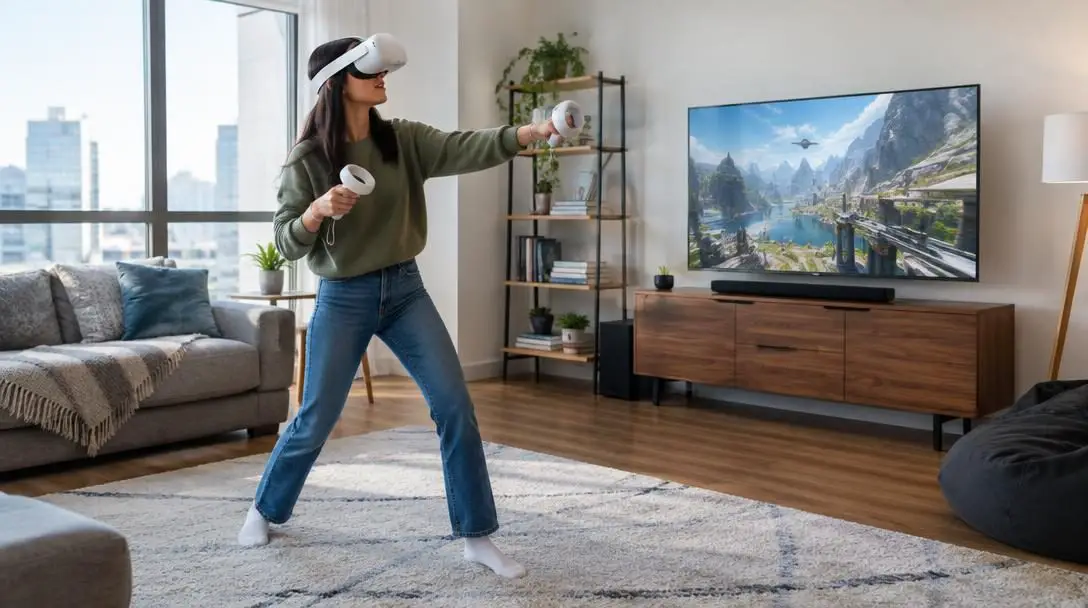
The concept of simulated worlds once belonged exclusively to science fiction, but modern engineering has turned theoretical science into accessible, transformative consumer entertainment. Stepping inside an interactive three-dimensional environment no longer requires a research facility or massive computer mainframes. Instead, sleek headsets and sophisticated software allow players to explore digital frontiers straight from their living rooms, whether seeking high-octane physical rhythm challenges, sprawling story campaigns, or serene sensory puzzles.
Navigating the sheer variety of hardware platforms, standout game titles, and technical configurations can be daunting for newcomers. Understanding how the underlying technology operates, which headsets match your budget, and how to calibrate your physical play space ensures you build a safe, comfortable, and deeply immersive home gaming setup.
Key takeaways
- Modern virtual reality creates immersion by combining stereoscopic displays, low-latency motion tracking, and dynamic spatial audio.
- Leading hardware options range from standalone, budget-conscious headsets to high-fidelity, PC-tethered premium platforms.
- Standout titles span diverse genres, including physics-driven puzzle shooters, tactile rhythm experiences, and grand action adventures.
- Proper room calibration, boundary setup, and lighting management are critical to prevent physical injury and ensure tracking accuracy.
The evolution of simulated reality
Virtual reality was once something that was merely mentioned by science fiction works during the early 20th century. During that speculative era, authors and visionaries who wrote about simulated worlds were not sure if the technology would ever truly exist, let alone what it would eventually look like in practice. For decades, the concept remained largely theoretical, confined to speculative stories, laboratory experiments, and specialized research programs that explored early computational imaging.
Early attempts at artificial sensory environments required enormous resources. In those early stages, one would have to be part of an organization like NASA to interact with virtual environments, working alongside heavy equipment, complex mainframe setups, and an overwhelming mass of cables. These historical setups were unwieldy, expensive, and completely out of reach for everyday consumers who enjoyed interactive entertainment.
Now well into the 21st century, virtual reality represents the future of interactive entertainment. Bulky prototypes have transformed into affordable, portable consumer electronics. Modern engineering has refined display miniaturization, low-latency wireless transmission, and onboard algorithmic processing, making these devices practical additions to standard home living spaces.
Modern virtual reality delivers fully immersive environments without requiring scientific lab equipment, making it possible for players to step into digital worlds from their living rooms.
How virtual reality hardware works
At its core, a virtual reality headset operates by replacing the player's physical visual and auditory surroundings with a digitally generated simulation. Inside the device, specialized display screens project separate stereoscopic views to each eye. The user's brain processes these two slightly offset images into a single cohesive visual field with natural depth perception, creating an authentic sense of physical presence within a computer-generated space.
Motion tracking is equally vital for total immersion. Modern headsets utilize internal sensors and cameras to continuously monitor the position and orientation of the wearer's head. When you lean forward, look toward the ceiling, or turn your body, the software updates the viewpoint virtually instantaneously. Optical camera arrays mounted directly on the visor track physical controllers and spatial movement, translating real-world arm motions into digital hand gestures without requiring external tracking rigs.
Spatial audio systems round out the experience by manipulating directional sound cues. Just as in physical reality, audio tracks adjust based on where the source is located relative to the listener's head. If a sound originates from your left or behind your shoulders, the internal audio processing ensures it reaches your ears with matching timing and volume, locking your senses firmly into the virtual environment.
Top virtual reality headsets
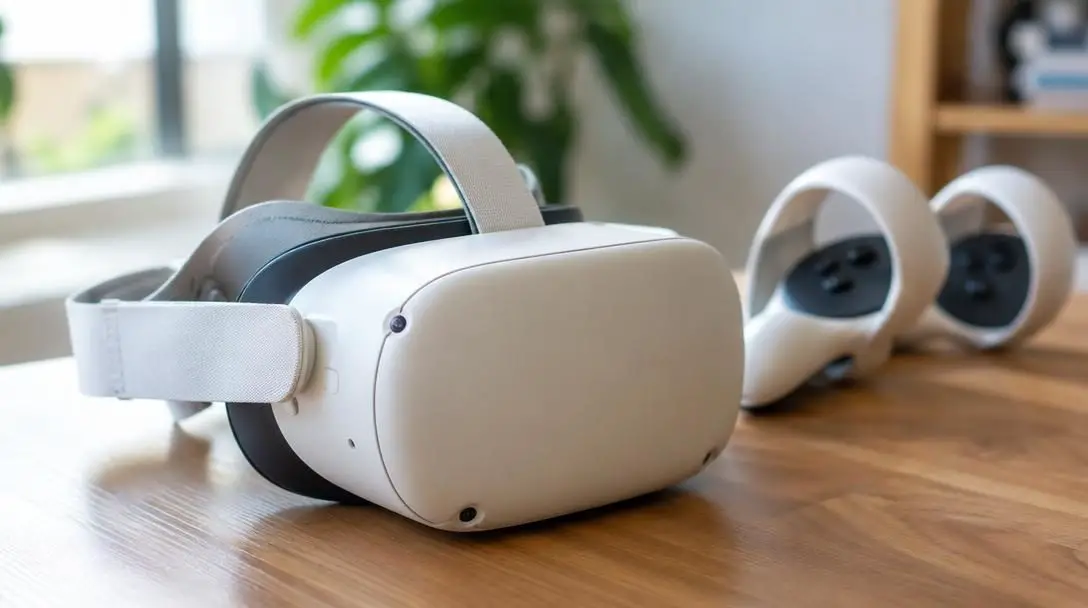
When shopping for a virtual reality headset today, several hardware platforms stand out as top choices, each serving distinct budgets, operating preferences, and technical ecosystems. Comparing baseline technical specifications helps buyers identify the right balance of affordability, visual clarity, and setup convenience.
| Headset | Introductory Price | Display Type | Key Features |
|---|---|---|---|
| Meta Quest | Around $400 | RGB LCD (Quest 2) | Android OS standalone; four infrared tracking cameras |
| Sony PlayStation VR | Approximately $550 | OLED HDR | Dedicated PS5 peripheral; four outward-facing tracking cameras |
| Valve Index | $1,000 | 1440x1600 LCD IPS | Ergonomic finger-tracking controllers; broad PC backward compatibility |
| HTC Vive | At least $1,400 | High-resolution displays | Durable premium construction; expansive game catalog |
| HP Reverb | $600 | 2160x2160 per eye | Proprietary display tech; ultra-crisp PC fidelity |
Meta Quest
- First Released: 2019 (Quest 2 upgrade in 2020)
- Introductory Price: Around $400
- Display: RGB LCD
- Operating System: Android
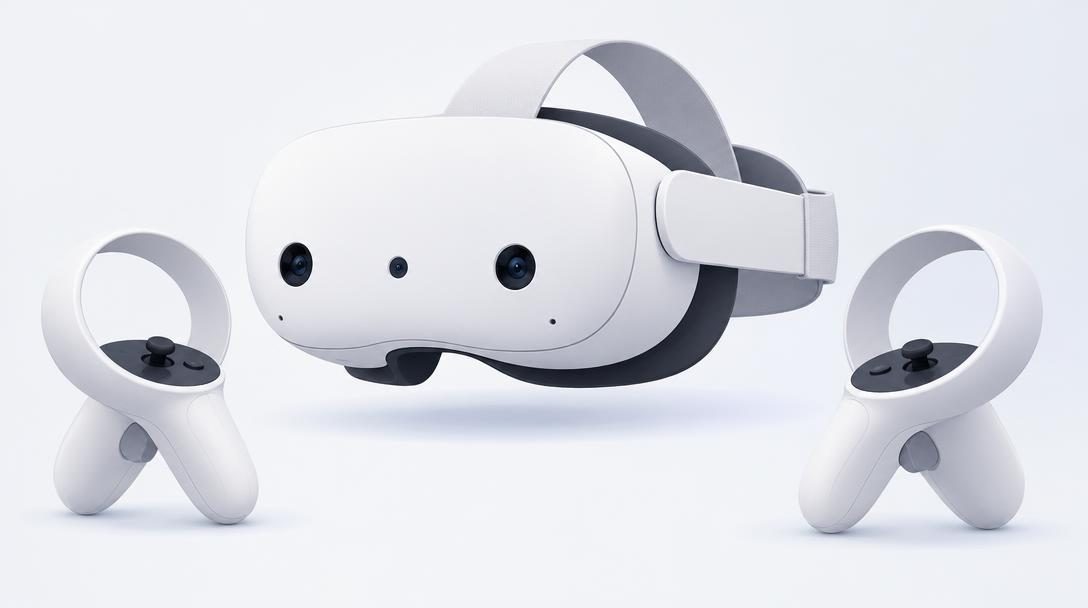
First released by Meta (formerly Facebook) in 2019, the platform received a significant upgrade the following year with the release of the Quest 2. This device features four infrared cameras along with an RGB LCD display that renders clean, sharp imagery. Operating directly on the Android system, the Quest provides users with a standalone experience that functions without a tethered computer, alongside access to exclusive software titles such as GOLF+ and Space Pirate Trainer. Starting at around $400, it remains one of the cheaper entry points into the hardware space.
Sony PlayStation VR
- Introductory Price: Approximately $550
- Display: OLED HDR
- Tracking: Four outward-facing cameras
- Platform: PlayStation 5
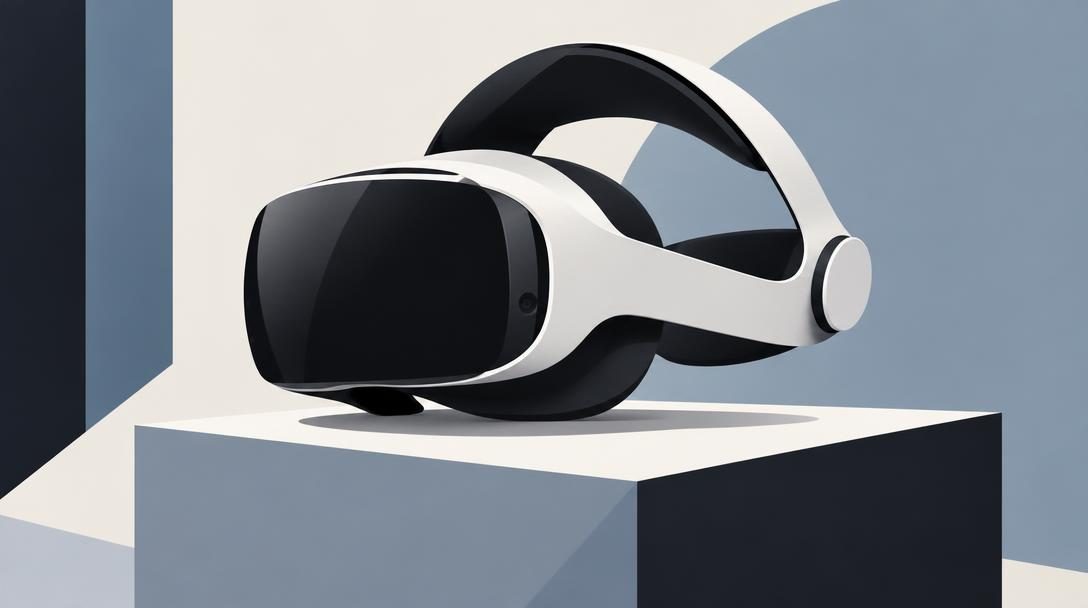
Recognizing the sheer power of the PlayStation 5 console upon its release and understanding its capability for running high-end virtual reality experiences, Sony developed this dedicated peripheral. The PlayStation VR hardware features an OLED HDR display paired with four outward-facing tracking cameras that follow controller movements seamlessly. Although its library started out somewhat limited in the beginning, the platform has grown substantially over time and carries an entry price tag of approximately $550, delivering console-powered visual fidelity directly to living room gamers.
Valve Index
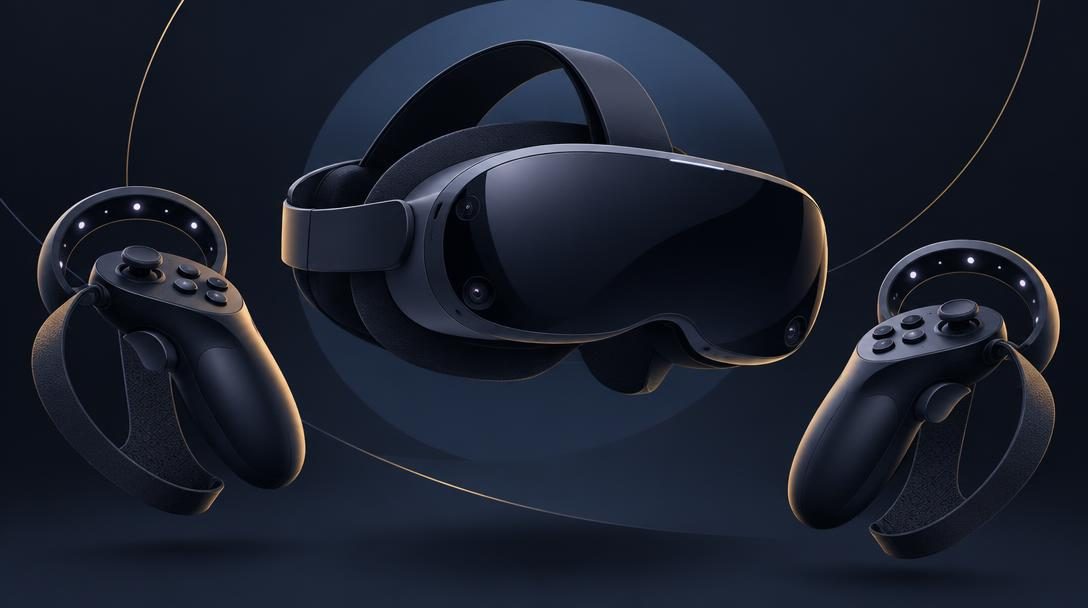
- First Released: 2019
- Introductory Price: $1,000
- Display: Dual 1440x1600 LCD IPS
- Compatibility: Computer titles with backward compatibility
Aimed directly at users seeking top-of-the-line performance, the Valve Index made its market debut in 2019. It has earned a reputation as the king of the jungle in premium gaming thanks to a pair of 1440x1600 LCD IPS displays coupled with exceptionally user-friendly, ergonomic controllers that feature natural finger tracking. Backed by backward compatibility and an extensive catalog of compatible computer titles, the Index delivers high-grade fidelity at an introductory price of $1,000 for demanding desktop enthusiasts.
HTC Vive
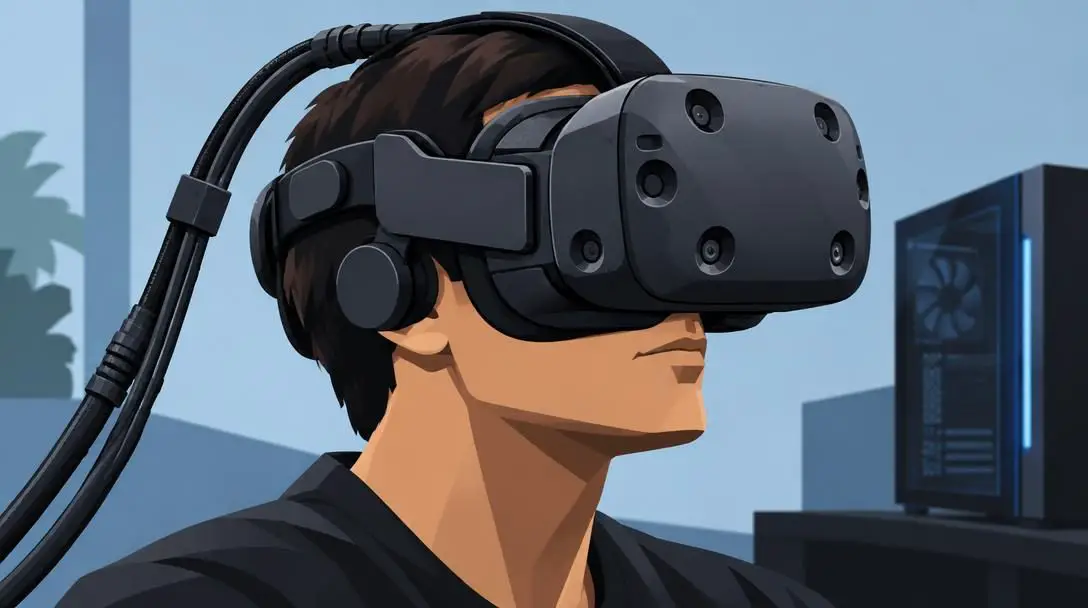
- First Released: 2016
- Introductory Price: At least $1,400 (modern high-end packages)
- Display: Massive display resolution
- Ecosystem: PC gaming
The HTC Vive established itself as one of the definitive standards of consumer virtual reality when it was first introduced back in 2016 with massive display resolution. Following several iterations and refinements across subsequent hardware generations, modern high-end Vive packages can cost at least $1,400. Many enthusiasts maintain that it is well worth the investment due to its durable premium construction and vast overall game selection across dedicated computer distribution storefronts.
HP Reverb
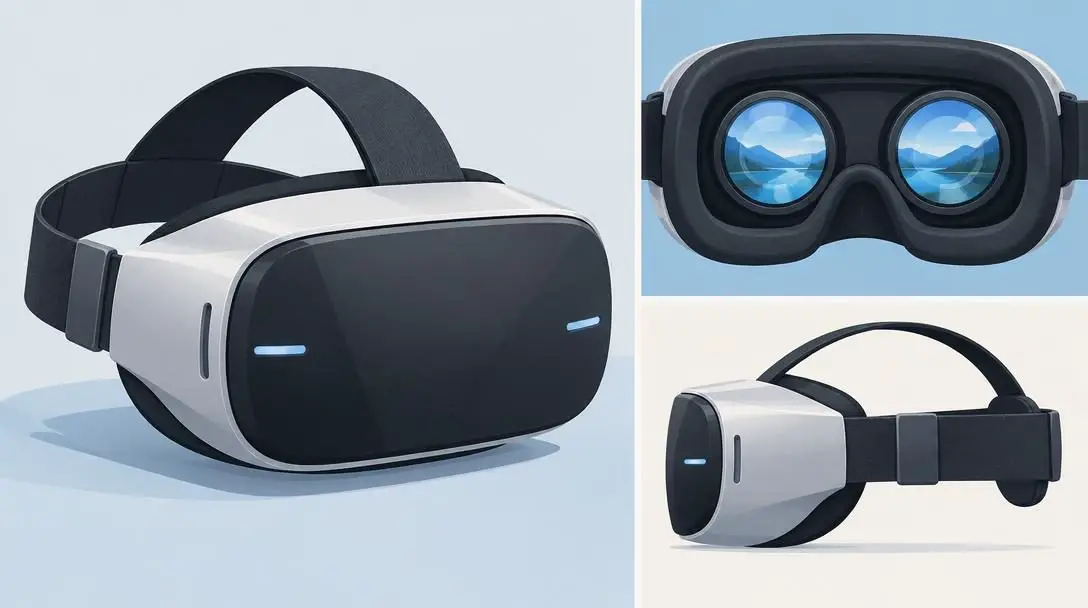
- First Released: Late 2020
- Introductory Price: $600
- Display: 2160x2160 resolution per eye
- Technology: Proprietary display technologies
Released in late 2020, the Reverb marked HP's ambitious foray into the consumer market. It delivers a sharp visual presentation driven by an ultra-crisp 2160x2160 display resolution per eye, powered throughout by the company's proprietary display technologies. Priced with an introductory cost of $600, it stands as an accessible, high-resolution option for home computer setups, offering fine visual detail for simulations and narrative adventures.
Essential virtual reality games
Finding the right hardware is only half the journey; experiencing virtual reality requires an engaging software library. Modern game developers have moved past shallow tech demonstrations to craft expansive story campaigns, rhythm sensations, and physics-driven environments. Several standout titles represent the gold standard of game design across modern platforms.
Half-Life: Alyx

The overarching Half-Life franchise is widely recognized as one of the most acclaimed video game series in history, leaving legions of fans waiting years for a follow-up to the legendary second installment. While Half-Life: Alyx does not serve as a direct numbered storyline sequel, it has earned widespread critical recognition as the best virtual reality game of all time. Stepping into the boots of titular franchise character Alyx, players navigate an intense campaign where they shoot their way through oppressive Combine forces and solve intricate, tactile environmental puzzles designed specifically around spatial interactivity.
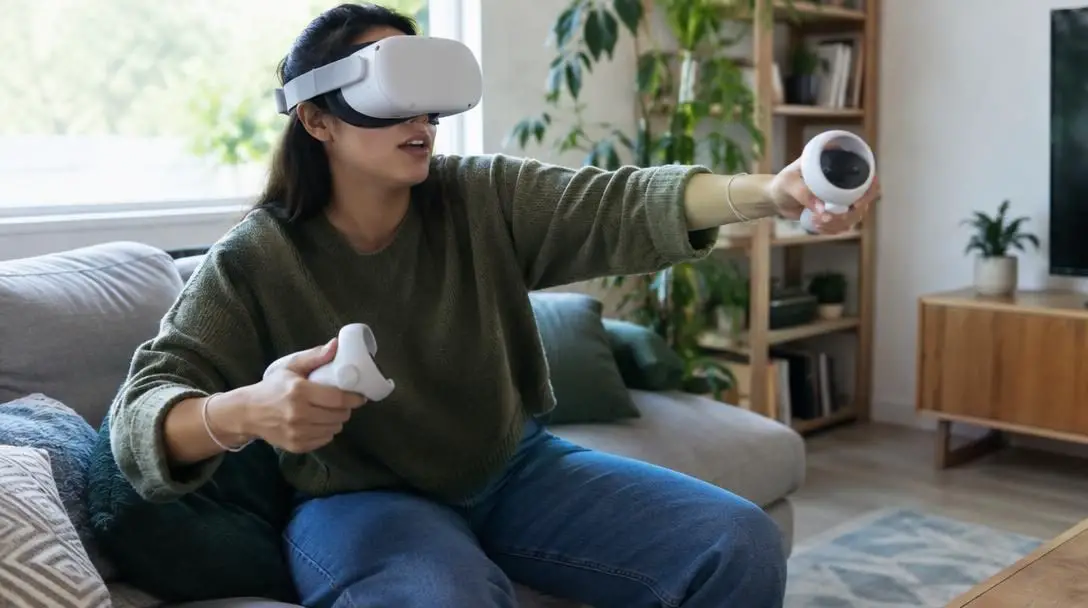
Beat Saber

Rhythm games have seen legendary landmarks over the decades, beginning with the original Guitar Hero on the PlayStation 2, continuing through Rock Band on next-generation systems, and arriving at Beat Saber in the modern era. Players grip dual motion controllers that act as glowing colored sabers, keeping pace with rhythmic beats from an assortment of popular tracks across varying levels of difficulty. The core action requires swift physical movement to slash incoming blue and red blocks along their indicated trajectory while dodging obstacles in a neon-drenched musical arena.
Astro Bot: Rescue Mission

When Sony launched its own hardware ecosystem, the company wanted an outstanding early release that would clearly demonstrate what the equipment was capable of achieving. Arriving in 2018, Astro Bot: Rescue Mission fulfilled that goal and has maintained its standing as one of the finest platformers and overall games playable in virtual reality. The title presents creative third-person platforming that wraps around the player's natural perspective, requiring players to physically look around floating platforms and peer around corners to guide the tiny titular bot to safety.
Tetris Effect
Over its long and storied lineage, the puzzle classic Tetris has taken many forms, but Tetris Effect stands out as the most stimulating version ever created for the senses. While available across standard flat-screen consoles since its debut, the game reaches its absolute zenith inside a headset. Virtual reality offers the single most immersive sensory presentation of its dynamic reactive music, emotional soundscapes, and breathtaking visual effects that burst and swirl around the player as lines are cleared.
Horizon: Call of the Mountain
Drawing upon one of Sony's premier exclusive intellectual properties, this title expands the vibrant post-apocalyptic Horizon franchise into full virtual simulation following two mainline adventures. Rather than controlling series protagonist Aloy, players assume the role of Ryas, a capable protagonist skilled in both technical archery and dangerous mountain climbing. The campaign allows users to physically pull bowstrings, aim arrows at towering mechanical beasts, and scale massive cliff faces with realistic two-handed climbing mechanics.
Practical steps for setting up your play space
Achieving a smooth, comfortable experience in your home requires careful preparation of both your physical surroundings and your equipment configuration. Proper calibration prevents hardware tracking drops and keeps you safe from accidental collisions.
- Measure and clear floor space: Inspect the area around you before turning on hardware. Push back coffee tables, clear loose rugs, and tuck away stray cables to ensure room for reaching and turning without striking furniture.
- Adjust headset ergonomics: Place the headset over your eyes and tighten the side and overhead straps so weight rests evenly against your forehead and cheeks. Utilize the physical interpupillary distance (IPD) adjustment dial or slider to align internal lenses directly with your pupils.
- Calibrate room-scale boundaries: Power on the device and utilize software configuration tools to trace the edge of your safe play zone, leaving a generous safety buffer between the edge of the virtual grid and real-world obstacles.
- Manage ambient lighting: Ensure your room has balanced, even lighting. Overly dark spaces or areas with intense direct sunlight shining through open windows can disrupt outward-facing tracking cameras.
- Start with brief sessions: Acclimate your body to simulated movement by limiting initial gaming sessions to short bursts, taking regular breaks to stay grounded and avoid fatigue.
Common mistakes to avoid
New users frequently encounter avoidable pitfalls that can detract from their enjoyment, risk equipment damage, or cause unnecessary physical discomfort during long play sessions.
- Pushing through discomfort: If an intense title begins to make you feel off-balance or disoriented, remove the headset immediately instead of trying to power through the sensation.
- Neglecting optical care: Wiping down optical lenses with abrasive paper towels, shirts, or chemical cleaning sprays can permanently scratch or strip protective optical coatings. Use only dry, clean microfiber cloths.
- Ignoring safety boundaries: Becoming engrossed in active titles makes it easy to disregard digital barrier warnings, risking bruised hands or broken controllers against walls.
- Storing headsets near direct sunlight: Exposing the headset's internal viewing lenses to open sun rays concentrates heat like a magnifying glass, burning the internal displays.
Frequently asked questions
Do I need a high-end computer to play virtual reality games?
Not necessarily. While headsets like the Valve Index, HTC Vive, and HP Reverb require a capable computer setup to render games, standalone headsets such as the Meta Quest run on their own built-in Android hardware without any PC connection. Console peripherals like the PlayStation VR run entirely off a PlayStation 5 console.
What is the most affordable way to get into home virtual reality?
The Meta Quest platform represents one of the most economical entry points, with an introductory price starting around $400. Because it operates on standalone hardware powered by Android, you do not need to buy an expensive gaming PC or video game console to begin playing.
How do virtual reality headsets track physical motion?
Modern headsets use internal motion sensors combined with outward-facing infrared or optical cameras mounted directly on the visor. These cameras scan the room to monitor head position and orientation, while simultaneously tracking the handheld controllers to reflect real-world movements in the digital space.
Why can direct sunlight damage a virtual reality headset?
The lenses inside a virtual reality headset focus light into your eyes, functioning exactly like magnifying glasses. If sunlight hits these internal lenses directly, the concentrated light acts as a heat beam that scorches and permanently ruins the delicate display panels behind them within seconds.
What should I do if I feel dizzy or disoriented during gameplay?
Take the headset off immediately at the first sign of discomfort. Trying to force yourself through disorientation often makes motion fatigue worse. Resting in a well-lit physical space and taking short, gradual sessions will help your body adapt naturally over time.
The bottom line
Virtual reality gaming has evolved from laboratory mainframes into accessible consumer hardware that provides unprecedented immersion. By pairing a headset that matches your budget with thoughtful play space calibration and standout titles, you can safely explore vibrant digital worlds right from your home.