5 Celebrities Who Are Obsessed With Warhammer
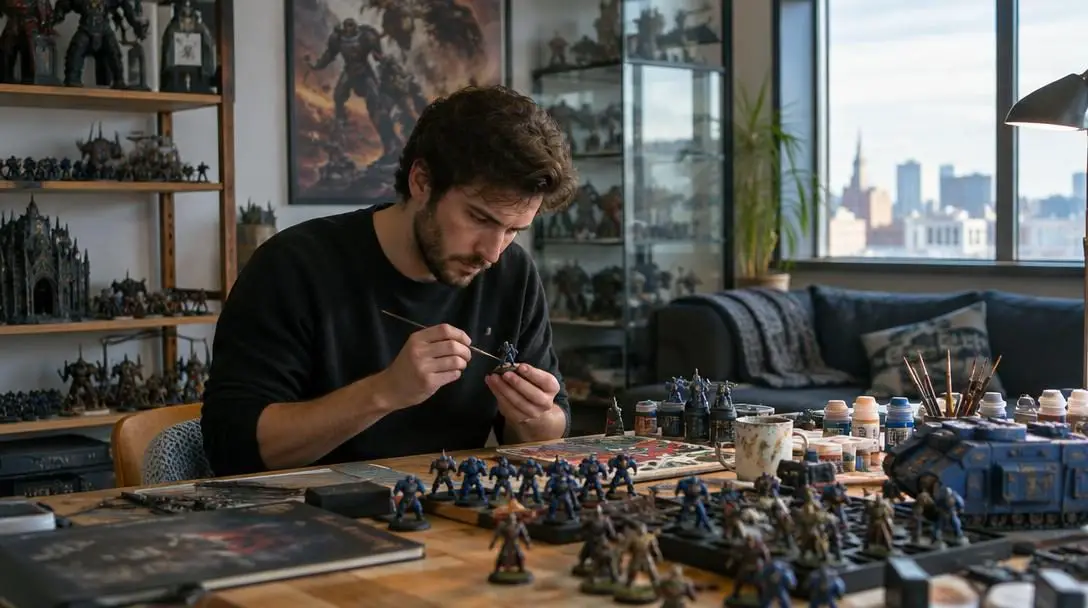
Tabletop wargaming has moved far beyond quiet basement hobby rooms and into the mainstream cultural spotlight, attracting an unexpectedly illustrious group of enthusiasts. From high-profile Hollywood movie sets and cutting-edge television animation suites to the hard-hitting rings of professional wrestling, Warhammer has earned the genuine devotion of prominent creators and performers. Rather than casual flirtation with gaming, these famous figures spend substantial downtime building armies, absorbing dense fictional lore, and carefully painting miniature soldiers.
While celebrity life is frequently associated with film sets, press tours, and intense travel, many public figures actively seek creative pursuits that provide complete mental detachment from their public personas. Tabletop wargaming delivers a tactile, deeply absorbing creative outlet combining fine craftsmanship, narrative storytelling, and tactical competition. Whether commanding science-fiction legions or fantasy battalions, these five well-known individuals have embraced the hobby with genuine enthusiasm.
Key takeaways
- Notable entertainers across Hollywood, broadcast animation, and professional wrestling actively collect, paint, and battle with Warhammer armies.
- The hobby incorporates three distinct disciplines: assembling detailed plastic model kits, painting miniatures with specialized acrylics, and waging strategic tabletop matches using dice and rulers.
- Henry Cavill has turned his lifelong passion for the franchise into a headline creative venture by developing an official on-screen Warhammer project.
- Beginners can start cleanly by purchasing an introductory starter box and focusing on completing a single unit before expanding into full army rosters.
Celebrity hobbyists who champion the Warhammer universe
The following five famous figures represent wildly different areas of the entertainment world, yet each has publicly documented their profound enthusiasm for Games Workshop's signature gaming universe.
Ansel Elgort
- Screen debut: Carrie (2013)
- Notable screen roles: Baby Driver, The Goldfinch, West Side Story
- Media appearances discussing hobby: Conan
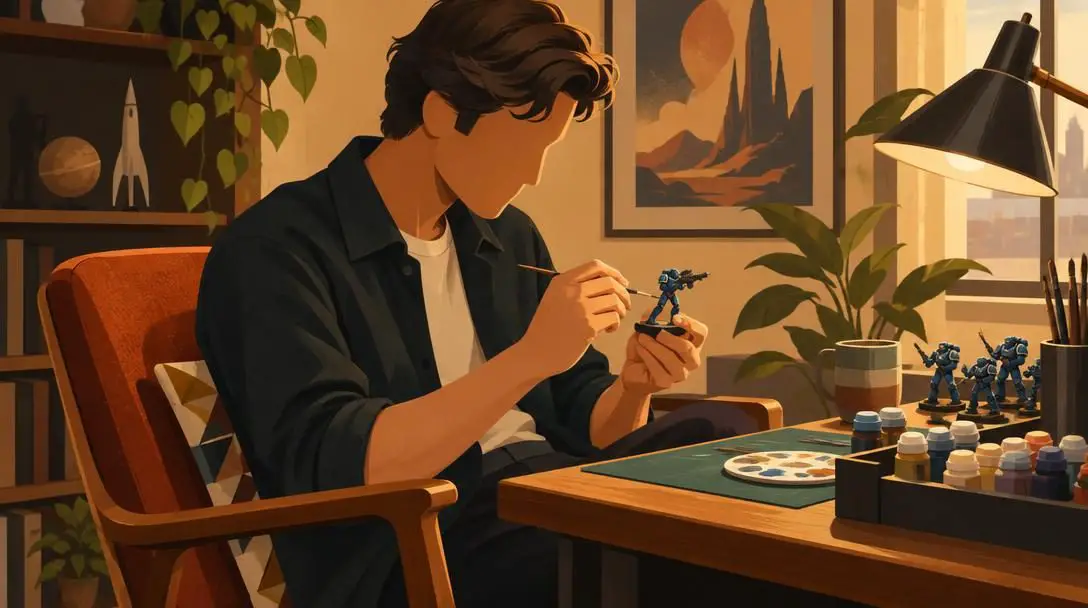
While some prominent screen stars dabble in tabletop gaming behind closed doors, Ansel Elgort makes no secret of his intense passion for the tabletop miniature universe. Whenever promotional appearances afford him an opportunity to pivot toward his favorite hobby, Elgort enthusiastically takes advantage. During interviews on late-night broadcasts such as Conan, he has dedicated airtime to explaining his miniature painting progress, showcasing his models, and talking about the wider game universe. Having broken into professional acting with the 2013 remake of Carrie, Elgort quickly secured high-profile roles in major films like Baby Driver and Steven Spielberg's West Side Story adaptation. Backed by the financial success of his screen career, his private miniature collection has grown into an expansive, lavish endeavor.
Trey Parker
- Signature television creation: South Park (premiered 1997)
- Creative collaborator: Matt Stone
- Other notable projects: BASEketball, Team America: World Police, The Book of Mormon
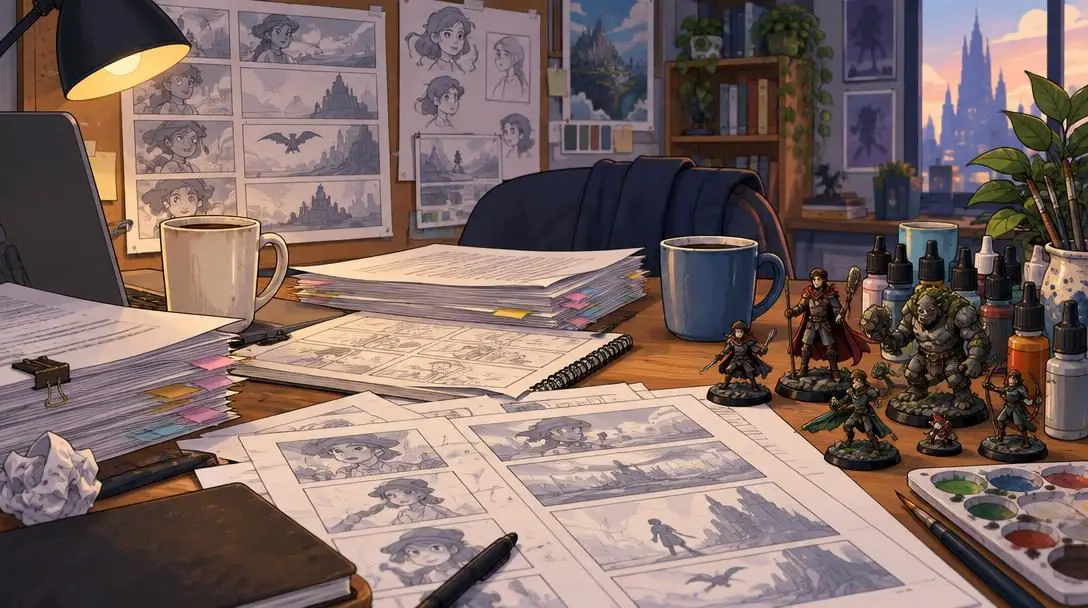
Few showrunners experience a production environment as frantic as Trey Parker, who famously writes, directs, and voices episodes of South Park inside an exhausting six-day turnaround window. Despite the relentless pace required to air well over 300 episodes of the iconic Comedy Central series, Parker regularly carves out moments of rest to focus on miniature wargaming. Behind-the-scenes footage and production photographs from the show's offices have repeatedly shown Parker interacting with and painting miniature figures between writing revisions and voice recording sessions. Beyond his multi-decade run on television alongside creative partner Matt Stone, Parker has brought his creative vision to satirical films like Team America: World Police and the blockbuster Broadway musical The Book of Mormon, demonstrating that even the most prolific satirists value the quiet focus of miniature modeling.
Robin Williams
- Documented gaming interests: Warhammer, Dungeons and Dragons
- Frequent gaming partner: Zelda Williams (daughter)
- Community reputation: Enthusiastic tabletop narrator and hobby shop patron
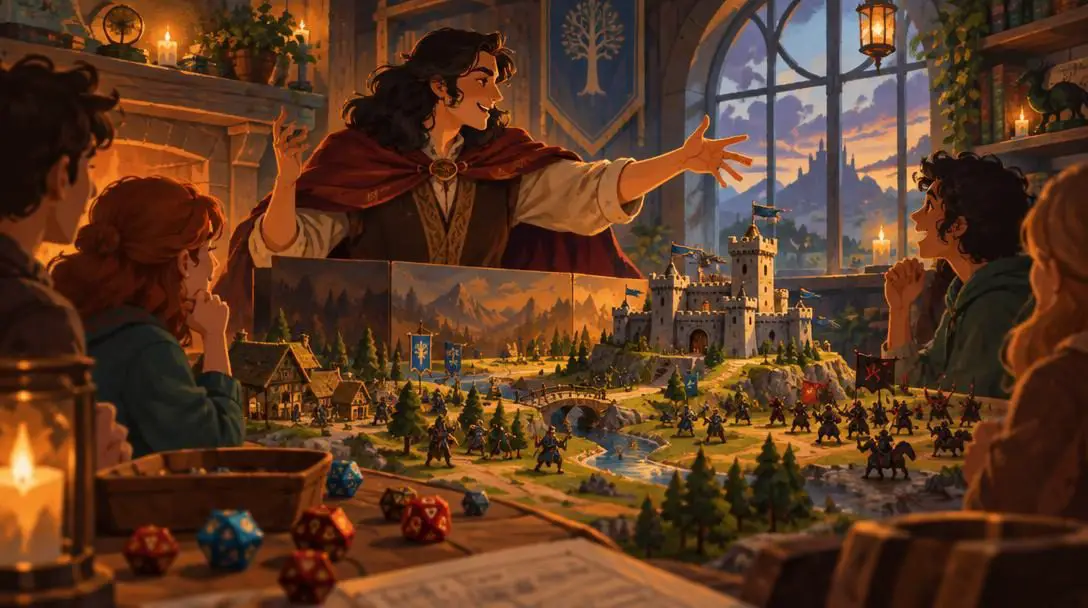
The legendary, late Robin Williams possessed an irrepressible comedic genius and an expansive storytelling imagination that aligned seamlessly with the open-ended possibilities of fantasy and science-fiction tabletop gaming. Williams was a dedicated tabletop participant, frequently running games of Dungeons and Dragons and fielding forces in Warhammer alongside his daughter, Zelda. When he sat down at a gaming table, Williams brought unmatched energy, crafting memorable character voices and delivering theatrical running commentary throughout every match. He was also known to visit neighborhood hobby shops to purchase supplies and talk shop with everyday players. One well-known encounter documented online by a local customer noted that store staff once hid behind counters to avoid interrupting the celebrity, only for Williams to walk right up to them and happily spend more than an hour discussing tabletop lore, factions, and painting techniques.
Samoa Joe
- Birth name: Nuufolau Seanoa
- Wrestling promotions: Ring of Honor, TNA, WWE
- Hobby milestone: Visited the official Warhammer World venue
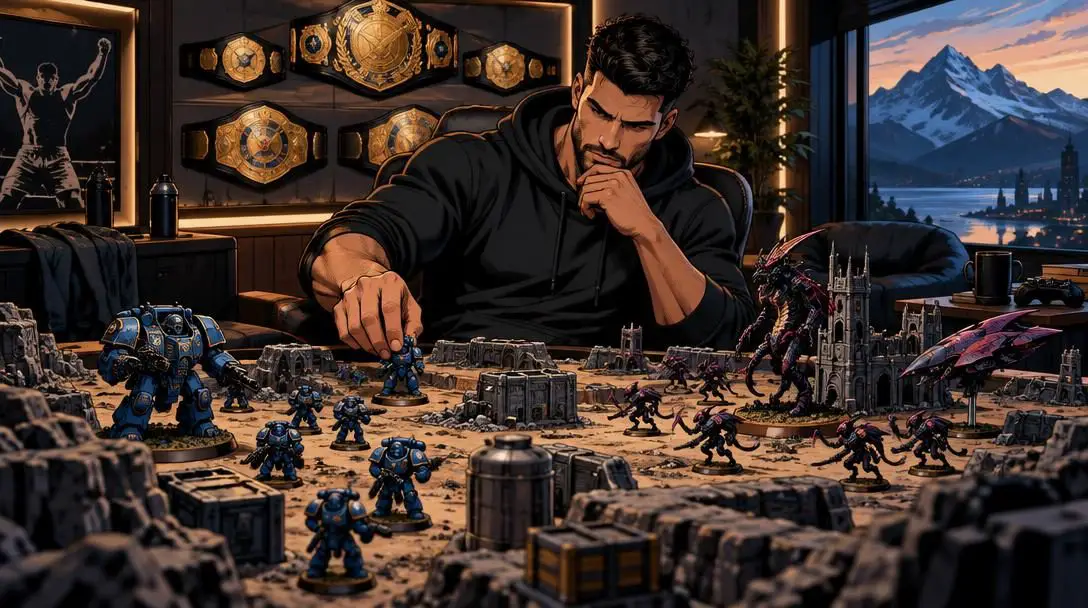
Inside the squared circle, heavyweight standout Samoa Joe (born Nuufolau Seanoa) is regarded as one of the most physically imposing competitors in modern professional wrestling history. Outside the ring, however, the veteran wrestler is a devoted enthusiast of tabletop miniatures. He has made personal visits to the official Warhammer World exhibition center and regularly shares his genuine enthusiasm for the hobby with fans on social media platforms. In 2020, he turned heads in the gaming community by sporting a stylized Mark VI Corvus pattern mask in public appearances. After starting his professional wrestling career in the late 1990s, Joe claimed premier championship titles across Ring of Honor and Total Nonstop Action (TNA) before entering WWE, competing first in NXT and subsequently joining the main roster in 2017 before moving into television commentary.
Henry Cavill
- Iconic roles: Superman (DC Cinematic Universe), Geralt of Rivia (The Witcher)
- Hobby specialization: Active player, collector, and lore scholar
- Industry development: Producing an on-screen Warhammer cinematic adaptation
Perhaps no mainstream celebrity is more deeply tied to the miniature wargaming community than Henry Cavill. Celebrated worldwide for his portrayals of Superman across the Zack Snyder DC Cinematic Universe and Geralt of Rivia in The Witcher, Cavill has transformed his personal affection for the fictional universe into a major Hollywood venture. Following his departures from those franchise roles, Cavill revealed that he had partnered with studio executives to develop an on-screen adaptation set directly within the Warhammer universe.
I was that guy who bought all of the Warhammer fantasy armies, books, and all of the codexes and would just read them.
Cavill has spoken openly about his teenage years, noting that he would spend hours reading through army books, codexes, and setting sourcebooks to master the fictional universe long before he had an active gaming group to play with. Today, Cavill regularly paints his own armies, plays matches against fellow hobbyists, and actively champions the strategic depth of the game to global audiences.
At a glance: Celebrity hobbyists and their backgrounds
| Celebrity | Primary entertainment field | Key career milestones | Documented Warhammer connection |
|---|---|---|---|
| Ansel Elgort | Film acting | Baby Driver, West Side Story, Carrie (2013) | Discussed painting and miniatures on late-night TV (Conan) |
| Trey Parker | Animation, film, and theater | Co-creator of South Park, The Book of Mormon | Paints and studies miniatures between studio production sessions |
| Robin Williams | Comedy and film acting | Beloved screen icon, avid gamer with daughter Zelda | Played tabletop matches in local hobby shops and studied game lore |
| Samoa Joe | Professional wrestling | Championship tenures in ROH, TNA, WWE NXT/main roster | Visited Warhammer World; wore a Mark VI Corvus mask publicly in 2020 |
| Henry Cavill | Film and television acting | Superman (DC films), Geralt of Rivia (The Witcher) | Lifelong lore enthusiast currently developing an on-screen adaptation |
Understanding the tabletop hobby: What makes Warhammer unique?
Created and published by the British miniature company Games Workshop, Warhammer is a comprehensive tabletop wargaming system that has evolved over several decades. Rather than a singular board game, it encompasses two primary fictional settings: the dark, grim science fiction of the far future, and classic high fantasy realms filled with magic, warriors, and monstrous creatures. The hobby is renowned for its immersive storytelling, supported by hundreds of officially licensed novels from the Black Library, army rulebooks known as codexes, and narrative expansion sets.
Warhammer stands apart from ordinary boxed board games because it represents what tabletop players routinely refer to as a "three-in-one" hobby. Players participate in three distinct phases of engagement, each offering unique creative and tactical satisfaction:
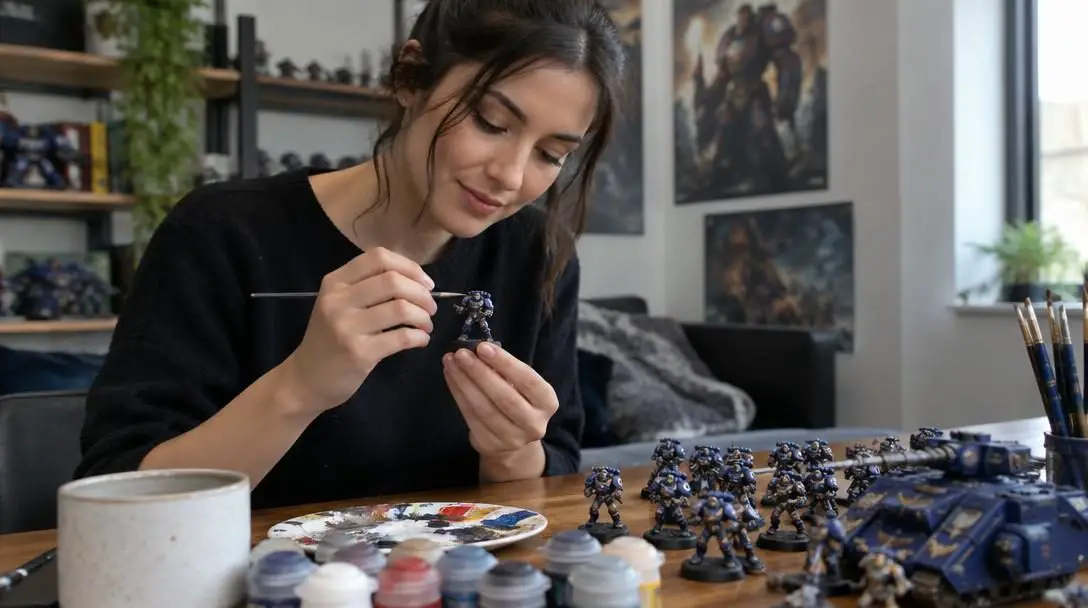
- Model assembly: Miniatures arrive completely unassembled on molded plastic frames called sprues. Hobbyists carefully snip out individual limbs, weapons, torsos, and heads, clean away excess manufacturing lines, and build customized squads using specialized adhesives.
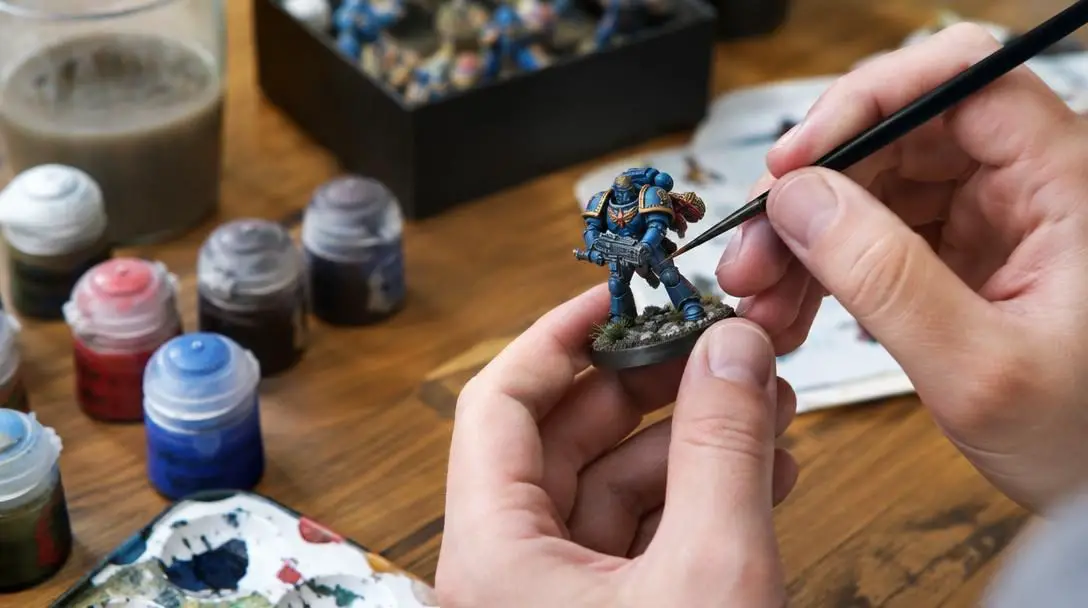
- Painting and customization: Every miniature is blank gray plastic until primed and hand-painted. Enthusiasts use fine acrylic paints, washes, and drybrushing techniques to create distinct color schemes, weathered armor, and realistic scenic basing.
- Tabletop tactical play: Once constructed and painted, armies battle across open tables populated by three-dimensional terrain such as ruined buildings, alien foliage, and defensive fortifications. Distances are calculated using physical tape measures, and the outcomes of volleys, charges, and psychic powers are settled with six-sided dice.
How to get started: A step-by-step beginner guide
Entering the tabletop hobby can seem intimidating due to the sheer variety of armies, books, and model kits available on hobby shelves. Approaching the journey methodically makes the process enjoyable, affordable, and stress-free.
- Choose an army based on aesthetic appeal: Browse the available factions and select an army whose visual design, visual themes, and narrative lore you genuinely love. Because you will spend many hours assembling and painting these models, aesthetic enthusiasm matters far more than short-term tournament rankings.
- Purchase an introductory starter set: Instead of purchasing expensive standalone heavy vehicles or specialized kits right away, invest in a dedicated introductory starter box. These sets contain two balanced forces, dice, measuring gauges, and simplified core rules engineered specifically for newcomers.
- Gather a baseline tool kit: Secure the essential equipment required to construct models cleanly. This baseline setup should include plastic sprue cutters, a hobby scraping knife, plastic glue, two or three small acrylic brushes, and a modest set of foundational acrylic paints.
- Assemble and paint a single squad: Focus all your initial efforts on finishing one squad of basic infantry before buying additional kits. Completing a small batch builds assembly muscle memory, refines brush control, and provides an immediate sense of accomplishment.
- Visit a local independent gaming venue: Find a nearby gaming store or community club. Tabletop communities are overwhelmingly welcoming to newcomers, and experienced players are usually happy to walk you through a demonstration match to help you understand basic game phases.
Common mistakes newcomers should avoid
Navigating your initial months in the miniature wargaming universe requires a bit of patience. Steering clear of these frequent pitfalls will protect your wallet and prevent hobby burnout:
- Purchasing an entire 2,000-point army on day one: Accumulating an overwhelming stack of unbuilt plastic boxes—often jokingly referred to as a "pile of shame"—creates visual stress and causes hobbyists to lose motivation before they finish a single squad.
- Skipping model preparation: Failing to shave off mold lines or leaving jagged plastic burs from the sprue can ruin an otherwise excellent paint job. Careful preparation before applying glue ensures seamless joints and professional-looking results.
- Applying paint directly from the bottle without thinning: Thick, unthinned acrylic paint clogs fine sculpt details such as facial expressions, belt buckles, and armor insignias. Diluting paint on a wet or plastic palette with a touch of water produces smooth, even coverage across two thin coats.
- Chasing competitive rules balance: Game rules, unit points costs, and faction rankings receive periodic balance updates. If you choose an army purely because it holds a high win rate in competitive tournaments, you risk disappointment whenever rules balance adjustments occur.
- Attempting to memorize all advanced rules at once: Tabletop rulebooks contain extensive layers of terrain rules, tactical objectives, and unique faction stratagems. Beginners should focus on core turn phases—movement, shooting, and close combat—before adding complex layers.
Expanding your involvement in the miniature gaming universe
Once you have painted your initial force and grasped the fundamentals of the tabletop rules, several avenues allow you to deepen your engagement with the gaming community:
- Exploring Black Library literature: Deepen your understanding of your chosen faction by reading novels set within the universe. Immersing yourself in the fiction enriches your games by providing memorable narrative stakes during tabletop encounters.
- Transitioning to skirmish-scale formats: If building and painting a massive 100-model army feels daunting, look into small-scale skirmish variants like Kill Team or Warcry. These game systems utilize the exact same models but require only a single squad per player, drastically reducing startup time and costs.
- Crafting custom battlefield terrain: Designing and painting realistic miniature ruins, barricades, and industrial terrain adds immense visual drama to matches and develops your skills in weathering, texturing, and large-scale hobby crafting.
- Participating in casual store leagues: Local gaming shops regularly organize narrative campaigns and friendly beginner tournaments. These structured events offer a low-pressure environment to play a variety of opponents and make lasting friendships within the gaming scene.
Frequently asked questions
Why is Warhammer considered a "three-in-one" hobby?
Warhammer is regarded as a three-in-one hobby because it encompasses three distinct creative activities: physical assembly of plastic model kits, artistic miniature painting, and competitive tabletop tactical gameplay governed by rulebooks, dice, and measuring tools.
Which celebrity is producing an official Warhammer cinematic adaptation?
Henry Cavill, well known for playing Superman in the DC Cinematic Universe and Geralt of Rivia in The Witcher, announced that he is actively developing an on-screen adaptation based within the Warhammer universe.
Do I have to play the tabletop strategy game to collect the miniatures?
No. A substantial segment of the community collects Warhammer miniatures solely for the artistic challenge of modeling, converting, and display painting, without ever engaging in competitive tabletop matches.
What is the most practical way for a beginner to start painting miniatures?
Beginners should pick up a starter paint set containing basic faction colors, thin their paints with a small drop of water on a palette, and focus on applying two thin coats to a single squad of infantry before moving on to larger models.
Are full-scale army battles the only way to play Warhammer?
No. Players can participate in skirmish-scale games like Kill Team or Warcry, which require only a single squad of models rather than an entire army, making games faster and significantly less expensive to assemble.
The bottom line
The enduring appeal of Warhammer lies in its rare balance of personal craftsmanship and engaging social gameplay. For high-profile figures living in the public eye—such as Henry Cavill, Robin Williams, Ansel Elgort, Trey Parker, and Samoa Joe—the hobby offers an immersive sanctuary where success is determined by careful brushwork and thoughtful tactical decisions rather than public acclaim. By taking measured steps, prioritizing visual enjoyment over competitive meta-gaming, and painting models at your own pace, you can easily discover why this multifaceted universe continues to captivate creators across the globe.