5 Common Cat Behaviours And What They Mean
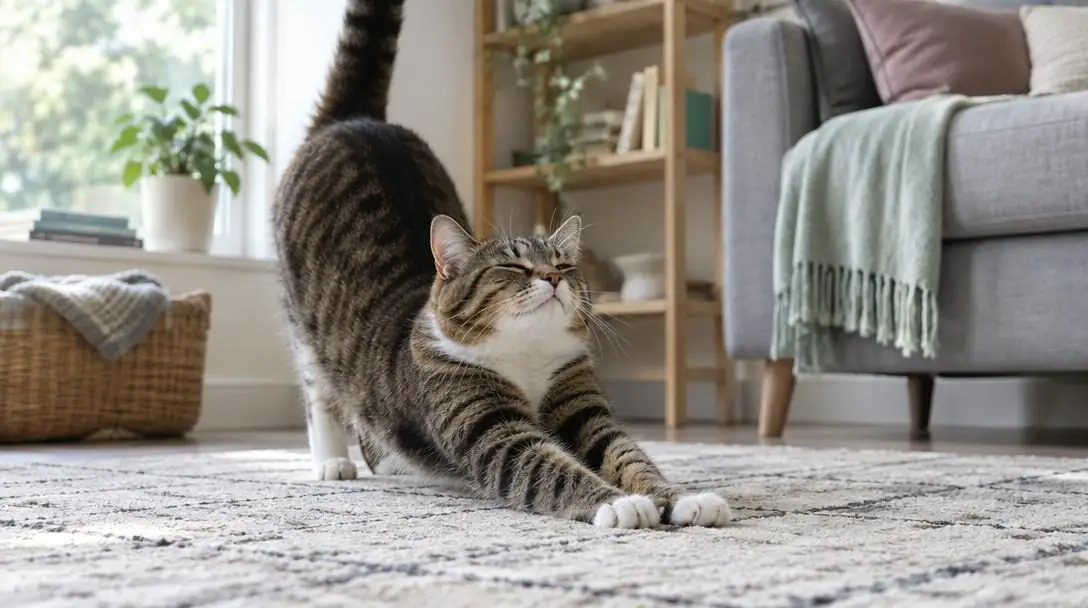
Sharing a living space with a feline companion is an experience unlike living with any other domesticated animal. Many people quickly discover that you cannot ever truly be a cat owner in the conventional sense; at best, your cat will allow you to serve as its caretaker. Unlike pack animals that were bred over generations to constantly look to humans for direction, felines have retained an independent nature. Their daily habits, physical postures, and social signals are subtle, nuanced, and frequently misunderstood by human observers who expect dog-like responses.
Feline communication relies heavily on a complex mix of subtle body posture, physical contact, vocal signals, and chemical scent marking. When a cat shares a home with human caretakers, it views the entire dwelling as its primary territory. Because of this territorial perspective, virtually everything from the way a cat brushes past your leg to how it manages its bathroom habits carries significant meaning. Becoming an attentive, mindful caretaker requires looking past human assumptions and learning to understand the household environment through the senses of a feline.
Key takeaways
- Cats operate as independent territorial creatures who view humans as caretakers rather than traditional masters.
- Physical gestures like kneading, rubbing, and headbutting are foundational signs of feline comfort, affection, and social bonding.
- Aggressive postures paired with hissing can signal underlying physical pain or illness that warrants a prompt veterinary visit.
- Litterbox irregularities, such as leaving waste uncovered, act as clear behavioral alarms signaling environmental disruption or dissatisfaction.
Five core cat behaviors and their underlying meanings
Cats are fascinating animals, and developing a thorough understanding of their natural instincts makes living with them immensely rewarding. When caretakers decipher what specific actions mean, they can react with patience rather than confusion. Below are five of the most common behaviors your cat may display in the home, along with the precise motivations driving them.
Kneading
- Common nicknames: Making biscuits, playing the piano
- Primary driver: Deep relaxation and emotional security
- Developmental origin: Nursing kitten instinct
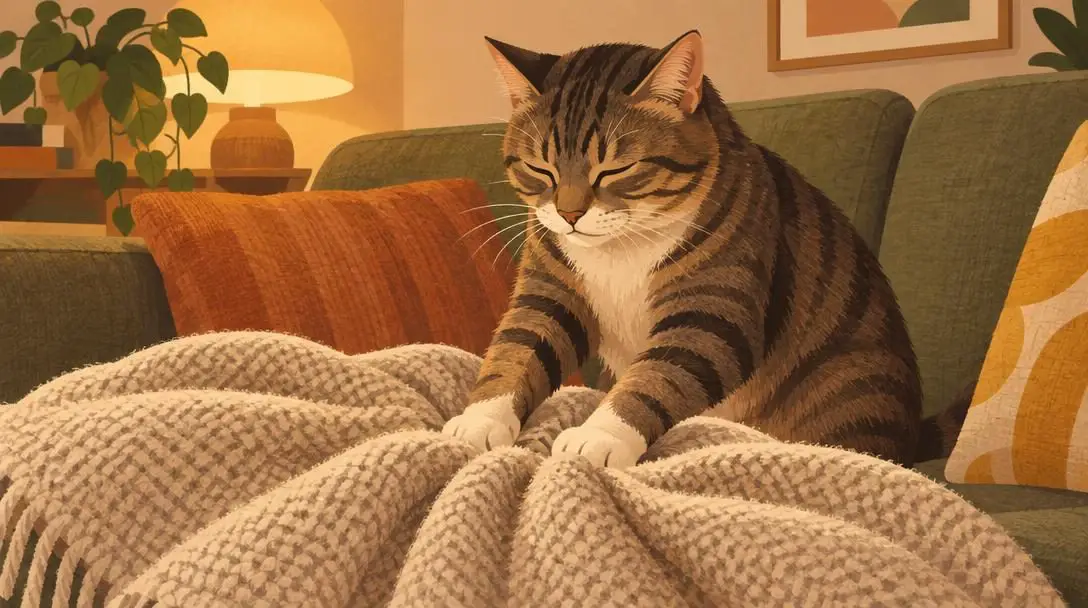
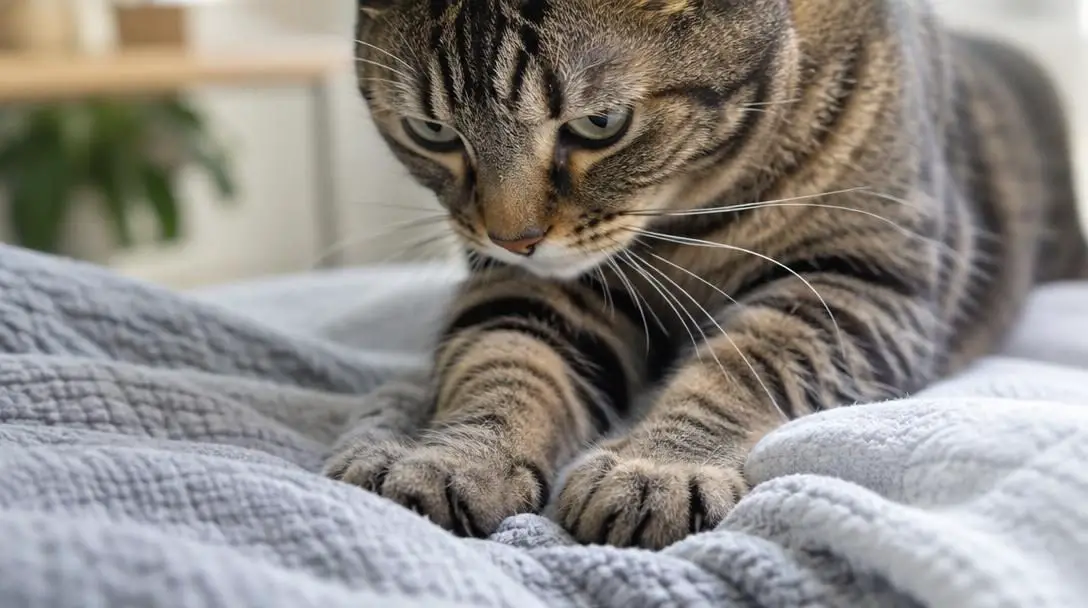
There are many affectionate names for this rhythmic motion, from "making biscuits" to "playing the piano." When you observe your cat pushing its front paws alternately against a soft blanket, a plush pillow, or directly onto your lap, you have no reason to be alarmed. This rhythmic movement is an unmistakable sign that your cat is feeling secure and comfortable in its immediate surroundings. The physical motion is a throwback to how nursing kittens massage their mother's chest to help milk flow freely. This comforting motor pattern persists well into adult life, functioning as a reliable, natural method for the cat to soothe itself when resting.
Rubbing
- Primary driver: Territorial scent marking and group bonding
- Anatomical source: Specialized facial scent glands
- Social result: Inclusion in the cat's trusted human tribe
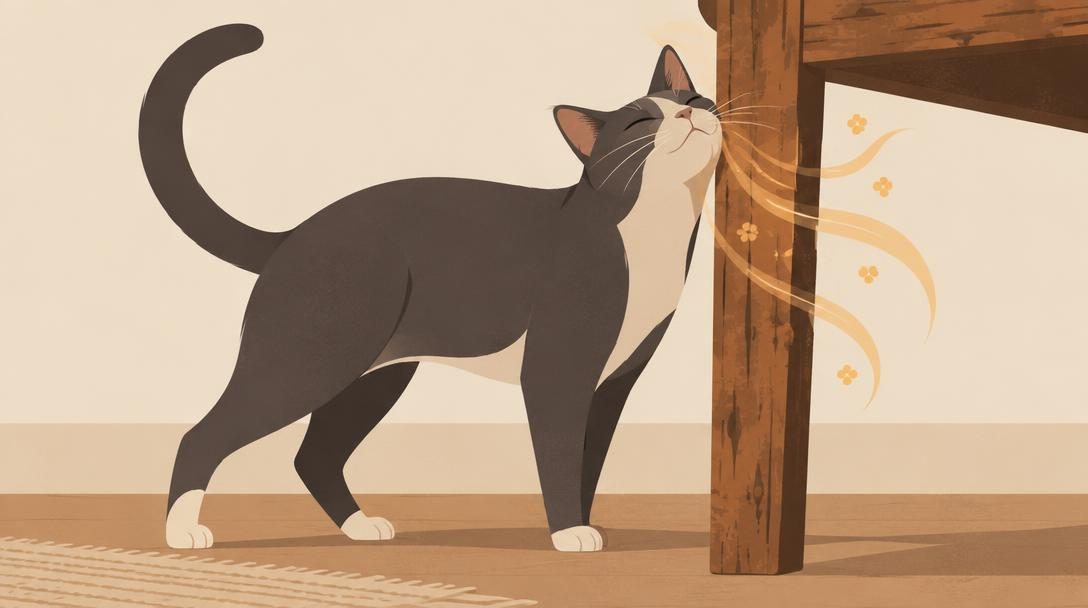
Receiving an affectionate nuzzle along your calves or ankles is a warm, pleasant experience. While it certainly feels like a sweet display of love—and often is—there is a practical biological process taking place under the surface. Cats are deeply territorial animals that feel a strong instinctual need to claim their territory, their fellow feline housemates, and their human companions. Special glands located on the face produce a distinctive chemical scent profile unique to each animal. When a cat rubs its cheeks and chin against you or the furniture, it spreads this marker, establishing a communal scent in its territory. Once you carry this familiar scent, the cat officially recognizes you as part of its trusted tribe.
Headbutting
- Technical name: Facial bunting
- Common misinterpretation: Challenging or aggressive dominance
- True intention: Playfulness, love, and a request for grooming
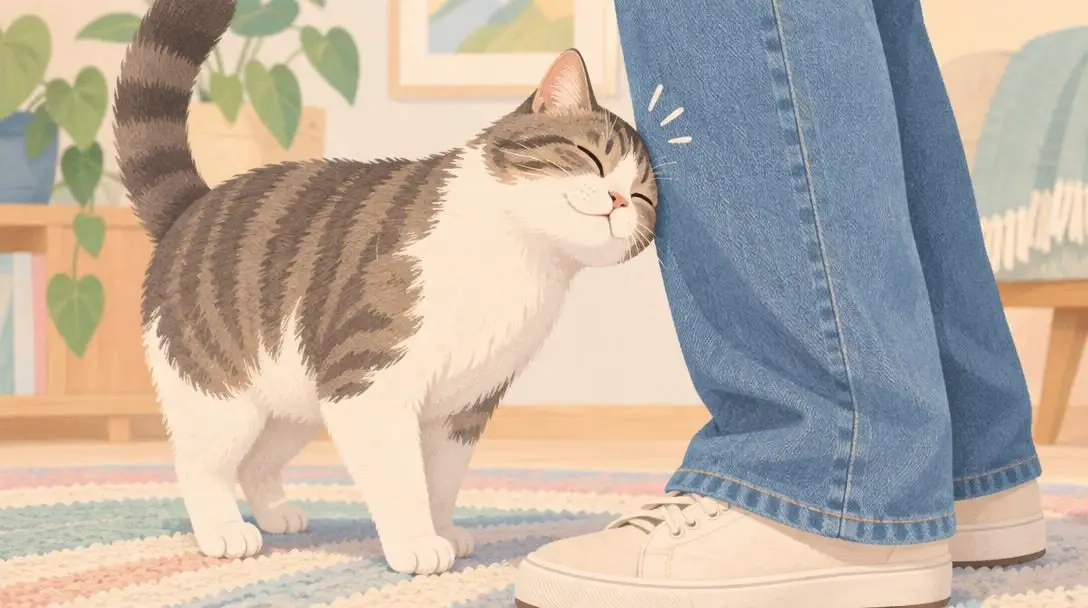
When a cat walks directly up to you and bumps the top of its skull firmly against your shin, knee, or outstretched hand, a novice caretaker might initially interpret the gesture as an aggressive bump. Officially known as facial bunting, this behavior has absolutely nothing to do with hostility or aggression. In fact, it carries the exact opposite meaning: it is a genuine display of love and playful affection. When your cat bunts against you, it is actively seeking social engagement, inviting you to start an interactive play session or to deliver a firm, vigorous scratch across the crown of its head.
Hissing

- Primary purpose: Boundary enforcement and distance creation
- High-concern combination: Direct stare, spitting, stiff tail, and swatting
- Underlying risk: Hidden physical illness or intense pain
Most people intuitively recognize that an abrupt hiss means you should immediately back off and leave the animal alone. However, when a cat pairs a hiss with a broader cluster of hostile reactions, the situation is far more serious than a passing mood swing. If an ordinarily calm, well-behaved feline couples a hiss with a direct unblinking stare, spitting, a stiffened tail, and swatting, you may need to arrange an immediate trip to the veterinarian. Cats, much like humans, frequently overreact when they are physically unwell. A dramatic defensive display often reveals that the cat is dealing with acute pain, an injury, or an underlying medical problem that leaves it feeling vulnerable.
Uncovered Poop
- Standard instinct: Burying droppings to mask scent from rivals
- Primary driver: Household dissatisfaction or environmental stress
- Common triggers: Neglected litter, altered routines, unruly toddlers
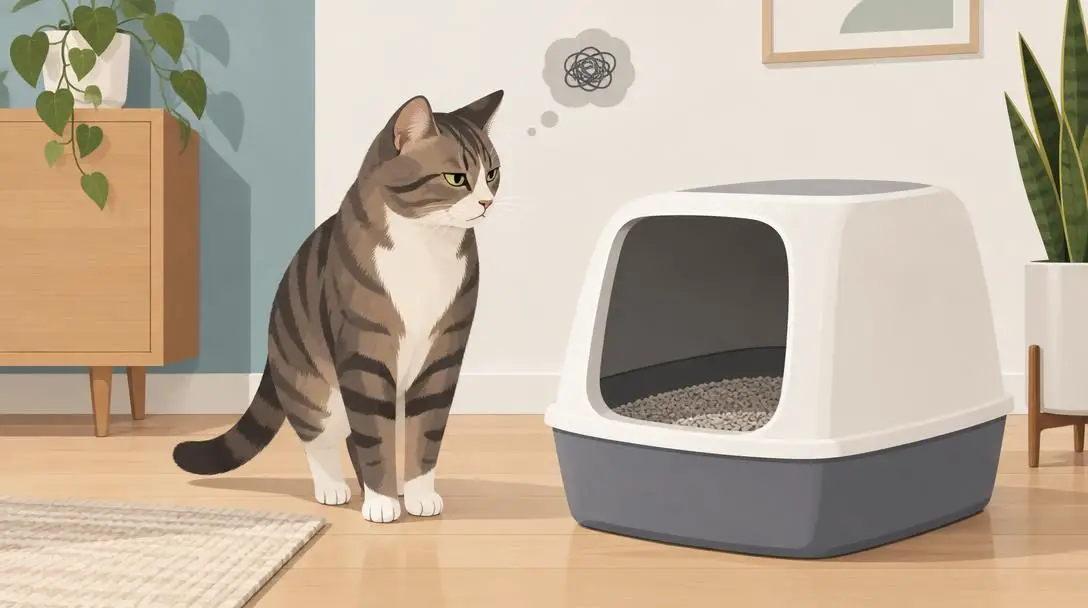
Domestic cats are celebrated for their natural hygiene habits, which represents a major reason why many people choose them over other pets. This instinctual drive for cleanliness is especially obvious in their regular bathroom habits. Under normal circumstances, a cat will meticulously dig a trench and cover its droppings with clean litter to mask odors from potential predators and competitors. If your cat suddenly begins leaving its waste exposed on top of the litter, something is amiss. Leaving feces uncovered is a clear symptom of an unhappy cat. The animal may be communicating displeasure over a neglected litterbox that needs more frequent scooping, or it could be distressed by wider household disturbances, such as the unpredictable noise of an unruly toddler or a disruptive change in daily routine.
Because cats maintain an independent and territorial nature, changes in bathroom habits serve as direct environmental alarms rather than simple mischief.
At a glance: Comparing common feline behaviors
| Behavior | Underlying Instinct | Emotional Meaning | Optimal Caretaker Response |
|---|---|---|---|
| Kneading | Stimulating maternal milk flow | Contentment, safety, self-soothing | Provide a soft blanket and allow the rhythm to continue uninterrupted |
| Rubbing | Facial gland scent marking | Territorial claim, social bonding | Lean in, allow scent exchange, and welcome inclusion in the tribe |
| Headbutting | Facial bunting communication | Love, playful engagement, affection | Deliver vigorous head scratches or engage in an active play session |
| Hissing | Boundary enforcement and defense | Overwhelmed, threatened, or in pain | Give immediate space; schedule a vet visit if paired with swatting or spitting |
| Uncovered Poop | Disruption of natural hygiene | Frustration, environmental stress | Clean the litterbox thoroughly and address domestic disruptions or routine changes |
The underlying mechanics of feline communication
To fully grasp why these five everyday actions take place, it helps to examine how a cat's physical senses, hormonal glands, and territorial survival instincts operate as an integrated communication system.
Felines do not possess the vocal range or facial muscle expressiveness of human beings. Consequently, they rely heavily on chemical scent distribution to establish emotional security. The glands situated around a cat's mouth, cheeks, and forehead produce a distinct pheromone profile that acts like an identity card. When these secretions are spread around living rooms, doorframes, and caretaker limbs, they establish a harmonious communal scent. Walking through an environment coated in its own scent keeps a cat's nervous system calm, signaling that the entire perimeter remains safe and recognized.
In a similar vein, repetitive physical motions represent deep-seated emotional memories. The nursing reflex that sustains kittens during their first weeks of life remains imprinted in the feline brain forever. When an adult cat finds itself in a cozy, peaceful setting—such as curled up on a caretaker's lap—its nervous system automatically reactivates those early memories of warmth and nourishment. Engaging in this repetitive paw rhythm allows the cat to regulate its emotional state and sustain a peaceful, grounded mood.
Conversely, defensive vocalizations and posture changes serve as an elaborate system of boundary setting. A feline's instinct is to avoid direct physical combat whenever possible, as an injury in the wild could prove fatal. Sounds like hissing, paired with physical markers like an upright, stiffened tail and a locked gaze, function as an escalatory warning. This coordinated display creates distance between the cat and a perceived threat without requiring an immediate, energy-draining physical battle.
Finally, the litterbox functions as a direct barometer of territorial confidence. Covering waste is a protective instinct designed to conceal presence. When a cat purposefully leaves its waste uncovered, it is deliberately breaking its lifelong hygiene protocol. This act broadcasts an unmistakable message: the cat feels too unsettled, anxious, or frustrated to follow its regular routine, using the exposed waste as a visual and olfactory sign that its living conditions need immediate human attention.
Practical steps for responding to everyday cat signals
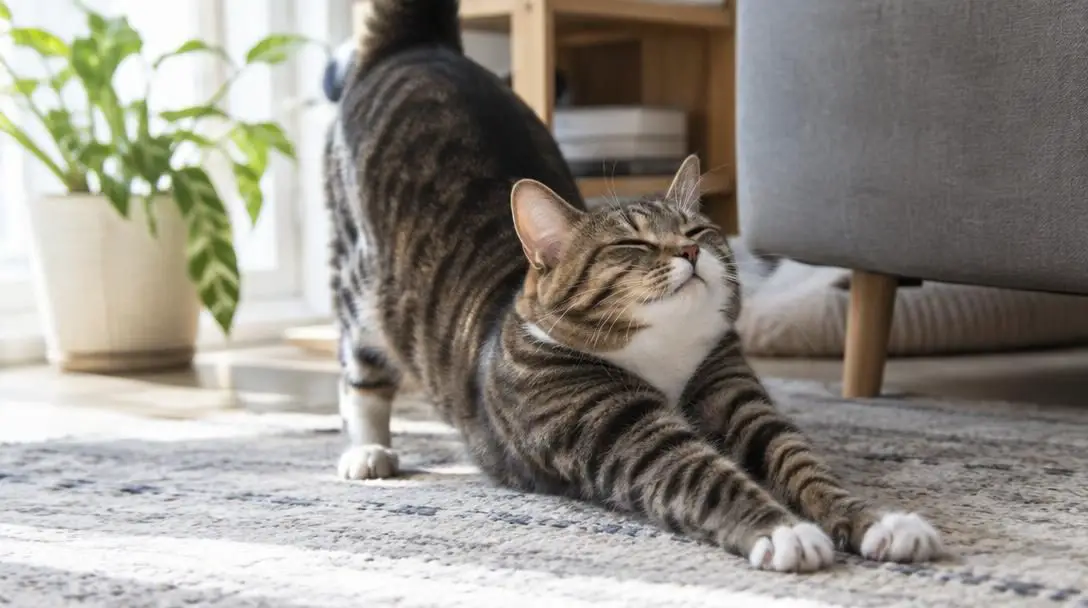
Knowing the theory behind feline habits is informative, but translating those concepts into your everyday care routine is what builds an extraordinary bond. Follow these step-by-step methods to respond appropriately to your cat's everyday signals:
- Accommodate kneading without interrupting comfort: When your cat settles into your lap to knead, never punish or push the animal away. If its claws are sharp against your legs, gently slide a folded fleece blanket or thick towel between your skin and its paws so the self-soothing rhythm can continue undisturbed.
- Facilitate natural scent marking: When a cat approaches with an upturned chin to rub its face against you, allow the animal to dictate the pace of contact. Present an open hand or tilt your head downward so the cat can easily deposit its facial scent, confirming your place in its inner circle.
- Acknowledge facial bunting with immediate interaction: Treat headbutting as an explicit request for attention. Use your fingertips to apply firm, rhythmic pressure behind the ears, across the forehead, and along the cheekbones. If the cat exhibits high energy, transition the interaction into an active play session using a teaser toy.
- De-escalate hissing through strategic retreat: When an animal hisses, freeze and step back slowly to give it room. If you observe the hissing accompanied by spitting, swatting, a locked stare, and a stiff tail, do not attempt to hold or soothe the cat physically. Note the date and time, isolate potential household stressors, and contact your veterinary clinic to rule out an acute physical injury or hidden illness.
- Perform a structured litterbox audit: If you uncover exposed feces, begin by inspecting the physical state of the box. Scoop waste out immediately and wash the pan if it holds lingering odors. If the facility is pristine, evaluate your living space for recent disruptions, such as altered work schedules, construction sounds, or a chaotic toddler, and take steps to restore a predictable routine.
Mistakes to avoid when handling feline body language
Even well-intentioned caretakers can stumble into common pitfalls by assuming cats perceive the world like humans or dogs. Avoiding these frequent misinterpretations will help you maintain an empathetic, stress-free household:
- Misinterpreting headbutts as aggressive challenges: Viewing facial bunting as a pushy display of dominance is incorrect; treating it as a confrontation damages the animal's desire to reach out playfully for affection.
- Disciplining a cat for exposed litterbox waste: Raising your voice, swatting, or shoving a cat's face toward an uncovered mess will dramatically spike its stress. The animal is already anxious or displeased, and punishment only accelerates behavioral breakdowns.
- Dismissing hissing as mere stubbornness: Writing off hissing as bad temperament prevents caretakers from recognizing medical crises. Sudden, extreme aggression is frequently the primary indicator of physical suffering.
- Pushing away an affectionate rub: Shooing an animal away when it attempts to rub against your body disrupts its instinct to blend scents, which can undermine the cat's sense of environmental safety.
- Startling a cat out of a kneading session: Abruptly breaking a cat's rhythmic kneading pulls it jarringly out of a deeply relaxed mental state, leaving it confused and defensive.
Long-term considerations for household stability
Once you are comfortable identifying these five everyday behaviors, you can evaluate them within the wider context of your household's daily rhythms. Feline well-being rests on a delicate triangle composed of physical health, environmental security, and established social routines. Because domestic cats thrive on territorial predictability, even minor shifts in their physical surroundings can cause subtle behavioral ripples.
Take time to monitor household routines whenever behavioral anomalies appear. If your cat stops covering its waste, look carefully at the dynamics of your home. Has an energetic, unruly toddler been chasing the animal near the bathroom area? Have work schedules shifted, leaving the cat alone for irregular stretches of time? Addressing these environmental disruptions directly is often all it takes to restore your cat's natural hygiene habits.
Equally critical is regular vigilance over hidden health indicators. Because wild felines rely on self-reliance to survive, domestic cats instinctually hide early signs of weakness, disease, and pain. When pain becomes unbearable, it often manifests outward as sudden defensive hostility: hissing, swatting, spitting, and fixed stares. Relying on an experienced veterinarian to evaluate acute behavioral shifts ensures that manageable medical issues are caught long before they turn into severe health emergencies.
Frequently asked questions
Why does my cat make biscuits on me but not on blankets?
Kneading on a human caretaker indicates that the cat views you as an ultimate source of warmth, nourishment, and security, directly recreating the peaceful feelings it experienced with its mother as a nursing kitten.
Is headbutting a sign of dominance?
No, headbutting, formally known as facial bunting, is not an act of dominance or aggression. It is an affectionate gesture cats use to request vigorous head scratches, initiate playtime, and exchange friendly social attention.
What should I do if my cat hisses at me out of nowhere?
Give the cat immediate space and do not attempt to handle it. If the hissing is paired with a direct unblinking stare, spitting, a stiff tail, or swatting, contact your veterinarian promptly, as sudden aggression often stems from pain or illness.
Why has my cat suddenly stopped covering its poop in the litterbox?
Leaving waste uncovered usually indicates an unhappy cat. Common causes include a litterbox that is not being scooped frequently enough, dissatisfaction with household chaos such as an unruly toddler, or recent changes to daily family routines.
Does a cat rubbing its face against me mean it wants food?
While some cats rub against you near mealtime, the primary biological purpose is territorial scent marking. Glands on the cat's face release a signature scent that marks you as an accepted, trusted member of its household tribe.
The bottom line
Living harmoniously with a cat requires abandoning the mindset of an owner and adopting the responsibilities of an attentive caretaker. Felines are complex, sensitive animals whose language is written in scent markers, soft paw rhythms, subtle head bumps, and calculated vocal warnings. By taking the time to interpret actions like kneading, facial rubbing, bunting, hissing, and litter habits through the lens of feline biology, you can replace confusion with empathy. When you respect your cat's boundaries, respond warmly to its bids for connection, and monitor its physical health with vigilance, you create a peaceful home where an independent creature feels entirely secure, valued, and loved.