5 Essential Tips To Manage The Stress Of College
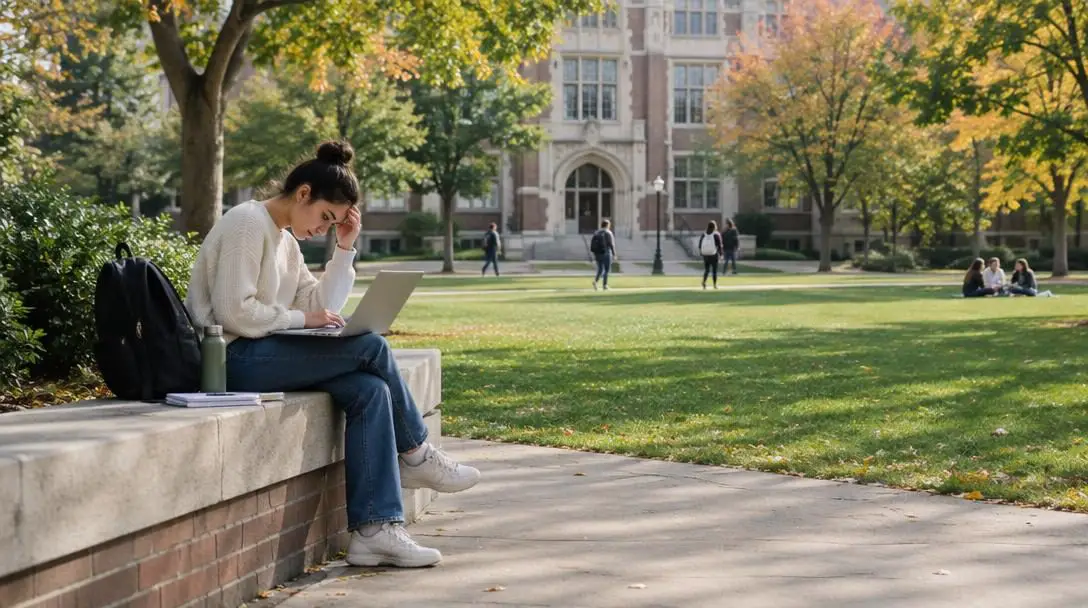
College is widely celebrated as an exciting chapter filled with transformative opportunities, personal freedom, and the foundation for long-term career success. Earning a degree, exploring unfamiliar academic subjects, and meeting people from diverse backgrounds can be genuinely life-changing. Yet beneath the enthusiasm, higher education frequently presents an intense, unfamiliar landscape where daily demands can quickly become overwhelming.
The transition to campus life alters routines, living arrangements, and relationship networks all at once. Whether a student is managing domestic independence for the first time, wrestling with self-imposed perfectionism, or navigating delicate social dynamics, the pressure can easily build to unmanageable levels. Understanding the root causes of this pressure and adopting steady, proactive habits makes it possible to maintain equilibrium and thrive across all four years.
Key takeaways
- Campus stress typically stems from the sudden loss of home support networks, aggressive academic targets, and social peer pressure.
- Daily physical exertion actively counters the mental fatigue and lethargy that prolonged studying and screen time produce.
- Opening up to friends and family prevents isolation by revealing that most peers share similar anxieties and pressures.
- Campus administrative counseling centers provide structured, professional tools before emotional distress becomes unmanageable.
- Replacing self-destructive vices with constructive outlets like running, boxing, or dancing offers sustainable relief without long-term consequences.
Why higher education triggers acute stress
Stress in higher education is rarely the result of a single difficult exam or a busy afternoon. Instead, it arises from a convergence of major lifestyle shifts that occur simultaneously. For a substantial portion of undergraduates, entering college represents their very first experience living away from home. Leaving familiar support networks, family members, and the comfort of childhood bedrooms can feel frightening and destabilizing. Basic domestic responsibilities—such as structuring daily meals, managing laundry, and regulating sleep without parental reminders—suddenly compete with rigorous course reading lists.
At the same time, high personal standards can intensify the burden. Ambitious college students frequently place heavy demands on themselves, equating their self-worth with their grade point average. While academic drive is commendable, rigid self-imposed standards can foster persistent anxiety, performance paralysis, and an unrelenting fear of failure. Rather than viewing setbacks as normal learning experiences, perfectionist students often interpret any academic bump as a catastrophe.
Social dynamics introduce another layer of strain. The natural urge to fit into a new peer group, craft an identity, and secure lasting friendships can easily manifest as peer pressure. Juggling evening social commitments with early morning lectures while trying to project confidence leaves many students emotionally depleted. When these academic, personal, and social demands collide, the brain remains in a perpetual state of vigilance.
Isolation amplifies everyday worries, whereas companionship provides perspective and comfort during demanding semesters.
Five essential strategies for managing campus stress
Successfully navigating the pressures of college requires establishing intentional, restorative routines. Rather than waiting for burnout to force a pause, students can weave these five practical strategies directly into their weekly schedules.
Get Exercise
Physical health and mental well-being are intrinsically connected. In a demanding academic environment where hours are spent seated in lecture halls or bent over library desks, falling into lethargy is remarkably easy. After hours of intense mental focus, lounging in front of a television screen may feel like the natural choice. However, sustained physical inactivity and sedentary habits often backfire, intensifying feelings of sluggishness and mental strain.
Engaging in regular physical movement provides an essential biological reset. You do not need an intimidating athletic regimen to see real psychological benefits. Taking a long, leisurely walk across campus after lectures conclude helps reset crowded thoughts. Many universities offer campus recreation centers where you can drop into an introductory fitness class or swim laps in the pool. Moving your body daily burns off physical tension and replenishes focus for upcoming coursework.

Be Social
When tension spikes, an instinctual reaction for many students is to retreat into solitude. Worries about being poor company or lacking the energy to entertain others can make self-isolation seem like the safest path. Unfortunately, shutting yourself off from others strips away perspective, allowing anxieties to echo unchecked. Companionship, by contrast, serves as a natural buffer against academic burnout.
Make a conscious effort to stay connected with your peers. Spend casual time together and be candid about the pressures you are navigating. In most instances, opening up reveals that your classmates are grappling with the exact same anxieties, deadlines, and uncertainties. Discovering that your struggles are widespread rather than personal failings brings immense relief, empowering you and your friends to face academic demands as a unified team.
Seek Counseling
There are periods when academic pressure, personal transitions, or mood shifts become too burdensome to solve through simple lifestyle adjustments. If persistent worry disrupts your ability to study, sleep, or socialize, seeking professional counseling is a sensible, proactive decision. You do not need to endure emotional distress in silence or wait for circumstances to escalate into a crisis.
The vast majority of colleges employ trained counselors and mental health specialists specifically tasked with supporting students through stress. You can locate these professionals by visiting administrative offices or student health centers. Campus counselors understand the unique ecosystem of higher education, offer validation for your experiences, and equip you with concrete, personalized cognitive strategies to restore emotional balance.
Find an Outlet
Much of what is categorized as stress consists of negative emotions that accumulate over weeks of unexpressed tension. Academic anxiety, homesickness, and social friction settle internally if they are not routinely released. Discovering a dependable, constructive channel to discharge this emotional buildup leaves you feeling significantly lighter and more relaxed.
The ideal outlet varies from person to person. For some, rigorous physical pastimes like running routes around campus grounds or practicing boxing drills offer the ideal release valve. For others, expressive, rhythmic hobbies such as dancing provide a creative escape from rigorous logical analysis. Whatever you choose, ensure the activity remains beneficial rather than harmful.
Tell Your Parents
In many instances, the heaviest emotional weight does not originate from course syllabi or peers; it stems directly from expectations at home. If family pressure regarding grades, career paths, or post-graduation timelines is amplifying your anxiety, initiate an honest dialogue with your parents. Keeping silent only builds internal resentment and magnifies performance panic.
Schedule a quiet time to talk and explain openly that excessive expectations are making campus life more stressful than is healthy. Describe how intense performance demands affect your daily mental state. Parents frequently set high standards out of genuine care without recognizing the toll those expectations take on the ground. A candid conversation clarifies emotional boundaries, resets realistic expectations, and transforms family members into active allies.

Campus stress management strategies at a glance
Every stress-reduction method targets a distinct aspect of student life. Balancing physical, social, psychological, and familial techniques ensures well-rounded resilience throughout the academic term.
| Strategy | Primary Dimension | Core Mechanism | Sample Activity |
|---|---|---|---|
| Get Exercise | Physical health | Discharges muscular tension and counters mental lethargy | Campus walk, swimming laps, or fitness classes |
| Be Social | Interpersonal | Normalizes shared challenges and disrupts negative thought loops | Shared dining hall meals or low-pressure study breaks |
| Seek Counseling | Professional support | Delivers clinical coping frameworks and validated guidance | One-on-one appointments at campus mental health clinics |
| Find an Outlet | Emotional release | Channels accumulated frustration into constructive movement | Running, boxing drills, or dance sessions |
| Tell Your Parents | Family dynamics | Recalibrates external expectations and establishes healthy boundaries | Honest phone discussions addressing academic pressure |
The compounding nature of campus pressure
Understanding why college stress feels so acute requires examining the biological and environmental systems at work. In high school, a student's day is heavily regimented by bells, assigned class periods, and immediate family supervision. College flips this dynamic by introducing vast blocks of unstructured time alongside rigorous academic expectations. When faced with dense reading assignments, multi-page papers, and cumulative midterms, the brain stays trapped in a prolonged state of alert focus.
When study sessions conclude, many students default to sedentary rest, such as scrolling on smartphones or binge-watching television. While passive screen time provides cognitive distraction, it keeps stress hormones circulating in the bloodstream because physical tension remains unreleased. Deliberate physical movement completes the stress response cycle, signaling to the nervous system that immediate demands have passed.
From an emotional standpoint, human beings rely heavily on community validation to regulate fear. Withdrawing into a dorm room removes reality checks, allowing catastrophic thoughts about grades or social standing to loop indefinitely. Speaking with peers, meeting with a counselor, or leveling with family breaks these circular worries by reintroducing grounded perspective.
How to build stress management into your routine
Adopting sustainable stress management practices works best through steady, incremental adjustments rather than sudden overhauls. Follow this structured roadmap to embed protective habits into your weekly routine:
- Map out a movement window: Review your weekly course schedule and block out thirty to forty-five minutes each day for non-academic movement, treating it as an unshakeable appointment.
- Establish casual check-ins: Arrange regular, low-stakes meetups with classmates, such as grabbing coffee or walking to the library together, to ensure consistent social contact during busy weeks.
- Locate support facilities early: Walk past the campus student services building during the first month of term to identify the counseling office, learn its intake procedure, and note drop-in availability.
- Select an immersive hobby: Choose an engaging physical or creative pastime—such as swimming, boxing, or dancing—that demands your total focus so your mind stops dwelling on deadlines.
- Initiate an honest family check-in: Arrange an uninterrupted conversation with your parents to discuss academic goals candidly, explaining how their encouragement helps and where excessive pressure harms.
Common missteps that amplify college anxiety
When pressure escalates, students frequently reach for coping mechanisms that provide fleeting relief while compounding long-term anxiety. Avoiding these familiar pitfalls protects your well-being across the semester:
- Relying on chemical crutches: Using alcohol, sedatives, or illicit substances to dull stress does not resolve academic or emotional problems; instead, substance abuse introduces severe physical, legal, and academic hazards.
- Concealing difficulties from peers: Believing that asking for help or sharing doubts makes you look weak leads to prolonged isolation and leaves you feeling completely alienated.
- Confusing passive screen time with true rest: Spending consecutive hours lying in bed watching video streams keeps the nervous system stimulated while fostering guilt over neglected coursework.
- Procrastinating on professional care: Waiting until panic attacks, insomnia, or failing grades manifest before seeking out campus counselors lengthens avoidable suffering.
- Absorbing parental expectations without pushback: Quietly enduring unrealistic grade targets to avoid conflict breeds deep resentment and continuous fear of falling short.
Frequently asked questions
Why does college feel so much more stressful than high school?
Higher education replaces structured daily schedules with large blocks of unsupervised time, requiring students to independently manage their coursework, meals, sleep, and emotional health. Moving away from familiar support networks and childhood bedrooms further amplifies the strain.
How much daily exercise is needed to help reduce stress?
You do not need intensive athletic conditioning to experience relief. Moderate physical movement—such as a thirty- to forty-five-minute campus walk, a lap swim at the campus recreation center, or a recreational fitness class—is sufficient to discharge tension and reset mental focus.
What should I do if talking with friends is not relieving my anxiety?
If informal conversations with friends do not ease persistent worry, visit your university's administrative or student services offices to schedule an appointment with a professional counselor. Trained campus therapists provide specialized clinical strategies tailored to academic burnout.
How can I tell my parents their expectations are stressing me out?
Choose a calm, dedicated moment outside of exam weeks to speak candidly. Explain that while you appreciate their support and want to succeed, unrealistic grade or career benchmarks are harming your mental health, and ask for their patience as you find your balance.
Which physical outlets are most effective for emotional release?
Activities that require active physical and rhythmic attention—such as distance running, boxing training, or dancing—tend to be particularly effective. These activities channel pent-up frustration constructively without damaging your physical well-being.
The bottom line
Stress is an inherent component of the university experience, but it does not have to dictate your academic trajectory or damage your mental well-being. By moving your body every day, maintaining sincere social connections, consulting trained counselors when demands escalate, exploring expressive outlets, and keeping communication honest with your family, you can build lasting emotional resilience. Prioritizing these five habits ensures you extract the full personal and educational rewards of college while protecting your health for years to come.