5 Financial Secrets of Barack Obama: Spending, Investments, and Net Worth
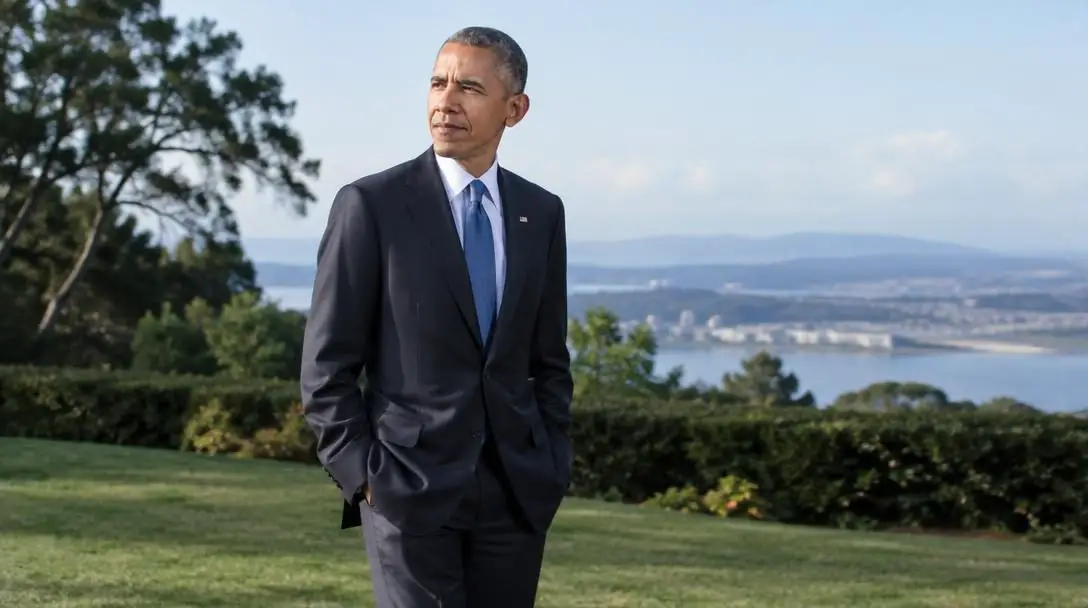
Barack Obama, the 44th President of the United States, built a global reputation around his rhetorical skill and executive leadership. Behind the high-profile public career, however, lies an equally deliberate approach to personal money management. Moving from modest personal beginnings marked by significant student loan debt to the presidency and private enterprise, Obama systematically expanded his balance sheet through disciplined living, asset diversification, and deliberate long-term investments.
While his eventual financial transformation was accelerated by high-profile book contracts and global speaking engagements, the groundwork for his estimated $70 million net worth was laid decades earlier. By examining how Obama handled cash outflows, invested in his own human capital, navigated property acquisitions, and directed funds toward charitable initiatives, everyday investors can uncover universal wealth-building practices applicable to any household budget.
Key takeaways
- Living below your means creates the foundational cash surplus necessary to fund investments and eliminate debt.
- Treating higher education and specialized skills as human capital investments boosts lifetime earning capacity.
- Broad diversification across equities, fixed-income assets, and physical real estate protects wealth against volatile market cycles.
- Purchasing real estate in prime locations and holding long term yields substantial equity growth while mitigating short-term market risk.
- Incorporating philanthropic goals directly into a financial plan ensures personal capital serves broader community and civic interests.
The 5 Core Pillars of Obama's Financial Strategy
Obama’s personal finances reflect a structured progression from debt-laden young professional to financially independent former commander-in-chief. Rather than relying on speculative financial plays, his financial framework rests on five core principles that emphasize resilience, calculated risk, and patience.
Smart Spending Habits and Everyday Frugality
Even after attaining the prestige of high public office, Obama demonstrated an aversion to lifestyle inflation. He deliberately avoided lavish outlays on designer garments, luxury travel, or status-driven entertainment. Observers during his presidency frequently noted that he rotated through a modest collection of identical suits and ties, removing the decision fatigue and recurring financial drain often associated with public-facing wardrobes.
Prior to the strict security limitations imposed by presidential motorcades, Obama chose to drive a Ford Escape Hybrid. This practical vehicle selection served a dual purpose: it reduced his environmental footprint while keeping ongoing fuel and operational expenses exceptionally low. By establishing a standard of living well beneath his compensation level, he generated consistent cash flow surpluses.
During the economic turbulence that marked his first presidential term, Obama addressed the personal relevance of spending controls: "Spending discipline is important," Obama stated, noting that the economic crisis "(it) has been very painful. I think it woke everybody up, and our economy as a whole has to get back to producing more and not just spending more. And what applies to the nation as a whole I think could serve as good advice for individuals." Practicing disciplined cash outflow management ensures that a household retains the financial resilience needed to navigate broad macroeconomic shocks.
Portfolio Diversification and Human Capital
Risk mitigation is central to Obama’s wealth management strategy. Recognizing the inherent dangers of asset concentration, he structured his holdings across several distinct asset classes, spreading capital through equities, government bonds, and tangible real estate assets. This multi-asset allocation served as an operational shock absorber, ensuring that downturns in an individual economic sector would not jeopardize his total portfolio solvency.

Beyond traditional financial markets, Obama treated personal education as an essential capital deployment. Reflecting on his decision to pursue legal training, he recognized law school as a transformative investment in human capital that yielded superior lifetime earning leverage. Regarding the financial trade-offs of modern professional education, he noted: "I’m very sympathetic to what young people are going through now. We were lucky, because we had gone to good law schools, and we knew that we could earn it. It was still a good investment." Developing marketable professional capabilities forms the underlying engine of lifetime wealth creation.
Personal solvency begins with controlling cash outflows before seeking rapid capital accumulation.
Patient Real Estate Acquisitions
Real estate has served as an anchor within Obama's broader investment portfolio. His acquisitions have consistently prioritized prime locations with sustained demographic appeal over speculative property flipping or highly leveraged housing bets. In 2005, Obama bought a primary residence in Chicago for $1.65 million. Rather than treating the asset as a short-term trading instrument, he held the property over the long term, allowing natural market appreciation to expand its valuation beyond $2 million.
In 2015, Obama expanded his physical asset base with the purchase of an $8.7 million vacation property in Hawaii. High-end property ownership requires careful financial accounting that extends far beyond the contract purchase price, factoring in recurring property taxes, grounds maintenance, and localized property insurance. When paired with long holding periods, strategic real estate ownership acts as a resilient hedge against currency inflation and equity market turbulence.
Community-Focused Philanthropy
Wealth accumulation in the Obama household has consistently functioned in tandem with philanthropic giving. Throughout his time in public service and during his post-presidential career, Obama directed millions of dollars toward non-profit programs and educational initiatives. A prominent instance occurred in 2018, when Barack and Michelle Obama pledged a $2 million donation to fund summer employment initiatives for young people in Chicago.
Integrating structured giving into a multi-year financial plan prevents personal balance sheets from operating solely as tools of private consumption. By supporting workforce training, community infrastructure, and educational mobility, intentional philanthropic deployment aligns personal capital with civic progress.
Long-Term Net Worth and Legacy Building
The convergence of disciplined cash conservation, human capital development, patient property purchases, and philanthropic focus culminated in an estimated net worth of approximately $70 million. While high-figure post-presidential ventures—including best-selling autobiographies and global speaking engagements—expanded the scale of his capital, these opportunities were built on a stable, diversified base.
Durable wealth creation is rarely the product of overnight speculation. Instead, it reflects decades of consistent capital allocation, avoidance of high-interest consumer debt, and deliberate estate structuring. Long-term legacy planning provides generational stability for family members while ensuring that philanthropic initiatives continue to receive predictable capital over extended horizons.
Real Estate Holdings and Financial Milestones
Examining documented transactions from Obama's personal balance sheet illustrates how patient capital deployment functions across multi-year holding windows.
| Asset or Event | Year | Documented Value / Amount | Primary Strategic Purpose |
|---|---|---|---|
| Chicago Residence | 2005 | Purchased for $1.65M (Appreciated to >$2M) | Long-term primary home equity and capital appreciation |
| Hawaii Vacation Property | 2015 | Purchased for $8.7M | High-value geographic real estate holding |
| Chicago Youth Jobs Donation | 2018 | $2.0M contribution | Philanthropic workforce development for local youth |
| Estimated Total Net Worth | Current | Estimated ~$70M | Compounded wealth from investments, property, and earnings |
Economic Mechanics Behind Long-Term Wealth Accumulation
The financial principles underlying Obama's trajectory reflect standard economic mechanics that operate identically across balance sheets of any scale:
- Sustained Cash Flow Surpluses: Maintaining expenditures well below current income levels produces predictable monthly surpluses. Without an operating margin, a household cannot acquire compounding assets or eliminate high-interest liabilities.
- Uncorrelated Asset Distribution: Spreading investments across equities, fixed-income paper, and physical real estate limits aggregate downside. When public equity markets contract, high-grade debt instruments and prime property values often provide ballast.
- Equity Accumulation Through Amortization: Holding real estate over long horizons shifts housing payments from unrecoverable rental expenses into permanent asset equity, capturing localized capital appreciation over time.
- Compounding Human Capital Dividends: Capital deployed into technical credentials, advanced education, or specialized training increases an individual's baseline earning power, accelerating the rate at which surplus income can be deployed into market instruments.
- Structured Philanthropic Outflows: Designing charitable initiatives as intentional financial allocations ensures that giving reinforces long-term personal values while keeping broader estate plans structured.
Actionable Steps to Implement a Wealth-Building Routine
Replicating these core financial principles does not require executive office compensation. Any saver or investor can apply the underlying mechanics by establishing structured, repeatable habits.
- Audit monthly cash outflows: Review bank and credit card statements across a 30-day window to isolate non-essential recurring expenses, oversized vehicle payments, or unchecked lifestyle inflation. Eliminate discretionary leakage to open up an ongoing cash surplus.
- Design a diversified asset allocation: Establish an investment plan that combines broad-market index equities, high-quality fixed income, and cash reserves, avoiding excessive concentration in any single stock or speculative niche.
- Reinvest into your professional skill set: Target continuing education, advanced professional certifications, or specialized industry competencies that directly increase your workplace leverage and career income potential.
- Evaluate real estate through a multi-year lens: Prioritize structural location demand and total carrying costs—including property taxes, ongoing maintenance, and regional insurance—rather than relying on short-term price appreciation forecasts.
- Incorporate charitable giving into your budget: Determine a fixed percentage of monthly or annual surplus to allocate toward non-profit or community-based initiatives, embedding philanthropic intent into your standard balance sheet.
Common Pitfalls That Erode Personal Wealth
Building durable net worth requires steering clear of behavioral habits that systematically dismantle financial momentum. The following errors frequently derail long-term financial plans:
- Unchecked lifestyle inflation: Allowing personal living costs to rise alongside every salary increase prevents the generation of an investable cash surplus, leaving higher earners financially precarious.
- Capital concentration risk: Overallocating funds into a single company stock, unhedged sector, or speculative asset exposes an entire household balance sheet to catastrophic sudden drawdowns.
- Speculative property purchasing: Acquiring real estate without budgeting for long-term carrying expenses, routine repairs, and interest rate variability can quickly turn an illiquid asset into a heavy financial burden.
- Underinvesting in personal earning power: Neglecting professional skill development leads to wage stagnation, capping the baseline cash inflows required to fund ongoing investment programs.
- Treating capital exclusively as consumption: Viewing accumulated funds merely as a pool for luxury acquisitions undermines family legacy security and eliminates the capacity for meaningful community philanthropy.
Frequently asked questions
What is Barack Obama's estimated net worth?
Barack Obama's net worth is estimated to be approximately $70 million, accumulated through book deals, speaking engagements, diversified investment portfolios, and strategic real estate holdings.
How did Obama handle his spending habits during his presidency?
Obama practiced personal frugality by avoiding luxury wardrobe turnover and driving practical vehicles like a Ford Escape Hybrid prior to presidential security restrictions, focusing on living well within his financial means.
What properties are included in Obama's real estate portfolio?
Documented holdings include a primary residence in Chicago purchased in 2005 for $1.65 million (which grew in value to over $2 million) and an $8.7 million vacation home in Hawaii acquired in 2015.
Why did Obama consider law school a smart investment?
Obama viewed his legal education as an investment in human capital, emphasizing that high-quality professional training provided the marketable skills necessary to substantially expand his lifetime earning capacity.
How have the Obamas integrated philanthropy into their financial plans?
The Obamas have contributed millions to charitable organizations, including a notable $2 million personal donation in 2018 to fund summer jobs programs for youth in Chicago.
The bottom line
The financial blueprint demonstrated by Barack Obama reveals that sustainable wealth creation is fundamentally driven by deliberate behavioral habits rather than speculative maneuvers. By prioritizing spending discipline, establishing a broad allocation across asset classes, holding real estate for the long haul, and treating personal education as a compounding investment, he built a durable financial base long before entering the private sector.
Applying these lessons to personal finances starts with mastering cash flows. By consistently maintaining an operating surplus, investing in marketable skills, guarding against concentration risk, and dedicating capital toward positive community outcomes, anyone can establish a stable, long-lasting financial legacy.