5 Financial Secrets of Chris Rock: Spending, Investments, and Net Worth
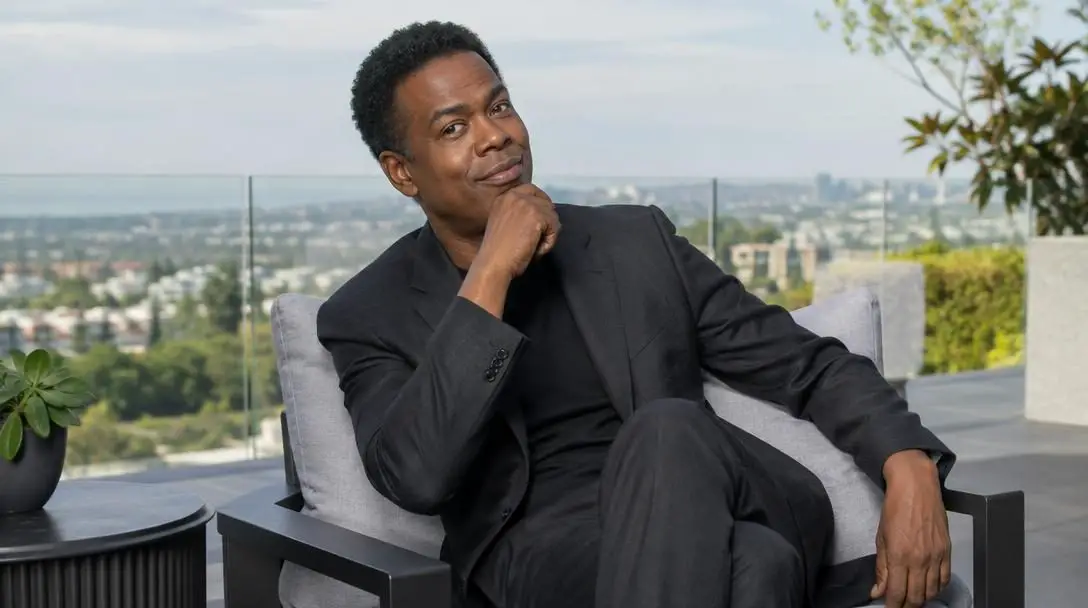
Chris Rock has long been celebrated as one of stand-up comedy's defining cultural forces, earning international acclaim through his incisive social observations, iconic comedy specials, and prolific film and television career. Yet behind his decades of creative output operates an equally disciplined, quiet financial engine: the deliberate construction and long-term defense of a personal net worth exceeding $100 million. In an entertainment industry notorious for squandering massive windfalls, Rock has established himself as an enduring financial success story.
High top-line earnings in show business rarely guarantee permanent capital security. The entertainment landscape is littered with high-profile stars who commanded tens of millions of dollars at their peak, only to end up in financial ruin due to undisciplined consumption, predatory contracts, or catastrophic liabilities. Rock's financial journey stands apart as a masterclass in modern money management, demonstrating how balancing calculated luxury spending with structural friction, asset diversification, and emotional composure can protect capital across decades.
Key takeaways
- Chris Rock has preserved a nine-figure net worth exceeding $100 million by separating temporary high earnings from permanent capital reserves.
- Intentional lifestyle friction, including using a basic flip phone and avoiding physical cash, protects his balance sheet from impulse consumption.
- His portfolio pairs productive public equities like Tesla, Nike, and eBay with alternative stores of value, highlighted by a $56 million fine art sale.
- After absorbing an estimated $40 million divorce settlement, Rock relied on emotional discipline and his core earning power to rebuild his net worth.
- Rock measures financial success by personal autonomy and creative freedom rather than ostentatious displays of material luxury.
Five foundational pillars of Chris Rock's wealth management
Accumulating and protecting a nine-figure fortune across multiple decades requires systematic processes rather than passive luck. While many high earners leave their financial trajectory to chance, Rock has applied strict personal guardrails and sophisticated asset allocation methods to insulate his wealth against inflation, market shifts, and domestic disruptions.
Behavioral friction and disciplined daily spending
A detailed examination of Chris Rock's spending reveals a deliberate balance between enjoying the rewards of his labor and practicing rigorous day-to-day restraint. He is certainly familiar with high-end living. Over the course of his career, he has chartered private aircraft, acquired high-performance sports cars, and owned prime real estate, including a $5 million estate in Alpine, New Jersey, which he later sold for $3.35 million in 2017. These expenditures demonstrate that he does not live an austere existence.
However, Rock avoids the uninhibited lifestyle inflation that traps many of his peers. To eliminate thoughtless consumption, he deliberately introduces behavioral friction into his daily routine. He famously continues to rely on a basic flip phone and intentionally avoids carrying physical pocket cash. By rejecting modern smartphones that encourage one-click digital purchases and keeping cash out of easy reach, he eliminates the micro-transactions that quietly drain personal capital.
This approach sharply contrasts with the high-velocity spending styles seen elsewhere in celebrity culture. For example, boxing icon Floyd Mayweather, Jr. is widely known for outfitting fleets of exotic vehicles, multiple luxury mansions, and private jets with constant liquidity outflows. While Rock partakes in luxury, he keeps his overhead controlled and directs the vast majority of his ongoing cash flow toward productive wealth accumulation.
Equity diversification in market-leading corporations
Rather than leaving liquid millions sitting in low-yield commercial accounts or risking his entire net worth on speculative film production deals, Rock systematically funnels capital into publicly traded equities. His investment thesis centers on established industry leaders characterized by powerful competitive moats, extensive operating histories, and global brand recognition.
Rock’s public stock holdings have prominently featured companies that dominate their respective commercial landscapes. By backing corporate titans with strong balance sheets, he ensures his liquid net worth compounds alongside the broader expansion of the corporate economy without requiring the risky gambles of short-term trading.

| Company | Economic Sector | Core Portfolio Function |
|---|---|---|
| Tesla | Clean Energy & Transportation | High-growth exposure to electric vehicle disruption and energy infrastructure |
| Nike | Consumer Apparel & Footwear | Steady cash generation driven by global athletic dominance and unmatched brand equity |
| eBay | Digital E-Commerce | Established, cash-flow-positive digital marketplace anchored by long-term user retention |
High-end fine art as an alternative store of value
Beyond traditional equities and residential real estate, Rock recognized early on the wealth-preservation potential of high-end fine art. While blue-chip art is an illiquid and specialized asset class, it offers extraordinary upside when acquired with an eye toward historical importance and cultural permanence.
Rock focused his acquisitions on modern masters who reshaped contemporary culture. In 2016, he made major financial headlines by executing a landmark liquidation of his private collection, featuring prized works by Jean-Michel Basquiat, Andy Warhol, and Richard Prince. The historic sale realized an astonishing $56 million.
This blockbuster transaction highlighted Rock's strategic patience. Rather than treating visual art merely as interior decoration, he approached it as scarce cultural equity. His willingness to acquire museum-grade works and hold them until market demand peaked allowed him to achieve capital appreciation that outpaced many traditional investment sectors.
Resilience and strategic recovery after legal setbacks
Even the most disciplined balance sheets remain vulnerable to major personal and legal disruptions. In 2014, Rock announced the end of his 19-year marriage to Malaak Compton-Rock. Resolving the legal dissolution of a nearly two-decade union created an immediate, profound shift in his financial landscape.
The resulting divorce settlement required an estimated payout of approximately $40 million. A loss of that scale would trigger panic or forced asset liquidation for an unprepared individual. The settlement served as a stark reminder of how personal relationships and legal contracts directly govern wealth distribution, highlighting the crucial function of prenuptial agreements in predetermining the division of marital property.
Instead of succumbing to financial paralysis, Rock absorbed the $40 million adjustment with composure. He audited his existing assets, stabilized his cash reserves, and leveraged his primary wealth engine: his creative talent. By launching extensive global stand-up tours, signing high-value television deals, and expanding his executive production portfolio, he swiftly rebuilt his net worth back above nine figures.
Prioritizing autonomy over material displays
The philosophical foundation of Rock's monetary strategy lies in his definition of true prosperity. For many public figures, wealth serves as a performative scorecard used to project status through flashy watches, diamond chains, and visible consumer excess. Rock rejected this mindset in favor of self-determination.
Wealth is not about having a lot of money; it is about having a lot of options.
By defining capital as a vehicle for buying back his personal time and artistic freedom, Rock eliminates the pressures of lifestyle inflation. When money is accumulated to secure sovereignty rather than social applause, financial choices naturally skew toward preservation. This core philosophy grants him the leverage to walk away from creative projects that do not inspire him, take lengthy sabbaticals between tours, and choose work purely for artistic fulfillment.
The structural mechanics of celebrity wealth preservation
Sustaining generational wealth over decades demands a functional system operating behind the scenes. When high earnings enter a household, multiple operational levers must function together to prevent capital erosion:
- Segmented asset allocation: Dividing capital into equities, real estate, cash equivalents, and alternative assets prevents a downturn in any single sector from endangering total net worth.
- Positive cash flow margins: Maintaining personal living costs well below annual royalty yields and production revenues guarantees a permanent financial surplus.
- Behavioral consumption barriers: Practical obstacles against micro-spending shield high earners from the cumulative drain of daily impulse shopping.
- Formal legal asset protection: Utilizing trusts, corporate entities, and premarital contracts establishes clear boundaries that protect personal assets during unforeseen litigation.
- Systematic windfall reinvestment: Large liquidity events, such as Rock’s $56 million art collection sale, must be redeployed into cash-generative investments rather than consumed by luxury upgrades.
How everyday earners can apply Rock's monetary strategy
While the average individual will not navigate a multi-million-dollar art auction or an eight-figure marital settlement, the behavioral rules that preserved Rock's fortune apply directly to personal finance at any income level.
- Establish mechanical friction in your daily budget: Remove saved credit cards from online shopping platforms, delete automated purchasing applications from your smartphone, and introduce deliberate wait times before making non-essential purchases.
- Diversify into resilient market leaders: Direct steady monthly savings into index funds or shares of established companies with wide economic moats, durable balance sheets, and proven market endurance.
- Vet alternative assets before committing capital: If exploring collectibles, real estate, or non-traditional holdings, demand rigorous due diligence, transparent appraisals, and clear exit strategies rather than chasing speculative hype.
- Put formal legal agreements in place early: Protect long-term personal partnerships, shared real estate, and entrepreneurial businesses with binding legal agreements before conflicts or disputes emerge.
- Maintain emotional composure during financial drawdowns: When faced with major life disruptions, emergency expenses, or market downturns, avoid panic-selling core assets; audit your remaining capital and refocus your energy on boosting your primary earning capacity.
Common financial pitfalls that deplete high incomes
Studying how high earners maintain their fortunes also reveals the recurring mistakes that cause other talented professionals to lose everything. The most frequent traps include:
- Relying entirely on active earned income: Failing to convert paychecks into passive, compound-earning assets leaves an individual vulnerable if their active career stalls.
- Unchecked lifestyle creep: Allowing baseline living expenses to expand at the exact pace of income gains, eliminating the financial margin required for meaningful investing.
- Ignoring prenuptial and legal protections: Entering long-term domestic or commercial partnerships without clearly defined legal structures, leaving personal capital exposed to litigation.
- Selling core assets during market panics: Liquidating broad-market index funds or blue-chip equities during temporary economic pullbacks out of short-term fear.
- Treating luxury consumer goods as investments: Confusing depreciating liabilities like sports cars, designer clothing, and sprawling residential estates with wealth-generating assets.
Assessing your balance sheet for lasting independence
Building long-term financial security requires consistent self-auditing and deliberate adjustments. As you examine Rock’s journey, take stock of where your own capital allocation currently stands. Look at your short-term liquidity reserves to ensure you can absorb unexpected personal disruptions without needing to liquidate long-term investments prematurely.
Evaluate your relationship with status spending. Are your recurring purchases contributing to your future freedom of choice, or are they merely projecting an image of affluence to friends, colleagues, or strangers online? Shifting your mindset from purchasing visible luxuries to securing personal autonomy transforms how you direct your monthly surplus.
Finally, focus on your primary income engine. While allocating capital across blue-chip stocks like Nike or Tesla builds long-term security, continuing to invest in your own professional capabilities, distinct skills, and resilience remains the single most effective hedge against economic volatility.
Frequently asked questions
What is Chris Rock's estimated net worth?
Chris Rock's net worth exceeds $100 million, built through decades of celebrated stand-up comedy specials, feature films, television productions, and disciplined investments.
How did Chris Rock earn $56 million from his art collection?
In 2016, Rock liquidated a private fine art collection featuring iconic works by modern masters Jean-Michel Basquiat, Andy Warhol, and Richard Prince, generating $56 million in a single landmark sale.
What publicly traded stocks has Chris Rock held?
Rock has allocated capital to market-leading corporate giants with wide competitive moats, including Tesla for electric vehicle growth, Nike for global athletic apparel dominance, and eBay for digital marketplace cash generation.
How much did Chris Rock's divorce cost?
Following the 2014 dissolution of his 19-year marriage to Malaak Compton-Rock, Rock agreed to a divorce settlement estimated at approximately $40 million, which he subsequently rebuilt through major tours and television productions.
Why does Chris Rock carry a flip phone and avoid physical cash?
Rock intentionally uses a basic flip phone and refrains from carrying cash to introduce behavioral friction into his routine, preventing the modern impulse purchases and micro-transactions that deplete daily wealth.
The bottom line
Chris Rock's journey from stand-up stages to a nine-figure net worth proves that building lasting wealth depends far more on behavioral self-control, calculated risk management, and capital retention than on top-line earnings alone. By utilizing intentional friction to prevent lifestyle creep, allocating capital across blue-chip stocks and scarce alternative assets, absorbing major legal drawdowns with composure, and prioritizing personal autonomy over status displays, Rock crafted a sustainable framework for enduring financial security that provides valuable lessons for investors at every income level.