5 Financial Secrets of Clint Eastwood: Spending, Investments, and Net Worth

Clint Eastwood stands as one of the most enduring figures in the global entertainment industry. Having built an exceptional career spanning multiple decades as an actor, director, and producer, he has accumulated a vast fortune while establishing a reputation for steady resilience that few in Hollywood can match. His journey is marked not only by critical acclaim and cultural influence, but also by an unusually disciplined approach to personal finance and enterprise management. In an industry historically notorious for sudden windfalls followed by rapid financial distress, Eastwood has sustained and expanded his economic footprint over multiple generations.
A central reason for his lasting prosperity is his grounded attitude toward money. Despite holding massive wealth and global fame, Eastwood has gained widespread recognition for keeping a modest lifestyle and adhering to frugal spending habits. Rather than relying solely on acting paychecks, he expanded into varied business ventures, diversified his assets across different sectors, and deliberately steered his career trajectory by moving behind the camera as a director and producer. As of 2021, Clint Eastwood’s net worth was estimated to stand around $375 million, demonstrating how long-term investments, calculated risks, and self-restraint yield extraordinary security.
Key takeaways
- Clint Eastwood built an estimated $375 million net worth through decades of steady work, restrained spending, and multi-asset diversification.
- Prioritizing modest daily habits—such as driving an older truck and flying commercial coach—protected his capital from lifestyle inflation.
- Transitioning from an actor-for-hire to an independent director and producer allowed Eastwood to capture creative autonomy and equity upside.
- Active philanthropy through organizations like the Eastwood Ranch Foundation and veteran support grounds his financial success in clear social responsibility.
Overview of Eastwood's Financial Strategy
To understand how a Hollywood superstar accumulates and preserves multi-million-dollar wealth across more than half a century, it helps to examine the core mechanisms behind his financial framework. Eastwood's philosophy rejects the flashiness of sudden fame in favor of sustainable, quiet growth.
| Pillar | Core Principle | Practical Manifestation | Primary Financial Benefit |
|---|---|---|---|
| Spending Control | Living beneath means | Driving older vehicles and booking commercial flights | Preserves liquid cash for compounding investments |
| Asset Allocation | Sector diversification | Real estate, stock market equities, and operating businesses | Shields wealth against downturns in single industries |
| Time Horizon | Decades-long compounding | Rejecting speculative get-rich-quick opportunities | Maximizes returns through steady, uninterrupted growth |
| Career Ownership | Controlling intellectual output | Directing and producing projects behind the camera | Transforms wage-earning roles into lasting equity ownership |
| Philanthropy | Purpose-driven capital allocation | Funding animal rescue, veteran aid, arts, and education | Creates meaningful community legacy beyond consumption |
The 5 Financial Secrets of Clint Eastwood
Eastwood’s financial foundation rests on five clear principles that have governed his life both on and off the movie set. These secrets illustrate how restraint, diversification, patience, social responsibility, and strategic career moves interact to create durable financial stability that lasts a lifetime.
Modest Spending Habits
Despite possessing the liquid resources to purchase virtually any consumer luxury on earth, Eastwood has consistently chosen a grounded, unpretentious lifestyle. Observers and colleagues have regularly noted his preference for driving an older pickup truck rather than collecting high-maintenance luxury sports cars. Similarly, he has frequently been known to fly coach on commercial passenger flights rather than booking chartered private aviation or demanding first-class accommodations. By sidestepping the lavish spending trap that claims many high-earning entertainers, Eastwood maintains a high personal savings rate.
The strategic lesson behind this habit is simple: spending less than one earns ensures that elevated income translates directly into capital accumulation rather than inflated overhead. When discretionary expenditures remain intentionally low, windfalls are not squandered on depreciating novelties. Instead, the surplus cash flow remains fully available to fund future opportunities, protect against economic recessions, and preserve independence during industry slow periods.
Diverse Investment Strategies
Rather than leaving his accumulated earnings parked strictly within entertainment projects or basic cash accounts, Eastwood built a multifaceted portfolio. His holdings span multiple asset classes, including substantial real estate holdings, public equity shares in the stock market, and active stakes in operating businesses. This intentional diversification ensures that a downturn in any individual sector—such as a slump in film production or a localized real estate pullback—does not imperil his overall financial health.
A crucial element of this approach involves taking calculated risks. Eastwood does not gamble on speculative trends or put money into enterprises he does not understand. Instead, he conducts thorough research, evaluates downside exposure, and confirms the underlying viability of an asset before allocating capital. This careful methodology maximizes potential long-term returns while ensuring that his core wealth remains insulated against catastrophic losses.
Sustained Wealth Accumulation and Long-Term Patience
Eastwood’s estimated $375 million net worth as of 2021 was not generated through overnight windfalls or rapid financial maneuvers. Instead, his fortune represents the compounding result of more than sixty years of unwavering dedication, strong work ethic, and conservative money management. In an era dominated by short-term trading schemes and social media trends promising fast wealth, Eastwood's record reinforces the timeless value of an extended investment horizon.

Patience allows the power of compound returns to work uninterrupted. By resisting the temptation to cash out during market spikes or panic during market downturns, disciplined investors give their assets the necessary runway to appreciate. Eastwood demonstrated that consistency, self-discipline, and a steady commitment to long-term objectives are far more dependable tools for wealth preservation than chasing volatile short-term spikes.
Active Philanthropic Commitment
For Eastwood, managing substantial financial resources includes a distinct duty to contribute to the greater public good. Throughout his career, he has founded and supported numerous charitable programs that align with his personal values. A prominent example is the Eastwood Ranch Foundation, an organization focused on the rescue, welfare, and rehabilitation of abandoned and neglected animals. Beyond animal welfare, he has routinely directed financial assistance toward educational institutions, fine arts initiatives, and programs dedicated to supporting military veterans.
Strategic charitable giving provides an essential ethical anchor for any significant fortune. Philanthropy prevents capital accumulation from devolving into meaningless hoarding, connecting personal success to tangible, positive changes in surrounding communities. Dedicating wealth to causes that hold deep personal resonance reinforces a balanced mindset and ensures that a financial legacy outlives the individual.
Strategic Career Planning and Self-Direction
Perhaps the single most impactful engine behind Eastwood’s financial ascendancy was his refusal to remain merely an actor for hire. In Hollywood, actors depend on casting directors, studio executives, and outside producers for their income, leaving them vulnerable to shifts in public taste and industry politics. Recognizing this vulnerability early, Eastwood expanded his capabilities by moving behind the camera to become an acclaimed director and producer.
Directing and producing his own motion pictures provided two monumental financial advantages. First, it afforded him complete creative control over his productions, enabling him to build a reliable personal brand known for efficiency, punctuality, and artistic integrity. Second, it fundamentally transformed his compensation model. Instead of receiving a standard actor's wage, he secured equity stakes and backend participation in the films he created, allowing him to capture a far larger percentage of the box office and licensing profits generated by his projects.
Taking structural ownership of your professional output transforms basic earned wages into lasting, scalable equity.
Deconstructing the Engine Behind Eastwood's Wealth Preservation
The five core principles Eastwood follows do not operate in isolation. Rather, they function together as an interconnected ecosystem where each habit directly reinforces the others. Examining these structural mechanics reveals why his financial foundation has proven so durable over many decades.
The system begins with the gap strategy. By keeping living expenses modest while his earning power grew exponentially, Eastwood widened the financial surplus between his gross income and personal consumption. In conventional celebrity careers, rising income is immediately matched by escalating consumption—a phenomenon known as lifestyle creep. Eastwood broke this pattern. His modest personal burn rate created abundant, continuous liquidity, ensuring he never needed to accept unappealing creative roles or rush into poor investments simply to maintain cash flow.
That surplus liquidity was subsequently fed into broad asset classes. With steady capital flowing into commercial real estate, equities, and private enterprise, his money was continuously working in the background. Because his living expenses were minimal, he was never forced to liquidate properties or equities during broader economic downturns, allowing those assets to ride out market corrections and compound unimpeded.
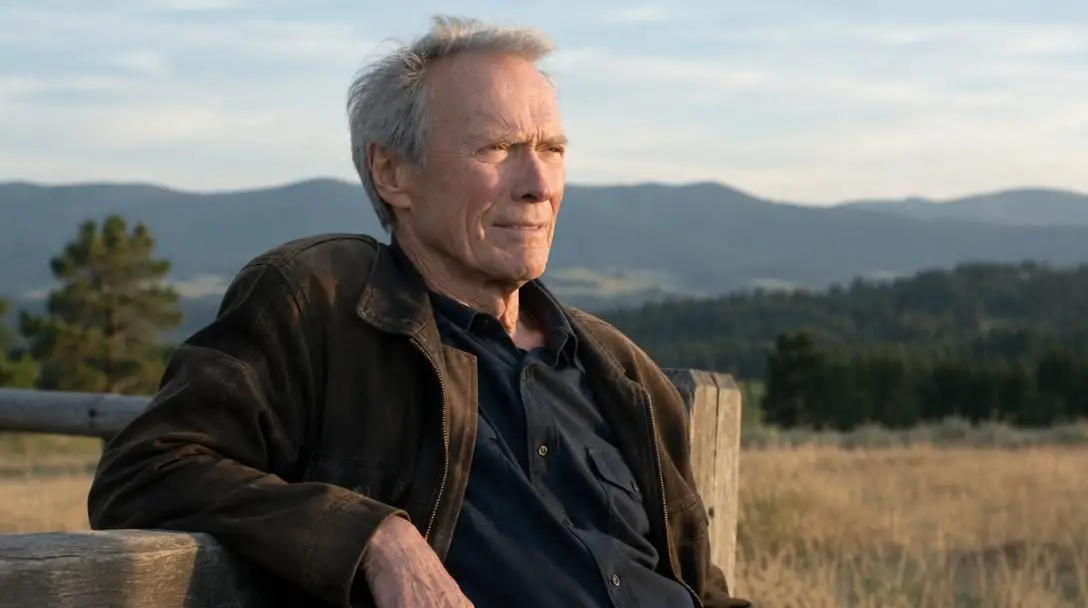
Finally, career self-direction provided the ultimate defense mechanism. By owning the production apparatus, Eastwood controlled his own employment pipeline. He did not need to wait for studios to greenlight his projects; he had established the organizational authority to develop, direct, and deliver films on lean budgets. This operational autonomy generated consistent revenue that fed back into his philanthropic initiatives and diversified investment portfolio, completing a resilient wealth cycle.
Step-by-Step Blueprint to Emulate Eastwood's Wealth Habits
While few individuals will ever direct major motion pictures or attain the net worth of an iconic filmmaker, the fundamental principles governing Eastwood's economic success can be applied by anyone seeking financial independence. The following structured sequence outlines how to put these principles into daily practice.
- Audit and cap recurring expenditures: Review bank statements from the past six months to identify lifestyle creep, unneeded luxury subscriptions, and impulse spending. Establish a realistic living budget that prioritizes essential needs and eliminates wasteful displays of status, freeing up discretionary cash.
- Establish a resilient liquid reserve: Build a dedicated cash cushion containing three to six months of living expenses in an accessible, low-risk account. Having this reserve guarantees that unexpected emergencies will not force you to liquidate long-term investments prematurely.
- Construct a multi-sector investment plan: Allocate your investment contributions across multiple non-correlated asset classes. Rather than putting all capital into a single industry, diversify across low-cost broad-market index funds, real estate opportunities, and stable income-generating assets.
- Perform rigorous due diligence on every outlay: Never commit capital based on hype, social media tips, or emotional impulses. Study financial statements, assess historical returns, evaluate worst-case downside risks, and ensure you fully understand the mechanics of any asset before buying in.
- Transition from wage earner to asset owner: Identify areas in your professional career where you can acquire equity, project leadership, or intellectual property rights. Look for opportunities to manage projects, build independent client rosters, or launch a venture where you own the underlying output rather than trading hours strictly for wages.
- Adopt a multi-decade compounding timeline: Commit to keeping your primary investments untouched through normal economic cycles. Avoid panic selling during market corrections and resist frequent trading, letting long-term capital appreciation and dividend reinvestment run uninterrupted.
- Incorporate structured community giving: Set aside a dedicated percentage of income or annual profits to support verified charitable initiatives that align with your personal values, such as animal rescue, education, or veteran support programs.
Pitfalls That Threaten Long-Term Financial Independence
Many individuals fail to build lasting security because they stumble into predictable behavioral traps. Throughout his extensive career, Eastwood intentionally steered clear of these common financial mistakes:
- Succumbing to lifestyle inflation: Allowing personal expenses to rise automatically alongside salary increases prevents capital accumulation. Buying luxury items solely to project social status consumes the financial surplus needed to fund productive investments.
- Concentrating capital in a single asset: Placing an entire portfolio into one company's stock, one speculative sector, or a single real estate property exposes an individual to catastrophic losses if that specific market encounters unforeseen headwinds.
- Chasing rapid, speculative returns: Becoming impatient with steady, incremental progress leads investors into high-risk schemes promising fast riches. History shows that speculative bubbles routinely wipe out undisciplined capital.
- Remaining entirely passive in your career: Relying exclusively on an employer or single client to dictate your income trajectory leaves your financial future at the mercy of outside decisions. Neglecting to learn high-value skills or direct your own projects caps your lifetime earning ceiling.
- Treating wealth without social purpose: Viewing personal capital strictly as an instrument for private luxury often leads to short-sighted financial choices. Failing to support meaningful causes disconnects wealth from purposeful, long-term community value.
Strategic Questions for Your Own Financial Trajectory
Translating the lessons of Clint Eastwood into actionable personal strategy requires honest self-reflection and ongoing evaluation. As you consider your next financial steps, weigh the following strategic questions:
First, examine your current professional role. Are you functioning entirely as a hired laborer dependent on external management, or are you taking deliberate steps to build ownership? Consider how you can step into project leadership, master new technical capabilities, or negotiate equity-based compensation that ties your financial return directly to the success of your work.
Second, review the actual allocation of your current assets. Are your savings concentrated too heavily in cash, your employer's stock, or a single property? Determine whether your current holdings possess genuine diversification capable of surviving severe economic contractions. Ask yourself if your portfolio reflects a disciplined multi-decade plan or an erratic collection of short-term reactions.
Finally, assess your daily consumption habits. Do your expenditures reflect your authentic values, or are you spending money to satisfy the expectations of peers? Emulating Eastwood's quiet confidence—choosing practical transport, modest travel, and relentless reinvestment—creates the financial breathing room needed to build undeniable autonomy, weather economic storms, and give back meaningfully to the world.
Frequently asked questions
What was Clint Eastwood's estimated net worth as of 2021?
As of 2021, Clint Eastwood’s net worth was estimated to stand around $375 million, accumulated over more than six decades through acting, directing, producing, and multi-asset investments.
Why did Clint Eastwood choose to become a director and producer?
Eastwood transitioned behind the camera to gain creative autonomy over his films and to secure greater financial value by capturing production equity and backend profits rather than depending strictly on standard acting wages.
What types of investments make up Clint Eastwood's portfolio?
Eastwood diversified his wealth across multiple asset classes, including substantial real estate holdings, public stock market equities, and operating private business ventures, combined with rigorous due diligence before committing capital.
What examples demonstrate Eastwood's modest spending habits?
Despite his vast wealth, Eastwood is widely known for driving an older pickup truck instead of luxury vehicles and regularly choosing commercial coach flights over expensive private chartered aviation.
Which charitable causes does Clint Eastwood actively support?
Eastwood established the Eastwood Ranch Foundation to rescue and rehabilitate domestic animals, and he has consistently contributed financial resources to educational initiatives, the fine arts, and support programs for military veterans.
The bottom line
Clint Eastwood's journey from a working actor to a cultural and financial powerhouse worth an estimated $375 million as of 2021 offers a masterclass in wealth preservation. His enduring success was not an accident of fame; it was the deliberate consequence of a frugal lifestyle, extensive asset diversification, patience, professional self-direction, and dedicated philanthropy. By controlling personal spending, capturing equity in his work, and respecting the compounding power of time, Eastwood built a legacy that transcends cinema. Adopting his unpretentious mindset and calculated approach provides a reliable roadmap for anyone striving to achieve lasting financial independence.