5 Financial Secrets of Elton John: Spending, Investments, and Net Worth

Elton John stands as an enduring giant of modern music culture, commanding global attention for more than half a century. From his working-class beginnings in a council estate house to playing piano in local pubs and ultimately packing international stadiums, his creative rise alongside songwriting collaborator Bernie Taupin produced one of the most lucrative catalogs in commercial music history. Yet an extraordinary income never guarantees permanent financial survival, as decades of music history are filled with high-earning superstars derailed by unchecked credit, exorbitant overhead, and negligent advisors.
During the late 1990s, John confronted his own well-publicized financial turbulence when unchecked lifestyle expenditures triggered a comprehensive audit of his personal balance sheet. Rather than succumbing to bankruptcy, he restructured his business management, protected his equity, and constructed an enduring financial empire estimated in the hundreds of millions. His modern wealth profile illustrates how high-earning individuals can indulge in personal passions while preserving long-term solvency through rigorous systems, calculated asset allocation, and generational foresight.
Key takeaways
- High earning power must be paired with strict accounting controls to prevent catastrophic lifestyle inflation.
- Alternative asset diversification, including sports ownership and fine art, can hedge against the volatility of entertainment revenues.
- Cultivating both active performance income and passive catalog royalties ensures consistent liquidity across different life phases.
- Strategic philanthropy strengthens global enterprise relationships while creating a meaningful social legacy.
- Clear inheritance guardrails help preserve working-class family values and prevent unearned wealth from compromising heirs.
The 5 financial pillars of Elton John's enduring wealth
Sustaining multi-generational wealth over five decades requires far more than artistic genius. By deconstructing the financial systems John implemented following his late-career balance sheet reorganization, investors and music enthusiasts can observe how creative output transforms into commercial resilience.
Balancing lavish spending with long-term oversight
Elton John has never concealed his affinity for luxury, exceptional design, or personal grandeur. Over his career, his expenditures have become legendary, highlighted by prime real estate acquisitions such as a $33 million mansion in Los Angeles, secondary homes across the globe, and an extensive stable of luxury vehicles. During the late 1990s, his purchasing habits reached dramatic heights, including an infamous expenditure of roughly $300,000 on fresh flowers alone within a two-year window. At the time, John explained that he spent with complete abandon because he lacked direct heirs to preserve his capital for.
Following fatherhood and the adoption of his children, his relationship with wealth evolved from pure consumption toward purposeful environment curation. He intentionally surrounds his family with curated fine art, museum-quality photography, and bespoke architecture to stimulate day-to-day creativity. Crucially, this high-end domestic environment is matched with an insistence that excessive luxury should not undermine character. John has stated that handing children an unearned silver spoon risks destroying their drive, resolving that his sons will inherit baseline financial security while being required to build their own professional accomplishments through hard work.
Strategic investments in alternative assets and sports
Rather than confining his surplus capital to traditional deposit accounts, John deployed substantial resources into non-traditional, real-world investments. His equity portfolio has consistently featured blue-chip contemporary art, private photography archives, prime international real estate, and sports franchises. In 1976, he executed one of his most prominent business acquisitions by purchasing Watford Football Club, an English soccer team that held deep personal significance for him.
Under his financial ownership and strategic backing, the club climbed through the divisions of the English football pyramid to achieve top-tier prominence. The acquisition illustrated how an alternative asset, when guided by committed leadership, can satisfy personal sporting ambitions while producing substantial commercial appreciation. His ongoing willingness to allocate liquidity outside the recording industry shielded his net worth from downturns in the broader entertainment market.

Cultivating multiple streams of revenue
Relying on a single line of income represents an enormous financial hazard, particularly in creative industries subject to shifting consumer tastes and technological disruption. John insulated his personal balance sheet by constructing an interlocking network of active and passive income engines. At the baseline, his songwriting partnership with Bernie Taupin generated an expansive music catalog that delivers steady global publishing royalties, performance rights fees, and synchronization licensing payments year after year.
Above this passive foundation, he continually leveraged his global celebrity into high-yielding active endeavors. These included record-breaking worldwide stadium concert tours, specialized merchandise lines, commercial licensing agreements, and major brand endorsements. By operating simultaneously across live events, streaming media, and corporate sponsorships, his enterprise avoided reliance on any single revenue pipeline.
Purpose-Driven Philanthropy and Community Impact
A central pillar of John's mature financial life is his deep commitment to public health through the Elton John AIDS Foundation. Over several decades, the philanthropic organization has mobilized hundreds of millions of dollars toward medical research, community education, and frontline support services worldwide. This initiative originated not as a tax shelter or public relations strategy, but as a direct humanitarian mission to combat an epidemic that devastated his personal and professional circles.
Concurrently, this long-term charitable platform expanded his institutional influence. Heading a high-profile global foundation placed John in regular dialogue with corporate leaders, heads of state, and premier philanthropic institutions. The public goodwill, integrity, and trust cultivated through transparent, decades-long charitable operations enhanced his commercial partnerships, granting his brand an enduring level of respect that elevated all his business enterprises.
Long-Term Net Worth and Legacy Building
By blending blue-collar industry output with institutional financial management, Elton John's personal net worth grew to an estimated several hundred million dollars as of 2023. This outcome reflects calculated operational course corrections following his spending crises in the late 1990s. Recognizing that his initial fortune had been threatened by loose accounting and unchecked disbursements, he put disciplined corporate structures in place to manage taxes, business liabilities, and holding costs.
Rooted in his background growing up in a modest council estate house, John retained an appreciation for relentless effort that carried into his commercial career. Even in his seventies, he maintained demanding tour schedules and complex commercial negotiations, approaching the music industry as an active enterprise rather than a passive status symbol.
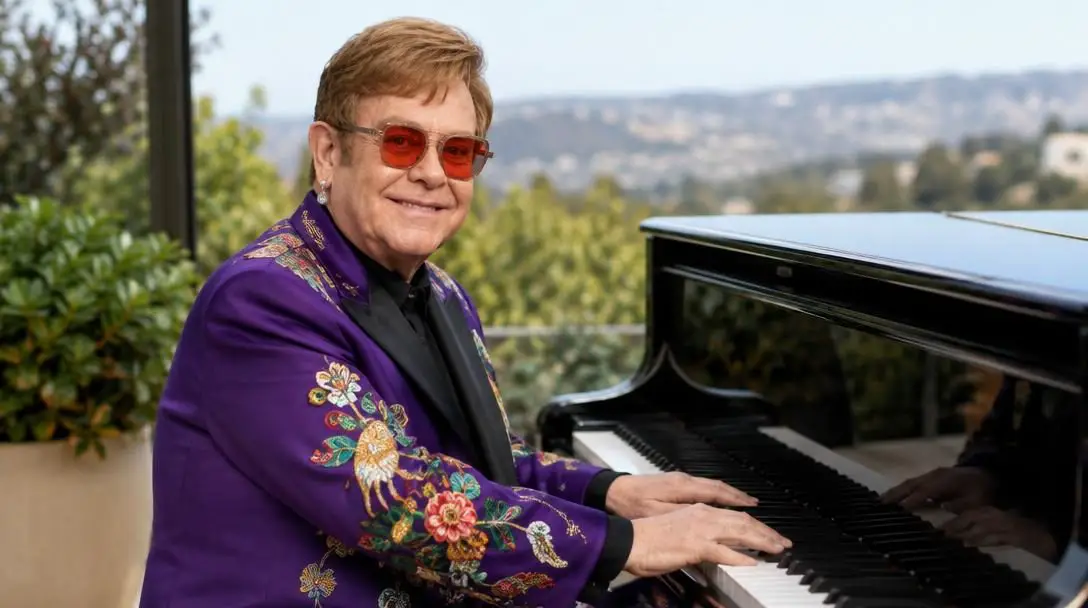
True financial security requires balancing the enjoyment of hard-earned wealth with disciplined oversight and an enduring respect for working-class diligence.
At a glance: Elton John's diversified asset ecosystem
The resilience of John's wealth stems from his willingness to balance high-risk creative ventures with tangible, appreciating alternative investments and stable intellectual property royalties.
| Wealth pillar or asset class | Primary revenue or value driver | Risk management function | Source-documented example |
|---|---|---|---|
| Alternative assets and sports | Long-term capital appreciation and franchise equity | Hedges against volatility in the music streaming and sales markets | 1976 acquisition and financing of Watford Football Club |
| Intellectual property and publishing | Continuous passive royalties from historic music catalog | Establishes a permanent cash-flow baseline during non-touring years | Songwriting catalog developed with Bernie Taupin |
| Live touring and brand partnerships | High-margin cash generation through stadium tours and licensing | Accelerates liquidity to fund secondary acquisitions and ventures | Worldwide concert dates and global commercial endorsements |
| Philanthropic foundations | Humanitarian capital deployment and public benefit | Builds cross-sector goodwill and high-level institutional alliances | Elton John AIDS Foundation public health operations |
| Prime luxury real estate | Tangible property appreciation and creative personal environments | Preserves generational capital across premier global property markets | $33 million residential estate in Los Angeles |
How managing wealth and cash flow works in practice
While the dollar figures of an international superstar are massive, the administrative mechanics governing large fortunes parallel the financial rules applicable to everyday personal balance sheets. Sustaining wealth over generations depends on four operational pillars:
- Active versus passive inflow management: High earners convert time into cash through active work, such as concert touring or executive employment. Enduring stability occurs when active capital is systematically redirected into passive engines—like dividend-bearing assets, real estate equity, or intellectual property rights—that generate income independent of daily labor.
- Strategic asset allocation: Balancing portfolio liquidity is essential. While cash, money market funds, and publicly traded equities provide rapid liquidity for emergencies, illiquid holdings such as commercial real estate or fine art hedge against systemic market shocks and anchor long-term net worth.
- Professional operational oversight: Managing substantial assets requires external accountability. Without dedicated business managers, tax attorneys, and independent auditors reviewing outflows, high earners remain vulnerable to cash-flow drains, predatory fee structures, and accounting fraud.
- Generational legacy structuring: Long-term wealth preservation relies on wills, family trusts, and clear inheritance criteria. These legal structures prevent assets from being dissolved by administrative friction, contested probate proceedings, or unprepared heirs.
Actionable steps to build sustainable personal finances
Adopting the habits that restored Elton John's financial health does not require millions of dollars in venture capital. Any household or entrepreneur can implement systematic principles to safeguard their personal balance sheet.
- Conduct a line-by-line spending audit to uncover recurring, unnecessary outflows that mirror lifestyle creep.
- Establish secondary revenue channels alongside primary employment to avoid reliance on a single paycheck.
- Direct discretionary income into appreciating, cash-producing investments rather than depreciating lifestyle accessories.
- Define explicit inheritance boundaries and communicate personal expectations regarding self-reliance to children.
- Integrate charitable contributions or community service into annual budgets to build wider civic networks and financial discipline.
Common wealth and spending traps to avoid
Celebrity financial downfalls offer valuable warnings for ordinary consumers. Many individuals encounter distress not because they fail to earn enough, but because they stumble into systemic monetary errors:
- Confusing current cash flow with permanent net worth: Assuming strong current earnings will persist indefinitely leads to under-saving during peak earning windows.
- Unmonitored lifestyle creep: Upgrading housing, vehicles, and daily consumption concurrently with income gains eliminates the margin of safety needed for unexpected downturns.
- Abdication of personal oversight: Delegating financial tasks entirely to bookkeepers or advisors without reviewing statements invites fraud and unmonitored spending.
- Overlooking ongoing carrying costs: Buying major assets without budgeting for insurance, routine maintenance, storage, and taxes places a severe, chronic drain on liquid capital.
- Postponing estate planning: Failing to draft comprehensive wills and trusts exposes assets to extensive legal delay, estate taxes, and familial conflict.
Frequently asked questions
How did Elton John resolve his late-1990s financial difficulties?
Following high-profile legal proceedings and public revelations of unchecked spending—including nearly $300,000 spent on fresh flowers—Elton John restructured his business administration. He instituted strict financial controls, partnered with professional advisors, cut unnecessary expenses, and deployed his relentless touring capacity to rebuild liquid cash reserves.
What is Elton John's estimated net worth?
As of 2023, financial analysts and wealth trackers estimated Elton John's net worth to be several hundred million dollars, placing him among the most financially successful recording artists in music history.
Was Elton John's purchase of Watford Football Club a sound investment?
Yes. Purchased in 1976 out of personal passion, the team rose through the English football divisions under his financial backing and leadership, ultimately transforming into a lucrative business asset that diversified his net worth beyond entertainment royalties.
What is Elton John's approach to leaving an inheritance for his children?
John has publicly stated that giving children an unearned silver spoon can ruin their lives. While his sons will receive lifetime financial security, he maintains that they must learn the value of hard work, self-reliance, and career accomplishment rather than relying solely on inherited wealth.
How does the Elton John AIDS Foundation support his broader enterprise?
Beyond raising hundreds of millions of dollars for medical research and care, the foundation has established relationships with corporate leaders, heads of state, and philanthropists. This platform generates public goodwill and commercial trust that strengthens all of his creative and brand partnerships.
The bottom line
Elton John's financial trajectory offers a practical case study in the relationship between extraordinary income and operational discipline. His early transition from council estate roots to global fame brought both immense fortunes and dangerous spending habits, proving that raw cash flow cannot replace structured money management. By introducing rigorous budgeting, diversifying into sports and alternative assets, maintaining multiple income channels, and establishing clear boundaries for family wealth, he secured an empire that continues to thrive.
Building enduring wealth does not depend on staging stadium concerts, but on applying fundamental financial mechanics: keeping outflows below inflows, auditing recurring expenses, hedging income through diversification, and protecting generational assets through clear legal planning. Adopting these habits empowers any individual to transform hard-earned income into lasting independence.