5 Financial Secrets of Jerry Seinfeld: Spending, Investments, and Net Worth

Jerry Seinfeld stands as one of the most successful comedians and television producers in entertainment history. Widely celebrated for his iconic observational humor, he achieved international acclaim through his legendary eponymous sitcom, Seinfeld, which anchored network television for nine seasons. While his creative output transformed American comedy, his long-term financial stature is not merely the byproduct of massive broadcast paychecks. Over several decades, Seinfeld has developed a reputation as an exceptionally disciplined investor who approaches capital preservation with patience, strategic foresight, and deliberate restraint.
While top-earning entertainers frequently fall victim to rapid lifestyle inflation and erratic investment choices, Seinfeld has adhered to a calculated, conservative framework. His personal balance sheet combines modest day-to-day spending with targeted, high-conviction capital allocation across enduring tangible assets, debt-free enterprise ventures, and liquid securities. By decoupling his sense of personal worth from outward displays of luxury, Seinfeld built an enduring fortune designed to withstand the volatile economic cycles of the entertainment industry.
Key takeaways
- Frugality and controlled overhead generate the surplus cash flow needed to fund enduring, long-term assets.
- Strategic real estate purchases in high-barrier markets can yield dramatic capital gains when combined with lengthy holding periods and thoughtful renovations.
- Avoiding debt and self-funding business ventures secures complete creative control while eliminating draining interest expenses.
- Broad portfolio diversification across equities, fixed-income vehicles, and curated passion assets acts as a shock absorber against market downturns.
The 5 Core Financial Principles of Jerry Seinfeld
The foundation of Jerry Seinfeld's financial philosophy rests upon five primary behaviors that govern how he earns, allocates, and protects his wealth. Rather than chasing speculative trends or exhibiting conspicuous consumption, his approach relies on fundamental economic discipline and personal restraint.
| Principle | Primary Vehicle or Practice | Key Economic Benefit | Real-World Example |
|---|---|---|---|
| Living Below His Means | Modest personal lifestyle and spending restraint | Preserves surplus liquidity; prevents lifestyle creep | Driving a 1997 Porsche 911; shopping at TJ Maxx |
| Strategic Real Estate | Prime properties in supply-constrained markets | Long-term appreciation and forced equity through renovation | Upper West Side townhouse ($4M buy, $17.5M exit) |
| Portfolio Diversification | Equities, bonds, land, and rare collectibles | Protection against concentration risk and market crashes | Extensive, curated classic Porsche collection |
| Aversion to Debt | Full equity self-funding for commercial projects | Zero debt-servicing overhead; complete creative autonomy | Bootstrapping Comedians in Cars Getting Coffee |
| Passion Projects | Focusing energy on high-competence creative crafts | Sustained career longevity and premium asset generation | Transitioning stand-up focus into digital automotive series |
Living Below His Means
Despite accumulating a fortune valued in the hundreds of millions, Seinfeld practices an unexpected degree of personal simplicity. Rather than cycling through the latest exotic sports cars, he continues to drive a reliable Porsche 911 Carrera purchased in 1997. He frequently dresses in unpretentious, inexpensive clothing and has been known to shop at discount retail chains such as TJ Maxx. This resistance to consumer bloat extends to his professional decisions: Seinfeld famously walked away from an unprecedented contract offer of $5 million per episode to produce a tenth season of his sitcom. By declining the immediate payout, he chose to preserve the show's pristine creative reputation rather than inflating his bank account at the expense of quality.
Strategic Real Estate Investing
Real estate constitutes a cornerstone of Seinfeld's enduring net worth. Over several decades, he has acquired high-value parcels in supply-constrained, perennially sought-after regions, including multiple properties in New York City, premier compounds in the Hamptons, and an expansive mountain estate in Telluride, Colorado. Seinfeld's property methodology relies on acquiring irreplaceable real estate, maintaining ownership through multi-year market cycles, and completing significant architectural renovations. A prime example occurred on Manhattan's Upper West Side, where he purchased a historic townhouse for $4 million during the 1990s, invested heavily into restoring the property, and ultimately liquidated it in 2016 for $17.5 million.
Broad Portfolio Diversification
Understanding that over-reliance on a single industry or asset class leaves wealth vulnerable, Seinfeld spreads his capital across varied asset types. His holdings encompass conventional financial instruments, including public stocks and fixed-income bonds, alongside physical real estate. Additionally, Seinfeld turned a personal fascination with sports car engineering into a standalone, non-correlated asset class by assembling a world-class fleet of classic Porsches. By curating rare historical specimens and holding them through market shifts, he has been able to liquidate select models for millions of dollars, establishing an alternative store of value that moves independently from public equity exchanges.

A Strict Aversion to Debt
Seinfeld maintains a non-negotiable policy against carrying personal debt or relying on third-party commercial leverage. Instead of applying for bank loans, securing lines of credit, or taking on equity partners to underwrite his creative ventures, he funds development directly out of cash reserves. When launching his digital interview series, Comedians in Cars Getting Coffee, he completely self-funded the production. This eliminated recurring interest payments, cleared away administrative red tape, and allowed him to maintain total ownership of the underlying intellectual property and creative direction.
Pursuing Genuine Passion Projects
Long-term earning power requires sustained engagement, and Seinfeld directs his professional energy strictly toward concepts that engage his genuine interest. Rather than lending his name to uninspired commercial sponsorships or licensing deals, he focuses exclusively on the craft of observational stand-up comedy and comedic writing. That deep focus fostered the launch of his foundational television series, and decades later, it spurred the development of Comedians in Cars Getting Coffee, an inventive series combining his personal enthusiasm for automotive design with spontaneous long-form dialogue. Focusing on work he deeply enjoys has consistently yielded high-value creative properties that retain value over decades.
The Economic Mechanics: How Seinfeld's Strategy Compounds Wealth
The wealth preservation system practiced by Jerry Seinfeld does not hinge on complex financial engineering or high-risk speculation. Instead, it relies on elementary economic principles that compound reliably over long horizons when protected by emotional discipline.
Building lasting financial independence relies as much on personal choices and asset preservation as it does on generating a high income.
The first mechanical driver of this strategy is surplus cash flow generation. When an earner consistently restricts everyday living expenses below their total compensation, they produce an expanding pool of liquid capital. By rejecting unnecessary lifestyle upgrades and remaining content with older vehicles and discount apparel, Seinfeld avoids the recurring overhead trap that forces many high-earning individuals to continuously work just to cover their fixed liabilities. Walking away from $5 million per episode proved that his lifestyle was entirely decoupled from ongoing production checks.
The second pillar involves capturing both natural market appreciation and forced equity through real estate. High-barrier geographic markets such as Manhattan, the Hamptons, and Telluride feature strictly limited land supply paired with perpetual demographic demand. When an investor holds these premier parcels across decades, short-term economic recessions smooth out into significant long-term growth. By executing comprehensive, high-standard renovations during the ownership period, Seinfeld actively forces value creation onto the asset, amplifying the baseline capital appreciation delivered by the broader property market.
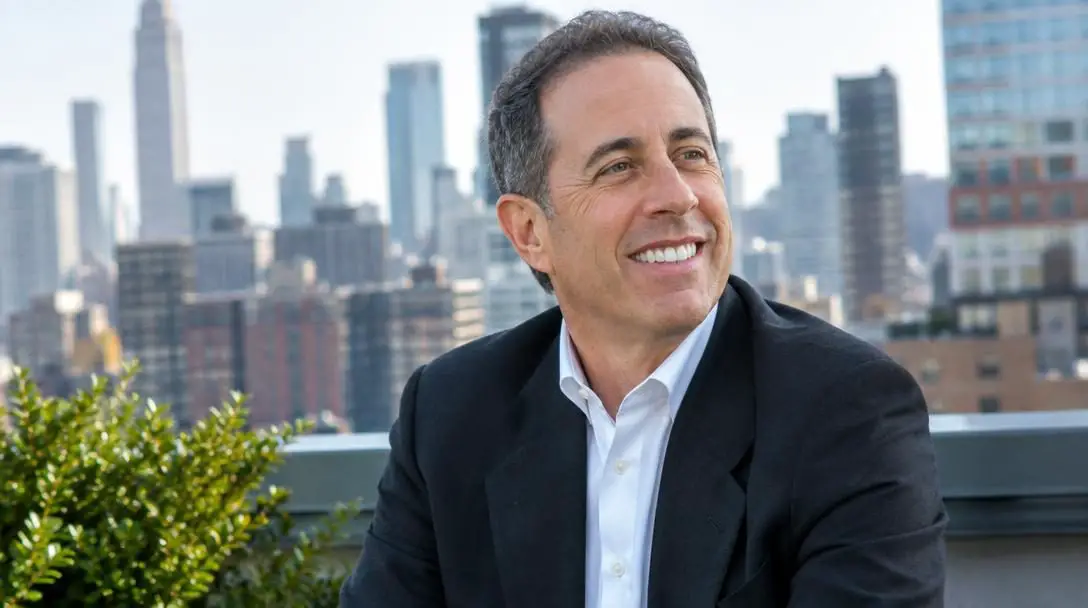
The third component is structural insulation through debt elimination. Traditional debt-financed investing relies on positive spreads: the asset's return must outpace financing charges, interest payments, and loan fees. In unfavorable market environments, debt service can force distressed sales. By funding enterprise ventures like Comedians in Cars Getting Coffee directly from savings, Seinfeld removed interest drag entirely. This gave him infinite holding power, permitting him to optimize distribution and monetization timelines according to his own artistic standards rather than the demands of external creditors.
Step-by-Step Blueprint to Apply Seinfeld's Money Rules
While ordinary households may not operate at the scale of an internationally renowned sitcom creator, the core operational behaviors behind Seinfeld's wealth accumulation can be mirrored at any income level.
- Establish an absolute cap on lifestyle inflation. Audit your recurring household expenditures and identify areas where habitual upgrades drain your balance sheet. Keep durable vehicles running for an extended number of years instead of cycling through modern lease agreements, look for quality value through discount retailers, and systematically route all surplus cash into dedicated savings accounts.
- Target real estate with durable intrinsic value. When acquiring property, prioritize established locations with limited supply and long-term buyer interest over speculative neighborhoods. Plan to maintain ownership across extended economic cycles, and focus on strategic, value-add renovations that build forced equity rather than relying exclusively on natural appreciation.
- Construct a resilient, multi-asset portfolio. Shield your accumulated net worth from sector-specific crashes by distributing capital across diverse asset types. Combine standard low-cost index equities and conservative fixed-income instruments with tangible alternative holdings that you thoroughly understand, such as physical property or vetted collectible assets.
- Eliminate consumer leverage and bootstrap new ventures. Draft a strict timeline to pay down outstanding consumer credit lines, personal loans, and depreciating auto debt. If you decide to launch a commercial side hustle or creative project, self-fund initial operations with personal savings to avoid surrendering operational equity or taking on burdensome interest liabilities.
- Cultivate deep professional mastery over short-term payouts. Direct your primary vocational energy toward skills and subject areas that align with genuine personal interest. Committing to professional mastery produces higher-quality output, protects you from burnout, and creates unique commercial opportunities that opportunistic career choices cannot match.
Frequent Financial Traps to Avoid
Studying Jerry Seinfeld's conservative money management highlights several dangerous behaviors that regularly erode personal fortunes across all income brackets.
- Confusing gross earnings with financial stability: Increasing living costs concurrently with salary raises eliminates surplus capital, leaving high earners exposed if their primary revenue stream falters.
- Financing speculative ventures with borrowed money: Using loans or lines of credit to pursue unproven business ideas creates mandatory debt service payments that must be paid regardless of whether the enterprise succeeds.
- Concentrating capital into a single vehicle: Storing all liquidity in a single real estate project, company stock, or speculative niche leaves the entire portfolio vulnerable to industry-specific disruptions.
- Sacrificing long-term asset value for short-term payouts: Accepting immediate cash incentives at the cost of creative burnout or damaged product quality degrades the lifetime value of an intellectual property or professional brand.
- Shielding younger generations from economic realities: Bestowing unfettered wealth on children without instilling personal responsibility undermines their work ethic. Seinfeld maintains a strict boundary with his own family, reminding his children that the fortune belongs to him rather than them, reinforcing that self-worth requires personal effort.
Frequently asked questions
Why did Jerry Seinfeld turn down $5 million per episode for his sitcom?
Jerry Seinfeld declined an unprecedented offer of $5 million per episode for a tenth season of Seinfeld because he felt the series had reached its artistic pinnacle. Because his modest lifestyle did not require ongoing astronomical paychecks, he prioritized the creative legacy and long-term reputation of the show over immediate income.
What classic car does Jerry Seinfeld famously drive as a daily vehicle?
Despite his massive wealth, Seinfeld has famously continued to drive a Porsche 911 Carrera that he purchased in 1997. His choice illustrates his personal commitment to avoiding unnecessary luxury upgrades simply because he has the funds to afford them.
Where are Jerry Seinfeld's primary real estate investments located?
Seinfeld's multi-million-dollar real estate holdings include luxury townhouses and apartments in New York City, expansive coastal properties in the Hamptons, and a substantial mountain estate in Telluride, Colorado.
How does Jerry Seinfeld finance his creative projects?
Seinfeld follows a strict debt-free policy, choosing to completely self-fund his creative projects with his own capital. For example, he self-funded the digital production of Comedians in Cars Getting Coffee to eliminate external debt obligations and maintain full creative and ownership rights.
What is Jerry Seinfeld's philosophy on leaving wealth to his children?
Seinfeld emphasizes economic realism to prevent entitlement among his children. When they ask if the family is rich, he bluntly replies that he is wealthy, but they are not, teaching them that personal satisfaction and resilience come from solving one's own problems and building individual success.
The bottom line
The remarkable financial endurance of Jerry Seinfeld illustrates that long-term prosperity is ultimately defined by capital retention, emotional discipline, and thoughtful allocation rather than raw earning power alone. By keeping his personal baseline expenses low, investing heavily in premier real estate, avoiding third-party leverage, and staying anchored to the craft he loves, Seinfeld transformed temporary entertainment paychecks into a multi-generational, self-sustaining financial fortress. Adopting his focus on living beneath your means, holding scarce assets, and self-funding your ambitions offers a reliable path toward lasting economic security.