5 Financial Secrets of Stevie Wonder: Spending, Investments, and Net Worth
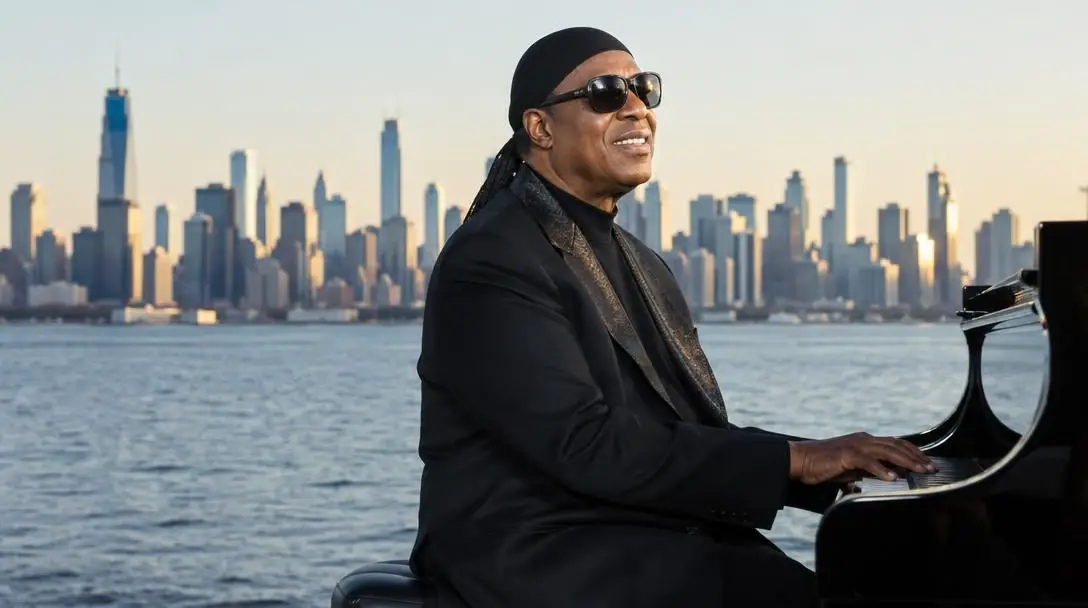
For more than five decades, Stevie Wonder has reigned as one of the most prolific and transformative figures in modern music history. Over the course of an illustrious career decorated with 25 Grammy Awards and more than 100 million records sold worldwide, his creative genius, singular vocal range, and unmatched multi-instrumental mastery have earned him an enduring cultural legacy. Yet behind the catalog of timeless hits lies an equally remarkable narrative of fiscal discipline, intellectual property control, and astute portfolio management.
Many generational creative talents generate enormous sums of money only to see their fortunes wiped out by predatory studio agreements, excessive lifestyle inflation, or careless personal accounting. Stevie Wonder sidestepped these familiar entertainment traps by putting an intentional economic architecture in place early in his career. Recognizing that artistic trends are unpredictable and commercial fame is inherently fleeting, Wonder bypassed short-term consumer vanity and built an empire founded on corporate equity, music publishing rights, physical real estate, and strategic media assets.
Key takeaways
- Stevie Wonder established generational wealth by combining aggressive early equity investments with the disciplined retention of his intellectual property rights.
- His real estate holdings, including massive estates in Bel Air and Beverly Hills, provide tangible inflation protection and balance his liquid portfolio.
- By rejecting depreciating luxury symbols and keeping personal overhead predictable, Wonder protected his core principal and allowed compound returns to flourish undisturbed.
- Founding Black Bull Music and purchasing large-market radio stations allowed him to maintain total artistic freedom and control key industry distribution channels.
The Five Core Financial Secrets of Stevie Wonder
The roadmap Wonder built across his career offers an exceptional case study in defensive wealth preservation and calculated risk management. Rather than operating merely as a paid performer, he conducted himself as a chief executive officer of his own enterprise. His playbook centers around five foundational practices that insulated his net worth against volatile shifts in both the entertainment sector and the broader economy.
Early Investments
- Asset types: Publicly traded equities, music industry ventures
- Key portfolio holdings: Apple, Microsoft, Honda, Pepsi
- Core strategy: Long-term compounding and early-stage capital allocation
One of Wonder's most impactful wealth-building practices was putting his capital into productive market instruments at an exceptionally young age. Rather than letting his earnings sit idle in low-yielding deposit accounts or spending early royalty checks on short-lived indulgences, he directed substantial capital into prominent, dividend-paying, and growth-oriented corporate giants, including Microsoft, Apple, Honda, and Pepsi.
By purchasing shares of these category-defining businesses decades before they reached their contemporary market capitalizations, Wonder positioned his balance sheet to benefit directly from multi-decade compounding. Alongside traditional equity markets, he funneled early earnings back into broader music industry opportunities. This multi-asset approach created diverse income channels that detached his day-to-day living standard from his immediate touring or recording schedule, giving him the leverage to create art on his own terms.
Real Estate Investments
- Key holdings: 160-acre California ranch, Newport Beach waterfront home
- Major purchase: 11-bedroom, 20,000-square-foot Bel Air estate for $14 million
- Major sale: Beverly Hills residence for $10.5 million
Physical real estate represents another central pillar of Stevie Wonder's overarching wealth preservation framework. Over several decades, he assembled a diverse portfolio of prime American real estate designed to serve as both functional family compounds and rock-solid hedges against macroeconomic inflation. Among his high-profile holdings are an expansive 160-acre ranch in California and an exclusive waterfront residence in Newport Beach.
Wonder demonstrated keen market timing and negotiation discipline with his Los Angeles residential holdings. After closing the profitable sale of his Beverly Hills estate for $10.5 million, he reinvested capital into an extraordinary 11-bedroom, approximately 20,000-square-foot estate in Bel Air for $14 million. High-end residential real estate in land-constrained coastal markets has supplied his portfolio with steady appreciation, significant collateral value, and reliable insulation against monetary debasement.
Smart Spending Habits
- Spending priority: Domestic comfort, health, and durable experiences
- Avoided expenses: Fleeting status symbols and depreciating luxury cars
- Core philosophy: Intentional budgeting that preserves investable capital
While the entertainment industry is infamous for competitive posturing and catastrophic spending sprees, Wonder remained committed to measured, rational consumer habits. Because of his visual impairment, he completely bypassed the common celebrity habit of acquiring expensive, rapidly depreciating fleets of exotic automobiles. This practical reality helped insulate him from an entire category of high-maintenance status purchases that routinely drain the accounts of professional performers.
Instead of seeking status through external displays, Wonder focused his personal budget around domestic comfort, peace of mind, family living, and meaningful human experiences. By anchoring his lifestyle to a deliberate personal spending plan, he kept his regular overhead manageable. This defensive posture ensured that his active compensation was never consumed by debt service or excessive maintenance costs, leaving his core investments to generate returns uninterrupted.

Business Ventures and Ownership
- Production company: Wonder Productions
- Publishing entity: Black Bull Music
- Strategic acquisitions: Large-market commercial radio stations
Perhaps Wonder's greatest economic victory lies in his uncompromising defense of intellectual property ownership. Early in his tenure in the recording industry, when artists routinely surrendered their publishing and master rights to corporate record labels in exchange for modest advances and promotional budgets, Wonder demanded and maintained absolute ownership of his music catalog. He operationalized this ownership by launching Black Bull Music to hold his song publishing rights and establishing Wonder Productions to manage his creative output.
Retaining his publishing rights guaranteed that every time his songs were played on the radio, licensed for television and cinema, covered by contemporary artists, or pressed to physical formats, the royalties flowed straight to his corporate accounts. This setup shielded him from corporate interference and granted him total creative sovereignty across recording studios and distribution labels. Expanding his ownership further down the entertainment value chain, Wonder recognized radio's critical role in audience exposure and established a business dedicated to acquiring large-market radio stations, turning an essential distribution mechanism into a reliable, income-generating asset.
Philanthropy
- Key organizations: American Foundation for AIDS Research
- Health initiatives: Children’s Diabetes Foundation
- Educational partners: United Negro College Fund
Charitable engagement has never been an accidental afterthought for Stevie Wonder; it has served as an organized operational priority throughout his career. Over many decades of activism, he has contributed significant capital, time, and global influence to organizations such as the American Foundation for AIDS Research, the Children’s Diabetes Foundation, and the United Negro College Fund.
Far from draining his wealth, his principled philanthropy anchored his economic purpose and built an authentic, globally respected reputation. By viewing wealth as an instrument to alleviate human hardship rather than merely a scorecard for personal luxury, Wonder demonstrated that purpose-driven capital allocation strengthens an investor's relationship with money. As he once observed, “The reality is, your money is only as good as you’re able to help others with it.”
At a Glance: Wonder’s Strategic Financial Pillars
Evaluating Wonder's diversified economic engine reveals how separate asset classes work in unison to balance high growth, steady cash flow, and defensive preservation. The following comparison highlights the mechanics behind his primary financial pillars.
| Pillar | Primary Assets / Holdings | Strategic Objective | Economic Impact |
|---|---|---|---|
| Early Equities | Microsoft, Apple, Honda, Pepsi | Multi-decade capital appreciation | Exponential compounding outside the music sector |
| Real Estate | Bel Air estate, Newport Beach home, 160-acre ranch | Tangible asset backing and inflation hedge | Massive balance-sheet equity and capital preservation |
| Spending Discipline | Comfortable domestic spaces, curated experiences | Mitigating lifestyle inflation | Protects baseline capital reserves from consumption erosion |
| Direct Ownership | Black Bull Music, Wonder Productions, radio stations | Evergreen royalty capture and infrastructure control | High-margin passive cash flow with complete creative freedom |
| Philanthropy | UNCF, AIDS research, Children’s Diabetes Foundation | Social impact and purpose-driven capital deployment | Builds an enduring legacy and trusted global brand equity |
Deconstructing Wonder’s Multi-Tiered Financial Framework
The underlying machinery of Stevie Wonder's net worth operates through an interconnected network of liquidity management, intellectual capital, defensive budgeting, and asset diversification. Each tier functions symbiotically to protect and expand his broader financial estate.
Sustainable wealth requires more than earning high compensation; it requires defensive financial management, intentional asset allocation, and ownership of the products one creates.
The journey begins with active income generation. Wonder used his primary creative talents to drive gross revenue through live performance ticket sales, studio recording advances, and global tours. Rather than allowing these windfall payments to determine his daily lifestyle, he treated active income strictly as top-of-funnel seed capital.
That capital was immediately directed toward the retention of intellectual property. By operating Black Bull Music, Wonder created an evergreen cash-flow spigot. While active touring demands constant physical energy and travel, intellectual property produces perpetual royalties 24 hours a day, regardless of whether an artist is actively working.
Next, excess cash flow was deployed into capital reinvestment and tangible asset backing. By balancing liquid equity positions in major corporations like Apple and Microsoft alongside illiquid physical acreage in California, his portfolio maintained both liquidity for strategic opportunities and physical security against macroeconomic turbulence. Wonder then complemented this portfolio with ecosystem integration, purchasing large-market radio stations to control the infrastructure that broadcast his creative work.
How to Apply Stevie Wonder’s Wealth Principles to Your Balance Sheet
While few individuals will ever generate millions of dollars through global music tours, Wonder's core financial behaviors can be adopted by professionals, entrepreneurs, and independent creators at any income level. Applying these systematic steps will help build a resilient personal financial model:
- Start compounding immediately: Allocate a fixed percentage of every paycheck directly into diversified, high-performing equities or broad-market index funds, letting time multiply your initial savings.
- Fight aggressively for ownership: Whether you are an author, developer, contractor, or founder, avoid exchanging your complete intellectual output for quick upfront compensation; keep equity, copyrights, or ongoing royalties whenever possible.
- Diversify beyond your primary employer: Use the surplus generated by your day job to acquire secondary investments in real estate, corporate equities, or small business holdings to eliminate single-point-of-failure career risk.
- Sidestep the luxury status trap: Deliberately reject high-cost, rapidly depreciating lifestyle purchases intended solely to impress peers, steering capital instead toward durable home comfort and productive assets.
- Acquire asymmetric real estate: Seek out physical properties in supply-constrained areas that offer long-term intrinsic value, defensive utility, and strong potential for capital appreciation over decades.
- Integrate charitable giving into your baseline budget: Allocate a regular portion of your cash flow toward philanthropic causes you believe in, establishing a healthy, grounded relationship with personal wealth.
Critical Financial Traps to Avoid
Evaluating financial success requires understanding not just what went right, but also what mistakes were deliberately avoided. Stevie Wonder survived the volatility of the music business because he systematically dodged the classic traps that have brought ruin to countless high-income earners:
- Trading long-term equity for short-term liquidity: Upfront payments provide temporary comfort, but relinquishing rights strips away perpetual income streams. Wonder prioritized long-term ownership through Black Bull Music over quick corporate paydays.
- Permitting lifestyle creep to absorb earnings growth: When income multiplies, individuals frequently expand their spending on depreciating luxury assets. Wonder maintained a consistent domestic focus, keeping his core capital intact.
- Concentrating net worth in a single industry: Placing all resources into a single employer, specialized skill set, or narrow industry leaves you defenseless against technological disruption. Wonder countered this by buying blue-chip corporate equities and physical real estate.
- Allowing idle cash to erode against inflation: Parking large sums in low-yielding checking accounts steadily reduces purchasing power. Wonder consistently converted cash into prime land, iconic residential properties, and market equities.
- Treating charitable contributions as a posthumous luxury: Delaying community support until the end of life robs capital of immediate social utility. Wonder wove active philanthropy directly into his life's mission.
Auditing Your Finances and Next Moves
Moving from studying financial philosophy to upgrading your own balance sheet requires an honest, objective audit of your current financial health. Take these concrete actions to assess your position:
First, conduct a comprehensive income-stream audit. Map out your monthly take-home pay and calculate exactly what percentage depends strictly on your direct, active hourly labor versus passive dividends, real estate rental receipts, business distributions, or creative royalties. If 100 percent of your cash flow requires your active physical presence, begin drafting a blueprint to acquire or build dividend-producing assets.
Second, execute a discretionary expense analysis covering the past twelve months of credit and bank statements. Categorize your expenditures into depreciating consumer purchases versus investments with long-term utility or appreciation potential. Eliminating frivolous spending on status symbols will immediately free up the monthly capital required to fund consistent investments in equities, land, and intellectual property.
Frequently asked questions
How many Grammy Awards has Stevie Wonder won throughout his career?
Stevie Wonder has won 25 Grammy Awards over a legendary recording career spanning more than five decades, making him one of the most decorated musical artists in history.
What major public companies did Stevie Wonder invest in early on?
Wonder deployed early capital into prominent global corporations, purchasing significant equity stakes in Apple, Microsoft, Honda, and Pepsi, which allowed his fortune to multiply through decades of compound growth.
What are Stevie Wonder’s primary real estate holdings?
His real estate portfolio has included a 160-acre ranch in California, a prime waterfront residence in Newport Beach, and an 11-bedroom, 20,000-square-foot estate in Bel Air purchased for $14 million following the $10.5 million sale of his Beverly Hills home.
What businesses did Stevie Wonder establish to retain ownership of his music?
Wonder founded Black Bull Music to retain full ownership of his song publishing rights and established Wonder Productions, ensuring he collected ongoing royalties without outside studio interference.
Which charitable organizations does Stevie Wonder actively support?
Over several decades of philanthropy, Wonder has contributed to the American Foundation for AIDS Research, the Children’s Diabetes Foundation, and the United Negro College Fund.
The bottom line
Stevie Wonder’s enduring fortune offers a masterclass in combining creative brilliance with disciplined economic foresight. By resisting the temptation to flaunt his wealth through depreciating consumer luxuries, prioritizing equity ownership in his creative work, investing in high-grade corporate stocks, and securing prime real estate, he built a bulletproof financial empire. His career proves that when defensive spending, deliberate diversification, and meaningful philanthropy intersect, financial independence can endure across a lifetime.