5 Fundamentals Of Disaster Prep
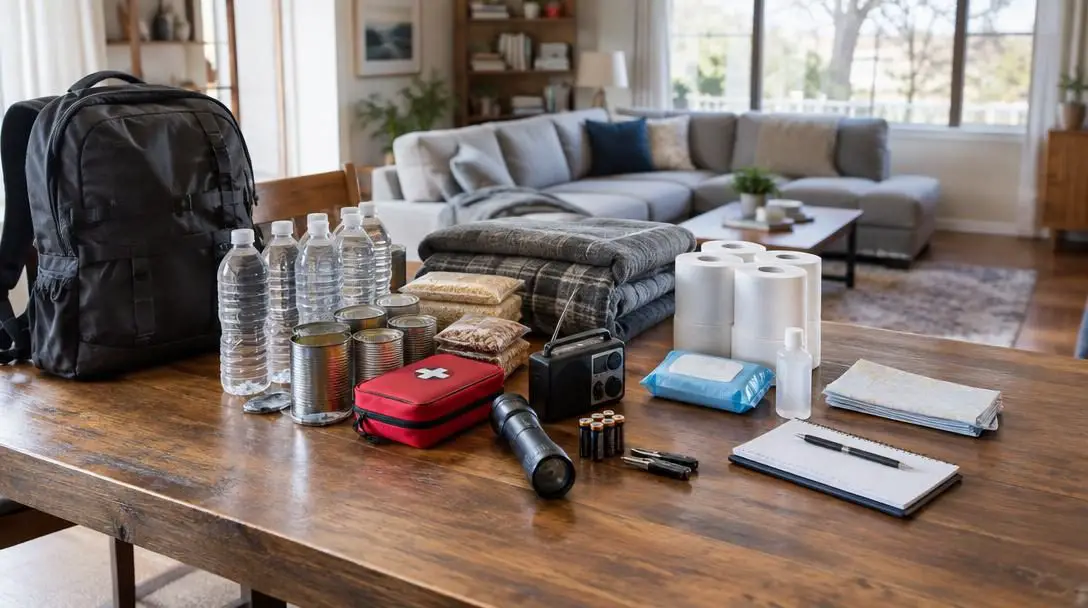
Disasters can disrupt everyday life suddenly and in many different forms, whether communities face a 500-year flood that washes out vital roads, destructive tornadoes that rip through municipal power grids, or a widespread pandemic that confines families to their homes. In each of these crises, the difference between enduring an emergency in relative comfort and spending each day struggling for basic survival comes down to practical preparation. Many households feel overwhelmed by readiness because they imagine apocalyptic, cinema-style survival scenarios, but realistic emergency preparedness is grounded in manageable, everyday self-reliance.
Preparing your household does not require planning for the collapse of civilization. In the vast majority of real-world emergencies, maintaining a reserve of supplies for one to two weeks provides an adequate buffer until municipal services resume, utility crews repair infrastructure, or regional relief arrives. By focusing on practical necessities rather than extreme scenarios, any household can build the resilience needed to stay housed, hydrated, nourished, and safe without relying on open retail stores or functioning public utilities.
Key takeaways
- Emergency readiness centers on five fundamental pillars: shelter, safety and hygiene, water, food, and first aid.
- A baseline supply buffer of one to two weeks is sufficient to outlast most community-level infrastructure disruptions.
- Water storage requires at least one gallon per person per day to meet drinking, cooking, and sanitation needs.
- Pantry reserves should consist strictly of non-perishable foods your household already eats on a regular basis.
- Social bonds, such as knowing your neighbors and volunteering weekly, provide critical mutual support during emergencies.
The Five Core Pillars of Emergency Readiness
True household resilience relies on addressing essential human needs systematically before an unexpected event occurs. When modern municipal services fail, standard household routines collapse unless alternative arrangements are established in advance. The table below outlines how each of the five fundamentals addresses immediate threats and what supplies are required to maintain stability.
| Fundamental | Primary Risk Addressed | Essential Gear and Supplies | Baseline Target |
|---|---|---|---|
| Shelter | Loss of electrical power, heating, and communications | Flashlights, spare batteries, candles, charcoal, walkies, generator | 1 to 2 weeks off-grid viability |
| Safety and Hygiene | Perimeter vulnerability, extreme temperatures, and sanitation collapse | Deadbolts, openable windows, warm blankets, toilet paper, wipes, disinfecting tablets | Continuous household security and waste control |
| Water | Dehydration, inability to cook, and hygiene breakdown | Bottled potable water, safe storage jugs, water purification tablets | 1 gallon per person per day (72 hours up to 2 weeks) |
| Food | Caloric deficit and metabolic exhaustion | Sardines, crackers, canned soups and vegetables, nuts, dried fruit | Minimum 3 days, expanding to 2 weeks |
| First Aid | Unmanaged trauma and lack of access to clinical healthcare | Tourniquet, wound disinfectants, bandages, stitching supplies, prescription refills | 14-day medication buffer and physical trauma supplies |
By organizing supplies around these five categories, you eliminate guesswork and build a cohesive system where every stored item serves an identified purpose.
Shelter
- Primary function: Serves as the central staging hub for resources and protection
- Key utilities replaced: Municipal electricity, piped natural gas, and municipal water
- Critical communication tool: Two-way walkies to operate during cellular tower blackouts
During an emergency, your existing home serves as your primary shelter. Rather than fleeing into unfamiliar territory, sheltering in place allows you to remain in a controlled environment where your supplies are organized and protected. The challenge of remaining at home lies in maintaining livable conditions when standard public infrastructure goes dark. Modern homes depend heavily on constant electricity and water pressure, both of which are among the first services knocked offline by severe weather or regional grid failures.
To keep a home functioning as a viable haven, you need independent sources of illumination, energy, and communication. Flashlights allow family members to move through rooms without risking falls or injuries in pitch-black interiors. Maintaining extra batteries sized specifically for your lighting and communications gear ensures you do not exhaust your primary light sources during prolonged outages. Candles provide steady, passive light that conserves battery power for active tasks. When electric or gas ranges fail, outdoor cooking requires bags of charcoal to prepare hot meals and boil liquids. For household coordination, walkies allow family members to keep in touch if cellular networks collapse, while a backup generator can supply crucial electricity for medical equipment or food refrigeration.
Safety and Hygiene
- Physical defense: Sturdy exterior deadbolts and window locks
- Passive climate tools: Operable cross-ventilation windows and thick thermal blankets
- Sanitation staples: Toilet paper, sanitizing wipes, and water-disinfecting tablets
Safety begins with establishing a secure perimeter around your home shelter. During a crisis, even individuals facing desperate conditions generally avoid attempting to enter a visibly secured, locked residence. This restraint stems from their own self-preservation instincts and an inherent desire to avoid violent confrontation or harming others. Checking that all exterior entryways feature functional, sturdy locks provides an immediate deterrent against opportunistic intrusion.
Physical safety also requires guarding against hazardous indoor temperatures when municipal heating and air conditioning systems fail. During summer heatwaves, having windows that can be opened safely to promote cross-ventilation prevents dangerous indoor heat accumulation. In freezing conditions, having a generous reserve of warm blankets allows household members to bundle up, conserve natural body heat, and stay safe through sub-freezing nights without auxiliary heating.
Hygiene is an inseparable component of safety because sanitary breakdown invites waterborne and contact diseases. When indoor plumbing loses pressure or stops working entirely, normal waste disposal routines vanish. Stocking an abundance of toilet paper ensures basic physiological needs are managed with dignity. Sanitizing wipes allow residents to clean their hands, prep surfaces, and sanitize eating utensils without depleting drinking water. In scenarios where household water sources are of questionable quality, water-disinfecting tablets eliminate microbial hazards and keep water safe for surface washing and personal hygiene.
Water
- Daily requirement: One gallon per person per day for drinking, cooking, and hygiene
- Initial milestone: 72-hour supply for all household members
- Extended target: One to two weeks of total storage capacity
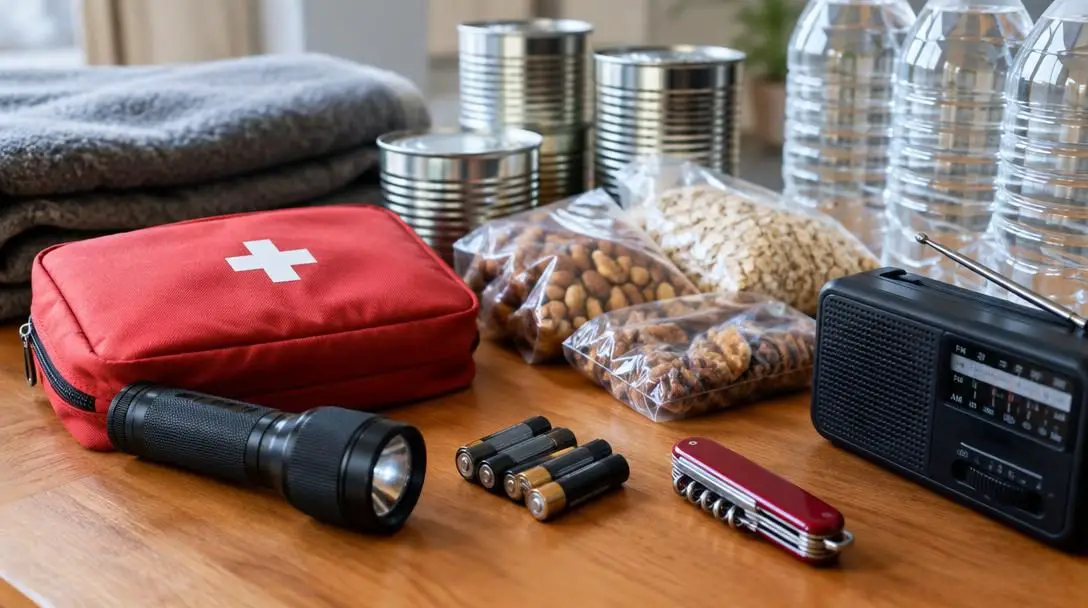
Access to potable water is the most critical survival priority during any extended crisis. Humans can survive for weeks without solid food, but dehydration impairs cognitive function, saps physical endurance, and becomes fatal within days. Disaster preparedness guidelines establish a baseline allocation of one gallon of water per person per day. This allocation is not designated exclusively for drinking; it also covers the moisture needed for rehydrating dried foods, cooking hot meals, and maintaining essential personal cleanliness.
Building your water supply should follow a phased approach. The first milestone is securing enough clean water to sustain your household for 72 hours, an operational window that covers the initial response phase of most localized storms and outages. Once that threshold is secure, expand your reserves toward a one- to two-week supply as physical storage space allows. Remember to account for domestic animals by storing sufficient food and water for your pets alongside your family reserves. Acquire your water bottles and containers gradually over regular grocery shopping trips. Gradual purchasing protects your monthly budget from sudden shocks and prevents clearing out retail shelves, leaving sufficient supplies for your neighbors.
Food
- Minimum pantry reserve: Three full days of non-perishable goods
- Shelf-stable protein sources: Canned sardines, hearty canned soups, and nuts
- Ready-to-eat staples: Crackers, canned vegetables, and dried fruits
An emergency pantry must hold at least three days' worth of non-perishable food at an absolute minimum, though building toward a two-week buffer provides far greater security. The most practical supplies are canned goods and dried foods because they offer robust caloric density, long shelf lives, and require no refrigeration. Excellent pantry additions include canned sardines for healthy fats and protein, crackers for shelf-stable carbohydrates, hearty canned soups, canned vegetables, and calorie-dense snacks like nuts and dried fruit.
A cardinal principle of food storage is to purchase only items your household routinely eats under normal conditions. Emergency supplies should not be treated as a collection of unpalatable survival rations hidden away in an attic. You will eventually eat this food, whether during an actual grid failure or as items approach their printed expiration dates and require replacement. Commercial canned goods provide an added safety advantage: because the commercial canning process thoroughly cooks the contents, canned foods are entirely safe to eat cold directly from the can without applying heat.
If you include uncooked dried staples such as dried beans in your stockpile, you must have an operational heating source to cook them. Consuming uncooked or undercooked dried beans will make you sick due to natural plant toxins that require thorough boiling to neutralize. Keep your food supplies fresh by regularly rotating items into your weekly meals, immediately replenishing the pantry with fresh purchases to maintain a continuous, unexpired reserve.
Only store non-perishable foods that your family actually enjoys eating, because every item in your emergency pantry will eventually end up on your dinner table.
First Aid
- Trauma control items: Commercial tourniquet, sterile gauze, and stitching supplies
- Infection prevention: Topical antiseptics and wound-cleansing disinfectants
- Prescription requirement: Minimum two-week buffer on all life-saving medications
During a community-wide crisis, regional healthcare systems become rapidly overwhelmed, and emergency medical services may face severe dispatch delays. Local doctor clinics can shutter, and pharmacies may be unable to open due to structural damage or lost electrical power. Under these conditions, your home must serve as an impromptu medical outpost capable of managing minor injuries and stabilizing severe trauma until hospital access is restored.
A comprehensive home first aid kit must contain supplies tailored to real-world physical hazards. Stock wound disinfectants to clean abrasions and prevent bacterial infections, sterile bandages to dress cuts, a dedicated tourniquet to stop life-threatening arterial bleeding from limbs, and supplies to close deeper lacerations. Having the correct supplies is useless without practical skill; household members should take an online first aid class and physically rehearse applying dressings, using a tourniquet, and cleaning wounds at home.
Managing prescription medications requires proactive coordination with healthcare providers and pharmacies. Strive to stay at least two weeks ahead on critical personal medications. Running out of maintenance prescriptions during an infrastructure collapse creates a life-threatening crisis. Maintain an unbroken buffer for essential daily treatments, including insulin supplies for diabetics, rescue inhalers for asthma sufferers, and daily blood pressure or heart medications.
How Disaster Prep Operates as an Integrated System
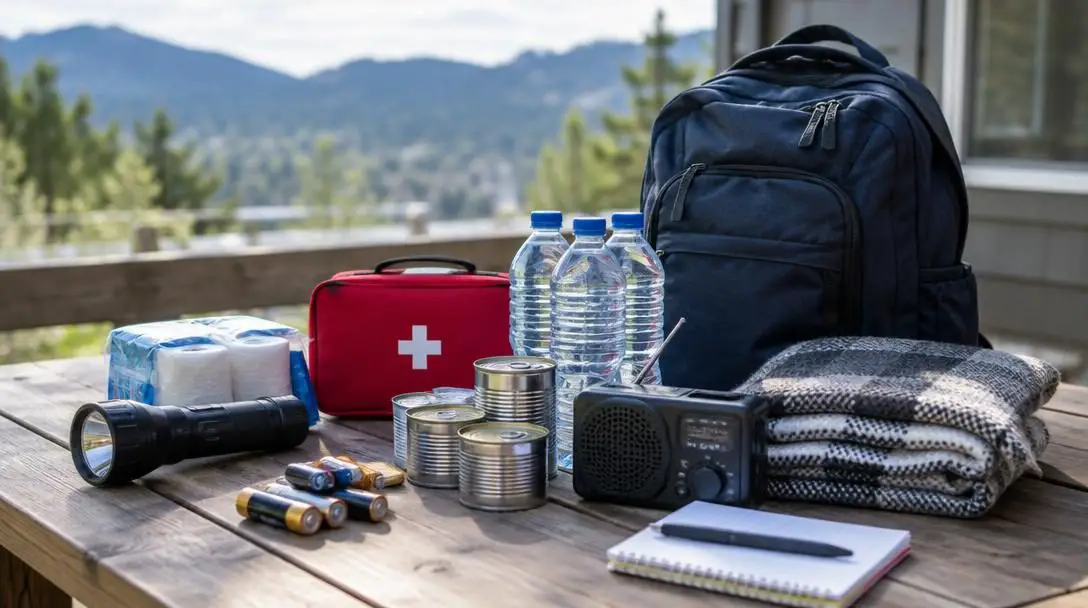
Disaster preparedness does not operate as a series of isolated equipment purchases; it functions as a layered system where supplies, equipment, and personal skills reinforce one another when modern municipal services break down. When severe weather knocks out power lines, alternative lighting like flashlights and candles restores visibility, immediately eliminating the risk of household trip hazards or lacerations from broken glass in the dark. If the electrical outage persists for multiple days, an auxiliary generator supplies power to run vital medical gear, while two-way walkies allow family members to coordinate tasks across the neighborhood without relying on cellular towers.
The relationship between your water reserves, food stores, and sanitation items illustrates how these systems work in tandem during a crisis. When municipal water taps run dry, stored water allows you to stay hydrated, reconstitute dried staples, and cook hot meals. Having sanitizing wipes and water-disinfecting tablets on hand ensures that hand washing and surface sanitization continue without consuming precious gallons of drinking water. This rigorous hygiene directly prevents gastrointestinal illnesses, which can become dangerous medical emergencies when local clinics and pharmacies are shuttered.
By preparing your household to live independently for one to two weeks, you also perform an invaluable service for your wider community. Self-sufficient households remove themselves from the pool of panicked callers competing for limited emergency services during the initial hours of a crisis. This household independence creates a critical time buffer, giving municipal emergency crews and utility workers the space they need to clear blocked roads, repair severed power lines, and restore community-wide supply chains.
A Step-by-Step Blueprint for Household Preparedness
Building a thorough disaster readiness plan does not require spending significant sums of money at once or overhauling your daily routine. By working through logical, progressive steps, any household can build a durable survival buffer over several months.
- Evaluate your living space to designate clean, dry storage areas for bottled water, canned and dried foods, first aid gear, and hardware tools.
- Begin your water reserve by purchasing an extra gallon per family member during weekly grocery trips, building toward a 72-hour baseline before reaching for a two-week supply.
- Audit your current kitchen pantry to identify the non-perishable canned soups, vegetables, crackers, and proteins you eat regularly, then purchase duplicate quantities of those items.
- Acquire an outdoor cooking device, such as a sturdy charcoal cooker, and stockpile sufficient dry fuel to cook meals and boil water safely outdoors.
- Inspect your home perimeter by verifying that all exterior doors have functional deadbolts, and ensure windows open smoothly to permit cross-ventilation during summer outages.
- Assemble a robust trauma first aid kit containing disinfectants, bandages, a reliable tourniquet, and wound-closure materials.
- Work with your doctor and pharmacy to arrange prescription refills so you consistently maintain a two-week advance supply of insulin, heart medicine, or inhalers.
- Complete an accredited online first aid course, then spend an evening practicing hands-on medical techniques with all household members.
- Establish a routine pantry rotation schedule, cooking with older canned goods and replacing them with fresh purchases to keep reserves current.
Common Pitfalls in Emergency Planning
People beginning their emergency preparedness journey frequently make errors that waste money, clutter living spaces, or create hazards during an actual emergency. Recognizing these common pitfalls keeps your readiness efforts practical, economical, and focused on genuine utility.
- Engaging in panic buying: Purchasing massive quantities of goods in a single frantic trip strains household finances and empties retail shelves needed by your neighbors.
- Stockpiling foods your family dislikes: Buying unfamiliar survival rations leads to wasted funds, as these goods will sit unused until they spoil rather than being rotated through your regular meals.
- Storing raw dried beans without a heat source: Dried beans cannot be eaten raw and will cause illness if consumed uncooked; you must store adequate charcoal or fuel to boil them thoroughly.
- Forgetting domestic pet supplies: Failing to store surplus food and water for dogs, cats, or other animals strains human rations when municipal distribution breaks down.
- Letting prescriptions run down to the final pill: Allowing maintenance medications to dwindle leaves you vulnerable if an unexpected storm closes retail pharmacies.
- Isolating yourself from the surrounding neighborhood: Relying strictly on physical stockpiles while ignoring the people around you cuts you off from the mutual aid and communication networks essential for surviving prolonged crises.
Building Community Resilience Beyond Physical Supplies
While gathering water, shelf-stable food, and emergency hardware is essential, physical supplies alone cannot match the strength of an organized, cooperative human network. Total isolation during a crisis creates unnecessary risks. The most powerful prep step you can take costs no money: actively engaging with the people who live in your immediate neighborhood.
Taking time to introduce yourself to your neighbors, exchanging contact details, and volunteering weekly at a local charity establishes bonds of trust long before a disaster strikes. When severe storms knock out infrastructure or floods submerge transit routes, neighbors who know one another can share tools, assist vulnerable individuals, and provide collective security. In a prolonged emergency, having a trusted network of capable neighbors is the single most valuable resource you can possess.
Frequently asked questions
How much water should I store for each person in my household?
You should store a minimum of one gallon of water per person per day. This amount covers personal hydration, cooking needs, and basic sanitation. Start with a 72-hour supply and gradually build toward a one- to two-week reserve as your space allows.
Can I eat commercial canned food cold during a power outage?
Yes. Commercial canned foods are thoroughly cooked during the manufacturing canning process, making them safe to eat directly from the can at room temperature without heating.
Why shouldn't I store large bags of dried beans as my only food reserve?
Dried beans require significant water and sustained boiling heat to become edible. Consuming uncooked or undercooked dried beans will make you sick, meaning they are only viable if you have an off-grid cooking appliance and ample fuel.
How far in advance should I keep my critical prescription medications?
Aim to maintain at least a two-week surplus on all life-sustaining medications, including insulin, rescue asthma inhalers, and cardiac prescriptions, so you remain covered if pharmacies close during an emergency.
What is the most effective way to secure my home during an emergency?
Ensuring that all exterior doors feature durable, functional deadbolts is the best initial defense. Desperate individuals generally avoid locked homes to protect their own safety and avoid harmful confrontation.
How can I prepare for indoor temperature extremes without electricity?
For excessive summer heat, ensure your windows open easily to create cross-ventilation throughout your living quarters. For severe winter cold, stockpile abundant warm blankets to conserve body heat without electrical heaters.
The bottom line
Disaster preparedness is not about anticipating an apocalyptic future; it is a practical, compassionate commitment to keeping your household safe, nourished, and healthy through routine disruptions. By methodically addressing the core pillars of shelter, safety and hygiene, water, food, and first aid, you remove panic from unexpected crises. Stock what you eat, maintain your water buffers, keep your medical skills sharp, and invest time in your local community. When challenges arise, a well-prepared home and an engaged neighborhood provide the certainty needed to weather any storm with confidence.