5 Fundamentals of Stress Control
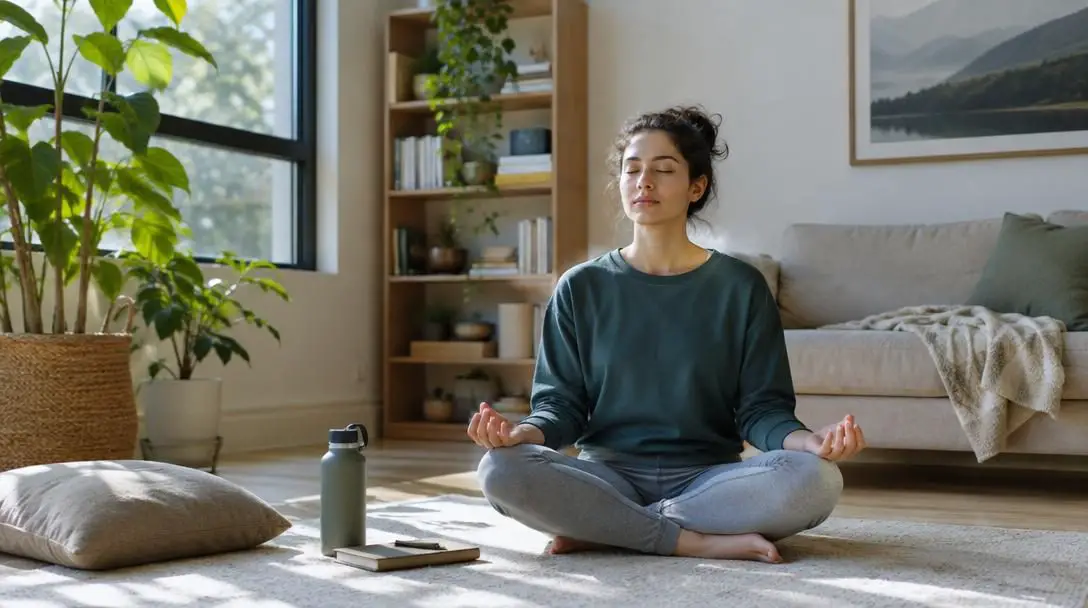
Everyone experiences stress at various stages throughout life, and when harnessed properly, it can serve as a productive driving force that sharpens focus and spurs personal achievement. Yet for hundreds of millions of people worldwide, tension escalates to an unhealthy daily level, transforming an occasional motivator into an exhausting chronic burden. Living under unmanaged pressure limits personal freedom, compromises physical and emotional well-being, and steadily undermines everyday performance.
Because pressure is an inherent aspect of the human condition, the ultimate objective of healthy living is not total stress elimination, but active stress control. When external challenges exceed your perceived ability to handle them, the mind and body enter distress. Reclaiming balance requires understanding the dynamics of mental appraisal and adopting clear, consistent behavioral principles that bring daily strain back to a sustainable level.
Key takeaways
- Stress is an internal reaction to perceived demands, meaning that catastrophic assumptions often cause more suffering than the actual situation.
- Constructive activity, sports, and physical exercise stimulate endorphin release while halting destructive mental rumination.
- Establishing firm personal boundaries and turning down non-essential requests prevents self-inflicted overload and mental exhaustion.
- Procrastination doubles daily anxiety by letting unfinished tasks linger and forcing frantic, lower-quality work at the final deadline.
- Brief, regular encounters with the natural world—including a 10-minute walk in the sun or tending windowsill herbs—produce measurable calming effects.
The Mechanics of Daily Strain and the Mind-Body Link
The human stress response operates as an intricate interplay between cognitive interpretations and biological reactions. Whenever an individual faces a challenging event, such as a major professional presentation or a looming deadline, the brain rapidly evaluates the circumstance alongside its potential repercussions. In many instances, the surface event itself does not generate the most damaging strain. Rather, severe anxiety typically springs from catastrophic internal narratives about worst-case scenarios.
When the mind perceives an acute danger, it signals the body to prepare for crisis, sparking physical tension, fatigue, and persistent unease. Conversely, purposeful physical movement disrupts these exhausting cognitive loops. Engaging in sports and structured exercise alters internal chemistry by stimulating the body to produce endorphins, which serve as natural chemical messengers that elevate mood and alleviate distress.
Everyday behavioral patterns directly dictate whether stress stays within healthy limits or spirals out of control. Agreeing to every incoming request, ruminating in solitude, procrastinating on essential duties, and disconnecting from natural environments all artificially compound your perceived burden. By identifying these patterns, you can apply targeted strategies to systematically dismantle tension.
Overview of the 5 Fundamentals
| Fundamental | Primary Mechanism | Recommended Action |
|---|---|---|
| 1. Identify What Is Stressing You Out | Uncovering worst-case catastrophic thinking | Distinguish surface triggers from core fears and test realistic probability |
| 2. Keep Yourself Busy | Disrupting rumination through endorphin production | Join team sports, start creative hobbies, or channel nervous energy into projects |
| 3. Create Boundaries, and Learn to Say No | Preventing self-inflicted overload and social exhaustion | Politely decline non-essential demands to protect health and mental presence |
| 4. Stop Procrastinating | Eliminating persistent dread and deadline panic | Divide large assignments into immediate starting steps to build forward momentum |
| 5. Experience Nature | Soothing the nervous system via environmental immersion | Spend at least 10 minutes walking in sunlight, hike, garden, or grow herbs indoors |
The 5 Fundamentals of Stress Control
Mastering day-to-day strain requires targeting the root causes of distress rather than merely reacting to symptoms. These five foundational principles provide an effective framework for lowering daily pressure to a manageable, productive baseline.
1. Identify What Is Stressing You Out
Most people assume they immediately recognize the root cause of their tension, but that initial instinct is frequently inaccurate. If an upcoming presentation at work leaves your stomach tied in knots, the public speaking engagement itself is rarely the true origin of your panic. Instead, the real source of distress is the imagined consequence of performing poorly.

When you dissect that anxiety, you might find a hidden conviction that an imperfect slide or a momentary stumble will prompt your supervisor to fire you on the spot. By pausing to evaluate the realistic landscape of your workplace, you will quickly realize that employers rarely terminate employees over a single imperfect speech. Recognizing that your worst-case scenario is extraordinarily unlikely brings rapid emotional relief, which directly improves your confidence and helps you perform well.
2. Keep Yourself Busy
Isolating yourself and endlessly replaying problems is one of the most dependable ways to magnify stress. Passive rumination reinforces anxiety pathways, trapping your mind in unproductive loops. To disrupt this downward spiral, keep yourself actively engaged through meaningful pastimes, engaging projects, and shared group activities.
Physical movement serves as an exceptional tool for tension relief because engaging in sports and cardiovascular exercise prompts your body to manufacture mood-stabilizing endorphins. Beyond athletic pursuits, you can actively channel restless, anxious energy into practical action. Instead of allowing that energy to turn inward as nervous tension, use it as fuel to initiate positive lifestyle habits and tackle home or work improvements you have long postponed.
Staying actively occupied in shared physical pastimes transforms nervous tension into a constructive driving force for positive lifestyle changes.
3. Create Boundaries, and Learn to Say No
A staggering portion of modern stress is entirely self-inflicted by the urge to accommodate every person, project, and request. Attempting to be everything to everybody leaves you spread exceptionally thin, breeding chronic exhaustion, silent resentment, and diminished attention. Protecting your physical and emotional health requires drawing clear boundaries and declining obligations that exceed your capacity.
Declining an invitation or saying no to an extra assignment can feel uncomfortable at first, especially if you have spent years prioritizing other people's comfort over your own sanity. However, preserving your peace of mind is essential. When you intentionally reduce daily overload, you free up the mental space and energy required to offer genuine focus, presence, and excellence to the responsibilities and relationships that truly matter.
4. Stop Procrastinating
Delaying necessary tasks until the eleventh hour consistently triggers high stress through two distinct, compounding mechanisms. First, the simple act of avoidance ensures that the project constantly hangs over your head. As hours and days tick away, internal guilt and anxiety quietly intensify as you wonder whether you will manage to complete the work before time runs out.
Second, leaving essential duties to the last minute guarantees a frantic, chaotic race across the finish line. Rushing through complex tasks under severe time limitations fuels acute panic that the final quality of your work will be inadequate or flawed. Tackling assignments promptly eliminates both forms of tension at once, sparing you days of anticipatory dread and replacing frantic panic with deliberate control.

5. Experience Nature
Immersing your senses in the natural world remains one of the most reliable and accessible methods for unwinding and calming an overstimulated mind. Scientific research demonstrates that taking a walk in the sun for as short a duration as ten minutes delivers measurable relief from stress and actively supports therapeutic treatment for post-traumatic stress disorder (PTSD).
Building regular encounters with nature into your schedule provides a reliable sanctuary from continuous digital and workplace demands. You might plan weekend hikes along local wilderness trails, cultivate a backyard flower or vegetable garden, or explore neighborhood parks. Even if access to expansive wilderness is limited, you can harvest the restorative benefits of the natural world indoors by placing potted houseplants, flowering greenery, or culinary herb gardens directly on your sunny windowsills.
Practical Steps to Put the Fundamentals into Practice
Translating theoretical fundamentals into meaningful, long-term relief requires small, repeatable modifications to your weekly habits. Follow this structured roadmap to weave stress control directly into your daily routine:
- Uncover the Root Concern: When acute anxiety surges, write down the surface task on paper, identify the worst-case scenario you are dreading, and challenge whether that catastrophic outcome is realistic.
- Schedule Shared Physical Outlets: Review your weekly calendar and reserve recurring appointments for group sports, fitness classes, or outdoor walking routines to elevate endorphins and halt isolation.
- Audit Your Daily Commitments: Catalog all ongoing volunteer, social, and professional commitments, highlight non-essential tasks accepted out of guilt, and begin practicing polite, definitive refusals for future non-essential requests.
- Break Tasks into Immediate Starting Steps: Overcome the urge to delay large assignments by dividing them into bite-sized segments, finishing the very first step immediately to eliminate lingering background dread.
- Incorporate Daily Natural Exposure: Devote a minimum of ten minutes each day to walking outside in the sunlight, plan weekend visits to regional parks or gardens, and position culinary herb pots or indoor greenery on sunny windowsills.
Common Pitfalls in Stress Management
In the pursuit of greater balance, individuals regularly fall prey to misconceptions and counterproductive behaviors that quietly sabotage their efforts. Being mindful of these frequent missteps will help safeguard your forward momentum:
- Treating the Surface Trigger as the Core Problem: Fixating on immediate events—such as a presentation, a tough email, or a performance review—while failing to uncover the deeper, catastrophic assumptions about personal or professional ruin driving the emotional turmoil.
- Ruminating in Isolation: Sitting alone in quiet spaces turning distressing thoughts over and over in your head, rather than breaking the loop through active hobbies or social exercise.
- Pleasing Others at Personal Expense: Saying yes to every social or professional invitation out of fear of disappointing others, which inevitably produces emotional overload and personal resentment.
- Relying on Last-Minute Adrenaline: Convincing yourself that you perform best under desperate deadline pressure, ignoring the prolonged dread and compromised work quality that procrastination produces.
- Underestimating Small Doses of Nature: Dismissing outdoor time as pointless unless it involves an elaborate wilderness vacation, ignoring the scientifically proven benefits of a ten-minute walk in the sun or indoor windowsill gardening.
- Expecting Total Stress Eradication: Assuming that effective stress management means eliminating all tension forever, rather than understanding that stress is an inevitable human response that must simply be managed within healthy boundaries.
Frequently asked questions
Can stress ever be beneficial to daily performance?
Yes. When properly understood and controlled, moderate stress acts as a constructive motivator that heightens mental focus, fuels energy, and helps you achieve challenging goals. The objective of stress management is not to extinguish every trace of pressure, but to prevent it from degenerating into chronic, overwhelming distress.
How does physical exercise help reduce mental anxiety?
Physical movement and sports alter internal body chemistry by stimulating the production of endorphins, which function as natural mood elevators. Additionally, participating in engaging, active pastimes—especially group activities—interrupts repetitive mental rumination and redirects nervous energy into positive physical action.
Why does procrastination increase stress levels so significantly?
Procrastination exerts pressure via two compounding factors: it creates ongoing background anxiety as an uncompleted task lingers over your head, and it forces a rushed, frantic effort at the deadline, fueling panic that the quality of your finished work will be deficient.
How much time do you need to spend outdoors to experience stress relief?
Scientific studies show that as little as ten minutes spent walking in the sunlight provides measurable stress relief and supports recovery for conditions like post-traumatic stress disorder (PTSD). Tending a garden or keeping windowsill herbs indoors can also foster restorative natural connections.
What should you do if saying no causes you intense anxiety?
Recognize that early discomfort is normal when establishing boundaries. Remind yourself that protecting your health and peace of mind is essential, and that declining lower-priority requests allows you to bring full energy and presence to the commitments that matter most.
The Bottom Line
Achieving effective stress control is not a temporary fix or a one-time project; it is an ongoing personal practice that evolves as your responsibilities and life stages change. Take time to periodically evaluate your daily strain and identify which of the five fundamentals offers you immediate relief and which requires continued refinement.
If saying no continues to generate guilt, dedicate focused effort toward strengthening your personal boundaries until defending your calendar becomes second nature. If procrastination routinely forces you into frantic late-night scrambles, restructuring your workflow to take immediate starting steps must become your top priority. By methodically identifying hidden fears, staying actively engaged, protecting your time, starting early, and embracing the restorative power of nature, you can reliably govern daily tension and build a resilient, fulfilling life.