5 Gadgets Every Cyclist Needs for Their Bike
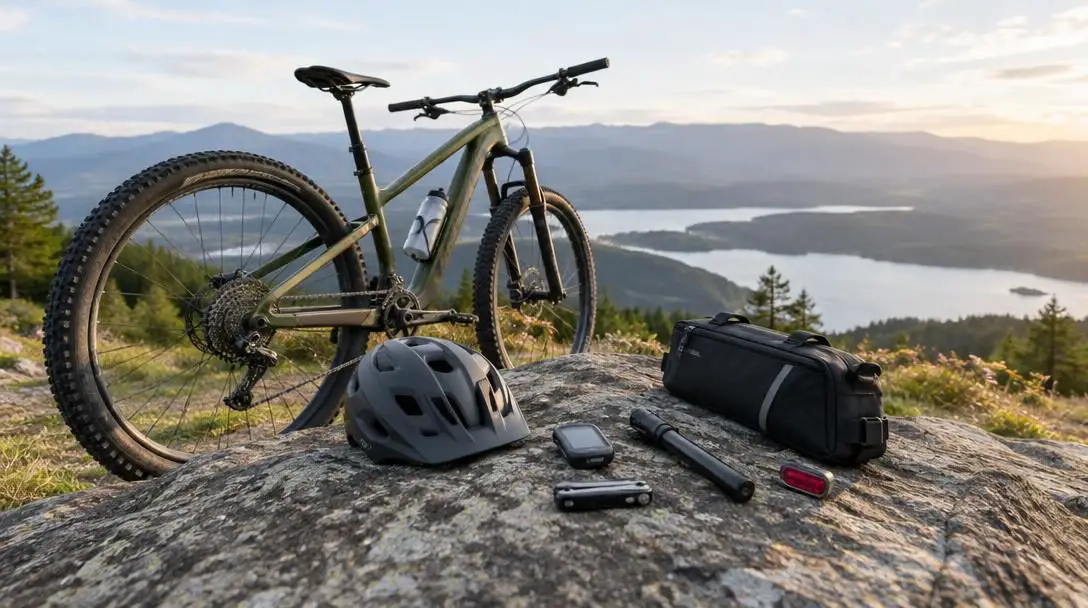
Cycling has long been celebrated as one of the most rewarding pursuits for personal fitness, recreation, and low-impact urban mobility. For decades, however, bicycle equipment remained strictly mechanical, forcing cyclists to rely on simple metal bells, clunky hand pumps, and basic plastic shells while carrying heavy tools in bulky backpacks. Whenever a rider needed to check navigation, take a phone call, or secure their frame, they had to pull over completely to rummage through their gear.
In recent years, the intersection of miniaturized electronics, resilient rechargeable batteries, and wireless connectivity has revolutionized the cycling landscape. Today's bicycle tech delivers sophisticated functionality that once belonged exclusively to motor vehicles. By equipping a bicycle with modern smart accessories, riders can significantly improve personal safety, protect high-value bicycles from theft, and enjoy seamless entertainment without detaching their hands from the handlebars.
Key takeaways
- Connected gear brings automotive-level intelligence, active signaling, and rapid impact protection to everyday bicycle rides.
- Dedicated bike speakers eliminate the safety hazards and discomfort associated with wearing in-ear headphones on open roadways.
- Next-generation bike security relies on smartphone proximity immobilizers and folding hardened alloy plates rather than easily cut cables.
- Wearable cycling airbags can inflate in a fraction of a second to shield the rider's head and neck before impact occurs.
At a glance: Top cycling gadgets compared
Modern bicycle accessories address distinct challenges, ranging from roadway communication to physical security. Reviewing their primary mechanisms and design highlights helps riders tailor their setup to their daily travel routes.
tbody| Gadget Category | Primary Benefit | Representative Brands | Key Technology |
|---|---|---|---|
| Smart Helmet | Integrated communication and head protection | Industry standard models | Embedded Bluetooth, microphone, and rear LED turn signals |
| Dedicated Bluetooth Speaker | Audio playback with open-ear situational awareness | Ampulla | High-strength magnetic frame mounting and outward-facing drivers |
| Futuristic Bike Lock | Tamper resistance and digital access control | Linka, Foldylock | App-controlled wheel immobilization and articulated hardened steel plates |
| Cycling Airbag | Discreet, high-speed impact cushioning | Hovding | Internal accelerometers, gyroscopes, and rapid gas deployment |
| Smart Lights | Dynamic motorist warning and rider visibility | Revolights, Veglo, Brainy, Double O | Speed-sensitive color shifts, automatic brake sensing, and wheel-mounted arrays |
Essential gadgets for the modern rider
Upgrading your ride with electronic equipment provides both practical convenience and vital protection. The following five categories represent the most transformative gadgets available for contemporary cyclists.
Smart helmet
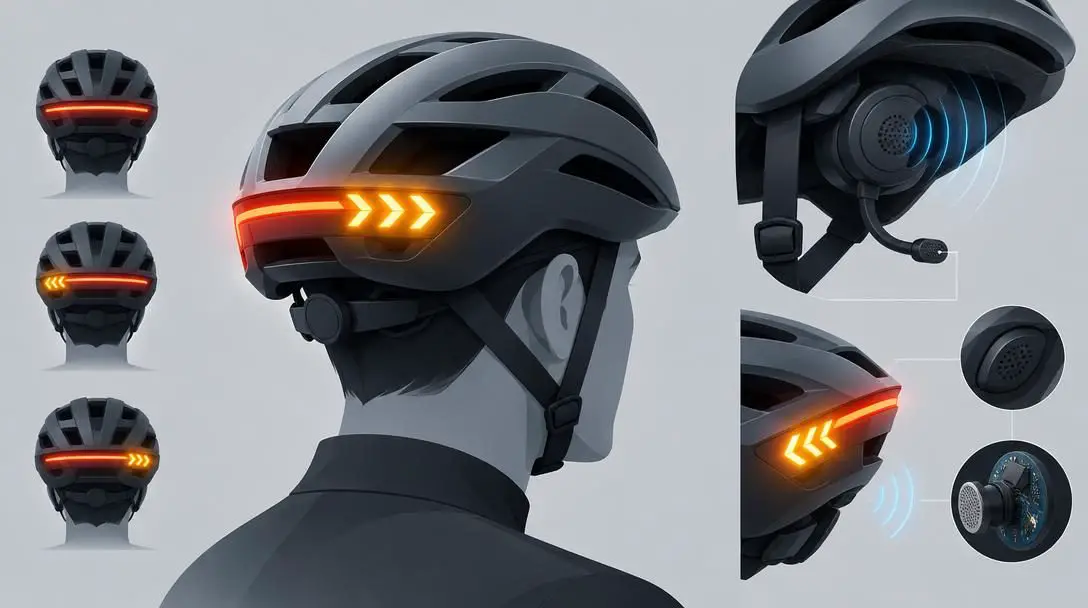
- Core features: Integrated LED indicators, Bluetooth audio, embedded microphone
- Connectivity: Wireless pairing with mobile devices
- Primary advantage: Hands-free phone handling without removing hands from handlebars
Traditional helmets function as passive polystyrene shells designed solely to absorb direct impact. While baseline impact protection remains mandatory, smart helmets elevate headgear into an interactive command center. These helmets feature built-in microphone arrays and micro-speakers tucked cleanly into the chassis, allowing riders to accept incoming telephone calls or hear GPS turn prompts clearly while navigating dense traffic.
Beyond audio connectivity, smart helmets dramatically improve nighttime visibility through built-in lighting arrays. Integrated rear and lateral LEDs can flash directional turn signals, operated either through remote handlebar switches or automatic head gestures. This elevated light placement keeps turn intentions at eye level for following motorists, vastly reducing blind-spot accidents during turns across busy intersections.
Dedicated Bluetooth speakers
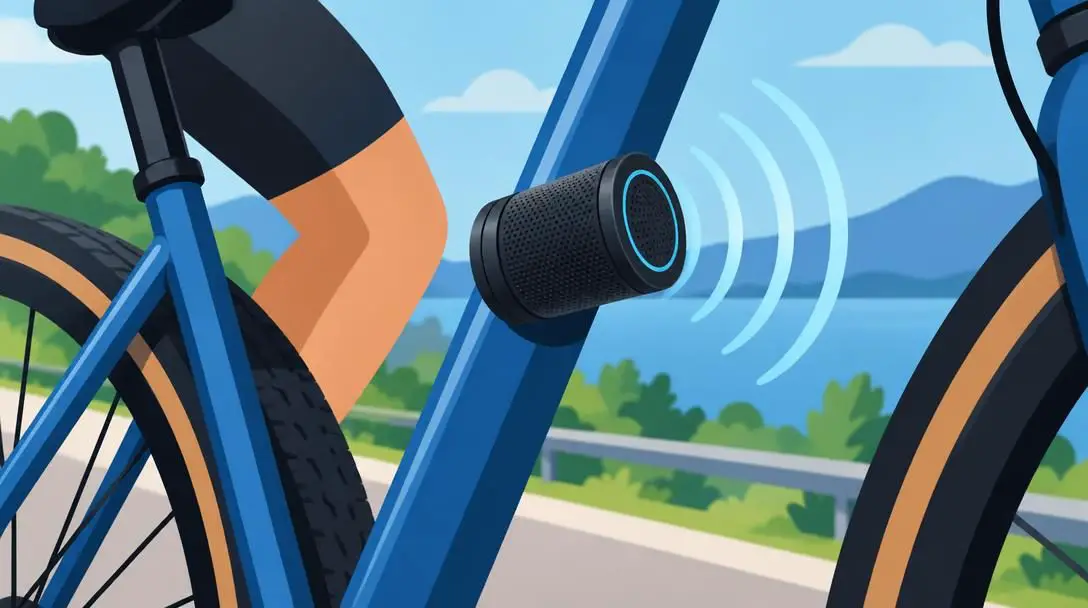
- Mounting style: Magnetic bicycle frame attachment
- Key manufacturer: Ampulla
- Auditory advantage: Full situational awareness of approaching traffic and road hazards
Listening to audio during a long training session or daily commute is a staple for many riders, but wearing conventional earbuds creates severe road risks. Earbuds physically occlude the ear canal, masking critical warning cues such as approaching vehicles, vehicle horns, and emergency sirens. Furthermore, heavy physical exertion causes sweat to build up around ear tips, causing earbuds to slide loose or feel irritating over extended distances.
Specialized bicycle speakers, such as the magnetic units developed by Ampulla, resolve this conflict by projecting audio directly outward while leaving the rider's ear canals completely unsealed. These compact speakers utilize robust magnetic mounts or mechanical brackets to anchor firmly to metal top tubes or handlebars, resisting road vibration and bumps. Modern speaker units feature optimized lithium-ion cells capable of powering through lengthy rides while producing clear audio that does not isolate the cyclist from their environment.
Futuristic bike locks
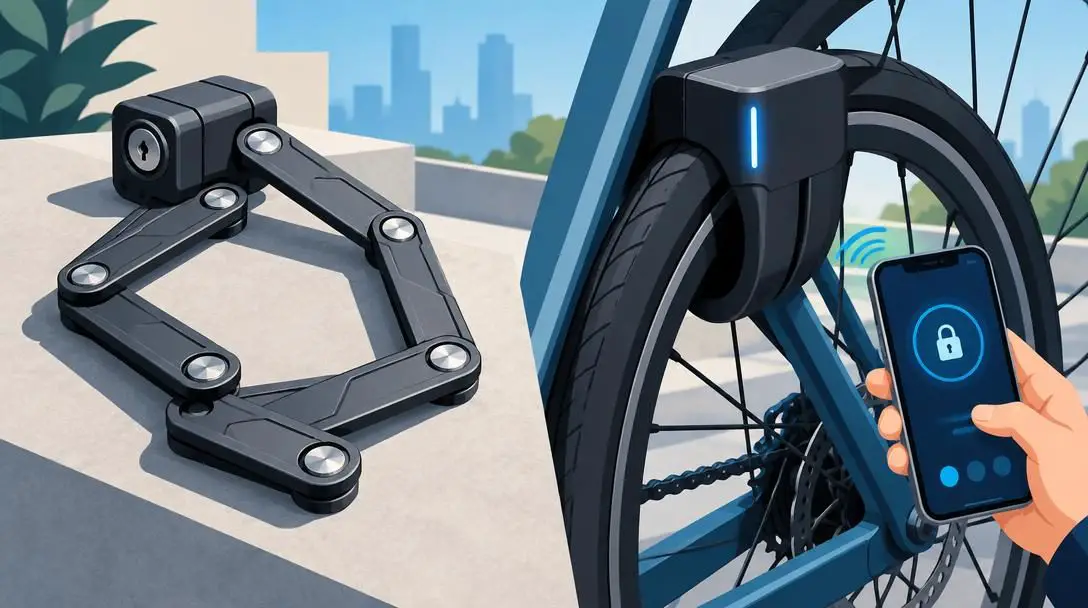
- Featured manufacturers: Linka, Foldylock
- Locking methods: App-managed frame immobilization and folding tempered plates
- Security focus: Defense against rapid cutting attacks and unauthorized rolling
Bicycle theft remains a major threat for urban commuters and fitness riders who invest heavily in their machines. Outdated cable locks offer minimal protection, as hand-held bolt cutters can sever thin braided wire within seconds. Modern security hardware blends hardened physical metallurgy with smart digital permissions to establish real barriers against opportunistic and professional thieves.
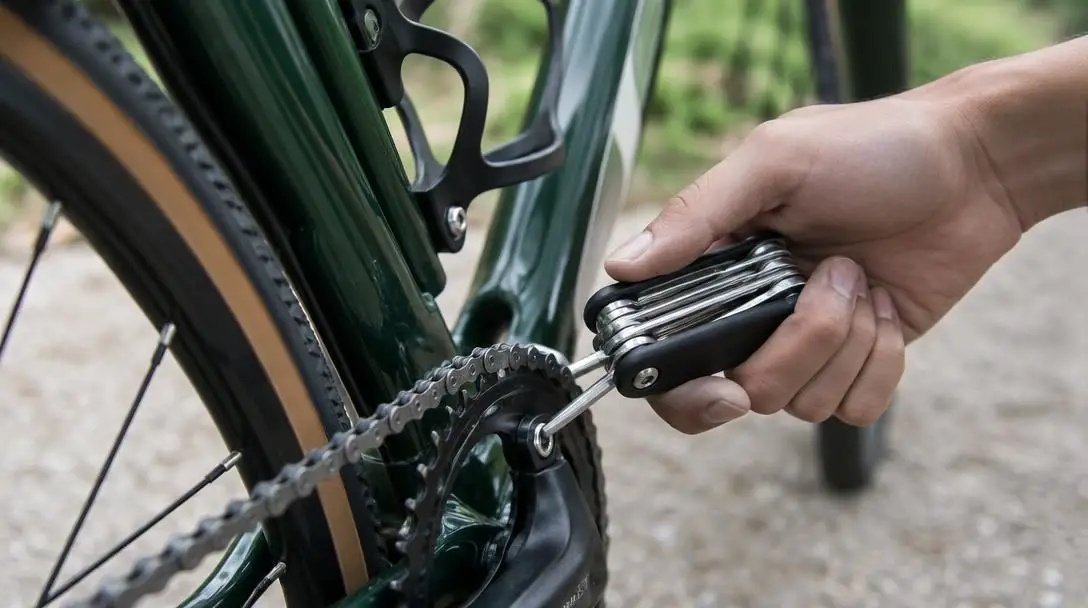
Smart locks engineered by Linka bolt directly to the frame and mechanically lock the rear wheel in place, rendering the bicycle completely unrideable unless authorized by the owner's smartphone app. When paired with heavy-duty physical barriers like the Foldylock—which utilizes articulated, hardened steel plates that collapse into a compact frame holster—riders can anchor their bicycles securely. These systems replace easily picked keyways with encrypted wireless handshakes, sounding alarms or restricting physical movement to deter thieves.
Cycling airbag
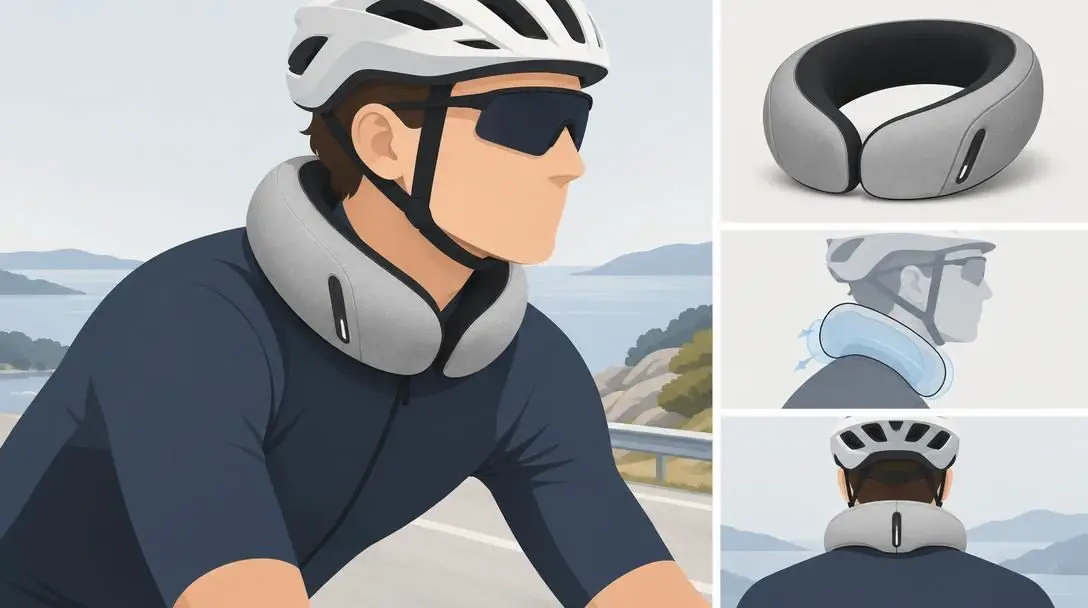
- Country of origin: Sweden
- Key developer: Hovding
- Deployment speed: 0.1 seconds upon detected accident
- Form factor: Ergonomic collar worn around the neck
While four-wheeled motor vehicles have relied on internal airbags for decades, Swedish innovator Hovding adapted this life-saving technology directly to two-wheeled travel. The device takes the form of an ergonomic collar worn comfortably around the cyclist's neck, resembling a fabric scarf rather than a bulky helmet. While dormant, it frees the rider's head from restrictive plastic shells and heavy headwear.
Inside the collar, an integrated sensory suite connects to a smartphone application, sampling rider kinetics thousands of times per second. If an erratic movement pattern, loss of balance, or collision profile is registered, the collar deploys an internal airbag in just 0.1 seconds. The expanding cushion locks into shape before the cyclist strikes the pavement, encasing the skull and cervical spine in a supportive nylon chamber that significantly outperforms traditional foam helmets in severe rotational impacts.
Deploying in just a tenth of a second, active collar airbags bring automotive impact safety to city cycling.
Smart lights
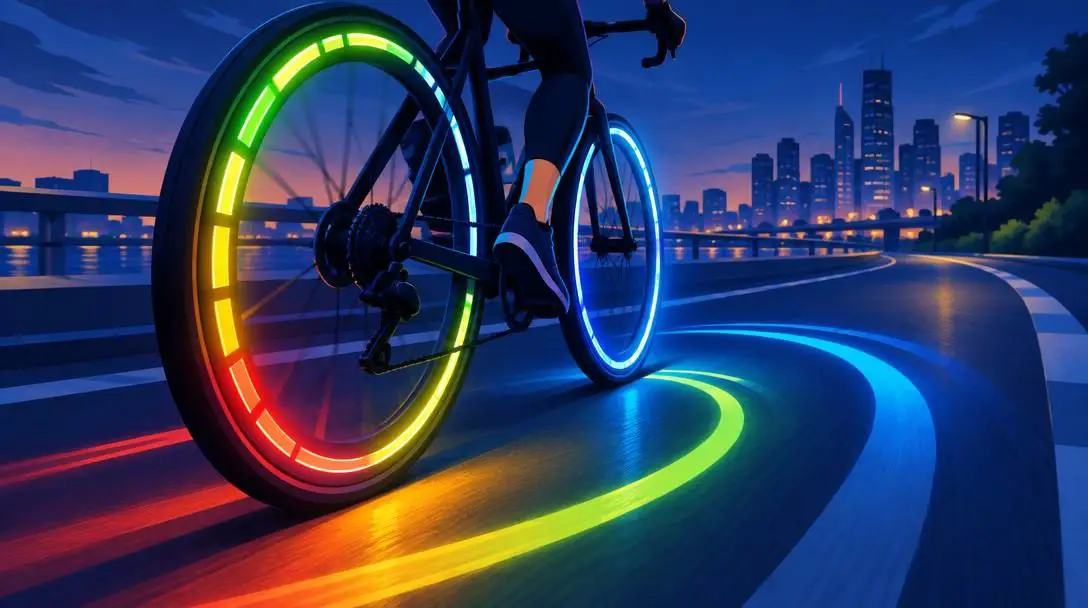
- Notable brands: Revolights, Veglo, Brainy, Double O
- Mounting versatility: Wheel-rim rings, frame clamps, and wearable rider straps
- Advanced capabilities: Visual speed indication, deceleration brake lights, and side illumination
Basic front-mounted white torches and rear red flashers provide baseline compliance with road laws, but advanced smart lighting transforms how a bicycle communicates with traffic. Cutting-edge systems go beyond simple illumination by conveying dynamic operational information to other road users, helping drivers accurately judge closing speeds and stopping distances.
Industry pioneers like Revolights introduced ring-mounted wheel LEDs that synchronize with wheel revolutions, throwing illumination forward onto the road surface while forming 360-degree visual arcs that maximize side visibility. These systems, alongside designs from brands like Veglo, Brainy, and Double O, incorporate onboard accelerometers that sense when the bicycle slows down. Upon deceleration, the rear lights switch into high-intensity brake indicators or change color palettes to reflect your current riding velocity, giving motorists clear, immediate warnings.
How modern cycling tech operates
The latest generation of cycling equipment relies on three core technical pillars: micro-electromechanical sensors, low-energy wireless communication protocols, and high-density power cells. Understanding the internal workings of these systems allows cyclists to extract peak performance and safety from their gear.
At the center of devices like the Hovding airbag and kinetic smart lights are miniature gyroscopes and multi-axis accelerometers. These solid-state sensors continuously track spatial orientation, pitch, yaw, and sudden velocity changes. Onboard microcontrollers analyze this data against pre-programmed movement models. When the system detects the distinct kinematic profile of an impending fall or sudden hard braking, it triggers an instant output, such as firing an inflation gas canister or altering LED strobe patterns.
For communication and security devices, low-energy Bluetooth links the hardware to companion mobile applications on Android or iOS. Smartphone-enabled locks like Linka use encrypted handshake keys to sense the cyclist's approach, automatically disarming the immobilization bolt when the authorized phone is within range and locking it when the rider walks away. Similarly, smart helmets use integrated digital signal processors to suppress wind buffeting from the microphone, allowing voice signals to carry clearly over phone calls even during fast descents.
How to set up and maintain your cycling tech
To ensure your electronic accessories function properly during emergencies, implement a structured installation, pairing, and maintenance routine before riding.
- Charge all device batteries fully: Connect your smart helmet, magnetic speaker, digital lock, lighting batteries, and airbag collar to standard USB chargers until their status indicators confirm full capacity.
- Install manufacturer companion apps: Download the dedicated software for your accessories, including the management apps required for the Hovding airbag collar and the Linka locking mechanism.
- Pair hardware via Bluetooth: Activate wireless pairing on your phone and cycle through each accessory one at a time within home Wi-Fi range to register serial numbers and grant necessary location permissions.
- Test physical alignments on the bike: Affix magnetic speakers like Ampulla to areas of the frame that clear pedal arcs and cabling, and ensure lighting mounts from Revolights, Veglo, Brainy, or Double O are angled correctly toward the roadway.
- Run a pre-ride diagnostic check: Turn on your smart helmet to verify audio and signal lights, confirm the Hovding collar indicates an active armed status around your neck, and test lock engagement.
- Perform regular gentle cleaning: Wipe down electronics casings with a lightly dampened cloth after wet rides, avoiding pressurized hose streams or solvent sprays that could penetrate rubberized charging port covers.
Common mistakes to avoid with cycling gadgets
While electronic accessories provide unmatched utility, improper operation can compromise their protective capabilities or result in premature equipment failure. Cyclists should avoid these frequent operational missteps:
- Playing open-air speakers at excessive volume: Setting an Ampulla speaker to maximum output overrides the core benefit of an unblocked ear canal, drowning out distant vehicle horns, emergency vehicle sirens, and approaching cyclists.
- Skipping firmware and companion app updates: Smart accessories rely on regular software patches to maintain stable Bluetooth connections; out-of-date apps can lead to slow unlocking responses or communication drops.
- Neglecting consistent charging schedules: Unlike mechanical padlocks and manual reflectors, electronic safety gear requires power. Allowing a smart lock or airbag battery to deplete leaves bicycles vulnerable to immobilization issues or removes impact safety entirely.
- Over-relying on single-point security: Assuming that a smartphone-linked immobilizer like Linka or a folding lock like Foldylock makes a bike invincible can breed complacency; frames left unattended for extended periods in high-risk zones still require smart parking strategies and secure anchor posts.
- Exposing battery-powered gear to extreme temperatures: Storing lithium-ion accessories, smart helmets, and airbag collars in unheated sheds during freezing winters or inside baking vehicle trunks damages overall battery capacity.
Frequently asked questions
Can smart helmets replace standard cycling headgear safely?
Smart helmets are designed to meet standard consumer bicycle helmet safety certifications while integrating speakers, microphones, and LED turn signals into the outer casing. They offer the same baseline blunt-force impact protection as standard foam helmets, augmented by active lighting that helps motorists spot you earlier.
How does the Hovding airbag know the difference between hard pedaling and a crash?
The Hovding collar uses internal sensors that sample rider motion thousands of times per second, matched against algorithms mapped to thousands of real-world cycling scenarios. Normal athletic movements like sprinting, bunny-hopping, or rough road vibrations do not match the acceleration, angular velocity, and freefall signatures that instantly deploy the 0.1-second inflation system.
Are magnetic bike speakers strong enough to stay mounted over bumps?
Bicycle-specific magnetic speakers from brands like Ampulla utilize high-grade industrial rare-earth magnets engineered to withstand vigorous road vibrations, small potholes, and curb hops. However, riders should ensure the mounting surface on the bicycle frame is clean, flat, and free of grease to ensure a strong hold.
What happens if my phone battery dies while using an app-controlled lock?
Most advanced smartphone-enabled locks like Linka feature emergency bypass options, such as entering an authorized manual code directly via physical buttons on the device housing. It is always wise to keep the lock charged and carry a basic mechanical backup key if traveling through remote areas.
Do dynamic smart lights like Revolights drain their batteries quickly?
Smart lights use energy-efficient LED modules combined with intelligent power management systems. Many units feature integrated sleep timers that automatically power down the lights when the bicycle remains stationary, preserving sufficient battery life for multiple days of standard daily commuting between charges.
The bottom line
The transition from traditional, purely mechanical bicycle equipment to intelligent, connected accessories has fundamentally reshaped the riding experience. Whether you are navigating congested urban traffic, commuting in low-light winter conditions, or embarking on long weekend fitness rides, integrating gadgets like smart helmets, magnetic speakers, folding locks, active lighting, and wearable airbags provides tangible returns in safety, security, and peace of mind.
By assessing your personal travel routes, investing in reputable hardware brands like Hovding, Linka, Foldylock, Ampulla, and Revolights, and adhering to steady charging and maintenance habits, you can equip your bicycle to handle modern road conditions with ease.