Four Things You Should Know About Road Bicycles Before Your First Purchase
Many people find themselves yearning to spend more time outdoors, often feeling a twinge of guilt for remaining cooped up inside for too long. Outdoor recreation provides an ideal remedy, and cycling in particular has surged in popularity as a thrilling, challenging way to build physical fitness and elevate daily energy levels. When the urge to ride takes hold, the idea of purchasing a sleek, gleaming road bicycle is frequently the first inspiration that comes to mind. Investing in a quality bicycle can be a transformative decision that yields immense fun and sustained health benefits over many years.
However, purchasing a road bike is not as straightforward as walking into a department store and rolling out on a casual cruiser. Road bicycles are fundamentally specialized machines engineered specifically for paved surfaces, brisk speeds, and covering long distances. If your previous cycling memories are built around wide-tired neighborhood bikes or rugged mountain bikes from childhood, stepping onto a modern road bicycle can feel like entering completely unfamiliar territory. To help you choose the right bike and avoid buyer's remorse, you must understand the underlying engineering and physical realities that define these performance-oriented machines.
Key takeaways
- Road bikes use an aggressive, forward-leaning athletic posture to boost pedaling leverage and slice through aerodynamic drag.
- Thin, high-pressure tires decrease rolling resistance on asphalt, but they provide less cushion, reduced balance, and zero off-road capability.
- A fully rigid frame without suspension guarantees that your pedaling energy transfers directly into forward motion without mechanical loss.
- Navigating the broad spectrum of frame geometries, materials, and gear components is easiest when working directly with experienced staff at a local bike shop.
The Four Core Truths of Road Bicycle Design
Before committing your hard-earned money to a new ride, it is critical to understand the four primary physical and structural characteristics that distinguish road bicycles from recreational and mountain bicycles. These distinctions govern how the bike moves, how it feels beneath you, and how your body interacts with the road.
1. The Posture Is Distinctly Forward and Athletic
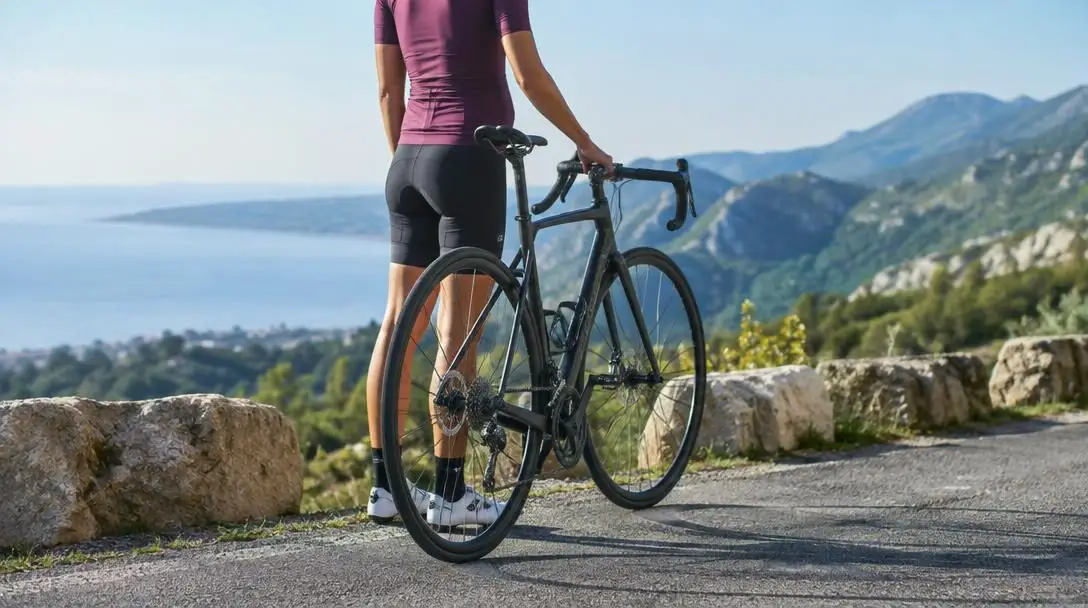
The most immediate surprise for a beginner climbing onto a road bike is the riding position. Most casual bicycles, such as cruisers or traditional mountain bikes, place the rider in an upright, vertical posture with wide handlebars situated close to chest height. A road bicycle completely inverts this philosophy, pulling your torso forward and downward into an athletic posture.
This forward position is not an aesthetic choice; it serves two essential mechanical functions:
- Improved aerodynamics: Lowering your head and upper torso significantly decreases frontal surface area, minimizing wind resistance and enabling faster riding with less effort.
- Enhanced power generation: Angling your pelvis forward aligns the glutes, hamstrings, and quadriceps in an optimal mechanical track, allowing you to drive maximum force straight through the pedal stroke.
Because your weight shifts forward, your hands, feet, and saddle must share the load rather than having all your body weight settle directly on your rear. For a newcomer, this orientation can feel unusual and demands that you relearn how to balance and handle the bicycle before you feel entirely steady.
2. The Tires Are Unusually Thin and Fast
A glance at a road bicycle wheel reveals an exceptionally skinny profile compared to the beefy, knobby rubber found on mountain bikes. Road cycling relies on narrow tires engineered to minimize rolling resistance against smooth asphalt. A thinner tire exhibits less casing flex and creates a tight, precise contact patch on the road surface, allowing the bicycle to roll faster with noticeably less physical exertion.
Nevertheless, stripping away tire width and volume introduces specific trade-offs that beginners must handle cautiously:
- Delicate balance: A smaller contact patch makes low-speed balance trickier, requiring smooth, steady steering input.
- Reduced durability: Thin road tires lack the thick protective casings of off-road tires, making them far more vulnerable to pinch flats, glass, and sharp debris.
- Zero off-road capability: These tires are made strictly for asphalt, smooth bike paths, and paved sidewalks; loose gravel, dirt paths, and rocks will quickly damage the rubber.
- Fragile wheel construction: Road wheel rims are built to be lightweight and can bend or lose their alignment if subjected to sharp impacts, such as clipping a concrete curb.
3. There Is No Shock-Absorbing Suspension
Riders familiar with mountain biking often look for internal springs, air shocks, or hydraulic damping systems on the front fork or rear frame. Road bicycles deliberately omit these systems. Because road bikes are built exclusively for relatively smooth paved surfaces, heavy suspension components are viewed by engineers as unnecessary dead weight.
Omitting suspension creates a completely rigid frame. When you push down on the pedals, every fraction of your muscular effort translates immediately into forward propulsion rather than being swallowed by the upward and downward bobbing of shock absorbers. The drawback to this razor-sharp efficiency is road feedback: every expansion crack, seam, bump, and rough patch in the pavement transmits straight through the frame to your hands and seat. Riders must learn to use their elbows and knees as natural shock absorbers.
4. Road Bicycles Are Highly Engineered, Advanced Machines
Walking into a bicycle shop reveals an overwhelming array of options. Road bikes are built with a wide variety of frame materials, subtle variations in frame geometry, specialized component groups, and an expansive range of price points. Each architectural variation directly dictates how quickly the bicycle accelerates, how sharp it feels in high-speed corners, and how much vibration it damps on uneven asphalt.
Instead of spending months reading mechanical manuals in isolation, lean on the expertise of experienced staff at a local bicycle shop. Cycling shop employees live and breathe the sport; they can interpret your riding goals, assess your flexibility, and steer you toward models that fit your proportions and your financial boundaries without unnecessary guesswork.
A rigid road frame eliminates the bobbing motion of shock absorbers, ensuring that every ounce of pedaling effort surges straight into forward speed.
How Road Bikes Compare to Other Bicycle Types
Understanding where road bikes fit within the broader cycling landscape helps clarify why they feel so distinct during your initial ride.
| Bicycle Type | Rider Posture | Tire Profile | Suspension System | Intended Riding Surface |
|---|---|---|---|---|
| Casual Cruiser | Upright and relaxed | Wide, balloon-style rubber | None (cushioned saddle springs) | Paved boardwalks and neighborhood streets |
| Mountain Bike | Upright to moderate lean | Wide, knobby off-road tread | Front suspension or full dual-suspension | Dirt singletrack, rocks, and loose trails |
| Road Bike | Forward athletic lean | Narrow, smooth, high-pressure | Fully rigid frame and fork | Smooth asphalt and paved cycle paths |
How Road Bike Mechanics Maximize Speed and Efficiency
Road bikes achieve their exceptional speed through an interconnected mechanical system where the frame, contact points, and drivetrain function in complete harmony.
The bicycle frame acts as the central structural chassis. Engineered with steep angles, the frame draws your torso forward into the wind. Because there is no suspension to cushion forces, designers engineer frame tubes to resist lateral twisting. When you stand up on the pedals to climb a hill, the bottom bracket holds firm, directing your energy into the rear wheel with minimal mechanical flex.
The contact points represent the three places where your body meets the bike: pedals, saddle, and handlebars. Road bikes feature distinctive drop handlebars that offer multiple resting positions. You can place your hands on the brake hoods for a balanced view of traffic, rest on the flat tops during steady climbs, or tuck deeply into the lower drops to cut through fierce headwinds. Distributing your weight across these three zones relieves pressure on the lower spine once your core muscles adjust.
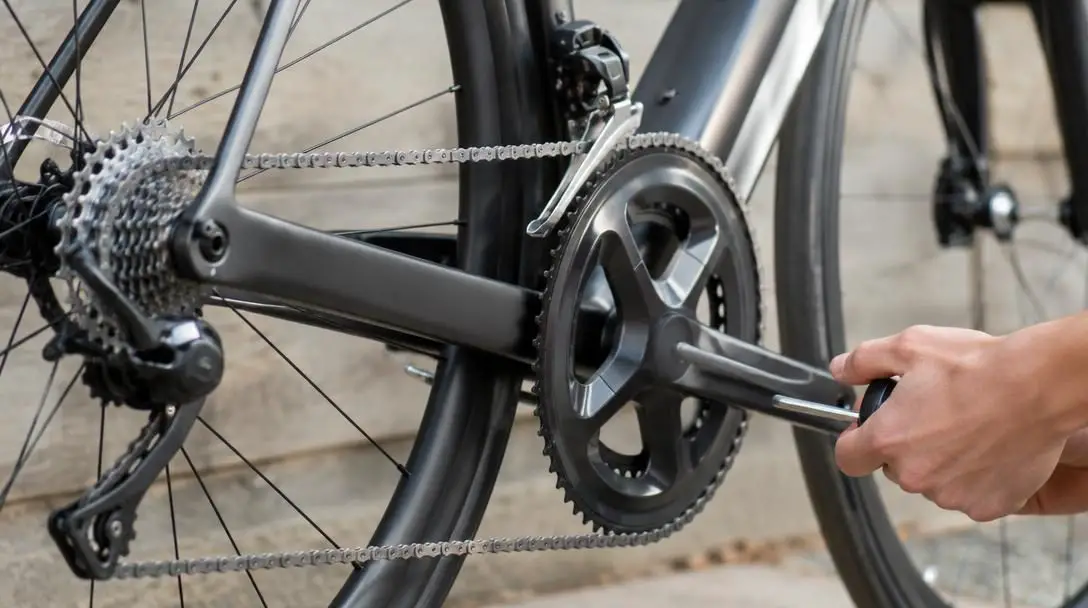
The drivetrain consists of the pedals, front chainrings, chain, rear cassette, and derailleurs. Road drivetrains feature closely spaced gear ratios. This tight spacing allows you to maintain a steady pedaling rhythm, or cadence, whether you are battling a steep grade or sprinting on flat pavement, preventing premature leg exhaustion.
Step-by-Step Guide to Buying Your First Road Bike
Purchasing your first road bicycle is an investment in your fitness and wellbeing. Moving through a structured buying sequence ensures you purchase a bicycle that suits your anatomy and riding aspirations.
- Establish a clear budget: Set a defined spending cap prior to shopping that leaves room in your finances for necessary safety gear and basic maintenance tools.
- Visit a dedicated local bicycle shop: Bypass faceless online marketplaces in favor of a brick-and-mortar store where you can consult passionate riders who know local riding conditions.
- Get measured for frame sizing: Road bike fit is measured in precise increments; a professional fitting ensures that your reach, seat height, and frame dimensions do not strain your joints.
- Test-ride several distinct models: Ride bikes with differing geometries to evaluate how your balance responds to narrow tires and how your lower back handles the forward athletic posture.
- Operate the integrated controls: Familiarize yourself with combined brake and shift levers while rolling on flat terrain so that gear selection feels natural and safe.
- Reflect before committing: Give yourself time to compare how each model handled before making a final purchase, ensuring the bike aligns with your budget and physical comfort.
Common Mistakes First-Time Road Cyclists Make
Many newcomers give up on road cycling shortly after starting because avoidable misconceptions lead to frustration, mechanical breakdowns, or physical discomfort. Steering clear of these pitfalls will make your transition to the sport far smoother.
- Expecting an upright cruising posture: Fighting the forward-leaning athletic position creates shoulder tension and poor bike handling; you must embrace the lower center of gravity.
- Rushing the selection process: Buying the first attractive bicycle on the floor without testing alternative frame designs frequently leads to fit problems later on.
- Venture onto dirt or gravel trails: Forcing skinny road tires onto rocky, unpaved surfaces risks immediate punctures and bent wheel rims.
- Ignoring pavement surface hazards: With no mechanical suspension to buffer shocks, failing to scan the road ahead can send jarring impacts into your wrists when hitting potholes or road seams.
- Attempting to learn everything alone: Spending months trying to decode complex component hierarchies solo is inefficient when local shop staff are eager to share practical wisdom.
- Overspending beyond practical limits: Advanced road bikes exist across an enormous price spectrum; beginner cyclists do not need an elite racing machine to reap the outdoor fitness perks of the sport.
Frequently asked questions
Why do road bikes cause more muscle soreness initially than standard bicycles?
Road bikes require an athletic, forward-leaning posture that redistributes your weight among your hands, saddle, and pedals. This position engages your core, neck, and lower back muscles in ways upright cruiser or mountain bikes do not, requiring a brief adjustment period as your body builds supporting strength.
Can I ride a road bike on crushed gravel or dirt nature paths?
No. Road bikes are designed specifically for paved asphalt and smooth bike paths. Their narrow tires and lightweight rims lack the tread, volume, and structural reinforcement necessary to navigate loose dirt, gravel, or rocks safely without risking wheel damage or flat tires.
Why don't road bike manufacturers install front or rear suspension?
Suspension components add significant weight and absorb pedaling energy through mechanical compression. Because road bikes operate on paved surfaces, designers eliminate suspension systems to keep the frame lightweight and ensure that every ounce of pedaling force transfers directly into forward speed.
Do I need to buy an expensive, top-of-the-line road bike to get a good workout?
Not at all. Road bikes span a vast range of prices and mechanical tiers. A modestly priced entry-level road bike with an aluminum frame and dependable components will deliver the same cardiovascular workout, athletic posture, and speed advantages as a premium model.
How can I make riding over rough roads more comfortable without suspension?
You can improve ride comfort by staying alert and using your arms and legs as natural shock absorbers. Bending your elbows slightly and rising an inch off the saddle when rolling across visible bumps or cracks will isolate your body from the rigid frame's road vibrations.
The bottom line
Stepping into the world of road cycling offers an exceptional outlet for physical fitness, outdoor adventure, and renewed vitality. While the transition from casual riding requires an adjustment to narrow tires, a fully rigid frame, and an athletic forward posture, the payoff is an exhilarating sense of speed and efficiency on the open road. By taking the time to test different frame geometries, relying on the hands-on expertise of your local bike shop, and practicing your balance in low-stress environments, you can choose a road bicycle with complete confidence and enjoy miles of smooth riding ahead.