5 Games For Rust Fans To Try
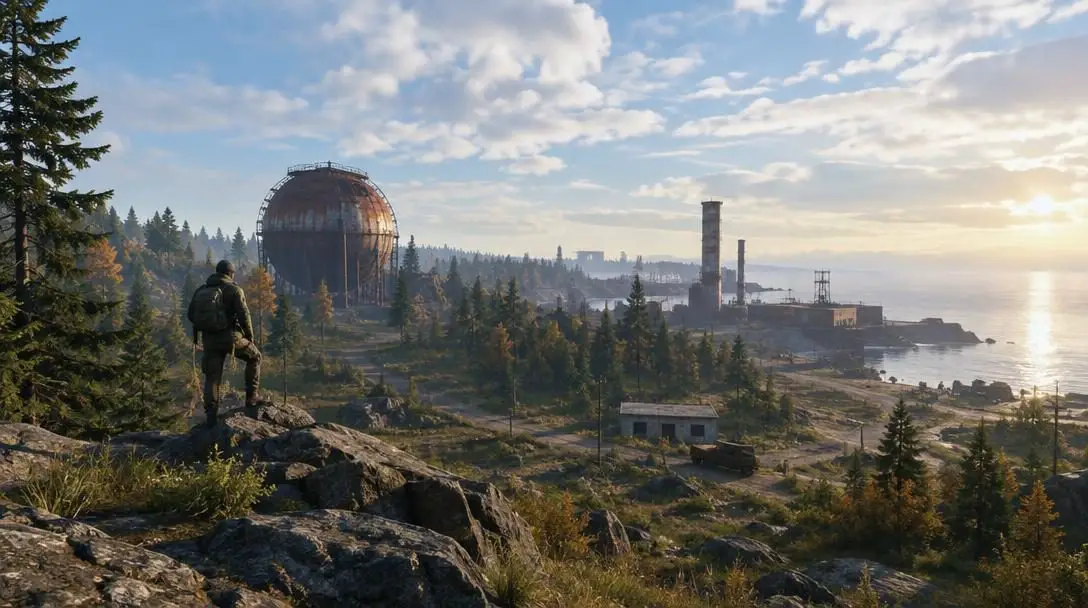
Since its initial early release in 2013 and its full launch five years later, Rust has anchored itself as a monumental title in the survival genre. Across both PC and console ecosystems, the game challenges players to endure a merciless open world where basic environmental exposure, sudden wildlife encounters, and hostile human rivals constantly threaten progress. Survival demands persistent territory control, meticulous compound fabrication, and high-stakes social navigation where an uneasy truce can unravel in seconds.
The runaway popularity of Rust helped inspire and solidify an entire category of survival titles built around player agency. Instead of following rigid linear narratives, players are dropped into expansive landscapes where securing shelter, harvesting rough supplies, and managing critical physiological needs take immediate priority. For dedicated veterans looking to step away from the familiar coastal monuments of Rust without abandoning the punishing rush of emergent survival, five standout games capture these foundational dynamics across distinct settings.
Key takeaways
- Rust popularized a punishing survival framework built around resource gathering, territory control, structural defense, and volatile multiplayer encounters.
- Titles such as DayZ and ARK: Survival Evolved deliver high-tension multiplayer ecosystems driven by organic player cooperation and devastating raids.
- Games including The Forest, Valheim, and 7 Days to Die expand the genre through rich cooperative progression, physics-based building, and relentless environmental threats.
- Transitioning to a new survival game requires adapting to unfamiliar AI behaviors, harsh weather mechanics, and game-specific death penalties.
At a glance: Five survival alternatives to Rust
Each of these survival titles reinterprets the core loops of scavenging, base building, and environmental peril. The table below outlines how they compare across release history, developers, and thematic settings.
| Game | Developer | Initial Release | Setting | Distinctive Gameplay Feature |
|---|---|---|---|---|
| DayZ | Bohemia Interactive | 2018 (PC), 2019 (Consoles) | Chernarus (Post-Soviet Russia) | Emergent social tension and infected threats |
| The Forest | Endnight Games | 2018 (PC, PS4) | Dense forested wilderness | Underground cave exploration and mutant tribes |
| Valheim | Iron Gate Studio | 2021 (PC), 2023 (Xbox) | Procedural Norse purgatory | Ten-player cooperation and biome progression |
| ARK: Survival Evolved | Studio Wildcard | 2017 | Prehistoric Ark wilderness | Taming, equipping, and riding prehistoric wildlife |
| 7 Days to Die | The Fun Pimps | Available on PC, PS4, Xbox One | Post-nuclear fallout Arizona | Modular structural fortification against zombie hordes |
The top five survival games for Rust veterans
While the aesthetic backdrops differ drastically—from prehistoric islands populated by apex predators to fog-choked post-Soviet territories—these titles deliver the same core thrill of carving safety out of dangerous, unyielding territory.
DayZ
- Developer: Bohemia Interactive
- Release Timeline: 2018 for PC, 2019 for consoles
- Setting: Chernarus, a fictional territory based in Russia
- Primary Hazard: Virulent outbreak hostiles and armed survivors
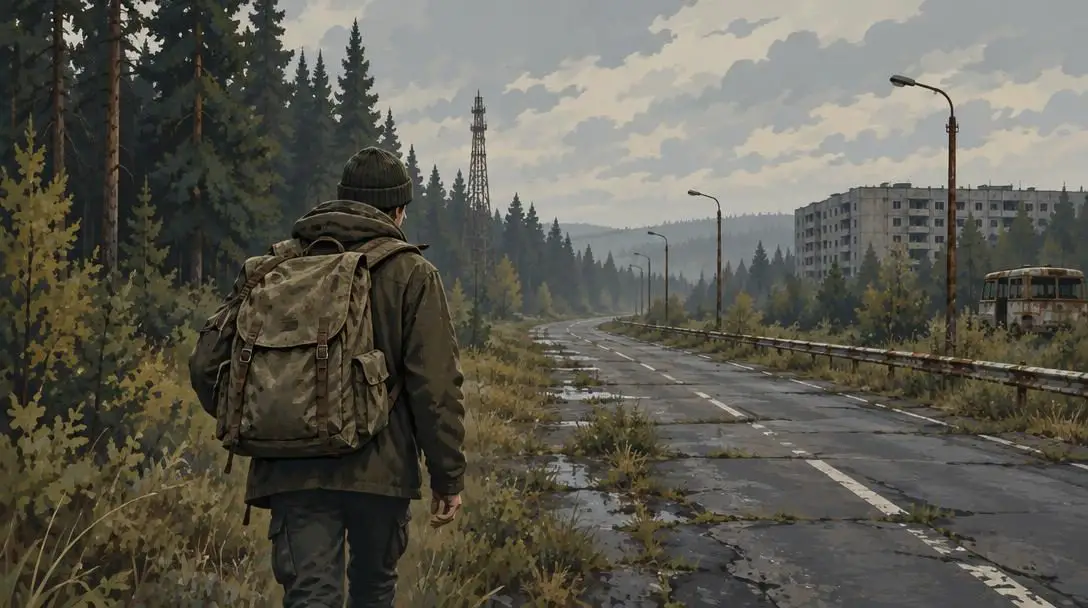
Born from the hardcore survival modding scene, DayZ drops players into the expansive, fictional post-Soviet republic of Chernarus. A devastating outbreak has transformed the majority of the civilian populace into frantic, infected creatures. You begin your journey on the desolate coastline equipped with bare essentials, forcing you to move inland toward industrial ruins, military encampments, and rural towns in search of clean hydration, medical supplies, and protective firearms.
Much like Rust, the most unpredictable element across Chernarus is other players. Survivors you cross paths with retain complete autonomy over their actions: they may offer to trade canned food, ignore you entirely, or execute an ambush to strip your corpse of supplies. This persistent ambiguity turns every open field, treeline, and military base into an exercise in psychological tension and calculated observation.
The Forest
- Developer: Endnight Games
- Platform Launch: 2018 for PC and PlayStation 4
- Protagonist: Eric LeBlanc
- Primary Hazard: Subterranean cannibalistic mutant tribes
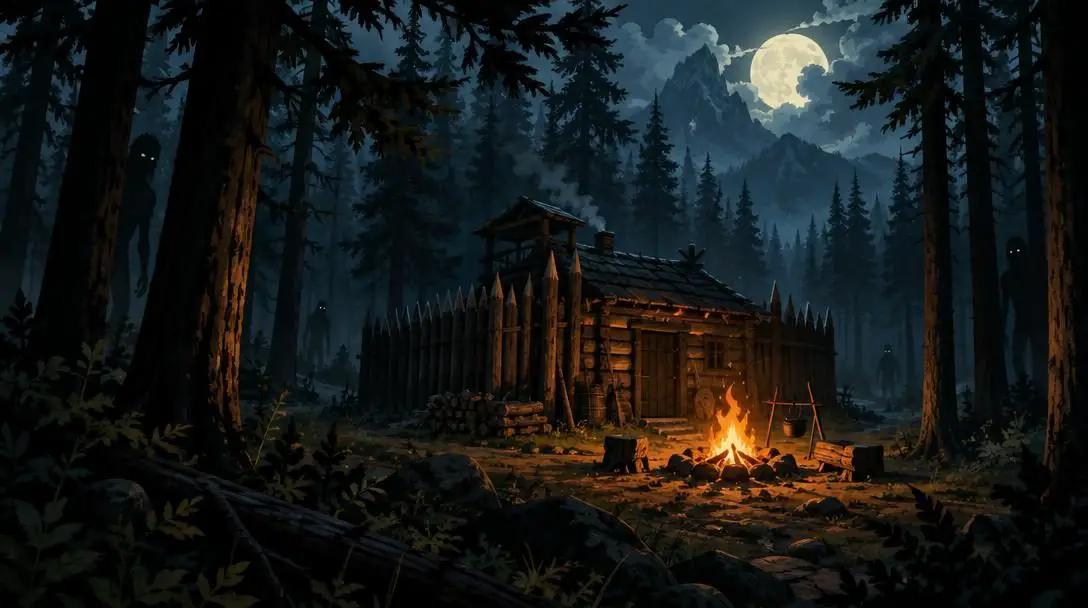
Developed by Endnight Games, The Forest introduces an atmospheric survival narrative. Players step into the shoes of Eric LeBlanc, the lone adult survivor of a horrific passenger plane crash on a remote, heavily wooded peninsula. With his young son Timmy abducted from the wreckage, Eric must endure the dense forest, scavenge discarded aircraft cargo, and slowly unravel the sinister reality of the landscape.
Beneath the canopy lies a labyrinth of deep cave systems populated by aggressive, mutated cannibals. The title generates suspense early on because initial encounters leave the mutants' exact intentions uncertain; they often stalk you from behind trees or test your defenses rather than attacking immediately. Surviving requires felling lumber, engineering multi-tiered defensive strongholds, and venturing underground with manufactured torches to locate tools and narrative answers.
Valheim
- Developer: Iron Gate Studio
- Release Window: 2021 on PC, arriving 2023 on Xbox One and Series X/S
- World Format: Procedural open-world mythological purgatory
- Multiplayer Scale: Cooperative support for up to 10 players
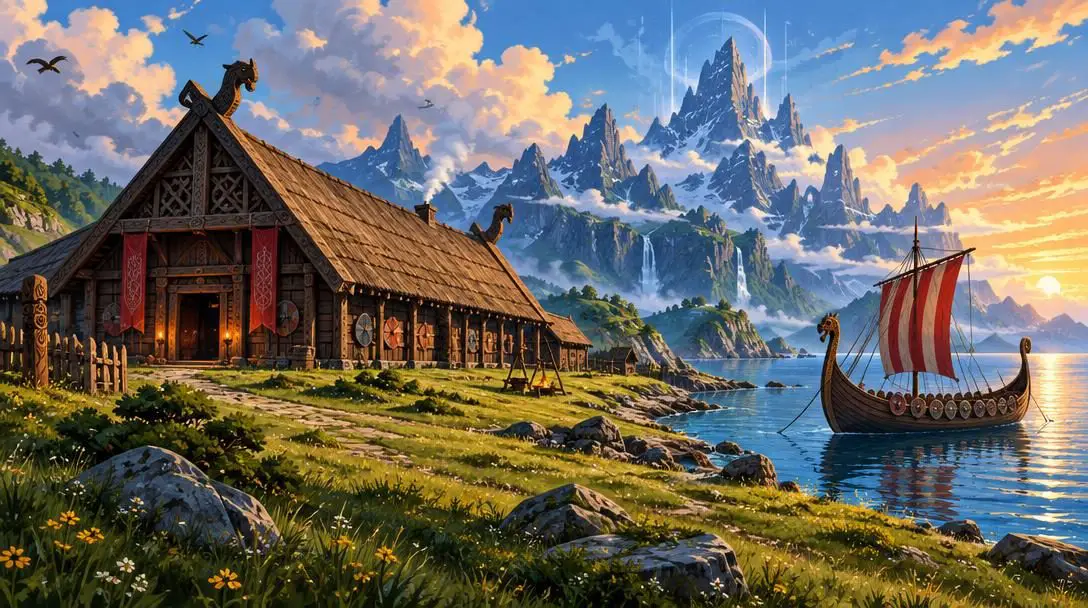
Developed by Iron Gate Studio, Valheim casts players as fallen Norse warriors tasked with bringing order to a vast, procedurally generated purgatory. Beginning in tranquil meadows, players gather wood and stone, construct basic huts, and harvest wild game. Over time, progress pushes players into far more hazardous biomes, including the dense Black Forest, towering frozen mountain peaks, poisonous swamps, treacherous open oceans, and the shadowed Mistlands.
Valheim shines especially bright in cooperative play, allowing bands of up to ten adventurers to fell sprawling timber forests, raise massive Viking mead halls, smelt mined structural metals, and sail hand-crafted naval vessels across uncharted waters. Defeating ancient mythical adversaries in each biome unlocks advanced crafting tiers, rewarding meticulous base building and shared exploration without requiring non-stop competitive friction.
ARK: Survival Evolved
- Developer: Studio Wildcard
- Release Year: 2017
- Setting: The prehistoric Ark landscape
- Entity Count: Nearly 200 distinct creatures and robotic constructs
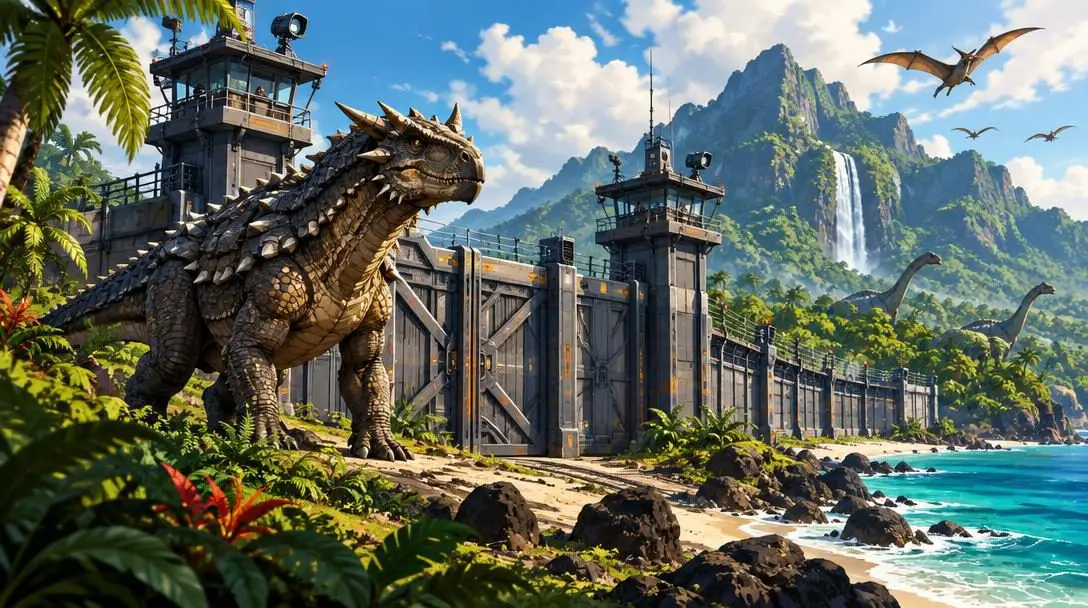
Studio Wildcard's ARK: Survival Evolved strands players naked and vulnerable on the perimeter of an island ecosystem filled with prehistoric dinosaurs, fantastical beasts, mechanical guardians, and hostile humans. Basic survival requires close management of hunger, thirst, stamina, oxygen, and shifting ambient temperatures. Players quickly progress from primitive thatch lean-tos to reinforced metal bastions equipped with automated defensive turrets.
The defining mechanic of ARK is its comprehensive wildlife taming system. Nearly two hundred individual creature types can be tranquilized, fed, domesticated, and bred. Tamed creatures can be outfitted with specialized saddles, used as heavy pack mules, or ridden into battle to demolish enemy fortifications. For players who love the base-building, compound-raiding, and tribal warfare dynamics of Rust, ARK offers an equally relentless, high-stakes multiplayer arena.
Survival titles reward player agency by replacing linear cinematic narratives with the raw, emergent challenge of carving security out of a hostile open world.
7 Days to Die
- Developer: The Fun Pimps
- Available Platforms: PC, PlayStation 4, and Xbox One
- Setting: Fictional post-nuclear Arizona
- Primary Hazard: Mutated zombie hordes and nuclear wasteland debris
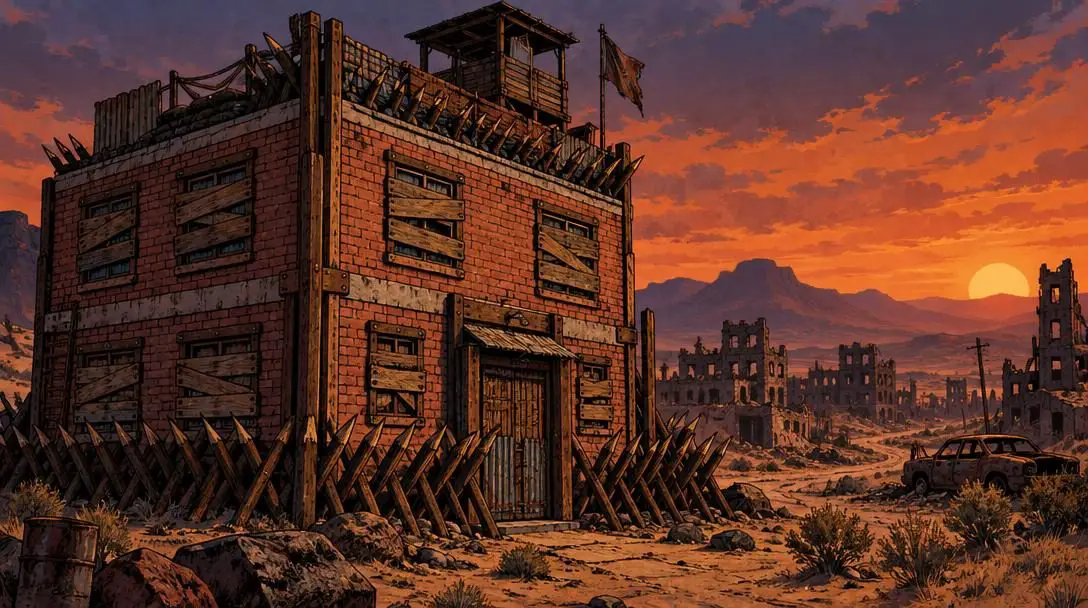
Set against the backdrop of a fictional Arizona town devastated by the nuclear fallout of the Third World War, 7 Days to Die combines traditional survival crafting with modular voxel destruction and tower defense. As an isolated survivor, you must explore ruined suburban neighborhoods, abandoned industrial factories, and desolate commercial districts to salvage raw mechanical parts, medical supplies, and advanced tool schematics.
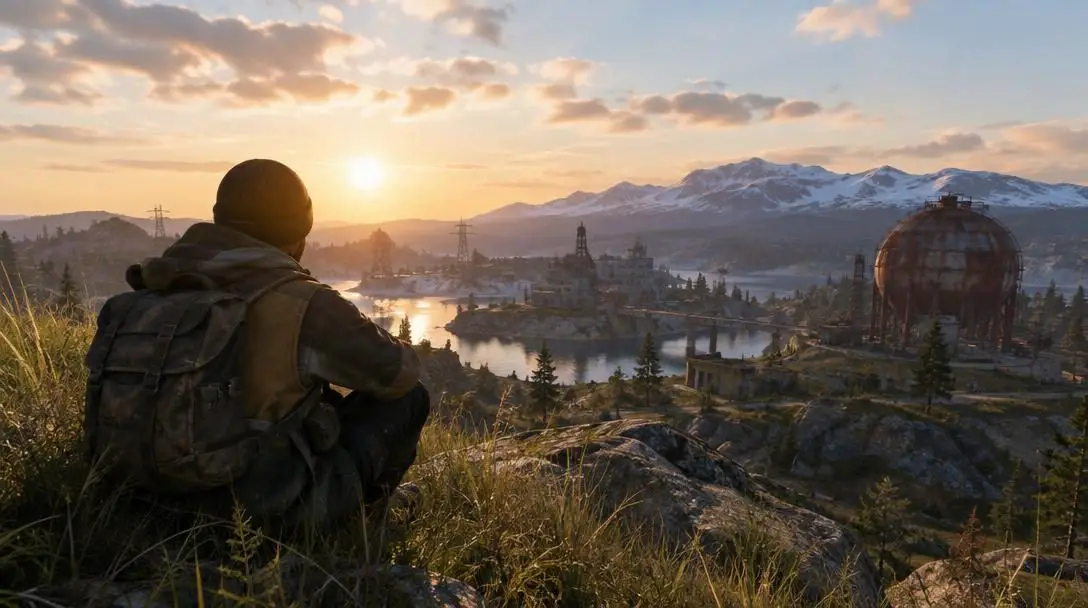
The world is plagued by infected mutants whose aggression surges under the cover of night. The game challenges players to prepare for cyclic horde assaults by reinforcing dilapidated structures, digging subterranean bunkers, and constructing intricate traps using modular building mechanics. Although developer The Fun Pimps ultimately ceased plans for expanding the series further, its rich combination of looting, structural design, and cooperative horde defense makes it a compelling destination for fans of Rust's defensive architecture.
Shared mechanics: Why these games resonate with Rust players
Although their narratives range from ancient Norse mythology to apocalyptic nuclear wastelands, these titles function on core systemic design patterns that any seasoned Rust player will immediately understand.
- Scavenging and harvesting: Starting with empty inventories, players harvest timber, stone, organic fibers, and scrap metal using primitive hand tools to bootstrap their survival.
- Tiered crafting progression: Raw materials are refined through specialized crafting stations, unlocking advanced armor, protective clothing, and specialized defensive weapons.
- Fortified base construction: Longevity hinges on structural architecture. Each title allows players to design customized sanctuaries housing storage containers, workbenches, cooking fires, and respawn markers.
- Metabolic management: Ongoing survival demands active tracking of hunger, thirst, physical fatigue, and ambient temperatures, forcing players into regular foraging excursions.
- Volatile environmental hazards: Non-player hostiles—ranging from cannibal patrols and wandering infected to apex predators—patrol gathering zones, requiring sharp tactical awareness.
- Emergent multiplayer systems: Meeting fellow human players naturally introduces tactical tension, presenting immediate choices between mutually beneficial trade, temporary alliances, or predatory raids.
Step-by-step: Transitioning safely into a new survival sandbox
Adapting to a new survival engine requires unlearning a few habits while prioritizing basic logistical stability. Follow these practical steps when logging into an unfamiliar survival world for the first time.
- Evaluate primary environmental hazards: Observe how local wildlife or hostile AI detect your presence. Learn their aggro ranges, patrol routes, and whether sound or visual line of sight triggers an attack.
- Erect a forward operating base: Build a basic wooden or stone structure close to critical early-game resources. Install secure storage boxes and place a bedroll or sleeping bag to anchor your respawn point.
- Secure renewable nourishment and hydration: Locate a reliable fresh water source and determine whether it requires boiling or chemical purification. Collect local flora, construct hunting tools, and set up a basic campfire to cook raw meat.
- Verify inventory death penalties: Review the server rules to discover what happens when you die. Confirm whether you forfeit all carried items, drop a recoverable backpack, or retain tool progression upon respawning.
- Select your server environment: Choose an operational environment that fits your desired balance of risk. Opt for dedicated cooperative or private servers when mastering Valheim or 7 Days to Die, or select public PvP servers for the full competitive friction of DayZ and ARK.
Mistakes to avoid when leaving Rust behind
Bringing ingrained Rust tactics into other survival ecosystems can lead to fast setbacks. Keep these common oversights in mind as you explore new terrain:
- Relying exclusively on twitch-shooter tactics: Treating DayZ or 7 Days to Die like a fast-paced shooter often ends poorly. Weapon sway, physical stamina, recoil recovery, and durability decay require patient, measured engagements.
- Underestimating stealth and positioning: In The Forest, charging blindly toward mutant scouts alerts nearby camps. Crouching in tall grass, tracking patrol routes, and staying out of sight keeps your camp hidden longer.
- Over-encumbering your character with raw materials: Hoarding stacks of dense ore or timber without local storage slows your movement, leaving you vulnerable to sudden animal attacks or surprise ambushes.
- Ignoring structural support limits: In titles like Valheim, building tall towers without intermediate support beams causes the upper roof tiles to break instantly upon placement.
- Dismissing biome climate changes: Crossing into high-altitude snow peaks or waterlogged swamps in ARK and Valheim without warm garments, insulating food buffs, or portable torches will rapidly drain your health pool.
Frequently asked questions
Which game on this list is closest to the PvP raiding experience of Rust?
ARK: Survival Evolved is the closest alternative for players who enjoy competitive base defense and raiding. Like Rust, ARK servers feature player-created tribes that construct heavily fortified compounds, produce high-tier explosives, and conduct coordinated sieges against rival bases to destroy infrastructure and steal stockpiled resources.
Can I play any of these survival titles entirely as a solo player?
Yes. The Forest, Valheim, and 7 Days to Die can be experienced as fully offline or private solo worlds, allowing you to explore the narrative, build expansive structures, and progress through crafting tiers without interference from hostile human players. While DayZ and ARK can technically be played solo, their environments are heavily tuned around group dynamics and multiplayer survival.
What makes DayZ's combat feel different from Rust's gunplay?
While Rust emphasizes fast-paced firefights, quick weapon swapping, and base-jumping skirmishes, DayZ models realistic ballistic drop, weapon jamming, individual magazine loading, and severe blood loss. Firing unsuppressed weapons also attracts aggressive infected swarms from hundreds of meters away, making direct combat a dangerous logistical choice.
Is Valheim suitable for players who prefer building over combat?
Valheim offers an exceptionally deep building system that appeals directly to architects and crafters. It utilizes a physics-based structural stability mechanic where players must incorporate proper foundation stones, support beams, and smoke ventilation for interior hearths. Although boss progression is required to unlock advanced crafting materials, building grand mead halls and settlements remains a core highlight.
Are The Forest and 7 Days to Die primarily horror games?
Both games incorporate significant survival horror elements. The Forest features an unsettling psychological narrative with aggressive subterranean mutant tribes, while 7 Days to Die focuses on post-apocalyptic zombie horde defense. However, both titles maintain deep resource gathering, farming, structural construction, and equipment crafting systems that will feel instantly familiar to survival enthusiasts.
The bottom line
Rust earned its legendary reputation by refusing to hold the player's hand, forcing survivors to master resource logistics, defensive base construction, and high-tension social navigation. Stepping outside that familiar landscape does not mean sacrificing the unforgiving survival loop you enjoy. Whether you choose the psychological tension of Chernarus in DayZ, the cooperative architectural journeys of Valheim, the creature-taming warfare of ARK: Survival Evolved, the subterranean terrors of The Forest, or the modular zombie fortifications of 7 Days to Die, each world provides a thrilling new testing ground for your survival instincts.