5 Genius Rappers Who Are Cruelly Overlooked
Discussions regarding the greatest rappers of all time almost universally orbit a familiar roster of commercial titans. Figures such as Eminem, Nas, Jay-Z, Tupac Shakur, and the Notorious B.I.G. occupy permanent real estate on mainstream countdowns, radio playlists, and pop culture retrospectives. Because these artists reached multi-platinum heights and filled arenas worldwide, casual listeners frequently equate top-tier lyrical brilliance strictly with chart-topping commercial ubiquity.
Yet hip-hop history has always maintained a vibrant, parallel current of extraordinary lyricists who altered the DNA of the art form without dominating the sales charts. These underappreciated pioneers reshaped rhyming cadences, introduced complex internal schemes, and influenced entire generations of future superstars. For curious listeners willing to look beyond radio rotation, uncovering these cruelly overlooked masters provides a far richer understanding of the culture.
Key takeaways
- Commercial chart positions on the Billboard rankings often reflect marketing infrastructure rather than pure lyrical mastery or peer respect.
- Groundbreaking lyricists like Rakim, Del the Funky Homosapien, and The D.O.C. invented fundamental rhyme schemes and cadences that modern superstars continue to emulate.
- Collaborative projects, including Gorillaz and Bad Meets Evil, have frequently exposed underground virtuosos to mainstream audiences when their solo catalogs went overlooked.
- Exploring classic discographies requires evaluating technical breath control, independent labels, and foundational historical context over raw commercial statistics.
At a glance: Five overlooked rap pioneers
While mainstream media focuses heavily on commercial juggernauts, hip-hop historians and working emcees consistently celebrate artists whose contributions altered the genre from the inside out. The following table highlights the essential profile of each artist discussed below.
| Artist | Real name | Career origins | Key projects or groups | Essential solo tracks |
|---|---|---|---|---|
| Del the Funky Homosapien | Teren Delvon Jones | Oakland, California (late 1980s) | Gorillaz collaboration (2001) | "Catch a Bad One", "If You Must", "Press Rewind" |
| Rakim | Known as The God MC | Hip-hop golden age (late 1980s) | Eric B. & Rakim | Masterclasses on The Seventh Seal and 1990s solo LPs |
| MF DOOM | Dumile Daniel Thompson | Independent underground (late 1990s) | Multi-persona collaborations | "All Caps", "Rhymes Like Dimes", "That's That" |
| The D.O.C. | Tracy Lynn Curry | Dallas to West Coast (late 1980s) | Fila Fresh Crew, Death Row Records | "It's Funky Enough", "The Formula", "Drink It Up" |
| Royce da 5'9" | Elite Detroit scene | Local Detroit rise (late 1990s) | Bad Meets Evil (with Eminem) | "Boom", "I'm the King", "Caterpillar" |
Five genius rappers who deserve greater recognition
Each of the following artists brought rare technical precision, visionary conceptual framing, or transformative rhyming structures to the microphone. Despite major critical respect and deep admiration from their fellow emcees, their solo outputs remain largely overlooked by casual mainstream audiences.
Del the Funky Homosapien
- Real name: Teren Delvon Jones
- Birthplace: Oakland, California (born 1972)
- Debut milestone: First solo record released at age 18
- Major crossover: Lead vocals on Gorillaz self-titled album (2001)
Born in Oakland, California, in 1972, Del the Funky Homosapien emerged during the late 1980s with an offbeat, highly imaginative approach that diverged completely from standard West Coast conventions. Rather than relying on hard-edged gangsta tropes or repetitive party rhythms, Del leaned into eccentric storytelling, inventive wordplay, and vibrant rhythms. After releasing his debut solo album at the young age of 18, he sustained an exceptionally prolific run, issuing three solo records during the 1990s and following with a fourth solo album in 2000.
Del experienced an explosive surge in international visibility when he teamed up with the virtual band Gorillaz for their massive 2001 self-titled release. His distinct voice, casual bounce, and fluid syncopation propelled worldwide smashes like "Clint Eastwood" and "Rock the House." While global music fans instantly recognized his vocal identity through animated music videos, far fewer took the time to investigate his rich independent catalog. Essential tracks like "Catch a Bad One," "If You Must," and "Press Rewind" illustrate a lyricist operating at the absolute peak of flow dynamics and narrative humor.
Rakim
- Honorific title: The God MC
- Signature partnership: Eric B. & Rakim
- Golden age output: Four duo albums (late 1980s to early 1990s)
- Later solo work: The Seventh Seal (2009)
Revered by purists and fellow performers as The God MC, Rakim essentially drafted the foundational blueprint for modern rap lyricism. Before his arrival alongside DJ partner Eric B. during hip-hop's golden age, rhyming delivery often adhered to basic, percussive, end-rhyme formulas suited for park jams and straightforward dance routines. Rakim revolutionized the medium by introducing internal rhyme structures, relaxed breath control, and an intricate, jazz-inspired phrasing that treated the human voice like a saxophone.
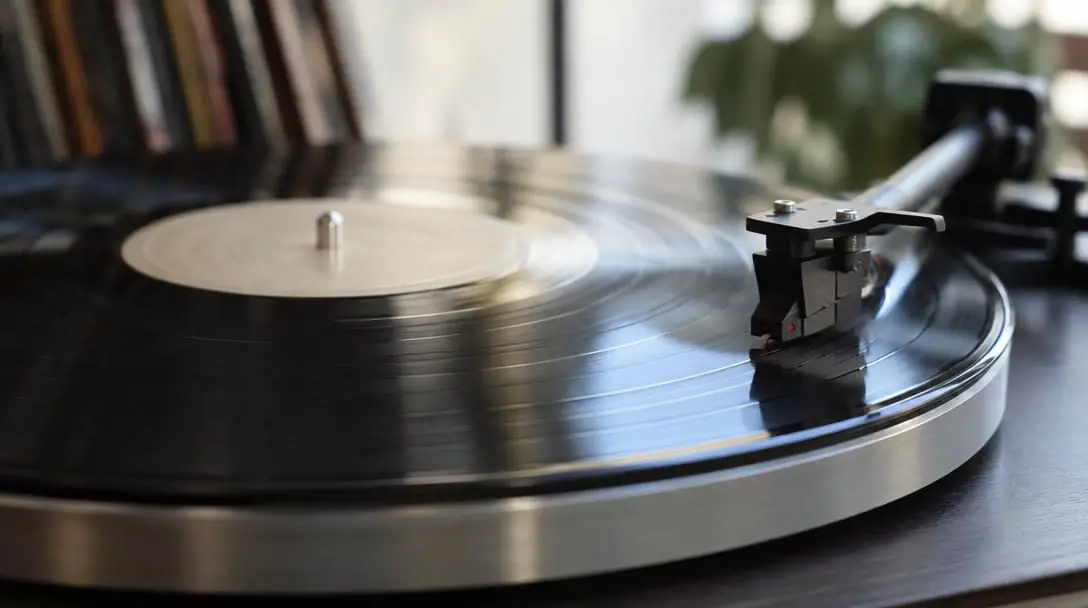
Despite being widely identified by elite mainstream superstars as the single greatest lyricist in the history of the art form, modern mass audiences remain surprisingly disconnected from his discography. Between the late 1980s and early 1990s, Eric B. & Rakim released four landmark albums, yet not one managed to climb into the top 20 of the Billboard charts. Following that foundational era, Rakim delivered two solo albums in the 1990s before re-emerging with 2009's The Seventh Seal. His body of work remains an essential clinic in rhythmic nuance, calm vocal authority, and poetic complexity.
MF DOOM
- Real name: Dumile Daniel Thompson
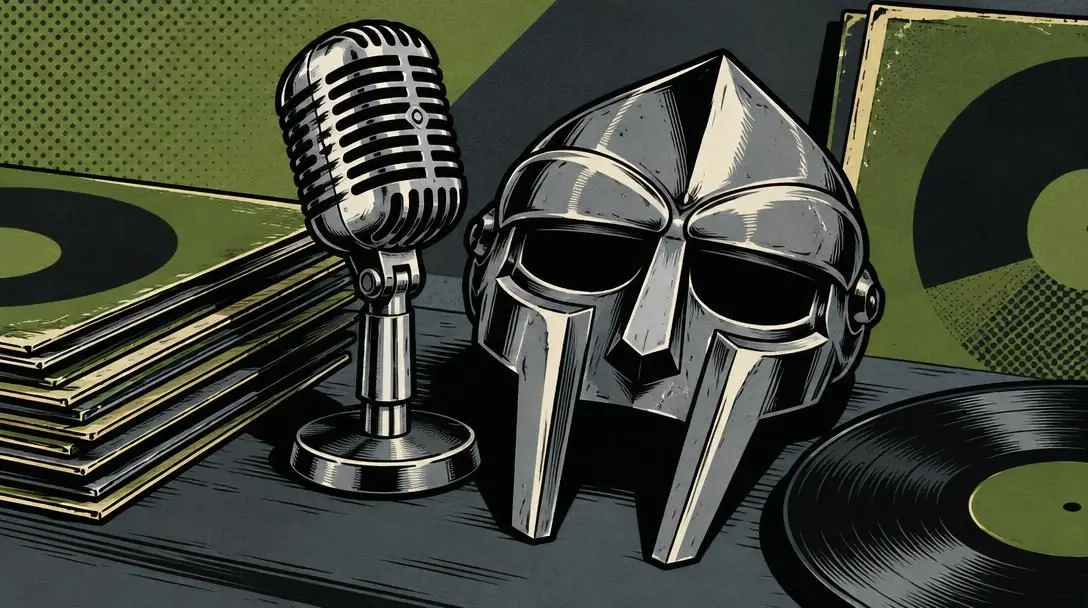
- Visual identity: Signature metal mask inspired by the Fantastic Four
- Solo timeline: Six albums released between 1999 and 2009
- Bookend releases: Operation: Doomsday (1999) to Born Like This (2009)
The late Dumile Daniel Thompson carved out an immortal legacy by stepping entirely outside the traditional music industry machine. Operating behind a signature metal mask inspired by the classic Marvel comic villain Doctor Doom from the Fantastic Four series, MF DOOM created an elaborate, anti-hero persona that prioritized lyrical mystique over personal vanity. He turned his rejection of corporate music standards into high art, crafting dense, stream-of-consciousness rhymes loaded with esoteric pop-culture references, internal assonance, and unexpected humor.
While renowned for legendary joint efforts with diverse producers, DOOM established his creative foundation across six solo albums released under various aliases between 1999 and 2009. The run began with the lo-fi indie benchmark Operation: Doomsday in 1999 and concluded with 2009's Born Like This, which was credited simply as Doom. Songs like "All Caps," "Rhymes Like Dimes," and "That's That" display an uncanny talent for making every syllable rhyme, building puzzle-like verses that reward careful repeated listening.
True lyrical excellence in hip-hop has always thrived in underground channels far away from commercial sales charts and radio rotations.
The D.O.C.
- Real name: Tracy Lynn Curry
- Original group: Fila Fresh Crew
- Industry role: Co-founder of Death Row Records
- Solo discography: Three albums, including 1989's No One Can Do It Better and 2003's Deuce
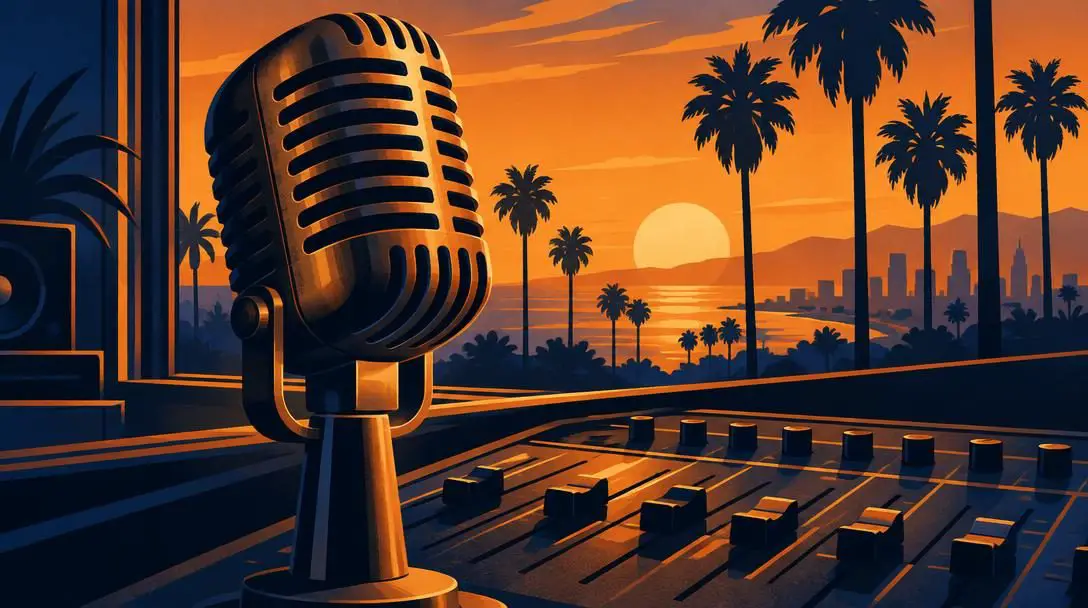
Born Tracy Lynn Curry, The D.O.C. is celebrated by true genre historians as an artist's artist. After launching his recording career as a member of Dallas, Texas's Fila Fresh Crew, he relocated to the West Coast, where his booming vocal delivery and razor-sharp cadences made him a vital creative force alongside Dr. Dre and Eazy-E. Curry was not simply a performer; he was a master songwriter and behind-the-scenes powerhouse who went on to serve as a co-founder of the historic Death Row Records.
Though mainstream hip-hop fans may not immediately recognize his solo catalog, giants of the format such as Dr. Dre, Eminem, and Jay-Z have repeatedly name-dropped him on their most famous records. His solo footprint spans three records released between his 1989 magnum opus, No One Can Do It Better, and 2003's Deuce. Masterpieces like "It's Funky Enough," "The Formula," and "Drink It Up" showcase an unmatched balance of raw sonic power, relentless technical cadence, and effortless charisma.
Royce da 5'9"
- Hometown: Detroit, Michigan
- Early duo: Bad Meets Evil (with Eminem)
- Studio output: Eight solo albums without a top-20 Billboard 200 peak
- Signature works: "Boom", "I'm the King", "Caterpillar", "Lighters"
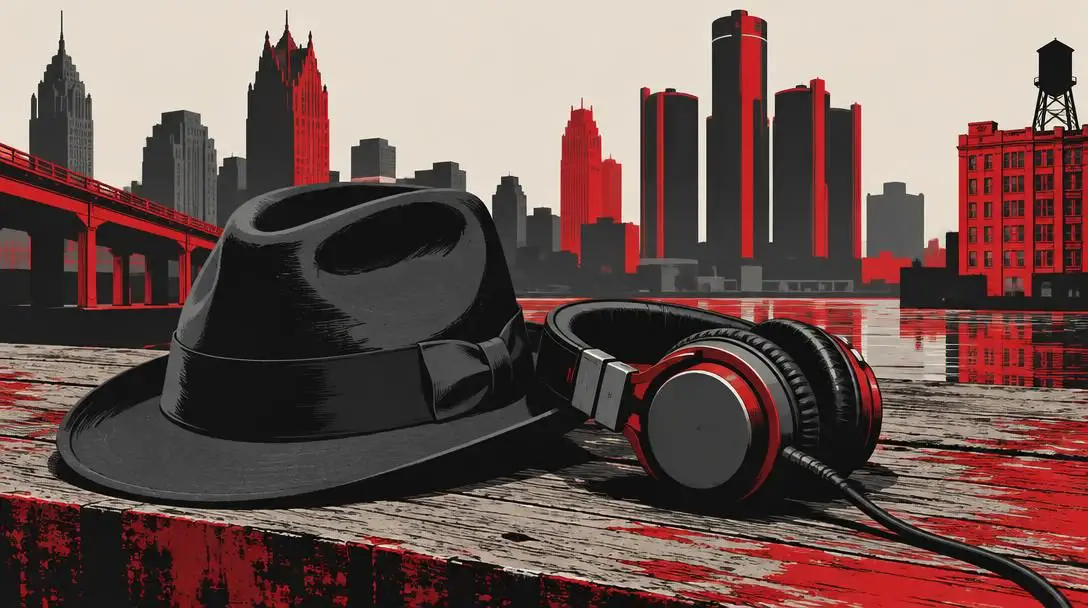
Hailing from Detroit, Michigan, Royce da 5'9" stands as one of the sharpest, most technically gifted battle-tested lyricists of the past three decades. During his early rise in the rugged local Detroit hip-hop circuit, Royce formed a formidable creative partnership with Eminem under the moniker Bad Meets Evil. Shortly after Eminem achieved astronomical worldwide solo stardom, an offer arrived for Royce to join Dr. Dre's Aftermath Entertainment imprint. However, Royce chose to ink a deal with Tommy Boy Records instead, initiating a complex turning point in his early career.
A prolonged, high-profile feud with Eminem and his group D12 followed, stretching across several turbulent years during which Royce navigated the gritty independent circuit and served time in jail. Eventually, the longtime friends reconciled, revitalizing the Bad Meets Evil partnership and spawning successful reunion tracks like "Lighters." Despite putting out eight exceptional solo studio albums, none have ever cracked the top 20 of the Billboard 200 albums chart. Tracks like the DJ Premier-produced "Boom," "I'm the King," and the blistering "Caterpillar" demonstrate an emcee whose breath-defying multisyllabic schemes and poignant storytelling remain practically peerless.
How commercial exposure obscures underground genius
Understanding why genius emcees are routinely overlooked requires a frank look at how commercial distribution, corporate budgeting, and playlist curation operate across the music industry. The systems that dictate what reaches the average listener's ears rarely overlap with those that reward intricate technical mastery.
- Budget allocation and radio syndication: Major record labels historically directed massive promotional budgets toward accessible, radio-friendly hooks. Stadium-filling artists like Tupac, Eminem, and Jay-Z received comprehensive corporate marketing pushes that independent or mid-tier artists simply never had.
- Word-of-mouth underground distribution: Visionaries like Del the Funky Homosapien and MF DOOM thrived within decentralized networks of independent record stores, college radio stations, and internet forums, prioritizing artistic freedom over corporate boardrooms.
- Billboard chart limitations: Metrics like the Billboard 200 reflect immediate point-of-sale volume and streaming pushes rather than sustained artistic influence. An album that fails to crack the top 20 can still leave an indelible imprint on how future lyricists write their verses.
- Ghostwriting and behind-the-scenes craftsmanship: Highly skilled writers often spend their peak creative years collaborating with or ghostwriting for more marketable personalities, as demonstrated by The D.O.C.'s deep structural contributions alongside Dr. Dre and Death Row Records.
- Crossover divergence: Collaborative vehicles like Gorillaz or Bad Meets Evil often attract a mainstream audience that treats the guest performer as an anonymous feature rather than investigating their extensive solo catalogs.
Step-by-step guide to exploring overlooked discographies
Diving into deep, unheralded catalogs can feel overwhelming given the decades of releases, alternate aliases, and guest appearances involved. Listeners who want to build a thorough appreciation for these masters can follow an intentional listening blueprint.
- Start with the primary crossover tracks: Familiarize yourself with each artist's vocal tone and basic cadence using accessible anthems like Gorillaz's "Clint Eastwood" or Bad Meets Evil's "Lighters."
- Transition into signature underground solo cuts: Move immediately to the defining solo material celebrated by hardcore heads, such as "Catch a Bad One" by Del, "All Caps" by MF DOOM, or "Boom" by Royce da 5'9".
- Consume landmark debut records in full: Listen straight through classic opening statements like The D.O.C.'s 1989 release No One Can Do It Better and MF DOOM's 1999 underground cornerstone Operation: Doomsday.
- Analyze classic golden era partnerships: Study historical collaborative runs, especially the four duo albums from Eric B. & Rakim, to hear how rhyme mechanics were formulated in real time.
- Trace production lineages and record labels: Investigate the sonic landscapes crafted by producers and labels that backed these artists, noting connections between Tommy Boy Records, Aftermath Entertainment, and early Death Row Records.
- Compare lyrical influence across eras: Listen back to modern mainstream tracks by Eminem, Nas, or Jay-Z to pinpoint the internal rhymes, vocal pauses, and narrative devices borrowed directly from Rakim and DOOM.
Common misconceptions when evaluating non-mainstream rappers
When listeners begin exploring catalogs outside the familiar pop-rap canon, several persistent assumptions can warp their critical perspective. Avoiding these common mistakes helps ensure you assess each artist's cultural legacy with clarity and objectivity.
- Equating chart peaks with artistic value: Assuming that an album missing the Billboard top 20 lacks cultural weight causes listeners to miss out on masterclasses by artists like Eric B. & Rakim and Royce da 5'9".
- Overlooking early group identities: Isolating an artist from their roots obscures their sonic evolution, whether ignoring The D.O.C.'s formative work with the Fila Fresh Crew or Rakim's foundational partnership with Eric B.
- Judging an emcee solely through mainstream guest spots: Viewing Del the Funky Homosapien exclusively through his memorable contributions to the Gorillaz discography severely minimizes four decades of brilliant solo and collective West Coast innovation.
- Ignoring chronological production styles: Dismissing late 1980s records because of dated drum machines ignores the fact that emcees like The D.O.C. and Rakim were actively inventing rhyme conventions that did not exist before their arrival.
- Expecting conventional pop song formulas: Approaching MF DOOM's intricate persona work and dense rhyme schemes while demanding radio hooks and predictable song structures leads to missing the entire artistic point of his underground catalog.
Frequently asked questions
Why is Rakim known as The God MC?
Rakim earned the moniker The God MC because he fundamentally transformed hip-hop rhyming mechanics during the late 1980s. Before his work alongside Eric B., rap delivery was primarily straightforward and percussive. Rakim introduced relaxed vocal projection, complex internal rhymes, and jazz-influenced cadences that set the standard for all modern lyricism.
What is the connection between Royce da 5'9" and Eminem?
Royce da 5'9" and Eminem came up together in the competitive Detroit hip-hop circuit, forming the acclaimed duo Bad Meets Evil. While Eminem rose to solo global fame and offered Royce an opportunity with Aftermath Entertainment, Royce signed with Tommy Boy Records, sparking a multi-year feud between Royce, Eminem, and D12 before they reconciled and revived their duo.
How was Del the Funky Homosapien involved with Gorillaz?
Del the Funky Homosapien provided lead rap vocals on major hit singles from Gorillaz's 2001 self-titled debut album, including "Clint Eastwood" and "Rock the House." The collaboration introduced his cadence and vocal style to a global mainstream audience, even though he had already released four solo albums prior to the project.
Why did MF DOOM wear a metal mask?
MF DOOM, born Dumile Daniel Thompson, wore a metal mask modeled after the comic book supervillain Doctor Doom from the Fantastic Four series. The disguise allowed him to establish an enigmatic villain persona, decentering his personal celebrity image and forcing listeners to focus exclusively on his intricate rhyme schemes and conceptual storytelling.
What role did The D.O.C. play in the history of West Coast rap?
Beyond releasing classic solo albums like 1989's No One Can Do It Better, The D.O.C. (Tracy Lynn Curry) was a co-founder of Death Row Records and a vital creative collaborator for Dr. Dre and Eazy-E. His elite writing skills and commanding technical cadence helped shape the sound of foundational West Coast hip-hop.
The bottom line
Hip-hop's true artistic lineage is not defined solely by stadium sellouts, multi-platinum certifications, or top-tier Billboard placements. While mainstream giants like Eminem, Nas, Jay-Z, Tupac, and Biggie rightfully enjoy widespread acclaim, innovators such as Del the Funky Homosapien, Rakim, MF DOOM, The D.O.C., and Royce da 5'9" built the structural foundation upon which modern rap lyricism stands.
By stepping beyond the confines of commercial radio algorithms, listeners uncover a world of complex multisyllabic rhymes, visionary alter egos, and technical storytelling that continues to inspire working emcees. Exploring these five overlooked discographies provides an essential education in the true depth, diversity, and literary craft of hip-hop music.