5 Greatest Managers in Orioles History
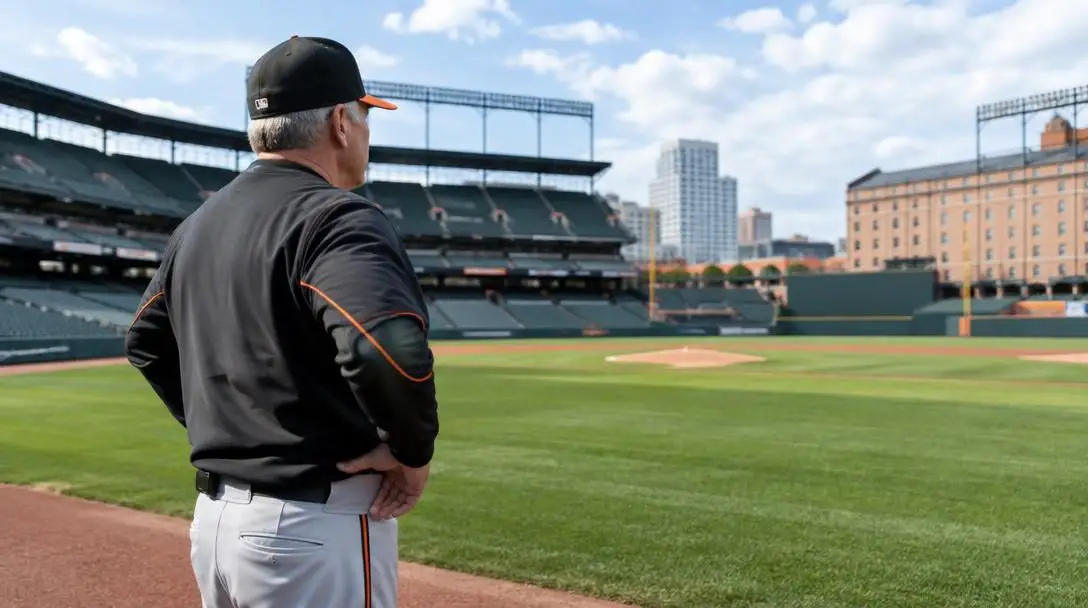
Managing a Major League Baseball franchise across decades requires far more than filling out a lineup card or making pitching changes. For a historic organization like the Baltimore Orioles, dugout leadership has bridged early rebuilding eras, iconic championship dynasties, and modern competitive turnarounds. While dozens of skippers have worn the uniform in Charm City, only a select group produced the sustained excellence, tactical innovation, and postseason triumphs required to define entire generations of baseball.
Evaluating historical managerial success involves weighing regular-season winning percentages against October execution, roster context, and foundational franchise building. From early architects who assembled the club's modern identity to championship tacticians who captured the Fall Classic, these five leaders stand out as the greatest managers in Baltimore Orioles history.
Key takeaways
- Earl Weaver remains the standard for Baltimore managers, winning six American League East titles, four pennants, and the 1970 World Series.
- Hank Bauer led the Orioles to their first-ever World Series championship in 1966 with a historic four-game sweep of the Los Angeles Dodgers.
- Joe Altobelli made an immediate impact by guiding the club to a World Series title during his debut campaign in 1983.
- Paul Richards helped establish the team's early foundation in Baltimore by serving simultaneously as field manager and general manager.
At a glance: Baltimore's top five managers
The managers who shaped Baltimore baseball brought diverse backgrounds to the dugout, ranging from dual front-office executives to Hall of Fame tactical innovators. The table below outlines how these five legendary figures compare across their tenures with the franchise.
| Manager | Orioles tenure | World Series titles | Key career highlight |
|---|---|---|---|
| Earl Weaver | 1968–1982, 1985–1986 | 1 (1970) | Inducted into the National Baseball Hall of Fame |
| Buck Showalter | 2010–2018 | 0 | Built a 622-569 record prior to the 2018 rebuild |
| Hank Bauer | 1964–1968 | 1 (1966) | Delivered the franchise's first World Series title |
| Paul Richards | 1955–1961 | 0 | Served simultaneously as manager and general manager |
| Joe Altobelli | 1983–1985 | 1 (1983) | Won a World Series championship in his first season |
Ranking the five greatest Orioles managers
Each of these leaders faced distinct organizational challenges, from building a competitive roster from scratch to maintaining established championship expectations.
Joe Altobelli
- Orioles tenure: 1983–1985
- 1983 regular-season record: 98-64
- Championships: 1983 World Series
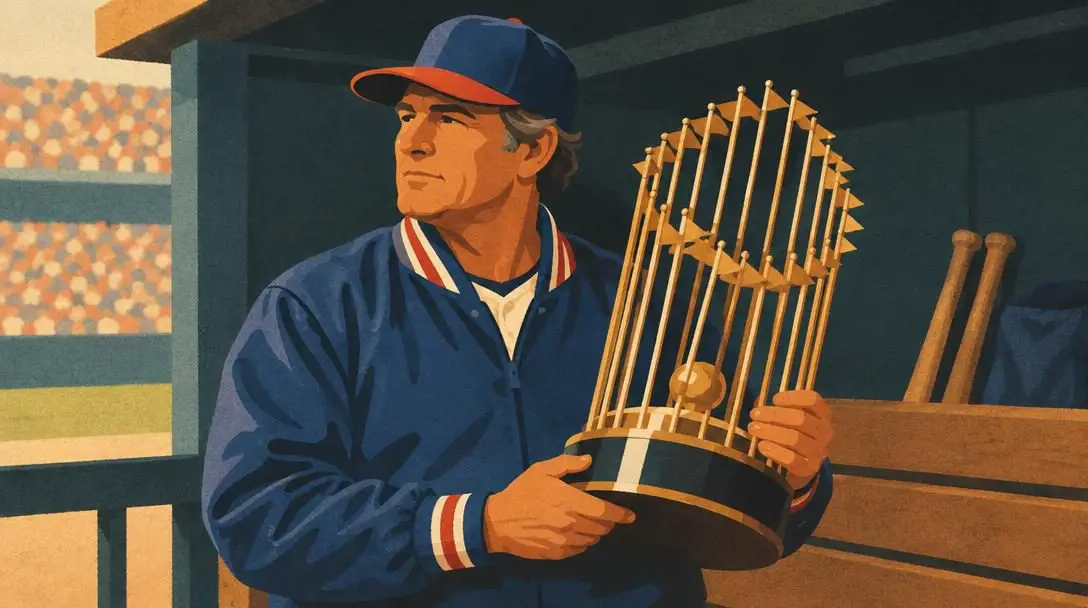
Detroit native Joe Altobelli spent the bulk of his lengthy playing career in Minor League Baseball, batting .210 for the Cleveland Indians and Minnesota Twins across three seasons between 1955 and 1961. After transitioning to the dugout, he made his major-league managerial debut with the San Francisco Giants in 1977, compiling a 225-239 record over three seasons before stepping away from managing for several years.
Altobelli arrived in Baltimore in 1983 facing the unenviable task of replacing a legend, yet he immediately orchestrated one of the finest seasons in club history. Guiding the team to a 98-64 regular-season record, Altobelli capped his debut campaign by winning the 1983 World Series. Although the club finished 85-77 the following year and dismissed him following a 29-26 start in 1985, his immediate championship success secures his enduring legacy in Baltimore lore.
Paul Richards
- Orioles tenure: 1955–1961
- Orioles managerial record: 517-539
- Dual role: Field manager and general manager
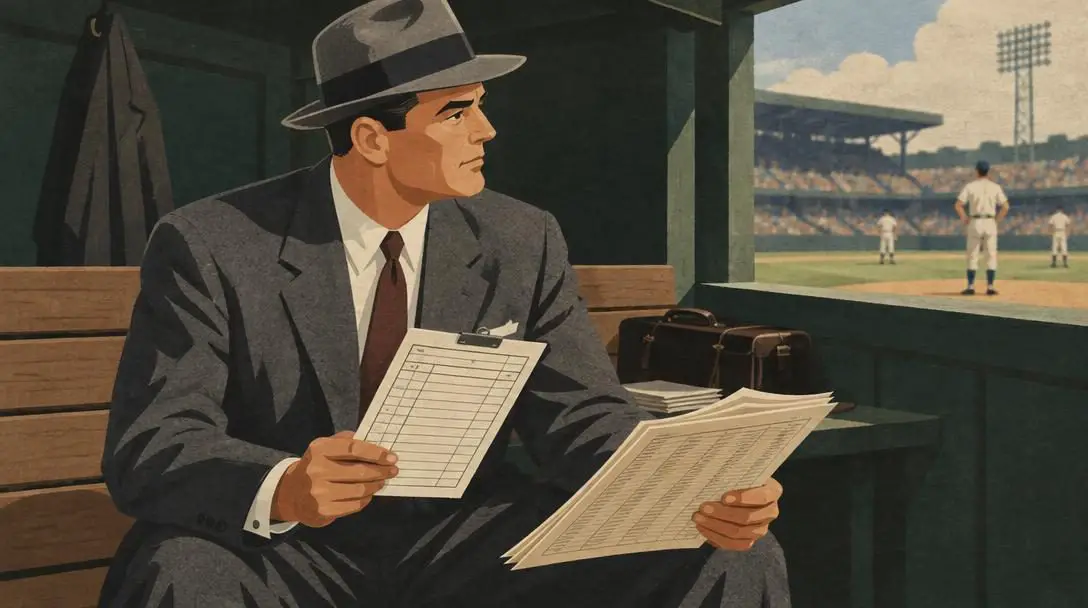
Following a big-league playing career that stretched from 1932 to 1946 across four franchises—interrupted by an absence from 1935 through 1943—Paul Richards established himself as an elite baseball mind. After leading the Chicago White Sox from 1951 to 1954, where he posted a career-best 91-54 mark in his final year, Richards resigned to accept an unprecedented leadership position in Baltimore prior to the 1955 season.
The Orioles entrusted Richards with both field manager and general manager duties, granting him total authority over the young franchise's baseball operations. Over seven seasons, Richards amassed a 517-539 record while building the club's pitching depth and organizational culture. He resigned late in the 1961 season just as the Orioles were completing their finest campaign under his guidance, leaving behind a modern competitive infrastructure.
Hank Bauer
- Orioles tenure: 1964–1968
- World Series record: 4-0 sweep (1966)
- Key milestones: Consecutive 97-win campaigns (1964, 1966)
Hank Bauer established his reputation as a tough, dedicated ballplayer with the New York Yankees following World War II, earning three All-Star selections during an illustrious playing career. He transitioned into management immediately after retiring, piloting the Kansas City Athletics during the 1961 and 1962 campaigns before Baltimore hired him in 1964.
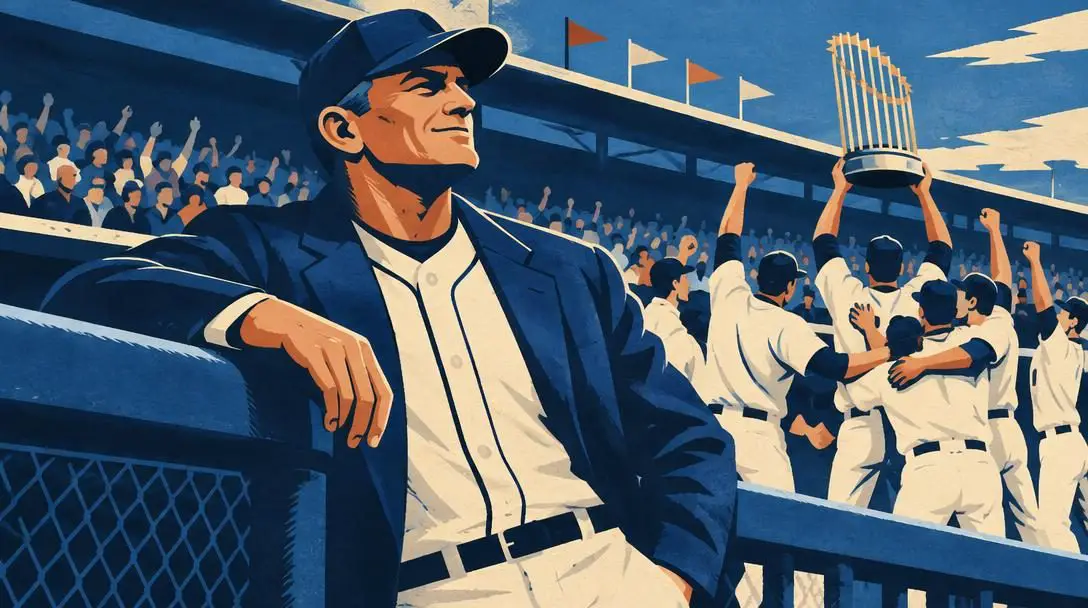
Bauer produced immediate dividends for the Orioles, winning 97 games in his first year and 94 games in his second. His crowning achievement arrived in 1966, when he orchestrated another 97-win regular season and captured the American League pennant. In the 1966 World Series, Bauer's Orioles delivered an emphatic four-game sweep over the Los Angeles Dodgers, securing the first World Series crown in Baltimore franchise history and permanently establishing the city as a baseball powerhouse.
Buck Showalter
- Orioles tenure: 2010–2018
- Record through 2017: 622-569
- Career managerial stops: Five Major League franchises
Buck Showalter brought an extensive managerial resume to Baltimore, having previously led the New York Yankees under George Steinbrenner from 1992 to 1995, the Arizona Diamondbacks from 1998 to 2001, and the Texas Rangers during a four-season tenure in the mid-2000s. When Showalter arrived in Baltimore midway through the 2010 season, the franchise had endured more than a decade of losing baseball.
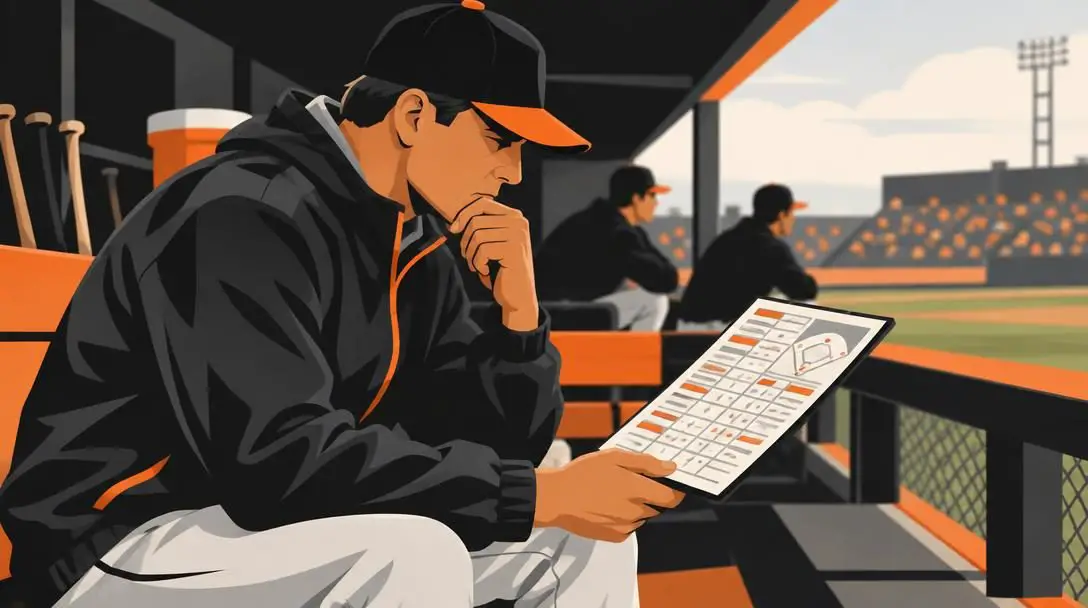
Showalter restored organizational professionalism, disciplined defensive fundamentals, and competitive pride. Through the 2017 season, he posted a formidable 622-569 record, guiding the club to multiple postseason appearances and establishing an electric atmosphere at Camden Yards. Although the franchise entered a complete rebuilding phase in 2018 that resulted in a 47-115 mark, Showalter's steady leadership brought relevant, winning baseball back to Baltimore for nearly a decade.
Steady dugout leadership and organizational discipline brought competitive baseball back to the ballpark after years of organizational frustration.
Earl Weaver
- Orioles tenure: 1968–1982, 1985–1986
- Championship honors: 1970 World Series, 4 AL Pennants
- Division titles: 6 American League East crowns
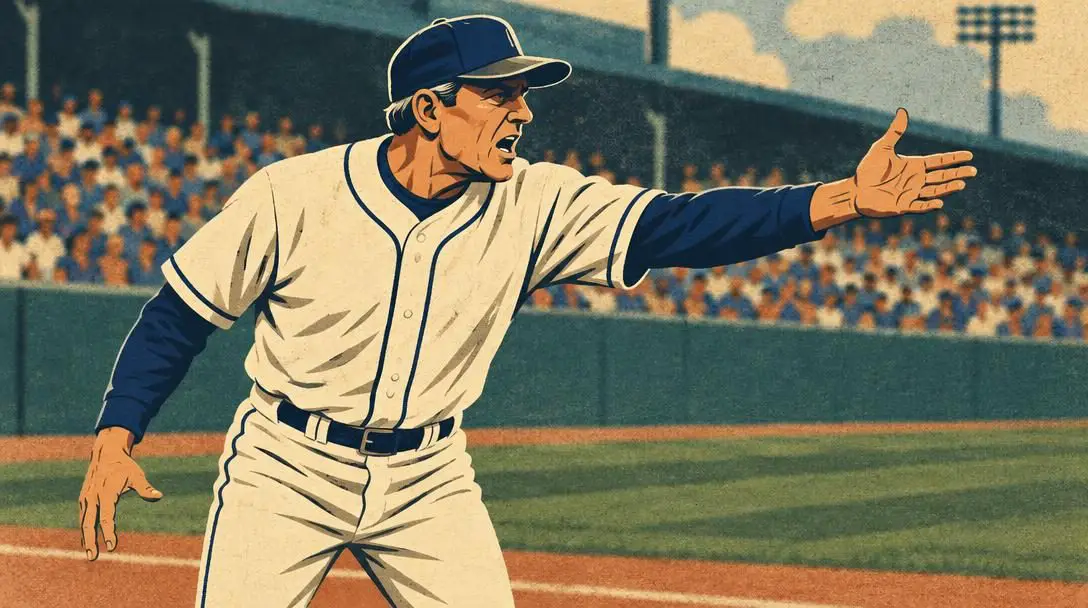
Earl Weaver stands unchallenged as the greatest manager in Orioles history. Taking the reins during the 1968 campaign, Weaver led the club through 1982 before returning for a second stint spanning 1985 and 1986. Over his Hall of Fame career, Weaver perfected a tactical philosophy centered on dominant starting pitching, airtight defense, and high-on-base sluggers capable of hitting game-breaking three-run home runs.
Under Weaver's fiery guidance, Baltimore captured six American League East titles and four American League pennants. His peak came in 1970, when the Orioles dominated the regular season with 108 victories and defeated the Cincinnati Reds to claim the World Series championship. Weaver's sustained excellence, tactical innovation, and unmatched consistency define the golden era of Baltimore baseball.
The evolution of the Major League manager
The responsibilities expected of a major-league manager have changed dramatically over baseball history. During the sport's formative decades, clubs routinely employed player-managers who handled tactical substitutions while actively participating on the diamond. As roster specializations multiplied, teams recognized the necessity of dedicated non-playing strategists who could oversee personnel development and game strategy objectively.
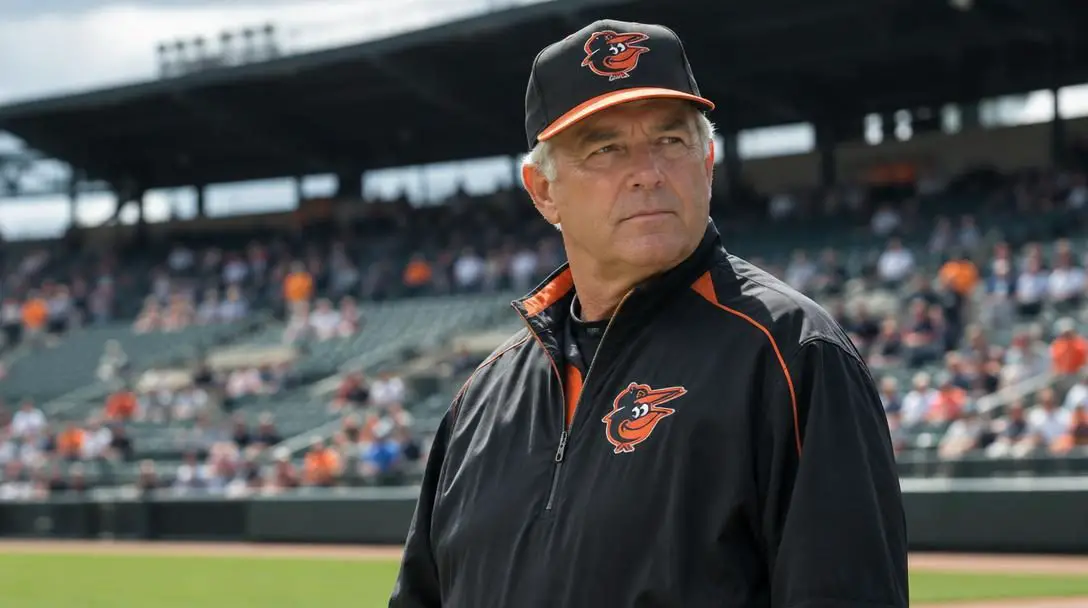
Throughout the twentieth century, managers held near-total autonomy over in-game execution, from constructing daily batting orders to dictating bullpen usage and clubhouse discipline. Early innovators like Paul Richards demonstrated how operational power could expand to include the general manager role. Today, modern field managers serve as vital communicators who bridge front-office statistical analysis with clubhouse leadership, interpreting complex data while navigating media obligations and player psychology.
Core dimensions of managerial performance
Gauging the true impact of a dugout leader requires assessing factors that extend far beyond simple win-loss records. Over the course of a grinding 162-game schedule, managerial value reveals itself through several key performance areas:
- In-game tactics and bullpen handling: The timing of relief changes, pinch-hitting decisions, and defensive alignments often dictates the outcome of tight contests.
- Clubhouse culture and motivation: Sustaining energy, accountability, and focus through slumps, long road trips, and injuries requires strong interpersonal communication.
- Player development: Integrating young prospects into the major-league environment while rehabilitating struggling veterans expands roster depth.
- Front-office alignment: Modern managers must translate analytics, roster limits, and long-term organizational goals into executable daily strategies.
- Postseason management: Navigating compressed playoff series demands tactical urgency, aggressive pitching usage, and composure under national scrutiny.
Practical steps for evaluating a manager's legacy
Historians, analysts, and fans can objectively assess managerial greatness across different eras by following a standardized evaluation framework:
- Examine peak championship achievements: Begin by counting World Series titles, pennants, and division championships to establish how frequently the manager reached baseball's summit.
- Analyze sustained regular-season performance: Review multi-year winning percentages and total victories to differentiate short-term spikes from long-term institutional stability.
- Adjust for roster quality and rebuilding cycles: Separate strategic failures from front-office teardowns, acknowledging when an organization deliberately sheds payroll or enters tanking seasons.
- Consider era-specific postseason structures: Factor in how difficult it was to reach October; earlier managers had to win their division or league outright without the safety net of modern multi-team wild-card berths.
- Measure long-term franchise impact: Determine whether the manager established cultural standards, development pipelines, or strategic approaches that survived their personal departure.
Common mistakes when comparing managers across eras
Comparing dugout leaders from different decades often leads to skewed conclusions when analysts overlook changing structural conditions. Common comparative missteps include:
- Focusing entirely on a single championship: While a World Series title represents the ultimate goal, viewing an entire career solely through one postseason run ignores the value of decades-long excellence.
- Blaming skippers for intentional rebuilds: Penalizing a manager for a poor final season ignores instances where front offices trade away key veterans to acquire future draft capital.
- Overvaluing raw win totals: Longevity alone inflates total victories, giving an unfair advantage to managers who stayed in one dugout over skippers who achieved higher winning percentages in shorter stints.
- Ignoring expanded postseason rounds: Modern managers must navigate wild-card series and division series, increasing October volatility compared to eras when pennant winners advanced directly to the World Series.
- Overlooking front-office responsibilities: Failing to note dual roles, such as Paul Richards operating as both manager and general manager, minimizes the immense workload carried by past leaders.
What to consider next in franchise leadership
As Major League Baseball continues to incorporate advanced player-tracking technology and roster specialization, the criteria defining elite dugout leadership continue to evolve. Future managerial eras in Baltimore and across the sport will depend heavily on three emerging factors:
- Communication of advanced analytics: Successful managers must translate complex computational data into simple, actionable game plans that players can execute instinctively.
- Agility within expanded playoffs: With larger postseason fields, skippers must excel in short series where single decisions carry enormous leverage.
- Balancing prospect growth with veteran stability: Modern organizations require managers who can nurture high-profile farm system graduates while preserving competitive clubhouse standards.
Frequently asked questions
Who won the first World Series title for the Baltimore Orioles?
Hank Bauer managed the Orioles to their first World Series title in 1966, completing a four-game sweep against the Los Angeles Dodgers.
Which manager has the most American League East titles in Orioles history?
Earl Weaver captured six American League East division titles during his managerial career in Baltimore, alongside four American League pennants.
Why did Buck Showalter's managerial record decline during his final season?
In 2018, the Orioles entered a full organizational rebuild and roster teardown, leading to a 47-115 finish that obscured Showalter's prior 622-569 record in Baltimore.
Did any Orioles manager ever serve as the team's general manager simultaneously?
Yes, Paul Richards served concurrently as field manager and general manager for the Baltimore Orioles after being hired prior to the 1955 season.
How quickly did Joe Altobelli win a championship in Baltimore?
Joe Altobelli won the World Series in his very first season as Orioles manager in 1983, following a 98-64 regular season.
The bottom line
The Baltimore Orioles' rich baseball heritage is inseparable from the brilliant tacticians who have led the club from the dugout. Whether through the early organizational architecture of Paul Richards, the historic championships of Hank Bauer and Joe Altobelli, the cultural revival led by Buck Showalter, or the sustained brilliance of Hall of Famer Earl Weaver, elite leadership has consistently defined the franchise's finest moments.
As baseball enters new analytical eras, the core virtues demonstrated by Baltimore's greatest skippers—strategic clarity, clubhouse respect, and October poise—remain the standard against which all future Orioles managers will be measured.