5 Hacks to Take The Scenic Route More Often
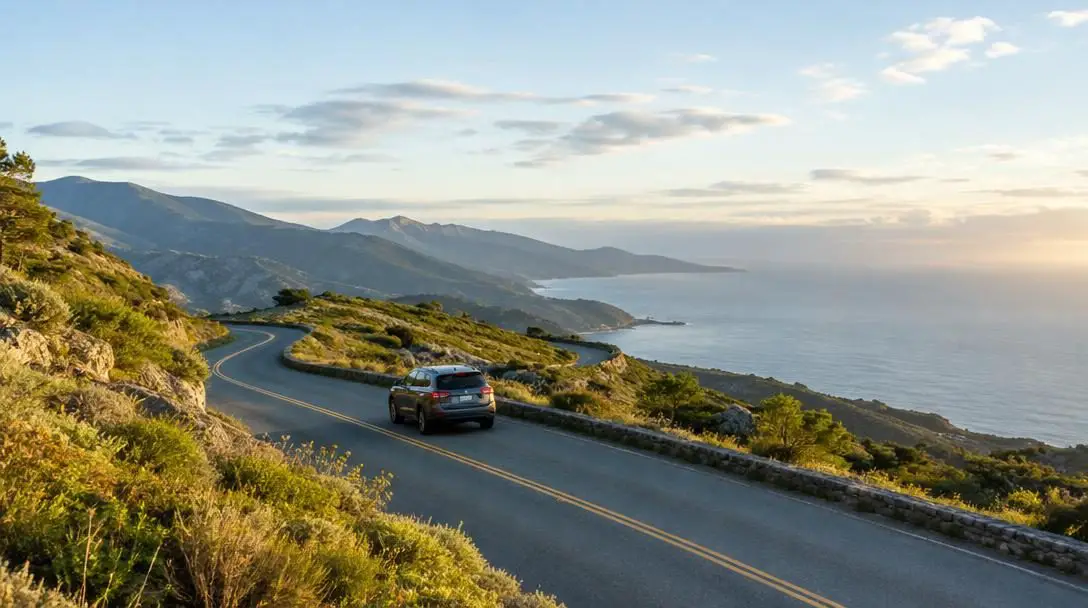
When most drivers pack their cars for a road trip, their primary objective is almost always speed. The modern itinerary is typically built around pure efficiency, charting the most direct line between origin and destination while limiting pauses to brief fuel stops, hurried drive-through meals, and mandatory rest. In this high-speed environment, highway driving easily deteriorates into a grueling endurance test that completely strips away the living geography, culture, and topography separating two points on a map.
A growing movement of travelers, however, is rejecting the monotonous blur of the interstate corridor. By shifting focus from sheer velocity to the journey itself, drivers can turn routine transit into the centerpiece of an entire holiday. Making that leap requires unlearning the habits instilled by contemporary navigation apps, which naturally funnel vehicles onto crowded expressways. Embracing alternative routes and thoughtful pacing unlocks overlooked landscapes, vibrant communities, and serene vistas that hurried drivers never get to experience.
Key takeaways
- Shifting to scenic travel treats transit hours as a core vacation experience rather than lost time to be minimized.
- Traveling along secondary roads and designated scenic byways uncovers regional beauty bypassed by commercial highways.
- Visiting world-famous landmarks during off-peak shoulder seasons eliminates crowd-induced stress while preserving majestic views.
- Aligning your itinerary with seasonal shifts, such as autumn foliage changes in the Midwest and New England, maximizes natural scenery.
- Incorporating varied transit methods—such as passenger trains, boats, bicycles, and walking paths—unlocks perspectives impossible to capture from an automobile.
Five Strategic Hacks to Prioritize the Scenic Route
Transitioning from a hurried commuter mindset to a scenic travel philosophy relies on proactive route design rather than haphazard wandering. By structuring your journey around five deliberate strategies, you can safely explore regional charm without feeling stranded or overwhelmed by lost time.
Seeking Out the Roads Less Traveled
Modern interstates were designed to bypass geography, flattening hills and skirting towns to keep commercial freight moving at peak velocity. Choosing the road less traveled means deliberately peeling away from these concrete corridors to explore secondary two-lane highways and designated scenic byways. These roads follow the organic contours of river valleys, rolling farmlands, and mountain ridges, offering immediate exposure to everyday regional life. Navigating secondary roads requires mindful driving and route awareness, yet it reliably yields peaceful roadside pull-offs, historic architecture, and quiet pastoral vistas that major thoroughfares conceal behind concrete barriers and billboards.
Visiting Major Tourist Destinations Strategically
Iconic geographic landmarks and celebrated national parks earn their fame honestly; their geological scale and natural splendor are genuinely exceptional. Unfortunately, visiting these locations during high-demand periods often means fighting congested parking lots, standing in endless lines, and viewing natural wonders through a sea of tour groups. The scenic traveler does not skip these must-see attractions, but instead approaches them during off-peak windows. Arriving during shoulder months, early morning hours, or midweek intervals provides a quiet, unhurried atmosphere that allows you to absorb the landscape as it was meant to be seen.
Timing Trips According to Peak Seasonal Conditions
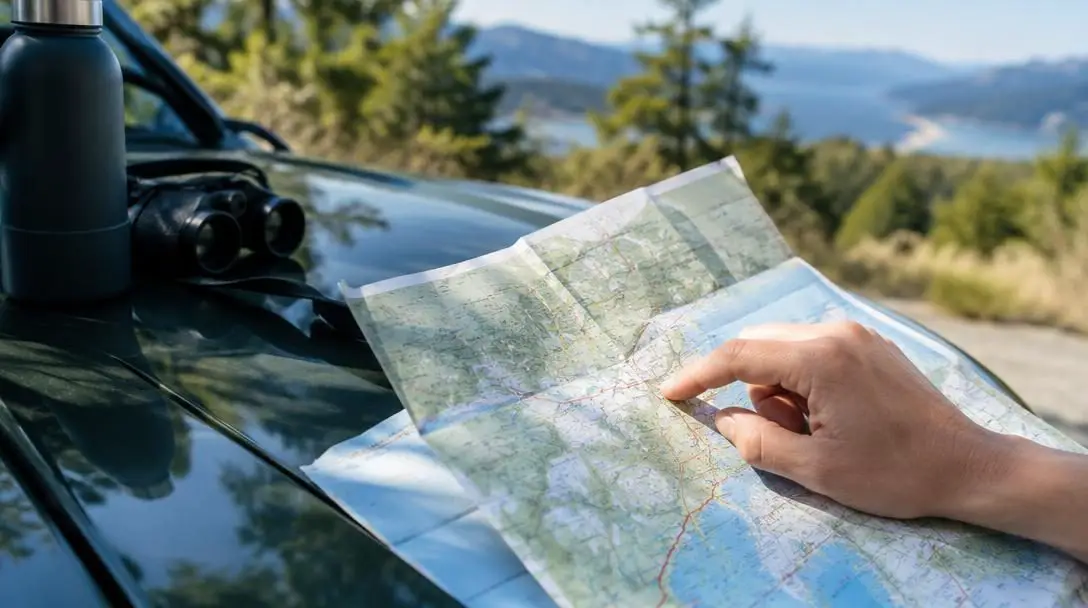
No landscape remains static throughout the year, and a highway that appears drab in midsummer can become breathtaking under different environmental conditions. Strategic scenic travelers schedule their adventures to coincide with dynamic natural transitions. A prime example is the annual pilgrimage of leaf peepers heading into New England and the Midwest, where broadleaf forests transform into vibrant canopies of gold, orange, and crimson. Similarly, timing high-elevation journeys around seasonal road openings and clear weather windows guarantees unobstructed alpine panoramas while avoiding hazardous driving conditions.
Transforming standard transit time into the highlight of a vacation begins with viewing travel hours as an experience rather than dead time.
Diversifying Your Modes of Transportation
While personal automobiles offer unmatched itinerary control, relying exclusively on a steering wheel limits how you perceive your surroundings. Shifting between varied modes of travel fundamentally alters your relationship with the environment. Boarding a regional passenger train lets you gaze out panoramic observation windows without the stress of navigating traffic, while riverboats and coastal ferries showcase skylines and shoreline topography from the water. For grand, sweeping geographic context, air travel supplies an expansive overhead perspective. At ground level, trading four wheels for a bicycle or a pair of walking shoes lets you engage all five senses, smelling local flora and examining regional details that cannot be appreciated at 55 miles per hour.
Consciously Choosing to Take the Long Way Home
The return leg of any excursion is notoriously susceptible to the rush syndrome. Travelers frequently feel an artificial urgency to sprint home, racing the clock to unpack, do laundry, and brace for the upcoming workweek. Submitting to this impulse turns the final stretch of a trip into a stressful, exhausting chore. By deliberately choosing to take the long way home, you flip the script. Departing earlier or carving out an extra afternoon to wander along tranquil backroads provides an emotional buffer zone, allowing you to decompress and reflect on your travels before sliding back into daily routines.
At a Glance: The 5 Scenic Travel Strategies
| Strategy | Primary Focus | Key Benefit | Core Planning Need |
|---|---|---|---|
| Secondary Roads | State byways and two-lane country routes | Unobstructed vistas and intimate regional culture | Route verification and safety checks |
| Strategic Timing | Shoulder-season and off-peak visits | Low-stress exploration without dense crowds | Calendar flexibility and booking research |
| Seasonal Alignment | Peak foliage, blooms, and weather windows | Experiencing landscapes at their visual peak | Monitoring regional seasonal forecasts |
| Multi-Modal Transit | Trains, ferries, bikes, planes, and walking | Fresh vantage points unavailable from cars | Intermodal scheduling and connection logistics |
| The Long Way Home | Unhurried, backroad return itineraries | Mental decompression and extended discovery | Adding itinerary buffer hours and early departures |
Step-by-Step Blueprint for Planning a Scenic Itinerary
Executing a scenic road trip demands far more intentional preparation than simply punching an address into your phone and following voice prompts. Taking the slower path safely requires conscious effort before backing out of the driveway.
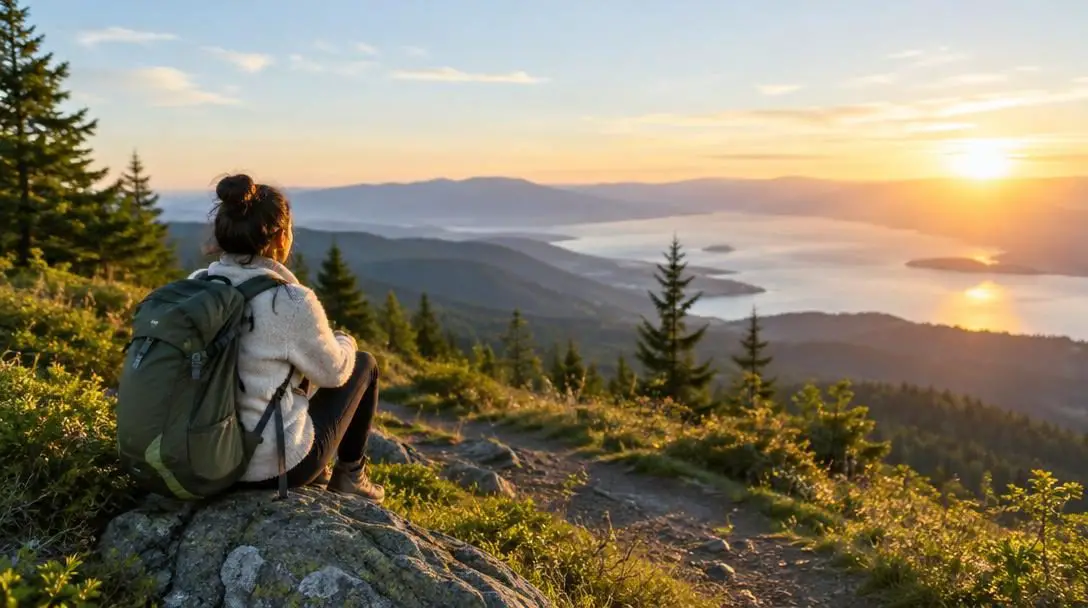
- Map Out Custom Driving Paths: Instead of defaulting to the fastest route displayed on your mobile navigation device, study regional maps for parallel roads that run alongside major interstate corridors. Identify officially designated national and state scenic byways, which are specifically managed to protect historic, cultural, and natural resources.
- Coordinate Around Off-Peak Travel Times: When your route includes celebrated tourist attractions or prominent lookouts, plan your arrivals for midweek mornings or shoulder seasons. Shifting your arrival time by just two hours can mean the difference between an empty scenic overlook and a gridlocked parking lot.
- Match Your Destination to the Ideal Season: Research the prime environmental window for the specific terrain you intend to cross. If your goal is leaf-peeping through New England or Midwestern river valleys, track regional foliage monitors to pinpoint peak color. For mountain routes, verify historical snowmelt patterns to ensure roads are open and passes are clear.
- Integrate Diverse Modes of Travel: Break up long vehicular segments by booking passenger rail links, river cruises, or pedestrian ferry crossings. Map out opportunities to park your vehicle and explore state parks, historic canal paths, or town centers using bicycles or walking trails.
- Build Generous Buffer Time into Daily Schedules: Expand your estimated driving duration by 30 to 50 percent when leaving major expressways. Incorporating daylight buffer cushions ensures you can make spontaneous detours, photograph scenic lookouts, and patronize roadside farm stands without falling behind schedule.
Common Mistakes That Derail Scenic Travel
Embracing a slower travel style is deeply rewarding, but romanticizing the open road without accounting for logistical realities can quickly turn a peaceful drive into an ordeal. Avoid these frequent pitfalls to keep your trip safe and relaxing:
- Underestimating Required Travel Time: Two-lane country roads feature lower posted speed limits, sharp curves, agricultural machinery, and frequent speed reductions through small towns. Expecting to cover backroad miles at expressway speeds inevitably causes rushed driving and mounting stress.
- Neglecting Route Safety and Road Surface Conditions: Secondary and rural roads vary dramatically in maintenance quality. Failing to check for unpaved surfaces, steep mountain grades, narrow shoulders, or seasonal closures can put your vehicle in serious jeopardy.
- Arriving at Premier Destinations During Peak Hours: Rolling up to iconic landmarks during midday holiday weekends guarantees parking frustrations and obscured views. Always prioritize early morning or twilight visits.
- Rushing the Final Return Leg: Treating the drive home as an emergency sprint undoes the mental restoration achieved during the vacation. Protect your final day by keeping schedules light and routes peaceful.
- Relying Exclusively on Personal Automobiles: Never stepping out of the car restricts your experience to windshield views. Overlooking passenger trains, water ferries, and walking trails deprives you of multi-dimensional views of the terrain.
Logistical Considerations for Multi-Modal and Extended Drives
Before launching an ambitious scenic expedition, evaluate your personal comfort with open-ended schedules. If you or your passengers are accustomed to rigid itineraries, jumping straight into a multi-day backroad odyssey can generate friction. Begin incrementally by taking the long way home from a weekend getaway or dedicating a single afternoon of an upcoming trip to secondary highways.
If you intend to combine automobile driving with passenger rail, passenger boats, or regional flights, pay close attention to intermodal connection points. Review terminal parking arrangements, luggage transfer policies, and departure frequencies well in advance. Ensuring smooth transitions between personal vehicles and public transit links allows you to enjoy expansive aerial vistas or relaxing waterside journeys without unnecessary logistical headaches.
Frequently asked questions
How do navigation apps prevent drivers from finding scenic routes?
Most standard mobile navigation applications use algorithms calibrated strictly for speed, fuel economy, and minimal transit time. By default, they steer traffic toward high-capacity interstates, dual carriageways, and toll roads while filtering out slower, winding secondary routes that offer richer scenery.
Is it safe to explore rural backroads without four-wheel drive?
Yes, provided you verify road classifications before departing. Most designated state and national scenic byways are fully paved and maintained for standard passenger cars. However, drivers should always check route conditions to avoid unmaintained gravel trails, steep seasonal passes, or roads lacking cell service.
When is the best time to plan a fall foliage road trip?
Autumn foliage shifts by latitude and elevation, but prime color across New England and the Midwest typically emerges from late September through mid-to-late October. Monitoring state forestry reports and regional foliage trackers helps pinpoint the exact peak weeks for your target route.
How much extra time should I budget when taking the scenic route?
As a general rule, add at least 30 to 50 percent more driving time than a standard mapping app projects for the fastest route. Lower speed limits, agricultural traffic, winding terrain, and frequent pull-offs at scenic lookouts naturally slow your average pace.
Why should I incorporate trains or boats instead of just driving?
Alternative transit modes offer perspectives that roads cannot reach. Passenger trains allow the driver to relax and view sweeping river canyons or mountain slopes through observation windows, while boats reveal natural shorelines and maritime settings from the water.
The bottom line
The habit of racing across highways to minimize travel time reduces vacations to mere destinations, forfeiting hundreds of miles of living history and natural splendor. By consciously breaking away from interstate corridors, exploring secondary roads, syncing travel dates with peak seasonal phenomena like Midwest and New England autumns, and diversifying how you move, transit stops being a hurdle and becomes the adventure itself. Slowing down your pace, building generous buffers into your calendar, and intentionally taking the long way home will redefine the way you travel for years to come.