5 Magic Tricks That Went Spectacularly Wrong
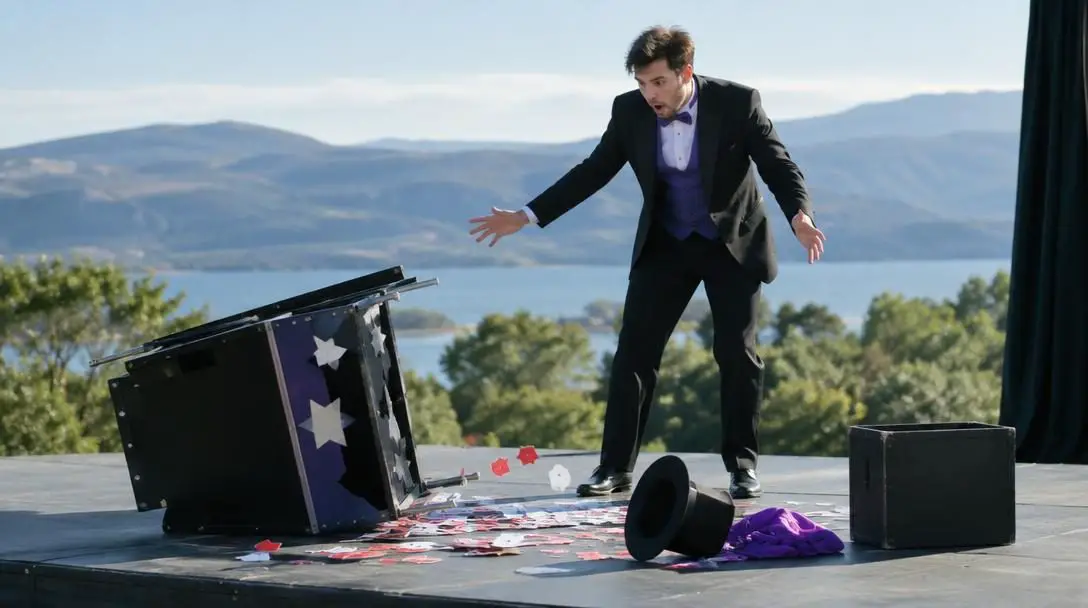
Stage magic captivates audiences by transforming the impossible into visual reality, creating breathtaking moments where human limits appear suspended. When an illusion is executed flawlessly, spectators are left in awe, analyzing every gesture and prop to comprehend how the miracle occurred. Yet behind every triumph lies a razor-thin margin of safety that relies on exact timing, mechanical reliability, and unyielding discipline.
When high-risk illusions unravel, the outcome can be devastating for performers, assistants, and unsuspecting volunteers alike. Throughout theatrical history, equipment collapses, mistimed cues, and unpredictable outdoor environments have turned celebrated stunts into harrowing emergencies and fatal miscalculations. Examining these historic failures sheds light on the hidden physics of stagecraft, the fragility of live entertainment, and the vital safety redundancies modern illusionists must maintain.
Key takeaways
- High-stakes illusions depend on structural engineering, precise timing, and flawless tracking methods rather than supernatural luck.
- Outdoor environments and live television broadcasts introduce uncontrolled variables that drastically increase the risk of catastrophe.
- Tragic incidents involving buried coffins and submerged chain escapes demonstrate the immense danger of underestimating physical forces like concrete weight and water currents.
- The bullet catch remains historically one of the deadliest stage tricks, leading to multiple fatalities before modern stagecraft evolved safer methods.
At a glance: Notorious magic disasters in history
| Performer / Act | Year | Illusion Type | Key Contributing Factor | Outcome |
|---|---|---|---|---|
| Marcin Poloniewicz | Modern era | Three card monte with hidden nail | Volunteer hand slammed onto unverified bag | Host's hand impaled; non-fatal injury |
| Princess Tenko | Modern era | "The Spikes of Death" mechanical blade drop | Premature blade release inside enclosed cabinet | Severe trauma to chest, back, and head |
| Wizard Mandrake | 2019 | Submerged river escape in chains | Failure to free restraints beneath river surface | Drowning; fatal incident |
| Joe Burrus | 1990 | Underground burial beneath dirt and wet cement | Structural failure of coffin under crushing weight | Coffin collapsed; fatal suffocation |
| The Bullet Catch | 1840 / 1918 | Live firearm projectile catch | Ammunition substitution and weapon malfunction | Fatal gunshots to performers |
Five high-profile magic illusions that went horribly wrong
While hundreds of thousands of stage illusions are performed safely every year, a handful of high-profile disasters have captured international headlines. These five incidents demonstrate how mechanical props, hazardous materials, and environmental pressures can turn daring showmanship into real-world tragedy.
Marcin Poloniewicz

- Origin: Poland
- Illusion type: Three card monte variation with a hidden nail
- Setting: Live morning television talk show
- Incident: Host hand impalement
Polish magician Marcin Poloniewicz became an overnight internet sensation for all the wrong reasons during an appearance on a live morning talk show. Poloniewicz invited one of the show's co-anchors to participate in a classic variation of the three card monte or Russian roulette routine. In this demonstration, several paper bags were arranged on a table, with one concealing a sharp, upright metal nail while the others remained completely empty.
The illusion was intended to culminate in the magician boldly slamming his or the host's hand down on the empty paper bags, demonstrating an uncanny psychological sense of where the hazard lay. Instead, Poloniewicz took the television anchor's hand and drove it forcefully down onto the exact bag concealing the spike. The nail instantly impaled her hand on live television, eliciting immediate screams of genuine agony. The broadcast quickly cut away as production staff rushed to administer medical assistance, creating a lasting viral warning about the catastrophic risks of utilizing live volunteers in sharp-prop demonstrations.
Princess Tenko

- Real name: Marikoa Itakura
- Active career: Performing since the mid-1970s
- Incident location: Sabae City, Japan
- Illusion name: "The Spikes of Death"
Marikoa Itakura, globally celebrated under the stage moniker Princess Tenko, is one of the most prominent female illusionists in the world. Having launched her professional performance career in the mid-1970s, Tenko developed a reputation for executing massive, dramatic stage escapes featuring intricate machinery, pyrotechnics, and perilous apparatus. However, during a production in Sabae City, Japan, her mechanical setup betrayed her in terrifying fashion.
Performing an illusion dubbed "The Spikes of Death," Tenko placed herself inside an enclosed upright cabinet designed to have 20 heavy steel blades release and plunge downward into the interior space. The routine required her to slip into a concealed escape cavity before the blades dropped. Due to a mechanical misfire or timing discrepancy, the safety window vanished, and the 20 blades crashed into the chamber while Tenko was still trapped within their path. She was struck repeatedly, sustaining severe puncture wounds across her chest, back, and head, and narrowly avoided losing an eye. Miraculously, she survived the devastating ordeal and continues to perform today.

Wizard Mandrake
- Real name: Chanchal Lahiri
- Age: 40 years old
- Date of incident: June 2019
- Location: Bengali River, India
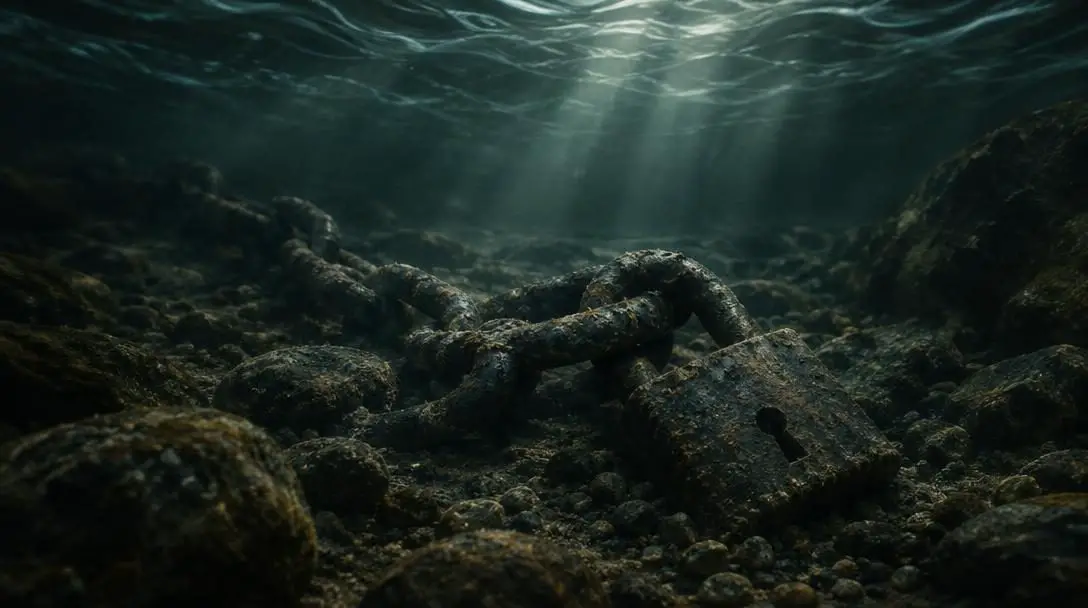
Chanchal Lahiri, widely recognized in India by his performance name Wizard Mandrake, sought to pay homage to the death-defying underwater stunts of Harry Houdini. In 2019, the 40-year-old illusionist organized an ambitious outdoor stunt along the Bengali River. Bound securely in heavy metal chains with padlocks securing his limbs, Lahiri was placed into the river by a crane, with spectators and media assembling on nearby boats, bridges, and the riverbank to witness him emerge unbound from the murky water.
Before entering the water, Lahiri spoke with photographer Jayanta Shaw, famously observing that if he completed the stunt correctly it would be magic, but if he made a mistake it would turn into tragedy. Moments after being submerged beneath the surface, the expected timeline for his escape passed with no sign of the magician. Spectators realized he had failed to free himself from the chains. A frantic rescue and search operation followed, but divers were unable to locate him in time. His body was eventually recovered downstream, underscoring the absolute peril of open-water chain escapes.
Underestimating the physical weight of natural earth and wet concrete has proved catastrophic for performers seeking to recreate classic underground escapes.
Joe Burrus
- Age: 32 years old
- Date of incident: Halloween night, 1990
- Inspiration: Harry Houdini
- Illusion type: Concrete-filled coffin escape
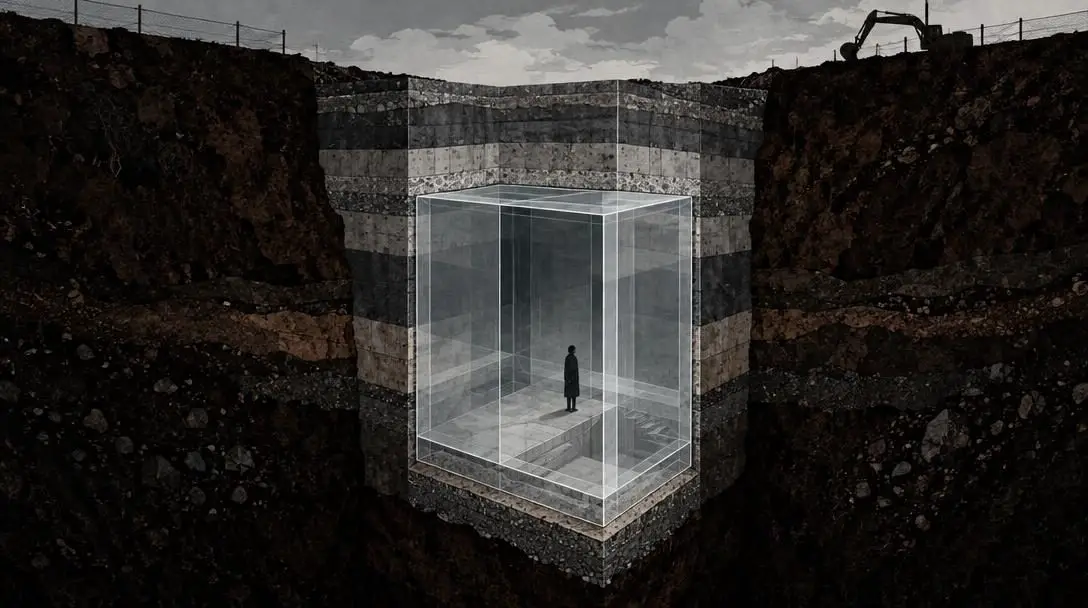
Magician Joe Burrus deeply idolized Harry Houdini, viewing himself as the torchbearer of extreme escapology for his generation. On Halloween night in 1990, the 32-year-old performer orchestrated a lavish live spectacle intended to outdo Houdini's famed buried-alive stunts. Burrus climbed into a clear acrylic and glass coffin, bound in chains, and was lowered into an excavated seven-foot pit. The stunt called for ground crews to bury the transparent casket beneath thousands of pounds of natural soil and wet concrete.
Burrus planned to pick his restraints, breach the coffin's upper access panel, and dig his way up through the curing mixture to the surface. Tragically, the structural engineering of the coffin was wholly inadequate to withstand the sheer downward pressure of the dense material. As the concrete poured over the enclosure, the casket suffered a catastrophic structural failure, snapping the lid and collapsing inward. Crew members scrambled frantically to shovel away the heavy cement, but the sheer weight prevented rapid extraction. Burrus was crushed and suffocated before rescuers could reach him.
The Bullet Catch
- Historical timeline: Practiced since the 19th century
- Notable fatality 1: Arnold Buck (1840)
- Notable fatality 2: Chung Ling Soo (1918)
- Core hazard: Live gunpowder, modified barrels, and substituted ammunition
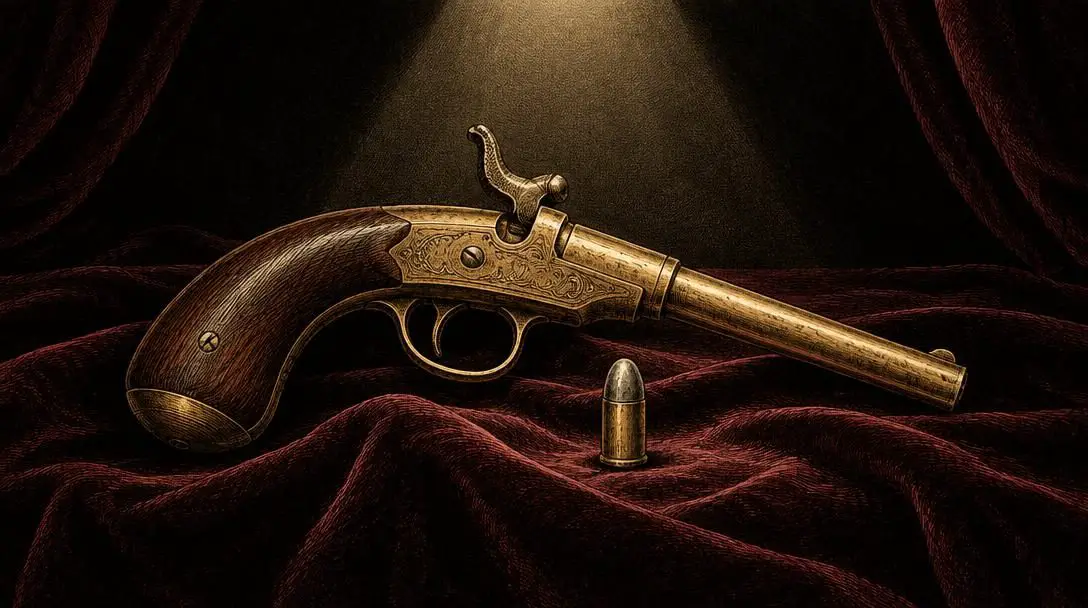
The infamous bullet catch holds an undisputed reputation as one of the oldest and deadliest illusions in stage magic. In this performance, an assistant or volunteer points a firearm at the magician and pulls the trigger. The weapon discharges with smoke and sound, whereupon the performer appears to catch the projectile in mid-air or reveal it clutched unharmed between their teeth. While executed successfully by many illusionists over centuries, the stunt has claimed an alarming number of lives.
In 1840, a performer named Arnold Buck was killed onstage when an audience member or assistant secretly dropped nails down the firearm barrel, turning a blank charge into a lethal projectile. Decades later, in 1918, the world-famous illusionist Chung Ling Soo (the stage persona of American performer William Ellsworth Robinson) suffered a fatal accident at the Wood Green Empire in London. A secret chamber designed to bleed off live gunpowder failed over repeated performances, allowing the actual bullet to discharge directly into his chest. Although technological advancements and replica firearms have reduced accidents in modern times, the trick remains a symbol of extreme theatrical danger.

How high-stakes illusions function behind the scenes
Understanding how these illusions unravel requires examining the mechanical, psychological, and physical systems engineered to protect the performer. When functioning as intended, these demonstrations rely on strict physical redundancies to maintain safety while convincing the audience that genuine peril is present.
- Mechanical blade and spike drops: Cabinets like those used in "The Spikes of Death" incorporate mechanical stops, decoy guide tracks, and hidden safety recesses. The performer must shift their body into an engineered pocket of space or actuate a safety catch that halts the blades several inches above their torso. A failure in the catch or an unexpected physical slip removes that margin entirely.
- Submerged chain releases: Underwater escapes rely on modified lock tumblers, hidden shims, quick-release split links, or duplicate keys palmed or hidden in costume seams. Magicians must remain calm to preserve their oxygen supply while working blind under the surface of murky water.
- Underground burials: Stunts involving earth or cement require heavy steel framework, reinforced load-bearing beams, and concealed ventilation pipes. The illusion creates the visual impression that the performer is bearing the weight directly, when in fact an engineered arch or chamber deflects the downward load away from their body.
- Sensory cup and bag tracking: The hidden-spike trick utilizes physical tactile marks, micro-folds in paper bags, magnetic sensors, or distinct spatial layouts. The performer relies on secondary verification systems so they never smash an unverified container.
- Ballistic deceptions: Traditional bullet catch routines utilized specially altered gun barrels that vented explosive gas out the side or channeled the lead slug into a hidden stock chamber. The bullet displayed in the performer's mouth was concealed prior to the trigger pull.
Operational steps for managing extreme illusion hazards
Professional illusionists and stunt coordinators execute a rigorous sequence of engineering checks, risk assessments, and environmental rehearsals to protect human life during high-risk performances.
- Calculate structural loads and pressure thresholds: Before testing burial coffins or support boxes, engineering teams calculate hydrostatic pressure, soil density, and material strength, ensuring apparatus can withstand at least double the intended performance load.
- Install mechanical fail-safes and secondary catches: Drop blades, sliding gates, and heavy counterweights must incorporate physical steel pins or redundant stops that prevent the prop from traveling into human occupant zones even if primary latches fail.
- Establish secondary confirmation protocols: For table mentalism involving sharp spikes, performers should maintain two independent tracking systems, such as tactile edge notches and remote magnetic detectors, eliminating reliance on single visual checks.
- Deploy dedicated underwater rescue teams: Any stunt performed in open water demands certified safety divers stationed submerged directly beside the performer with emergency air supplies, cutting shears, and immediate recovery hoists.
- Survey environmental conditions on site: Open waterways must be measured for current velocity, water clarity, underwater debris, and temperature shifts immediately prior to the performance.
Common errors that turn illusions into disasters
A post-incident review of magic disasters reveals recurring operational pitfalls. These critical vulnerabilities routinely bridge the gap between brilliant showmanship and tragic failure:
- Single-point spatial tracking: When a performer tracks a hidden spike solely by memorizing its position on a table, any accidental nudge by a volunteer or production assistant scrambles the spatial sequence, resulting in direct impalement.
- Complacency with live firearms: Stage firearms that accumulate unburned black powder over multiple performances can accidentally ignite live charges, turning modified props into functional deadly weapons.
- Inadequate emergency intervention gear: Staging water or burial stunts without immediate access to hydraulic jacks, air tanks, and medical shears leaves safety crews powerless when seconds decide survival.
- Underestimating natural environmental forces: Uncontrolled natural elements like river currents, fluctuating water temperatures, and the dense, fluid mass of curing wet concrete exert forces far beyond what standard stage props can endure.
- Failing to abort during timing deviations: Reluctance to break character or pause a live performance often causes performers to push forward through obvious equipment hitches rather than executing an immediate safety shutdown.
Frequently asked questions
Why did Joe Burrus's concrete coffin collapse?
Joe Burrus used a coffin constructed from clear acrylic and glass, which lacked the structural reinforcement necessary to support the immense downward weight of wet cement and soil, causing the lid to buckle inward under the crushing mass.
Did the Polish news anchor recover from Marcin Poloniewicz's trick?
Yes, the television anchor received prompt medical treatment for the puncture wound caused by the concealed nail. The incident went viral globally as an example of safety verification failure on live television.
How did Chung Ling Soo die during the bullet catch illusion?
Chung Ling Soo was killed in 1918 when black powder accumulated in a secret discharge chamber inside his modified gun barrel over months of use. When fired onstage, the trapped residue detonated the live cartridge, firing a real bullet into his chest.
Why was Wizard Mandrake unable to escape the Bengali River?
Chanchal Lahiri (Wizard Mandrake) was heavily bound in chains and lowered into natural river currents. Murky water, low visibility, and unexpected hydraulic forces prevented him from undoing his restraints or signaling for help before drowning.
Did Princess Tenko retire after her blade box accident?
No, despite sustaining severe injuries to her chest, back, and head from 20 plunging blades during "The Spikes of Death," Princess Tenko recovered and continued her professional career as an international illusionist.
The bottom line
The enduring appeal of stage magic lies in its capacity to construct a thrilling illusion of danger while keeping the performer fundamentally safe behind the curtain. Yet as the tragic cases of Joe Burrus, Wizard Mandrake, and historical bullet catch performers prove, the laws of physics and nature offer no leeway for mechanical defects or rushed preparation.
True mastery in modern illusion design is measured not by how recklessly an artist flirts with genuine peril, but by the rigor of their engineering, the depth of their safety contingencies, and their humility in aborting a stunt when conditions are compromised. By replacing live firearms with non-lethal props and backing every escape with certified rescue teams, modern illusionists ensure that the wonder of magic endures without claiming human lives.